Veterinary Blood Analyzers: CBC Parameters, Applications, and Selection Criteria
A veterinary hematology analyzer is a blood testing instrument used to count and analyze cells in whole-blood samples. Complete blood count (CBC) parameters help veterinarians assess hematologic status, monitor disease progression, and evaluate response to treatment. Cell differentiation capabilities, available parameters, and supported animal species vary by analyzer.
When selecting an analyzer, facilities should consider the animal species to be tested, clinical needs, sample volume, analytical performance, and operating costs. The number of reported parameters or the stated testing speed is only meaningful if the analyzer meets the facility’s actual needs.
Before Choosing a Veterinary Hematology Analyzer, Answer These 4 Questions
- Which animal species does the facility test?
Do not only check which species are pre-programmed into the analyzer. Review the performance of each parameter for those species as well. - What level of white blood cell differentiation is needed?
The main difference between 3-part and 5-part analyzers is their ability to differentiate white blood cells. More categories do not automatically mean the analyzer is more suitable. - What is the actual sample volume?
The stated testing speed is only useful when it matches the number of samples processed each day, peak-hour demand, and the facility’s quality-control procedures. - What are the costs after purchasing the analyzer?
Operating costs should include reagents, quality-control materials, maintenance, consumables, staff training, and downtime when the analyzer requires servicing.
What is a veterinary blood analyzer?
Hematology analyzers and CBC testing
“Veterinary blood analyzer” is a broad term that may include hematology analyzers, biochemistry analyzers, and other analytical systems. A hematology analyzer specifically evaluates blood cells and reports CBC parameters.
Depending on the design, an analyzer may use electrical impedance, optical methods, or a combination of methods to count and differentiate cells. Parameters may be measured directly or calculated from measured values according to the analyzer’s configuration.
CBC testing is commonly used to support the assessment of anemia, changes in white blood cells, and abnormalities in platelet counts. In some cases, a blood smear examination is also needed to assess cell morphology, identify cell clumping, or verify analyzer results.
How is a hematology analyzer different from biochemistry, immunoassay, and PCR systems?
| Instrument or system | What it analyzes | Information provided |
| Hematology analyzer | Cells in whole-blood samples | Cell counts and other cellular characteristics the analyzer is designed to assess |
| Biochemistry analyzer | Substances and enzyme activities in appropriate sample types | Parameters that support assessment of liver and kidney function, metabolism, and electrolyte balance, depending on the test menu |
| Immunoassay system | Antigens, antibodies, hormones, or biomarkers | Results depend on the method, test kit, and sample type |
| PCR or RT-PCR system | Nucleic acids of the target being tested | Detection of target DNA or RNA according to the relevant testing procedure |
These test groups provide different types of information. A CBC does not replace biochemistry testing for assessing metabolic problems or specialized testing for identifying disease-causing agents. Veterinarians select tests according to the animal’s condition and the diagnostic objective.
Which Parameters Are Included in a Veterinary CBC?
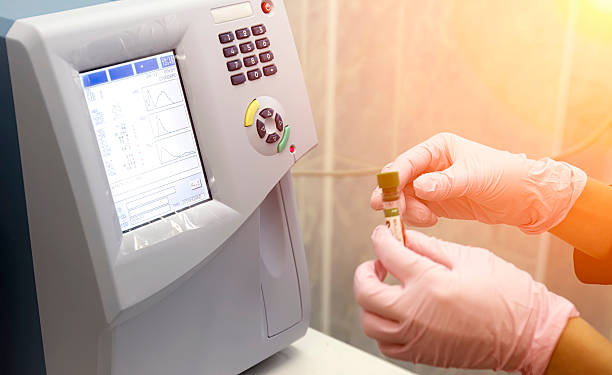
Red blood cell parameters: RBC, HGB, HCT, MCV, MCH, and MCHC
Red blood cell parameters support the assessment of anemia, erythrocytosis, and characteristics of the red blood cell population. Common parameters include:
| Parameter | Basic meaning |
| RBC | Number of red blood cells per unit volume of blood |
| HGB | Hemoglobin concentration in the blood |
| HCT | Percentage of total blood volume occupied by red blood cells |
| MCV | Average volume of a red blood cell |
| MCH | Average amount of hemoglobin in a red blood cell |
| MCHC | Average hemoglobin concentration within the red blood cell mass |
RBC, HGB, and HCT should be interpreted together and considered alongside the animal’s clinical condition and sample quality. MCV and MCHC can help classify anemia, but they are not sufficient to determine the cause based on a single result.
Reference intervals should be appropriate for the animal species, testing method, and population being assessed. Age, physiological status, and other factors can also affect interpretation.
White blood cell parameters: WBC and differential counts
WBC is the total number of white blood cells per unit volume of blood. White blood cell counts can change in many situations, including inflammation, infection, stress, medication effects, or bone marrow disorders. WBC alone does not identify the cause.
In addition to total WBC, some analyzers classify white blood cells into different groups:
- 3-part analyzers: Grouping depends on the model. Some analyzers report LYM, MID, and GRAN. MID should not automatically be interpreted as a separate monocyte count. The meaning and composition of each group should be checked against the analyzer documentation.
- 5-part analyzers: For supported mammalian species, many models report neutrophils, lymphocytes, monocytes, eosinophils, and basophils. The ability to differentiate these cell types and the reliability of each parameter still need to be verified for each species.
Automated differential results should be reviewed together with analyzer flags and sample condition. Cases involving analyzer warnings, suspected abnormal cells, or results that do not match the clinical picture may require blood smear examination or another confirmatory method.
Platelet parameters: PLT and MPV
PLT is the number of platelets per unit volume of blood. This result supports assessment of platelet status and bleeding risk when considered together with clinical findings and other necessary tests.
MPV is the mean platelet volume. It may provide additional information in some situations, but it does not directly measure platelet function.
Cat platelets are prone to clumping during sample collection and handling, which can cause an analyzer to report a falsely low platelet count. When PLT is low or does not match the clinical presentation, a blood smear or another appropriate confirmation method should be used before concluding that thrombocytopenia is present.
Points to consider when interpreting CBC results
A value outside the reference interval does not automatically indicate disease, while a value within the reference interval does not completely rule disease out. Interpretation should consider the species, age, physiological status, clinical signs, medical history, and sample-collection conditions.
When monitoring results over multiple tests, differences between analyzers, testing methods, and laboratory reference intervals should also be considered. These differences may affect comparisons over time.
Comparing 3-Part and 5-Part Hematology Analyzers
Three-part and five-part analyzers, also known as 3-diff and 5-diff analyzers, differ mainly in the level of white blood cell differentiation they provide. Factors such as speed, cost, and maintenance should be compared for each specific model.
| Criterion | 3-part analyzer | 5-part analyzer |
| White blood cell differentiation | Three groups according to the analyzer configuration; some models report LYM, MID, and GRAN | Many models report five white blood cell groups for supported mammalian species |
| Level of detail | Fewer differentiated groups | Provides more detailed differentiation when performance has been verified |
| Species coverage | Check supported species and individual parameters | Check supported species and individual parameters |
| Speed | Compare samples processed per hour and actual preparation time | Compare samples processed per hour and actual preparation time |
| Operating costs | Calculate based on reagents, consumables, quality control, and sample volume | Calculate based on reagents, consumables, quality control, and sample volume |
| Maintenance | Review cleaning schedules, procedures, and required supplies for each model | Review cleaning schedules, procedures, and required supplies for each model |
When should each type of analyzer be considered?
A 3-part analyzer may be suitable when the parameters it provides meet the facility’s clinical needs and additional verification is available when necessary. A 5-part analyzer may be worth considering when the facility regularly requires more detailed white blood cell differentiation and has appropriate staff and quality-control procedures.
Clinic size or budget should not be the only deciding factor. Facilities should also consider common case types, animal species tested, turnaround requirements, and their ability to work with an external laboratory when additional testing is needed.
Why should an analyzer not be selected only by the number of parameters?
More parameters do not automatically mean more reliable results. Clinical value depends on the performance of each parameter, sample quality, quality control, and the ability to interpret results correctly.
An analyzer that meets the actual needs of the facility, has a stable supply of consumables, and can be operated consistently may be more suitable than a feature-rich model that is difficult to maintain under real operating conditions.
Animal Species and Sample Types to Verify Before Investing

Check analytical performance by species
Before choosing an analyzer, facilities should review analytical performance data for each species and for the specific parameters they intend to use. They should also verify the source and suitability of the reference intervals used to interpret results.
Having a species name or reference interval pre-programmed into the analyzer is not enough to confirm that every parameter can be measured and differentiated reliably for that species.
- Dogs and cats: Check the performance of each model, especially for flagged results and feline samples with suspected platelet clumping.
- Cattle, horses, and pigs: Verify which species are supported and which parameters can be reported. Do not assume testing capability simply because the product is labeled a “veterinary analyzer.”
- Poultry: Avian red blood cells and thrombocytes are nucleated, unlike those of mammals. Methods and procedures validated for avian blood should be used rather than automatically applying mammalian testing settings.
Tube type and sample volume
EDTA-anticoagulated whole blood is commonly used for veterinary hematology testing. However, tube type, sample volume, and handling conditions should follow the requirements applicable to the species, method, and analyzer.
It is important to distinguish between the sample aspiration volume used by the analyzer for each test and the minimum volume required in the collection tube. An analyzer using only a small amount of blood does not mean that any amount of blood can be placed in a standard anticoagulant tube. The tube must be filled within the specified range to maintain the correct blood-to-anticoagulant ratio.
Applications in Veterinary Clinics, Laboratories, and Livestock Facilities
Veterinary clinics and hospitals
CBC testing supports assessment of hematologic status during clinical examination, preoperative evaluation when indicated, and treatment monitoring. An in-house analyzer gives the facility more control over sample processing and turnaround time.
When selecting an analyzer, facilities should balance white blood cell differentiation needs, sample volume, and their ability to perform blood smear examination or send samples for additional testing.
Veterinary laboratories
Veterinary laboratories should place particular emphasis on analytical performance, quality control, and the ability to store and retrieve results. Connectivity with data-management systems may also reduce manual data entry and support long-term tracking of test history.
Livestock facilities
In some livestock operations with qualified personnel and suitable operating conditions, CBC testing may provide additional information for evaluating animal health. Results should be interpreted in relation to the sampling objective, herd or flock condition, and the veterinarian’s assessment.
Hematology testing does not replace disease-surveillance programs or specialized testing used to identify specific pathogens.
Testing Workflow: From Sample Collection to Result Storage
1. Collect, label, and assess sample quality
Before analysis, check:
- Animal identification, species, and sample-collection time.
- Anticoagulant tube type and blood volume in the tube.
- Clots, hemolysis, or other sample abnormalities.
- Sample storage and transport time and conditions.
Mix the sample gently according to the tube instructions and testing procedure; avoid vigorous shaking. Clotted samples should be handled according to the laboratory’s sample-rejection criteria. A clot should not simply be removed and the remaining sample treated as acceptable.
For hemolyzed samples, assess how hemolysis may affect the parameters being reported and consider the possible cause. Hemolysis may be related to sample collection, storage, handling, or the animal’s condition. The decision to analyze the sample or request a new one should follow the facility’s procedure and professional assessment.
2. Check the analyzer and select the correct settings
Before running a sample, check analyzer status, reagents, maintenance, and quality-control results according to the facility’s procedures. Select the correct species setting and analysis mode for the sample.
If quality control is not acceptable, investigate and correct the problem before accepting patient-sample results that may be affected.
3. Review flags and verify results
Analyzer flags indicate that further review may be needed and should not be ignored simply because the analyzer has produced numerical results. Depending on the flag and sample condition, a blood smear examination, repeat analysis, or another confirmatory method may be necessary.
Final results should be considered together with clinical signs, medical history, and other relevant test information before a professional interpretation is made.
4. Store data and document incidents
Store test results together with animal identification, testing time, and any necessary notes. Problems such as unacceptable samples, repeated analyzer flags, or instrument interruptions should be documented to support traceability and technical troubleshooting.
Cleaning and maintenance should follow the manufacturer’s schedule and the facility’s internal procedures.
Selection Criteria and Total Cost of Ownership
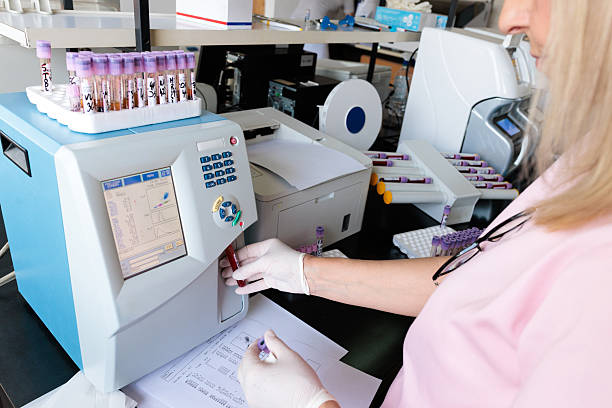
Define the actual testing needs
Before comparing models, clarify:
- Which species are tested most frequently?
- What are the average and peak numbers of samples per day?
- Which parameters need to be reported in-house?
- Does the facility have staff who can examine blood smears and investigate analyzer flags?
- Is connectivity with clinic or laboratory management software required?
Evaluate analytical performance
Repeatability and the degree of bias compared with an appropriate reference method should be reviewed. Closely repeated results alone are not enough to confirm that a result is accurate.
Performance data should be relevant to the species and parameters the facility plans to use. Facilities should also review actual throughput, sample-volume requirements, flagging capabilities, and analyzer limitations.
Calculate the full operating cost
Total cost of ownership includes more than the purchase price:
- Reagents and consumables used for patient samples.
- Quality-control and calibration materials required by the system.
- Reagents used for startup, cleaning, and maintenance procedures.
- Maintenance, repairs, and replacement parts.
- Staff training, waste handling, and costs associated with analyzer downtime.
Facilities with a low sample volume should pay particular attention to the shelf life of reagents and consumables after opening. Supplies that expire before they are fully used can increase the cost per accepted result.
Costs should be calculated according to expected sample volume, including quality-control runs and repeat testing, rather than simply dividing the reagent price by the manufacturer’s stated number of tests.
Check the supplier and technical support
Before signing a contract, clarify warranty conditions, availability of supplies in Vietnam, delivery times, and expected response times when technical problems occur. Ask about on-site or remote support and what options are available if the analyzer must be taken out of service for repair.
Speaking with facilities that already use the same model for similar testing needs may provide useful information about day-to-day operation and service quality. User experience should still be considered together with technical documentation and performance data.
Common Mistakes to Avoid
- Choosing an analyzer based on the number of parameters without verifying performance for the species being tested.
- Using reference intervals that have not been confirmed as appropriate for the testing method.
- Treating MID as a separate monocyte count when the analyzer documentation does not support that interpretation.
- Confusing the analyzer’s aspiration volume with the amount of blood that needs to be collected into the tube.
- Ignoring analyzer flags, sample quality, or platelet clumping.
- Accepting results when quality control has failed or equipment problems remain unresolved.
- Calculating only the purchase price and patient-sample reagent costs while overlooking quality-control costs, maintenance, and expired supplies.
- Interpreting CBC results without considering clinical signs, medical history, and other relevant tests.
Clear operating procedures, staff training, and incident documentation help facilities identify problems early and maintain testing quality.
Frequently Asked Questions About Veterinary Blood Analyzers

Which animal species can a veterinary hematology analyzer test?
The supported species depend on the model. Check which species are supported, which parameters can be reported, and the corresponding performance data. For poultry, the testing method and procedure should be specifically verified for avian blood-cell characteristics.
Should a small clinic choose a 3-part or 5-part analyzer?
The choice should be based on white blood cell differentiation needs, animal species tested, the facility’s ability to verify results, and total cost. A 3-part analyzer may meet some facilities’ needs, while a 5-part analyzer may be more appropriate when more detailed differentiation is required and the facility has the resources to operate it properly.
Clinic size alone should not determine the choice.
Is a CBC enough to diagnose disease?
No. A CBC provides information that supports the assessment of hematologic status. Diagnosis should combine clinical examination, medical history, and additional testing as directed by the veterinarian.
What conditions should a blood sample meet before it is analyzed?
The sample should be collected in the correct tube, contain the required volume, be properly identified, and be stored under appropriate conditions. It should also be checked for clots, hemolysis, and the time between collection and analysis.
Samples that do not meet requirements should be handled according to the laboratory’s sample-acceptance criteria before deciding whether to run the sample or collect a new one.
What should be asked when speaking with a supplier?
Ask about performance by species and parameter, reference intervals, sample-volume requirements, quality-control requirements, consumable costs, and shelf life after opening.
Warranty terms, maintenance schedules, staff training, and technical support arrangements in the event of equipment failure should also be clarified.
Evaluate Laboratory Equipment Based on Actual Needs at VIETSTOCK 2026
Investing in a veterinary hematology analyzer should not begin with the question, “How many parameters does the analyzer have?” It should begin with the facility’s actual testing needs. The species most commonly tested, sample volume, white blood cell differentiation requirements, quality-control procedures, and the cost of consumables after purchase all directly affect the practical value of the analyzer.
A feature-rich model can still become a poor investment if reagents are difficult to maintain, servicing is unreliable, or the analyzer is not suitable for the species being tested.
At VIETSTOCK 2026, veterinary clinics, laboratories, veterinarians, and businesses can speak directly with suppliers to clarify issues that are difficult to assess from brochures or technical specifications alone. With an expected scale of 300 brands, 10,000 sqm of exhibition area, and around 13,000 trade visitors from 40 countries, the event gives participants an opportunity to explore different solutions, compare options, and consider suitable equipment before making a long-term investment.
Visitors can focus on practical questions such as:
- Which species does the analyzer support? Check not only the pre-programmed species names but also the available parameters and corresponding performance data.
- Is a 3-part or 5-part analyzer more suitable? Compare the options based on white blood cell differentiation needs and the types of cases commonly seen rather than simply the number of reported parameters.
- What are the actual operating costs? Clarify reagent costs, quality-control materials, maintenance, replacement parts, and shelf life after opening.
- How is quality control managed? Ask how analyzer flags, unacceptable samples, and cases requiring blood smear examination or other confirmatory methods are handled.
- Does the technical service meet the facility’s needs? Ask about training, warranty coverage, response time, and the plan for periods when the analyzer is out of service for repairs.
Those interested in how health data can be used for herd and flock management can also learn more at the One Health Forum on October 22, 2026.
Date: October 21–23, 2026
Venue: Saigon Exhibition and Convention Center – SECC, 799 Nguyen Van Linh Street, Tan My Ward, Ho Chi Minh City, Vietnam
Event website: VIETSTOCK 2026
👉 Register to Visit VIETSTOCK 2026
👉 Visitor Registration Information
👉 Learn More About the One Health Forum
👉 Explore Innovation, Green Transition and Competitiveness at VIETSTOCK 2026
Contact information:
Exhibiting: Ms. Sophie Nguyen – [email protected]
Group Delegation Support: Ms. Phuong – [email protected]
Marcom Support: Ms. Anita Pham – [email protected]