Industry news
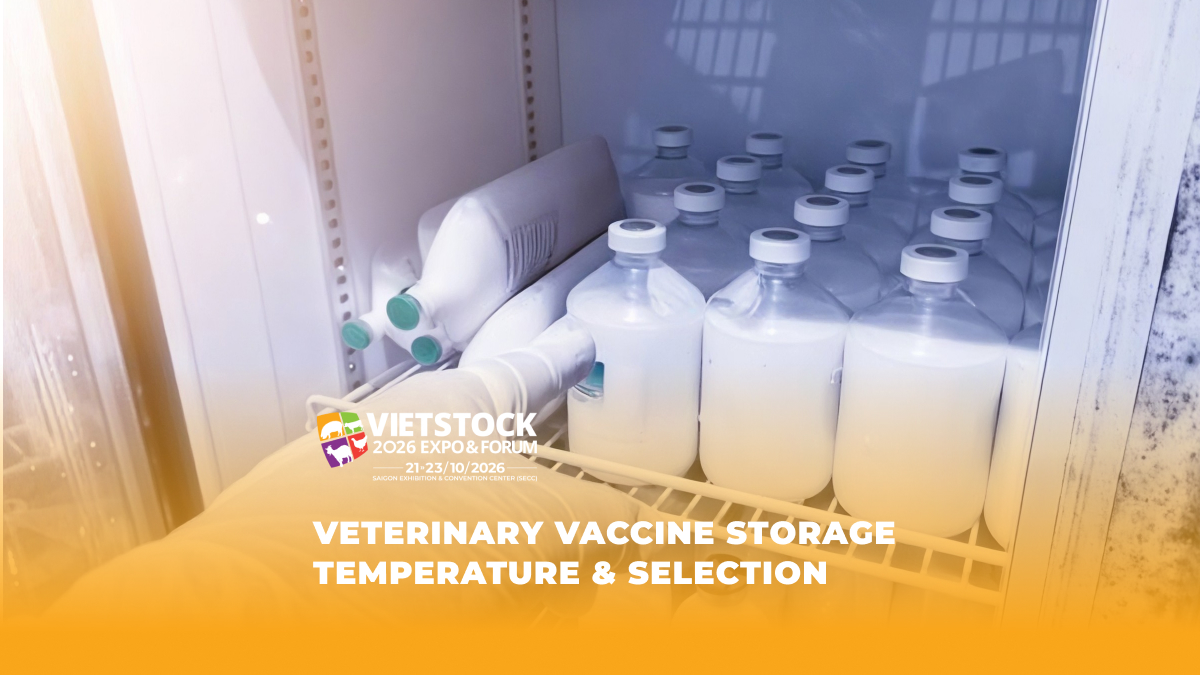
Veterinary Vaccine Storage Refrigerators: Temperature, Monitoring, and Selection Criteria
Veterinary vaccine storage requires stable temperature control, reliable monitoring, and clear cold-chain procedures. Learn how to select a vaccine refrigerator, use data loggers, arrange vaccines correctly, respond to power outages, and maintain storage quality from receipt to administration.
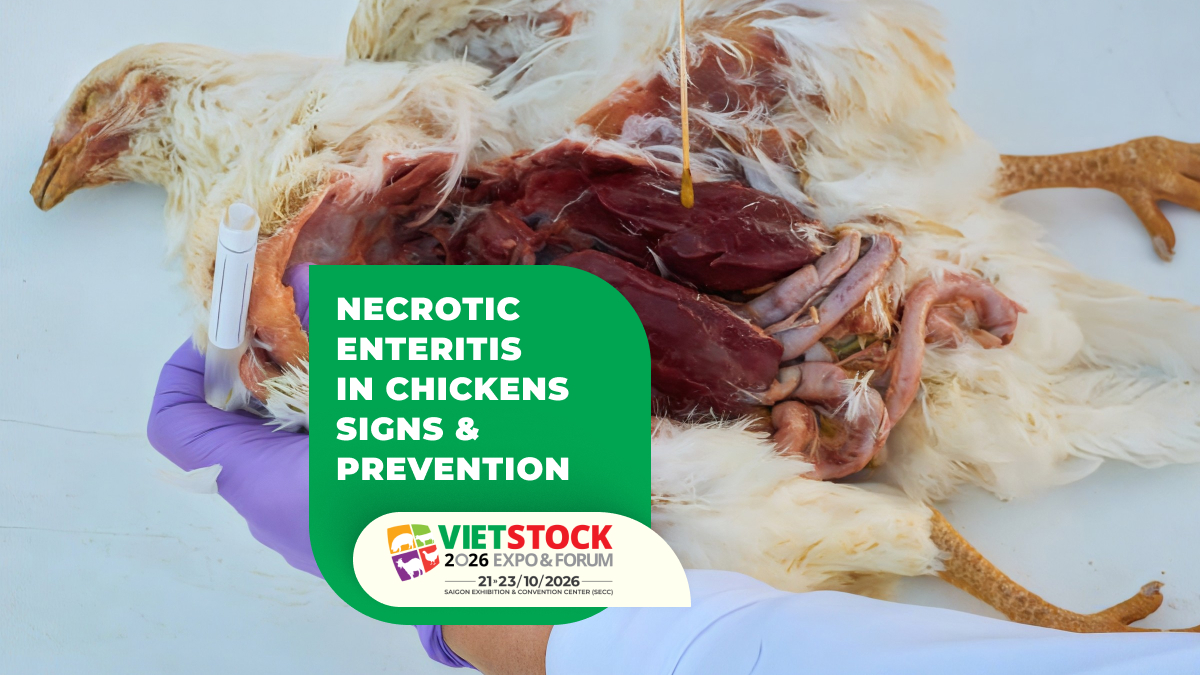
Necrotic Enteritis in Chickens: Signs, Risk Factors, and Prevention
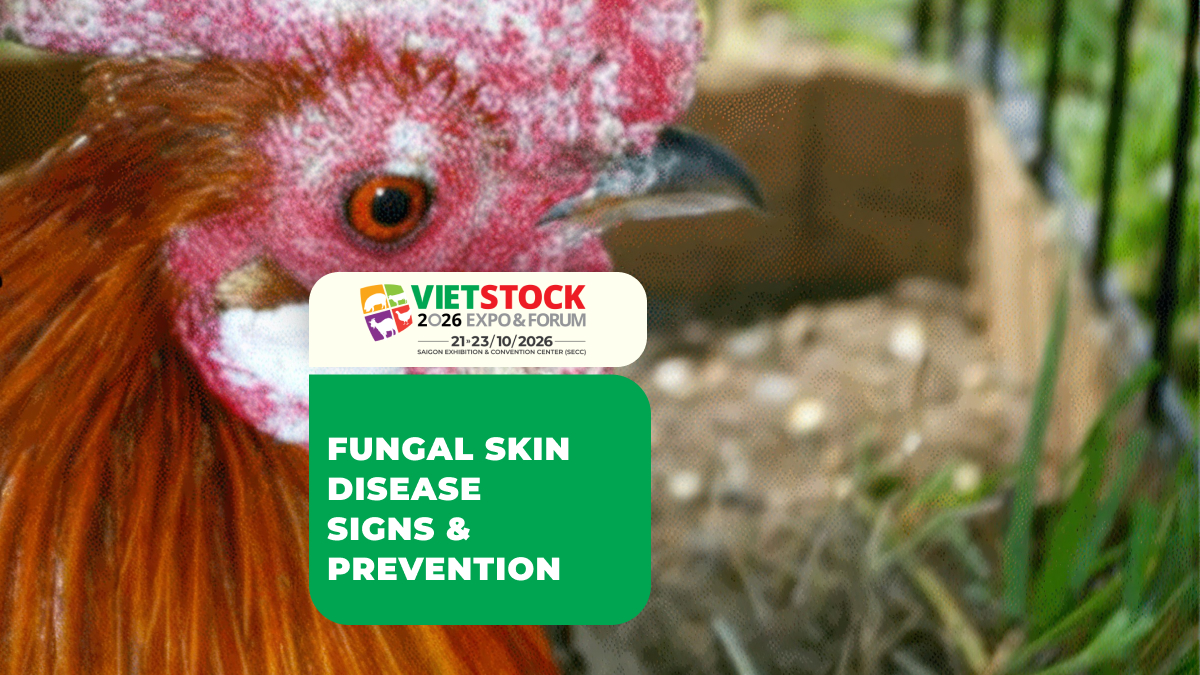
Fungal Skin Disease in Chickens: Signs, Causes, and Prevention
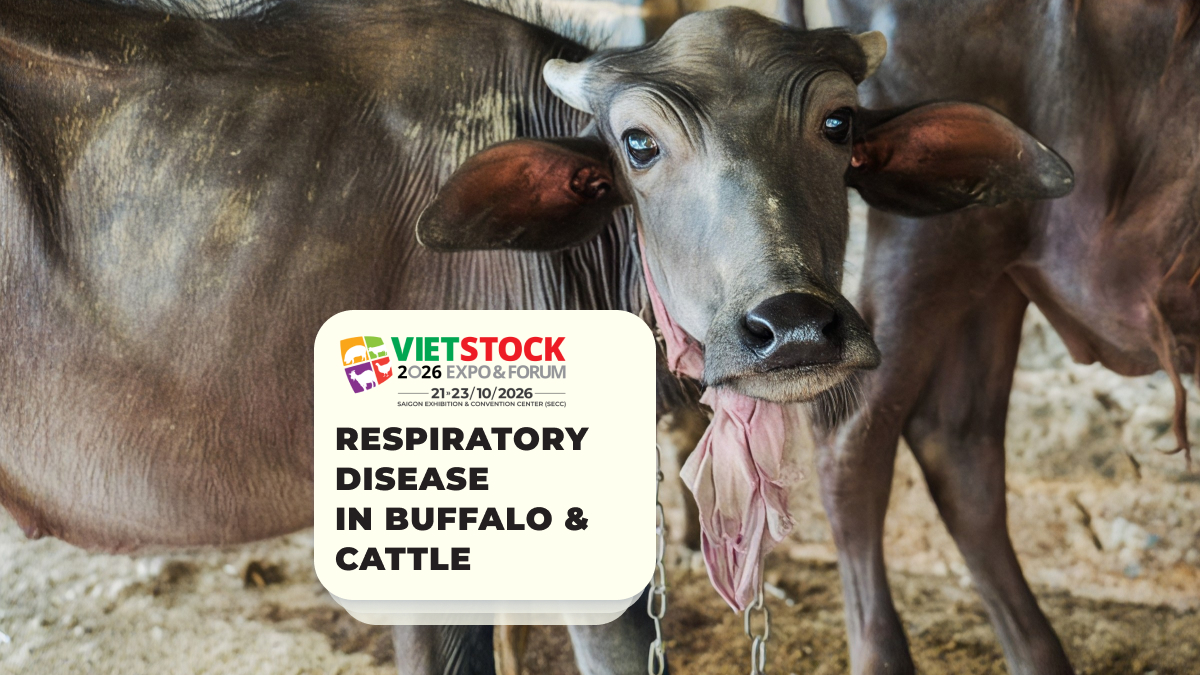
Pneumonia in Buffalo and Cattle: Signs, Risk Factors, and Prevention

Ketoprofen in Veterinary Medicine: Anti-Inflammatory and Analgesic Effects and Key Considerations for Use
Xylazine in Veterinary Medicine: Its Role in Sedation, Premedication, and Key Risks to Consider