Gentamicin in Veterinary Medicine: Applications, Limitations, and Residue Considerations
Gentamicin is an aminoglycoside antibiotic used in veterinary medicine for certain infections caused by susceptible bacteria. Learn about its uses, routes of administration, nephrotoxicity, ototoxicity, antimicrobial resistance, kidney residues, and withdrawal-time management.
Gentamicin is an aminoglycoside antibiotic used in veterinary medicine to treat certain infections caused by susceptible bacteria. It has concentration-dependent bactericidal activity and is particularly active against many aerobic Gram-negative bacteria.
However, gentamicin is also an antibiotic that requires careful consideration before systemic use. The drug can accumulate in the kidneys and inner ear, creating important risks such as nephrotoxicity, ototoxicity, and neuromuscular blockade under certain conditions.
In food-producing animals, the issue is even more complex because gentamicin may persist for prolonged periods in kidney tissue. A decline in blood concentrations does not mean that tissue residues have been eliminated, and withdrawal times from one product cannot be extrapolated to another.
With gentamicin, the key question is therefore not only:
“Is this antibiotic active against the bacterium?”
It is also necessary to consider:
- Whether the pathogen is an aerobic bacterium and remains susceptible to gentamicin.
- Whether conditions at the site of infection allow gentamicin to act effectively.
- Whether the selected route of administration can provide the intended local or systemic effect.
- Whether renal function or dehydration increases the risk of toxicity.
- Whether the product is authorised for the relevant species and production group.
- How the withdrawal time must be managed before animals or their products enter the food chain.
Appropriate gentamicin use therefore requires balancing treatment effectiveness, toxicity, antimicrobial resistance, and the risk of residues in food.
Gentamicin: 4 points to check before use
The pathogen
Gentamicin has particularly strong activity against many susceptible aerobic Gram-negative bacteria, but it has little or no useful activity against obligate anaerobic bacteria. Low-oxygen environments, necrotic tissue, and abscesses may also reduce aminoglycoside effectiveness.
Route of administration
Gentamicin is poorly absorbed from the gastrointestinal tract. Oral administration therefore mainly produces activity within the intestinal lumen, while systemic infections require the correct product and an authorised route capable of achieving systemic exposure.
Safety
Renal function, dehydration, perfusion status, and concurrently administered medicines can significantly influence the risk of nephrotoxicity, ototoxicity, or neuromuscular blockade.
Residues
Gentamicin may persist for prolonged periods in kidney tissue. Withdrawal time must be taken directly from the specific authorised product and should not be inferred from blood concentrations or from another gentamicin product.
1. When is gentamicin effective — and where are its limitations?
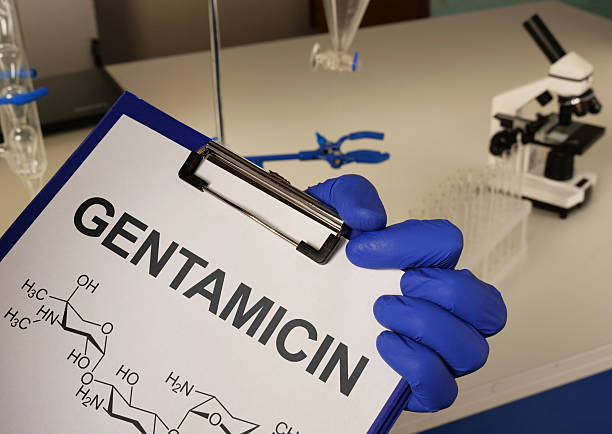
Gentamicin belongs to the aminoglycoside class of antibiotics and is derived from bacteria of the genus Micromonospora.
It acts by binding to the 30S subunit of the bacterial ribosome, disrupting protein synthesis and causing misreading of genetic information during translation.
Gentamicin has concentration-dependent bactericidal activity and also produces a post-antibiotic effect.
This means that effectiveness depends not only on whether a bacterium falls within its theoretical spectrum, but also on:
- Drug concentration achieved at the site of infection.
- Ability of the drug to reach the bacteria.
- Susceptibility of the pathogen.
- Condition of the animal.
- Route of administration and formulation.
Gentamicin is particularly active against many aerobic Gram-negative bacteria
Commonly referenced organisms may include:
- Escherichia coli.
- Salmonella spp.
- Pasteurella multocida.
- Mannheimia haemolytica.
- Pseudomonas aeruginosa.
However, the bacterial name alone is not enough to predict treatment success.
Susceptibility may vary considerably between:
- Bacterial strains.
- Farms.
- Geographical areas.
- Time periods.
- Antimicrobial-use histories.
Even with Pseudomonas aeruginosa, it should not be assumed that every strain is susceptible to gentamicin.
When treatment fails, disease recurs, or the risk of antimicrobial resistance is high, bacterial culture and antimicrobial susceptibility testing may provide additional evidence for selecting a more appropriate antibiotic.
Activity against Gram-positive bacteria is more limited
Gentamicin has some activity against certain susceptible Gram-positive organisms such as Staphylococcus.
For Streptococcus, gentamicin alone is generally not an appropriate choice because intrinsic susceptibility may be low.
In certain professionally managed situations, an aminoglycoside may be combined with a cell-wall-active antibiotic such as a beta-lactam to produce a synergistic effect.
However, antibiotics should not be combined independently simply to “broaden the spectrum.”
Combination therapy should be based on:
- Pathogen.
- Susceptibility.
- Site of infection.
- Condition of the animal.
- Veterinary guidance.
Why is gentamicin largely ineffective against obligate anaerobes?
Aminoglycosides require an energy- and oxygen-dependent transport process to enter bacterial cells.
Gentamicin therefore has little useful activity against obligate anaerobic bacteria.
Its activity may also be reduced in environments such as:
- Hypoxic tissue.
- Necrotic tissue.
- Abscesses.
- Certain pH conditions that are unfavourable for drug uptake.
This is an important limitation.
Even when a bacterium appears to fall within gentamicin’s spectrum, treatment effectiveness may still be poor if conditions at the infection site prevent adequate aminoglycoside uptake.
2. Oral and injectable gentamicin do not serve the same purpose
Gentamicin may be available in different dosage forms and routes of administration.
However, because it is poorly absorbed through the gastrointestinal tract, oral gentamicin and systemically administered gentamicin should not be treated as directly interchangeable approaches.
Oral administration: primarily acts within the intestinal lumen
Gentamicin is poorly absorbed from the gastrointestinal tract.
When administered orally, it therefore largely remains within the intestinal lumen.
Certain products may be authorised for intestinal infections caused by susceptible bacteria, for example some E. coli-associated infections in pigs where the specific product and indication permit such use.
The key point is:
Oral gentamicin should not be considered a treatment for systemic infection.
If bacteria have entered the bloodstream or tissues outside the gastrointestinal tract, oral administration does not provide systemic absorption comparable with injectable administration.
Injectable administration: systemic activity with greater toxicity considerations
Certain gentamicin products may be authorised for:
- Intramuscular administration.
- Subcutaneous administration.
- In some professionally managed situations, intravenous administration.
Injectable administration allows gentamicin to enter the circulation and produce systemic exposure.
However, renal function then becomes particularly important.
Not every formulation can be administered by:
- Intramuscular injection.
- Subcutaneous injection.
- Intravenous injection.
The permitted route must be taken from the specific product label.
Routes of administration should not be changed based only on experience with another gentamicin product.
Topical use
In small-animal veterinary medicine, gentamicin may also be included in:
- Ear drops.
- Eye preparations.
- Topical skin products.
These formulations are designed for localised infections and should only be used at the intended site.
Particular caution is required with aminoglycoside-containing ear products if the tympanic membrane is not intact because of the risk of ototoxicity.
A topical product should not be used in the eye or ear unless it has been specifically designed for that site.
Scope of use differs between species
In pigs, certain oral products may be authorised for intestinal infections caused by susceptible bacteria.
In poultry, use depends heavily on:
- Product.
- Production stage.
- Indication.
- Residue requirements.
Gentamicin should not be used routinely in healthy chicks or entire healthy flocks for disease prevention.
In cattle, gentamicin should not be regarded as a default choice for:
- Pneumonia.
- Mastitis.
- Metritis.
- Urinary tract infections.
Particularly in food-producing animals, systemic use requires careful control because gentamicin may persist in kidney tissue for prolonged periods.
3. Before systemic gentamicin use, assess renal function and fluid status
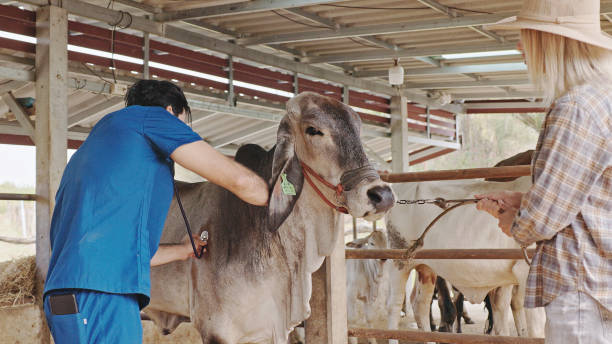
With gentamicin, kidney function affects not only toxicity but also drug elimination.
Gentamicin is eliminated primarily by the kidneys and tends to accumulate in renal tubular cells.
Before and during systemic treatment, particular attention should therefore be paid to:
- Renal function.
- Hydration status.
- Circulating volume.
- Renal perfusion.
- Other medicines being administered concurrently.
Animals with kidney disease are at greater risk
Animals with:
- Reduced renal function.
- Pre-existing kidney disease.
- Increased creatinine.
- Impaired renal perfusion.
may have a higher risk of gentamicin accumulation and toxicity.
Dose, dosing interval, or treatment duration should not be independently adjusted in animals with renal disease without appropriate professional guidance.
Dehydration can increase the risk of nephrotoxicity
Animals experiencing:
- Diarrhoea.
- Vomiting.
- Prolonged fever.
- Reduced water intake.
- Shock.
- Reduced circulating volume.
may face an increased risk of kidney injury during aminoglycoside treatment.
It should not be assumed that:
“Giving plenty of water is enough to prevent nephrotoxicity.”
Fluid management should be based on the animal’s actual clinical condition.
In dehydrated or haemodynamically unstable patients, a veterinarian should assess fluid status and perfusion before systemic gentamicin is continued or selected.
Monitoring renal function
Urine colour should not be used to assess aminoglycoside nephrotoxicity.
Kidney injury may develop before clear clinical signs appear and may present as non-oliguric renal impairment.
Depending on the clinical situation, veterinary monitoring may include:
- Creatinine.
- BUN.
- Urinalysis.
- Proteinuria.
- Urine concentrating ability.
- Hydration status.
- Other appropriate renal-function indicators.
If renal function deteriorates, continued gentamicin use should be reassessed.
4. Two Major Toxicities of Gentamicin: Nephrotoxicity and Ototoxicity
Gentamicin should not be treated as an antibiotic that can simply be continued indefinitely when an animal does not improve.
As total drug exposure increases, toxicity becomes an increasingly important consideration.
Nephrotoxicity
Gentamicin can accumulate in renal tubular epithelial cells and cause tubular injury.
Risk may increase with:
- Prolonged treatment.
- High drug exposure.
- Dehydration.
- Reduced circulating volume.
- Impaired renal function.
- Severe sepsis.
- Concurrent use of nephrotoxic medicines.
Early kidney injury does not necessarily cause an obvious reduction in urine output.
Therefore:
Do not wait for reduced urination before considering gentamicin nephrotoxicity.
Ototoxicity
Gentamicin may damage the vestibular or auditory systems.
Possible signs may include:
- Loss of balance.
- Incoordination.
- Nystagmus.
- Loss of the righting reflex.
- Reduced hearing.
- Deafness in severe cases.
Some auditory damage may not be fully reversible.
This is another reason for caution when other potentially ototoxic medicines are being used.
Neuromuscular blockade
At high concentrations or in certain drug combinations, aminoglycosides may increase the risk of neuromuscular blockade.
Particular caution is needed when animals are also receiving:
- Muscle relaxants.
- Certain anaesthetic agents.
- Other medicines affecting neuromuscular transmission.
If an animal develops:
- Unusual muscle weakness.
- Difficulty breathing.
- Loss of balance.
- Signs suggesting kidney injury.
early veterinary assessment is appropriate.
Injection-site reactions
Injectable gentamicin may cause:
- Pain.
- Swelling.
- Irritation.
- Tissue damage.
Repeated injections at the same site may increase local tissue injury.
In food-producing animals, injection-site reactions may also affect carcass quality.
Follow product instructions regarding:
- Injection site.
- Route of administration.
- Maximum volume per injection site, where specified.
5. When gentamicin fails, assess the infection site before concluding that resistance is present
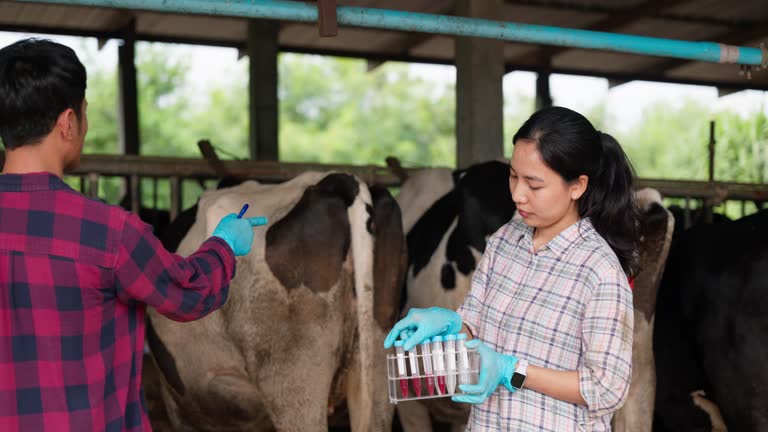
Failure to improve after gentamicin treatment does not automatically mean that the bacteria are resistant.
Before increasing the dose, extending treatment, or switching antibiotics, the entire clinical situation should be reassessed.
The pathogen may fall outside gentamicin’s spectrum
Gentamicin is not appropriate for:
- Viruses.
- Obligate anaerobic bacteria.
- Certain Gram-positive bacteria with low intrinsic susceptibility.
- Organisms that have developed aminoglycoside resistance mechanisms.
If the cause of disease falls outside the drug’s effective spectrum, increasing the dose will not address the problem.
The infection site may reduce drug effectiveness
Gentamicin requires favourable conditions for uptake into bacterial cells.
Its activity may therefore be reduced in:
- Abscesses.
- Necrotic tissue.
- Hypoxic environments.
Failure of a deep infection or abscess to respond does not necessarily indicate gentamicin resistance.
Other factors may need to be assessed, including:
- Drainage where appropriate.
- Degree of tissue necrosis.
- Location of the lesion.
- Whether the medicine can adequately reach the target tissue.
The route of administration may be inappropriate
Oral gentamicin is poorly absorbed.
If oral administration is used when the treatment target is a systemic infection, treatment failure may reflect the route of administration rather than antimicrobial resistance.
The disease may involve multiple causes
An animal may simultaneously have:
- Viral infection.
- Bacterial infection.
- Other pathogens.
- Underlying disease.
Treating one component does not always resolve the entire clinical condition.
When should gentamicin resistance be considered?
Bacteria can develop aminoglycoside resistance through several mechanisms.
Aminoglycoside-modifying enzymes
Bacteria may produce enzymes that modify gentamicin through:
- Acetylation.
- Phosphorylation.
- Adenylylation.
Modification of the drug molecule can reduce its ability to bind to the ribosome and exert its bactericidal effect.
Alteration of the target site
Certain mechanisms alter ribosomal structure or function, reducing gentamicin interaction with the 30S subunit.
Reduced drug uptake
Bacteria may alter:
- Permeability.
- Transport systems.
- Other factors involved in aminoglycoside uptake.
Resistance mechanisms may spread between bacteria through mobile genetic elements.
When should antimicrobial susceptibility testing be considered?
It may be particularly useful when:
- Disease recurs.
- Treatment with the correct product does not produce the expected response.
- A previously effective regimen has become less effective.
- The herd or flock has a history of repeated gentamicin use.
- Continued antimicrobial treatment is required but the underlying cause remains uncertain.
The dose or treatment duration should not simply be increased before the cause of treatment failure has been identified.
6. How do gentamicin residues differ from those of many other antibiotics?
One particularly important characteristic of gentamicin is its prolonged retention in kidney tissue.
Gentamicin accumulates in renal tubular cells and has a terminal tissue-elimination phase that may be considerably longer than the decline in plasma concentrations.
This leads to an important principle:
A decline in blood gentamicin does not mean that kidney residues have been eliminated.
Therefore, users should not:
- Infer withdrawal time from blood concentrations.
- Calculate withdrawal time from the time when the medicine is believed to have “stopped working.”
- Apply the withdrawal time of another gentamicin product.
MRL and withdrawal time are different concepts
MRL – Maximum Residue Limit
This is the maximum permitted residue level in a specific food product.
MRLs may vary according to:
- Active ingredient.
- Species.
- Tissue or food product.
- Applicable regulations.
In Vietnam, maximum residue limits for veterinary medicines in food are addressed under Circular No. 24/2013/TT-BYT and corresponding national technical regulations where applicable.
Withdrawal time
This is the minimum period between the final administration of a medicine and the point at which an animal or animal-derived product may enter the food chain under the authorised conditions of use.
Withdrawal time depends on:
- Species.
- Product.
- Route of administration.
- Dose.
- Treatment duration.
- Indication.
- Type of food product.
Meat
Animals should not be slaughtered before completion of the withdrawal period specified for the exact product used.
There should not be a universal table stating:
“Gentamicin = X days”
for every product.
Because kidney residues may persist for prolonged periods, off-label use in food-producing animals can make residue depletion difficult to predict.
Milk
Not every gentamicin product is authorised for use in cattle producing milk for human consumption.
Where a product is authorised, the specified milk withdrawal period must be followed.
If a product states that it must not be used in cattle producing milk for human consumption:
- Do not administer it and simply discard milk for an estimated number of days.
- Do not independently infer a withdrawal period.
- An alternative treatment approach should be selected through veterinary assessment.
Eggs
Similarly, for poultry producing eggs for human consumption, the specific product label should be checked directly.
If the formulation is not authorised for commercial laying birds, an egg withdrawal period should not be inferred from:
- Meat withdrawal time.
- Another product.
- Another species.
7. Drug combinations that may increase risk
When systemic gentamicin is used, other medicines being administered should also be reviewed.
Medicines associated with nephrotoxicity
Caution is required when gentamicin is used with medicines that may also be nephrotoxic or increase the risk of kidney injury, including:
- Certain other aminoglycosides.
- Amphotericin B.
- Cisplatin.
- Certain NSAIDs under relevant clinical conditions.
This does not mean that every such combination is absolutely contraindicated in every situation. However, the benefit–risk balance and renal function should be assessed.
Medicines associated with ototoxicity
Furosemide is particularly relevant because it may increase the risk of aminoglycoside-associated ototoxicity.
Where concurrent use is necessary, veterinary assessment of the individual patient and specific risk is required.
Medicines affecting neuromuscular transmission
Gentamicin may increase the risk of neuromuscular blockade when used together with:
- Muscle relaxants.
- Certain anaesthetic agents.
This is particularly important in surgical cases or animals undergoing sedation or anaesthesia.
Do not combine antibiotics simply to broaden the spectrum
In certain professionally managed situations, gentamicin may be combined with another antibiotic.
However, this decision should be based on:
- Diagnosis.
- Target bacterium.
- Susceptibility results.
- Site of infection.
- Pharmacology.
- Renal-function status.
- Veterinary guidance.
Multiple antibiotics should not be combined simply because a single antibiotic has not produced rapid improvement.
8. Managing gentamicin from the start of treatment to sale
With gentamicin, safe management should begin before treatment rather than waiting until the day animals are sold to check the withdrawal time.
Before treatment
Check:
- Product name.
- Gentamicin strength.
- Whether the product is authorised for use.
- Authorised animal species.
- Indication.
- Route of administration.
- Withdrawal time.
- Milk or egg restrictions.
- Renal-function status.
- Degree of dehydration.
- Other medicines being administered concurrently.
If disease has recurred or several antimicrobial treatments have already been used, sample collection and antimicrobial susceptibility testing should be considered where appropriate.
During treatment
Record and monitor:
- Start date.
- Product name.
- Dose.
- Route of administration.
- Individual animal or treated group.
- Clinical response.
- Fluid status.
- Renal function where appropriate.
- Injection site.
- Signs of ototoxicity.
- Abnormal balance.
- Signs of muscle weakness.
Do not independently:
- Increase the dose.
- Reduce the dose.
- Extend treatment.
- Shorten treatment.
If treatment fails, reassess the diagnosis rather than assuming that more gentamicin is required.
At the final dose
Record accurately:
- Date of final administration.
- Product used.
- Treated group.
- Withdrawal time.
- Earliest permitted sale date.
If several medicines are used during the same period, check whether another product has a longer withdrawal time.
Before sale
Confirm:
- Has the withdrawal period been completed?
- Is another medicine still within its withdrawal period?
- Does the product carry restrictions for milk or eggs?
- Has the treated group been correctly identified?
- Are records sufficient for traceability?
If the exact product or final administration date is uncertain, animals or their products should not enter the food chain until the information has been verified.
Gentamicin is not a routine disease-prevention tool
Gentamicin should not be:
- Routinely added to drinking water.
- Regularly included in feed.
- Administered to entire healthy herds or flocks.
- Used to compensate for weak management practices.
In the 2026 Vietnam context, routine in-feed antibiotic programmes for disease prevention should not be recommended.
Disease prevention should instead focus on:
- Vaccination.
- Biosecurity.
- Hygiene.
- Nutrition.
- Appropriate stocking density.
- Stress reduction.
- Control of breeding stock sources.
- Early detection of sick animals.
Frequently asked questions about gentamicin

What types of bacteria is gentamicin most active against?
Gentamicin has particularly strong activity against many susceptible aerobic Gram-negative bacteria.
Examples may include:
- E. coli.
- Salmonella spp.
- Pasteurella spp.
- Pseudomonas aeruginosa.
However, not every strain is susceptible.
Gentamicin also has little useful activity against obligate anaerobic bacteria.
Disease names such as “diarrhoea,” “pneumonia,” or “mastitis” should therefore not be used as direct justification for selecting gentamicin.
Why is oral gentamicin not suitable for systemic infections?
Gentamicin is poorly absorbed through the gastrointestinal tract.
Orally administered gentamicin therefore largely remains in the intestinal lumen.
If the treatment target is an infection outside the gastrointestinal tract or a systemic infection, the correct product and authorised route of administration must be used.
The oral dose should not simply be increased in an attempt to achieve systemic exposure.
Why can gentamicin cause nephrotoxicity?
Gentamicin is filtered and eliminated through the kidneys and can accumulate in renal tubular cells.
Risk increases when:
- Renal function is impaired.
- The animal is dehydrated.
- Perfusion is reduced.
- Treatment is prolonged.
- Other nephrotoxic medicines are administered.
Assessment of renal function and fluid status is therefore an important part of systemic gentamicin use.
Why can there not be one universal withdrawal time for gentamicin?
Withdrawal time is established for the specific product and depends on:
- Species.
- Dosage form.
- Route of administration.
- Dose.
- Treatment regimen.
- Food product.
Gentamicin also tends to persist in kidney tissue, meaning that withdrawal time cannot be inferred from blood concentrations or clinical duration of action.
If a product is not authorised for dairy cattle or poultry producing eggs for human consumption, an alternative withdrawal period should not be independently established to justify off-label use.
Managing Gentamicin-Related Risks at VIETSTOCK 2026
Gentamicin has several limitations that require particular attention in livestock production, from the risks of nephrotoxicity and ototoxicity to its potential for prolonged persistence in kidney tissue in food-producing animals. Its use therefore requires not only the correct indication and product, but also appropriate monitoring of animal health, careful withdrawal-time management, and reassessment when treatment does not produce the expected response.
At VIETSTOCK 2026 – Vietnam’s Premier International Feed, Livestock & Meat Industry Show, farmers, veterinarians, and businesses can explore products, technologies, and solutions that support animal health, disease prevention, and more efficient livestock production. The event is expected to feature 300 brands, over 10,000 sqm of exhibition area, and 13,000 trade visitors from 40 countries.
Given the specific risks associated with gentamicin, participants can prioritise solutions that support safer medicine use, including:
- Veterinary medicines and animal health: exploring products, dosage forms, and safety information appropriate for different animal species and treatment purposes.
- Diagnostics and antimicrobial susceptibility assessment: exploring solutions that support pathogen identification before antibiotics are selected or continued.
- Animal-health monitoring during treatment: learning about technologies that help record disease progression, treatment response, and abnormalities requiring reassessment.
- Residue and withdrawal-time control: exploring solutions that support treatment-date recording, identification of treated groups, and reduction of the risk of animal-derived products entering the food chain too early.
- Proactive disease prevention: exploring vaccination, biosecurity, hygiene, nutrition, and housing-management solutions that help reduce unnecessary antimicrobial use.
For the antimicrobial resistance issues discussed in this article, the One Health Forum on 22 October 2026 is also directly relevant. The official programme includes sessions on “Practical AMR reduction strategies in animal agriculture” and “Linking animal health, human health, and environmental outcomes,” helping participants consider antimicrobial use from a broader livestock-system perspective.
Date: 21–23 October 2026
Venue: Saigon Exhibition and Convention Center (SECC), 799 Nguyen Van Linh Street, Tan My Ward, Ho Chi Minh City, Vietnam
Event website: https://www.vietstock.org/en/
Register to visit now: https://ers-vn.informa-info.com/vs26
👉 VIETSTOCK 2026 Visitor Registration Information
👉 Learn more about the One Health Forum
Contact information:
Exhibiting: Ms. Sophie Nguyen – [email protected]
Visitor Support: Ms. Phuong – [email protected]
Marcom Support: Ms. Anita Pham – [email protected]