Ketoprofen in Veterinary Medicine: Anti-Inflammatory and Analgesic Effects and Key Considerations for Use
Ketoprofen is a veterinary NSAID used to help control inflammation, pain and fever in certain cattle, pigs and horses. Learn about its clinical uses, gastrointestinal and renal risks, drug interactions, species-specific considerations and withdrawal periods.
Ketoprofen in veterinary medicine is a non-steroidal anti-inflammatory drug (NSAID) with three main effects: reducing inflammation, relieving pain, and reducing fever. Some ketoprofen products are used in cattle, pigs, and horses to help control clinical signs associated with diseases or conditions covered by the indications of the specific product.
However, ketoprofen is not an antibiotic and does not directly eliminate the underlying cause of every condition involving inflammation, pain, or fever.
The fact that an animal:
- No longer has a fever.
- Appears to be in less pain.
- Has reduced swelling.
- Moves more comfortably.
after receiving the medicine does not mean that the primary disease has been completely treated.
At the same time, because ketoprofen affects prostaglandin production, inappropriate use may increase the risk of:
- Gastrointestinal irritation or injury.
- Gastrointestinal ulceration and bleeding.
- Impaired renal function.
- Adverse interactions with certain other medicines.
Ketoprofen should therefore be considered one part of a plan to control pain, inflammation, and fever rather than a substitute for identifying the underlying cause of disease.
Ketoprofen: Benefits and Limitations Should Be Considered Together
| Ketoprofen may help | But remember |
| Reduce inflammation | It does not directly eliminate the cause of inflammation |
| Relieve pain | Pain relief does not mean the disease has been treated |
| Reduce fever | A reduction in fever does not mean the animal has recovered |
| Provide supportive care in certain infectious diseases | Ketoprofen is not an antibiotic |
| Improve comfort and mobility | Gastrointestinal and renal risks still need to be monitored |
| Be used in certain cattle, pigs, and horses | Indications and withdrawal periods depend on the specific product |
Ketoprofen should be used to control inflammation, pain, and fever as part of a treatment plan, not to mask clinical signs while the underlying cause remains unidentified.
1. Which Signs Can Ketoprofen Help Control — and What Does It Not Treat?
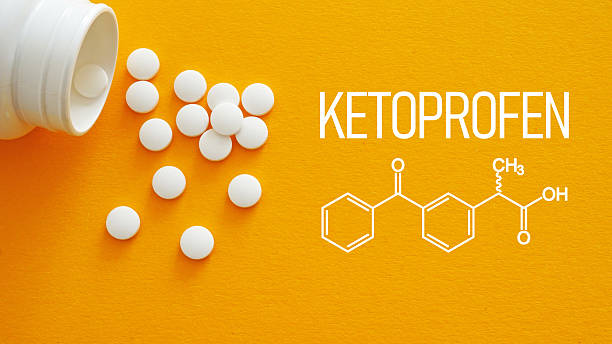
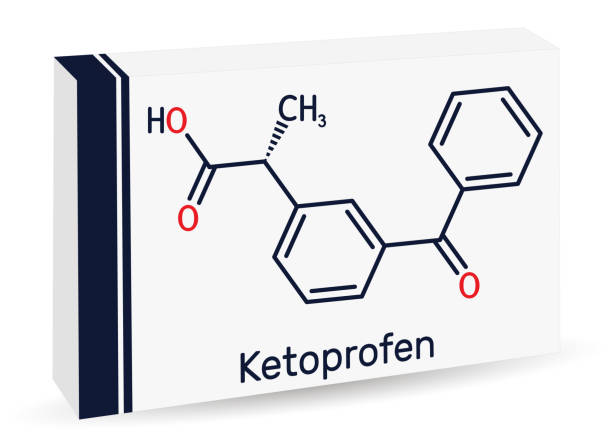
Ketoprofen belongs to the group of non-steroidal anti-inflammatory drugs (NSAIDs) and is a propionic acid derivative.
In veterinary medicine, it has three main effects:
- Anti-inflammatory.
- Analgesic.
- Antipyretic.
Anti-inflammatory effect
When tissue is injured or inflammation develops, the body produces various mediators that contribute to signs such as:
- Swelling.
- Pain.
- Heat.
- Discomfort.
- Reduced mobility.
Ketoprofen may help reduce some of these responses.
Depending on the product, it may be used as supportive treatment in certain conditions such as:
- Muscle, bone, or joint inflammation.
- Painful swelling after injury.
- Certain post-procedural inflammatory conditions.
- Some cases of mammary tissue inflammation or edema.
- Diseases involving a pronounced inflammatory response that requires symptom control.
Analgesic effect
Ketoprofen helps relieve pain by reducing the formation of mediators involved in inflammation and pain perception.
This effect may be useful in:
- Musculoskeletal disease.
- Injury.
- Lameness.
- Certain veterinary procedures.
- Some forms of visceral pain when appropriately indicated.
Antipyretic effect
Ketoprofen can also reduce fever through its effects on prostaglandin-related pathways and thermoregulation.
Some products may be used to support fever reduction in:
- Respiratory diseases.
- Certain inflammatory diseases.
- Other febrile conditions included in the product indications.
However:
Reducing fever does not mean that the underlying cause of disease has been cured.
Fever may be associated with:
- Bacterial infections.
- Viral infections.
- Inflammatory responses.
- Many other disease conditions.
Management should not focus only on reducing body temperature while overlooking the underlying cause.
2. Ketoprofen Is Not an Antibiotic
This distinction is important when ketoprofen is used in diseases involving infection.
Ketoprofen:
- Does not kill bacteria.
- Does not directly inhibit bacterial growth in the way antibiotics do.
- Does not directly treat viral infections.
- Does not replace treatment directed at the underlying cause when specific therapy is required.
Why may ketoprofen still be included in treatment protocols for infectious diseases?
In some infectious diseases, animals may simultaneously develop:
- Inflammation.
- Fever.
- Pain.
- Swelling.
- Reduced feed intake.
- Discomfort.
A veterinarian may use ketoprofen to help control these clinical signs while treating the underlying cause with an appropriate therapy.
For example, in some cases of bacterial mastitis in cattle, ketoprofen may be used to help reduce:
- Inflammation.
- Pain.
- Edema.
- Discomfort.
However, it does not replace antimicrobial treatment when the bacterial infection genuinely requires antibiotics.
Drug combinations should therefore be based on diagnosis and professional veterinary guidance.
3. Why Can Ketoprofen Reduce Inflammation Yet Also Increase Gastrointestinal and Renal Risks?
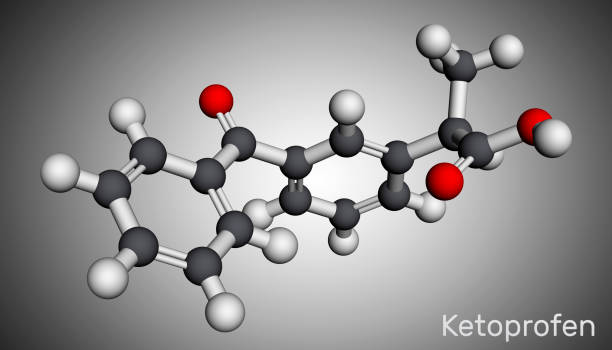
Ketoprofen acts mainly by inhibiting the enzyme cyclooxygenase (COX), thereby reducing prostaglandin synthesis.
Prostaglandins are involved in:
- Inflammation.
- Pain perception.
- Thermoregulation.
However, prostaglandins also have important physiological roles, particularly in:
- Protecting the gastrointestinal mucosa.
- Maintaining renal blood flow under certain conditions.
Therefore, the same mechanism that allows ketoprofen to reduce pain and inflammation also helps explain its potential adverse effects.
This can be illustrated as follows:
Reduced prostaglandin production
↓
Reduced inflammation – pain – fever
but at the same time
Reduced physiological protective effects
↓
Higher risk of gastrointestinal and renal injury in susceptible animals or animals with underlying disease.
This is why ketoprofen should not be used simply because an animal “is in pain” without considering its overall health status.
4. When May Ketoprofen Be Used as Supportive Treatment?
The actual scope of use depends on the specific product, but common situations can be grouped into several broad categories.
Musculoskeletal pain and inflammation
Ketoprofen may be used in certain cases involving:
- Arthritis.
- Muscle injury.
- Tendon injury.
- Soft-tissue injury.
- Lameness.
- Pain after certain procedures.
Pain relief may help the animal:
- Move more comfortably.
- Experience less stress.
- Maintain better feed intake.
However, the underlying mechanical or pathological cause still needs to be identified.
Fever and inflammatory responses in respiratory disease
Some ketoprofen products may be used to help reduce:
- Fever.
- Inflammation.
- Discomfort.
in certain respiratory diseases.
However, respiratory disease may result from:
- Viruses.
- Bacteria.
- Multiple pathogens acting together.
- Housing conditions.
An anti-inflammatory medicine does not replace diagnosis and treatment of the underlying cause.
Mastitis and related inflammatory conditions
In cattle, some products may be indicated as supportive treatment for:
- Clinical mastitis.
- Udder edema.
- Certain inflammatory conditions associated with the reproductive period.
If infection is present, treatment of the underlying cause should be provided at the same time when indicated.
5. Cattle, Pigs, and Horses: Ketoprofen Is Not Used for Exactly the Same Purposes
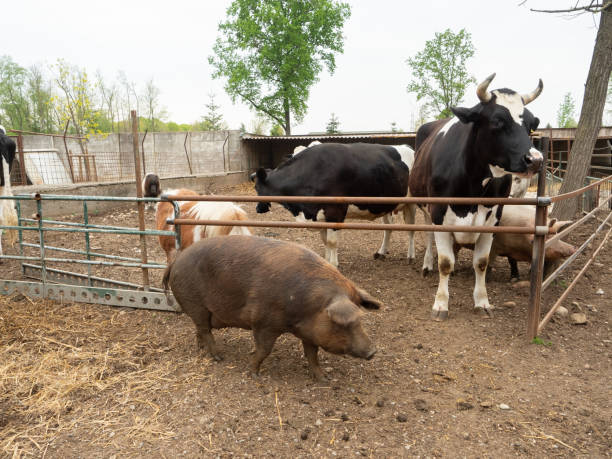
Some ketoprofen products are registered for cattle, pigs, and horses.
However, instructions for one species should not be applied to another.
Ketoprofen in cattle
Depending on the product, ketoprofen may be used as supportive treatment for:
- Fever and discomfort associated with certain respiratory diseases.
- Clinical mastitis.
- Udder edema or inflammation.
- Musculoskeletal pain.
- Lameness.
- Certain other painful conditions.
For lactating cattle, check:
- Whether the product is approved for dairy cattle.
- Whether any restrictions apply.
- The milk withdrawal period.
Some products in some markets may have a 0-hour milk withdrawal period. However, this information must not be applied to all ketoprofen products.
Ketoprofen in pigs
Some products may be used to help:
- Reduce fever.
- Reduce inflammation.
- Control discomfort associated with certain respiratory diseases.
- Support management of certain cases involving the mastitis–metritis–agalactia syndrome in sows, depending on the product indication.
Ketoprofen only controls part of the clinical presentation.
If the underlying cause involves:
- Infection.
- Reproductive disorders.
- Management conditions.
those issues still need to be addressed.
Ketoprofen in horses
In horses, ketoprofen may be used for certain conditions involving:
- Joint pain and inflammation.
- Muscle or tendon injuries.
- Lameness.
- Post-procedural pain.
- Certain forms of visceral pain based on veterinary assessment.
Particular caution is needed with abdominal pain in horses.
Colic can be associated with a wide range of serious conditions.
Ketoprofen should not be used independently to suppress pain signs while delaying veterinary examination.
6. Before Using Ketoprofen, Check 4 Major Risk Categories
The risk of adverse effects is not the same in every animal.
Risk increases when underlying disease or other factors make the animal more vulnerable.
Gastrointestinal risk
Ketoprofen may reduce prostaglandins that help protect the gastrointestinal mucosa.
This may increase the risk of:
- Irritation.
- Ulceration.
- Bleeding.
Signs requiring attention include:
- Reduced feed intake.
- Loss of appetite.
- Diarrhea.
- Black stools.
- Blood in the feces.
- Abdominal pain.
- Persistent discomfort.
Risk may increase if the animal:
- Already has gastrointestinal disease.
- Has a history of ulceration.
- Is receiving another medicine that affects the gastrointestinal mucosa.
Renal risk
Prostaglandins help maintain renal blood flow, particularly when the body is affected by conditions such as:
- Dehydration.
- Low blood pressure.
- Reduced circulating blood volume.
When ketoprofen reduces prostaglandin production, the risk of impaired renal function may increase.
Particular caution is required in animals that are:
- Dehydrated.
- Affected by kidney disease.
- In shock.
- Hypotensive.
- Experiencing circulatory compromise.
- Receiving other medicines that may affect renal function.
Other underlying diseases
Careful assessment is needed when an animal has:
- Heart disease.
- Liver disease.
- Coagulation disorders.
- Increased bleeding risk.
- Poor physical condition.
- Severe weakness or exhaustion.
Pregnancy and reproductive stage
Ketoprofen should not automatically be assumed to be:
- Always safe during pregnancy.
- Or always contraindicated throughout pregnancy.
This depends on:
- Species.
- Product.
- Stage of pregnancy.
- Approved indication.
Some products may be used in pregnant or lactating cattle, while other products may have restrictions in other species.
Always check the correct label and inform the veterinarian of the animal’s reproductive status.
7. Why Should Ketoprofen Not Be Combined Independently with Another NSAID or a Corticosteroid?
One of the most important risks associated with ketoprofen is inappropriate drug combination.
Ketoprofen + another NSAID
Ketoprofen should not be combined independently with another NSAID.
This may increase the risk of:
- Gastrointestinal ulceration.
- Bleeding.
- Renal impairment.
Ketoprofen + corticosteroid
Using an NSAID together with a corticosteroid may also increase the risk of:
- Mucosal injury.
- Ulceration.
- Gastrointestinal bleeding.
Other medicines that should be reported to the veterinarian
Some ketoprofen products may also include warnings involving:
- Diuretics.
- Anticoagulants.
- Nephrotoxic medicines.
- Certain medicines affecting circulation or blood pressure.
If the animal has recently received medication, provide information about:
- The medicine used.
- When it was administered.
- How many times it was given.
- The animal’s condition afterward.
Do not automatically switch to ketoprofen immediately after another NSAID simply because the previous medicine did not produce the expected effect.
Any transition between products should follow the appropriate interval and instructions for the specific medicines involved.
8. What Should Be Done If an Animal Is Still in Pain or Has a Fever After Ketoprofen?
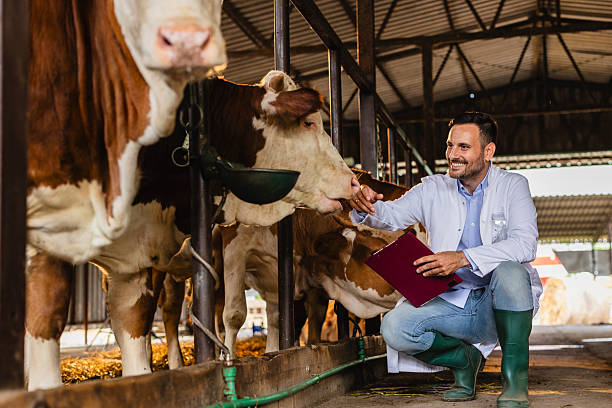
Lack of improvement does not mean the dose should automatically be increased.
At least five issues should be reassessed.
1. Was the original cause identified correctly?
Pain and fever are clinical signs, not diagnoses.
Possible causes include:
- Bacterial infection.
- Viral infection.
- Injury.
- Musculoskeletal disease.
- Gastrointestinal disorders.
- Reproductive disease.
- Many other conditions.
2. Has the primary disease been treated?
If inflammation is caused by infection, reducing inflammation without treating the infection may not be enough.
If pain results from an injury, an analgesic does not correct the underlying mechanical problem.
3. Have new complications developed?
If the condition:
- Worsens.
- Develops new clinical signs.
- Causes rapid deterioration.
the animal should be reassessed rather than continuing to mask clinical signs.
4. Is the animal dehydrated or affected by underlying disease?
Dehydration or kidney disease not only affects recovery but also increases the risks associated with continued NSAID use.
5. Are other medicines interacting?
Using several medicines at the same time may:
- Increase toxicity.
- Alter the response to treatment.
- Make the clinical situation more complicated.
If an animal does not improve after ketoprofen, the appropriate response is to reassess the underlying cause rather than independently increasing the dose or adding another anti-inflammatory drug.
9. When Should the Next Dose Be Withheld and a Veterinarian Contacted?
During treatment, attention should be paid to signs that may indicate an adverse reaction or worsening disease.
Stop independently continuing the medicine and contact a veterinarian if the animal develops:
- Sudden loss of appetite.
- Marked weakness.
- Blood in the feces.
- Abnormally black stools.
- Reduced urination.
- Significant changes in urine.
- Severe abdominal pain.
- Difficulty breathing.
- Rapid swelling.
- A serious abnormal reaction.
- Collapse.
- Reduced responsiveness.
- Worsening disease.
In serious cases, do not independently administer another NSAID or additional medicine simply to control the signs.
10. Food-Producing Animals: Withdrawal Periods Must Follow the Specific Product
For cattle, pigs, and other food-producing animals, ketoprofen use also involves residue control.
There is no single withdrawal period that applies to all ketoprofen products.
The specific period may depend on:
- Species.
- Product.
- Concentration.
- Route of administration.
- Treatment regimen.
- Type of animal product.
Step 1: Identify the exact product
Check:
- Trade name.
- Active ingredient.
- Concentration.
- Dosage form.
Step 2: Confirm the correct species and production purpose
For example:
- Beef cattle.
- Dairy cattle.
- Pigs.
- Other species listed on the label.
Step 3: Check the instructions for meat or milk
Do not assume:
- Meat withdrawal = milk withdrawal.
- One ketoprofen product = another ketoprofen product.
Step 4: Record the time of the last dose
This is the key reference point for calculating the withdrawal period.
Step 5: Allow animal products to enter the food chain only when all requirements are met
If the label does not provide appropriate information or the product is not approved for that animal category, do not guess the withdrawal period.
Products with a 0-hour milk withdrawal period
Some ketoprofen products in certain markets may be approved with a 0-hour milk withdrawal period.
However:
Information from one product must not be applied to every ketoprofen product.
The exact product approved for use and the conditions applicable in Vietnam must be checked.
11. What Should Be Checked Before Using Ketoprofen?

Before administering the medicine, confirm that:
- The animal belongs to the species for which the product is indicated.
- The disease or condition has been assessed.
- Ketoprofen has an appropriate role in the treatment plan.
- Underlying diseases have been considered, particularly gastrointestinal and renal disease.
- The animal is not dehydrated or experiencing circulatory compromise without appropriate assessment.
- Current or recently administered medicines have been reviewed.
- No NSAID or corticosteroid is being combined independently.
- The exact product and route of administration have been checked.
- The withdrawal period has been determined for food-producing animals.
- A plan is in place to monitor the animal after administration.
It is also advisable to record:
- Medicine name.
- Individual animal or treated group.
- Treatment time.
- Time of the last dose.
- Adverse reactions.
- Withdrawal period.
Record keeping helps manage both treatment effectiveness and the safety of animal-derived food products.
Frequently Asked Questions About Ketoprofen in Veterinary Medicine
Is ketoprofen an antibiotic?
No.
Ketoprofen is an NSAID with:
- Anti-inflammatory effects.
- Analgesic effects.
- Antipyretic effects.
It does not directly kill bacteria and does not replace antibiotics when a bacterial infection requires antimicrobial treatment.
Can ketoprofen be used in every animal species?
No.
The scope of use depends on the specific product.
Some products are indicated for:
- Cattle.
- Pigs.
- Horses.
A product intended for one species should not automatically be used in another.
If an animal’s fever goes away after ketoprofen, does that mean it has recovered?
No.
A reduction in fever reflects only one aspect of symptom control.
The underlying cause of the fever may still be present and may require further evaluation or treatment.
Can ketoprofen be used together with another anti-inflammatory medicine?
Do not combine them independently.
Using ketoprofen together with:
- Another NSAID.
- A corticosteroid.
may increase the risk of gastrointestinal and renal injury.
If the animal has recently received another anti-inflammatory medicine, inform the veterinarian.
Should ketoprofen be used in a dehydrated animal?
Dehydration is an important risk factor because it may increase the risk of impaired renal function during NSAID use.
A veterinarian should assess circulatory status, the degree of dehydration, and underlying disease before making a treatment decision.
What should be done if an animal develops black stools or blood in the feces after ketoprofen?
These may be signs of gastrointestinal injury or bleeding.
Do not independently continue the medicine or add another NSAID.
Contact a veterinarian for assessment.
Can ketoprofen be used in pregnant animals?
It depends on:
- Species.
- Stage of pregnancy.
- Product.
Ketoprofen should not automatically be assumed to be safe or contraindicated in every pregnant animal.
Is a withdrawal period required when ketoprofen is used in dairy cattle?
Yes.
The instructions for the exact product must be checked.
Some products may have a 0-hour milk withdrawal period, but this information must not be applied to every ketoprofen-containing medicine.
Safer Pain and Inflammation Management in Livestock Production at VIETSTOCK 2026
Ketoprofen can help reduce inflammation, pain, and fever, but an animal feeling more comfortable after treatment does not mean that the underlying cause has been resolved. With NSAIDs, users must also consider dehydration, kidney disease, the risk of gastrointestinal injury, and medicines administered previously. In particular, independently combining ketoprofen with another NSAID or a corticosteroid may increase the risk of complications.
At VIETSTOCK 2026, farm owners and veterinary teams can therefore approach pain management from a more practical perspective: not simply looking for an anti-inflammatory medicine, but reviewing the entire process of assessment, treatment, and monitoring.
Areas worth discussing at the event include:
- Animal health monitoring solutions: explore tools that help identify changes in feed intake, movement, body temperature, and other abnormalities during treatment.
- Veterinary medicines and supportive products: understand differences in target species, routes of administration, contraindications, and conditions of use among products.
- Care for pain and inflammatory conditions: explore solutions supporting musculoskeletal problems, injuries, postoperative care, or other appropriate inflammatory conditions.
- Nutrition and physical condition: consider factors that support recovery, particularly in weak, dehydrated animals or animals at risk of metabolic disorders.
- Medication management on farms: explore ways to record medicines used, treatment times, adverse reactions, and withdrawal periods for food-producing animals.
With ketoprofen, one important question before administration is whether the animal is already receiving an NSAID, a corticosteroid, or another medicine that may affect renal function. Reviewing treatment history and underlying disease before adding another medicine can help prevent inappropriate combinations and help veterinarians assess safety more accurately.
The One Health Forum on October 22, 2026 does not focus specifically on ketoprofen or NSAIDs. However, the program includes content on connecting animal health, human health, and environmental health and integrating the One Health model into commercial livestock-production systems. This provides a useful broader perspective for facilities seeking to place veterinary medicine use within a more responsible herd-health and production system.
Date: October 21–23, 2026
Venue: Saigon Exhibition and Convention Center – SECC, 799 Nguyen Van Linh Street, Tan My Ward, Ho Chi Minh City, Vietnam
Event website: VIETSTOCK 2026
👉 Register to Visit VIETSTOCK 2026
👉 Visitor Registration Information
👉 Learn More About the One Health Forum
👉 Explore Innovation, Green Transition and Competitiveness at VIETSTOCK 2026
Contact information:
Exhibiting: Ms. Sophie Nguyen – [email protected]
Group Delegation Support: Ms. Phuong – [email protected]
Marcom Support: Ms. Anita Pham – [email protected]