Xylazine in Veterinary Medicine: Its Role in Sedation, Premedication, and Key Risks to Consider
Xylazine is an alpha-2 adrenergic agonist used in veterinary medicine for sedation, premedication, muscle relaxation, and analgesic support. Learn about its major risks, species-specific responses, monitoring requirements, recovery care, and safe use in food-producing animals.
Xylazine in veterinary medicine is an alpha-2 adrenergic receptor agonist used for sedation, as an aid in premedication, and for muscle relaxation in certain veterinary procedures. The drug reduces central nervous system activity, helping animals become calmer and less responsive to stimuli during examinations or procedures.
However, xylazine is not a general anesthetic when used alone and cannot replace all forms of pain control. It can cause significant changes in heart rate, blood pressure, respiration, and gastrointestinal activity. For this reason, it should be used under veterinary supervision.
Before Using Xylazine for Sedation, 5 Questions Should Be Addressed
What is the purpose of use?
Sedation, premedication, or a specific procedure? Xylazine does not replace general anesthesia or provide complete pain control in every situation.
What species is the animal?
Responses vary considerably among dogs, cats, horses, and ruminants. The same approach must not be applied across species.
Are there any risk factors?
Particular attention should be paid to cardiovascular or respiratory disease, dehydration, poor physical condition, metabolic disorders, and pregnancy.
What will be monitored during the procedure?
Heart rate, respiration, mucous membranes, temperature, and responsiveness should be monitored. In ruminants, positioning, bloat, and regurgitation also require attention.
Where will the animal recover after the procedure?
The recovery area should be safe, and the animal should be monitored until it can stand, move, and respond normally.
Xylazine is not simply a drug used to “make an animal sleep.” Safety depends on pre-use assessment, selection of an appropriate protocol, monitoring during the procedure, and the ability to manage complications.
What Is Veterinary Xylazine?
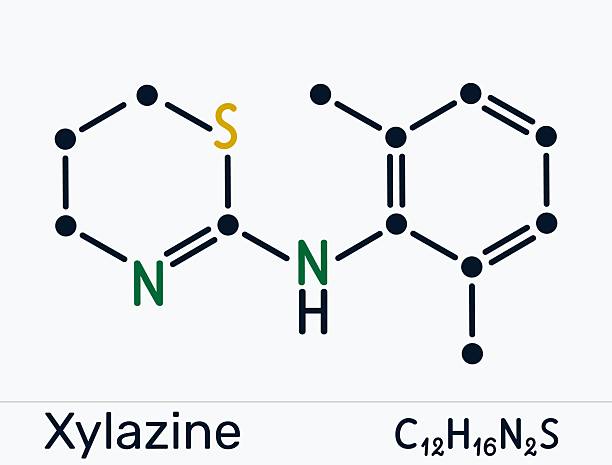
Xylazine is a synthetic alpha-2 adrenergic receptor agonist. It is used in veterinary medicine for its sedative, muscle-relaxant, and analgesic-supporting effects.
It may be available in products indicated for horses, dogs, cats, cattle, or other species, depending on the registration and label of the specific product.
Xylazine is not an ordinary sleeping medication. Its effects involve multiple body systems and may cause serious complications if used inappropriately.
How does xylazine affect the nervous system?
Xylazine activates alpha-2 adrenergic receptors in the nervous system, reducing the release of norepinephrine, a neurotransmitter involved in sympathetic nervous system activity.
As sympathetic activity decreases, animals may become calmer, less responsive to stimuli, and develop muscle relaxation.
In addition to its effects on the central nervous system, xylazine also acts on peripheral receptors, affecting cardiovascular activity and other physiological functions.
The degree of sedation depends on several factors:
- Animal species and breed.
- Dose and route of administration.
- Health status, age, and physical condition.
- Other medicines administered at the same time.
- Purpose of the examination or procedure.
The same active ingredient may therefore produce substantially different responses among species and individual animals.
Main effects of xylazine
Xylazine has three main effects commonly used in veterinary medicine:
Sedation: Helps reduce agitation and responsiveness to the surrounding environment. However, a sedated animal may still respond to noise or strong stimulation.
Muscle relaxation: Reduces muscle tone and may assist veterinarians during certain examinations and procedures.
Analgesia: Xylazine provides a degree of pain relief, but the effect may be short-lived or inadequate for significantly painful procedures.
When deeper pain control is required, a veterinarian may combine xylazine with other appropriate analgesic medicines or techniques.
Xylazine should not be considered a substitute for a complete anesthesia or pain-management protocol.
Distinguishing Sedation, Premedication, and General Anesthesia
Sedation, premedication, and general anesthesia are related concepts but are not the same.
| Concept | Main characteristics | Role of xylazine |
| Sedation | Reduces agitation and responsiveness to the environment; the animal may still respond to stimuli | May be used to produce sedation |
| Premedication | Medication administered before anesthesia to support the anesthetic procedure | May be used as part of a premedication protocol |
| General anesthesia | A controlled state of unconsciousness requiring monitoring of vital functions and maintenance of an appropriate anesthetic depth | May support an anesthetic protocol but does not replace general anesthetic drugs when used alone |
In some protocols, xylazine is administered before general anesthesia to help calm the animal, facilitate handling, and potentially reduce the requirement for certain other anesthetic drugs.
However, combining medicines may also increase the risk of cardiovascular and respiratory adverse effects.
Veterinarians need to weigh the potential benefits against the risks when selecting an appropriate protocol for each animal.
Why should xylazine not be used on your own simply to make an animal sleep?
Xylazine can produce sedation, but it does not guarantee complete unconsciousness or the absence of pain.
Even while sedated, an animal may react unexpectedly to strong stimulation.
The drug can also cause bradycardia, respiratory depression, and significant changes in blood pressure.
Without trained personnel, appropriate monitoring equipment, and the ability to respond to emergencies, these complications may become dangerous.
Xylazine therefore should not be purchased or used independently to restrain animals at home or on a farm.
Adverse Effects of Xylazine and Risks That Require Monitoring
The adverse effects of xylazine depend on the animal species, dose, route of administration, underlying disease, and other drugs administered at the same time.
Important effects may involve the cardiovascular, respiratory, gastrointestinal, and thermoregulatory systems.
Cardiovascular and respiratory effects
Xylazine may cause a reduction in heart rate and abnormalities in cardiac conduction in some species.
Regarding blood pressure, it may initially cause a transient increase, followed by a decrease in blood pressure due to its effects on the sympathetic nervous system.
In some cases, xylazine may also reduce respiratory rate or ventilation.
The risk of respiratory depression may increase when:
- An inappropriate dose is used.
- Xylazine is combined with other central nervous system depressants.
- The animal has respiratory or cardiovascular disease.
- The animal is deeply sedated.
- There are disease-related or airway-related complications.
These changes should be monitored by a veterinarian during use.
Effects on the gastrointestinal system
Xylazine may reduce gastrointestinal activity, although the degree and clinical effects vary among species.
In dogs and cats, the drug may cause vomiting. This is particularly important when an animal is at risk of aspiration or has a gastrointestinal obstruction.
In horses, xylazine may reduce intestinal motility. This should be considered in animals with gastrointestinal disease or an increased risk of gastrointestinal motility disorders.
In ruminants such as cattle, goats, and sheep, xylazine may reduce rumen motility and interfere with normal eructation.
When a ruminant remains recumbent during sedation, the risks of bloat, regurgitation, or aspiration of rumen contents may increase.
The animal’s positioning and airway protection therefore require veterinary attention during sedation.
Effects on body temperature and metabolism
Xylazine may alter thermoregulation, resulting in hypothermia or hyperthermia depending on the species and environmental conditions.
The risk deserves greater attention when an animal remains immobile for a prolonged period or is exposed to an excessively hot or cold environment.
Xylazine may also increase blood glucose through its effects on metabolic regulation.
These effects should be considered in animals with metabolic disorders, particularly those with underlying disease.
Responses to Xylazine in Horses, and Livestock
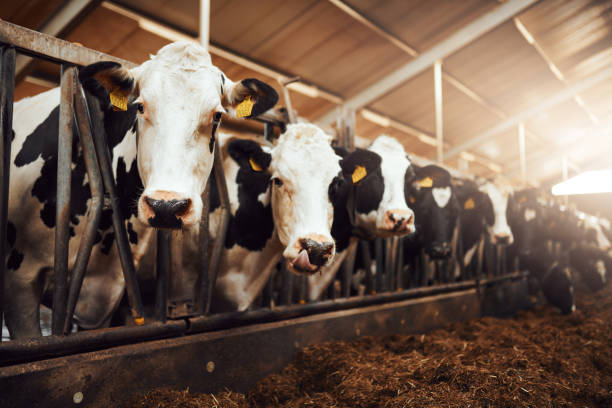
Different animal species have different physiological characteristics, resulting in differences in sensitivity and adverse effects when xylazine is used.
Horses
Xylazine is used in some sedation and premedication protocols in horses.
It can reduce agitation and assist veterinarians with appropriate examinations or procedures.
However, a sedated horse may still respond to strong stimulation.
Parameters that require monitoring include bradycardia, blood pressure changes, respiration, and gastrointestinal motility.
Cattle and other ruminants
Ruminants are generally more sensitive to xylazine than some other species.
In cattle, marked sedation may occur at lower doses than those used in less sensitive species.
In addition to cardiovascular and respiratory effects, the risks of bloat, regurgitation, and aspiration also require attention.
Xylazine therefore cannot be used at the same dosage across dogs, cats, horses, cattle, goats, and sheep.
Drug selection and dosage should be based on veterinary assessment, product information, and the characteristics of the individual animal.
Situations Requiring Particular Caution When Using Xylazine
Before prescribing xylazine, the veterinarian should assess the animal’s overall health and factors that could increase the risk of complications.
Conditions requiring particular caution include:
- Cardiovascular disease or cardiac arrhythmias.
- Respiratory disease or impaired respiratory function.
- Impaired liver or kidney function.
- Metabolic disorders, including abnormalities in blood glucose regulation.
- Dehydration, exhaustion, or poor physical condition.
- Pregnancy.
- Previous abnormal reactions to sedatives or anesthetic drugs.
Specific contraindications should be checked against the label of the particular product and the animal’s actual clinical condition.
Is xylazine safe for pregnant animals?
The use of xylazine in pregnant animals requires particularly careful assessment.
Xylazine may increase uterine contractions, creating potential risks during pregnancy, especially in late gestation.
In cattle and some other species, this effect may increase the risk of premature parturition or adversely affect pregnancy if the drug is used inappropriately.
Some products may be contraindicated or not recommended during late pregnancy except in specific obstetric situations assessed by a veterinarian.
Owners and livestock producers should therefore provide information about pregnancy status, expected due date, and previous reproductive problems so the veterinarian can make an appropriate drug choice.
Interactions with other medicines
Xylazine may interact with drugs that affect the central nervous system, cardiovascular system, or respiratory system.
Some anesthetic drugs, opioid analgesics, and other sedatives may increase central nervous system depression when used in combination.
However, such combinations may also be part of a carefully designed anesthetic protocol.
The veterinarian therefore needs complete information about any medicines the animal is already receiving and must select an appropriate protocol.
Xylazine should not be independently combined with other medicines or used at altered doses simply to increase the level of sedation.
Considerations When Using Xylazine in Food-Producing Animals

For animals raised for meat, milk, or other food products, xylazine use also involves veterinary drug registration and residue-control requirements.
Not every xylazine-containing product is approved for use in food-producing animals.
Permitted uses may differ among products and countries.
Before using xylazine in cattle or other food-producing animals, check:
- Whether the product is approved for use in Vietnam.
- Whether the animal species and intended use fall within the approved scope.
- Any contraindications or restrictions for food-producing animals.
- The applicable withdrawal period for meat, milk, or the relevant animal product.
- Current veterinary and food-safety regulations.
The withdrawal period for one xylazine product must not be applied to another product.
If a product does not have a valid indication for food-producing animals, livestock producers should not use it independently or attempt to estimate a withdrawal period.
Product selection and residue control should follow professional guidance and current regulations.
Monitoring Animals Before, During, and After Xylazine Use
Appropriate monitoring is important for detecting abnormal changes early and reducing the risk of complications during sedation.
Before administration
Veterinarians generally assess overall health, underlying diseases, and vital signs before deciding to use xylazine.
Important information includes:
- Heart rate, respiratory rate, and temperature.
- Physical condition and degree of dehydration.
- Current medications.
- History of reactions to sedatives or anesthetic drugs.
- Pregnancy or reproductive status.
- Purpose and expected duration of the procedure.
This initial assessment helps determine an appropriate sedation protocol and identify factors requiring closer monitoring.
During sedation
The animal should be monitored according to the depth of sedation, species, and type of procedure.
Parameters to observe include heart rate, respiration, mucous membrane color, temperature, and responsiveness to stimulation.
In ruminants, the veterinarian should pay particular attention to recumbent positioning and the risks of bloat or aspiration.
Monitoring and emergency support should be provided with equipment appropriate to the level of intervention.
After administration
After the procedure, the animal should continue to be monitored until it has fully recovered.
Animals that remain deeply sedated should not be allowed to move around freely, come into contact with objects that could cause injury, or remain in an unsafe area.
Attention should be paid to the animal’s ability to stand, move, respond to its surroundings, and breathe normally.
Recovery time may vary depending on the product, dose, drugs used in combination, and health status.
If the animal does not recover within the timeframe expected by the veterinarian or develops abnormal signs, a veterinary facility should be contacted immediately.
Emergency Signs After Xylazine Administration
Some complications after xylazine use can become serious and require immediate attention.
Contact a veterinarian or emergency veterinary facility immediately if the animal develops:
- Respiratory arrest, obvious difficulty breathing, or an extremely slow respiratory rate.
- Pale, gray, or bluish mucous membranes.
- Severe abnormalities in heart rate or rhythm.
- Inability to be awakened or failure to recover as expected.
- Vomiting or regurgitation accompanied by coughing, choking, or difficulty breathing.
- Seizures or abnormal neurologic signs.
- A marked drop in body temperature, coldness, and reduced responsiveness.
In these situations, do not attempt to treat the animal independently by giving oral medication, stimulants, or additional drugs.
Livestock producers or animal owners should report the animal’s condition to the veterinarian and follow appropriate emergency instructions.
Principles for Safe Xylazine Use in Veterinary Medicine
To reduce the risk of adverse effects and complications, xylazine use should follow several important principles:
- Use only under professional indication: Do not independently purchase or inject xylazine simply to restrain an animal.
- Assess health before administration: Pay particular attention to cardiovascular or respiratory disease, poor physical condition, and pregnancy.
- Do not apply the same dose across species: Responses to xylazine vary considerably among animal species.
- Do not independently combine medicines: Combination protocols should be selected and supervised by a veterinarian.
- Monitor until recovery: Do not leave a sedated animal in an unsafe area.
- Comply with veterinary drug regulations: Check indications, contraindications, and requirements applying to food-producing animals.
In addition to risks to animals, people handling the medicine also need to take precautions to avoid accidental self-injection or exposure to the product.
Xylazine can cause sedation, blood pressure changes, and respiratory depression in humans following systemic exposure. If accidental self-injection or ingestion occurs, seek medical attention immediately and provide product information to healthcare professionals.
Frequently Asked Questions About Veterinary Xylazine

Is xylazine an anesthetic?
Xylazine is primarily a sedative with muscle-relaxant and some analgesic effects. When used alone, it is not considered a reliable form of general anesthesia for all procedures. In some protocols, xylazine may be used to support premedication or anesthesia under veterinary direction.
Does xylazine provide pain relief for animals?
Yes. Xylazine has analgesic effects, but the degree and duration of pain relief depend on the species, dose, and conditions of use. For significantly painful procedures, it usually needs to be combined with appropriate analgesic or anesthetic methods.
Can xylazine be used without veterinary supervision to sedate an animal?
It should not be.
Xylazine can cause cardiovascular, respiratory, and gastrointestinal complications that require health assessment and professional monitoring. It should be administered by appropriately trained veterinary personnel in accordance with applicable regulations and instructions.
Is xylazine dangerous for cattle?
Xylazine may be used in certain veterinary procedures in cattle when the product and legal conditions permit.
However, cattle are generally sensitive to the drug and may experience adverse effects such as bradycardia, reduced rumen motility, bloat, and regurgitation.
Appropriate veterinary assessment and monitoring are required.
When should a veterinarian be contacted after xylazine is used?
Immediate veterinary assistance is needed if the animal develops difficulty breathing, severe reduction in responsiveness, seizures, bluish mucous membranes, failure to recover as expected, or other concerning abnormalities.
These may be signs of complications requiring urgent intervention.
From Safe Sedation to Monitoring Animal Recovery at VIETSTOCK 2026
Xylazine can support sedation, premedication, and certain veterinary procedures, but its effectiveness always comes with the need for close monitoring. Heart rate, respiration, blood pressure, recumbent positioning, and recovery may all change significantly after administration, particularly in ruminants. Safety therefore depends not only on selecting the right medicine, but also on pre-procedure assessment, monitoring equipment, and the ability to manage complications when necessary.
For facilities that regularly perform examinations, restraint, or procedures on animals, VIETSTOCK 2026 provides an opportunity to review the entire process surrounding a sedation procedure rather than focusing only on the medicine being used. Visitors can prioritize areas such as:
- Monitoring equipment during procedures: explore solutions for monitoring heart rate, respiration, temperature, and other relevant parameters during sedation.
- Veterinary instruments and equipment: review options that support safer restraint, examination, and procedures for different groups of animals.
- Veterinary medicines and supportive products: discuss indications, routes of administration, contraindications, and differences among products with relevant industry professionals.
- Recovery care: explore solutions that support post-procedure monitoring, help reduce injury risk, and assist in the early recognition of abnormal signs.
- Operator safety: learn about protective equipment and working procedures designed to reduce the risk of accidental exposure or self-injection while handling medicines.
Another important point is that xylazine safety concerns not only animals but also people handling the drug and food-producing animals. From a broader perspective, the One Health Forum on October 22, 2026 includes content on connecting animal health, human health, and environmental health, as well as integrating the One Health model into commercial livestock-production systems.
This approach helps place veterinary drug use in a wider context that includes not only the effectiveness of an individual procedure, but also occupational safety, animal health, and responsibility across the production system.
Date: October 21–23, 2026
Venue: Saigon Exhibition and Convention Center – SECC, 799 Nguyen Van Linh Street, Tan My Ward, Ho Chi Minh City, Vietnam
Event website: VIETSTOCK 2026
👉 Register to Visit VIETSTOCK 2026
👉 Visitor Registration Information
👉 Learn More About the One Health Forum
👉 Explore Innovation, Green Transition and Competitiveness at VIETSTOCK 2026
Contact information:
Exhibiting: Ms. Sophie Nguyen – [email protected]
Group Delegation Support: Ms. Phuong – [email protected]
Marcom Support: Ms. Anita Pham – [email protected]