Pneumonia in Buffalo and Cattle: Signs, Risk Factors, and Prevention
Pneumonia in buffalo and cattle may involve multiple infectious and environmental factors. Learn how to recognize early respiratory signs, identify high-risk calves and buffalo calves, respond to warning symptoms, and improve herd-level prevention through ventilation, biosecurity, nutrition, and stress management.
Respiratory diseases, including pneumonia, are common health problems in some buffalo and cattle production systems, particularly among calves, buffalo calves, and herds exposed to high levels of stress. Pneumonia is not a single disease but a syndrome that may involve multiple causative agents and be influenced simultaneously by the animal, infectious pathogens, and environmental factors. Livestock producers need to recognize abnormal signs early, understand the conditions that increase disease risk, and implement appropriate preventive measures to protect herd health.
When Respiratory Signs Appear in the Herd, Prioritize Actions According to Severity
| Observed situation | What to consider | Priority action |
| One animal has a mild cough but continues eating and behaving normally | Not enough to conclude that pneumonia is present | Continue monitoring respiratory rate, body temperature, nasal discharge, and feed intake |
| Coughing accompanied by rapid breathing, fever, reduced feed intake, or isolation from the herd | Increased risk of respiratory disease | Separate the suspected animal, inspect housing conditions, and contact a veterinarian for assessment |
| A calf or buffalo calf suckles less, lies down more often, or appears weak | High-risk group; disease may progress rapidly | Monitor closely and contact a veterinarian early |
| Multiple animals develop signs after introduction into the herd or following a weather change | May involve infectious agents together with stress or environmental factors | Restrict unnecessary movement and review ventilation, stocking density, newly introduced animals, and biosecurity |
| Open-mouth breathing, extended neck, bluish mucous membranes, or recumbency with inability to rise | Emergency signs | Contact a veterinarian immediately |
Coughing or nasal discharge alone is not enough to diagnose pneumonia. What matters is the combination of signs, the speed of progression, and the condition of the entire herd when determining the appropriate response.
How Does Pneumonia Affect Buffalo and Cattle Herds?
Pneumonia in buffalo and cattle involves damage to lung tissue that may result from different causes, including bacteria, viruses, or combinations of multiple pathogens under unfavorable environmental conditions. Some causes of respiratory disease can spread within a herd, particularly with close contact, commingling, or poor housing conditions. The degree of transmission depends on the specific pathogen involved.
In beef cattle, respiratory disease may reduce weight gain, increase production costs, and extend the finishing period. In breeding cattle, severe or prolonged disease may indirectly affect body condition and reproductive performance in some animals, depending on the underlying cause and duration of illness. In calves and buffalo calves, respiratory disease may progress rapidly and require early intervention.
Some cases begin with subtle signs such as reduced feed intake, lethargy, or reduced activity, while others progress more quickly. Without close observation, the disease may already be at a more advanced stage by the time it is detected.
Signs of Pneumonia in Buffalo and Cattle That Should Be Recognized Early
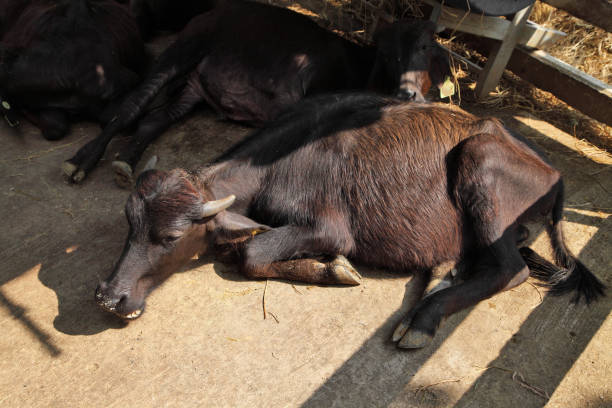
Respiratory signs: coughing, rapid breathing, and difficulty breathing
Coughing is one of the most noticeable respiratory signs. Buffalo and cattle with respiratory disease may cough intermittently, and the cough may be dry or productive.
A cough should be assessed together with respiratory rate, fever, nasal discharge, and feed intake. The sound or type of cough alone should not be used to infer a specific disease.
Rapid or labored breathing requires immediate attention. Producers may notice:
- Abnormally pronounced chest movements.
- A clearly increased respiratory rate compared with normal.
- The animal standing with its front legs spread apart to assist breathing.
In some cases, wheezing or other abnormal respiratory sounds may also be heard.
Signs involving the nose, mouth, and eyes
Nasal discharge is common and may be:
- Clear.
- Cloudy.
- Mucoid.
- Mucopurulent.
Mucoid or mucopurulent nasal discharge may occur with respiratory disease, but it should be assessed alongside other clinical signs. Color or consistency alone should not be used to determine disease severity or cause.
Watery eyes or ocular discharge may accompany some respiratory diseases but are not specific to pneumonia.
The animal may also salivate more than usual or breathe through the mouth when disease becomes severe.
General signs: fever, loss of appetite, lethargy, and weight loss
Fever may occur, particularly with infectious disease, but the absence of fever does not rule out respiratory disease.
Affected animals may:
- Appear lethargic.
- Separate themselves from the herd.
- Move less.
- Eat less or stop eating completely.
If disease persists, animals may lose substantial weight, develop a rough hair coat, and experience rapid deterioration in body condition.
In beef cattle, reduced weight gain may be the first indirect sign noticed when body weight is monitored regularly.
In breeding or lactating cattle, a sudden decline in milk production may also indicate a health problem that warrants respiratory assessment.
Warning signs that the disease is becoming more severe
Some signs indicate serious progression and require immediate veterinary attention:
- Very rapid breathing, open-mouth breathing, or an extended-neck posture to breathe.
- Bluish or pale mucous membranes — an emergency sign that may be associated with oxygen deficiency or circulatory compromise.
- Inability to stand or severe recumbency.
- Multiple animals developing clinical signs within a short period.
- Calves or buffalo calves becoming weak, refusing to suckle, or remaining recumbent.
These signs are not a basis for independently diagnosing a specific disease, but they are important thresholds for immediate action rather than continued observation.
Monitoring Considerations for Buffalo, Beef Cattle, Breeding and Dairy Cattle, and Calves
Buffalo and beef cattle: effects on weight gain and production efficiency
In buffalo, respiratory disease may be more difficult to detect if feed intake, activity, and respiratory rate are not observed daily.
Small behavioral changes should be noted, such as:
- Standing apart from the herd.
- Eating less.
- Breathing more heavily than usual.
Particular attention is needed during periods of changing weather.
In beef cattle, respiratory disease may reduce weight gain, increase costs, and extend the production period. Cattle affected during the finishing stage may fail to achieve expected weight gain. The impact on product quality depends on disease severity and other management factors.
Breeding cattle and lactating dairy cattle
Systemic illness, fever, reduced feed intake, or declining body condition associated with respiratory disease may reduce milk production and temporarily affect reproductive performance in some animals.
Disease-related stress may also increase the risk of additional health problems.
Producers should record changes in:
- Milk production.
- Behavior.
- Body condition.
and compare them with respiratory signs to support earlier disease detection.
Calves and buffalo calves: a group requiring closer monitoring
Young calves and buffalo calves are at greater risk because their immune protection still depends on factors including:
- Age.
- Passive immunity obtained from colostrum.
- Nutrition.
- Housing conditions.
Respiratory disease may progress more rapidly in young animals than in adults.
Signs requiring attention include:
- Spending more time lying down.
- Refusing to suckle or suckling poorly.
- Rapid breathing.
- Weakness.
- Reduced responsiveness to the surrounding environment.
If a calf or buffalo calf develops difficulty breathing or marked weakness, a veterinarian should be contacted rather than continuing to wait and observe.
More detailed information on managing respiratory disease in calves and buffalo calves before weaning is covered separately in a dedicated Vietstock article.
Factors That Increase the Risk of Respiratory Disease in Buffalo and Cattle
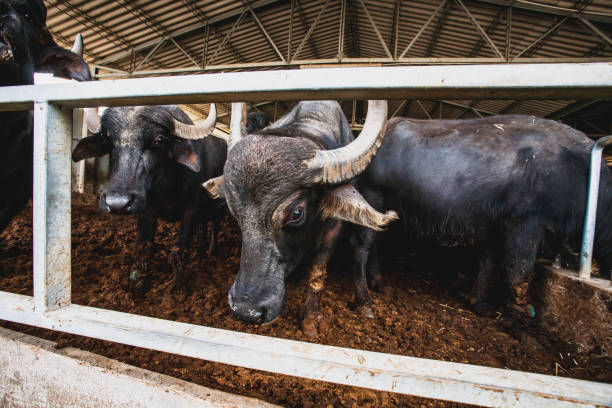
Housing environment: humidity, ventilation, dust, and irritating gases
Poor ventilation and high humidity are important risk factors.
High humidity and inadequate hygiene may create more unfavorable environmental conditions and contribute to disease risk, although the specific effect depends on the pathogen involved.
Poorly ventilated housing can allow ammonia from manure and urine to accumulate. High ammonia concentrations can irritate the respiratory tract and impair its protective mechanisms, thereby contributing to increased disease risk.
Dust from:
- Dry feed.
- Straw.
- Bedding or flooring materials.
is another respiratory irritant that may be overlooked.
Poor hygiene, damp conditions, and inadequate ventilation may also increase the pathogen load within the housing environment.
Sudden weather changes, particularly prolonged cold periods or seasonal transitions, may increase the risk of respiratory disease, especially when combined with:
- Poor ventilation.
- Damp conditions.
- Management changes.
Direct drafts onto resting animals during cold weather should also be controlled.
Stocking density, commingling, and exposure to infection
Excessive stocking density increases contact among animals.
Depending on the pathogen, some infectious agents may spread through:
- Respiratory secretions.
- Close contact.
- Contaminated equipment.
- Feed or water troughs.
- Caretakers.
Commingling is a particularly high-risk period.
Newly introduced animals may:
- Be incubating disease.
- Carry infectious agents.
Mixing groups increases contact and the risk of disease, particularly when animals come from different sources or have different immune status.
Long-distance transportation also increases stress and may temporarily reduce resistance to disease.
Stress, nutrition, and changes in management
Stress may weaken disease resistance and create conditions that favor respiratory disease outbreaks.
Common sources of stress include:
- Transportation.
- Sudden dietary changes.
- Changes in caretakers.
- Excessive noise.
- Changes in the housing environment.
Unbalanced diets or inadequate energy, protein, and micronutrient intake may also increase risk.
Nutritional adjustments should be based on the actual diet and professional advice rather than indiscriminate high-dose supplementation.
Animals weakened by another disease, recently calved animals, and animals recovering from transport may also be at greater risk.
Daily Herd-Monitoring Checklist and Initial Actions
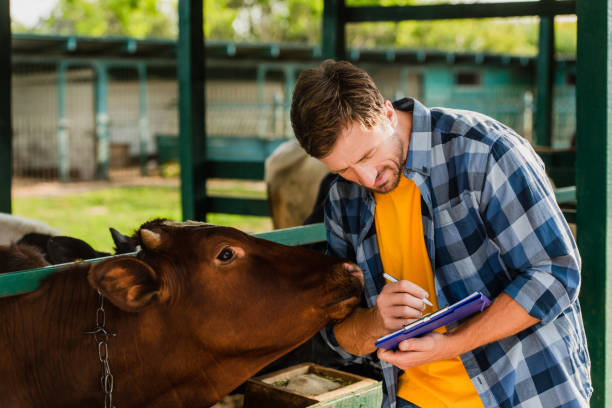
Check individual animals and housing conditions
Daily herd observation helps detect disease before it becomes more widespread.
Check individual animals:
- Is any animal coughing, breathing rapidly, or having difficulty breathing?
- Is there nasal discharge, ocular discharge, or another abnormal secretion?
- Is any animal eating less, appearing lethargic, or standing apart from the herd?
- Are calves and buffalo calves suckling adequately and behaving normally?
- Is any animal lying down more than usual or having difficulty standing?
Check housing conditions:
- Is the housing dry and free of standing water or excessive moisture?
- Is there a strong ammonia odor or stagnant air?
- Is the ventilation system operating normally?
- Are feed and water troughs clean?
- Is there a direct draft in the animals’ resting area?
Recording changes over time can help identify abnormal trends earlier, particularly during weather changes or after new animals have entered the herd.
Separate suspected cases, reduce stress, and improve the environment immediately
When an animal shows abnormal signs, separate it or place it in a designated area when it is safe to move the animal.
The isolation area should include:
- Appropriate biosecurity management.
- Separate equipment where possible.
- Limited contact with unaffected animals.
For an animal with severe respiratory distress, consult a veterinarian before attempting transportation.
Housing conditions should also be reviewed and improved immediately:
- Increase ventilation if the housing is poorly ventilated.
- Reduce stocking density if overcrowding is present.
- Clean feed and water troughs.
- Replace bedding with clean, dry material.
- Remove damp or moldy straw using methods that minimize dust dispersion.
Avoid unnecessary sources of stress, such as:
- Unnecessary movement.
- Sudden feed changes.
while the herd is at increased risk.
If an affected animal has severe signs — such as marked difficulty breathing, inability to rise, bluish mucous membranes, or multiple cases developing within a short period — contact a veterinarian immediately.
Preventing Pneumonia in Buffalo and Respiratory Disease in Cattle Herds
Maintain clean, dry, and well-ventilated housing
Housing conditions are an important component of respiratory disease prevention.
Facilities should provide:
- Appropriate ventilation.
- Reduced moisture.
- Control of ammonia odor.
- Protection from direct drafts.
Where specific environmental standards are required, livestock-production technicians or veterinarians should be consulted.
Floors should:
- Remain dry.
- Drain effectively.
- Have bedding replaced regularly.
Roofs and housing structures should protect animals from rain and drafts without being sealed so tightly that natural ventilation is restricted.
During cold weather, producers need to balance warmth with adequate airflow.
Cleaning, disinfection, and biosecurity
Routine cleaning helps reduce the environmental pathogen load.
Feed and water troughs should be cleaned regularly.
Equipment shared between housing areas should first be cleaned and then disinfected using suitable procedures and products according to professional instructions.
Newly introduced animals should be quarantined according to:
- The farm’s biosecurity procedures.
- Veterinary authority recommendations.
The appropriate quarantine period should be determined according to:
- Disease risk.
- Diseases being monitored.
Restricting unnecessary movement of people and vehicles into animal housing areas also helps reduce the risk of introducing infectious agents.
Herd management, nutrition, and stress reduction
Maintain an appropriate stocking density and avoid overcrowding animals in a single area.
Resting areas should provide enough space to reduce competition for lying areas.
Provide a balanced diet according to:
- Age.
- Production purpose.
- Physiological stage.
Micronutrients should be supplemented only when supported by nutritional assessment or professional guidance.
Avoid sudden changes in feed.
Where possible, schedule:
- Transportation.
- Breeding activities.
- Management changes.
during periods with less unfavorable weather to reduce cumulative stress.
When should a veterinarian be contacted, and why should producers avoid self-diagnosis?
The signs described in this article are intended to help producers recognize an initial risk. They are not a basis for independently diagnosing or treating disease.
Respiratory disease in buffalo and cattle may involve many different pathogens, and identifying the correct cause requires veterinary assessment, including:
- Clinical examination.
- Supporting diagnostic tests in many cases.
A veterinarian or local veterinary authority should be contacted when:
- An animal has severe difficulty breathing, is recumbent, or cannot stand.
- Multiple animals develop respiratory signs within a short period.
- A calf or buffalo calf is weak, refuses to suckle, or has difficulty breathing.
- An affected animal does not improve after isolation and environmental conditions have been addressed.
- The producer is uncertain about the cause or appropriate response.
Early collaboration with a veterinarian helps establish an appropriate management approach, avoid inappropriate medication use, and reduce the risk of disease spreading through the herd.
Vaccination schedules and routine veterinary planning for respiratory disease are covered separately in a dedicated Vietstock article.
Frequently Asked Questions About Pneumonia in Buffalo and Cattle
Does a cow that coughs and has nasal discharge definitely have pneumonia?
Not necessarily.
Coughing and nasal discharge occur in many respiratory diseases, not only pneumonia.
When these signs occur together with:
- Fever.
- Reduced feed intake.
- Rapid breathing.
the combination increases suspicion and warrants early assessment, particularly when breathing is labored or multiple animals are affected.
A diagnosis should not be made from one or two signs alone.
Are calves and buffalo calves more susceptible to pneumonia than adult animals?
Yes.
Young calves and buffalo calves are at greater risk because immune protection still depends on:
- Age.
- Passive immunity from colostrum.
- Nutrition.
- Housing conditions.
Disease may progress more rapidly in young animals, making closer monitoring and earlier intervention particularly important.
Do cold weather and damp housing increase the risk of respiratory disease?
Yes.
Cold temperatures, damp conditions, poor ventilation, and weather changes may increase stress and disease risk, particularly when combined with:
- High stocking density.
- Poor hygiene.
These are risk factors that should be actively managed, but they are not the only causes of respiratory disease.
What should be done when multiple animals in the herd develop signs?
Separate affected animals, restrict livestock movement between areas, inspect and improve housing conditions, and contact a veterinarian for assessment and management guidance.
Antibiotics or other medicines should not be purchased and administered independently without identifying the likely cause.
When can a recovered animal be returned to the herd?
Reintroduction should follow veterinary assessment and the farm’s procedures.
Criteria may include:
- Clinical recovery.
- An appropriate observation period after clinical signs have resolved.
- Additional requirements depending on the disease involved.
The disappearance of visible signs alone is not enough to determine that an animal can safely return to the herd.
From Respiratory Signs to Proactive Disease Prevention for Buffalo and Cattle at VIETSTOCK 2026
Pneumonia in buffalo and cattle usually does not result from a single factor. The causative pathogen, animal age, stress, stocking density, humidity, and ventilation may all influence respiratory disease risk within a herd. In calves and buffalo calves in particular, early recognition of changes such as reduced suckling, rapid breathing, or spending more time lying down is important because disease may progress more rapidly than in adult animals.
At VIETSTOCK 2026, livestock producers therefore do not necessarily need to focus only on finding a product that “treats pneumonia.” Instead, they can review several factors that influence respiratory health across the herd. With 300 brands expected across 10,000 sqm of exhibition area and around 13,000 trade visitors from 40 countries, the event provides opportunities to explore and compare a range of solutions related to housing environments, disease prevention, and herd-health management.
Areas worth exploring include:
- Ventilation and housing environment: review solutions that help control humidity, ammonia, dust, and airflow within livestock housing.
- Herd health monitoring: explore technologies that support the detection of changes in feed intake, activity, body temperature, and respiratory signs.
- Biosecurity during animal introduction and commingling: discuss quarantine, cleaning, disinfection, and management of the movement of people, equipment, and vehicles.
- Nutrition for calves, buffalo calves, and stressed livestock: explore solutions that support health during higher-risk periods such as weaning, transportation, or environmental changes.
- Veterinary diagnosis and care: learn about approaches that support evaluation of the underlying cause before medicines are selected, particularly when multiple animals are affected or disease repeatedly recurs.
The article also highlights that improving environmental conditions may be one of the immediate steps to take when respiratory problems appear in a herd: increase ventilation in poorly ventilated housing, reduce stocking density where overcrowding exists, keep floors dry, and minimize unnecessary management changes that create additional stress.
This is also why visitors may approach the One Health Forum on October 22, 2026 from a disease-prevention perspective rather than focusing only on treatment. The program includes content related to farm management, biosecurity, hygiene, and integrating the One Health model into commercial livestock-production systems, supporting an approach that considers animals, the environment, and operational practices together.
Date: October 21–23, 2026
Venue: Saigon Exhibition and Convention Center – SECC, 799 Nguyen Van Linh Street, Tan My Ward, Ho Chi Minh City, Vietnam
Event website: VIETSTOCK 2026
👉 Register to Visit VIETSTOCK 2026
👉 Visitor Registration Information
👉 Learn More About the One Health Forum
👉 Explore Innovation, Green Transition and Competitiveness at VIETSTOCK 2026
Contact information:
Exhibiting: Ms. Sophie Nguyen – [email protected]
Group Delegation Support: Ms. Phuong – [email protected]
Marcom Support: Ms. Anita Pham – [email protected]