Streptomycin in Veterinary Medicine: Uses, Limitations, and Antimicrobial Resistance Risks
Streptomycin is an aminoglycoside antibiotic used in veterinary medicine against certain susceptible bacterial infections. Learn about its uses, limitations, nephrotoxicity and ototoxicity risks, antimicrobial resistance, residues, and withdrawal-period requirements.
Streptomycin in veterinary medicine is an aminoglycoside antibiotic with bactericidal activity against certain susceptible bacteria, mainly some aerobic Gram-negative bacteria.
However, streptomycin is not an antibiotic that can be broadly used for every bacterial infection. Before selecting it, several factors should be considered together:
- Whether the suspected pathogen falls within the spectrum of activity of streptomycin.
- Whether the product actually contains streptomycin, streptomycin sulfate, dihydrostreptomycin, or a combination formulation.
- Whether the animal has factors that increase the risk of nephrotoxicity or ototoxicity.
- Whether the medicine is permitted for the relevant animal species and the type of animal product being produced.
Inappropriate use may not only reduce treatment effectiveness but also increase the risks of antimicrobial resistance, toxicity, and drug residues in animal-derived food products.
Before Using Streptomycin, Check These 4 Issues in Order
- Pathogen
Is the disease likely to be caused by bacteria within the spectrum that streptomycin can act against?
↓
- Product
Is the product streptomycin, streptomycin sulfate, dihydrostreptomycin, or a combination product?
↓
- Animal safety
Is the animal dehydrated, affected by kidney disease, or receiving other medicines with nephrotoxic or ototoxic potential?
↓
- Food chain
Is the product approved for the relevant species, lactating dairy cattle, or laying poultry? What withdrawal period applies?
↓
If treatment does not work
Reassess the diagnosis and bacterial susceptibility rather than independently increasing the dose, extending treatment, or switching medicines.
1. First Checkpoint: Is the Pathogen Actually Appropriate for Streptomycin?

Streptomycin belongs to the aminoglycoside class and has a relatively narrow spectrum compared with some other antibiotics.
Its activity is mainly directed against certain susceptible aerobic Gram-negative bacteria.
Some strains within groups such as:
- Pasteurella.
- Escherichia coli.
- Salmonella.
may be susceptible to streptomycin.
However, effectiveness cannot be determined from the bacterial name alone. Susceptibility may vary among species and strains.
How does streptomycin work?
Streptomycin binds to the 30S subunit of the bacterial ribosome, disrupting protein synthesis and causing errors during translation.
When this process is disrupted, susceptible bacteria may be damaged and killed.
Streptomycin is therefore classified as a bactericidal antibiotic.
Why is activity limited in low-oxygen environments?
To exert its antibacterial effect, aminoglycosides need to enter bacterial cells.
This uptake process depends in part on oxygen-dependent metabolic activity.
Streptomycin therefore has limited activity against obligate anaerobic bacteria.
This illustrates why a bactericidal antibiotic is not necessarily appropriate for every type of bacterial infection.
Is streptomycin effective against Mycoplasma?
Some studies may report aminoglycoside activity against certain Mycoplasma strains under laboratory conditions.
However:
Laboratory activity does not mean that streptomycin is an appropriate clinical treatment for every Mycoplasma infection.
Use should be based on:
- Diagnosis.
- Susceptibility of the pathogen.
- Product indications.
- Veterinary assessment.
Which diseases cannot be treated with streptomycin?
Streptomycin does not directly treat diseases caused by:
- Viruses.
- Fungi.
- Parasites.
Clinical signs such as:
- Coughing.
- Fever.
- Diarrhea.
- Reduced feed intake.
are therefore not sufficient on their own to justify streptomycin use.
2. For Which Groups of Diseases May Streptomycin Be Considered?
Streptomycin may be used for certain bacterial infections when:
- The pathogen remains susceptible.
- An appropriate product is available.
- The animal species is included in the indications.
- The disease falls within the product’s approved scope of use.
Respiratory bacterial infections
Some products may be indicated for respiratory diseases caused by susceptible bacteria.
However, respiratory signs may also be associated with:
- Viruses.
- Other bacteria.
- Mycoplasma.
- Poor ventilation.
- Dust.
- Ammonia.
- Multiple pathogens occurring at the same time.
Streptomycin should therefore not be selected solely because an animal is coughing or having difficulty breathing.
Gastrointestinal bacterial infections
Certain gastrointestinal infections involving susceptible Gram-negative bacteria may fall within the indications of some products.
However, diarrhea may also result from:
- Viruses.
- Parasites.
- Feed.
- Drinking water.
- Digestive disorders.
- Management conditions.
Use should therefore be based on the underlying cause and the specific product.
Species-specific scope of use
Before using a product, confirm:
- Animal species.
- Age.
- Physiological stage.
- Approved disease or pathogen.
- Concentration.
- Dosage form.
- Route of administration.
- Contraindications.
- Withdrawal period.
A product intended for cattle should not automatically be assumed suitable for:
- Pigs.
- Poultry.
- Other species.
Particular attention is required for commercial lactating dairy cattle and laying poultry producing eggs for human consumption, as label restrictions must be checked carefully.
3. Second Checkpoint: Are You Referring to the Correct Active Ingredient and Product?
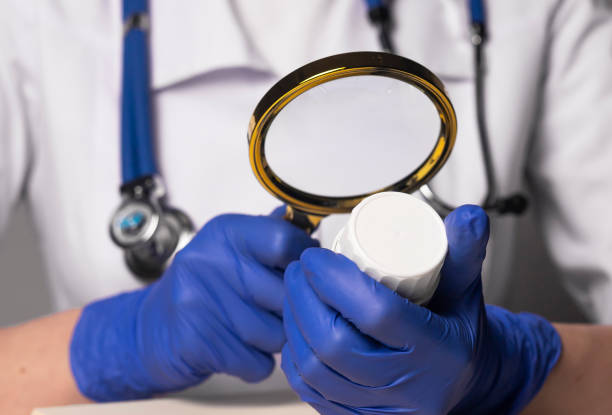
Medicine labels may use terms such as:
- Streptomycin.
- Streptomycin sulfate.
- Dihydrostreptomycin.
These terms should not be treated as completely interchangeable.
What is streptomycin sulfate?
Streptomycin sulfate is the sulfate salt form of streptomycin used in certain formulations.
When reading the label, check:
- How the concentration is expressed.
- Whether the amount refers to the salt or an equivalent amount of active ingredient.
- Dosage form.
- Route of administration.
Dosage should not be inferred from the active ingredient name alone.
Dihydrostreptomycin is not simply another name for streptomycin
Dihydrostreptomycin is structurally related to streptomycin but is not merely another name for the same active ingredient or product.
The two may differ in:
- Use characteristics.
- Indications.
- Concentration.
- Dosage form.
- Residue information.
- Withdrawal periods.
Therefore, the:
- Dose.
- Route of administration.
- Withdrawal period.
for a streptomycin product should not be applied to a dihydrostreptomycin product.
Be careful with combination products
Some products combine streptomycin or dihydrostreptomycin with another antibiotic.
In these cases, the medicine must be used according to the instructions for the specific combination product, rather than building a treatment protocol from the indications of each individual active ingredient.
4. Third Checkpoint: Is the Animal at Increased Risk of Toxicity?
This is one of the most important considerations when using streptomycin.
Like other aminoglycosides, streptomycin carries risks of:
- Nephrotoxicity.
- Ototoxicity.
The level of risk is not the same for every animal.
Risk of nephrotoxicity
Aminoglycosides are eliminated primarily through the kidneys.
Some of the drug may accumulate in renal tubular cells and cause injury under unfavorable conditions.
Risk may increase when animals:
- Are dehydrated.
- Have reduced circulating blood volume.
- Have kidney disease.
- Have impaired renal function.
- Have severe infection.
- Receive prolonged or inappropriate treatment.
- Receive other medicines that may affect the kidneys.
It is therefore not enough to consider only whether the bacteria are susceptible.
The animal’s overall clinical condition is also part of the treatment decision.
Why is dehydration an important concern?
Animals with:
- Severe diarrhea.
- Reduced water intake.
- Dehydration.
- Poor circulation.
may also be at increased risk of impaired kidney function.
In these situations, the veterinarian should assess the animal’s overall condition before choosing and administering an aminoglycoside.
Risk of ototoxicity
Streptomycin and other aminoglycosides may affect the:
- Auditory system.
- Vestibular system.
Possible abnormalities may involve:
- Hearing.
- Balance.
- Coordination.
Some injuries may:
- Persist.
- Not fully recover.
The level of risk depends on:
- Active ingredient.
- Method of use.
- Duration of treatment.
- Kidney function.
- Overall health status.
Use caution when combining medicines
If the animal is already receiving another medicine with potential:
- Nephrotoxicity.
- Ototoxicity.
combining the products may increase the risk of adverse effects.
Streptomycin should not be mixed with other antibiotics or medicines simply in an attempt to “increase effectiveness.”
Combination treatment should be based on professional assessment.
5. Fourth Checkpoint: Is the Use Compliant with Regulations and Food-Chain Requirements?

For food-producing animals, antibiotic selection involves more than treatment alone.
Management must also consider:
- Legal scope of use.
- Purpose of use.
- Animal products being harvested.
- Residues.
- Withdrawal periods.
Treatment, disease control, and disease prevention are not the same
Treatment
Use of antibiotics in animals that have already developed a bacterial infection requiring treatment.
Disease control within a herd or flock
May involve treating groups of animals at high risk once disease has appeared within the population, subject to professional assessment and applicable regulations.
Disease prevention
Use of antibiotics to prevent disease before it occurs.
These three purposes are not subject to identical conditions of use.
Antibiotics used for disease prevention in animal feed
According to the source content, Vietnam has implemented a phased restriction on the use of antibiotics for disease prevention in animal feed.
The article refers to Article 12 of Decree No. 13/2020/ND-CP and its amendments and supplements, with phase-out dates for different antibiotic groups and a final deadline of December 31, 2025.
From 2026 onward, livestock facilities therefore need to pay particular attention to current regulations governing the preventive use of antibiotics in feed.
This should be distinguished from the use of veterinary medicines for:
- Treatment.
- Disease control.
where appropriately indicated and compliant with applicable legal requirements.
6. Treatment Failure Does Not Necessarily Mean Streptomycin Resistance
When an animal does not improve as expected, a common reaction may be to:
- Increase the dose.
- Switch medicines.
- Extend the treatment course.
However, these actions do not appropriately identify the underlying problem.
Factors that should be reassessed
Treatment may fail because:
The initial diagnosis was incorrect
The disease may not involve bacteria appropriately targeted by streptomycin.
The pathogen is not susceptible
The bacteria may fall outside the drug’s spectrum or may have developed resistance mechanisms.
The product is inappropriate
There may be confusion regarding:
- Active ingredient.
- Salt form.
- Concentration.
- Route of administration.
- Indication.
A co-infection is present
The animal may have multiple health problems at the same time.
Environmental risk factors remain unresolved
For example:
- Poor ventilation.
- High stocking density.
- Poor drinking-water quality.
- Poor hygiene.
may contribute to persistent or recurrent disease.
Lack of response does not automatically mean resistance
Streptomycin resistance is one possibility, but it is not the only explanation.
When appropriate, a veterinarian may recommend:
- Sample collection.
- Bacterial culture.
- Identification of the bacterium.
- Antimicrobial susceptibility testing.
Do not independently increase the dose, change antibiotics, or extend treatment solely because the animal has not improved.
7. How Does Streptomycin Resistance Develop?
Streptomycin resistance occurs when bacteria acquire or possess the ability to withstand the drug’s effects.
It is not a situation in which “the animal’s body becomes accustomed to the medicine.”
Some mechanisms of resistance
Bacteria may:
- Alter the target structure on the ribosome.
- Produce enzymes that inactivate the antibiotic.
- Reduce uptake of the medicine into the cell.
- Carry or acquire antimicrobial resistance genes.
Why does inappropriate use increase the risk?
Within a bacterial population:
- Susceptible bacteria may be killed.
- Resistant bacteria gain a survival advantage.
- Resistant populations may continue to grow.
Inappropriate antibiotic use increases this selection pressure.
Practices to avoid include:
- Using antibiotics without an appropriate indication.
- Repeating an old treatment protocol for a new disease episode without reassessment.
- Independently increasing or reducing the dose.
- Extending treatment without guidance.
- Combining medicines without professional advice.
- Using antibiotics as a substitute for hygiene and disease prevention.
Antimicrobial resistance management therefore needs to occur at herd, flock, and farm level, not only in individual animals.
8. How Should Streptomycin Residues and Withdrawal Periods Be Managed?

Antibiotic residues are an important issue in food-producing livestock.
After treatment, streptomycin may remain in certain tissues for a period of time.
For aminoglycosides, kidney tissue is particularly important because of the drug’s accumulation and elimination characteristics.
What is an MRL?
MRL – Maximum Residue Limit is the maximum permitted level of a veterinary drug residue in a particular food product under the applicable regulation or standard.
MRLs may vary according to:
- Active ingredient.
- Species.
- Tissue type.
- Meat.
- Milk.
- Eggs.
- Destination market.
For exports in particular, requirements may differ among markets.
What is a withdrawal period?
A withdrawal period is the minimum period that must be observed after the last administration before:
- Slaughter.
- Animal products are harvested for human consumption.
- Products enter the commercial food chain.
There is no single withdrawal period for all streptomycin products
The required withdrawal period depends on:
- Animal species.
- Concentration.
- Dosage form.
- Route of administration.
- Treatment regimen.
- Type of food product.
- Registration and approved instructions for the specific product.
The withdrawal period for one product must not be applied to another.
This is particularly important when distinguishing between:
- Streptomycin.
- Streptomycin sulfate.
- Dihydrostreptomycin.
- Combination products.
What if the label does not permit use in dairy cattle or laying hens?
If a product states that it must not be used in:
- Cattle producing milk for human consumption.
- Poultry producing eggs for human consumption.
that restriction must be followed.
A withdrawal period should not be invented to “compensate” for use in an animal category for which the product is not permitted.
How to determine when the withdrawal period ends
Step 1: Identify the exact product
Record:
- Product name.
- Active ingredient.
- Concentration.
- Dosage form.
Step 2: Confirm the species and animal product
Check:
- Species.
- Meat.
- Milk.
- Eggs.
Step 3: Check the withdrawal period
Read the information for the exact product and its approved conditions of use.
Step 4: Record the last dose
The date and time of the final administration are important reference points.
Step 5: Determine the end date
Animals or animal products should enter the food chain only after meeting:
- The withdrawal period.
- Conditions of use.
- Relevant legal requirements.
If suitable information is unavailable or the medicine was used differently from the approved directions, do not guess the withdrawal period.
9. Key Principles to Remember When Using Streptomycin
Do not use the medicine based on symptoms alone
Coughing, fever, or diarrhea does not identify the underlying cause.
Confirm the exact active ingredient
Distinguish between:
- Streptomycin.
- Streptomycin sulfate.
- Dihydrostreptomycin.
- Combination products.
Assess toxicity risks
Pay particular attention to:
- Dehydration.
- Kidney disease.
- Concurrent medications.
- Abnormal movement or balance.
Do not independently change the treatment protocol
Do not independently:
- Increase the dose.
- Reduce the dose.
- Extend treatment.
- Add another antibiotic.
- Change the route of administration.
Monitor treatment response
Observe:
- Feed and water intake.
- Movement.
- Progression of clinical signs.
- Overall condition.
- Adverse reactions.
Keep complete records
Records should include:
- Product name.
- Active ingredient.
- Batch number.
- Treated animal or group.
- Date of use.
- Time of the last dose.
- Withdrawal period.
Do not automatically reuse an old treatment protocol
A new disease episode should be reassessed.
Similar clinical signs do not necessarily mean the same causative agent or the same antimicrobial susceptibility pattern.
Frequently Asked Questions About Veterinary Streptomycin

What diseases is streptomycin used to treat in animals?
Streptomycin may be used for certain bacterial infections caused by susceptible bacteria when:
- An approved product is available.
- The species is included in the indications.
- The disease falls within the product’s approved scope.
The medicine should not be used solely on the basis of clinical signs.
Is streptomycin effective against Mycoplasma?
Susceptibility may vary among Mycoplasma species and strains.
Laboratory data alone are not sufficient to conclude that streptomycin is appropriate for every Mycoplasma infection.
Assessment should consider:
- Diagnosis.
- Product indications.
- Susceptibility.
- Veterinary guidance.
Are streptomycin sulfate and dihydrostreptomycin the same?
Not exactly.
Streptomycin sulfate is a salt form of streptomycin.
Dihydrostreptomycin is a structurally related but different active ingredient.
The:
- Dose.
- Route of administration.
- Withdrawal period.
for one product should not be applied to the other.
Can streptomycin cause nephrotoxicity?
Yes.
Streptomycin belongs to the aminoglycoside class and can cause nephrotoxicity, particularly when animals:
- Are dehydrated.
- Have kidney disease.
- Have impaired renal function.
- Receive the medicine inappropriately.
- Receive other medicines with nephrotoxic potential.
Can streptomycin cause ototoxicity?
It can.
Streptomycin and other aminoglycosides may affect the auditory or vestibular system.
Possible signs may involve:
- Balance.
- Coordination.
- Hearing.
If abnormalities occur during treatment, a veterinarian should be contacted.
Can streptomycin be used for disease prevention?
Streptomycin should not be routinely used for disease prevention without appropriate justification.
According to the source content, Vietnam implemented a phased end to the use of antibiotics for disease prevention in animal feed, with the final deadline of December 31, 2025.
From 2026 onward, antibiotic use should comply with current regulations and appropriate professional guidance.
Why might animals fail to recover after streptomycin treatment?
Possible reasons include:
- Incorrect diagnosis.
- An inappropriate pathogen.
- Antimicrobial resistance.
- Incorrect product.
- Inappropriate use.
- Co-infection.
- Environmental factors.
The dose should not be increased and the medicine should not be changed solely because treatment has not produced the expected result.
What is the withdrawal period for streptomycin?
There is no single withdrawal period applicable to every product.
Check the exact:
- Product.
- Species.
- Route of administration.
- Type of animal product.
- Approved instructions.
Beyond Antimicrobial Resistance: Managing Streptomycin Toxicity and Residues at VIETSTOCK 2026
With streptomycin, treatment decisions involve more than determining whether the bacteria remain susceptible. Because streptomycin is an aminoglycoside, farms must also consider the risks of nephrotoxicity and ototoxicity, as well as dehydration or kidney disease in the animal, while managing residues and withdrawal periods before animal products enter the food chain. Streptomycin should therefore be evaluated across the entire process, from diagnosis and product selection to post-treatment monitoring.
At VIETSTOCK 2026, livestock producers and veterinary professionals can explore solutions that support better management before, during, and after antibiotic use. The event is expected to welcome around 13,000 trade visitors from 40 countries, with 300 brands represented across 10,000 sqm of exhibition area, giving participants access to a broad range of veterinary, animal-health, and livestock-management solutions.
For facilities that continue to use streptomycin or other aminoglycosides, areas worth exploring include:
- Diagnosis and antimicrobial susceptibility assessment: identify when streptomycin remains an appropriate option rather than continuing to rely on past treatment experience.
- Veterinary medicines and product information: compare active ingredients, dosage forms, routes of administration, target animal species, and safety warnings for different products.
- Health monitoring during treatment: explore solutions that support early detection of abnormal changes in animals, particularly those at higher risk.
- Residue management and treatment records: review tools that help record the last dose, withdrawal period, and other information required for traceability.
- Disease prevention instead of reliance on antibiotics: explore vaccination, hygiene, biosecurity, and herd or flock management solutions that can reduce the frequency of antibiotic use.
Another important program is the One Health Forum on October 22, 2026, featuring content. For a long-established active ingredient such as streptomycin, this provides an opportunity to move beyond the question of whether “the drug still works” and instead consider how to reduce antimicrobial pressure and manage resistance risks at herd, flock, farm, and environmental levels.
Date: October 21–23, 2026
Venue: Saigon Exhibition and Convention Center – SECC, 799 Nguyen Van Linh Street, Tan My Ward, Ho Chi Minh City, Vietnam
Event website: VIETSTOCK 2026
👉 Register to Visit VIETSTOCK 2026
👉 Visitor Registration Information
👉 Learn More About the One Health Forum
👉 Explore Innovation, Green Transition and Competitiveness at VIETSTOCK 2026
Contact information:
Exhibiting: Ms. Sophie Nguyen – [email protected]
Group Delegation Support: Ms. Phuong – [email protected]
Marcom Support: Ms. Anita Pham – [email protected]