What Is Ivermectin in Veterinary Medicine? Uses, Target Animals, and Safety Considerations
Ivermectin is an antiparasitic active ingredient used in many veterinary medicines to control certain roundworms and external parasites in animals. Depending on the formulation, it may be approved for use in cattle, pigs, sheep, and other animal species to treat or control specific parasitic infections.
However, ivermectin does not treat every type of parasite. It is effective against many roundworm species and certain parasitic arthropods, but it is not commonly used to treat flukes, tapeworms, or most protozoan parasites.
Another important point is that products containing ivermectin may differ in concentration, formulation, route of administration, and withdrawal period. Incorrect use can cause toxicity, reduce the effectiveness of parasite control, or lead to drug residues in livestock products.
Farmers therefore need to understand ivermectin’s uses, target animals, limitations, and safety principles before including it in a farm’s parasite control program.
What Should You Check Before Using Ivermectin?
Finding worms, itching, or hair loss in an animal does not automatically mean ivermectin is the right treatment. Medication selection should begin with the suspected cause and the information provided on the product label.
| Common situation | What to check before use |
| Weak or underweight livestock suspected of having worms | Identify the parasite group. Ivermectin works against many roundworms but does not treat all types of parasitic worms. |
| Pigs with mange, itching, or crusted skin | Distinguish mange mites from fungal or bacterial skin diseases and other possible causes. |
| Cattle with heavy external parasite infestations | Identify the parasite and check the product’s approved indications. Do not assume ivermectin works against every tick or louse species. |
| Goats or sheep with recurring worm infections | Consider reinfection, inappropriate medication use, or antiparasitic drug resistance. |
| Lactating dairy cows | Check whether the product is approved for use in cows producing milk for human consumption. |
| Injectable, oral, or pour-on ivermectin products | Read the specific product label because the formulations must not be used interchangeably without appropriate authorization and guidance. |
| Animals showing abnormal reactions after treatment | Do not administer additional medication without veterinary guidance. Contact a veterinarian, especially if neurological signs or breathing difficulties occur. |
Important principle: Use ivermectin only when the product is appropriate for the animal species, target parasite, and specified conditions of use. Do not independently convert doses or routes of administration between different formulations.
1. What Is Ivermectin in Veterinary Medicine and How Does It Work?
Ivermectin is an active ingredient in the avermectin family, which belongs to a broader class of antiparasitic medicines known as macrocyclic lactones.
It was developed from compounds originally derived from the bacterium Streptomyces avermitilis.
In veterinary medicine, ivermectin is used to control various parasites in animals, particularly certain roundworms and parasitic arthropods.
Depending on the product, ivermectin may act against both internal and external parasites. However, its effectiveness depends on the parasite species, developmental stage, susceptibility, and formulation used.
How ivermectin works
Ivermectin primarily acts on the nervous and muscular systems of susceptible parasites.
The active ingredient binds to glutamate-gated chloride channels in the parasites’ nerve and muscle cells.
This increases the movement of chloride ions into the cells, disrupting nerve activity and causing paralysis.
Once paralyzed, parasites may lose their ability to:
- Move.
- Remain attached to the host.
- Carry out functions necessary for survival.
This mechanism has been well documented in many roundworm species and certain parasitic arthropods.
In mammals, differences in the target channels and mechanisms that limit the drug’s entry into the central nervous system contribute to ivermectin’s relative selectivity.
However, this selectivity is not absolute.
Overdosing, using the wrong product, or administering ivermectin to sensitive animals can cause severe neurological toxicity.
Is ivermectin a deworming medicine?
Yes. Ivermectin is an antiparasitic active ingredient that works against many susceptible roundworm species.
Parasite groups commonly covered by certain ivermectin products include:
- Gastrointestinal roundworms.
- Certain lungworm species.
- Certain mange mites.
- Certain lice species.
- Certain parasitic fly larvae.
However, general descriptions such as “dewormer” or “antiparasitic medicine” do not fully describe the range of parasites targeted by each formulation.
Users must still check the specific target parasites listed on the label.
Which parasites does ivermectin not treat?
Ivermectin is not a standard treatment for:
- Flukes (trematodes): Including liver flukes and many other fluke species.
- Tapeworms (cestodes): These are not normally within ivermectin’s range of activity.
- Most protozoan parasites: Such as coccidia.
- Ivermectin-resistant parasite populations: These may no longer respond to treatment as expected.
In addition, ivermectin is not generally considered a drug that kills parasite eggs.
Its effectiveness against adult and larval stages depends on the parasite species and the product’s approved indications.
Therefore, if an animal has diarrhea caused by coccidia or is infected with liver flukes, administering ivermectin without veterinary guidance may fail to address the underlying cause.
2. Which Parasitic Diseases Can Ivermectin Help Control?
To understand ivermectin’s uses, it is important to distinguish between the parasite groups that the drug can affect.
Gastrointestinal roundworms
Gastrointestinal roundworms are among the parasites commonly included in ivermectin product indications for livestock.
Some species live in the stomach or intestines and can interfere with digestion and nutrient absorption.
Infected animals may show:
- Reduced feed intake.
- Slow weight gain.
- Diarrhea or abnormal feces.
- Weight loss.
- Poor body condition.
- Anemia caused by certain blood-feeding worm species.
Ivermectin can control many susceptible roundworms, but not all species or developmental stages respond equally.
In herds with persistent poor body condition or slow growth, fecal testing and herd health assessment can help determine whether parasites are an underlying cause that needs to be addressed.
Lungworms
Certain lungworm species may also be covered by ivermectin products intended for livestock.
Lungworm infections can cause:
- Coughing.
- Rapid breathing.
- Difficulty breathing.
- Reduced feed intake.
- Reduced weight gain.
However, these signs can also occur with respiratory diseases caused by bacteria, viruses, or unfavorable housing conditions.
Therefore, farmers should not automatically assume that coughing is caused by lungworms and immediately administer ivermectin.
Disease history, clinical signs, and farming conditions should be assessed, with appropriate testing when indicated.
Mange mites and other skin parasites
Some ivermectin products are approved to treat mange caused by susceptible mite species.
Mange can cause animals to experience:
- Severe itching.
- Frequent rubbing against pen walls.
- Hair loss.
- Skin inflammation.
- Thickened or crusted skin.
- Poor body condition when the disease persists.
However, not every case of itching or skin damage is caused by mange mites.
Fungal and bacterial skin diseases, along with other conditions, can produce similar signs.
The effectiveness of ivermectin treatment depends on the mite species, severity of infestation, formulation, and route of administration.
Lice and certain parasitic fly larvae
Some ivermectin formulations are approved to control blood-sucking lice and certain other external parasites.
The active ingredient may also affect certain parasitic fly larvae in livestock.
However, its range of activity is not the same for every louse or insect species.
For example, effectiveness may differ between blood-sucking lice and chewing lice that feed on materials found on the skin surface, depending on the product.
When selecting medication, users should check the parasites specifically listed on the label rather than relying only on a general description such as “external parasite treatment.”
Why do parasites remain after ivermectin treatment?
Possible reasons include:
- The parasite is not within the drug’s range of activity.
- The product is not appropriate for the animal species.
- The dose or route of administration was incorrect.
- The animal became reinfected from the environment.
- The parasite population has reduced susceptibility or developed resistance to ivermectin.
- The original clinical signs were not caused by parasites.
Therefore, a lack of improvement after treatment does not necessarily mean that the parasites are drug-resistant.
The animal’s condition and farming environment should be reassessed before changing the active ingredient.
3. Which Animals Can Be Treated with Ivermectin?
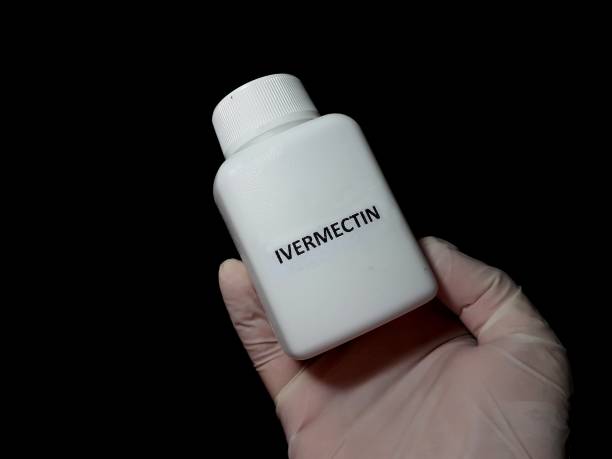
Ivermectin is available in different veterinary formulations intended for various animal species.
However, not every ivermectin product is approved for use in the same animals.
The appropriate use must be determined from the product label, its authorization status, and professional veterinary assessment.
Ivermectin for cattle and buffaloes
Some ivermectin products intended for cattle are approved to control:
- Gastrointestinal roundworms.
- Lungworms.
- Certain mange mites.
- Blood-sucking lice.
- Certain parasitic fly larvae.
However, each formulation may be effective only against particular parasite species or developmental stages.
For buffaloes, farmers should not automatically assume that a product intended for cattle is also approved for use in buffaloes.
The target species must be confirmed on the label, or a veterinarian should be consulted.
For lactating dairy cows, particular caution is needed because some ivermectin products are not approved for use in cows producing milk for human consumption.
Farmers should not administer a product that is not approved for lactating dairy cows and then estimate how long the milk should be discarded.
Ivermectin for pigs
Ivermectin is used in certain veterinary products intended for pigs.
Depending on the formulation, the product may be approved to control:
- Certain gastrointestinal roundworms.
- Lungworms.
- Mange caused by susceptible mites.
- Certain parasitic lice.
In pig farming, parasite control should combine appropriate medication use with housing hygiene, waste management, and herd health monitoring.
If medication is administered but the environment continues to contain sources of infection, pigs may become reinfected.
In addition, the dose or administration route of a product intended for cattle must not be applied to pigs without appropriate authorization and guidance, even if both products contain ivermectin.
Ivermectin for goats and sheep
In goats and sheep, ivermectin is used in certain parasite control programs, particularly against susceptible gastrointestinal roundworms.
However, anthelmintic resistance is an important concern in goat and sheep farming.
Repeated ivermectin use without assessing treatment effectiveness may increase selection pressure for drug-resistant parasite populations.
Farmers should therefore combine medication use with:
- Body condition monitoring.
- Risk assessment for different animal groups.
- Fecal testing when appropriate.
- Pasture management.
- Control of reinfection sources.
- Veterinary guidance on medication use.
Farmers should not assume that every goat or sheep flock needs ivermectin treatment at the same fixed interval.
Ivermectin for dogs and cats
Ivermectin has certain veterinary applications in dogs and other animals, but safety requires particular attention.
Some dogs carry a variant of the MDR1 (ABCB1) gene that can make them more sensitive to ivermectin and certain other medicines.
This variant may affect the body’s ability to prevent drugs from entering the central nervous system, increasing the risk of toxicity.
MDR1-related sensitivity has been identified in certain dog breeds, including:
- Collies.
- Australian Shepherds.
- Shetland Sheepdogs.
- Other breeds or individual dogs carrying the relevant variant.
However, not every dog within these breeds has the same level of sensitivity.
The risk also depends on the dog’s genotype, dose, formulation, and conditions of use.
High-concentration ivermectin products intended for livestock should not be used to treat dogs or cats without veterinary guidance.
Medication use in companion animals must be based on an appropriate product and veterinary assessment.
Ivermectin for poultry
Ivermectin use in poultry requires particular caution when no product is specifically approved for the target species.
Its approval status, target species, and applicable restrictions must be verified.
In particular, farmers should not independently use ivermectin products intended for livestock in chickens producing meat or eggs for human consumption.
Any use outside the approved label instructions must be assessed by a veterinarian and comply with applicable regulations.
Comparing ivermectin use across animal groups
| Animal group | Parasites that may be covered by certain product indications | Important considerations |
| Cattle | Certain gastrointestinal roundworms, lungworms, mange mites, lice, and fly larvae | Check the formulation and restrictions for lactating dairy cows. |
| Buffaloes | Depends on products approved for use in buffaloes | Do not automatically apply cattle-product instructions. |
| Pigs | Certain roundworms, lungworms, mange mites, and lice | Use the appropriate formulation and route of administration for pigs. |
| Goats and sheep | Certain roundworms and external parasites | Consider drug resistance and verify species-specific indications. |
| Dogs and cats | Depends on the formulation and condition being treated | Do not use livestock products for self-treatment; consider MDR1 sensitivity in dogs. |
| Poultry | Depends on approval status and veterinary guidance | Check legal requirements and drug-residue risks in meat and eggs. |
This table is for general reference only. Users should check the specific product rather than treating these examples as universal indications for all ivermectin medicines.
4. What Is the Difference Between Injectable, Oral, and Pour-On Ivermectin?
In addition to the animal species and target parasite, the formulation is an important factor affecting how ivermectin should be used.
Even when products contain the same active ingredient, different formulations may have different absorption, distribution, duration of action, and safety characteristics.
Injectable ivermectin
Some ivermectin products intended for livestock are available as injectable formulations.
The injection route must follow the instructions for the specific product.
For example, some formulations are designed for subcutaneous injection, but this does not mean that every injectable ivermectin product must be administered in this way.
Using the wrong injection route can:
- Change drug absorption.
- Affect treatment effectiveness.
- Cause damage at the injection site.
- Increase the risk of adverse reactions.
Therefore, users must not independently switch between subcutaneous, intramuscular, and intravenous administration unless the product label permits it.
Oral ivermectin
Some ivermectin formulations are designed for oral administration.
Depending on the product, they may be available as solutions, suspensions, or other dosage forms.
Treatment effectiveness depends on absorption, dosage, and approved indications.
Injectable products should not be administered orally, and oral products should not be used through another route without appropriate professional guidance.
Ivermectin premixes for animal feed
Some ivermectin products are formulated as premixes for mixing into feed for approved animal species.
For these products, uniform distribution throughout the feed is important.
If the mixing process is incorrect or feed consumption varies considerably between animals, the amount of medication each animal receives may differ.
Therefore, the product’s mixing procedures and instructions must be followed.
Products not intended for mixing into feed should not be used for this purpose.
Topical ivermectin (pour-on)
Pour-on ivermectin is designed for application to the skin, commonly in certain formulations intended for cattle.
An important point is that pour-on ivermectin does not work only against external parasites.
Some formulations can be absorbed through the skin and are approved to control:
- Gastrointestinal roundworms.
- Lungworms.
- Certain external parasites.
However, the range of activity depends on the product formulation and the target parasites listed on the label.
Pour-on products must not be injected or administered orally.
Can different ivermectin formulations be used interchangeably?
No.
| Formulation | How it is used | Important considerations |
| Injectable | Administered through the approved injection route | Do not independently change the injection site or route. |
| Oral | Administered through the digestive tract | Do not substitute injectable products for oral products. |
| Feed premix | Mixed into feed according to product instructions | Ensure uniform mixing and monitor feed consumption. |
| Pour-on | Applied to the skin according to product instructions | Do not inject or administer orally; the range of activity depends on the product. |
Differences between formulations are one of the main reasons farmers cannot independently convert doses between ivermectin products.
5. What Should Be Checked Before Using Ivermectin?
A common mistake when using veterinary medicines is checking only the active ingredient without reviewing the complete product information.
With ivermectin, this can lead to incorrect dosing, the wrong route of administration, or treatment of animals for which the product is unsuitable.
Check the correct concentration
Ivermectin concentration indicates how much active ingredient is contained in a given volume or weight of the product.
Two products containing ivermectin at different concentrations cannot be administered in the same volume and expected to deliver the same amount of active ingredient.
Failing to check the concentration may lead to accidental underdosing or overdosing.
Underdosing can reduce parasite control effectiveness, while overdosing may cause serious adverse reactions.
Determine the animal’s body weight
When the product instructions specify dosage according to body weight, accurately determining the animal’s weight is necessary to calculate the amount to administer.
Where possible, animals should be weighed rather than relying entirely on visual estimates.
However, not every product follows the same dosage calculation method.
Farmers must follow the units and administration instructions specified on the product label.
Confirm the target parasite
Ivermectin has a relatively broad range of activity, but it is not suitable for every disease-causing agent.
For example:
- Diarrhea may be caused by roundworms, coccidia, bacteria, viruses, or nutritional disorders.
- Coughing may be caused by lungworms or many other respiratory conditions.
- Itching and hair loss may be associated with mange mites but can also result from non-parasitic skin diseases.
The suspected cause should therefore be identified before deciding whether to use ivermectin.
Read the product label carefully
Before use, check:
- Brand name and active ingredient.
- Ivermectin concentration.
- Approved animal species.
- Target parasites or approved treatment indications.
- Age groups and physiological conditions for which use is permitted.
- Dosage and route of administration.
- Number of administrations and intervals between doses, if applicable.
- Contraindications and adverse reactions.
- Withdrawal periods.
- Storage conditions.
- Expiry date and product origin.
If the label is unclear or does not provide sufficient information, the medication should not be used without further professional guidance.
6. Risks of Using Ivermectin Incorrectly
Ivermectin can provide effective parasite control when used according to its approved indications.
However, using the wrong product, treating an unsuitable animal, or administering an incorrect dose can have serious consequences.
Overdosing and neurological toxicity
One of the most important risks associated with inappropriate ivermectin use is neurological toxicity.
Possible signs include:
- Tremors.
- Unsteady movement.
- Loss of coordination.
- Abnormal drooling.
- Reduced response to stimuli.
- Severe weakness or an inability to stand.
- Seizures.
- Coma in severe cases.
The severity of toxicity depends on the amount of medication administered, animal species, individual sensitivity, and other health factors.
In sensitive animals, serious reactions may occur even at doses lower than those that typically cause toxicity in other animals.
If ivermectin poisoning is suspected, do not administer additional medication without guidance and seek urgent veterinary assistance.
Use in pregnant or lactating animals
Not all ivermectin products have the same safety information for pregnant or lactating animals or those at other sensitive physiological stages.
Some formulations may be used under specific conditions, while others have separate contraindications or restrictions.
Farmers should therefore check the product label and consult a veterinarian instead of applying the same general rule to every ivermectin product.
Use in young or weakened animals
Young animals and those with underlying health conditions or general weakness may require more careful assessment before treatment.
Drug tolerance and risk depend on the animal species, body condition, health status, and formulation.
Ivermectin should not be administered without confirming that the product is appropriate for the animal requiring treatment.
Use in the wrong animal species
An ivermectin product intended for one animal species is not automatically approved for another.
In particular, using high-concentration ivermectin products intended for livestock to treat dogs or cats without veterinary guidance can increase the risk of poisoning.
For dog breeds that may carry the MDR1 variant, particular attention should be paid to medication safety.
Risk of ivermectin resistance
Drug resistance occurs when a parasite population can survive exposure to a medication that would normally be effective under appropriate conditions of use.
Resistance to ivermectin and other macrocyclic lactone active ingredients has been reported in certain parasite populations.
Factors that may increase selection pressure for resistance include:
- Using medication too frequently when it is not necessary.
- Administering inappropriate doses.
- Repeatedly using the same active ingredient without evaluating effectiveness.
- Failing to control sources of reinfection.
- Not monitoring parasite infections within the herd or flock.
If animals do not improve after treatment, the situation should be reassessed before concluding that drug resistance is present.
For certain gastrointestinal parasites, veterinarians may use appropriate methods, such as fecal egg counts before and after treatment, to help evaluate medication effectiveness.
7. Ivermectin Withdrawal Periods for Meat and Milk
For food-producing animals, controlling drug residues is an important requirement when using ivermectin.
A withdrawal period is the required time after the final administration of a medication before the animal or animal products may be used for food under the approved conditions.
Why does ivermectin require a withdrawal period?
After administration, ivermectin is absorbed, distributed, and eliminated according to the pharmacokinetic characteristics of the formulation and animal species.
Because ivermectin is fat-soluble, it can distribute into body tissues and remain in the animal’s body for a period of time.
If animals are slaughtered or animal products are collected too early, drug residues may exceed permitted limits.
Are withdrawal periods the same for every ivermectin product?
No.
Withdrawal periods may differ depending on:
- Product name and formulation.
- Ivermectin concentration.
- Dosage form.
- Route of administration.
- Dosage and treatment regimen.
- Animal species.
- Type of product, such as meat or milk.
- Approved conditions of use.
Therefore, there is no universal ivermectin withdrawal period that applies to every formulation.
Farmers must check and comply with the approved withdrawal period stated on the label of the specific product being used.
Can ivermectin be used in lactating dairy cows?
The answer depends on the specific product.
Some ivermectin formulations are not approved for use in cows producing milk for human consumption.
If the product label does not permit use in these animals, farmers should not administer the medication or independently estimate how long the milk should be discarded.
Product instructions, contraindications, and applicable regulations must be verified before treatment.
What information should farms record?
After each ivermectin treatment, farms should record:
- Animal identification number.
- Product name and active ingredient.
- Concentration and amount administered.
- Date of administration.
- Route of administration.
- Person responsible for administering the medication.
- Treatment status.
- Required withdrawal period.
- Expected date when animal products may be used for food.
Record keeping helps farms monitor medication use, support traceability, and reduce the risk of products containing unacceptable drug residues entering the food supply chain.
8. How Can Farms Control Parasites Without Relying Entirely on Ivermectin?
Antiparasitic medicines are part of herd and flock health management, but they cannot replace measures that control sources of infection.
Even when treatment is effective, animals may become reinfected if parasite eggs, larvae, or other infective stages remain in the environment.
Do not assume every herd or flock needs ivermectin on a fixed schedule
Some livestock production programs include regular antiparasitic treatment.
However, treatment schedules should be developed according to actual risk, epidemiological conditions, and veterinary assessment.
Factors to consider include:
- Animal species.
- Age group.
- Indoor housing or grazing systems.
- History of parasitic infections.
- Diagnostic test results.
- Environmental conditions.
- Previous medication use.
In certain grazing systems, selective treatment may be considered to reduce unnecessary medication use and help manage the risk of resistance.
Control parasites in the environment
Depending on the type of farm, important measures include:
- Collecting and treating manure and other waste.
- Cleaning feeders and drinkers.
- Controlling moisture and standing water.
- Managing bedding and litter.
- Maintaining suitable stocking density.
- Managing grazing areas.
- Checking the health of newly introduced animals.
In grazing systems, particular attention should be paid to parasite eggs and larvae that may survive on pasture.
Pasture-rest periods and other management measures should be considered according to parasite life cycles and climatic conditions. The same fixed resting period should not be applied to every situation.
Monitor treatment effectiveness
After ivermectin administration, continue monitoring:
- Feed and water intake.
- Weight gain.
- Body condition.
- Digestive signs.
- Itching or skin lesions.
- Other changes in animal health.
If treatment appears to be ineffective, a veterinarian may recommend diagnostic testing to reassess the situation.
Farmers should not independently increase the dose or repeatedly administer ivermectin without identifying the cause.
When should you contact a veterinarian?
Veterinary assistance should be sought when:
- The parasite responsible for the disease has not been identified.
- An animal becomes weak rapidly or develops severe clinical signs.
- Ivermectin poisoning is suspected.
- An animal develops tremors, seizures, or loss of coordination.
- An animal has difficulty breathing or cannot stand.
- Treatment is needed for young, pregnant, or lactating animals.
- An animal does not improve after ivermectin treatment.
- Antiparasitic drug resistance is suspected.
- The correct dosage, route of administration, or withdrawal period cannot be determined.
- Medication is being considered for an animal species not clearly covered by the product label.
If a serious adverse drug reaction is suspected, contact a veterinarian immediately.
When seeking assistance, provide the product name, concentration, amount administered, route of administration, and time of administration to support the assessment.
Checklist Before Using Ivermectin on a Farm
Before administering ivermectin, farmers should check the following:
- The product has a traceable origin and valid authorization information.
- The animal species is approved for treatment with the product.
- The suspected parasite is within the product’s range of activity.
- The active ingredient concentration has been correctly identified.
- The animal’s body weight has been appropriately assessed.
- The dosage has been determined according to the label and veterinary guidance.
- The route of administration is appropriate for the formulation.
- Contraindications and special precautions have been checked.
- The product has not expired and has been stored correctly.
- The withdrawal period for meat, milk, or other relevant animal products has been confirmed.
- Medication-use information has been fully recorded.
- A plan is in place to monitor animal health and evaluate treatment effectiveness.
This checklist can help farms reduce medication-use errors, but it does not replace veterinary diagnosis or professional treatment instructions.
Frequently Asked Questions About Ivermectin in Veterinary Medicine
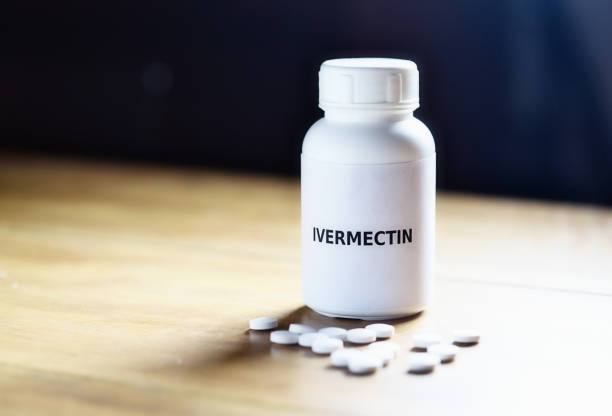
Is ivermectin a deworming medicine?
Yes. Ivermectin is an antiparasitic active ingredient effective against many susceptible roundworm species.
However, it does not treat every type of parasitic worm and is not a standard treatment for flukes or tapeworms.
Can ivermectin treat mange in animals?
Some ivermectin products are approved to treat mange caused by susceptible mite species.
Effectiveness depends on the parasite, formulation, and route of administration.
Not all itching or skin lesions are caused by mange.
Can ivermectin treat lungworms?
Some ivermectin formulations are approved to control specific lungworm species in livestock.
However, ivermectin should not be administered simply because an animal is coughing or having difficulty breathing without first assessing the cause.
Can ivermectin be used in all animals?
No.
Each product has its own approved indications concerning animal species, age groups, routes of administration, and safety conditions.
Use outside the approved indications requires veterinary assessment and compliance with applicable regulations.
Are injectable ivermectin and pour-on ivermectin the same?
No.
These formulations differ in their absorption characteristics and methods of administration.
Some pour-on products work against both internal and external parasites, but they cannot be directly substituted for injectable products or vice versa.
Why do animals still have parasites after ivermectin treatment?
Possible causes include parasites outside the drug’s range of activity, inappropriate medication use, reinfection from the environment, or drug-resistant parasites.
The situation should be reassessed before changing the product or repeating treatment.
Can ivermectin cause poisoning?
Yes.
Overdosing, using an inappropriate administration route, or treating sensitive animals can cause toxicity, particularly affecting the nervous system.
Signs such as tremors, loss of coordination, seizures, or reduced consciousness require urgent veterinary attention.
Can ivermectin be used in lactating dairy cows?
This depends on the specific product and its approved indications.
Some formulations are not permitted for use in cows producing milk for human consumption.
Farmers must check the label and should not independently estimate how long milk needs to be discarded.
How long after ivermectin treatment can livestock be slaughtered?
The withdrawal period depends on the specific product, animal species, formulation, route of administration, and conditions of use.
There is no single withdrawal period applicable to all ivermectin products.
How can farmers check whether an ivermectin product is authorized in Vietnam?
Farmers should check the product registration number or authorization information, manufacturer, distributor, label, and expiry date.
For additional verification, they may consult official information from Vietnam’s Department of Animal Health and Production or another competent veterinary authority.
Promote Safe Veterinary Drug Use and Sustainable Parasite Control with VIETSTOCK
Effective ivermectin use involves more than choosing a broad-spectrum antiparasitic medicine. Farmers need to identify the target parasite, select a product suitable for the animal species, follow the required withdrawal period, and monitor treatment response. These requirements are becoming increasingly important as the livestock industry places greater emphasis on herd and flock health, drug resistance, and food safety.
To build a long-term parasite control program, farms and veterinary businesses can explore the following solution areas:
- Veterinary medicines and responsible medication use: Stay informed about active ingredients, formulations, approved indications, and safety requirements for food-producing animals.
- Diagnostic testing and parasite identification: Explore equipment, supplies, and methods that support diagnosis, infection assessment, and evaluation of treatment effectiveness.
- Monitoring drug-resistance risks: Combine diagnostic results, treatment history, and veterinary assessment to reduce unnecessary repeated medication use.
- Hygiene management and biosecurity: Improve housing conditions, waste treatment, and control of infection sources to reduce the risk of parasitic reinfection.
- Medication record management: Use record-keeping tools to track administered doses, treatment dates, withdrawal periods, and herd or flock health to support traceability.
These requirements for animal healthcare and improved farm management also highlight the importance of connections among farmers, veterinarians, veterinary pharmaceutical companies, and technology providers.
With 248 participating brands and 13,414 trade visitors from 52 countries, VIETSTOCK 2026 further strengthened its role as a platform connecting Vietnam’s livestock industry. In addition to showcasing products and technologies, the event promoted knowledge exchange, experience sharing, and cooperation among businesses across the livestock value chain.
Following the exhibition held from October 21–23, 2026, VIETSTOCK 2027 will take place from October 20–22, 2027, at the Saigon Exhibition and Convention Center (SECC), Ho Chi Minh City. It will offer the industry community another opportunity to explore veterinary solutions, management technologies, and trends supporting sustainable livestock development.
Event website: VIETSTOCK
👉 Review VIETSTOCK 2026’s Results and Its Value in Connecting the Livestock Industry
Contact information:
- Exhibiting: Ms. Sophie Nguyen – [email protected]
- Group Delegation Support: Ms. Phuong – [email protected]
- Marcom Support: Ms. Anita Pham – [email protected]