Veterinary Drugs for Blood Parasite Diseases: Drug Types and Safety Considerations
Livestock that suddenly develop a fever, stop eating, have pale mucous membranes, or pass red or dark brown urine may be suffering from a disease affecting the blood and circulatory system. In such cases, blood parasite infections are among the possible causes that should be considered, especially in herds at risk of exposure to ticks or blood-feeding insects.
However, not all diseases commonly grouped under the term “blood parasite diseases” are caused by the same type of pathogen. Babesiosis caused by Babesia, trypanosomiasis caused by Trypanosoma, theileriosis caused by Theileria, and anaplasmosis caused by the bacterium Anaplasma may produce similar clinical signs but require different treatment approaches.
Active ingredients such as diminazene aceturate, imidocarb dipropionate, oxytetracycline, isometamidium chloride, and buparvaquone are discussed in connection with the treatment of certain blood-borne diseases in animals. However, each drug has its own range of activity, conditions of use, and associated risks.
Choosing veterinary drugs for blood parasite diseases must be based on the diagnosis, animal species, disease severity, and approved product indications. Using medication based only on clinical signs or previous experience may reduce treatment effectiveness, increase the risk of adverse reactions, and lead to drug residues in meat and milk.
What Should Farmers Watch for When Livestock Have Fever, Anemia, or Dark Urine?
Blood-borne diseases are often difficult to distinguish through observation alone. Certain signs may suggest which disease groups should be investigated, but they are not enough to identify the exact pathogen.
| Signs in livestock | Possible concerns | Recommended action |
| Fever, pale mucous membranes, weakness | Anemia from various causes, including blood-borne diseases | Contact a veterinarian for assessment and testing |
| Red or dark brown urine | May be associated with hemolysis in certain Babesia infections, but other causes are also possible | Seek prompt examination; do not administer medication without guidance |
| Yellow mucous membranes, reduced appetite, decreased milk production | May be associated with diseases that destroy red blood cells or other disorders | Assess the animal’s overall condition and identify the cause |
| Intermittent fever, weight loss, swelling | May occur with trypanosomiasis and other diseases | Review animal health history, exposure to blood-feeding insects, and diagnostic test results |
| Fever, swollen lymph nodes, weakness | May occur with certain Theileria infections | Perform a differential diagnosis |
| Several animals become sick within a short period | Possible pathogen circulation within the herd or a shared exposure risk | Assess epidemiological conditions and control sources of infection |
Animals with markedly pale mucous membranes, sudden red or dark brown urine, breathing difficulties, an inability to stand, or rapidly worsening weakness need urgent veterinary assessment. Farmers should not wait until the disease has been identified before seeking professional help.
1. How Do Common Blood-Borne Diseases in Livestock Differ?
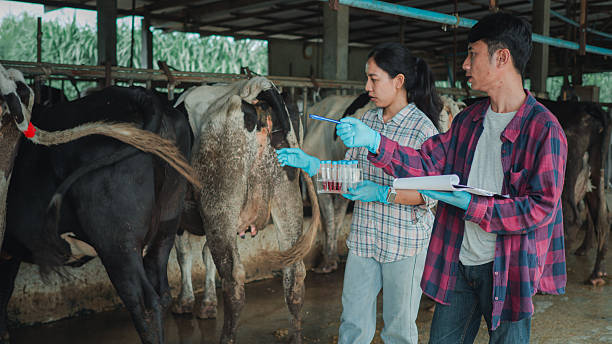
In livestock production, the term blood parasites commonly refers to parasitic organisms that live in an animal’s blood or blood cells.
However, certain diseases with similar clinical signs are often discussed alongside blood parasite infections. A notable example is anaplasmosis caused by Anaplasma. This pathogen is an intracellular bacterium, not a protozoan parasite.
This distinction is important because medications used against protozoan parasites are not automatically suitable for treating bacterial infections caused by Anaplasma.
Babesiosis Caused by Babesia
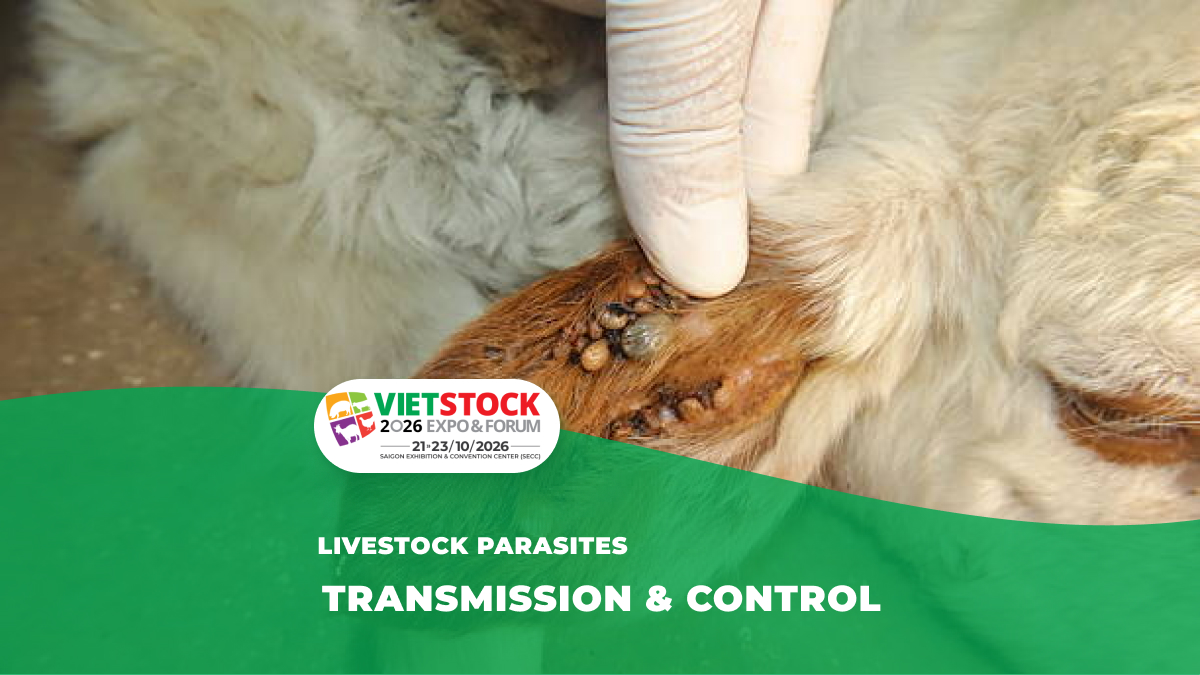
Babesia is a group of protozoan parasites that infect red blood cells and can be transmitted by certain tick species.
In cattle and buffaloes, babesiosis can damage red blood cells and significantly affect animal health.
Common clinical signs include:
- Fever and reduced feed intake.
- Anemia.
- Pale or yellow mucous membranes.
- Weakness.
- Reduced productivity.
- Dark urine in certain cases.
Some Babesia species can cause intravascular hemolysis, releasing hemoglobin into the urine and causing it to turn red or brown.
However, not every animal infected with Babesia develops this sign.
Disease severity also depends on the parasite species, infection level, and the animal’s overall health.
Anaplasmosis Caused by Anaplasma
Anaplasmosis, particularly in cattle, can be caused by Anaplasma marginale.
Unlike Babesia, Anaplasma marginale is an obligate intracellular bacterium capable of infecting red blood cells.
The pathogen may be transmitted through:
- Certain tick species.
- Blood-feeding insects.
- Equipment contaminated with infected blood when improperly used or handled.
Affected animals may develop:
- Fever.
- Anemia.
- Pale or yellow mucous membranes.
- Reduced feed intake.
- Decreased milk production.
- Weakness and reduced movement.
One important difference is that anaplasmosis is primarily associated with the destruction of red blood cells outside blood vessels, known as extravascular hemolysis.
As a result, the hemoglobinuria typically seen in some Babesia infections is generally absent.
Even so, urine color alone cannot be used to rule out or confirm anaplasmosis.
Trypanosomiasis Caused by Trypanosoma
Trypanosomiasis, also known as surra when caused by Trypanosoma evansi, can affect several animal species, including buffaloes, cattle, horses, camels, and others.
Trypanosoma evansi is mainly transmitted mechanically by blood-feeding insects, particularly horseflies and certain other biting flies.
The disease may cause:
- Intermittent fever.
- Anemia.
- Reduced feed intake.
- Progressive weight loss.
- Swelling in certain parts of the body.
- Reduced mobility or working ability.
- Declining productivity.
Some infections follow a prolonged course with non-specific signs, making them difficult to recognize in the early stages.
Therefore, when livestock repeatedly develop fever, lose body condition, or face significant exposure to blood-feeding insects, a veterinarian may need to investigate possible Trypanosoma infection alongside other causes.
Theileriosis Caused by Theileria
Theileria is a group of protozoan parasites whose life cycles involve the host’s white and red blood cells.
Certain species, including Theileria parva and Theileria annulata, can cause serious disease in cattle.
Depending on the pathogen, clinical signs may include:
- Fever.
- Swollen lymph nodes.
- Anemia.
- Difficulty breathing.
- Reduced feed intake.
- Weakness.
- Rapid deterioration in body condition in severe cases.
Not all Theileria species cause disease of the same severity. Their geographical distribution and epidemiological risks also vary between regions.
Theileriosis may produce signs that overlap with babesiosis or other infectious diseases. Therefore, identifying the pathogen before selecting medication is important.
Why Can’t All Blood-Borne Diseases Be Treated with the Same Drug?
Although these diseases may all cause fever, anemia, or weakness, the pathogens responsible are biologically different.
Babesia, Trypanosoma, and Theileria are groups of protozoan parasites, while Anaplasma is an intracellular bacterium.
Therefore:
- A drug effective against certain Babesia species will not necessarily treat every Trypanosoma infection.
- Antibiotics effective against Anaplasma are not universal substitutes for antiprotozoal medications.
- A drug used in one livestock species is not automatically suitable for another.
- Treatment effectiveness also depends on disease severity, pathogen susceptibility, and the approved indications of the product.
This is why an accurate diagnosis should take priority before selecting treatment.
2. Veterinary Drugs Used for Blood Parasite Diseases
Several active ingredients are used or discussed in veterinary literature for treating blood-borne diseases in animals.
Each ingredient has a specific range of activity and its own limitations. The fact that a drug is used internationally in veterinary medicine does not mean that every product containing that ingredient is approved for use in Vietnam.
Before use, the specific product, animal species, approved indications, and safety requirements must be verified.
Diminazene Aceturate: An Antiprotozoal Drug for Certain Parasites
Diminazene aceturate is an antiparasitic active ingredient used to treat certain infections caused by Babesia and Trypanosoma.
In veterinary medicine, it is commonly discussed in relation to babesiosis in livestock and certain types of trypanosomiasis.
However, diminazene is not equally effective against every Trypanosoma species. Treatment response may vary depending on:
- The pathogen species.
- Severity of infection.
- The animal’s health status.
- Pathogen susceptibility.
- Previous treatment history.
Safety considerations
Diminazene should not be used as a general treatment for every case of fever or anemia.
Incorrect dosing or inappropriate use may cause serious adverse reactions, particularly with active ingredients that have a narrow margin of safety.
The approved product’s indications, route of administration, and withdrawal periods must be followed.
Imidocarb Dipropionate: An Active Ingredient Used Against Babesia and Certain Anaplasma Infections
Imidocarb dipropionate is used to treat certain diseases caused by Babesia.
It has also been reported to have activity against some Anaplasma infections.
However, its suitability depends on:
- The pathogen involved.
- Animal species.
- Product formulation.
- Treatment objective.
- Approved product indications.
Risks to consider
Users should check the contraindications and adverse reactions listed on the product label.
The dose or route of administration should not be changed, and the drug should not be used for prevention without appropriate professional assessment.
For food-producing livestock, particular attention must be paid to residue control and withdrawal periods.
Some imidocarb products have substantial withdrawal periods, but a single withdrawal period cannot be applied to all formulations.
Oxytetracycline: An Antibiotic Used for Certain Anaplasma Infections
Oxytetracycline is an antibiotic belonging to the tetracycline class and has antibacterial activity.
In the treatment of blood-borne diseases in livestock, oxytetracycline may be used for certain Anaplasma infections when supported by the diagnosis and the approved product indications.
An important distinction is that oxytetracycline is not a general antiprotozoal treatment for Babesia, Trypanosoma, or Theileria.
It is discussed in the treatment of anaplasmosis because Anaplasma is an intracellular bacterium.
Safety considerations
The selection of oxytetracycline should be based on:
- Diagnosis.
- Animal species.
- Approved product.
- Formulation.
- Route of administration.
- Veterinary instructions.
Standard formulations and long-acting formulations should not be substituted for one another simply because they contain the same active ingredient.
Adverse reactions should be monitored, withdrawal periods must be followed, and antibiotics should not be used without an appropriate justification to help reduce the risk of antimicrobial resistance.
Isometamidium Chloride: A Drug Used Against Certain Trypanosoma Infections
Isometamidium chloride is an active ingredient used to control certain diseases caused by Trypanosoma in animals.
International veterinary literature discusses its use for treating or preventing certain trypanosome infections under specific conditions.
However, this does not mean that isometamidium is equally effective against all Trypanosoma species.
In particular, effectiveness against Trypanosoma evansi should not be assumed simply because the ingredient is effective against some other Trypanosoma species.
What should be checked?
Before selecting this drug, it is important to determine:
- The pathogen involved.
- Likely treatment response.
- Whether the specific product is legally approved or authorized.
- Animal species covered by the product indications.
- Contraindications and risks of adverse reactions.
- Withdrawal-period requirements.
Reduced susceptibility or drug resistance in certain Trypanosoma populations should also be considered, particularly when the disease recurs or treatment is unsuccessful.
Buparvaquone: An Active Ingredient Used to Treat Certain Theileria Infections
Buparvaquone has been reported to be used in treating diseases caused by certain Theileria species, particularly important pathogens affecting cattle.
Early detection and treatment may influence the likelihood of a successful response, while animals with advanced disease may require additional supportive care.
However, not all Theileria species have the same susceptibility to the drug.
Treatment effectiveness may also be affected by drug resistance.
Safety considerations
Buparvaquone should be used only after veterinary assessment and verification of the specific product’s approval status in the relevant market.
An active ingredient mentioned in international veterinary literature should not automatically be assumed to be authorized for use in Vietnam.
Comparison of Commonly Discussed Active Ingredients
| Active ingredient | Relevant pathogens | Main characteristics | Important considerations |
| Diminazene aceturate | Certain Babesia and Trypanosoma species | Antiprotozoal medication | Risk of toxicity if used incorrectly |
| Imidocarb dipropionate | Babesia and certain Anaplasma infections | Active against certain blood-borne pathogens | Adverse reactions and drug residues require attention |
| Oxytetracycline | Anaplasma | Tetracycline-class antibiotic | Not a general treatment for protozoan parasites |
| Isometamidium chloride | Certain Trypanosoma species | Antitrypanosomal drug used under specific conditions | Pathogen, susceptibility, and approved indications must be verified |
| Buparvaquone | Certain Theileria species | Drug used to treat theileriosis | Product approval status and veterinary supervision must be checked |
This table provides information about active ingredients discussed in the treatment of blood-borne diseases. It is not a prescribing guide.
Dosage, route of administration, treatment duration, and withdrawal periods must be based on the specific approved product and professional veterinary guidance.
3. How Can the Correct Pathogen Be Identified Before Choosing Medication?
One of the challenges in diagnosing blood-borne diseases is that different pathogens can produce similar clinical signs.
For example, fever, anemia, and yellow mucous membranes may occur with babesiosis, anaplasmosis, or other health conditions.
Therefore, medication selection should not begin with the question, “What drug should I give an animal with a fever?” Instead, the likely cause of the illness needs to be identified.
Clinical Examination and History Taking
A veterinarian will usually need to assess:
- Body temperature.
- Alertness and mobility.
- Mucous membrane color.
- Severity of anemia.
- Urine color.
- Milk production or other relevant productivity indicators.
- Exposure to ticks and blood-feeding insects.
- Number of animals showing similar signs.
- Disease and medication history.
This information helps establish an initial diagnostic assessment and guides the selection of appropriate tests.
Blood Smear Examination
A blood smear is stained and examined under a microscope to look for the characteristic features of certain pathogens.
This method is commonly used in diagnosing some blood parasite infections.
However, detection may be limited when the concentration of pathogens in the blood is low or when sample conditions are unsuitable.
Therefore, a negative result does not always rule out infection.
Hematological Testing
A complete blood count (CBC) can help assess anemia and the extent to which an animal’s health has been affected.
Commonly reviewed parameters include:
- Red blood cell count (RBC).
- Hemoglobin (HGB).
- Hematocrit (HCT).
However, hematological testing alone cannot accurately identify every pathogen responsible for blood-borne diseases.
The results should be interpreted alongside clinical signs and other diagnostic methods.
Serological Testing
Certain serological tests can help detect antibodies or evidence of an immune response to a pathogen.
However, the presence of antibodies does not necessarily mean that the animal has an active infection at the time of testing.
Results should be interpreted together with the animal’s history, clinical condition, and epidemiological situation.
PCR Testing
Polymerase chain reaction (PCR) is a method that can help detect the genetic material of a pathogen.
It may be useful in situations such as:
- When pathogens are difficult to detect through microscopy.
- When infection with multiple pathogens is suspected.
- When a specific pathogen needs to be identified to support treatment decisions.
Not every case requires all the tests mentioned above. A veterinarian will select the appropriate methods based on the animal’s condition and the diagnostic objective.
For critically ill livestock, emergency supportive care should not be delayed solely because laboratory results are not yet available. The veterinarian should assess the animal and determine the appropriate course of action.
4. What Should Be Checked Before Using Medication?
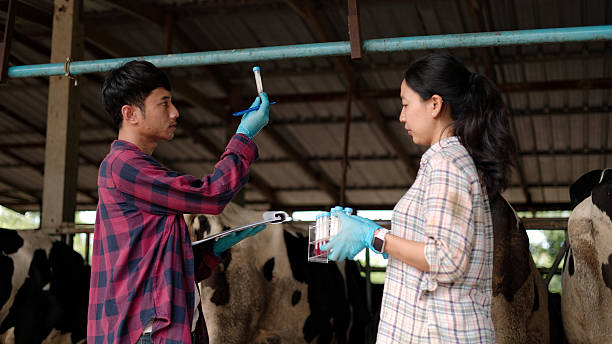
After a pathogen has been identified, or when there is sufficient evidence to suspect a particular pathogen, the veterinarian should assess additional factors relating to the animal and the specific product.
The Correct Animal Species
Not every active ingredient is approved for use in all livestock species.
Buffaloes, cattle, horses, and other species may differ in:
- Physiological characteristics.
- Drug metabolism.
- Drug tolerance.
- Risk of adverse reactions.
A product indicated for adult cattle is not automatically suitable for young calves or other animal species.
The Animal’s Health Condition
Animals that are weak, dehydrated, or severely anemic require careful assessment before medication is administered.
In particular, severe blood-borne infections may require supportive treatment in addition to medication targeting the pathogen.
Depending on the condition, a veterinarian may consider:
- Fluid therapy.
- Management of complications.
- Monitoring organ function.
- Other appropriate supportive measures.
Some cases of severe anemia may require more advanced intervention, including blood transfusion when considered appropriate.
Therefore, administering a pathogen-specific drug does not mean that all the animal’s health problems have been addressed.
The Animal’s Physiological Stage
Pregnant or lactating animals require careful assessment of medication suitability.
Depending on the product, specific contraindications or restrictions may apply.
A treatment regimen used for non-pregnant animals should not automatically be applied to pregnant animals without checking product instructions and obtaining professional veterinary assessment.
The Correct Authorized Product
Before using medication, check:
- Product name and active ingredient.
- Strength or concentration.
- Approved animal species.
- Approved treatment indications.
- Route of administration.
- Dosage.
- Treatment duration.
- Contraindications.
- Adverse reactions.
- Withdrawal periods.
- Storage conditions and expiry date.
In particular, the product’s legal authorization or approval status in Vietnam must be verified.
Products of unknown origin or products without sufficient information about their conditions of use should not be administered.
5. What Should Farmers Do When a Blood-Borne Disease Is Suspected?
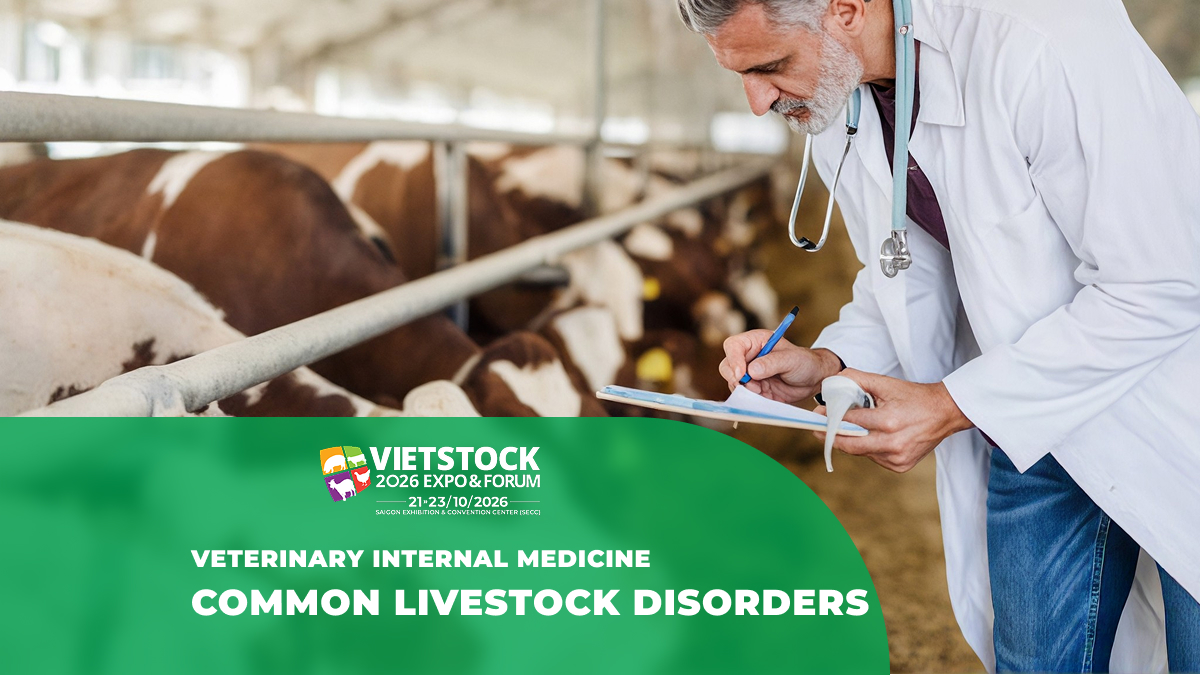
When livestock develop fever, anemia, or other abnormal signs, farmers should prioritize assessing the animal’s health and working with a veterinarian.
Step 1: Record Clinical Signs and Disease Progression
Observe:
- Whether the animal has a fever.
- Feed and water intake.
- Mucous membrane color.
- Urine color.
- Ability to stand and move.
- Alertness.
- Milk production in lactating animals.
The time when clinical signs first appeared and the number of animals affected should also be recorded.
If an animal becomes weak rapidly, has difficulty breathing, or cannot stand, contact a veterinarian immediately.
Step 2: Assess Transmission Risks
When a disease associated with ticks or blood-feeding insects is suspected, check for potential vectors in the animal housing and surrounding areas.
Important factors include:
- Tick infestation levels on livestock.
- Presence of horseflies and other blood-feeding insects.
- Grazing conditions.
- Recent introduction of animals into the herd.
- Other animals showing similar signs.
A separate monitoring area may be arranged where appropriate to reduce stress and make animal care easier.
However, separating affected animals does not replace the need to control ticks, blood-feeding insects, and the risk of transmission through blood-contaminated equipment.
Step 3: Contact a Veterinarian
When contacting a veterinarian, farmers should provide:
- Animal species and age.
- Body weight or body condition.
- Pregnancy or lactation status.
- Clinical signs and when they started.
- Medication history.
- Exposure to ticks and blood-feeding flies.
- Number of animals showing similar signs.
This information helps the veterinarian assess the severity of the situation and select the appropriate response.
Step 4: Obtain an Appropriate Diagnosis and Treatment
Depending on the case, the veterinarian may perform blood smear examination, hematological testing, PCR, or other diagnostic tests.
The results are interpreted together with the clinical findings to guide medication selection and supportive treatment.
Farmers should not choose an active ingredient based only on the disease name or observed clinical signs.
Step 5: Monitor the Animal After Treatment
After medication is administered, continue monitoring:
- Body temperature.
- Feed and water intake.
- Animal activity.
- Mucous membrane color.
- Urine condition.
- Milk production.
- Any unusual reactions following medication use.
If the animal does not improve, the disease recurs, or more severe signs appear, contact the veterinarian for reassessment.
Do not increase the dose, change medication, or add other active ingredients without professional veterinary guidance.
6. Risks to Avoid When Using Drugs for Blood Parasite Diseases
Some drugs used to treat blood-borne diseases can cause serious adverse reactions when used incorrectly.
Therefore, attention should be paid not only to their therapeutic effects but also to the safety limitations of each product.
Increasing or Reducing the Dose Without Guidance
Medication dosage depends on the active ingredient, concentration, animal weight, and product instructions.
Using an insufficient dose may reduce treatment effectiveness.
Conversely, an excessive dose may increase the risk of adverse reactions or poisoning.
For active ingredients with a narrow margin of safety, mistakes in dose calculation or administration can have serious consequences.
Changing the Route of Administration
Some products are formulated for a specific injection route.
Farmers should not independently switch between intramuscular, subcutaneous, or intravenous administration.
Using the wrong route may affect absorption, change the risk of toxicity, or cause injury at the injection site.
Medications requiring specialized administration techniques should be used by appropriately trained personnel.
Combining Multiple Drugs Without Veterinary Instructions
When livestock develop fever or anemia, farmers may be tempted to administer antibiotics, antiparasitic drugs, and other supportive products at the same time.
However, multiple active ingredients should not be combined without proper assessment.
Inappropriate combinations may:
- Increase the risk of adverse reactions.
- Make treatment response more difficult to monitor.
- Increase medication costs.
- Fail to address the actual cause of the disease.
If combination therapy or supportive treatment is necessary, the veterinarian will make that decision based on the animal’s condition.
Failing to Monitor Adverse Reactions
After medication is administered, observe the animal for signs such as:
- Sudden weakness.
- Difficulty breathing.
- Tremors or seizures.
- Severe behavioral changes.
- Unusual reactions at the injection site.
If a serious drug reaction is suspected, contact a veterinarian immediately.
7. Withdrawal Periods: An Important Requirement for Meat and Milk
For food-producing livestock, medication used to treat blood-borne diseases must be managed alongside drug-residue control.
A withdrawal period is the required time after the last administration of a medication before the animal or its products may be used for food under the applicable conditions.
After medication enters the body, the active ingredient or its metabolites may remain in certain tissues or animal products.
If animals are slaughtered or products are collected for food before the permitted time, drug residues may exceed applicable limits.
There Is No Universal Withdrawal Period for Every Active Ingredient
Withdrawal periods depend on:
- The specific product.
- Active ingredient and concentration.
- Formulation.
- Animal species.
- Route of administration.
- Dosage and treatment duration.
- Type of food product, such as meat or milk.
Even when two medications contain the same active ingredient, they cannot automatically be assumed to have identical withdrawal periods.
Therefore, the number of withdrawal days should not be determined solely from the name of the active ingredient.
How to Track Withdrawal Periods on the Farm
After each treatment, record:
- Animal identification number or other identifying information.
- Medication name and active ingredient.
- Date of administration.
- Person responsible for administration.
- Dose and route of administration.
- Date treatment was completed.
- Applicable withdrawal period.
- Expected date when animal products may legally be collected or used for food.
For lactating animals, the conditions of use and withdrawal periods for milk must be checked separately.
If a product is not approved for the relevant animal category or a valid withdrawal period cannot be established, farmers should not estimate the withdrawal period or release products into the food supply without appropriate veterinary guidance and a valid legal basis.
8. Controlling Ticks, Blood-Feeding Flies, and Equipment to Reduce Reinfection
Treating the correct pathogen is an important part of controlling blood-borne diseases, but it is not the only measure required.
If sources of infection remain, animals may become reinfected, and other animals in the herd may still be at risk.
Tick Control
Ticks are important disease vectors for certain pathogens, including Babesia, Anaplasma, and Theileria.
Farms should develop control programs suited to their conditions, including:
- Monitoring tick infestations within the herd.
- Inspecting grazing areas.
- Managing the animal housing environment.
- Using authorized tick-control products according to instructions.
- Evaluating treatment effectiveness.
- Considering the risk of reduced susceptibility or resistance to tick-control products.
Treating only the ticks visible on animals may not be sufficient if tick populations remain in the environment.
Controlling Blood-Feeding Insects
Certain blood-feeding fly species can contribute to the mechanical transmission of Trypanosoma evansi.
Reducing livestock exposure to blood-feeding insects is one part of limiting transmission risk.
Control measures should be selected according to environmental conditions, insect species, and the livestock production system.
Preventing Transmission Through Blood-Contaminated Equipment
Certain pathogens, particularly Anaplasma, may be transmitted through equipment contaminated with infected blood if the equipment is not used or handled correctly.
Therefore, farms should:
- Use appropriate sterile needles.
- Never share needles between animals.
- Follow proper blood-sampling techniques.
- Clean and process reusable equipment according to professional requirements.
- Collect and dispose of sharps safely.
In addition, farms should monitor herd health and assess newly introduced animals to reduce the risk of bringing additional pathogens onto the farm.
Effective control of blood-borne diseases requires accurate diagnosis, pathogen-specific treatment, vector management, and appropriate biosecurity practices.
Frequently Asked Questions About Veterinary Drugs for Blood Parasite Diseases

Can the Same Blood Parasite Medication Be Used for Buffaloes, Cattle, and Horses?
A single medication should not automatically be considered suitable for all livestock species.
Different species have different physiological characteristics, drug metabolism, and tolerance levels. Medication use must follow the approved product indications and professional veterinary assessment.
Can Diminazene Aceturate Treat All Blood Parasite Diseases?
No.
Diminazene is used against certain Babesia and Trypanosoma species, but it is not a universal treatment for all pathogens causing blood-borne diseases.
Its effectiveness depends on the pathogen species and treatment response.
Can Imidocarb Dipropionate Be Used to Treat Anaplasmosis?
Imidocarb has been reported to have activity against certain Anaplasma infections.
However, its use must be based on the approved product indications, animal species, and veterinary assessment.
It should not be assumed that every imidocarb product is authorized for this purpose.
Is Oxytetracycline an Antiprotozoal Drug?
No.
Oxytetracycline is a tetracycline-class antibiotic. It is used to treat certain bacterial infections, including some cases of anaplasmosis caused by Anaplasma.
It is not a general substitute for medications targeting Babesia, Trypanosoma, or Theileria.
Should Livestock with Fever and Anemia Be Given Medication Immediately?
Farmers should not choose medication based only on fever and anemia.
These signs may be associated with many different diseases. A veterinarian should be contacted for assessment.
In severe cases, the veterinarian may decide to provide appropriate emergency treatment without waiting for all laboratory test results.
Why Might Livestock Fail to Improve After Medication?
Possible reasons include:
- An incorrect initial diagnosis.
- Medication that is not suitable for the pathogen.
- An unexpected or inadequate treatment response.
- Infection with multiple pathogens.
- Complications or other underlying health problems.
The case should be reassessed rather than increasing the dose or changing medication without veterinary guidance.
How Long After Treatment Can Meat or Milk Be Used?
Withdrawal periods depend on the specific product, animal species, route of administration, and conditions of use.
There is no single withdrawal period that applies to all medications used against blood parasite diseases.
The instructions for the approved product and the veterinarian’s assessment must be followed.
Can Blood Parasite Diseases Be Prevented with Medication Alone?
No.
Prevention requires a combination of tick control, management of blood-feeding insects, equipment hygiene, herd health monitoring, and appropriate biosecurity measures.
Using medication for prevention without a suitable indication may create risks and contribute to increased drug-resistance pressure.
Explore Solutions for Diagnosing and Preventing Blood Parasite Diseases with VIETSTOCK
Diseases caused by Babesia, Trypanosoma, Theileria, and Anaplasma may produce similar clinical signs in livestock but require different diagnostic approaches and medication choices. To control these diseases effectively, farms need to focus not only on treating the correct pathogen but also on monitoring disease vectors, tracking herd health, and controlling drug residues in livestock products.
Through technology showcases, professional exchanges, and business networking activities, VIETSTOCK 2026 provided a meeting platform for livestock and veterinary communities from Vietnam and around the world. Areas such as veterinary diagnostics, animal health care, and biosecurity continue to offer valuable approaches for farms seeking to reduce the risk of recurrent blood-borne infections.
For farmers, veterinarians, and businesses, key solution areas worth exploring further include:
- Veterinary diagnostic technologies: Hematology testing equipment, microscopes, sampling supplies, and methods that support the identification of disease-causing pathogens.
- Veterinary medicines and safe use: Information on products, approved indications, conditions of use, and residue-control requirements for different livestock groups.
- Tick and blood-feeding insect control: Solutions that help manage disease vectors, improve animal housing hygiene, and reduce the risk of reinfection.
- Health monitoring and data traceability: Technologies for recording disease cases, treatment history, reinfection patterns, and drug withdrawal periods.
- Biosecurity in veterinary practice: Injection supplies, sampling equipment, hygiene equipment, and solutions that help reduce pathogen transmission during animal care.
Following the exhibition held from October 21–23, 2026, VIETSTOCK continued to highlight its role in connecting businesses, experts, and organizations across the livestock value chain.
Looking ahead to VIETSTOCK 2027, scheduled for October 20–22, 2027, at the Saigon Exhibition and Convention Center (SECC), Ho Chi Minh City, the livestock and veterinary communities will have further opportunities to exchange experience, explore technologies, and develop partnerships that support the industry’s evolving needs.
Event website: VIETSTOCK
👉 Explore the Highlights and Networking Value of VIETSTOCK 2026
Contact information:
- Exhibiting: Ms. Sophie Nguyen – [email protected]
- Group Delegation Support: Ms. Phuong – [email protected]
- Marcom Support: Ms. Anita Pham – [email protected]