What Is Veterinary Internal Medicine? Digestive, Respiratory, and Metabolic Diseases in Livestock
Veterinary internal medicine is a branch of veterinary medicine focused on diagnosing, treating, and managing diseases in animals, primarily through non-surgical methods. In livestock farming, common conditions within this field include digestive disorders, respiratory diseases, and metabolic diseases.
These conditions can slow growth, affect reproductive performance and milk production, and reduce the overall health of the herd or flock. Recognizing abnormal signs early, managing risk factors, and consulting a veterinarian at the right time can help prevent complications and minimize production losses.
Quick Summary
- Veterinary internal medicine covers the study, diagnosis, and treatment of diseases affecting the digestive, respiratory, cardiovascular, urinary, nervous, and metabolic systems.
- Digestive diseases commonly cause reduced feed intake, diarrhea, abdominal bloating, or changes in fecal consistency.
- Respiratory diseases may cause coughing, nasal discharge, rapid breathing, difficulty breathing, and reduced activity.
- Metabolic diseases are often associated with imbalances in energy, minerals, or vitamins, particularly in dairy cows around the time of calving.
- The cause of a disease cannot be determined from a single clinical sign. Severe cases, rapidly spreading illness within a herd or flock, or suspected infectious diseases require timely veterinary assessment.
1. What Is Veterinary Internal Medicine?
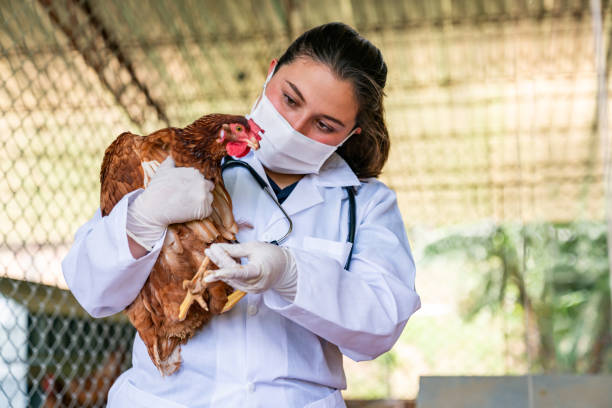
Veterinary internal medicine is a field of veterinary medicine focused on identifying, diagnosing, and treating diseases that affect the functions of an animal’s internal organs. Common approaches include clinical examinations, diagnostic testing, medication when indicated, and adjustments to animal care, nutrition, or housing conditions.
Veterinary internal medicine covers a wide range of conditions, including:
- Digestive system: Digestive disorders, gastrointestinal inflammation, ruminal bloat, and problems with nutrient absorption.
- Respiratory system: Respiratory tract infections, pneumonia, and respiratory disorders associated with pathogens or environmental conditions.
- Cardiovascular system: Disorders affecting the heart and blood vessels.
- Urinary system: Diseases affecting kidney function, the urinary tract, and fluid and electrolyte balance.
- Nervous system: Neurological disorders that can be managed through medical treatment.
- Metabolic system: Ketosis, hypocalcemia, and disorders involving energy, mineral, or vitamin balance.
Veterinary internal medicine applies not only to individual animals but also plays an important role in herd and flock health management. When several animals develop similar clinical signs, veterinarians need to consider the disease itself, animal care conditions, and shared risk factors.
Are All Diseases Treated by Veterinary Internal Medicine Non-Infectious?
No. Not all diseases managed through veterinary internal medicine are non-infectious.
Internal medicine is a veterinary specialty defined by its approach to diagnosis and treatment, while infectious and parasitic diseases are primarily classified according to their causes.
For example, pneumonia caused by bacteria or viruses may be treated through internal medicine but can still spread between animals, depending on the pathogen involved. In contrast, conditions such as nutritional imbalances or ketosis in dairy cows are generally not directly transmitted between animals.
Therefore, when animals show abnormal signs, it is important to identify the underlying cause rather than assess the risk of transmission based only on the type of clinical signs observed.
2. Causes and Risk Factors for Internal Medical Conditions in Livestock
Internal medical conditions can result from a combination of factors, including nutrition, environmental conditions, disease-causing agents, and herd or flock management practices.
2.1. Poor-Quality Feed and Drinking Water
Feed quality directly affects digestive health and an animal’s ability to metabolize nutrients.
Moldy, spoiled, or mycotoxin-contaminated feed can cause digestive disorders. Depending on the type of toxin and level of exposure, the liver, kidneys, and other organs may also be affected.
In addition, diets with an imbalance of energy, protein, fiber, minerals, or vitamins can increase the risk of health problems, particularly during production stages when animals have high nutritional requirements.
Unsanitary drinking water or an inadequate water supply can also affect digestion, nutrient absorption, and the maintenance of normal physiological functions.
2.2. Housing and Environmental Conditions
Livestock housing conditions have a major influence on the risk and severity of many diseases.
Important factors include:
- Poorly ventilated animal housing, allowing moisture and harmful gases to accumulate.
- Excessive stocking density, which increases stress and contact with disease-causing agents.
- Dust from feed, dried manure, or bedding that irritates the respiratory tract.
- Temperature and humidity levels that are unsuitable for the animals’ physiological needs.
- Feeding, drinking, or resting areas that are not cleaned regularly.
In particular, ammonia released from livestock waste can irritate the respiratory tract when animals are exposed to high concentrations or for prolonged periods.
2.3. Stress During Livestock Production
Stress can occur when animals undergo long-distance transportation, regrouping, weaning, relocation to different housing, or exposure to unfavorable weather conditions.
These changes may affect feed intake, the ability to adapt, and the animals’ resistance to disease. In some cases, stress may also increase the risk of disease outbreaks when the herd or flock has already been exposed to pathogens.
2.4. Nutritional Imbalances and Underlying Health Conditions
Deficiencies or excessive amounts of certain nutrients can disrupt normal body functions.
For example, an energy imbalance in dairy cows during early lactation may increase the risk of ketosis and fatty liver disease. Mineral deficiencies or imbalances can also affect muscle activity, nervous system function, and reproduction.
In addition, infections, parasitic infestations, or chronic health conditions may make an animal’s overall health worse.
3. Digestive Diseases in Livestock: Signs, Causes, and Prevention
Digestive diseases are a major concern in livestock production because they directly affect feed intake, digestion, and nutrient absorption.
Clinical signs may vary depending on the animal species, age, and underlying cause.
3.1. Signs of Digestive Diseases
Common signs include:
- Reduced feed intake or loss of appetite.
- Diarrhea, constipation, or abnormal fecal consistency.
- Abdominal bloating, discomfort, or signs of abdominal pain.
- Reduced activity, lethargy, and weight loss.
- Vomiting in species capable of vomiting.
- Changes in rumination in ruminant animals.
In pigs and poultry, monitoring fecal characteristics, feed intake, activity levels, and the number of affected animals can help identify problems early.
For cattle, buffaloes, and other ruminants, particular attention should be paid to rumination, abdominal distension, and changes in rumen activity.
Severe ruminal bloat can be life-threatening and requires urgent veterinary treatment. Farmers should not attempt invasive procedures involving the rumen without appropriate professional expertise.
3.2. Common Causes
Digestive disorders may be associated with several factors.
Sudden dietary changes: The digestive system needs time to adapt to a new feed source. Changing feed too quickly can disrupt digestion, especially in ruminants.
Poor-quality feed: Spoiled ingredients, improper storage, or the presence of harmful substances can affect gastrointestinal health.
Unbalanced diets: Excessive concentrate feed or inadequate fiber can disrupt rumen fermentation in ruminants.
Unsafe drinking water: Contaminated water or an insufficient supply can affect animal health and digestive function.
Infectious agents and parasites: Bacteria, viruses, and parasites can also cause digestive diseases with signs similar to those caused by nutritional disorders.
Because different causes can produce similar signs, farmers should not automatically assume that diarrhea is caused only by feed or weather conditions.
3.3. How to Prevent Digestive Diseases
To reduce the risk of digestive disorders, farms should focus on the following measures:
- Check the quality of feed ingredients before use.
- Store feed in clean, dry areas under conditions suitable for each type of ingredient.
- Avoid using spoiled feed or feed suspected of contamination.
- Introduce dietary changes gradually according to the animal species and production stage.
- Ensure a sufficient supply of clean drinking water.
- Regularly clean feeders, drinkers, and feeding areas.
- Monitor feed intake and fecal characteristics to identify abnormalities early.
When several animals develop diarrhea or signs of illness within a short period, a veterinarian should be contacted to investigate the cause. Feed, drinking water, and hygiene conditions on the farm should also be checked.
4. Respiratory Diseases in Livestock: Clinical Signs and Risk Factors
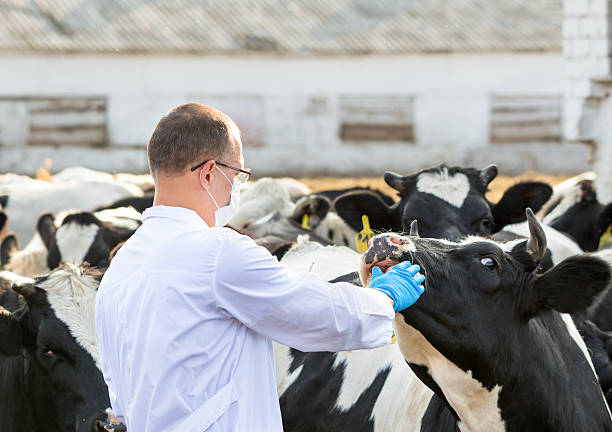
Respiratory diseases can affect many livestock species, reducing respiratory function, feed intake, and production performance.
Their causes may include infectious agents, environmental irritants, or a combination of several factors.
4.1. Warning Signs of Respiratory Diseases
Signs to watch for include:
- Unusual coughing or sneezing.
- Nasal discharge.
- Rapid breathing, difficulty breathing, or abnormal respiratory sounds.
- Reduced feed intake and activity.
- Changes in breathing posture.
- Reduced weight gain or production output.
In poultry, open-mouth breathing may be associated with heat stress or respiratory disease. Therefore, barn temperature, flock behavior, and other accompanying signs should also be assessed.
In livestock, obvious breathing difficulties, open-mouth breathing, or changes in posture to make breathing easier are serious warning signs that require urgent veterinary assessment.
4.2. Why Do Housing Conditions Affect Respiratory Health?
Housing conditions can increase the risk of respiratory diseases or make existing conditions more severe.
Poor ventilation
When animal housing is not properly ventilated, moisture, dust, and harmful gases can accumulate, creating unfavorable conditions for respiratory health.
High ammonia concentrations
Ammonia released during waste decomposition can irritate the respiratory tract. Its effects depend on the concentration, duration of exposure, and characteristics of each animal species.
High stocking density
Unsuitable stocking density can increase stress, reduce environmental quality, and create favorable conditions for certain pathogens to spread within a herd or flock.
Temperature changes and stress
Temperature fluctuations, transportation, weaning, or mixing animal groups can affect animals’ ability to adapt and increase the risk of respiratory disease, especially when infectious agents are also involved.
4.3. Measures to Prevent Respiratory Diseases
Farms should focus on environmental management and herd or flock health through the following measures:
- Maintain ventilation systems appropriate for the housing design and animal species.
- Control dust, humidity, and harmful gases.
- Keep bedding and resting areas clean and dry.
- Maintain appropriate stocking density.
- Minimize stress during transportation, weaning, and regrouping.
- Monitor respiratory signs in each housing area.
- Follow suitable disease-prevention and vaccination programs based on veterinary advice.
When respiratory signs appear, the number of affected animals, the time of onset, and the severity of the signs should be recorded.
If an infectious disease is suspected, farms should implement appropriate infection-control measures and contact a veterinarian.
Antibiotics should not be used without veterinary guidance because respiratory diseases may be caused by viruses, bacteria, parasites, or non-infectious factors. Medication use should be based on a diagnosis and professional recommendations.
5. Metabolic Diseases in Livestock: Disorders That Require Attention
Metabolic diseases are a group of disorders involving how the body uses, converts, and balances energy and nutrients.
These conditions can occur in many animal species but are particularly important in dairy cows around calving, when nutritional requirements and metabolic activity change significantly.
5.1. Energy Imbalance
During early lactation, dairy cows have high energy requirements to support milk production. However, their feed intake may not be sufficient to meet these needs.
This condition is known as negative energy balance, which occurs when the body uses more energy than it receives from the diet.
To compensate, the body increases the mobilization of stored fat. If fat mobilization and metabolism become excessive, the risk of disorders such as ketosis and fatty liver disease may increase.
5.2. Ketosis in Dairy Cows
Ketosis is a metabolic disorder associated with elevated ketone body levels in the body. It commonly occurs in dairy cows during early lactation after calving.
Possible signs include:
- Reduced feed intake.
- Decreased milk production.
- Loss of body condition.
- Lethargy or behavioral changes.
- Abnormal neurological signs in some cases.
However, ketone body levels may increase even when animals show no obvious clinical signs.
Therefore, assessment should not rely only on outward signs. A veterinarian may use appropriate tests to evaluate ketone body levels and the cow’s metabolic status.
5.3. Fatty Liver Disease
Fatty liver disease involves excessive fat accumulation in the liver. It may occur when the body mobilizes large amounts of stored fat, particularly during the transition period in dairy cows.
This condition can affect liver function and the cow’s ability to adapt to increased metabolic demands after calving.
Clinical signs are often non-specific and may include reduced feed intake, decreased milk production, or loss of body condition. Therefore, nutritional history, reproductive stage, clinical examination, and appropriate testing should be considered together to establish a diagnosis.
5.4. Mineral and Vitamin Disorders
Minerals and vitamins are involved in many important physiological processes, including muscle activity, nervous system function, immunity, reproduction, and growth.
When diets contain insufficient, excessive, or unbalanced amounts of these nutrients, animals may develop different clinical signs depending on their species, age, and production stage.
Important nutrients to monitor include:
- Calcium and phosphorus.
- Magnesium.
- Selenium and zinc.
- Vitamins A, D, and E.
In dairy cows around calving, hypocalcemia can cause muscle weakness and reduced mobility. In severe cases, affected cows may be unable to stand.
However, an inability to stand does not necessarily mean that a cow has hypocalcemia. Veterinary assessment is needed to distinguish it from injuries, neurological diseases, or other disorders.
Farmers should not administer high doses of minerals or vitamins without first assessing the animals’ actual nutritional needs, as excessive intake of certain nutrients can also harm animal health.
5.5. How to Reduce the Risk of Metabolic Diseases
Nutritional management plays an important role in preventing metabolic disorders.
Key measures include:
- Develop diets appropriate for the species, age, and production stage.
- Monitor feed intake and changes in body condition.
- Use a Body Condition Score (BCS) assessment method appropriate for each species.
- Manage nutrition carefully before and after calving.
- Avoid sudden dietary changes.
- Assess the risk of mineral and vitamin deficiencies or imbalances.
- Monitor animal health and conduct diagnostic testing when professionally indicated.
For dairy cows, maintaining appropriate body condition and adequate feed intake during the transition period is particularly important for reducing the risk of metabolic disorders.
6. Comparing Digestive, Respiratory, and Metabolic Diseases in Livestock
These three disease groups may present differently, but some signs, including reduced feed intake, decreased productivity, and poor body condition, can occur across all three.
| Criteria | Digestive diseases | Respiratory diseases | Metabolic diseases |
| Common signs | Diarrhea, abdominal bloating, reduced feed intake, abnormal feces | Coughing, nasal discharge, rapid breathing, difficulty breathing | Reduced feed intake, loss of body condition, decreased productivity, muscle weakness |
| Risk factors | Poor-quality feed, unsafe drinking water, dietary changes, pathogens | Dust, poor ventilation, high stocking density, stress, pathogens | Energy, mineral, or vitamin imbalances; changes in physiological requirements |
| What to monitor | Feces, feed and water intake, abdominal condition, rumination | Respiratory rate, coughing, nasal discharge, housing conditions | Body condition, diet, production stage, production output |
| Prevention approaches | Feed and water management and hygiene | Environmental control, biosecurity, and disease prevention | Dietary management and body condition monitoring |
The table is intended only to help identify issues that require attention. Clinical signs may overlap between different diseases and do not replace veterinary diagnosis.
7. Initial Monitoring Process When Livestock Show Abnormal Signs
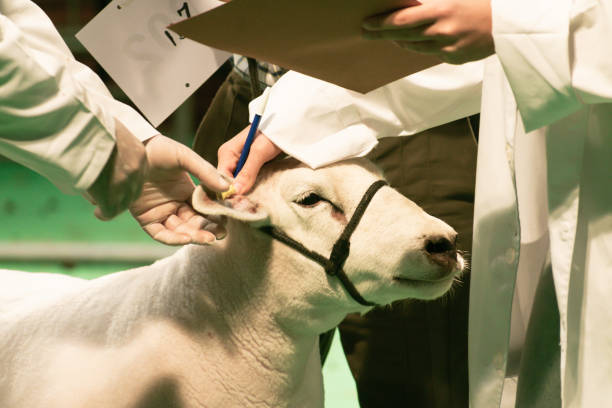
Early detection of changes in animal health helps farms provide veterinarians with more complete information and take appropriate action.
Step 1: Observe the Animal’s General Condition
First, assess the animal’s behavior, posture, mobility, and activity level.
Signs to watch for include reduced feed intake, unusually prolonged lying, separation from the herd or flock, changes in breathing rate, or signs of pain.
At the same time, determine how many animals are showing signs and which housing areas are affected.
Step 2: Check Feed, Drinking Water, and Environmental Conditions
Review any recent changes involving:
- Feed sources and quality.
- Feed and water intake.
- Fecal and urine characteristics.
- Barn temperature, humidity, and ventilation.
- Cleanliness of feeders and drinkers.
- Transportation, weaning, or regrouping activities.
This information helps identify potential risk factors and supports the diagnostic process.
Step 3: Record Changes Within the Herd or Flock
Farms should record when clinical signs first appear, how many animals are affected, and how the condition changes over time.
For herds or flocks containing different age groups or production stages, signs should be recorded separately for each group to help determine the extent of the problem.
If the number of sick animals increases rapidly, severe clinical signs appear, or sudden deaths occur, a veterinarian should be contacted immediately rather than continuing to monitor the situation without professional support.
Step 4: Contact a Veterinarian and Provide Relevant Information
When contacting a veterinarian, farmers should prepare the following information:
- Animal species and total herd or flock size.
- Age or production stage.
- Number of animals showing clinical signs.
- Time of onset and progression of the signs.
- Current diet and water source.
- Vaccination history, medication use, and recent treatment.
- Recent changes in housing conditions and herd or flock management.
Complete information helps veterinarians assess the situation and choose the appropriate next diagnostic steps.
8. When Should You Call a Veterinarian?
Not all abnormal signs indicate the same level of risk. However, some may indicate serious health problems requiring urgent intervention.
Contact a veterinarian immediately if:
- An animal has severe breathing difficulties or signs of respiratory distress.
- An animal experiences seizures, collapses, or cannot stand.
- A ruminant develops severe abdominal bloating.
- An animal dies suddenly from an unknown cause.
- Several animals in the same herd or flock develop signs of illness within a short period.
- An animal has severe diarrhea, dehydration, or rapidly worsening weakness.
- Young animals show serious signs of illness.
- An infectious disease, poisoning, or feed-related incident is suspected.
While awaiting assistance, maintain safe housing conditions, minimize stress, and ensure access to drinking water as appropriate for the animal’s condition.
If an infectious disease is suspected, restrict animal movement and follow veterinary guidance on infection-control measures.
Do not use antibiotics without professional guidance, combine multiple medications, or follow a treatment regimen prescribed for a different case. Medication use should be based on diagnosis, veterinary guidance, product labeling, and applicable regulations.
9. Frequently Asked Questions About Veterinary Internal Medicine
What Types of Diseases Does Veterinary Internal Medicine Cover?
Veterinary internal medicine covers many conditions affecting the digestive, respiratory, cardiovascular, urinary, nervous, and metabolic systems. In livestock production, digestive diseases, respiratory diseases, and metabolic disorders are three major areas of concern because of their potential impact on animal health and productivity.
Can Diseases Treated by Veterinary Internal Medicine Spread Between Animals?
Whether a disease can spread depends on its underlying cause. Nutritional or metabolic disorders generally do not spread directly between animals, while diseases caused by infectious agents may spread within a herd or flock.
How Can Farmers Recognize Digestive Diseases in Livestock?
Common signs include reduced feed intake, diarrhea, constipation, abnormal feces, abdominal bloating, and weight loss. In ruminants, rumination and rumen condition should also be monitored. Identifying the cause requires clinical examination and appropriate diagnostic testing when necessary.
Are Respiratory Diseases in Livestock Always Caused by Bacteria?
No. Respiratory diseases may be associated with viruses, bacteria, parasites, irritants, or a combination of several factors. Therefore, antibiotics are not suitable for every case and should only be used under veterinary guidance.
Which Animals Are Most Commonly Affected by Ketosis?
Ketosis is a particular concern in dairy cows, especially during early lactation after calving, when energy requirements increase significantly. The condition may be associated with reduced feed intake, decreased milk production, and loss of body condition. Diagnosis should combine clinical assessment with appropriate ketone body testing when necessary.
Can Proper Nutrition Completely Prevent Internal Medical Conditions?
No. Appropriate nutrition can reduce the risk of many digestive and metabolic disorders, but some diseases are also associated with infectious agents, environmental conditions, genetics, or other factors. Disease prevention requires a combination of dietary management, hygiene, biosecurity, and veterinary care programs.
When Should Farmers Stop Monitoring Animals on Their Own and Seek Veterinary Help?
Farmers should not continue monitoring animals without professional assistance when serious signs appear, the condition progresses rapidly, animals become noticeably weak, breathing becomes difficult, animals cannot stand, or several animals develop illness at the same time. These situations require timely veterinary assessment.
Explore Comprehensive Animal Health Solutions with VIETSTOCK
Common internal medical conditions, such as digestive disorders, respiratory diseases, and metabolic diseases, show that herd and flock health is influenced by multiple factors, including nutrition, housing conditions, pathogens, and animal care practices. Beyond diagnosis and treatment, access to advances in technology, farm management, and disease prevention also plays an important role in modern livestock production.
VIETSTOCK 2026, held from October 21–23, 2026 in Ho Chi Minh City, continued to reinforce its position as a platform connecting the livestock and veterinary communities with businesses across the industry’s value chain. Through exhibitions, industry conferences, and technical exchanges, the event provided opportunities for participants to share experience, explore technologies, and expand cooperation.
For livestock producers, veterinarians, and businesses interested in animal health, key solution areas worth exploring further include:
- Diagnosis and herd or flock health monitoring: Diagnostic technologies, veterinary equipment, and data-recording systems that support the early detection of abnormalities.
- Nutrition and digestive health: Feed ingredients, additives, and solutions for developing diets suited to different production stages.
- Livestock housing environment control: Ventilation equipment, housing climate monitoring, and hygiene and biosecurity solutions designed to reduce disease risk factors.
- Care and prevention of metabolic disorders: Nutritional approaches, body condition monitoring, and livestock care during periods of high physiological demand.
- Farm management technology: Solutions for maintaining health records, monitoring productivity, and assessing herd or flock health over time.
Following the 2026 exhibition, the industry community can continue to explore the event’s achievements, networking activities, and future development through the article VIETSTOCK 2026 Reinforces Its Role as a Key Platform for Vietnam’s Livestock Industry.
Building on this journey, VIETSTOCK 2027 will take place from October 20–22, 2027, at the Saigon Exhibition and Convention Center (SECC), Ho Chi Minh City, continuing to create opportunities for businesses, experts, and the livestock industry community to connect.
Vietstock Expo and Forum
Event website: VIETSTOCK
Contact information:
- Exhibiting: Ms. Sophie Nguyen – [email protected]
- Group Delegation Support: Ms. Phuong – [email protected]
- Marcom Support: Ms. Anita Pham – [email protected]