Veterinary Parasites: Classification, Transmission Routes, and Control Methods in Livestock
A herd or flock may continue eating normally but show slow weight gain, persistent weakness in some animals, or recurring itching and hair loss. These problems may be related to parasites. However, the signs are not always obvious, especially when animals have a low parasite burden or have not yet developed clinical signs.
Veterinary parasites are organisms that live on or inside an animal’s body, relying on the host for nutrients or to complete part of their life cycle. Depending on the species and where they live, parasites can damage the digestive tract, cause anemia or skin inflammation, affect organ function, and reduce production efficiency.
In pig, cattle, buffalo, goat, sheep, and poultry farming, parasite control involves more than administering deworming medication or tick treatments on a fixed schedule. Farmers need to understand where parasites survive, how they spread, and which factors lead to repeated infections within the herd or flock.
Combining health monitoring, appropriate diagnostic testing, environmental management, and responsible medication use can help farms reduce parasitic disease risks while limiting drug resistance and residues in animal products.
When Livestock Show Abnormal Signs, Which Parasite Groups Should Be Considered?
Parasites can cause different types of damage. Observing clinical signs is the first step in identifying potential risks, but housing conditions and diagnostic tests must also be considered to determine the underlying cause.
| Signs observed in animals | Parasite groups to consider | Initial assessment |
| Diarrhea, poor body condition, slow weight gain | Gastrointestinal worms, coccidia, and other protozoa | Check feces, diet, drinking water, and hygiene conditions |
| Pale mucous membranes, weakness, poor body condition | Certain blood-feeding worms, blood-feeding ectoparasites, or blood parasites | Assess possible anemia and perform appropriate tests |
| Itching, rubbing, hair loss, and scaly or crusted skin | Mites, lice, and other ectoparasites | Examine the skin and coat and identify the cause |
| Numerous ticks on the body | Blood-feeding ticks and the risk of tick-borne diseases | Examine the animals, housing environment, and general health signs |
| Persistent decline in productivity with few visible signs | Possible subclinical parasitic infection | Monitor weight gain, productivity, and overall herd or flock health |
Note: Diarrhea, anemia, and hair loss are not specific signs of parasitic disease. Nutritional problems, infectious diseases, and other health conditions can produce similar symptoms.
If animals deteriorate rapidly, become severely dehydrated, develop serious anemia, or several animals become sick at the same time, a veterinarian should be contacted promptly for assessment and appropriate care.
1. What Are the Main Groups of Veterinary Parasites?
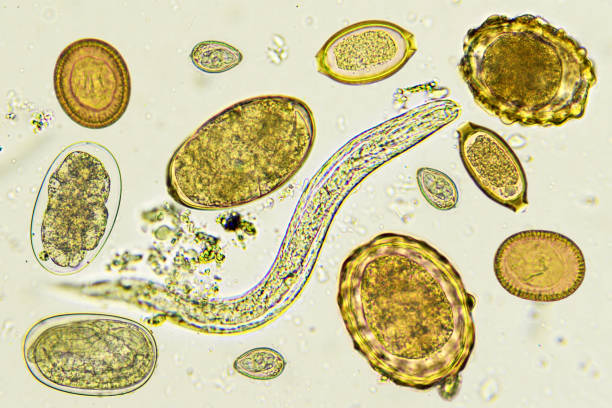
Parasites are organisms that depend on a host for survival, nutrients, or completion of part of their life cycle. Hosts may include livestock, poultry, or many other animal species.
In veterinary medicine, parasites are commonly classified according to where they live: endoparasites and ectoparasites.
Endoparasites: Parasites That Live Inside the Animal’s Body
Endoparasites may live in the digestive tract, blood, liver, lungs, or other tissues and organs.
Roundworms (Nematodes)
Roundworms are common parasites in many livestock and poultry species. Some live in the gastrointestinal tract, while others may inhabit different organs.
Depending on the parasite and infection severity, roundworms may cause:
- Diarrhea or digestive disturbances.
- Reduced nutrient absorption.
- Anemia caused by blood-feeding species.
- Poor body condition and slow growth.
- Progressive loss of body condition in long-term infections.
Some worm infections cause no obvious clinical signs but may still affect livestock productivity.
Flukes (Trematodes)
Flukes are flatworms that may inhabit the liver, bile ducts, digestive tract, or other organs, depending on the species.
Liver flukes are particularly important in grazing livestock raised in environments that favor their life cycles.
Many liver fluke species require freshwater snails as intermediate hosts. Therefore, infection risk depends not only on the health of individual animals but also on water sources, environmental conditions, and grazing areas.
Tapeworms (Cestodes)
Tapeworms have flat bodies, usually made up of multiple segments in their adult stage.
Adult tapeworms of some species live in the intestines, while the larval stages of other species may develop in the tissues or organs of intermediate hosts.
Not all tapeworm species cause disease in the same way. Transmission routes, the severity of tissue damage, and control methods can differ considerably.
Protozoan Parasites (Protozoa)
Protozoan parasites are single-celled organisms that may live in the intestines, blood, or other host tissues.
Important examples include:
- Coccidia: May damage the intestinal tract, cause diarrhea, and affect growth, particularly in young animals.
- Cryptosporidium: May cause digestive disease in certain livestock species.
- Toxoplasma gondii: Has a life cycle involving members of the cat family and can infect many animal species.
- Babesia: A group of blood parasites that can be transmitted by certain tick species.
These protozoan groups have different life cycles and transmission routes. Therefore, a single prevention method or medication cannot be used to control all of them.
Ectoparasites: Parasites That Live on the Skin and Body Surface
Ectoparasites live on the skin, in the hair or feathers, or on other external parts of an animal’s body.
Ticks
Ticks can parasitize livestock and many other animal species.
When feeding on blood, ticks may cause irritation, skin damage, and contribute to anemia when infestations are severe.
Importantly, certain tick species can also transmit disease-causing agents, including blood parasites such as Babesia.
Not all ticks transmit the same pathogens. The risk depends on the tick species, host animal, and local epidemiological conditions.
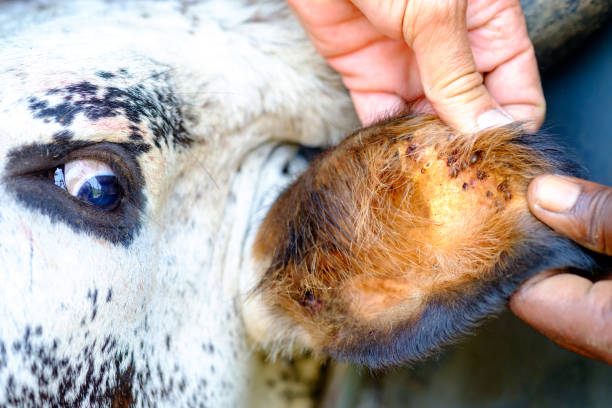
Mites
Certain mite species can cause:
- Itching.
- Skin inflammation.
- Skin thickening.
- Scaly or crusted skin.
- Hair loss.
- Skin damage caused by repeated rubbing.
Persistent itching may disrupt feeding and resting behavior, which can eventually affect body condition.
Lice
Lice generally live on the skin or among the hair or feathers of animals. Depending on the species, they may feed on blood or materials found on the skin surface.
Heavily infested herds or flocks may experience itching, repeated rubbing, skin damage, and declining body condition.
Parasitic Flies and Other Insects
Some fly species feed on blood, cause irritation, or have larval stages that parasitize animal tissues.
Other insects may transmit disease-causing agents. However, it is important to distinguish insects that directly parasitize animals from those that mainly act as disease vectors.
What Is the Difference Between Endoparasites and Ectoparasites?
| Criteria | Endoparasites | Ectoparasites |
| Where they live | Digestive tract, blood, liver, lungs, and internal tissues | Skin, hair, feathers, and body surface |
| Common groups | Roundworms, flukes, tapeworms, and protozoa | Ticks, mites, lice, and certain parasitic flies |
| Common signs | Diarrhea, anemia, poor body condition, reduced growth | Itching, hair loss, skin inflammation, and skin lesions |
| Detection methods | Fecal tests, blood tests, or specialized diagnostic tests | Examination of skin and coat, skin microscopy, and direct identification |
| Control approaches | Transmission control, appropriate testing, and treatment | Parasite control on animals and in their environment |
A herd or flock may be infected with several parasite species at the same time. Therefore, the entire clinical picture should be assessed rather than focusing on a single sign.
2. How Do Parasites Spread Within a Herd or Flock?
To control parasites effectively, farms need to identify not only the parasites present on or inside animals but also the sources of infection in the environment.
Depending on the species, parasites may have a direct life cycle or require an intermediate host to develop.
Transmission Through Feces, Feed, and Drinking Water
This is an important transmission route for many gastrointestinal parasites.
In some worm species, eggs or larvae are released into the environment through feces. After developing into infective stages, they may enter a new host through feed, drinking water, or other routes, depending on the species.
Similarly, certain intestinal protozoa produce cysts or oocysts that are shed in feces, survive in the environment, and continue the transmission cycle.
The risk may increase when:
- Feed comes into contact with feces or dirty flooring.
- Drinking water becomes contaminated with waste.
- Feeders and drinkers are not cleaned properly.
- Bedding remains damp or waste accumulates.
- Grazing areas have high levels of contamination.
For example, in floor-raised poultry systems, proper litter and moisture management plays an important role in controlling the risk of coccidiosis.
However, not all parasites spread through the fecal–oral route. The specific transmission route must be determined according to the characteristics of each parasite.
Transmission Through Intermediate Hosts
Some parasites cannot complete their life cycles without an intermediate host.
For example, many liver fluke species must pass through a developmental stage in freshwater snails.
After leaving the intermediate host, the parasite may survive in an infective form in the environment. Livestock may become infected by ingesting the infective stage appropriate to that parasite’s life cycle.
Therefore, for certain parasitic diseases in grazing livestock, treating infected animals without assessing grazing conditions and water sources may leave the risk of reinfection unresolved.
Transmission Through Direct Contact
Certain ectoparasites, including lice and some mite species, can spread when animals come into close contact with infected individuals.
High stocking density, shared resting areas, and inadequate monitoring of newly introduced animals may increase the spread of parasites transmitted through contact.
For some species, shared grooming equipment, bedding, and the surrounding environment may also contribute to transmission.
Transmission Through Ticks and Insect Vectors
Certain arthropods can transmit parasites from infected hosts to other animals.
For example, some tick species can transmit Babesia while feeding on blood.
In such cases, disease control should address not only parasites inside the animal’s body but also tick populations, their habitats, and local epidemiological conditions.
Why Do Parasitic Infections Often Recur?
One reason parasite control can be difficult is that part of a parasite’s life cycle may take place outside the host animal.
Even after infected animals have been treated, parasite eggs, larvae, oocysts, or intermediate hosts may remain in the environment.
The risk of reinfection can therefore continue if:
- Waste is not managed properly.
- Feed or drinking water remains contaminated.
- Grazing areas continue to contain infective stages.
- Ectoparasites remain in the environment.
- Newly introduced animals carry parasites.
This is why effective parasite control must combine animal health management with environmental management rather than relying only on medication.
3. How Do Parasites Affect Animal Health and Productivity?
The damage caused by parasites is not limited to animals that become seriously ill.
On many farms, long-term or subclinical infections may affect growth and productivity without producing obvious, distinctive clinical signs.
Reduced Digestion and Nutrient Absorption
Many intestinal parasites can damage the intestinal lining, cause inflammation, or interfere with digestion and nutrient absorption.
Affected animals may show:
- Abnormal feces or diarrhea.
- Reduced feed intake.
- Weight loss.
- Slow weight gain.
- Rough hair or feathers and poor body condition.
In young animals, certain parasites, such as coccidia, can cause significant intestinal damage. Severe infections may lead to dehydration, weakness, and an increased risk of death.
Anemia and Poor Body Condition
Some blood-feeding parasites can cause prolonged blood loss.
When infestations are severe, signs may include:
- Pale mucous membranes.
- Weakness.
- Reduced activity.
- Poor growth.
- Deteriorating body condition.
However, anemia may also result from nutritional deficiencies, infectious diseases, and other health conditions.
Therefore, pale mucous membranes are a warning sign requiring further investigation, not proof of a parasitic infection.
Skin Damage and Behavioral Changes
Ectoparasites may cause itching, skin inflammation, hair loss, or scaly and crusted lesions.
Affected animals may repeatedly rub against pen walls, fences, or nearby surfaces.
This behavior not only increases the risk of skin damage but can also cause discomfort and reduce the time animals spend feeding or resting.
If the condition continues, production performance may decline.
Increased Risk of Other Health Problems
Some parasites can damage tissues, affect immune responses, or contribute to the worsening of other health problems.
In addition, ticks capable of transmitting diseases may introduce pathogens into a herd or flock while feeding on blood.
When animals develop several groups of clinical signs at the same time, veterinarians may need to consider co-infections rather than focusing on a single pathogen.
Effects on Production Efficiency
For commercial farms, important indicators to monitor include:
- Actual weight gain compared with targets.
- Feed conversion efficiency.
- Milk or egg production.
- Morbidity and culling rates.
- Animal care and treatment costs.
If production indicators remain below expectations for a prolonged period without a clear cause, parasitic infection may be one of the factors that should be investigated.
The extent of production losses depends on the parasite involved, infection severity, animal health, and the effectiveness of herd or flock health management.
4. When Should Parasitic Infection Be Suspected, and What Tests Are Needed?
Not all parasitic infections produce obvious signs.
Some animals may continue eating and moving relatively normally during the early stages of infection. Conversely, diarrhea, poor body condition, and hair loss can also result from other causes.
Therefore, observation, animal health history, housing conditions, and appropriate diagnostic testing should be considered together.
Signs That May Suggest Endoparasitic Infection
Farmers should pay attention when animals show:
- Unexplained weight loss or poor body condition.
- Persistently slow weight gain.
- Diarrhea or abnormal feces.
- Pale mucous membranes.
- Reduced feed intake and activity.
- Abdominal enlargement or an uneven body condition.
- Reduced productivity during production.
These signs should be assessed alongside the age group, disease history, and management conditions of the herd or flock.
For example, a grazing goat herd with several animals losing body condition may need to be assessed for gastrointestinal worms. However, poor body condition alone is not enough to confirm infection or justify unsupervised medication use.
Signs That May Suggest Ectoparasitic Infestation
Ectoparasites often cause visible changes to the skin, hair, or feathers.
Signs to watch for include:
- Persistent itching.
- Frequent rubbing or scratching.
- Patchy hair loss.
- Inflamed, thickened, scaly, or crusted skin.
- Visible ticks or other parasites.
- Restlessness, reduced feed intake, or declining body condition.
However, itching and hair loss may also occur with fungal or bacterial skin infections, allergies, or nutritional disorders.
Using parasite treatments without first identifying the cause may fail to produce the desired result.
What Tests Are Used to Diagnose Parasitic Infections?
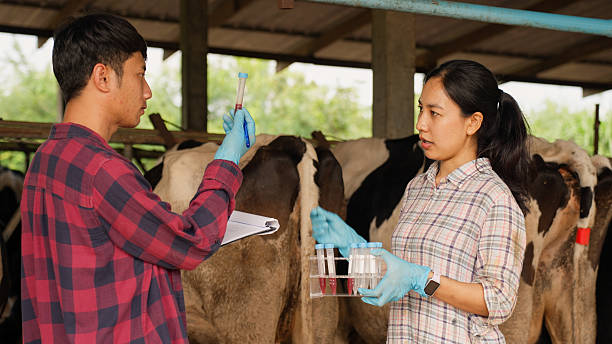
Depending on the suspected parasite, veterinarians may select different diagnostic methods.
| Diagnostic method | Purpose |
| Fecal examination | Detect eggs, larvae, cysts, or oocysts of certain parasites |
| Blood testing | Help identify certain blood parasites and assess related abnormalities |
| Skin examination, microscopy, or skin sampling | Support the detection and identification of ectoparasites |
| Specialized diagnostic tests | Used when a suspected parasite requires a specific detection method |
For certain gastrointestinal worms, fecal egg counts may also help monitor infection levels and assess the effectiveness of control measures.
Does a Negative Fecal Test Completely Rule Out Parasites?
No.
Test results may be affected by:
- The testing method.
- When the sample was collected.
- The severity of infection.
- The parasite’s developmental stage.
- Whether the parasite is shedding eggs, cysts, or larvae.
Some parasites may not yet have reached a stage at which they shed detectable material, while others cannot be identified through routine fecal examination.
If infection is still suspected, a veterinarian may recommend additional samples or different diagnostic methods.
The important principle is that testing should answer a specific diagnostic question, rather than using the same test for every case.
5. Parasite Control on Farms Must Start with the Source of Infection
An effective parasite control program should not focus only on the number of currently infected animals. It must also reduce the conditions that allow parasites to survive and spread.
Priorities may vary considerably depending on the livestock production system.
For Indoor Farming Systems: Waste Management and Hygiene
In confined animal housing systems, waste can create conditions that allow certain infective stages of parasites to survive in the environment.
Farms should focus on:
- Regular manure collection and treatment.
- Cleaning animal housing floors.
- Controlling standing water and moisture.
- Managing bedding and litter.
- Cleaning feeders and drinkers.
- Cleaning animal care equipment and animal transport areas.
Many parasite eggs and oocysts are resistant to certain commonly used disinfectants.
Therefore, mechanical cleaning and waste removal are particularly important.
Farms should not assume that spraying disinfectants will eliminate all parasites from the environment.
For Grazing Farms: Pasture and Water Management
In grazing systems involving buffaloes, cattle, goats, or sheep, the eggs and larvae of some parasites may survive in pasture environments.
Infection risk can be affected by:
- Stocking density on pasture.
- Levels of fecal contamination.
- Temperature and humidity.
- Areas with standing water.
- The presence of intermediate hosts.
- Pasture-use history.
Measures such as managing grazing areas, controlling stocking density, and allowing pastures to rest may be considered based on local conditions.
However, their effectiveness depends on parasite life cycles, climate, and grazing management practices.
A pasture should not automatically be considered parasite-free simply because it has been rested for a fixed period.
For Ectoparasites: Control Parasites on Animals and in Their Environment
When ticks, lice, or mites are detected, the farm should assess how widespread the infestation is within the herd or flock and review the relevant environmental conditions.
Depending on the parasite, control measures may include:
- Examining and assessing affected animals.
- Identifying the parasite species.
- Managing infected animals under veterinary guidance.
- Cleaning housing areas and equipment appropriately.
- Assessing environmental conditions that may maintain the source of infestation.
- Monitoring the risk of reinfestation after treatment.
For ticks, it is important to remember that many species spend part of their life cycles away from the host.
Therefore, treating only the ticks visible on animals may not be sufficient for long-term control.
Managing Newly Introduced Animals
New animals may carry parasites even when they show no obvious signs of disease.
Before introducing them into the main herd or flock, farms should:
- Check their origin and health status.
- Apply appropriate quarantine or isolation procedures.
- Observe for abnormal signs.
- Perform diagnostic testing when indicated.
- Consider prevention or treatment measures after assessing the risk.
These steps help reduce the introduction of new parasites, including populations that may be less susceptible to medications previously used on the farm.
Monitoring Seasonal Risks and Different Animal Groups
Not all age groups or production stages face the same level of risk.
For example, young animals may be more susceptible to certain gastrointestinal parasites, while parasite risks in grazing livestock depend heavily on environmental and climatic conditions.
Farms should combine information on:
- Species and age groups.
- Indoor housing or grazing systems.
- Previous infection history.
- Weather conditions.
- Hygiene standards.
- Diagnostic test results.
- Medication-use history.
This information can help farms develop parasite control programs based on actual risk rather than applying the same treatment schedule to every herd or flock.
6. What Steps Should Farms Take When Parasites Are Suspected in a Herd or Flock?
When one or more animals show signs that may indicate parasitic infection, farmers should begin by assessing the herd or flock before deciding whether medication is needed.
Step 1: Identify Affected Animals and the Extent of the Problem
Observe for signs such as:
- Diarrhea.
- Poor body condition.
- Pale mucous membranes.
- Itching or skin lesions.
- Reduced weight gain.
- Declining production.
Also record the age groups, number of animals showing signs, and affected housing areas.
If animals show severe dehydration, serious anemia, rapid deterioration, or an inability to stand, urgent veterinary care is required.
Step 2: Review Farming Conditions
Assess factors that may allow the source of infection to persist:
- Hygiene and waste management.
- Feed and drinking water sources.
- Stocking density.
- Grazing conditions.
- History of newly introduced animals.
- Previous parasitic infections.
- Earlier medication use.
This information helps identify potential risks and supports the selection of appropriate diagnostic methods.
Step 3: Identify the Suspected Parasite Group
It is important to distinguish possible endoparasitic infections, ectoparasitic infestations, and other health conditions.
For example, animals with persistent diarrhea may need to be assessed for gastrointestinal worms or intestinal protozoa, but nutritional problems and other infectious diseases should not be overlooked.
Similarly, an animal with severe itching may have a mite infestation, but another skin condition could also be responsible.
Step 4: Perform Diagnostic Testing When Appropriate
A veterinarian may select:
- Fecal examination.
- Blood testing.
- Skin microscopy or skin sampling.
- Specialized diagnostic methods.
The choice depends on the suspected parasite, animal species, and assessment objective.
Step 5: Select Appropriate Control Measures
Control measures should be based on:
- Parasite species.
- Infection severity.
- Animal age and health status.
- Production stage.
- Farming conditions.
- Treatment history and the risk of drug resistance.
In many cases, treatment under veterinary guidance should be combined with improved hygiene, management of infection sources, and adjustments to animal care practices.
Step 6: Monitor Treatment Response and Reinfection Risk
After treatment or other control measures, farms should continue monitoring:
- Clinical signs.
- Feed intake.
- Weight gain or productivity.
- Severity of skin lesions.
- Diagnostic test results when indicated.
If the condition does not improve or returns, the previous medication should not automatically be repeated.
Possible causes include an incorrect initial diagnosis, uncontrolled sources of infection, inappropriate medication use, or reduced parasite susceptibility to the active ingredient.
A veterinarian may recommend additional testing to reassess the situation and adjust the control program.
7. Antiparasitic Medication: Why Should Farms Avoid a Single Fixed Treatment Schedule?

Antiparasitic medications play an important role in treating many parasitic diseases. However, different active ingredients do not work equally well against all parasite groups.
A drug that is effective against roundworms will not necessarily control coccidia, ticks, mites, or every type of fluke and tapeworm.
Therefore, there is no single parasite treatment schedule suitable for every livestock species and farming system.
Choose Medication According to the Parasite and Animal Species
When selecting medication, consider:
- Parasite species.
- Animal species.
- Age and health condition.
- Infection severity.
- Approved product indications.
- Route of administration and dosage.
- Medication-use history.
- Risk of drug resistance.
Medications should not be changed or combined simply because one product is suspected of being less effective.
Risk of Antiparasitic Drug Resistance
Using medication too frequently or without assessing actual risk can create selection pressure, allowing drug-resistant parasite populations to survive and reproduce.
For certain gastrointestinal parasites in ruminants, selective treatment strategies based on risk and the animals’ actual condition may help reduce unnecessary medication use.
Control programs should be developed using farm-specific data and professional guidance.
Follow the Correct Dosage and Route of Administration
Antiparasitic medications should be used according to:
- Approved animal species.
- Recommended dosage.
- Route of administration.
- Treatment frequency and duration.
- Product instructions.
Incorrect dosing may reduce effectiveness or cause adverse reactions.
Farmers should not independently increase or reduce the dose, change the route of administration, or combine medications without veterinary assessment.
Withdrawal Periods in Livestock Production
For food-producing animals, following the required withdrawal period is essential for managing the risk of drug residues in animal products.
Withdrawal periods may differ depending on:
- Active ingredient and formulation.
- Animal species.
- Dosage and route of administration.
- Food products such as meat, milk, or eggs.
- Applicable regulations and specific conditions of use.
The withdrawal period of one product should not be applied to another, even if the products contain the same active ingredient.
Farms should maintain complete records of:
- Medication name.
- Animals treated.
- Date of administration.
- Dosage and route of administration.
- Required withdrawal period.
- Date when animals or animal products become eligible for sale under applicable instructions.
Antiparasitic medications should be used alongside measures that control sources of infection, rather than serving as the only method in a disease-prevention program.
8. Some Livestock Parasites Can Be Transmitted to Humans
Some animal parasites can infect humans and cause disease. However, not all veterinary parasites pose this risk.
Transmission routes depend on the parasite and may involve:
- Contact with feces or contaminated environments.
- Drinking contaminated water or consuming contaminated food.
- Eating meat or animal products that have not been prepared safely.
- Contact with animals carrying infectious agents.
- Bites from arthropods carrying disease-causing agents.
For example, Toxoplasma gondii is a parasite of importance to both animal and human health. Exposure may occur through contaminated food or environments.
Other parasitic diseases are also associated with livestock and the food supply chain.
Measures to Reduce the Risk
Farmers and farm workers should:
- Wash their hands and maintain personal hygiene after handling animals or waste.
- Use appropriate personal protective equipment.
- Manage manure and waste correctly.
- Protect and monitor water sources.
- Maintain hygiene in animal care areas and equipment.
- Follow slaughter-control and food-safety requirements.
When a disease that may be transmitted between animals and humans is suspected, the relevant professional authority or healthcare provider should be consulted for appropriate guidance.
Preventing parasitic infections in livestock is therefore not only important for production efficiency but also contributes to protecting public health.
9. Farm Checklist for Assessing Parasite Risks
Farms can use the following checklist to review factors that affect the risk of parasitic infection and reinfection.
| Area to check | Questions for the farm |
| Animal housing and waste | Are manure, bedding, and standing water managed properly? |
| Feed | Is feed stored hygienically and protected from contact with manure or dirty surfaces? |
| Drinking water | Are water sources and drinkers kept clean and properly monitored? |
| Stocking density | Is stocking density appropriate for the animal species and farming system? |
| Grazing areas | Have parasite risks been assessed based on pasture and water conditions? |
| Newly introduced animals | Are appropriate health checks and quarantine procedures in place? |
| Health monitoring | Are diarrhea, poor body condition, anemia, and skin lesions recorded? |
| Diagnostic testing | Is there a testing plan based on risk assessment and veterinary advice? |
| Medication use | Are medications selected according to the animal species, parasite, and approved indications? |
| Withdrawal periods | Are withdrawal periods monitored before animal products are sold? |
| Effectiveness assessment | Is reinfection monitored, and are control programs adjusted when necessary? |
Reviews should be conducted according to the actual conditions of each herd or flock. Not every farm needs to follow the same review frequency.
Farms that have experienced recurring parasitic diseases or reduced treatment effectiveness should pay particular attention to diagnostic testing, environmental assessments, and medication-use history.
Frequently Asked Questions About Veterinary Parasites
What Is the Difference Between Endoparasites and Ectoparasites?
Endoparasites live inside an animal’s body, such as in the digestive tract, blood, liver, or other tissues.
Ectoparasites live on the skin, in the hair or feathers, or on the body surface. These two groups differ in their transmission routes, clinical signs, and control methods.
What Are the Signs of Parasitic Infection in Livestock?
Possible signs include diarrhea, poor body condition, anemia, reduced growth, itching, hair loss, and skin lesions.
However, some infections cause no obvious clinical signs. Appropriate examination and diagnostic testing are needed to identify the cause.
How Are Parasites Commonly Transmitted?
Depending on the parasite, transmission may occur through feed, drinking water, feces, soil, direct contact, intermediate hosts, or arthropod vectors.
The specific transmission route depends on the life cycle of each parasite species.
Should All Livestock Receive Routine Deworming on a Fixed Schedule?
The same fixed parasite treatment schedule should not be applied to every herd or flock.
Treatment frequency and control methods should be based on animal species, age, farming conditions, risk level, previous infections, and veterinary assessment.
Using medication too frequently when it is not needed may increase the risk of drug resistance.
Why Do Animals Still Have Parasites After Receiving Treatment?
Possible reasons include:
- Reinfection from the environment.
- Medication that is not effective against the parasite involved.
- Medication not being used according to instructions.
- Reduced parasite susceptibility to the active ingredient.
- An incorrect initial diagnosis.
The situation should be reassessed before medication is repeated or changed.
Does a Negative Fecal Test Completely Rule Out Parasitic Disease?
No.
A single negative result does not completely rule out infection. Some parasites may not yet be shedding eggs, cysts, or larvae, while others require specific detection methods.
If infection is still suspected, a veterinarian may recommend additional testing.
Can Livestock Parasites Be Transmitted to Humans?
Some parasite species can be transmitted to humans through contaminated food, water, or environments, or through disease vectors.
However, the level of risk varies depending on the parasite. Personal hygiene, proper waste management, and food safety are important preventive measures.
When Should a Veterinarian Be Contacted?
A veterinarian should be contacted when animals have persistent clinical signs, severe weight loss or poor body condition, anemia, serious diarrhea, dehydration, rapid deterioration, or when several animals in the same herd or flock develop similar signs.
If an animal shows signs of a life-threatening condition, urgent veterinary care is needed.
Strengthen Parasite Control and Protect Herd and Flock Health with VIETSTOCK
Parasites can affect animal health, growth, and productivity, particularly when sources of infection persist in the farming environment or through intermediate hosts. To reduce the risk of reinfection, farms need to combine diagnosis, appropriate medication use, housing hygiene, and herd or flock health monitoring rather than responding only when obvious clinical signs appear.
As part of its ongoing efforts to support the livestock and veterinary industries, VIETSTOCK serves as a platform connecting businesses, experts, and solution providers across the entire value chain. Professional knowledge-sharing activities and technology showcases at VIETSTOCK 2026 helped expand opportunities to explore disease-prevention approaches, animal health care solutions, and improvements in livestock farming conditions.
For farms looking to improve parasite control, important solution areas to explore include:
- Parasite diagnosis and testing: Explore equipment, supplies, and technologies that support parasite detection in fecal samples, blood samples, or on animals’ skin.
- Veterinary medicines and parasite control products: Learn about products suitable for different animal species while emphasizing responsible medication use and reducing the risk of drug resistance.
- Hygiene and biosecurity: Discover waste-treatment solutions, housing hygiene practices, and methods for controlling sources of infection in livestock environments.
- Insect and intermediate host control: Explore technologies, equipment, and measures that help reduce ticks, flies, and other organisms that may contribute to parasite transmission.
- Health monitoring and herd or flock management: Learn about tools for recording test results, medication-use history, and reinfection patterns to support long-term disease-prevention planning.
Following the three-day event from October 21–23, 2026, VIETSTOCK continued to demonstrate the value of connecting organizations across the livestock and veterinary industries. For farms seeking parasite control solutions, connections between veterinary pharmaceutical companies, diagnostic service providers, and technology suppliers create opportunities for professional exchanges and exploring approaches suited to their production conditions. These connections are also highlighted in the recap article on VIETSTOCK 2026’s role in Vietnam’s livestock industry.
Building on its industry activities, VIETSTOCK 2027 is scheduled to take place from October 20–22, 2027, at the Saigon Exhibition and Convention Center (SECC), Ho Chi Minh City. The event will continue to provide a meeting point for livestock producers, veterinarians, and businesses to explore industry trends, share experience, and expand professional connections.
Event website: VIETSTOCK
Contact information:
- Exhibiting: Ms. Sophie Nguyen – [email protected]
- Group Delegation Support: Ms. Phuong – [email protected]
- Marcom Support: Ms. Anita Pham – [email protected]