Cattle Nutritional Supplements: When to Supplement Vitamins, Minerals, and Digestive Enzymes
A practical guide to cattle nutritional supplements, covering vitamins, minerals, digestive enzymes, probiotics, suitable production stages and safe use for beef cattle, dairy cows and calves.
Cattle nutritional supplements are often considered when animals show slow growth, a rough coat, poor appetite, or prolonged diarrhea after initial care. However, these signs should not automatically be attributed to vitamin, mineral, or digestive supplement deficiencies.
In many cases, the cause may be related to the diet, care conditions, underlying disease, or digestive disorders that require further assessment.
Some vitamin, mineral, and probiotic supplements may help address nutritional gaps when the diet does not fully meet animal needs, thereby supporting health and productivity in appropriate cases. However, choosing the right product, timing, and target animals is what makes supplementation truly meaningful.
This article helps cattle farmers understand when supplementation is needed, which nutrients may need supplementation, and how to use nutritional supplements safely, while avoiding waste or misuse.
Quick Summary
- Nutritional supplements for cattle can be divided into three main groups: vitamins, minerals, and digestive enzymes/probiotics. Each group has its own role and timing of use.
- Signs such as slow growth, visible bones, poor hair coat, reduced milk yield, or weak calves with diarrhea indicate that farmers should reassess the diet, care conditions, overall health status, and supplementation needs if any.
- Different groups — beef cattle, dairy cattle, and calves — have different supplementation needs depending on physiological stage.
- Nutritional supplements play a supportive role only. They do not replace a complete diet and should be combined with housing management and basic care.
- Farmers should consult a veterinarian before deciding on supplement type and dosage, especially when cattle are under treatment or when calves are still young.
What Are Cattle Nutritional Supplements and How Are They Classified?
In the system of veterinary products for cattle, products can generally be divided into two major groups: therapeutic products such as antibiotics, antiparasitic medicines, and anti-inflammatory medicines, and supportive nutritional supplements. Vitamin, mineral, digestive enzyme, and probiotic supplements belong to the second group.
This group includes products that provide vitamins, macro- and trace minerals, digestive enzymes, probiotics, and nutrients that support metabolism.
They do not directly kill bacteria or parasites, but they can play a role in:
- Maintaining normal physiological functions in cattle.
- Supporting immune function.
- Improving digestion and nutrient absorption from feed.
- Supporting weight gain, reproduction, and milk production under suitable conditions.
- Supporting recovery after illness or stress.
One important point to note is that nutritional supplements are not “miracle products” and cannot replace a sound nutritional foundation. If the daily diet already meets nutritional needs, additional supplementation may be unnecessary or wasteful. In contrast, when cattle are truly deficient, using the right supplement at the right time may make a meaningful difference to health and body condition.
Vitamins for Cattle: When Are They Needed and Which Vitamins Should Be Supplemented?
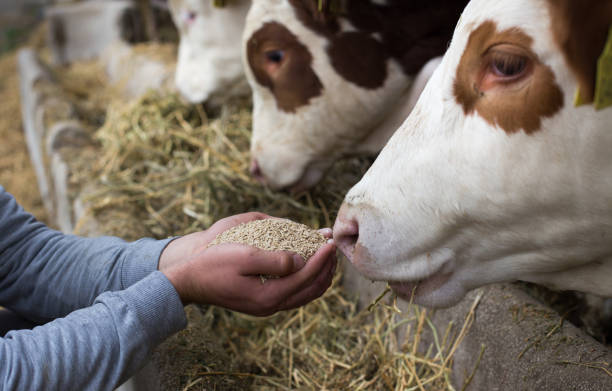
Key Vitamins to Consider in Cattle Diets
In adult cattle, rumen microorganisms can help synthesize some vitamins, especially part of the B-vitamin group and vitamin K. However, vitamins such as A, D, and E still need to be assessed based on diet, feed quality, sunlight exposure, housing conditions, and physiological stage.
In housed cattle, when green forage is limited, feed has been stored for a long time, or cattle are pregnant, recently calved, or producing high milk yields, the risk of vitamin deficiency or imbalance may increase and should be assessed specifically.
Vitamin A
Vitamin A is important for vision, respiratory and digestive mucosa, reproduction, and immunity.
Vitamin A deficiency may be associated with signs such as poor vision, poor hair coat, reduced immunity, or higher disease susceptibility. However, these signs are not specific and require further assessment of the diet and other possible health conditions.
Calves born to vitamin A-deficient dams may have reduced immunity or early vision-related problems, depending on the severity and timing of the deficiency.
Vitamin D
Vitamin D is involved in calcium and phosphorus absorption, bone health, and muscle function.
In some housed conditions, with limited sunlight exposure or an imbalanced diet, the risk of vitamin D deficiency may increase.
Vitamin D is involved in calcium and phosphorus metabolism. However, post-calving disorders such as hypocalcemia or milk fever in dairy cows are multifactorial issues. They are related to transition-period diet management, mineral balance, calcium mobilization capacity, and overall health status.
Therefore, farmers should not supplement high doses of vitamin D on their own without veterinary advice or diet assessment.
Vitamin E
Vitamin E has antioxidant functions and supports immunity and reproductive function.
Vitamin E and/or selenium deficiency may be associated with white muscle disease in calves and may adversely affect immunity, reproduction, and mastitis risk. However, these outcomes are often multifactorial and should be assessed as part of the overall herd situation.
B Vitamins
Adult cattle can synthesize most B vitamins through rumen microbial activity. However, in some cases — such as severe stress, prolonged antibiotic use, high-producing dairy cows, or calves before the rumen is fully developed — external supplementation may be considered, especially vitamin B1 (thiamine), B12, and biotin, depending on veterinary assessment.
When Should Vitamin Supplementation Be Assessed?
- Cattle are fully housed and do not receive enough quality green forage.
- Silage is poorly stored or dry feed has been stored for too long.
- Cows are pregnant or lactating, when needs for vitamins A, D, and E may increase.
- Calves are from birth until the rumen is fully developed, around 3–4 months of age.
- Cattle are recovering after illness or after a treatment period.
Mineral Supplementation for Cattle: How Does Deficiency Affect Cattle and How Should Minerals Be Supplemented?\
Important Macro- and Trace Minerals for Cattle
Minerals can be divided into two main groups:
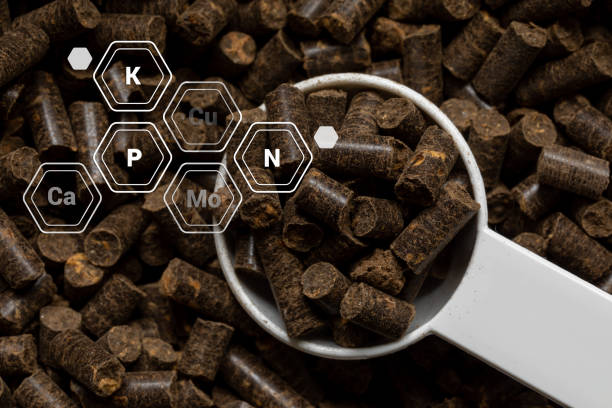
- Macrominerals include calcium (Ca), phosphorus (P), magnesium (Mg), sodium (Na), potassium (K), and sulfur (S). These minerals are needed in larger amounts and directly affect bone structure, muscle function, electrolyte balance, and energy metabolism.
- Trace minerals include iron (Fe), copper (Cu), zinc (Zn), manganese (Mn), selenium (Se), iodine (I), and cobalt (Co). Although needed in very small amounts, deficiencies in some trace minerals can cause significant physiological disorders.
Common Signs Associated with Mineral Deficiency in Cattle
| Deficient Mineral | Possible Signs |
| Calcium, Phosphorus | Soft bones, easy fractures, postpartum paresis / milk fever, licking soil, chewing walls |
| Magnesium | Excitability, convulsions, grass tetany, especially when animals are moved onto lush young pasture |
| Selenium, Vitamin E | Weak muscles in calves, reduced conception in cows, retained placenta after calving |
| Copper | Loss of coat color or a faded coat, chronic diarrhea, slow growth, reduced immunity |
| Zinc | Dermatitis, brittle or cracked hooves, slow growth, poor reproduction |
| Iodine | Goiter, weak calves at birth, or stillbirth |
Note: The signs above are not specific and may be related to many different causes. Diet and overall health status should be assessed before reaching a conclusion.
When Should Mineral Supplementation for Cattle Be Prioritized?
Mineral supplementation should be assessed when:
- Cattle are grazed or fed from areas where soil, water, or feed sources are poor in minerals, or where certain trace mineral deficiencies have been recorded.
- Dairy cows are at peak milk production, when calcium and phosphorus needs increase.
- Cows are around 2–4 weeks before and after calving, as the transition period has high nutritional demands.
- Beef cattle are in the finishing stage with a high-starch diet and limited green forage.
- Calves after weaning are shifting to a diet based entirely on roughage.
Note on the calcium-to-phosphorus ratio: The Ca:P ratio in cattle diets needs to be balanced. A ratio of around 1.5–2:1 is often used as a reference, but the suitable level depends on the specific diet. Supplementing calcium or phosphorus alone without considering the total diet may interfere with mineral absorption. This is why farmers should not increase mineral doses on their own without assessing the overall diet.
Digestive Enzymes and Probiotics for Cattle: When Are They Needed and What Are Their Practical Effects?
The Role of Digestive Enzymes and Probiotics in Cattle Digestion
Cattle are ruminants with a complex digestive system made up of four stomach compartments. The rumen — the largest compartment — contains billions of microorganisms, including bacteria, protozoa, and fungi, which ferment and break down fiber.
When this microbial system becomes imbalanced, cattle may digest feed poorly, develop bloating, show abnormal feces, and absorb fewer nutrients.
Two common groups of digestive support products include:
- Digestive enzymes such as cellulase, amylase, and protease, which support the breakdown of fiber, starch, and protein in feed.
- Probiotics such as beneficial bacteria including Lactobacillus, Bacillus, and Saccharomyces cerevisiae, which support rumen and intestinal microbial balance and compete with harmful bacteria.
These two groups have different mechanisms and indications. Some commercial products combine both, but they should still be distinguished when evaluating effectiveness and use.
Situations Where Digestive Enzymes and Probiotics May Be Considered
Sudden Diet Changes
When cattle are switched from hay to silage, from grazing to housed feeding, or when the starch proportion in the diet is suddenly increased, rumen microbes need time to adapt.
Some probiotic or enzyme products may support digestive stability during diet transition. However, they do not replace gradual feed changes and proper diet management.
After Antibiotic Use
Some antibiotics, depending on the type and route of administration, may affect not only disease-causing bacteria but also beneficial microorganisms.
After some treatment courses, the microbial system may be affected. Probiotics may be considered as supportive measures for recovery in suitable cases, depending on veterinary assessment.
Calves After Weaning
This is a stage when the digestive system of calves changes significantly as they move from milk to roughage. Post-weaning diarrhea may occur for many reasons, including diet changes, stress, and microbial imbalance.
Digestive enzymes and probiotics may be considered as supportive tools during this stage, depending on specific conditions.
Stressed Cattle or Cattle Recovering After Serious Disease
Transport stress, environmental changes, extreme weather, or recovery after serious disease may all affect rumen microbial balance.
In cases with digestive disturbance, reduced feed intake, or abnormal feces, probiotics may be considered as short-term support. However, the underlying cause should still be assessed if signs persist.
Signs to watch: Reduced feed intake, prolonged abnormal loose feces without a clear disease cause, mild bloating after feeding, and less rumination than usual may indicate digestive problems and should be assessed, including the possibility of disease requiring treatment.
Supplementation by Animal Group and Production Stage
Supplementation for Beef Cattle
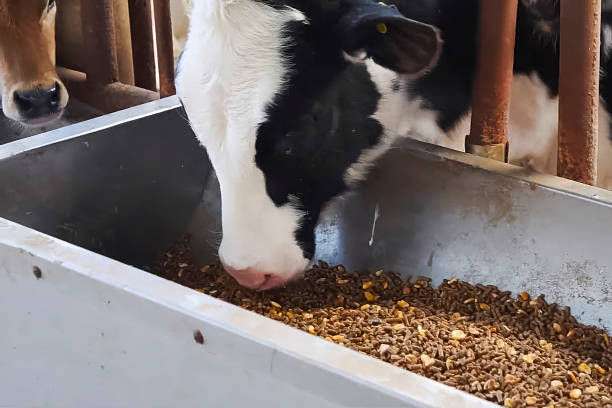
Supplementation needs in beef cattle focus on two main goals: supporting weight gain and reducing disease incidence within the herd.
The beef cattle finishing stage, which often involves high-starch diets and limited green forage, may carry a risk of vitamin A deficiency, trace mineral deficiency, and digestive disorders.
Supplementing vitamin A, vitamin E, mixed minerals, and digestive enzymes/probiotics during this stage may help cattle maintain stable health and better feed intake, although results depend on the base diet and management conditions.
Around 2–4 weeks before marketing or slaughter, some farmers may consider supplementing vitamins and minerals to support body condition if the diet or herd condition indicates a need.
However, if a product contains veterinary active ingredients, antibiotics, disease prevention or treatment components, or ingredients subject to residue regulations, farmers must follow the required withdrawal period on the product label and consult a veterinarian.
Supplementation for Dairy Cattle
High-producing dairy cows have high nutritional demands, especially during several key physiological stages.
Transition Period: 3 Weeks Before to 3 Weeks After Calving
This is the most vulnerable stage for cows, with increased needs for calcium, phosphorus, magnesium, vitamin E, and selenium.
Proper nutrition and mineral management during the transition period may help reduce the risk of some common post-calving problems, including milk fever and certain reproductive issues. However, these outcomes are multifactorial and should be monitored together with a veterinarian.
Peak Milk Period: Weeks 3–10 After Calving
Dairy cows use large amounts of energy and minerals while feed intake has not yet reached its peak. Balancing minerals and B vitamins during this stage may support energy metabolism and help maintain body condition.
Dry Period
This is when the cow prepares for the next lactation cycle and upcoming calving. Appropriate supplementation of vitamins A, D, and E, along with minerals, during the dry period may affect the health of newborn calves and the cow’s recovery after calving.
Supplementation for Calves
Calves require special attention because their digestive and immune systems are not fully developed.
From Birth to 2 Weeks of Age
Colostrum is the first essential source of antibodies and nutrients. Calves should receive colostrum as early as possible after birth, ideally within the first few hours.
If the dam is deficient in selenium and vitamin E, the calf may have a higher risk of white muscle disease. Some weak calves or calves with poor suckling may need micronutrient assessment and supplementation under veterinary guidance, depending on the specific cause.
From 2 Weeks of Age to Weaning
When calves begin to access roughage and concentrate feed, digestive enzymes or probiotics may be considered as supportive measures in some situations, especially during diet transition or when mild digestive disturbance is present.
However, diarrhea in calves may have many causes, including bacterial infection, parasites, viruses, colostrum management, housing hygiene, and stress. Therefore, probiotics should not be used as a substitute for identifying the cause.
For minerals and vitamins, only products suitable for calves should be used according to the manufacturer’s instructions or veterinary advice. Farmers should not use mineral blocks or products intended for adult cattle without checking the ingredients and recommended age.
After Weaning
This is one of the most stressful stages for calves. Vitamin and mineral needs may increase while digestion and absorption are still adapting.
Farmers should closely monitor weight gain, fecal condition, and clinical signs to adjust supplementation appropriately.
Quick Comparison Table: Vitamins – Minerals – Digestive Enzymes/Probiotics – Calf Supplements
| Supplement Group | Main Purpose | Used For | Priority Situations to Consider |
| Vitamins (A, D, E, B) | Support immunity, reproduction, vision, and metabolism | All cattle, especially dairy cows and calves | Housed systems, lack of green forage, pregnancy, after calving, after illness |
| Minerals | Bones, muscles, reproduction, electrolytes | Dairy cows, finishing beef cattle, pregnant cows, post-weaning calves | Mineral-poor areas, peak milk production, transition period after calving |
| Digestive enzymes / probiotics | Support rumen microbial balance and digestive function | Cattle undergoing diet changes, after antibiotic treatment, weaned calves | Sudden feed changes, after treatment, stressed cattle |
| Calf supplements | Support immunity, rumen development, and growth | Calves by stage, especially when there is risk of deficiency, diet transition, weaning, or veterinary indication | Weak calves, slow-growing calves, post-weaning calves, or calves with digestive disorders after the cause has been assessed |
Checklist: When Should Farmers Consider Nutritional Supplements for Cattle?
Based on Clinical Signs
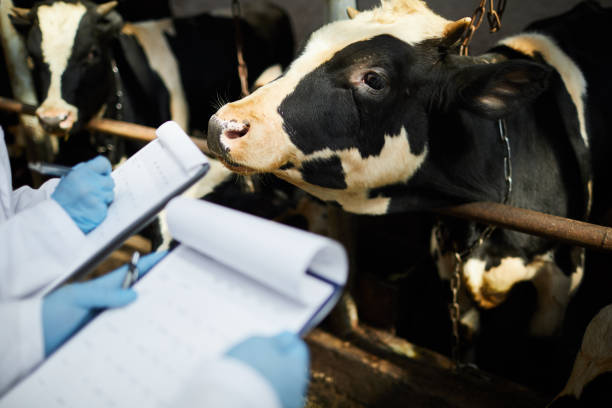
- Cattle are thin, with the spine and hip bones clearly visible despite adequate feed intake.
- Hair coat is rough or unusually faded, especially around the eyes.
- Prolonged poor appetite or less rumination than usual.
- Loose or abnormal feces without a clear disease cause.
- Calves grow slowly, have frequent diarrhea, or show weak muscles.
- Dairy cows show sudden or gradual milk production decline without a clear cause.
- Cattle lick soil, chew walls, or eat manure, which may be a sign of mineral deficiency.
- Low conception rate, frequent abortion, or frequent retained placenta.
Based on Production Stage
- Calves from birth to 4 months of age, before the rumen is fully developed.
- Calves during weaning and 4–6 weeks after weaning.
- Pregnant cows, especially during the last 6 weeks of gestation.
- Dairy cows 3 weeks before and 3 weeks after calving.
- Dairy cows at peak milk production.
- Finishing cattle fed high-starch diets.
- After disease outbreaks or after a treatment course.
Practical Guide: Principles for Using Supplements Correctly
Common Product Forms
Nutritional supplements for cattle are available in many forms:
- Injectable products: Some vitamin products are injectable and are used when rapid supplementation is needed or when cattle have poor feed intake, depending on indication and product label.
- Liquid or powder oral products: Convenient for mixing into drinking water or feed and can be used for the whole herd.
- Tablets or boluses: Often used for trace minerals, with slow and prolonged absorption.
- Mineral blocks: A passive mineral supplementation method, suitable for grazing cattle.
- Digestive enzyme/probiotic powders: Mixed into feed or drinking water.
Principles to Follow
Do Not Replace the Basic Diet
Supplements are only useful when the nutritional foundation — roughage, concentrate feed, and clean water — is already secured.
Supplementing vitamins and minerals while cattle are hungry or lacking basic feed will not deliver the expected results.
Do Not Overuse High Doses
For fat-soluble vitamins such as A, D, E, and K, excessive doses over a long period may cause toxicity. Vitamin D overdose can cause serious poisoning and affect multiple organs, so recommended dosages should be followed.
Trace minerals such as selenium also have a narrow safety margin. The difference between a deficient dose and a toxic dose is not large. Farmers should follow manufacturer instructions and veterinary advice when they are unsure about dosage.
Do Not Use Multiple Products with Overlapping Functions at the Same Time
If the diet already includes mineral supplements, mineral blocks, or vitamin premix, farmers should not add injectable or oral supplements without an overall assessment. Excess can be just as harmful as deficiency.
Follow the Withdrawal Period
Some supplements may have a withdrawal period before slaughter or before milk is used for consumption. Farmers should read the product label carefully and consult a veterinarian before using such products for lactating dairy cows or cattle close to marketing.
Consult a Veterinarian
This is especially important when cattle are under treatment, calves are still young, or the cause of poor health has not been identified. A veterinarian should assess the situation before farmers decide on the type and dosage of supplements.
Supplementing without understanding the cause of deficiency may mask signs of an underlying disease.
Note: The information in this article is for reference only and does not replace advice from a veterinarian or animal nutrition specialist. For sick cattle, young calves, recently calved dairy cows, cattle close to marketing, or cases requiring injectable products, veterinary active ingredients, or products subject to residue regulations, farmers should read the product label carefully and seek professional advice before use.
Common Mistakes When Using Nutritional Supplements for Cattle
Treating Supplements as the Only Solution for Poor Cattle Health
Slow growth in cattle is not always caused by vitamin or mineral deficiency. It may be due to intestinal parasites, chronic disease, poor-quality feed, or housing conditions.
Farmers should consider different possibilities. If supplementation does not lead to improvement, other causes should be investigated.
Using Products with Unclear Origin or No Legal Basis
The market includes many products advertised as “cattle tonics,” but some may have unclear ingredients.
Farmers should choose products with clear origin, legal registration or approval for circulation, and compliance with current regulations issued by veterinary authorities.
Supplementing Based on Guesswork Without Monitoring Results
After 2–4 weeks of supplementation, farmers should reassess whether body condition, weight gain, or milk yield has improved.
If there is no change, the underlying cause should be reviewed and the supplementation plan adjusted.
Ignoring Housing Infrastructure
Vitamins and minerals cannot compensate for damp housing, poor ventilation, contaminated drinking water, or excessive stocking density. These are factors that affect herd health and cannot be replaced by any supplement.
Frequently Asked Questions
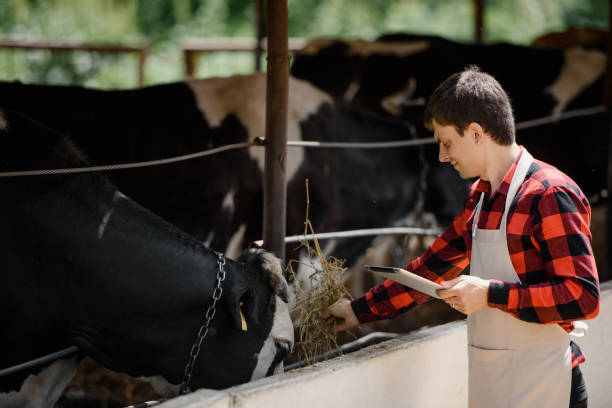
Should Slow-Growing Cattle Be Given Supplements Immediately?
Not necessarily. Farmers should first check whether the diet is nutritionally adequate and whether the animal may have intestinal parasites or an underlying disease.
Only after disease causes have been ruled out and the diet is relatively adequate should farmers assess whether a specific vitamin or mineral deficiency may be present and supplement with a clear target.
Do Newborn Calves Need Probiotics?
Newborn calves should first receive enough colostrum as soon as possible after birth. Probiotics should only be used when the product has instructions suitable for newborn calves or when veterinary advice is available.
In practice, probiotics are more often considered when calves begin diet transition, weaning, or show digestive disturbance. However, they should not replace investigation of diarrhea causes. If a calf stops suckling, has diarrhea, becomes dehydrated, weak, or feverish, a veterinarian should be contacted.
How Long Does It Take to See Results from Supplements?
This depends on the severity of deficiency and the type of supplement.
The time needed to see results depends on the cause, deficiency level, health status, base diet, and product used.
Some products may produce faster responses in suitable cases, but indicators such as body condition, weight gain, or milk yield usually need to be monitored over a sufficiently long period before evaluation.
For probiotics, farmers should monitor feed intake, fecal condition, rumination, and digestive stability. If cattle do not improve or show worse signs, a veterinarian should be contacted to investigate the cause.
Can Vitamins, Minerals, and Probiotics Be Used at the Same Time?
In principle, yes. However, farmers should make sure that total vitamin and mineral intake from all sources — diet, supplements, and premix — does not exceed recommended levels.
Probiotics usually have fewer conflicts with vitamins and minerals. However, when probiotics are used together with antibiotics, farmers should check the product instructions and ask a veterinarian about appropriate timing, because interactions depend on the specific product.
If a Dairy Cow Suddenly Produces Less Milk, Are Vitamins and Minerals Needed?
A sudden drop in milk yield may have many causes: stress, disease, feed changes, or hidden mastitis. Vitamin and mineral deficiency is only one possible cause.
A veterinary check should be conducted first to identify the cause. Supplementation should be decided only after that.
Can Supplements Help Reduce Treatment Costs?
They may help to some extent under certain farming conditions. Cattle with good resistance, stable digestion, and appropriate body condition tend to be less prone to disease.
However, supplements cannot replace vaccines, housing hygiene, and biosecurity measures in herd disease prevention.
Economic Perspective: Is Investing in Nutritional Supplements Worth It?
For farmers, every cost should be evaluated based on actual effectiveness. Nutritional supplements should not be treated as a routine expense. They should be viewed as a targeted investment under suitable conditions.
Proper nutritional management during the transition period in dairy cows may help reduce the risk of some post-calving problems such as milk fever and retained placenta. When these conditions occur, treatment costs are often much higher than preventive costs.
Similarly, appropriate supplementation during the weaning stage may help reduce digestive stress and support improved growth under some farming conditions, although results still depend on many other management factors.
Balanced principles:
- Prioritize supplementation by animal group and high-risk stage.
- Do not supplement the whole herd broadly if a specific problem has not been identified.
- Choose products suitable for farm scale. Large farms may use premixes mixed into feed, while smaller farms may use oral products or mineral blocks.
Optimize Cattle Nutrition and Herd Health at VIETSTOCK 2026
Supplementing vitamins, minerals, and digestive enzymes for cattle should be done at the right time, for the right animal group, and in line with the actual diet of each herd. For beef cattle, dairy cattle, and calves, using supplements is not only related to weight gain or milk yield, but also affects immunity, digestion, reproduction, and recovery after stress or illness.
VIETSTOCK 2026 is a specialized connection platform for farmers, farm owners, veterinarians, and businesses providing premixes, vitamins, minerals, probiotics, digestive enzymes, feed, animal nutrition solutions, and herd health management solutions. The event is expected to bring together more than 300 brands, over 10,000 m² of exhibition area, and 13,000 trade visitors from more than 40 countries and territories, creating opportunities for the livestock community to access solutions that help optimize diets, improve digestive efficiency, and enhance cattle herd productivity.
In beef cattle, dairy cattle, and calf production, the value of nutritional supplements depends on using the right product for the right animal group, diet, and production stage. The Vietnam Pavilion at VIETSTOCK 2026 gives Vietnamese companies a focused channel to showcase premixes, vitamins, minerals, probiotics, digestive enzymes, feed supplements, and animal nutrition solutions that help farms optimize diets, improve digestion, support immunity, and enhance cattle herd productivity.
With support from the Department of Animal Health and Production, companies participating in the Vietnam Pavilion may benefit from preferential participation support of up to 45%. This creates a practical opportunity for local suppliers to connect with beef cattle farms, dairy farms, distributors, veterinarians, and partners seeking targeted nutrition solutions for different cattle groups and production stages.
At VIETSTOCK 2026, attendees can:
- Explore vitamin, mineral, premix, probiotic, and digestive enzyme solutions for beef cattle, dairy cattle, and calves.
- Meet suppliers of feed, nutritional additives, biological products, and herd health management solutions.
- Access trends in diet optimization, digestion improvement, immune support, and productivity enhancement for cattle production.
- Connect with experts, businesses, and partners across the value chain: breeding stock, feed, animal health, farm equipment, production, and processing.
- Explore opportunities to join the Vietnam Pavilion to strengthen brand presence and expand international B2B connections.
Date: 21–23 October 2026
Venue: Saigon Exhibition and Convention Center (SECC), 799 Nguyen Van Linh Street, Ho Chi Minh City, Vietnam
Event website: https://www.vietstock.org/en/
Visitor registration: https://www.vietstock.org/en/online-registration-2/
If your business provides solutions in vitamins, minerals, premixes, digestive enzymes, probiotics, feed supplements, animal nutrition, or cattle herd health management, VIETSTOCK 2026 is an opportunity to gain visibility among the professional livestock and animal nutrition community, connect directly with potential customers, and expand partnerships across the livestock value chain.
👉 Book a stand at VIETSTOCK 2026 today to take advantage of a central location, available participation incentives, and global connection opportunities.
Contact:
- Exhibiting: Ms. Sophie Nguyen – [email protected]
- Visitor Support: Ms. Phuong – [email protected]
- Marcom Support: Ms. Anita Pham – [email protected]