Regulations on Antibiotic Use in Livestock Production in 2026: What Farms Need to Know
From 1 January 2026, livestock farms need to review antibiotic use more carefully, particularly in animal feed. Learn the key requirements for prescriptions, recordkeeping, withdrawal periods, and responsible antibiotic management.
From 1 January 2026, farms need to review the use of antibiotics in livestock production more carefully, especially antibiotics in animal feed used for disease prevention. The purchase, storage, and use of veterinary medicines containing antibiotics, as well as prescription management, treatment records, and withdrawal-period control before sale, need to be managed more strictly according to the legal documents currently in force.
For treatment cases, antibiotic use should be based on an appropriate diagnosis or professional indication. Farms need to comply with veterinary prescriptions where prescription requirements apply, product labels, withdrawal periods, and guidance from a person holding a practice certificate for animal disease prevention and treatment.
This article is for reference only. It does not provide treatment protocols, dosage instructions, or guidance intended to replace a veterinarian. When applying the information to a specific case, farms need to check the current legal documents, product labels, and advice from a veterinarian or competent authority.
Key Takeaways
- From 1 January 2026, the main area that farms need to review is the use of antibiotics in animal feed, especially for disease prevention purposes.
- Antibiotics used for growth promotion have already been removed from animal feed under a previous regulatory roadmap. For antibiotics used for disease prevention, farms need to carefully check the regulations currently in force.
- The use of veterinary medicines containing antibiotics needs to be controlled in terms of purpose of use, prescriptions, treated animals, records, and withdrawal periods.
- Farms should not arbitrarily mix antibiotics into feed or use antibiotics for blanket disease prevention without a clear legal basis, professional indication, and proper records.
- This article does not provide dosage, treatment protocols, or guidance that replaces a veterinarian. All decisions on medicine use should be based on product labels, prescriptions, diagnosis, and current regulations.
Background and Roadmap for Tightening Antibiotic Use in Vietnam’s Livestock Sector
From Growth Promotion to Control of Preventive Antibiotic Use
Vietnam’s roadmap for managing antibiotics in livestock production did not happen suddenly. It has been implemented step by step to reduce antibiotic overuse, limit the risk of antimicrobial resistance, and meet increasingly strict food safety requirements.
This roadmap can be viewed through several key stages:
2018: Vietnam began phasing out the use of antibiotics for growth promotion in animal feed. This was an important step toward stricter antibiotic management and aligned with the broader direction of many international markets.
2020–2025: Requirements related to the use of veterinary medicines containing antibiotics, prescriptions, recordkeeping, management of medicated feed containing antibiotics, and residue control continued to be clarified through legal documents and specialized guidance. Farms need to check the documents currently in force to determine their specific obligations in each case.
From 1 January 2026: The use of antibiotics for disease prevention in animal feed needs to be reviewed carefully under the published regulatory roadmap. After this date, farms should be more cautious with any form of antibiotic use outside treatment purposes. They also need to ensure appropriate professional indication, prescriptions, and records when using veterinary medicines containing antibiotics.
This roadmap has had several years of preparation. However, many small and medium-sized farms may still not have completed their antibiotic management systems, from purchasing and storage to recordkeeping, prescription management, and withdrawal-period control. These are risk areas that should be addressed early before stricter implementation begins.
Why Is Antibiotic Management in Livestock Production Being Tightened?
There are three main reasons why antibiotic management in livestock production is receiving more attention.
The first is antimicrobial resistance, or AMR. When antibiotics are used excessively, especially at low doses for long periods or routinely for disease prevention, bacteria can develop resistance. AMR is not only a livestock industry issue but also a global public health threat.
The second is antibiotic residues in food. If animals are sold before the withdrawal period is completed, products such as meat, eggs, or milk may carry a risk of antibiotic residues exceeding permitted limits. This affects food safety, farm reputation, and the ability to participate in supply chains with strict control requirements.
The third is market and integration pressure. Major import markets often have strict regulations on antibiotic residue limits, traceability, and medicine-use records. To participate more deeply in modern supply chains, farms and livestock businesses need to shift from routine preventive antibiotic use toward controlled herd and flock health management.
What Purposes Are Antibiotics Used for in Livestock Production?
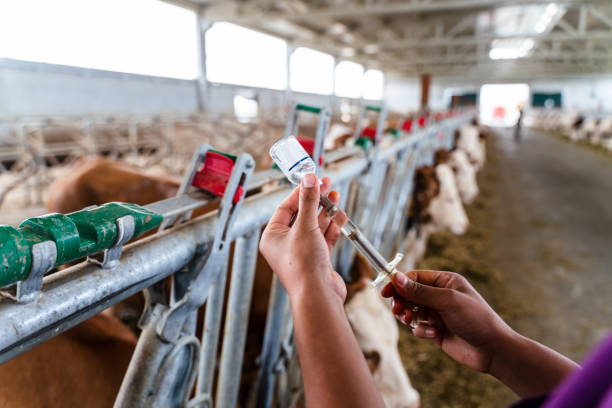
In antibiotic management practice, farms can distinguish several main purposes of use. However, when applying these concepts in Vietnam, the terminology and permitted scope need to be checked against the legal documents currently in force, because not every professional classification corresponds directly to wording used in legal regulations.
Disease treatment:
This refers to the use of veterinary medicines containing antibiotics when animals are diagnosed or professionally assessed as having a bacterial disease. Use must follow the prescription, product label, correct dosage, correct route of administration, correct treatment duration, and correct withdrawal period.
Disease prevention or prophylactic use:
This refers to the use of antibiotics in animals that do not yet show clear signs of disease to reduce disease risk. For animal feed, disease prevention is the category that needs special review under the roadmap applicable from 1 January 2026. Farms should not continue routine blanket preventive antibiotic use without checking current regulations and without appropriate professional indication.
Group treatment when disease signs have appeared in the herd or flock:
In some situations, when part of a herd or flock shows signs of disease and there is a risk of spread, a veterinarian may assess whether treatment should be applied to the related group of animals. This requires diagnosis, professional indication, a valid prescription if the product is subject to prescription requirements, and clear records. Group treatment does not replace isolation, cleaning, biosecurity, herd or flock health monitoring, or disease-response requirements where applicable.
Growth promotion:
This refers to the use of antibiotics at low doses over long periods to improve growth rate or feed efficiency. This purpose has already been removed from animal feed under the previous regulatory roadmap and should not be considered a lawful option in current livestock practice.
Current Legal Framework Farms Need to Understand
Groups of Legal Documents to Check
Antibiotic management in livestock production is related to multiple groups of legal documents, including the Law on Animal Husbandry, the Law on Veterinary Medicine, implementing decrees, circulars on veterinary medicine management, veterinary prescriptions, animal feed management, and administrative penalty regulations currently in force.
Before using this article as an internal guidance document, farms or editors should check the relevant documents directly through official sources to confirm:
- document titles and reference numbers;
- issuing authorities at the time of issuance;
- scope of application;
- regulations on veterinary medicines containing antibiotics;
- regulations on animal feed containing antibiotics;
- the implementation roadmap from 1 January 2026;
- requirements on prescriptions, records, and withdrawal periods;
- administrative penalties for violations.
Note: Legal documents in livestock production and veterinary medicine may be updated, amended, or replaced. Farms should regularly check the documents in force at the time of application or consult the local livestock and veterinary authority directly for the most accurate information.
Regulations on Prescribing, Selling, and Using Veterinary Medicines Containing Antibiotics
In practice, veterinary medicines containing antibiotics are often controlled at three main stages: prescribing, selling, and farm-level use.
Prescribing:
For antibiotics included in prescription-only lists or groups requiring special management, use requires a prescription from a person holding a practice certificate for animal disease prevention and treatment, in accordance with current regulations. The prescription should clearly state important information such as:
- product name;
- dosage;
- route of administration;
- treatment duration;
- treated animals;
- withdrawal period before slaughter or product harvest.
Selling:
Veterinary medicine businesses need to comply with regulations on selling veterinary medicines containing antibiotics, especially products included in prescription-only lists. Farms should purchase medicines from qualified businesses with invoices, supporting documents, and clear product information.
Use at farm level:
Farm owners need to ensure that antibiotics are used for the right purpose, in the right animals, at the right dose, through the right route, for the right treatment duration, and with the correct withdrawal period. All use should be recorded fully for internal management, inspection, and traceability when needed.
Responsibilities of Farm Owners, Veterinarians, and Feed Suppliers
Antibiotic management is not the responsibility of farm owners alone. To reduce risk, the roles of all relevant parties need to be clearly defined.
Farm owners:
Do not purchase or use antibiotics arbitrarily without an appropriate professional basis. Do not mix antibiotics into feed on your own. Keep full records of medicine use. Comply with withdrawal periods. Store records for inspection, traceability, and internal evaluation.
Veterinarians or people holding a practice certificate for animal disease prevention and treatment:
Assess herd or flock health, diagnose disease, prescribe or guide medicine use where appropriate, avoid excessive prescribing, and take professional responsibility for treatment indications in accordance with regulations.
Animal feed manufacturers and suppliers:
Review the use of veterinary medicines containing antibiotics in their products, purposes of use, production conditions, labeling, quality records, and instructions for use according to current regulations, especially before and after 1 January 2026.
From 1 January 2026: How Should Farms Review Antibiotic Use?
Summary Table by Purpose of Use
The table below is only for internal review guidance. It does not replace legal documents, prescriptions, product labels, or guidance from competent authorities.
| Purpose of use | Before 2026 | From 1 January 2026 | Conditions to review |
| Growth promotion | Already removed under the previous regulatory roadmap | Should not be used | Check current regulations and the list of products permitted for circulation |
| Disease prevention in animal feed | Managed under a restricted roadmap | Requires special review under regulations applicable from 1 January 2026 | Identify scope of application, transitional conditions, and exceptions if any |
| Disease prevention outside feed, such as injection or drinking-water administration | Needs to be managed under professional indication | Needs to be assessed under current regulations | Do not apply according to a fixed schedule without appropriate veterinary indication |
| Group treatment when disease signs have appeared in the herd or flock | May be considered when there is a professional basis | May be considered when there is a professional basis | Requires diagnosis, veterinary indication, prescription if the product is prescription-only, treatment records, and suitable isolation/biosecurity measures |
| Disease treatment | May be used when professional and legal conditions are met | May be used when professional and legal conditions are met | Requires diagnosis, prescription if the product is prescription-only, use according to the label, and compliance with the withdrawal period |
This table should not be used to decide on medicine use independently. Farms need to check the legal documents currently in force and consult a veterinarian before applying any measure in a specific case.
Regulations by Method of Use: Injection, Oral Use, Drinking Water, and Feed
In addition to the purpose of use, farms also need to distinguish the route and method through which antibiotics are administered to animals.
In animal feed:
From 1 January 2026, adding antibiotics to feed for disease prevention requires special review under the regulatory roadmap. If feed containing veterinary medicines with antibiotics is used for treatment purposes, farms need to ensure that the medicine is permitted for circulation, instructions for use are appropriate, a prescription or professional indication is available where required, and full records are kept.
In drinking water:
Mixing veterinary medicines containing antibiotics into drinking water should follow professional indication, correct dosage, correct duration, and clear records. Farms should not mix antibiotics into drinking water for blanket disease prevention without an appropriate veterinary basis.
Injection:
Injection is often used for individual animals or groups of animals with specific health problems. Antibiotic injection must follow the veterinarian’s instructions, product label, storage conditions, and withdrawal period.
Mixing antibiotics into feed at the farm:
This is a high-risk practice if there is no veterinary prescription, dosage cannot be controlled, medicine origin is unclear, or unauthorized active ingredients are used. Farms should not arbitrarily mix antibiotics into feed or use antibiotics for blanket disease prevention without a clear legal basis, professional indication, and proper records.
Conditions Required When Antibiotics Are Used for Treatment
To better control the use of veterinary medicines containing antibiotics on farms, the following basic conditions should be met:
- There is a diagnosis or professional assessment from a veterinarian or certified practitioner that the disease may be bacterial.
- A prescription or appropriate indication is available for products included in prescription-only lists or groups requiring special management.
- The medicine used is a veterinary medicine permitted for circulation, with a clear label, origin, and instructions for use.
- Use follows the correct dose, route, treated animals, and duration according to the prescription or professional guidance.
- The withdrawal period before slaughter or product harvest is followed.
- Full records are entered into the veterinary logbook or the farm’s internal management system.
Principles for Responsible Antibiotic Use in Livestock Production
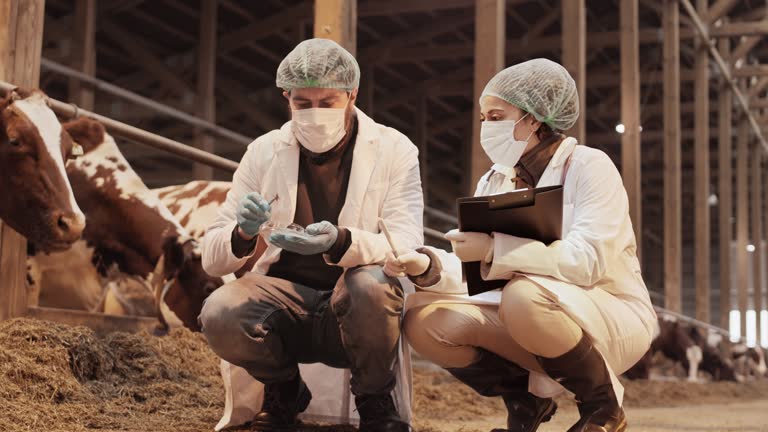
The Right Disease – Right Medicine – Right Dose – Right Duration – Right Route – Right Animals Principle
The “five rights” or “six rights” principle is often used in veterinary practice to help farms use medicines more safely and responsibly.
Right disease:
Use antibiotics only when there is evidence or professional assessment indicating a bacterial disease. Do not use antibiotics to directly treat viral diseases. If bacterial secondary infection is suspected or the disease situation is complex, consult a veterinarian before use.
Right medicine:
Select an antibiotic suitable for the causative agent, animal species, route of administration, and herd or flock health status. Where available, antimicrobial susceptibility testing can support more appropriate product selection.
Right dose:
Use the correct dose according to the prescription, product label, or veterinarian’s instructions. Do not reduce the dose arbitrarily, as this may reduce treatment effectiveness and contribute to selection pressure for resistant bacteria.
Right duration:
Do not stop treatment early when animals show signs of recovery, and do not extend the treatment course without professional indication. Treatment duration should follow the prescription or product instructions.
Right route:
Use the medicine through the correct route, such as injection, oral administration, drinking water, or feed mixing, according to instructions. Do not change the route arbitrarily, as this may affect effectiveness, safety, and withdrawal period.
Right animals:
Clearly identify the individual animal, pen, group, or batch that needs treatment. Avoid blanket use across the entire herd or flock without a professional basis, as this increases cost, residue risk, and antimicrobial resistance risk.
Use Antibiotics Only With Diagnosis and Veterinary Indication
This principle not only helps farms comply better with regulations but is also essential professional practice in modern livestock production.
Using antibiotics without a diagnosis can lead to many risks:
- wrong medicine use;
- masking disease symptoms;
- delayed handling of the real cause;
- increased risk of antibiotic residues;
- selection pressure for resistant bacteria in the herd or flock.
Many cases involving veterinary medicines containing antibiotics require a prescription from a person holding a practice certificate for animal disease prevention and treatment. Farms need to check the medicine list and current regulations to determine which products require a prescription, which products require special management, and which records must be kept.
To reduce risk, farms should establish a regular working relationship with the veterinarian in charge. This helps farms access timely diagnosis, prescriptions, and handling guidance when abnormal signs appear in the herd or flock.
Record Dosage, Withdrawal Periods, and Residue Control
The withdrawal period is the minimum time from the final medicine administration until the animal or animal product may be sold, slaughtered, or harvested. Each medicine has a different withdrawal period, which is usually stated on the product label, instructions for use, or prescription.
Farms should record at least the following information:
- treatment start date;
- treatment end date;
- medicine name;
- active ingredient, if any;
- medicine batch number and expiry date;
- dosage;
- route of administration;
- treated animals;
- applicator;
- prescriber or person providing professional indication;
- withdrawal period;
- expected date when sale is permitted.
Animals or animal products should not be sold before the withdrawal period is completed. If this requirement is violated, farms may face the risk of antibiotic residues in products, complaints from buyers, removal from supply chains, or responsibility under current regulations.
Responsible Antibiotic Use in the Context of Sustainable Livestock Production
“Responsible antibiotic use” is an approach promoted by many international organizations and food supply chains to reduce antibiotic overuse, protect treatment effectiveness, and improve food safety.
In practice, this means:
- prioritizing disease prevention through biosecurity, vaccination, and herd or flock management instead of relying on antibiotics;
- using antibiotics only when truly necessary and with professional indication;
- limiting the use of antibiotics that are important to human medicine if suitable alternatives are available, based on veterinary assessment and current regulations;
- keeping full records and monitoring;
- not shortening or extending treatment courses arbitrarily;
- complying with withdrawal periods;
- regularly reassessing the farm’s disease prevention program.
This is also a criterion increasingly considered by buyers, retailers, processors, and export markets when evaluating supply chains.
Antibiotics in Animal Feed: Regulations and Farm-Level Requirements
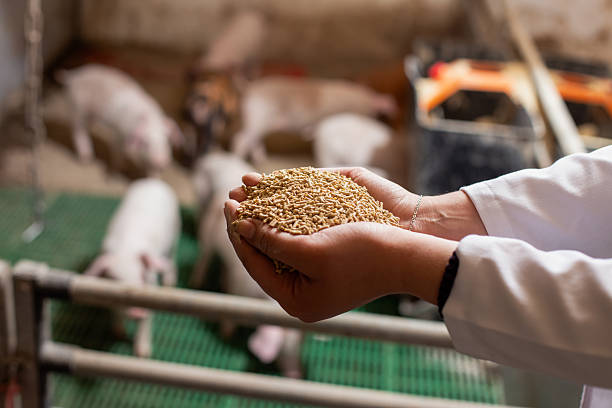
Conditions to Check When Animal Feed Contains Antibiotics
Before 1 January 2026, if a farm uses animal feed containing veterinary medicines with antibiotics, the following conditions should be reviewed:
- whether the antibiotic is a veterinary medicine permitted for circulation in Vietnam;
- whether the product has clear origin, label, batch number, and expiry date;
- whether the purpose of use is treatment, disease prevention, or another purpose;
- whether there is a suitable prescription or professional indication;
- whether the feed mill meets production and quality-control conditions under regulations;
- whether the product label clearly states ingredients, content, instructions for use, and withdrawal period;
- whether the farm keeps full records of product purchase and use.
From 1 January 2026, farms need to be particularly cautious with animal feed containing antibiotics for disease prevention purposes. Before continuing to use any product in this category, farms need to check current regulations and discuss with a veterinarian or local specialized authority.
Roadmap for Restricting Preventive Antibiotics in Feed and Key Milestones
The roadmap for managing antibiotics in animal feed is designed to gradually narrow purposes of use that are no longer suitable for safe and sustainable livestock production.
It can be summarized as follows:
Before 2018:
Antibiotics were once used more commonly in animal feed, including for purposes such as growth promotion and disease prevention.
From 2018:
The use of antibiotics for growth promotion in animal feed was removed under the regulatory roadmap.
2020–2025:
The use of antibiotics in animal feed, especially for disease prevention, continued to be managed more strictly through requirements on prescriptions, conditions of use, records, and quality control.
From 1 January 2026:
Antibiotics used for disease prevention in animal feed are a group requiring special review. Farms and feed mills need to recheck all products being used and avoid continuing products that are no longer suitable under current regulations.
What Farms Need to Check When Buying and Using Feed Containing Antibiotics
When purchasing animal feed, farms should carefully check the following:
- Does the product label list antibiotic ingredients?
- If yes, which antibiotic group is included?
- What is the antibiotic used for?
- Does the product have clear instructions for use?
- Is the withdrawal period stated?
- Is a veterinary prescription or professional indication required?
- Can the supplier prove product origin and legal status?
- Does the product have a clear batch number, expiry date, and purchase documents?
- Is the product compliant with the regulations applicable at the time of use?
From 1 January 2026, if feed still contains antibiotics for disease prevention, farms should pause and check compliance before continuing to use it. Depending on roles and level of involvement, improper use of feed containing antibiotics may create responsibility for the relevant parties, including farm owners, suppliers, and manufacturers.
Farm-Level Antibiotic Management: From Internal Rules to Inspection Records
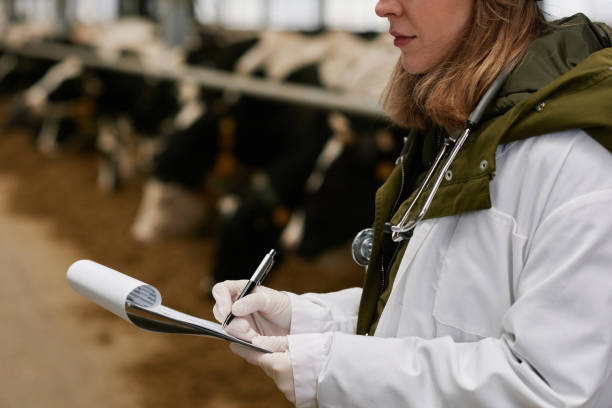
Establish Internal Rules for Antibiotic Use
Internal antibiotic-use rules help farms standardize how veterinary medicines containing antibiotics are purchased, stored, prescribed, used, recorded, and controlled. This is not only a compliance tool but also helps reduce errors in daily operations.
An effective internal policy should include:
- a list of veterinary medicines containing antibiotics permitted to be stored and used on the farm;
- a process for requiring prescriptions or professional indications before use;
- the person assigned to contact the veterinarian;
- the person authorized to manage the medicine storage area;
- the person responsible for recordkeeping;
- storage methods according to manufacturer instructions;
- expiry-date inspection rules;
- withdrawal-period rules;
- pre-sale control procedures;
- procedures for handling expired, damaged, or unclear-origin medicines;
- response procedures when wrong medicine, wrong dose, or wrong animals are identified.
These internal rules help farms become more proactive during inspections and demonstrate a good-faith approach to compliance and internal management capacity.
Recordkeeping, Medicine Inventory Management, and Residue Control Before Sale
The veterinary logbook or medicine management system should track important information, including:
- date of use;
- medicine name;
- active ingredient, if any;
- batch number;
- expiry date;
- purpose of use;
- pen, group, or individual animal treated;
- dosage;
- route of administration;
- applicator;
- name of prescriber or person providing professional indication;
- prescription number, if any;
- treatment end date;
- withdrawal period;
- expected date when sale is permitted.
Medicine inventory should also be managed systematically:
- record stock-in and stock-out for each medicine;
- check expiry dates periodically;
- remove expired medicines according to regulations;
- store medicines according to manufacturer instructions;
- do not store medicines of unclear origin;
- do not store products that are not compliant with current regulations;
- separate medicines in use, medicines pending handling, and medicines to be removed.
Before sale, farms need to cross-check each animal batch against treatment records and withdrawal periods. Batches that are under treatment or still within the withdrawal period should be clearly marked to prevent accidental sale.
Preparing Records for Inspection by Authorities or Buyers
When veterinary authorities, food safety authorities, buyers, or certification bodies conduct inspections, farms should prepare the following record groups:
- veterinary logbook or medicine-use records for the period required by current regulations, certification programs, or buyers;
- prescriptions or professional indications corresponding to each use of veterinary medicines containing antibiotics;
- invoices and purchase documents for medicines bought from licensed veterinary medicine businesses;
- medicine inventory records;
- list of medicines currently stored;
- receiving date;
- quantity;
- batch number;
- expiry date;
- internal antibiotic-use rules, if any;
- sale records and withdrawal-period control records.
Complete and systematic records not only help farms meet inspection requirements but can also support participation in safe livestock certification programs, VietGAHP, or supply chains that require traceability.
Reducing Antibiotic Dependence: What Farms Need to Prepare
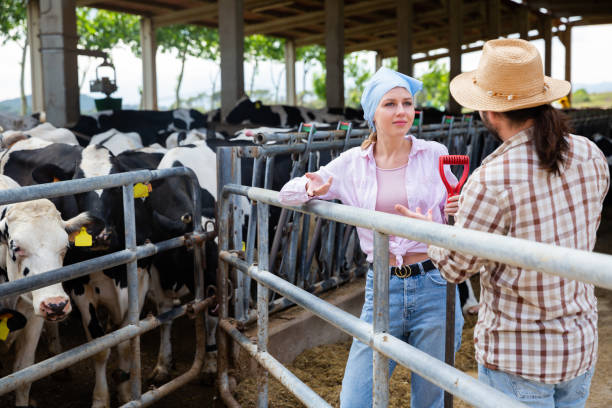
Biosecurity, Vaccination, and Herd Management as the Foundation of Proactive Disease Prevention
As preventive antibiotic use in animal feed is controlled more strictly, farms need to shift their focus toward proactive disease prevention. This is a more sustainable approach than relying on antibiotics to manage risks after problems have already appeared.
Three important pillars include:
Biosecurity:
Control people, vehicles, tools, animal sources, newly introduced animals, waste, carcasses, and isolation areas. Good biosecurity helps reduce the risk of pathogen introduction and spread within the herd or flock, especially when combined consistently with housing hygiene, stocking-density management, and animal health monitoring.
Vaccination:
A vaccination program suited to each animal species, age, disease situation, and farm scale is an important foundation for disease prevention. Farms should build vaccination schedules with veterinary consultation and should not change vaccination schedules or skip important doses arbitrarily.
Herd and flock management:
Factors such as stocking density, ventilation, temperature, humidity, water quality, feed quality, stress, housing hygiene, animal grouping, and isolation directly affect the natural resistance of the herd or flock. When these factors are well controlled, farms can reduce disease outbreak risk and reduce the need for antibiotic treatment.
Nutrition, Probiotics, Herbal Products, and Immune-Support Solutions
Solutions such as balanced nutrition, probiotics, prebiotics, herbal products, organic acids, enzymes, and functional feed additives should only be considered supporting measures in an overall management program. They do not replace antibiotics when animals have bacterial disease and do not replace diagnosis or veterinary indication.
Balanced nutrition:
Rations need to provide sufficient energy, protein, vitamins, minerals, and essential factors according to each animal species, growth stage, and production objective.
Probiotics and prebiotics:
These may support gut microbiota balance and digestive health, depending on the product, inclusion level, animal species, and conditions of use. They should not be presented as disease-treatment medicines or substitutes for antibiotics in bacterial disease cases.
Herbal products and functional feed additives:
Some products may support immunity, digestion, or gut health. However, effectiveness depends on ingredients, content, product quality, animal species, and practical use.
Organic acids:
These may support the gut environment and feed or drinking-water quality management, depending on product type and conditions of application.
Digestive enzymes:
These may support digestion and nutrient absorption, especially when used with the right ration type and production stage.
Water quality management:
Clean and stable drinking water that is monitored regularly helps reduce digestive disorder risks and supports overall herd or flock health.
These solutions do not completely replace antibiotics in every situation and do not replace veterinary diagnosis or indication when animals show disease signs. However, when integrated properly into an overall management program, they may help reduce how often antibiotic treatment is needed.
Approaches Used by Lower-Antibiotic Farm Models in Vietnam
In Vietnam, some large-scale farms, integrated production models, and businesses targeting stricter markets are paying more attention to reducing antibiotic dependence. The level of implementation may vary depending on farm scale, animal species, housing conditions, technical capacity, and buyer requirements.
Common approaches include:
- upgrading to enclosed or semi-enclosed housing systems;
- controlling the rearing environment;
- applying a suitable vaccination program;
- using feed without antibiotics for disease prevention;
- adding functional feed additives where there is a suitable basis;
- building proactive herd and flock health monitoring systems;
- standardizing medicine-use records;
- implementing batch-based traceability;
- training staff in early disease detection, isolation, and recordkeeping.
The transition often requires initial investment in infrastructure, staff training, and operational process adjustment. In the long term, however, farms may reduce compliance risks, improve their ability to participate in higher-standard supply chains, and build an image of responsible production.
VIETSTOCK may further develop in-depth content and case studies on antibiotic management, biosecurity, responsible livestock production, and lower-antibiotic farm models within its industry content series.
Common Mistakes, Violation Consequences, and Compliance Checklist Toward 2027

Common Violations
In practice, many antibiotic-related risks on farms come from daily operating habits. Common sources of error include:
Using antibiotics for blanket disease prevention across the whole herd or flock:
No diagnosis, no veterinary prescription, or use based on habit or a fixed schedule without assessing the actual health status of the animals.
Mixing antibiotics into feed at the farm:
Dosage cannot be controlled, medicines may have unclear origin, or active ingredients may not be suitable under current regulations.
No recordkeeping:
Missing information on date of use, medicine name, dosage, route of administration, treated animals, prescription, or withdrawal period.
Failure to comply with withdrawal periods:
Selling animals or animal products before the withdrawal period is completed.
Storing expired or unclear-origin medicines:
This increases the risk of wrong medicine use, wrong dosage, or regulatory violations.
Buying medicines from unqualified suppliers:
No invoices, supporting documents, or clear product information.
Changing dosage and treatment course arbitrarily:
Not following the prescription, product label, or veterinarian’s instructions.
Consequences: Administrative Penalties, Removal from Supply Chains, and Export Risks
Consequences of antibiotic-related violations can occur at several levels.
Administrative penalties:
Depending on the behavior and severity of the violation, farms may be penalized under regulations on veterinary medicine, animal husbandry, food safety, or veterinary medicine management. The specific penalty level should be checked against the administrative penalty regulations in force at the time the violation occurs.
Removal from supply chains:
Buyers, processors, supermarkets, and export supply chains are paying increasing attention to veterinary medicine records. Farms that do not meet requirements may face suspended purchasing, loss of contracts, or ineligibility for certification programs.
Export risks:
If products contain antibiotic residues above permitted limits, businesses may face refusal at border checkpoints, return shipments, destruction, increased inspection frequency, or reputational damage in the market.
Antibiotic Compliance Checklist for Farms by 1 January 2026
Legal and Internal Policy
- Current regulations on the use of veterinary medicines containing antibiotics in livestock production have been reviewed.
- Internal antibiotic-use rules have been developed or updated.
- A veterinarian or person holding a practice certificate for animal disease prevention and treatment provides professional support.
- The person responsible for medicine inventory control has been identified.
- Sale procedures have been updated based on withdrawal periods.
- A legal document source or specialized authority has been identified for checking information when needed.
Purchasing, Storage, and Use of Antibiotics
- Veterinary medicines containing antibiotics are purchased only from qualified veterinary medicine businesses.
- Only medicines with clear origin, label, batch number, expiry date, and purchase documents are stored.
- The medicine storage area is managed systematically.
- Expiry dates are checked periodically.
- Each use of prescription-only medicines has a veterinary prescription or appropriate professional indication.
- Antibiotics are not used for blanket disease prevention without clear professional and legal basis.
- Antibiotics are not used for growth promotion.
- Antibiotics are not mixed into feed without a suitable prescription or guidance.
- Medicines of unclear origin are not used.
Records and Residue Control
- All uses of veterinary medicines containing antibiotics are recorded in the veterinary logbook or internal management system.
- Corresponding prescriptions or professional indications are stored.
- Treatment start and end dates are recorded.
- Withdrawal periods are tracked.
- Animals or animal products are not sold before the withdrawal period is completed.
- Treatment records are checked before every sale.
Animal Feed and Reduced Antibiotic Dependence
- All feed products currently used have been reviewed.
- Products containing antibiotics have been identified.
- The purpose of use for antibiotic-containing products has been identified.
- There is a plan to switch to feed without antibiotics for disease prevention if current products are no longer compliant from 1 January 2026.
- Biosecurity has been assessed and improved.
- A suitable vaccination program is in place.
- Nutrition, herd and flock management, and water quality improvement plans are in place.
- Staff have been trained on new regulations and recordkeeping procedures.
Frequently Asked Questions About Antibiotic Use Regulations in Livestock Production in 2026
From 1 January 2026, in what cases can farms still use antibiotics?
After 1 January 2026, farms need to be particularly cautious with antibiotic use outside treatment purposes. For veterinary medicines containing antibiotics used to treat disease, use should be based on a suitable diagnosis or professional assessment, with a prescription if the medicine is prescription-only, and in compliance with the product label, withdrawal period, and recordkeeping requirements.
For antibiotics used for disease prevention in animal feed, farms need to check current regulations on the scope of application from 1 January 2026. They should not continue using such products based on habit or a fixed schedule without a clear legal and professional basis.
Group treatment when part of a herd or flock has disease signs may be considered by a veterinarian, but it requires diagnosis, professional indication, a valid prescription if the product is prescription-only, and full records.
Is short-term whole-herd preventive antibiotic use considered a violation?
If there is no diagnosis, no professional indication, and no valid prescription where the medicine is prescription-only, using antibiotics for the whole herd or flock, even for a short period, may still create compliance risk.
The boundary between “blanket disease prevention” and “group treatment when disease has appeared in the herd or flock” depends on the actual health status of the animals, diagnosis, veterinary indication, treatment records, and current regulations. Farms should not decide on their own and should consult a person holding a practice certificate for animal disease prevention and treatment.
Is a veterinary prescription required for every antibiotic use on farms?
For veterinary medicines containing antibiotics included in prescription-only lists, each use requires a valid prescription under regulations. For other cases, farms should still have professional indication, keep full records, and check current regulations to ensure correct purpose, correct medicine, and correct withdrawal period.
Prescription-only medicine lists and specific requirements may change through legal documents. Farms should check with a veterinarian or local livestock and veterinary authority for accurate confirmation.
How should small farms and household farms record antibiotic use?
Regardless of farm size, recording medicine use is important for residue control, traceability, and demonstrating responsible medicine use.
For smallholder farms, recordkeeping can be simpler, but at a minimum it should include:
- date of medicine use;
- medicine name;
- number of animals treated;
- dosage;
- route of administration;
- treatment end date;
- withdrawal period;
- expected sale date;
- prescription or person providing indication, if any;
- medicine purchase invoice, if any.
The specific format should be checked against current regulations, local specialized authority requirements, certification programs, or buyer requirements.
How can a farm start moving from antibiotic overuse to a lower-antibiotic model?
The first step is to assess the farm’s current antibiotic use:
- How many times are antibiotics used in one production cycle?
- What are they used for?
- Which antibiotics are used most often?
- How many uses have no prescription or clear professional indication?
- Which diseases make the farm use antibiotics frequently?
- Are there housing, hygiene, drinking-water, nutrition, or stocking-density factors that increase disease risk?
From there, the farm can identify areas to improve through vaccination, biosecurity, stocking-density management, water quality, nutrition, stress reduction, housing environment improvement, and early disease detection.
Antibiotics should not be cut abruptly if the herd or flock is still at high disease risk. The transition needs a roadmap, starting with uses that are easiest to replace, and should be supported by a veterinarian to ensure animal health is not negatively affected.
Supporting Responsible Antibiotic Use at VIETSTOCK 2026
The transition toward more responsible antibiotic use requires farms and livestock businesses to strengthen disease prevention before treatment becomes necessary. This includes improving biosecurity, vaccination programs, nutrition, environmental control, early diagnosis, medicine records, and withdrawal-period management.
At VIETSTOCK 2026, farmers, veterinarians, feed manufacturers, animal-health businesses, and livestock producers can explore technologies and practical solutions that support this transition.
Visitors can:
- Discover vaccines, diagnostic equipment, and herd and flock health-monitoring technologies that support earlier disease detection.
- Explore probiotics, prebiotics, organic acids, enzymes, and other feed solutions that support gut health, immunity, and animal resilience.
- Review software for managing veterinary medicines, prescriptions, treatment records, and withdrawal periods.
- Connect with animal-health companies, feed manufacturers, biosecurity specialists, and farm-management technology providers.
- Exchange practical insights on lower-antibiotic production models, traceability, and responsible medicine use across livestock supply chains.
Expected to feature more than 300 brands, over 10,000 sqm of exhibition space, and 13,000 trade visitors from more than 40 countries and territories, VIETSTOCK 2026 creates opportunities for industry stakeholders to explore safer, more transparent, and more sustainable approaches to livestock production.
Alongside the exhibition and business-networking activities, VIETSTOCK 2026 will also organize an On-Farm Seminar Series, bringing practical knowledge on herd and flock management, disease prevention, biosecurity, and livestock-production efficiency to key livestock regions.
Date: 21–23 October 2026
Venue: Saigon Exhibition and Convention Center – SECC, 799 Nguyen Van Linh Street, Tan My Ward, Ho Chi Minh City, Vietnam
Event website: https://www.vietstock.org/en/
👉 Register to visit VIETSTOCK 2026 and explore solutions supporting responsible antibiotic use, proactive disease prevention, and stronger livestock-health management:
https://www.vietstock.org/en/online-registration-2/
👉 Learn more about the VIETSTOCK 2026 On-Farm Seminar Series:
https://www.vietstock.org/en/event-features/vietstock-2026-livestock-roadshows-bringing-industry-knowledge-to-key-livestock-regions/
CONTACT INFORMATION:
Exhibiting: Ms. Sophie Nguyen – [email protected]
Visitor Support: Ms. Phuong – [email protected]
Marcom Support: Ms. Anita Pham – [email protected]