Veterinary Drug Withdrawal Periods: How to Calculate the Earliest Sale or Slaughter Date
Veterinary drug withdrawal periods are the minimum waiting time after the final dose before livestock can be sold or slaughtered, or products such as milk and eggs can enter the food chain. This guide explains how to calculate release dates and manage treatment records correctly.
A veterinary drug withdrawal period is the minimum time that must pass after the final administration of a veterinary medicine before:
- An animal may be slaughtered;
- Milk may be collected for sale or processing;
- Eggs may enter the food chain;
- Other edible animal products may be harvested or marketed.
The purpose of the withdrawal period is to allow the animal’s body enough time to metabolize and eliminate the medicine so that residues in meat, milk, eggs, or other edible tissues do not exceed the applicable maximum residue limit.
The withdrawal period is not the same as the treatment period.
A medicine may be administered for several days, but the withdrawal countdown generally begins only after the final dose. If another dose is later administered, the withdrawal period must be recalculated from that new final dose.
For farms, the main operational risk is not simply forgetting the number of withdrawal days. Problems often arise because:
- The final dose is not recorded;
- Different animal batches are mixed;
- The wrong species information is read from the label;
- A meat withdrawal period is applied to milk or eggs;
- Several medicines are used but only one is checked;
- An additional dose is given without updating the sale date;
- The sales or loading team does not receive the treatment information.
Withdrawal-period control should therefore be managed as a release process for each animal or production batch, not as a calculation kept only by the person administering the medicine.
Professional and Legal Note
This article provides general operational guidance. It does not replace:
- The approved product label;
- Package insert;
- Veterinary prescription;
- Instructions from the manufacturer;
- Guidance from the veterinarian in charge;
- Requirements of competent authorities;
- Buyer, processor, certification, or export-market standards.
Do not use the illustrative numbers in this article as withdrawal periods for any real product.
The actual withdrawal period must be taken from the instructions for the specific veterinary medicine, animal species, dosage form, route of administration, dosage, and edible product involved.
1. The Core Rule: Count From the Final Dose
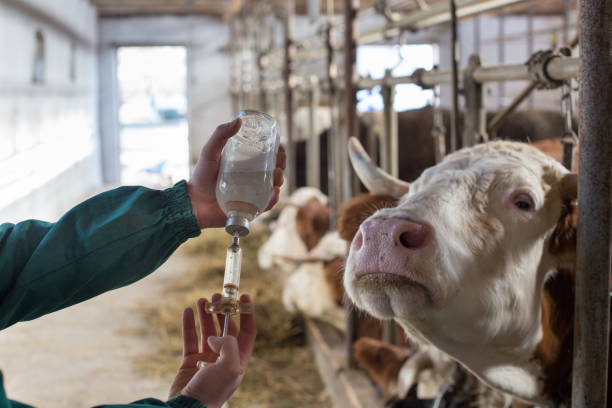
The most important rule is:
The withdrawal period is counted from the final administration of the medicine, not from the first treatment day.
For example, a farm may administer a product for five consecutive days. If the medicine requires a withdrawal period after treatment, the countdown begins only after the fifth and final administration.
The treatment timeline therefore contains two separate periods:
- Treatment period: the period during which the medicine is administered;
- Withdrawal period: the waiting period after the final dose.
The animal or product should not be released into the food chain until both periods have been completed.
2. Key Terms Farms Need to Distinguish
2.1 Treatment period
The treatment period is the number of days or administrations during which the medicine is used.
It may be stated on:
- The product label;
- Package insert;
- Veterinary prescription;
- Approved treatment instruction.
2.2 Final dose
The final dose is the last actual administration given to the animal or batch.
It may be:
- The final injection;
- The final oral dose;
- The final medicated feed intake period;
- The final administration through drinking water;
- The final topical application;
- Another final exposure covered by the product instructions.
The date and, where relevant, time of the final dose should be recorded immediately.
2.3 Withdrawal period
The withdrawal period is the minimum waiting period after the final dose before the relevant animal product may enter the food chain.
It may be expressed in:
- Hours;
- Days;
- Another specified time unit.
2.4 Maximum residue limit
The maximum residue limit, commonly abbreviated as MRL, is the permitted maximum concentration of a veterinary-drug residue in food under the applicable control framework.
Following the approved withdrawal period is one of the main farm-level measures used to reduce the risk of residues exceeding the applicable limit.
2.5 Earliest permitted release date
This is the earliest date or time on which the animal or product may be considered for sale, slaughter, collection, or processing after the full withdrawal period has been completed.
The release date should still be checked against:
- All medicines used;
- Buyer requirements;
- Product restrictions;
- Treatment records;
- Any additional veterinary guidance.
3. Withdrawal Periods Are Product-Specific
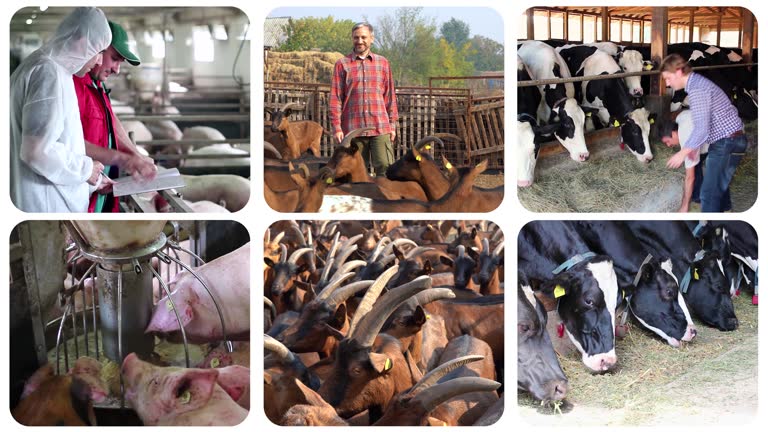
Farms should not assign one standard withdrawal period to all antibiotics or all veterinary medicines.
The withdrawal period may vary according to the following factors.
3.1 Animal species
The same active ingredient may have different instructions for:
- Pigs;
- Broilers;
- Layers;
- Ducks;
- Cattle;
- Dairy cattle;
- Goats;
- Sheep;
- Other food-producing animals.
A withdrawal period stated for pigs should not be applied automatically to chickens or cattle.
3.2 Edible product
A single product may contain separate instructions for:
- Meat;
- Milk;
- Eggs;
- Edible tissues;
- Other animal products.
For example, a product may have a meat withdrawal period but be prohibited for use in animals producing milk for human consumption.
3.3 Dosage form
Withdrawal periods may differ between:
- Injectable products;
- Oral solutions;
- Water-soluble powders;
- Medicated feed;
- Boluses;
- Topical products;
- Long-acting formulations.
Two products containing the same active ingredient may have different withdrawal periods because their formulations and absorption profiles differ.
3.4 Route of administration
The route may affect the way a medicine is absorbed, distributed, and eliminated.
Examples include:
- Intramuscular injection;
- Subcutaneous injection;
- Intravenous administration;
- Oral dosing;
- Drinking-water administration;
- Feed administration;
- Topical application.
3.5 Dose and treatment duration
The approved withdrawal instruction applies when the product is used according to its authorized conditions.
If the medicine has been:
- Overdosed;
- Used for longer than instructed;
- Administered through another route;
- Given to another species;
- Used outside the label;
the farm should not calculate a new withdrawal period independently.
The case should be reviewed by a veterinarian, manufacturer, or another qualified source.
4. Not Every Label Statement Is a Withdrawal Period
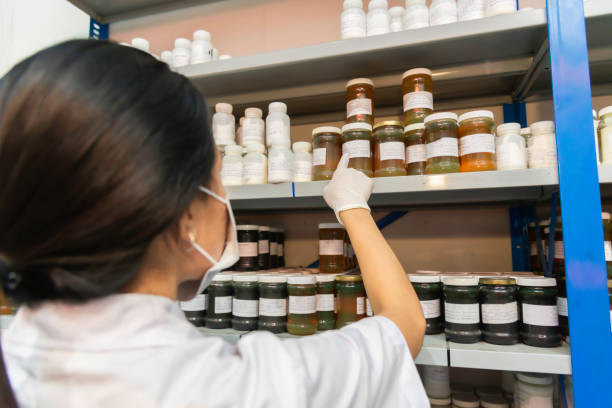
Farm staff need to distinguish between a withdrawal instruction and a restriction on use.
Withdrawal instruction
Examples of wording may include:
- “Withdrawal period”;
- “Withdrawal time”;
- “Meat: … days”;
- “Milk: … hours”;
- “Stop treatment … days before slaughter”;
- “Eggs: … days”.
Use restriction
Examples include:
- “Do not use in laying hens producing eggs for human consumption”;
- “Not for use in lactating dairy cattle”;
- “Do not use in animals intended for breeding”;
- “Not approved for this species”.
A statement such as “not for use in commercial laying hens” does not mean the farm can use the product and then wait for an estimated period.
It means the product should not be used in that animal group within the stated scope.
5. A Six-Step Withdrawal-Period Control Process

Step 1: Identify the exact medicine
Record:
- Product trade name;
- Active ingredient;
- Concentration;
- Dosage form;
- Manufacturer;
- Registration number;
- Batch number;
- Expiry date.
Do not calculate withdrawal time using the active ingredient name alone.
Step 2: Identify the treated animals and edible product
Record:
- Animal species;
- Pen, house, flock, herd, or batch code;
- Number of animals treated;
- Production type;
- Whether the relevant output is meat, milk, eggs, or another product.
This prevents the farm from reading the wrong withdrawal instruction.
Step 3: Record the final dose
Record the exact:
- Date;
- Time, where relevant;
- Route of administration;
- Person administering the medicine.
If treatment continues beyond the original schedule, update the final-dose information.
Step 4: Read the correct withdrawal instruction
Check the product information for the correct combination of:
- Animal species;
- Product type;
- Route;
- Dosage form;
- Edible output.
Use the label, package insert, or prescription for the actual product.
Step 5: Calculate the earliest permitted release date
Count the full withdrawal period beginning after the final administration, according to the product instruction.
Record the result in:
- The veterinary logbook;
- Farm-management software;
- A batch-release board;
- Sales and loading records.
Step 6: Verify all treatments before release
Before sale or slaughter, check whether the same animal or batch received any other medicine.
The final release date must satisfy the withdrawal requirements of every product used.
6. Basic Calculation Principles
6.1 Record the date and time of the final dose
The withdrawal calculation cannot be reliable without this information.
6.2 Use the time unit stated on the product
Do not convert hours into days informally.
A label stating a withdrawal period in hours should be calculated in hours, especially when milk collection or another frequent production cycle is involved.
6.3 Complete the full withdrawal period
The animal or product should only be released after the entire stated period has passed.
6.4 Recalculate after every additional dose
If an additional dose is administered, the previous release date is no longer valid.
A new calculation begins from the latest final dose.
6.5 Calculate each medicine separately
When several medicines are used:
- Record the final dose of each medicine;
- Calculate the withdrawal completion date for each product;
- Compare the results;
- Use the latest eligible release date.
7. Illustrative Calculation Examples
The following examples explain the calculation method only. They are not withdrawal instructions for any commercial product.
Example 1: Seven-day withdrawal after the final dose
- Final dose: 10 July;
- Illustrative withdrawal period: seven days.
The waiting period begins after the final dose.
The seven full withdrawal days are:
- 11 July;
- 12 July;
- 13 July;
- 14 July;
- 15 July;
- 16 July;
- 17 July.
The earliest possible release date in this illustrative example is 18 July.
Example 2: Treatment extended by one day
The original treatment was expected to end on 10 July, but an additional dose was administered on 11 July.
The withdrawal period must be recalculated from the dose given on 11 July.
The previously calculated sale date must be cancelled.
Example 3: Two medicines used in the same batch
Medicine A:
- Final dose: 5 August;
- Illustrative completion date: 12 August.
Medicine B:
- Final dose: 7 August;
- Illustrative completion date: 17 August.
The batch should not be considered eligible on 12 August merely because Medicine A has completed its withdrawal period.
The earliest potential release date is based on the later result: 17 August, subject to completing the full period and checking all other conditions.
Example 4: Withdrawal stated in hours
- Final administration: 8:00 a.m. on 1 September;
- Illustrative withdrawal period: 48 hours.
The earliest potential release time is after 8:00 a.m. on 3 September.
The farm should not simplify this automatically to “two calendar days” without considering the actual administration time.
Example 5: Different instructions for meat and milk
A product may state one withdrawal period for meat and another for milk.
The farm needs separate release controls for:
- Animal slaughter;
- Milk collection.
Completion of the milk withdrawal period does not automatically mean that the meat withdrawal period has also been completed.
8. Special Situations Requiring Extra Caution
8.1 The label does not state a withdrawal period
Do not assume that the withdrawal period is zero.
The farm should contact:
- The veterinarian;
- Manufacturer;
- Official distributor;
- Competent veterinary authority.
The product should not be used in food-producing animals until its legal status and instructions are clear.
8.2 The label states zero days
A zero-day withdrawal period only applies when the medicine is used:
- In the correct species;
- At the correct dose;
- Through the correct route;
- For the correct duration;
- According to all label restrictions.
It does not apply automatically to off-label use.
8.3 The medicine is used outside the label
Examples include:
- Another animal species;
- Higher dose;
- Longer treatment;
- Different route;
- Different production stage.
The approved withdrawal period may no longer be appropriate.
The farm should obtain veterinary guidance and should not create its own estimated extension.
8.4 Long-acting injections
Long-acting products may remain in the body for longer than standard formulations.
The farm should use the withdrawal period for the exact long-acting commercial product, not another product containing the same active ingredient.
8.5 Topical medicines
Topical application does not automatically mean no withdrawal period.
Some active ingredients may:
- Be absorbed through the skin;
- Remain on edible tissues;
- Contaminate milk or other products;
- Carry specific pre-slaughter restrictions.
Check the label directly.
8.6 Sedatives used before transport
Sedatives or stress-reduction medicines should not be administered before transport or slaughter without appropriate veterinary indication.
The label and withdrawal instructions should be reviewed before use.
8.7 Vaccines and biological products
Many vaccines may not require a conventional withdrawal period, but the specific label may include:
- Slaughter restrictions;
- Waiting periods;
- Production-stage limitations;
- Special handling instructions.
The product label remains the controlling reference.
8.8 Prohibited substances
A withdrawal period cannot legalize the use of a prohibited substance.
If an active ingredient is prohibited within the applicable scope, waiting longer before sale does not make the use compliant.
9. Managing Multiple Animal Batches
Withdrawal-period errors often occur when treated and untreated animals are managed together.
9.1 Assign a clear batch code
The batch code may be based on:
- House number;
- Pen number;
- Flock placement date;
- Production group;
- Ear tag;
- Electronic identification;
- Another traceable system.
9.2 Mark the release status
Each batch should have a visible status such as:
- Under treatment;
- Withdrawal period in progress;
- Pending veterinary review;
- Cleared for sale;
- Not eligible for sale.
9.3 Prevent batch mixing
Animals that are still within the withdrawal period should not be transferred into a batch already cleared for sale without maintaining individual traceability.
9.4 Inform every relevant department
Withdrawal information should be shared with:
- Farm manager;
- Veterinary team;
- Sales team;
- Loading team;
- Transport coordinator;
- Slaughterhouse or buyer where required.
10. Controlling Milk Withdrawal Periods
Milk may be collected multiple times per day, so time-based control is especially important.
The farm should record:
- Animal identification;
- Product used;
- Final treatment time;
- Milk withdrawal period;
- Earliest permitted collection time;
- Method for separating withheld milk.
Milk produced during the withdrawal period should be handled according to the applicable farm and regulatory procedure.
It should not be mixed into the saleable milk tank.
Practical controls
- Mark treated animals visibly;
- Update the milking list;
- Separate milk lines or containers where appropriate;
- Inform every milking shift;
- Record the first eligible collection;
- Verify before returning milk to the saleable tank.
11. Controlling Egg Withdrawal Periods
For laying poultry, farms need to distinguish between:
- A withdrawal period stated for eggs;
- A product prohibited for use in commercial laying birds;
- A product approved only before the laying stage.
Eggs collected during the withdrawal period should not enter the food chain.
The farm should record:
- Flock or house code;
- Treatment dates;
- Final dose;
- Withdrawal completion date;
- Egg collection status;
- Handling of eggs produced during the restricted period.
Every collection and packing team should receive the updated status.
12. Pre-Sale and Pre-Slaughter Release Control
Withdrawal-period management should end with a documented release decision.
Stage 1: Treatment-record review
Check:
- All medicines used;
- Final dose of each medicine;
- Applicable species and product;
- Withdrawal instruction;
- Additional-dose history.
Stage 2: Date calculation
Calculate the release date for each product.
Stage 3: Batch verification
Confirm:
- Correct animals;
- Correct batch code;
- No untreated and treated batches were mixed;
- No recent unrecorded treatment occurred.
Stage 4: Sales check
Compare the planned sale or slaughter date with the latest withdrawal-completion date.
Stage 5: Final approval
A designated responsible person should approve the batch for release.
Without this approval, the loading team should not move the animals.
13. Practical Pre-Sale Checklist
Before animals are sold or sent to slaughter, confirm that:
- The animal or batch identification is correct;
- All veterinary medicines used have been listed;
- The final dose date and time are available;
- Withdrawal instructions have been checked from the correct product;
- Meat, milk, and egg instructions have not been confused;
- All withdrawal periods have been calculated;
- The latest required release date has been identified;
- No additional dose was administered after the calculation;
- No animal remains under treatment;
- The planned sale date occurs after completion of every withdrawal period;
- Prescriptions and medicine-use records are available;
- Purchase documents and product labels are retained;
- The responsible person has approved release.
If any item cannot be confirmed, the sale should be postponed until the information has been reviewed.
14. What to Do When the Withdrawal Period Is Not Complete
If a batch has been scheduled for sale too early:
- Stop the sale or loading process;
- Inform the trader, processor, or slaughterhouse;
- Update the eligible release date;
- Keep the animals under normal care;
- Maintain batch identification;
- Review why the error occurred;
- Update the control procedure.
The farm should not proceed simply because only one or two days remain.
15. What to Do After an Accidental Premature Sale
If animals or animal products are sold before the withdrawal period is completed, the farm should act immediately.
Possible actions include:
- Informing the buyer or processor;
- Identifying the affected batch;
- Preserving treatment records;
- Stopping further delivery;
- Contacting the veterinarian;
- Seeking guidance from the competent authority;
- Supporting product isolation or testing where required;
- Investigating the cause.
The farm should not alter or recreate records after the event.
16. Recordkeeping System
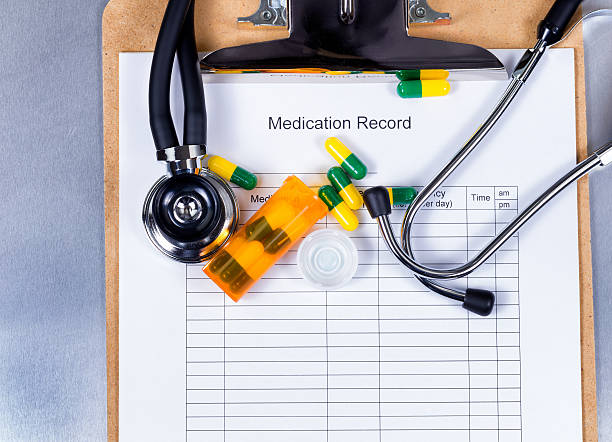
A withdrawal-period record should be completed at the time of treatment.
Minimum information
- Treatment start date;
- Treatment end date;
- Final dose date and time;
- Product name;
- Active ingredient;
- Product batch number;
- Expiry date;
- Dosage form;
- Route;
- Dose;
- Animal or batch identification;
- Number of animals;
- Withdrawal period;
- Earliest permitted release date;
- Applicator;
- Prescriber or veterinarian;
- Release approval.
Supporting records
Keep:
- Product-label photograph;
- Package insert;
- Prescription;
- Purchase invoice;
- Supplier information;
- Laboratory or residue-testing results where applicable;
- Sale record;
- Slaughter or collection record.
17. Sample Withdrawal Tracking Table
| Animal or batch code | Product | Final dose date/time | Product type | Withdrawal period | Earliest release date | Sale status | Approved by |
| … | … | … | Meat / milk / eggs | … | … | Blocked / cleared | … |
When multiple products are used, each medicine should have a separate entry.
18. Digital Management Options
Larger farms may use digital tools to:
- Record treatments;
- Scan medicine batches;
- Calculate release dates;
- Flag animals within the withdrawal period;
- Prevent sales orders from being created;
- Notify staff before the release date;
- Link records with animal identification;
- Share information with buyers.
However, automated calculations are only reliable when the farm enters:
- The correct medicine;
- Correct animal species;
- Correct final dose;
- Correct withdrawal instruction.
Software does not replace verification of the product label.
19. Common Withdrawal-Period Mistakes
Counting from the first treatment day
Risk: The animal may be sold before the full withdrawal period has passed.
Correction: Count from the final dose.
Applying one species’ withdrawal period to another
Risk: The instruction may not be valid for the treated animal.
Correction: Read the species-specific label section.
Confusing meat, milk, and egg instructions
Risk: One animal product may be released too early.
Correction: Manage each edible product separately.
Using the active ingredient instead of the product label
Risk: Different formulations may have different withdrawal periods.
Correction: Use the exact commercial product information.
Failing to update after an additional dose
Risk: The old release date remains in the system.
Correction: Recalculate from the latest administration.
Checking only the longest-looking number
Risk: The final dose dates of different products may differ.
Correction: Calculate each medicine independently.
Assuming an unclear label means zero days
Risk: Food products may contain uncontrolled residues.
Correction: Hold the batch and request clarification.
Failing to identify treated animals
Risk: Treated animals may be mixed with saleable animals.
Correction: Use individual or batch identification.
Allowing the sales team to work without treatment data
Risk: Sale schedules may be created before withdrawal completion.
Correction: Integrate veterinary and sales records.
Shortening the period because the animal has recovered
Risk: Clinical recovery does not prove residues have fallen below the applicable limit.
Correction: Complete the full withdrawal period.
20. Residue Testing and Withdrawal Periods
Following the withdrawal period is a basic preventive control, but testing may still be required by:
- Competent authorities;
- Slaughterhouses;
- Processors;
- Buyers;
- Certification programs;
- Export markets;
- Risk-based monitoring programs.
Testing may be considered when:
- Records are incomplete;
- Medicine use is uncertain;
- A dosage error occurred;
- An unapproved route was used;
- A prohibited substance is suspected;
- A high-risk batch is being released;
- A buyer requires verification.
A negative screening result should not be used to justify routine failure to follow withdrawal instructions.
21. Frequently Asked Questions
Do all veterinary medicines have withdrawal periods?
No.
Some products may state zero days, while others may be restricted from use in specific food-producing animals.
Never assume zero days when the label is unclear.
How many days should antibiotics be stopped before slaughter?
There is no universal number.
The answer depends on the exact product, species, dosage form, route, dose, duration, and edible product.
Is the withdrawal period counted from the first or final dose?
It is generally counted from the final dose.
What happens when another dose is given?
The withdrawal period must be recalculated from the newest final dose.
Which withdrawal period should be used when several medicines are administered?
Calculate every medicine separately and use the latest eligible release date.
Can a farm wait longer than the minimum period?
Yes, the farm may delay sale beyond the minimum period. However, a longer waiting period does not correct an illegal product, unclear label, overdose, or off-label use without professional review.
Can topical products have withdrawal periods?
Yes. Check the label of the specific product.
Does zero-day withdrawal mean the product can be used in any animal?
No. Zero-day instructions only apply within the approved species, dose, route, purpose, and restrictions.
Can a prohibited substance become acceptable after a long waiting period?
No. A withdrawal period cannot legalize prohibited use.
Is residue testing always required before sale?
Not in every transaction. Requirements depend on authorities, buyers, certification programs, market standards, and consignment risk.
How should small farms manage withdrawal periods?
A simple paper log can be effective when it records:
- Product;
- Treated animals;
- Final dose;
- Withdrawal period;
- Earliest sale date;
- Person approving release.
Improve Withdrawal-Period and Residue Control at VIETSTOCK 2026
Withdrawal-period compliance depends on accurate treatment records, clear animal or batch identification, timely calculation of release dates, and coordination between veterinary, farm-management, sales, transport, slaughter, and processing teams.
At VIETSTOCK 2026, livestock producers, veterinarians, slaughterhouses, processors, laboratories, and technology providers can explore solutions that support medicine management and residue control throughout the production chain.
Visitors can:
- Explore software for recording treatments, final doses, withdrawal periods, and release dates by animal or production batch.
- Discover identification technologies for separating animals under treatment from batches cleared for sale.
- Review residue-screening equipment and laboratory services for feed, meat, eggs, and milk.
- Connect with veterinary businesses, processors, laboratories, and traceability-solution providers.
- Learn how digital records can support communication between farms, buyers, slaughterhouses, and certification programs.
- Discuss medicine-use and residue-control requirements in domestic and export-oriented supply chains.
Expected to feature more than 300 brands, over 10,000 sqm of exhibition space, and 13,000 trade visitors from more than 40 countries and territories, VIETSTOCK 2026 creates opportunities for stakeholders to improve transparency in veterinary-medicine use and strengthen food-safety control across the livestock value chain.
Alongside the exhibition and business-networking activities, VIETSTOCK 2026 will also organize an On-Farm Seminar Series, bringing practical knowledge on herd and flock management, disease prevention, biosecurity, and livestock-production efficiency to key livestock regions.
Date: 21–23 October 2026
Venue: Saigon Exhibition and Convention Center – SECC, 799 Nguyen Van Linh Street, Tan My Ward, Ho Chi Minh City, Vietnam
Event website: https://www.vietstock.org/en/
👉 Register to visit VIETSTOCK 2026 and explore medicine-management, residue-testing, animal-identification, and traceability solutions:
https://www.vietstock.org/en/online-registration-2/
👉 Learn more about the VIETSTOCK 2026 On-Farm Seminar Series:
https://www.vietstock.org/en/event-features/vietstock-2026-livestock-roadshows-bringing-industry-knowledge-to-key-livestock-regions/
CONTACT INFORMATION:
Exhibiting: Ms. Sophie Nguyen – [email protected]
Visitor Support: Ms. Phuong – [email protected]
Marcom Support: Ms. Anita Pham – [email protected]