Prohibited Antibiotics in Livestock Production 2026: How to Review Active Ingredients and Ensure Compliance
Prohibited antibiotics in livestock production must be assessed according to the active ingredient, product type, intended use and legal scope. This guide explains how farms and livestock businesses can review veterinary medicines, medicated feed, prescriptions and withdrawal periods in 2026.
The term “prohibited antibiotics in livestock production” can easily be misunderstood.
There is not always one universal list in which every active ingredient is either completely permitted or completely prohibited in all situations. The legal status of an antibiotic may depend on:
- The product category;
- The animal species;
- The purpose of use;
- The route of administration;
- Whether the product is used in animal feed;
- Whether the product is authorized for circulation;
- Whether a veterinary prescription is required;
- The applicable withdrawal period;
- The stage of the supply chain;
- The requirements of a buyer or export market.
An active ingredient may be prohibited in animal feed but regulated differently when used in an authorized veterinary medicine for treatment. Another active ingredient may be prohibited in production, import, trade, or use within a specific legal scope. Some antibiotics may still be permitted for treatment but only when prescribed, correctly administered, recorded, and managed according to the product label.
For this reason, farms, feed mills, distributors, and livestock businesses should not classify an antibiotic as “allowed” or “prohibited” based only on its name.
A proper compliance review should examine the active ingredient, product registration, intended use, target animal, route of administration, prescription status, withdrawal period, supplier documents, and current legal scope.
From 1 January 2026, particular attention should be given to antibiotics used in animal feed for disease-prevention purposes. Businesses should review all existing formulas, premixes, feed products, veterinary medicines, and routine farm practices before continuing their use.
Professional and Legal Note
This article is intended as an initial compliance-review guide. It does not replace:
- Official legal documents;
- Appendices listing prohibited or controlled substances;
- Product labels;
- Veterinary prescriptions;
- Registration records;
- Instructions from competent authorities;
- Requirements of specific buyers or export markets.
Legal lists and scopes of application may be amended or supplemented. Before making a production, purchasing, treatment, or trading decision, organizations should check the documents currently in force and obtain professional guidance where necessary.
Key Takeaways
- A prohibited-antibiotic list should always be read together with its scope of application.
- “Prohibited,” “restricted,” “prescription-only,” and “not permitted for a particular purpose” are different regulatory categories.
- An active ingredient may be treated differently in animal feed, veterinary medicines, production, import, trade, and farm-level use.
- Farms should not determine compliance using only the commercial product name.
- Every product should be checked for active ingredients, registration information, manufacturer, batch number, expiry date, intended use, target species, and withdrawal period.
- Antibiotics should not be used for growth promotion.
- Routine blanket preventive use, especially through animal feed, requires careful review under the regulations applicable from 1 January 2026.
- Products with unclear active ingredients, unclear origin, altered labels, or missing registration information should not remain in active inventory.
- Prescription-only antibiotics should only be used with a valid prescription from an authorized veterinary practitioner.
- Withdrawal periods and treatment records must be controlled before animals or animal products are sold.
1. Why “Prohibited Antibiotics” Is Not One Simple Category
When reviewing an antibiotic, the first question should not be:
Is this active ingredient permitted or prohibited?
A more accurate set of questions is:
- In which product is the active ingredient used?
- For what purpose?
- In which animal species?
- Through which route?
- At which stage of the supply chain?
- Under which legal document?
- Is the product authorized for circulation?
- Is a veterinary prescription required?
- What withdrawal period applies?
An active ingredient may fall into one of several categories.
1.1 Completely prohibited within a defined legal scope
Certain active ingredients may be included in official lists that prohibit their:
- Import;
- Production;
- Trading;
- Storage;
- Use;
- Inclusion in feed;
- Application to specified animals or products.
The exact scope needs to be read directly from the relevant legal document.
1.2 Prohibited in animal feed
An active ingredient may be prohibited or no longer permitted for use in animal feed for purposes such as:
- Growth promotion;
- Routine disease prevention;
- Feed-efficiency improvement;
- Long-term low-dose use.
This does not automatically answer whether an authorized veterinary medicine containing the same or a related active ingredient may be used for treatment.
1.3 Restricted or prescription-only veterinary medicine
Some antibiotics may remain available as veterinary medicines but require:
- A veterinary diagnosis;
- A valid prescription;
- Use in approved animal species;
- Compliance with the label;
- Correct dosage and duration;
- Withdrawal-period control;
- Complete treatment records.
1.4 Permitted only for a specific purpose
A product may be used for treatment but not for:
- Growth promotion;
- Blanket preventive use;
- Routine use in healthy animals;
- Unapproved feed mixing;
- Use outside the target species or indication.
1.5 Permitted under Vietnamese regulations but restricted by a buyer or market
A processor, retailer, certification scheme, or importing country may impose stricter requirements than the general domestic legal framework.
An active ingredient may therefore be:
- Legally available in Vietnam;
- Professionally indicated for treatment;
- But unacceptable under a particular supply-chain standard.
2. Four Compliance Categories Farms Should Distinguish
A practical review can classify products into four categories.
| Compliance category | Meaning | Farm-level action |
| Prohibited active ingredient or product | Included in an official prohibited scope | Do not purchase, store, trade, mix, or use within that scope |
| Restricted or specially controlled antibiotic | Use depends on purpose, species, prescription, or legal conditions | Verify every condition before use |
| Prescription-only veterinary medicine | May be used for treatment when prescribed and properly managed | Store the prescription and treatment record |
| Authorized product with standard controls | May be used according to its registration and label | Follow dosage, target species, duration, and withdrawal period |
This classification should be applied to the actual commercial product, not only to the general antibiotic group.
3. A Seven-Step Active Ingredient Compliance Check
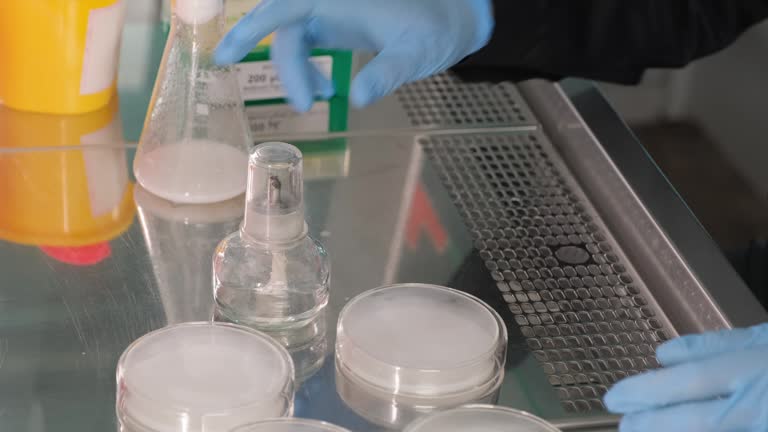
Before buying, storing, mixing, selling, or using an antibiotic product, complete the following review.
Step 1: Identify the exact product
Record:
- Trade name;
- Product category;
- Dosage form;
- Manufacturer;
- Responsible distributor;
- Registration number;
- Batch number;
- Expiry date;
- Country of origin.
The product category may be:
- Veterinary medicine;
- Antibiotic premix;
- Supplementary feed;
- Complete feed;
- Concentrated feed;
- Raw material;
- Water-soluble powder;
- Injectable medicine;
- Oral solution;
- Another controlled product.
Step 2: Identify every active ingredient
Do not review only the front label.
Check the sections titled:
- Active ingredient;
- Composition;
- Formula;
- Ingredients;
- Guaranteed analysis;
- Technical specification.
Record:
- Active ingredient name;
- Chemical or generic name;
- Concentration;
- Unit of measurement;
- Combination ingredients.
When only a trade name or abbreviation is provided, request the International Nonproprietary Name or equivalent technical name from the supplier.
Step 3: Determine the intended use
Confirm whether the product is intended for:
- Disease treatment;
- Group treatment;
- Disease prevention;
- Growth promotion;
- Feed-efficiency improvement;
- Routine inclusion in feed;
- Drinking-water administration;
- Injection;
- Another purpose.
The product’s legal status may change according to its purpose.
Step 4: Check the target animal
Confirm:
- Species;
- Production stage;
- Age;
- Meat, milk, or egg production status;
- Breeding status;
- Restrictions for certain animals.
A product registered for pigs should not automatically be used in poultry, cattle, dairy animals, or laying hens.
Step 5: Compare the active ingredient with current official lists
Review:
- Prohibited-substance lists;
- Controlled veterinary-medicine lists;
- Prescription-only medicine lists;
- Animal-feed regulations;
- Amendments and supplementary documents;
- Import and trading restrictions.
The exact legal scope should be recorded together with the document reference and validity date.
Step 6: Verify professional and operational conditions
Confirm:
- Whether a prescription is required;
- Whether a diagnosis is available;
- Whether the medicine is authorized for circulation;
- Whether the proposed route matches the label;
- Whether the dosage and duration are appropriate;
- Whether the withdrawal period can be managed;
- Whether the buyer permits the active ingredient.
Step 7: Approve, isolate, or reject the product
After review, classify the product as:
- Approved for controlled use;
- Approved only with a prescription;
- Temporarily isolated pending clarification;
- Not permitted for the proposed use;
- Prohibited and requiring handling according to regulations.
4. Initial Screening Groups That Require Careful Review
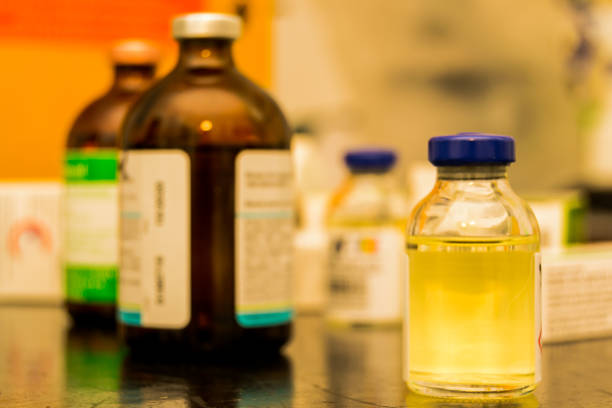
The following active ingredients or groups are commonly associated with prohibited lists, residue controls, or strict regulatory review.
This is not a complete official list and should not be used independently to make a legal conclusion.
| Group requiring review | Examples | Main compliance question |
| Nitrofurans and related compounds | Furazolidone, Furaltadone, Nitrofurazone, Nitrofurantoin | Is the active ingredient included in a prohibited scope for livestock, aquaculture, feed, trade, or residues? |
| Chloramphenicol | Chloramphenicol | Is any import, production, trade, storage, or use prohibited under the current list? |
| Nitroimidazoles | Metronidazole, Dimetridazole, Ronidazole | What species, product, and activity are covered by the prohibition? |
| Quinoxaline derivatives | Carbadox, Olaquindox | Are they prohibited or restricted in animal feed or for growth-related purposes? |
| Glycopeptide-related feed antibiotics | Avoparcin | Is use in feed prohibited under the current regulatory scope? |
| Aristolochia-related substances | Aristolochic acid and derivatives | Are they prohibited because of toxicity and food-safety concerns? |
| Selected fluoroquinolones | Enrofloxacin and related ingredients | Is the specific active ingredient prohibited, restricted, prescription-only, or market-controlled? |
The whole antibiotic family should not automatically be classified based on one example.
For instance, the legal treatment of one fluoroquinolone should not be assumed to apply identically to every active ingredient in the group.
5. Prohibited Does Not Mean the Same as Restricted
This distinction is essential.
Prohibited active ingredient
A prohibited active ingredient should not be used within the scope stated in the official regulation.
Depending on the document, the prohibition may apply to:
- Import;
- Production;
- Trading;
- Storage;
- Use;
- Feed inclusion;
- Particular animal species;
- Food-producing animals.
Restricted active ingredient
A restricted active ingredient may still be used when specific conditions are met.
These conditions may include:
- Veterinary diagnosis;
- Prescription;
- Correct animal species;
- Registered commercial product;
- Correct indication;
- Limited treatment period;
- Withdrawal-period compliance;
- Buyer approval.
Prescription-only product
Prescription-only status does not mean the antibiotic is prohibited.
It means that use requires professional authorization and supporting documentation.
Market-restricted product
A buyer may prohibit an active ingredient from its supply chain even when the product remains legally available for veterinary treatment.
The farm should check both legal and contractual requirements.
6. Antibiotic Groups That Often Require Enhanced Control
Several antibiotic groups may remain available for treatment but require careful review.
6.1 Colistin
Colistin requires particular attention because of antimicrobial-resistance concerns and its importance in human medicine.
Before use, check:
- Whether the specific product is authorized for circulation;
- Target animal species;
- Purpose of use;
- Prescription status;
- Route of administration;
- Withdrawal period;
- Buyer or export-market restrictions;
- Whether use in animal feed is permitted for the proposed purpose.
Colistin should not be treated as a routine preventive feed additive.
6.2 Tetracyclines
Examples may include:
- Tetracycline;
- Oxytetracycline;
- Chlortetracycline;
- Doxycycline.
These products may be available for treatment under certain conditions, but farms should verify:
- Product registration;
- Diagnosis;
- Prescription requirements;
- Target species;
- Dosage;
- Duration;
- Withdrawal period;
- Buyer restrictions.
The existence of an authorized treatment product does not permit routine blanket use.
6.3 Macrolides
Examples may include:
- Tylosin;
- Tilmicosin;
- Other veterinary macrolides.
Review:
- Approved target species;
- Product indication;
- Prescription requirements;
- Feed-use conditions;
- Withdrawal period;
- Safety warnings;
- Market controls.
6.4 Aminoglycosides
Examples may include:
- Gentamicin;
- Neomycin;
- Other aminoglycosides.
These products may require strict control because residues and withdrawal periods vary according to:
- Species;
- Route;
- Dosage form;
- Product label;
- Meat, milk, or egg production.
6.5 Fluoroquinolones
Fluoroquinolones should not be treated as one uniform legal category.
For each product, verify:
- Specific active ingredient;
- Current registration;
- Animal species;
- Treatment indication;
- Prescription requirements;
- Market restrictions;
- Withdrawal period.
7. Antibiotics in Animal Feed Require a Separate Review
Animal feed containing antibiotics creates additional compliance risks because the final product may sit between feed regulation and veterinary-medicine control.
7.1 Identify the exact product category
Do not assume that all products mixed into feed are ordinary feed additives.
The product may be:
- Antibiotic premix;
- Veterinary medicine for feed administration;
- Medicated feed;
- Supplementary feed;
- Complete feed;
- Concentrated feed;
- Raw material containing a controlled substance.
The legal requirements may differ.
7.2 Identify the purpose of inclusion
Determine whether the antibiotic is intended for:
- Treatment;
- Disease prevention;
- Growth promotion;
- Feed-efficiency improvement;
- Routine flock or herd support.
Growth-promotion use should not remain in livestock procedures.
From 1 January 2026, disease-prevention use in animal feed requires particular review under the applicable regulatory roadmap.
7.3 Check feed labels
The label should be reviewed for:
- Product category;
- Antibiotic active ingredient;
- Concentration;
- Intended purpose;
- Target species;
- Instructions for use;
- Prescription requirement;
- Withdrawal period;
- Manufacturer;
- Batch number;
- Expiry date.
Feed with unclear antibiotic information should not be used.
7.4 Do not mix antibiotics into feed arbitrarily
Farm-level mixing may create risks such as:
- Incorrect dosage;
- Uneven distribution;
- Cross-contamination;
- Use in the wrong animals;
- Incomplete records;
- Unclear withdrawal periods;
- Use of an unauthorized product;
- Exposure of untreated groups.
Mixing should only be carried out when there is a clear legal and veterinary basis.
8. Feed Mill Responsibilities

Feed mills and premix manufacturers need controls that extend beyond checking the final label.
8.1 Raw material approval
Before accepting an ingredient, verify:
- Supplier;
- Product identity;
- Active ingredient;
- Technical specification;
- Legal status;
- Batch;
- Expiry;
- Supporting documents;
- Test certificate where required.
8.2 Formula review
Every formula should be reviewed to identify:
- Antibiotic ingredients;
- Controlled veterinary medicines;
- Products no longer suitable from 2026;
- Obsolete preventive formulations;
- Growth-promotion claims;
- Labelling inconsistencies.
8.3 Cross-contamination prevention
Cross-contamination may occur through:
- Mixing equipment;
- Conveyors;
- Storage silos;
- Packaging lines;
- Dust;
- Residual material;
- Incorrect production sequencing.
Controls may include:
- Production scheduling;
- Equipment cleaning;
- Line flushing;
- Dedicated equipment where necessary;
- Sampling;
- Batch records;
- Finished-product testing.
8.4 Batch traceability
Records should connect:
- Raw material lot;
- Production formula;
- Manufacturing date;
- Equipment line;
- Operator;
- Finished-product batch;
- Customer;
- Distribution record.
8.5 Label approval
The label should accurately state:
- Product category;
- Ingredients;
- Antibiotic information;
- Purpose;
- Target species;
- Directions;
- Warnings;
- Withdrawal period;
- Manufacturer;
- Batch and expiry.
9. Farm-Level Antibiotic Inventory Audit
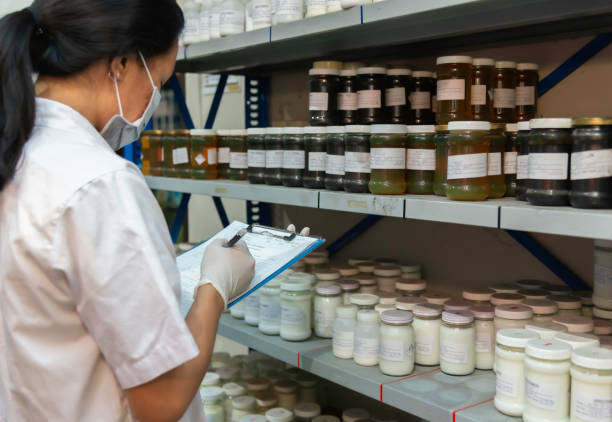
Every farm should conduct a full inventory before 1 January 2026 and repeat the review periodically.
9.1 Create a product list
Record all:
- Injectable antibiotics;
- Oral medicines;
- Water-soluble powders;
- Premixes;
- Medicated feed;
- Supplementary feed containing antibiotics;
- Old or unused products;
- Imported products;
- Products without Vietnamese labels.
9.2 Record product details
For each item, record:
- Trade name;
- Active ingredient;
- Concentration;
- Registration number;
- Manufacturer;
- Supplier;
- Batch number;
- Expiry date;
- Quantity;
- Storage location;
- Purpose of use.
9.3 Assign a compliance status
Possible statuses include:
- Approved for treatment use;
- Prescription required;
- Buyer-restricted;
- Pending legal confirmation;
- Expired;
- Unclear origin;
- Suspected prohibited ingredient;
- No longer suitable for use.
9.4 Prioritize high-risk products
Review first:
- Powders mixed into feed;
- Medicines mixed into drinking water;
- Imported premixes;
- Unlabelled products;
- Products with handwritten labels;
- Products without registration numbers;
- Products stored for long periods;
- Products previously used preventively;
- Products supplied without invoices.
10. How to Read a Veterinary Medicine or Premix Label
A label review should answer six questions.
10.1 What is the active ingredient?
Do not rely only on the brand name.
10.2 What is the product registered as?
Determine whether it is:
- Veterinary medicine;
- Feed;
- Premix;
- Supplement;
- Water-treatment product;
- Another category.
10.3 Which animals can receive it?
Check:
- Species;
- Age;
- Production stage;
- Meat, milk, and egg restrictions.
10.4 What is the approved purpose?
Check whether the label states:
- Treatment;
- Control;
- Prevention;
- Another use.
The label purpose should also be reviewed against current regulations.
10.5 What withdrawal period applies?
The label may provide different withdrawal periods for:
- Meat;
- Milk;
- Eggs;
- Different species;
- Different routes.
10.6 Is a prescription required?
The farm should store the prescription with the treatment record when applicable.
11. What to Do With Suspicious Products
A suspicious product should not remain in the active-use storage area.
Warning signs include:
- No active ingredient listed;
- Altered or damaged label;
- Missing registration number;
- Unclear manufacturer;
- No expiry date;
- Different information on the outer box and inner container;
- Product sold without supporting documents;
- Unusual colour, smell, separation, or clumping;
- Foreign-language product without verified legal information;
- Active ingredient that may appear on a prohibited list.
Immediate response
- Stop using the product;
- Separate it from approved inventory;
- Mark it as “Pending Review—Do Not Use”;
- Record the quantity and batch;
- Retain the packaging;
- Contact the supplier;
- Request registration and legal documents;
- Consult a veterinarian or competent authority;
- Handle the product according to the final determination.
Do not dispose of suspicious antibiotics by pouring them into drains, soil, or water sources.
12. Prescription and Treatment Record Control
When a prescription-only antibiotic is used, the farm should connect the following records.
Prescription
The prescription may include:
- Diagnosis;
- Medicine name;
- Active ingredient;
- Dosage;
- Route;
- Target animals;
- Treatment duration;
- Withdrawal period;
- Prescriber information.
Medicine-use record
The farm should record:
- Treatment start date;
- Treatment end date;
- Pen, batch, or animal identification;
- Number of animals;
- Medicine batch;
- Actual dosage;
- Applicator;
- Adverse reactions;
- Treatment result.
Withdrawal-period record
Record:
- Date of final administration;
- Required withdrawal period;
- Earliest permitted slaughter or sale date;
- Product affected: meat, milk, eggs, or another animal product;
- Person approving release.
13. Withdrawal Periods and Product Release
A legally authorized antibiotic may still create a violation if the withdrawal period is not followed.
Before animals or animal products are released, check:
- Which animals were treated;
- Final treatment date;
- Medicine used;
- Route;
- Withdrawal period;
- Planned sale or slaughter date;
- Buyer requirements.
Use a release-status system
A farm may classify animal batches as:
- Cleared for sale;
- Under treatment;
- Within withdrawal period;
- Pending veterinary review;
- Not for sale.
The status should be visible to:
- Farm manager;
- Veterinary team;
- Sales team;
- Loading team.
14. Responsibilities Across the Supply Chain
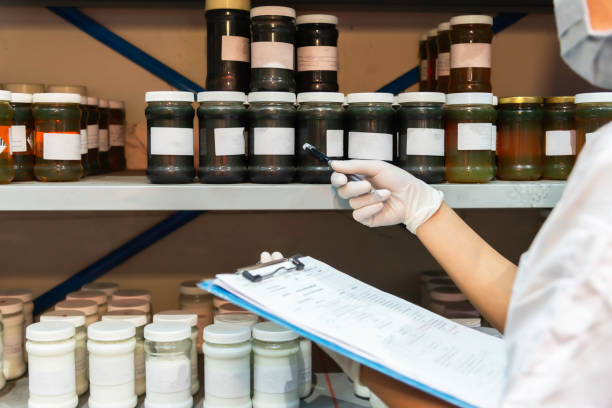
Antibiotic compliance is not only a farm responsibility.
Raw material suppliers
They should provide:
- Clear product identity;
- Ingredient information;
- Legal documentation;
- Batch traceability;
- Test documents where required.
Feed and premix manufacturers
They should control:
- Formulas;
- Input materials;
- Cross-contamination;
- Labels;
- Production records;
- Finished-product quality.
Veterinary medicine businesses
They should control:
- Legal sourcing;
- Storage;
- Prescription requirements;
- Product information;
- Invoices and supporting records.
Farms
They should control:
- Purchase;
- Storage;
- Prescription;
- Use;
- Treatment records;
- Withdrawal periods;
- Sale release.
Processors and buyers
They may control:
- Supplier standards;
- Medicine-use declarations;
- Residue testing;
- Traceability;
- Prohibited-substance requirements.
15. Compliance Risks by Supply-Chain Stage
| Stage | Main antibiotic risk |
| Import | Raw material or product contains a prohibited active ingredient |
| Production | Obsolete formula or unauthorized antibiotic inclusion |
| Storage | Expired, unlabelled, or prohibited product remains available |
| Trading | Product sold without legal status or prescription controls |
| Feed mixing | Incorrect dosage or cross-contamination |
| Farm use | Wrong purpose, species, dose, or duration |
| Sale | Animals released before withdrawal completion |
| Processing | Residue detected in meat, eggs, or milk |
| Export | Shipment rejected because of prohibited residues or market restrictions |
16. Common High-Risk Practices
Routine preventive antibiotic use
Antibiotics are administered to healthy animals on a fixed schedule without diagnosis.
Risk: The purpose may not comply with the current regulatory framework.
Mixing antibiotics into drinking water after weather changes
The farm uses antibiotics whenever temperature or weather changes, even when animals show no disease signs.
Risk: Use is based on habit rather than diagnosis.
Using old premixes
A feed formula developed under earlier rules continues after the regulatory roadmap changes.
Risk: Product purpose or active ingredient may no longer be suitable.
Using medicine without checking the target species
A product intended for pigs is used in poultry or dairy animals.
Risk: Safety, dosage, and withdrawal-period information may not apply.
Buying products without invoices
The farm cannot verify the supplier or product origin.
Risk: The product may be unregistered, counterfeit, or illegally distributed.
Keeping expired products in the medicine room
Workers may accidentally use them.
Risk: Reduced efficacy, wrong treatment, and compliance failure.
Failing to track the withdrawal period
Treated animals are sold with the untreated batch.
Risk: Antibiotic residues and supply-chain rejection.
17. Consequences of Non-Compliance

The specific sanction depends on the current legal framework and the nature and severity of the violation.
Possible consequences may include:
- Administrative penalties;
- Product seizure;
- Mandatory recall;
- Mandatory destruction;
- Suspension of production or trading activities;
- Increased inspection;
- Loss of certification;
- Removal from buyer programs;
- Rejection by processors;
- Export shipment refusal;
- Return or destruction of goods;
- Reputational damage.
Food-safety consequences
Residues may occur when:
- A prohibited active ingredient is used;
- The withdrawal period is ignored;
- Dosage is incorrect;
- Treated and untreated batches are mixed;
- Cross-contaminated feed is supplied.
Antimicrobial-resistance consequences
Incorrect antibiotic use may contribute to:
- Reduced treatment effectiveness;
- Longer disease outbreaks;
- Higher treatment costs;
- Increased mortality;
- Spread of resistant bacteria;
- Greater public-health concern.
18. Internal Antibiotic-Control Procedure
A farm or business should develop a written procedure covering the complete product lifecycle.
Product approval
No product enters active inventory until:
- Active ingredients are identified;
- Legal status is checked;
- Supplier is approved;
- Registration is confirmed;
- Intended use is approved.
Purchasing
Purchase only from suppliers that provide:
- Invoice;
- Product label;
- Batch;
- Expiry;
- Registration information;
- Supporting technical documents.
Receiving
At delivery, check:
- Product name;
- Quantity;
- Packaging;
- Batch;
- Expiry;
- Label condition;
- Storage requirements.
Storage
Separate:
- Approved medicines;
- Prescription-only medicines;
- Products awaiting review;
- Expired products;
- Products awaiting disposal.
Use
Before treatment, confirm:
- Diagnosis;
- Prescription;
- Target animals;
- Product;
- Dosage;
- Route;
- Duration;
- Withdrawal period.
Release
Before sale, confirm that all withdrawal periods have been completed.
19. Staff Training Requirements
Staff should understand:
- How to identify an antibiotic;
- How to read active ingredients;
- Difference between prohibited and prescription-only products;
- Why routine prevention is a compliance risk;
- How to record medicine use;
- How to calculate withdrawal completion;
- How to report suspicious products;
- Why products should not be mixed arbitrarily;
- How to store and isolate medicines.
Training should be repeated when:
- New products are introduced;
- Regulations change;
- A violation occurs;
- New workers join;
- Internal audits identify repeated errors.
20. Compliance Audit Checklist
Product inventory
- All veterinary medicines have been listed;
- All premixes have been listed;
- All antibiotic-containing feed has been identified;
- Active ingredients have been recorded;
- Registration numbers have been checked;
- Expiry dates have been checked;
- Unclear products have been isolated.
Legal classification
- Official prohibited lists have been checked;
- Controlled lists have been checked;
- Prescription-only status has been checked;
- Feed-use restrictions have been checked;
- Product purpose has been checked;
- Target species has been checked.
Purchasing and suppliers
- Approved suppliers are used;
- Invoices are available;
- Supporting documents are retained;
- Imported products have verified legal status;
- Unlabelled products are rejected.
Medicine use
- Antibiotics are not used for growth promotion;
- Routine preventive use has been reviewed;
- Prescriptions are available where required;
- Diagnosis is recorded;
- Dosage and duration follow instructions;
- Treated animals are identified.
Records and withdrawal periods
- Start and end dates are recorded;
- Medicine batches are recorded;
- Withdrawal periods are tracked;
- Sale dates are checked;
- Treated animals are separated from cleared animals;
- Records are available for inspection.
Feed mill controls
- Formulas have been reviewed;
- Raw materials are approved;
- Production lines are cleaned;
- Cross-contamination risks are assessed;
- Finished-product batches are traceable;
- Labels match the actual formula.
21. Frequently Asked Questions
Are all antibiotics prohibited from 1 January 2026?
No. The key issue is the purpose and method of use, particularly antibiotics used in animal feed for disease prevention.
Veterinary antibiotics may still be used for treatment when the product is legally authorized and all diagnosis, prescription, label, recordkeeping, and withdrawal-period requirements are met.
Are Colistin, Tetracycline, and Tylosin completely prohibited?
Not necessarily in every situation.
The farm needs to check:
- Specific active ingredient;
- Product registration;
- Purpose;
- Target species;
- Prescription requirement;
- Route;
- Withdrawal period;
- Current official lists;
- Buyer requirements.
Can antibiotics still be used to treat sick animals?
Treatment may be possible when there is an appropriate veterinary basis and the product meets all legal and professional conditions.
Can a farm mix an antibiotic into feed with a veterinarian’s verbal advice?
The farm should confirm whether a written prescription or another formal record is required. Verbal advice alone may not provide sufficient evidence for a prescription-only product or controlled feed use.
Does a small household farm need medicine records?
Yes. Even a simple record supports withdrawal-period control, traceability, and responsible medicine use.
What should be done when an active ingredient is unclear?
Do not use the product. Request technical and legal clarification from the supplier and consult the competent authority where necessary.
Is an authorized veterinary medicine automatically acceptable to every buyer?
No. Buyers and export markets may impose stricter prohibited or restricted lists.
Can an expired antibiotic be kept for emergency use?
No. Expired products should be isolated and handled according to the applicable procedure.
Is a product safe if it has been used on the farm for many years?
Past use does not prove current compliance. Product registration, regulations, purpose of use, and buyer standards may change.
How often should the product inventory be reviewed?
The farm should review it regularly and whenever:
- Regulations change;
- A new product is purchased;
- A supplier changes;
- A buyer updates its standard;
- A production formula changes;
- A compliance issue is identified.
Strengthen Antibiotic and Residue Control Across the Livestock Chain at VIETSTOCK 2026
Effective antibiotic control requires coordination across farms, feed mills, premix manufacturers, veterinary medicine businesses, laboratories, processors, and raw-material suppliers. Active ingredient verification, prescription control, withdrawal-period tracking, residue testing, and batch traceability all contribute to safer and more transparent livestock production.
At VIETSTOCK 2026, livestock producers and businesses can explore technologies and services that support antibiotic compliance across the value chain.
Visitors can:
- Explore equipment and testing services for detecting antibiotic residues in feed, meat, eggs, and milk.
- Review traceability systems for raw materials, premixes, veterinary medicines, treatment records, and production batches.
- Discover software for managing medicine inventory, prescriptions, withdrawal periods, and animal-release status.
- Connect with suppliers of vaccines, probiotics, organic acids, enzymes, and feed solutions that support proactive herd and flock health.
- Discuss cross-contamination control, feed quality assurance, and responsible antibiotic management with technology and feed businesses.
- Exchange practical approaches to meeting buyer, processor, certification, and export-market requirements.
Expected to feature more than 300 brands, over 10,000 sqm of exhibition space, and 13,000 trade visitors from more than 40 countries and territories, VIETSTOCK 2026 creates opportunities for farms and businesses to compare technologies and strengthen compliance across the livestock value chain.
Alongside the exhibition and business-networking activities, VIETSTOCK 2026 will also organize an On-Farm Seminar Series, bringing practical knowledge on herd and flock management, disease prevention, biosecurity, and livestock-production efficiency to key livestock regions.
Date: 21–23 October 2026
Venue: Saigon Exhibition and Convention Center – SECC, 799 Nguyen Van Linh Street, Tan My Ward, Ho Chi Minh City, Vietnam
Event website: https://www.vietstock.org/en/
👉 Register to visit VIETSTOCK 2026 and explore antibiotic-control, residue-testing, traceability, and livestock-health management solutions:
https://www.vietstock.org/en/online-registration-2/
👉 Learn more about the VIETSTOCK 2026 On-Farm Seminar Series:
https://www.vietstock.org/en/event-features/vietstock-2026-livestock-roadshows-bringing-industry-knowledge-to-key-livestock-regions/
CONTACT INFORMATION:
Exhibiting: Ms. Sophie Nguyen – [email protected]
Visitor Support: Ms. Phuong – [email protected]
Marcom Support: Ms. Anita Pham – [email protected]