Necrotic Enteritis in Chickens: Signs, Risk Factors, and Prevention
Necrotic enteritis in chickens may occur as acute or subclinical disease, ranging from reduced feed intake and sudden mortality to poor weight gain, lower flock uniformity, and increased FCR. Learn about intestinal lesions, major risk factors, coccidiosis, and practical prevention strategies.
Necrotic enteritis in chickens is an intestinal disease associated with pathogenic strains of Clostridium perfringens. The disease is of particular concern in broiler chickens and can cause significant losses by increasing mortality, reducing weight gain, and worsening feed conversion.
However, necrotic enteritis does not always present with severe diarrhea or mass mortality. Some flocks with subclinical disease may show only:
- Lower-than-expected weight gain.
- Reduced flock uniformity.
- Increased feed conversion ratio (FCR).
- Reduced feed efficiency.
The disease commonly develops when C. perfringens proliferates under favorable conditions, particularly when the intestinal mucosa has been damaged or the gastrointestinal environment has changed. Coccidiosis, diet quality, gut health, drinking water, and housing conditions may all contribute to increased risk.
Necrotic Enteritis Can Present in Two Very Different Ways
When disease is clinically apparent
The flock may show:
- Reduced feed intake.
- Lethargy.
- Abnormal droppings.
- Rapid weakness.
- A sudden increase in mortality.
Some birds may die before obvious gastrointestinal signs are noticed.
When disease is subclinical
The flock may not show obvious diarrhea or high mortality, but may develop:
- Slower weight gain.
- Reduced uniformity.
- More undersized birds.
- Increased FCR.
- Poorer feed efficiency.
Common factors that should be assessed
Regardless of how the disease presents, several factors should be reviewed together:
coccidiosis → intestinal mucosal damage → diet → gut microbiota → feed and water quality → litter → housing conditions.
Detecting Clostridium perfringens in the intestine is not sufficient to conclude that chickens have necrotic enteritis, because the bacterium may also be present in healthy birds. Diagnosis should combine flock condition, intestinal lesions, and relevant risk factors.
1. What Is Necrotic Enteritis in Chickens?
Necrotic enteritis is a disease that damages the intestinal mucosa, primarily in the small intestine.
The disease may occur in two forms:
- Acute.
- Subclinical.
The impact may range from poor flock growth to rapidly increasing mortality.
The role of Clostridium perfringens
Clostridium perfringens is a bacterium that is:
- Gram-positive.
- Anaerobic.
- Capable of forming spores.
The bacterium may be present in the poultry environment and in the intestines of healthy chickens without necessarily causing disease.
Disease is more likely to develop when:
- Pathogenic strains are present.
- Intestinal conditions favor bacterial proliferation.
- The intestinal mucosa is damaged.
- The balance of the gut microbiota is altered.
Some pathogenic strains are associated with NetB toxin, but disease development does not depend on a single toxin alone.
Other factors must also be considered, including:
- The condition of the intestinal mucosa.
- Characteristics of the bacterial strain.
- Coccidiosis.
- Diet.
- The gastrointestinal environment.
- Flock-management conditions.
Why is the intestinal mucosa important?
Under normal conditions, the intestinal mucosa and gastrointestinal microbiota help maintain a relatively stable environment.
When the mucosa is damaged or the intestinal environment changes, C. perfringens may have a greater opportunity to proliferate.
Factors commonly considered include:
- Damage caused by coccidiosis.
- Changes in the gut microbiota.
- Increased amounts of undigested nutrients reaching the intestine.
- Feed changes.
- Management factors affecting digestive health.
As disease progresses, the intestinal mucosa may become necrotic, reducing nutrient absorption.
2. Signs of Necrotic Enteritis to Monitor in a Chicken Flock
Clinical presentation depends on:
- Disease form.
- Severity of intestinal damage.
- Flock condition.
- Concurrent diseases.
Acute form: birds may die rapidly
Affected chickens may show:
- Reduced feed intake or complete loss of appetite.
- Lethargy.
- Reduced activity.
- Ruffled feathers.
- Dull appearance.
- Standing or lying apart from the flock.
- Diarrhea.
- Rapid weakness.
One important warning sign is a sudden increase in mortality.
Some birds may die before obvious gastrointestinal signs become apparent.
Therefore, if mortality increases rapidly without a known cause, producers should not wait until the entire flock develops diarrhea before investigating.
Subclinical form: easier to overlook
This form can be more difficult to detect because the flock may show no obvious signs of disease.
Possible changes include:
- Lower-than-expected weight gain.
- Reduced flock uniformity.
- More slow-growing birds.
- Reduced feed efficiency.
- Increased FCR.
An increased FCR means that the flock requires more feed to achieve the same amount of weight gain.
However, increased FCR is not specific to necrotic enteritis.
It may also be associated with:
- Feed quality.
- Temperature.
- Stocking density.
- Coccidiosis.
- Other gastrointestinal diseases.
- Management problems.
Can abnormal droppings help diagnose the disease?
Chickens may develop:
- Loose droppings.
- Wet droppings.
- Changes in fecal color.
- Mucus in the droppings.
However, no single fecal color is specific enough to confirm necrotic enteritis.
Abnormal droppings can also occur with:
- Coccidiosis.
- Other intestinal bacterial infections.
- Diet-related digestive disturbances.
Assessment should therefore also consider:
- Feed intake.
- Mortality.
- Weight gain.
- Flock uniformity.
- FCR.
- Flock-management history.
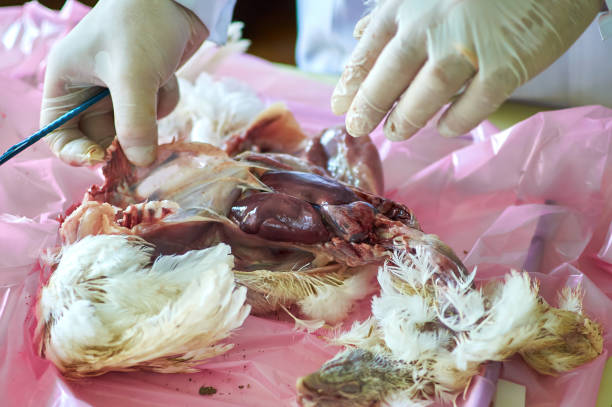
3. Where Are Necrotic Enteritis Lesions Usually Found?
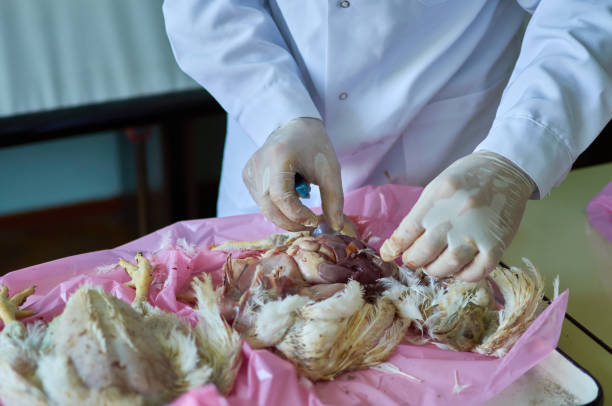
Intestinal lesions are an important part of the diagnostic assessment.
Lesions are commonly concentrated in the small intestine, particularly the:
- Jejunum.
- Ileum.
Possible findings include:
- Inflamed intestinal mucosa.
- Necrosis.
- Yellow or brown plaques.
- Fibrin or necrotic material covering the mucosal surface.
- Abnormal changes in the intestinal wall.
- Accumulation of fluid or gas in the intestine.
- Foul-smelling intestinal contents.
In some cases, fibrinous-necrotic material covering the mucosa may create a rough, carpet-like appearance.
However, not every case produces identical lesions.
The severity and appearance of lesions may vary according to:
- Stage of disease.
- Severity of infection.
- Concurrent disease.
- Flock condition.
Post-mortem examination should be performed by appropriately trained personnel and with suitable biosecurity precautions.
4. Why Can the Disease Not Be Diagnosed from Clinical Signs or Bacterial Testing Alone?
This is an important distinction.
Clostridium perfringens may be present in the intestines of healthy chickens.
Therefore:
Finding the bacterium in feces or intestinal contents does not mean that the flock definitely has necrotic enteritis.
Diagnosis generally needs to combine:
- Clinical signs.
- Disease progression within the flock.
- Intestinal lesions.
- Supporting laboratory tests.
- Evaluation of differential diagnoses.
In some situations, a veterinarian may recommend:
- Bacterial culture.
- Histopathology.
- Staining of samples.
- Other appropriate tests.
Sample collection and interpretation of results should be based on the actual condition of the flock.
5. Factors That Increase the Risk of Necrotic Enteritis
Necrotic enteritis usually does not result from a single factor.
Risk increases when several factors affect intestinal health at the same time.
Coccidiosis is one of the most important risk factors
Eimeria species that cause coccidiosis can damage the intestinal mucosa.
When the mucosa is damaged:
- Intestinal protection is reduced.
- Digestion may be impaired.
- Conditions may become more favorable for C. perfringens proliferation.
Coccidiosis and necrotic enteritis may occur:
- Sequentially.
- At the same time.
Controlling coccidiosis is therefore an important component of necrotic enteritis prevention.
Feed quality and digestibility
Diet composition directly affects the intestinal environment.
Certain ingredients, including:
- Wheat.
- Barley.
- Fish meal.
have been reported to increase risk under certain conditions.
However, this does not mean these ingredients are always unsuitable.
Their impact depends on factors such as:
- Inclusion rate.
- Ingredient quality.
- Digestibility.
- Overall feed formulation.
- Stage of bird development.
Feed that is:
- Moldy.
- Contaminated.
- Contaminated with harmful levels of mycotoxins.
may also negatively affect gut health.
Litter and drinking water
Wet or dirty litter is not the sole cause of disease, but it may contribute to unfavorable production conditions.
Particular attention should be paid to:
- Areas around drinkers.
- Water lines.
- Leakage points.
- Caked litter.
- Poorly ventilated areas.
Stocking density and stress
High stocking density can make it more difficult to manage:
- Moisture.
- Ventilation.
- Litter.
- Hygiene.
Stress associated with:
- Temperature changes.
- Handling.
- Feed changes.
- Unstable environmental conditions.
may also affect intestinal health.
However, stress should not be considered the sole direct cause.
Disease assessment needs to consider the combined effects of multiple factors.
6. Differentiating Necrotic Enteritis from Coccidiosis and Diet-Related Digestive Disorders
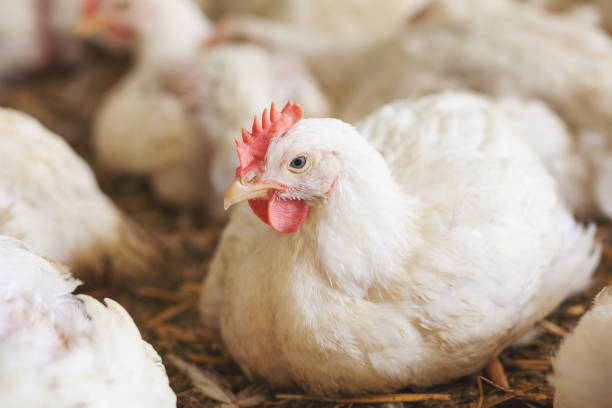
All three conditions may cause:
- Reduced feed intake.
- Abnormal droppings.
- Poor growth.
However, their causes and management approaches differ.
| Feature | Necrotic enteritis | Coccidiosis | Diet-related digestive disorder |
| Cause | Pathogenic C. perfringens strains together with favorable predisposing factors | Eimeria spp. | Diet composition, quality, or dietary changes |
| Signs | Reduced feed intake, weakness, possible sudden death or poor growth | Reduced feed intake and diarrhea; some forms may involve blood | Changes in droppings, feed intake, and growth |
| Lesions | Necrosis of the small-intestinal mucosa, sometimes with fibrin | Intestinal lesions vary according to the Eimeria species | No single characteristic lesion pattern |
| Course | Acute or subclinical | Depends on the causative species and infection level | Depends on the nutritional cause |
| Key point | May develop following intestinal damage caused by coccidiosis | May increase the risk of necrotic enteritis | May alter the intestinal environment |
This table is intended only as general guidance.
Importantly, coccidiosis and necrotic enteritis may occur together, so detecting coccidiosis does not rule out necrotic enteritis.
7. What Should Be Done When Necrotic Enteritis Is Suspected?
If a flock develops:
- Increased mortality.
- Markedly reduced feed intake.
- Abnormal droppings.
- Reduced growth.
- Worsening FCR.
- Multiple weak birds.
the situation should be assessed early rather than simply changing feed or administering medication without evaluation.
Step 1: Record the flock condition
Record:
- Date abnormalities began.
- Number of birds showing signs.
- Mortality.
- Feed intake.
- Water intake.
- Weight gain.
- Changes in droppings.
These data help determine whether the problem is:
- Sudden.
- Or developing gradually over time.
Step 2: Check production conditions
Review:
- Feed quality.
- Water source.
- Litter.
- Water leakage.
- Ventilation.
- Temperature.
- Recent dietary changes.
- Recent management changes.
Step 3: Correct clearly unfavorable factors
If there is:
- Wet litter.
- Water leakage.
- Poor hygiene.
- Inadequate ventilation.
these issues should be addressed promptly where it is safe and practical to do so.
Step 4: Review coccidiosis risk
Check:
- History of coccidiosis.
- Current control program.
- Changes in droppings.
- Mortality.
- Lesions, where professionally assessed.
Step 5: Contact a veterinarian
Determining the cause should be based on:
- Flock condition.
- Lesions.
- Appropriate diagnostic testing.
If samples are required, coordinate with a veterinarian or laboratory to select:
- The correct samples.
- The appropriate timing.
- Proper storage and handling.
Do not independently:
- Administer antibiotics.
- Change treatment protocols.
- Copy medication from another flock.
- Increase or extend medication.
For food-producing chickens, veterinary medicines must also comply with applicable conditions of use and withdrawal periods.
When is immediate veterinary support needed?
Seek veterinary assistance promptly when:
- Multiple chickens die suddenly.
- Mortality rises rapidly.
- Feed intake declines across a large proportion of the flock.
- Many birds become clearly weak.
- Severe gastrointestinal lesions are suspected.
- Another infectious disease is suspected.
- The condition continues to worsen despite environmental improvements.
Professional assessment should not be delayed simply to wait for litter replacement or dietary changes to take effect.
8. Preventing Necrotic Enteritis Requires a Focus on Gut Health
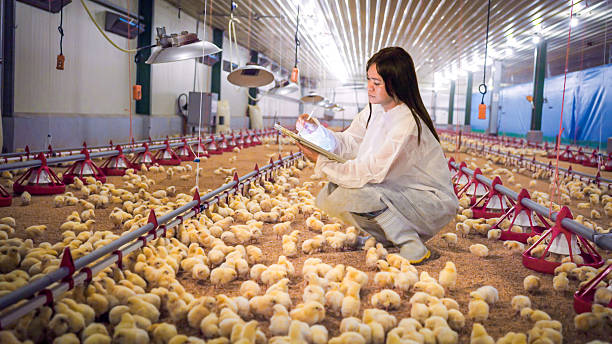
Effective prevention requires multiple measures.
No single action can control every risk factor.
Control coccidiosis
This is one of the most important priorities.
Farms should develop an appropriate program based on:
- Production system.
- Disease history.
- Risk level.
- Veterinary guidance.
When a flock has previously experienced coccidiosis, the risk of necrotic enteritis should also be monitored rather than focusing on only one pathogen.
Keep litter dry and housing well ventilated
Regularly inspect:
- Drinkers.
- Water lines.
- Litter around drinking areas.
- Damp areas.
- Ventilation systems.
Routine measures should include:
- Managing wet litter.
- Repairing leaks.
- Maintaining appropriate ventilation.
- Cleaning drinkers.
- Cleaning between production cycles.
Manage feed quality
Pay attention to:
- Ingredient sources.
- Digestibility.
- Inclusion rates.
- Storage quality.
- Mycotoxin risk.
Avoid unnecessary sudden dietary changes.
If feed must be changed, the process should be appropriate for:
- Production stage.
- Flock condition.
- Nutritional guidance.
Manage drinking-water quality
Water is not only a basic requirement but also directly affects:
- Feed intake.
- Digestion.
- Gut health.
Water systems should be cleaned and inspected regularly.
Maintain appropriate stocking density
Stocking density should be compatible with:
- House design.
- Ventilation capacity.
- Litter conditions.
- Water system.
- Management capacity.
Bird numbers should not exceed the house’s ability to maintain appropriate environmental conditions.
9. Monitor FCR and Flock Uniformity to Detect Problems Earlier
Subclinical necrotic enteritis may not produce obvious disease signs.
Monitoring flock performance is therefore important.
Parameters to observe include:
- Feed intake.
- Water intake.
- Weight gain.
- Uniformity.
- FCR.
- Daily mortality.
- Characteristics of droppings.
- Litter condition.
Results should be compared with normal levels for:
- The same breed.
- The same production stage.
- The same production system.
Does an increased FCR definitely mean necrotic enteritis?
No.
Poorer FCR may also result from:
- Feed.
- Temperature.
- Stocking density.
- Stress.
- Coccidiosis.
- Other diseases.
However, when increased FCR occurs together with:
- Poor weight gain.
- Abnormal droppings.
- Reduced flock uniformity.
- A history of coccidiosis.
gut health should be evaluated more closely.
10. Daily Chicken-Flock Monitoring Checklist

Flock health
- Has feed intake decreased?
- Are more birds lethargic?
- Are there slow-growing individuals?
- Has flock uniformity declined?
- Has mortality increased compared with the previous day?
Droppings and intestinal health
- Are droppings looser than normal?
- Is mucus present?
- Are similar changes occurring in multiple birds?
- Is litter becoming wetter because of abnormal droppings?
Housing and water
- Is litter caked?
- Is the water system leaking?
- Is ventilation appropriate?
- Has house temperature changed abnormally?
Feed
- Has the feed recently been changed?
- Are there problems with ingredient storage?
- Has feed intake declined?
- Are there signs of mold or contamination?
Data should be recorded daily so that trends can be identified rather than relying on observations from a single point in time.
Frequently Asked Questions About Necrotic Enteritis in Chickens
What causes necrotic enteritis?
The disease is associated with pathogenic strains of Clostridium perfringens.
However, disease development usually also depends on predisposing factors such as:
- Coccidiosis.
- Intestinal mucosal damage.
- Diet.
- Gut microbiota.
- Environmental conditions.
Does detecting Clostridium perfringens mean the chickens definitely have the disease?
No.
The bacterium may be present in healthy chickens.
Diagnosis needs to combine:
- Flock condition.
- Lesions.
- Laboratory testing.
- Differential diagnosis.
Does diarrhea definitely mean a chicken has necrotic enteritis?
No.
Diarrhea may also be associated with:
- Coccidiosis.
- Other infections.
- Feed changes.
- Digestive disorders.
Can chickens have necrotic enteritis without diarrhea?
Yes.
Some acute cases may cause rapid death before obvious gastrointestinal signs develop.
In subclinical disease, the main signs may only be:
- Poor weight gain.
- Reduced flock uniformity.
- Increased FCR.
Is necrotic enteritis associated with coccidiosis?
Yes.
Coccidiosis can damage the intestinal mucosa and create conditions that favor C. perfringens proliferation.
This is why coccidiosis control plays an important role in disease prevention.
Can the disease be prevented through housing hygiene alone?
No.
Hygiene is necessary but not sufficient.
Prevention should combine:
- Coccidiosis control.
- Nutrition.
- Drinking water management.
- Litter management.
- Stocking density.
- Gut health.
- Flock-performance monitoring.
Is increased FCR a specific sign of necrotic enteritis?
No.
FCR is a production-efficiency indicator.
Many other factors may also increase FCR, so it needs to be assessed together with:
- Weight gain.
- Flock uniformity.
- Feed intake.
- Droppings.
- Lesions.
- Disease history.
From Abnormal FCR to Gut Health Management at VIETSTOCK 2026
Necrotic enteritis does not always present with severe diarrhea or a clearly increased mortality rate. In the subclinical form, the first signs may sometimes be only poor weight gain, reduced flock uniformity, and increased FCR, causing feed costs to rise before the farm recognizes an obvious disease problem.
For broiler farms, disease control therefore needs to go beyond responding to individual outbreaks. VIETSTOCK 2026 provides an opportunity to explore solutions related to the many factors that interact to influence gut health, including:
- Nutrition and feed formulation: explore ingredients, additives, and solutions that support digestibility and are appropriate for different stages of flock development.
- Coccidiosis control: review prevention and management approaches designed to reduce intestinal mucosal damage — an important risk factor for necrotic enteritis.
- Gut health and microbiota: explore solutions that support a stable gastrointestinal environment and flock resilience.
- Water quality and litter management: learn about solutions for reducing water leakage, prolonged moisture, and unfavorable hygiene conditions.
- Flock-performance monitoring: explore technologies that help manage feed intake, weight gain, uniformity, FCR, and mortality to identify abnormal trends earlier.
The disease also clearly illustrates the relationship between coccidiosis, diet, the housing environment, and gastrointestinal stability. Prevention therefore requires a combination of measures rather than focusing on a single pathogen.
Those interested in exploring gut health in greater depth can also follow the One Health Forum on October 22, 2026.
Date: October 21–23, 2026
Venue: Saigon Exhibition and Convention Center – SECC, 799 Nguyen Van Linh Street, Tan My Ward, Ho Chi Minh City, Vietnam
Event website: VIETSTOCK 2026
👉 Register to Visit VIETSTOCK 2026
👉 Visitor Registration Information
👉 Learn More About the One Health Forum
👉 Explore Innovation, Green Transition and Competitiveness at VIETSTOCK 2026
Contact information:
Exhibiting: Ms. Sophie Nguyen – [email protected]
Group Delegation Support: Ms. Phuong – [email protected]
Marcom Support: Ms. Anita Pham – [email protected]