Fungal Skin Disease in Chickens: Signs, Causes, and Prevention
Fungal skin disease in chickens, particularly favus, may cause white powdery patches, crusting, and feather loss around the comb, wattles, and head. Learn how to recognize the signs, distinguish favus from other skin conditions, reduce transmission, and improve flock prevention.
Fungal skin disease in chickens refers to fungal infections affecting the skin. One typical form is favus (avian ringworm), sometimes referred to as fungal infection of the comb. The disease is commonly associated with Microsporum gallinae and may produce white, powdery patches or dry scales on the comb, wattles, and skin around the head.
However, the presence of white patches, crusting, or feather loss is not enough to conclude that a chicken has a fungal skin infection. Fowl pox, scaly leg mite infestation, ectoparasites, injuries caused by pecking, and dermatitis from other causes may produce similar signs.
The appropriate approach is therefore not simply “see a white patch and apply an antifungal.” The location and appearance of the lesion, how widely it has spread, the condition of other birds in the flock, and relevant management factors should all be considered.
Looking at Skin Lesions in Chickens: 4 Points That Can Help with Initial Assessment
White, powdery patches concentrated on the comb may suggest favus, particularly when the lesions are dry, scaly, and spread to the wattles or head.
Thick crusts or dark raised nodules on featherless skin should be differentiated from fowl pox.
Thickened, raised, and deformed scales on the legs should prompt consideration of scaly leg mite infestation before concluding that the condition is fungal.
Feather loss accompanied by itching, excessive preening, or rubbing should prompt examination for ectoparasites and other possible causes.
The appearance of a lesion can only provide initial clues. When lesions spread extensively, affect multiple birds, or fail to improve, the underlying cause should be identified before treatment is selected.
1. White Patches or Crusting on a Chicken Should Not Automatically Be Diagnosed as a Fungal Infection
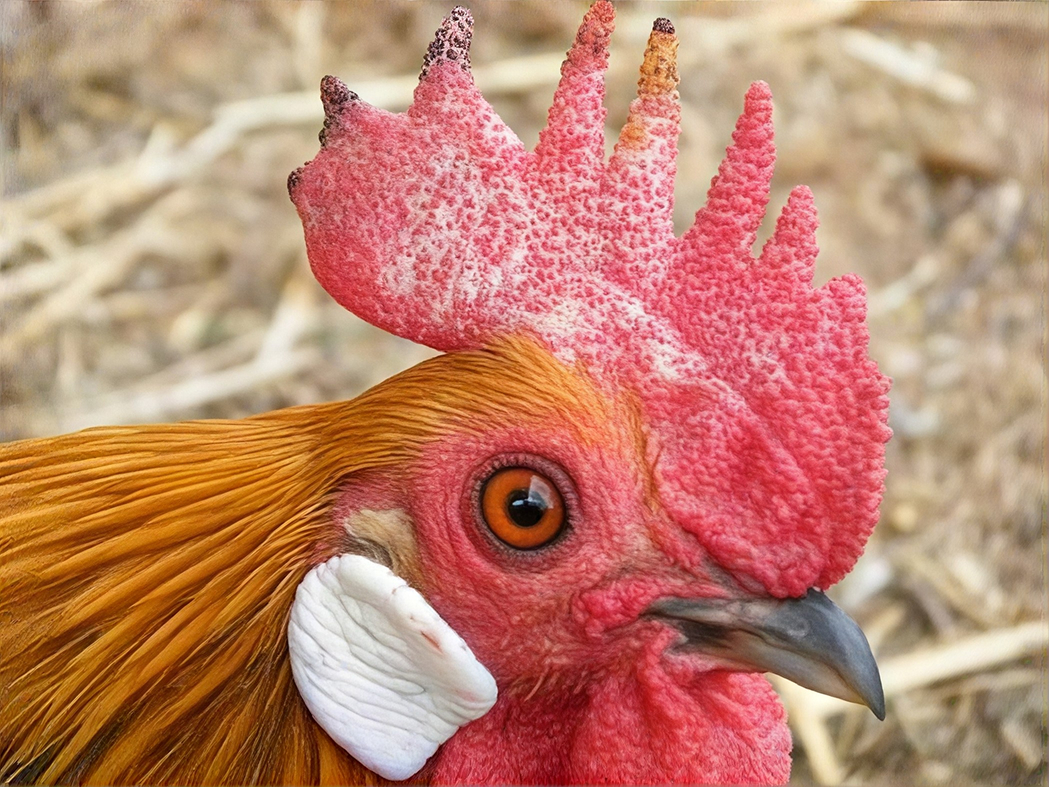
Favus is a fungal skin disease reported in chickens and some other poultry species. The organism most commonly associated with the disease is Microsporum gallinae.
The fungus can grow in keratin-rich structures such as the outer keratinized layer of the skin and structures associated with feathers. Lesions often begin on the comb and may later appear on:
- The wattles.
- Skin around the head.
- The neck.
- Feathered areas.
Favus has been reported less frequently in modern commercial poultry-production systems, but it can still occur in smaller flocks or under management conditions that favor transmission.
Importantly, informal descriptions such as “moldy skin,” “ringworm-like skin,” or simply “fungal skin” should not be treated as definitive diagnoses. These descriptions usually refer only to the external appearance.
A white lesion on the comb may be associated with a fungal infection, but it may also result from:
- Fowl pox.
- Parasites.
- Trauma.
- Pecking.
- Dermatitis.
- Secondary bacterial infection.
Visual examination is therefore an initial step in narrowing down possible causes, not the final step in deciding treatment.
2. When Do Lesions Suggest Favus?
A typical sign of favus is white, powdery patches or dry scales on the comb.
In the early stage, producers may notice only a few small white spots. Over time, these areas may enlarge and merge into grayish-white patches, making the surface of the comb rough or scaly.
Lesions on the comb
The comb is often the first area where changes are noticed.
Possible changes include white powdery patches, a dry surface, thickened skin, or crusting.
However, even a lesion that appears typical should not be used alone to confirm the disease without considering other possible causes.
When lesions spread to the wattles and head
Favus may occur on:
- The wattles.
- Skin around the face.
- Areas around the ears.
- The neck.
When lesions spread to these areas, the skin may appear:
- Dry.
- Flaky.
- Thickened.
- Covered with grayish-white patches.
When the disease spreads to feathered skin
If lesions extend into feathered areas, chickens may develop:
- Localized feather loss.
- Progressive thinning of feathers.
- Dry skin.
- Scaling around the affected area.
Some birds may preen or rub the affected skin.
However, itching and excessive preening are also common with ectoparasite infestations, so these behaviors should not be used alone to diagnose favus.
When is the condition more concerning?
Favus confined to the comb may have relatively little effect on the bird’s overall health.
Greater concern is warranted when:
- Lesions spread rapidly.
- Feather loss becomes extensive.
- Birds eat less or become weak.
- Ulcers or discharge develop.
- Multiple birds in the flock show similar lesions.
If chickens become clearly debilitated or develop systemic signs, co-existing disease or another cause should also be considered rather than attributing every sign to a fungal skin infection.
3. Differentiating Favus from Other Skin Conditions That May Look Similar
Not every case of crusting or feather loss is caused by a fungus.
This distinction is particularly important because fungal, viral, parasitic, and mechanically induced lesions require very different management approaches.
| Condition | Common signs | Key distinguishing point |
| Favus (fungal skin disease) | White powdery patches and dry scales on the comb; may spread to the head and neck | Commonly associated with dermatophytes such as Microsporum gallinae |
| Fowl pox | Raised nodules on featherless skin that later form thick, often dark crusts | Caused by a virus; the wet form may also involve mucosal lesions |
| Scaly leg mite infestation | Thickened, raised, and deformed scales on the legs | Commonly associated with the mite Knemidocoptes mutans |
| Ectoparasites | Itching, excessive preening, rough or damaged feathers | Mites, lice, or other parasites may be found on the skin or feathers |
| Dermatitis or pecking injuries | Abrasions, swelling, bleeding, crusting, or ulceration | Often associated with mechanical injury or secondary bacterial infection |
Fowl pox may be particularly easy to confuse with favus when lesions develop on the comb or other featherless areas.
Scaly leg mite infestation, in contrast, usually produces prominent changes on the legs, with thickened and deformed scales that differ from the typical white patches of favus.
If visual examination cannot distinguish the conditions, a veterinarian may consider collecting skin scales or feather samples for microscopic examination or appropriate fungal testing.
4. Fungal Skin Disease, “Moldy Skin,” and Respiratory Fungal Disease Are Not the Same Condition
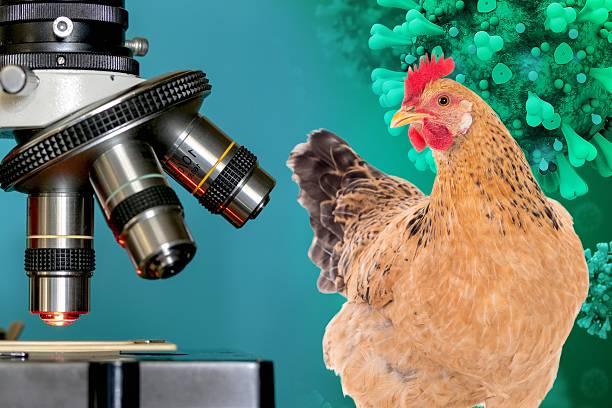
A common misunderstanding is to group all fungal problems in poultry into a single disease.
Favus is a skin disease
Favus primarily affects:
- The outer layers of the skin.
- The comb.
- The wattles.
- The head.
- Some feathered areas.
Aspergillosis is primarily associated with the respiratory system
Aspergillosis in poultry is commonly associated with Aspergillus species.
Birds may be exposed to fungal spores in the environment and develop lesions in the:
- Lungs.
- Air sacs.
This is a different disease from favus in terms of:
- Causative organism.
- Location of lesions.
- Diagnostic approach.
Moldy litter does not automatically mean a chicken has favus
Damp environments or moldy litter should be addressed because they create unfavorable husbandry conditions.
However:
The presence of mold in poultry housing should not automatically be assumed to be the direct cause of favus.
Dermatophytes responsible for fungal skin disease should be distinguished from molds growing on feed, litter, or housing materials.
5. How Can Favus Spread Within a Flock?
Favus is a superficial fungal infection of the skin. Its ability to spread depends on:
- Source of infection.
- Degree of contact.
- Health status of the flock.
- Management practices.
Direct contact
Healthy birds may become exposed when housed with or in close contact with infected birds.
Particular attention is needed when newly introduced chickens have skin lesions but are placed directly into the flock without prior assessment.
Transmission through equipment and surfaces
The organism may be carried on materials that have contacted infected skin or feathers.
Examples include:
- Cages.
- Housing surfaces.
- Catching equipment.
- Care equipment.
- Surfaces shared between different housing areas.
When a suspected case is identified, equipment should not be freely shared between affected and healthy groups.
Stocking density and housing conditions
High stocking density increases direct contact between birds and makes it more difficult to keep housing clean and dry.
Stress, inadequate nutrition, or concurrent disease may also reduce overall flock health.
However, these should be viewed as conditions that increase risk and make disease control more difficult, not as evidence that a damp environment directly creates favus.
6. A Chicken Is Suspected of Having a Fungal Skin Infection: What Should Be Done in the First 24 Hours?
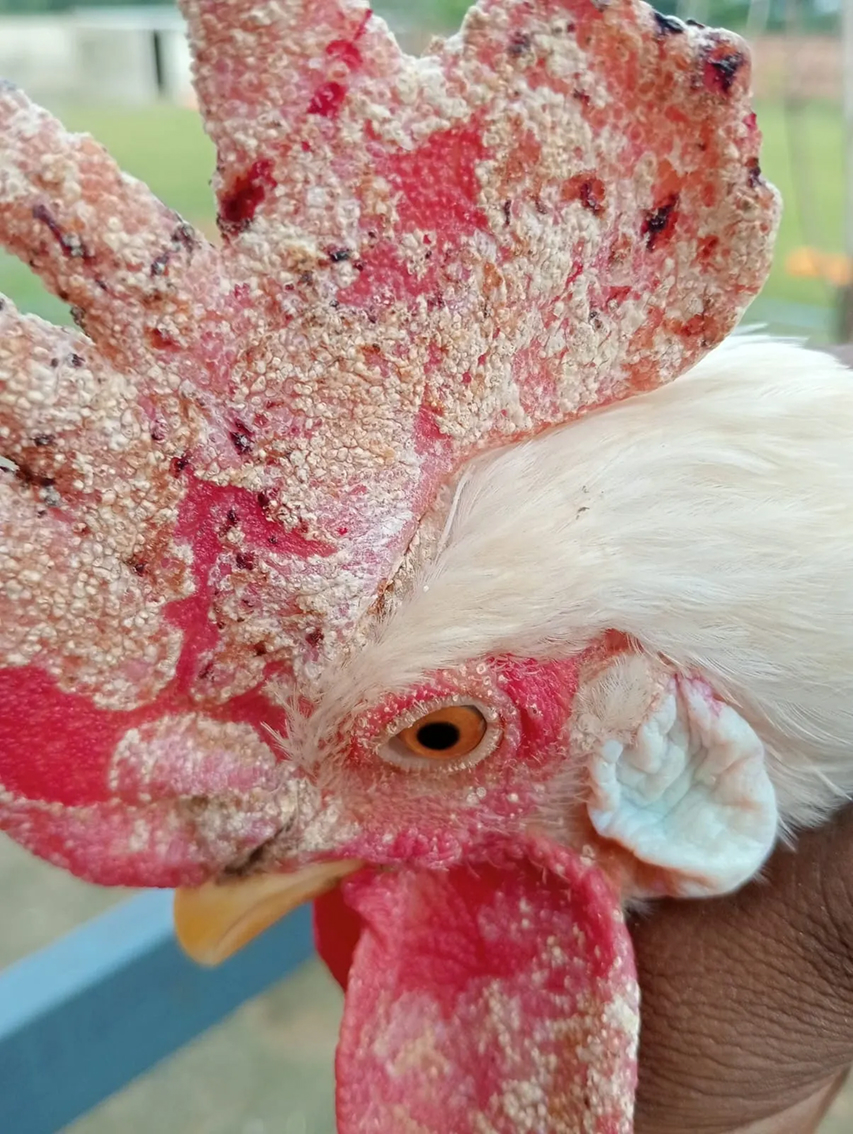
When a bird develops white patches, crusting, or localized feather loss, the initial goals are to limit contact, document the condition, and avoid further skin damage.
The following sequence may be considered:
- Place the suspected bird in a separate area if conditions allow. Move it gently to avoid causing additional trauma to affected skin.
- Check birds housed with the suspected case. Examine the comb, wattles, head, neck, feathers, and legs for similar lesions.
- Document how the condition progresses. Record the number of affected birds, lesion locations, when the lesions first appeared, and whether they spread over time.
- Separate potentially contaminated equipment. Clean cages, handling equipment, care equipment, and surfaces that have been in direct contact with the suspected bird. Damp or dirty litter should be managed appropriately.
- Do not aggressively peel or scrape off crusts. Damaging the skin may cause bleeding and create opportunities for secondary infection.
If lesions continue to spread, appear in multiple birds, or fail to improve, the underlying cause should be reassessed instead of continuing to treat only the visible lesions.
7. Treating Fungal Skin Disease in Chickens: Why Should Antifungal Products Not Be Applied Without Diagnosis?
A common problem occurs when a producer sees white skin lesions and applies an antifungal medicine intended for people or another animal species.
This should not be done without first determining the cause.
The first question should be:
Is the lesion actually caused by a fungal infection?
If the condition is:
- Fowl pox.
- Scaly leg mite infestation.
- Another ectoparasite problem.
- Dermatitis from another cause.
an antifungal product will not address the underlying problem.
When favus has been confirmed, a veterinarian may consider an appropriate product and management approach based on:
- Severity of the lesions.
- Overall health of the bird.
- Production purpose.
For chickens raised for meat or egg production, additional factors include:
- Whether the product is approved for poultry.
- Restrictions on use.
- Residue-control requirements.
- Conditions applying to food-producing animals.
A medicine intended for humans or another animal species should not be used simply because it is also described as an “antifungal.”
If the condition fails to improve after appropriate treatment, the next step should be reassessment of the diagnosis, rather than repeatedly switching medicines without identifying the cause.
8. Can Fungal Skin Disease in Chickens Spread to Humans?
Some dermatophytes associated with poultry, including Microsporum gallinae, have been reported to cause fungal skin infections in humans, although reported cases appear to be relatively uncommon.
People handling chickens suspected of having the disease should therefore pay attention to personal hygiene and limit direct contact with affected skin.
When catching or handling a suspected bird:
- Wear appropriate gloves.
- Wash hands after handling.
- Clean potentially contaminated equipment and surfaces.
Unwashed hands should not be brought into contact with:
- The face.
- Eyes.
- Sensitive skin areas.
If a caretaker develops an unusual skin lesion after contact with a suspected bird, medical evaluation should be sought.
This is also why poultry skin disease is not only an animal-health issue but may also involve occupational hygiene and how work is organized on the farm.
9. Preventing Fungal Skin Disease: Control Infection Sources, the Environment, and Newly Introduced Birds
Effective prevention involves more than disinfecting only after lesions appear.
Three areas should be managed together.
Control potential sources of infection
Newly introduced chickens should have their health status checked and be monitored before being mixed with the existing flock.
Birds with:
- White patches.
- Crusting.
- Feather loss.
- Other abnormal skin lesions.
should be evaluated before they enter the flock.
Care equipment should also not be moved between housing areas without appropriate cleaning.
Maintain a clean and dry environment
Poultry housing should provide:
- Adequate ventilation.
- Effective drainage.
- Control of prolonged moisture.
Litter should be inspected regularly, particularly during:
- The rainy season.
- Around drinkers.
- In areas prone to water leakage.
- In chick brooding areas.
Dirty, damp, or caked litter should be replaced as appropriate.
The goal is not only to prevent favus, but also to reduce other health problems associated with poor housing conditions.
Monitor the flock regularly
Regularly examine:
- Combs.
- Wattles.
- Skin around the head.
- Legs.
- Feathers.
- Excessive preening or rubbing behavior.
Chicks should also be monitored in a brooding environment with appropriate:
- Temperature.
- Ventilation.
- Hygiene.
- Stocking density.
Not every skin lesion in a chick is caused by a fungus. When abnormalities are found, the assessment should also consider:
- Parasites.
- Husbandry conditions.
- Injury.
- Other skin diseases.
10. When Should a Veterinarian Be Contacted?
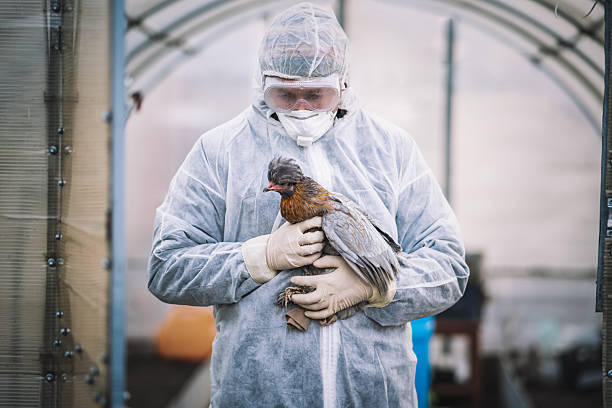
Veterinary assistance should be sought when lesions:
- Spread rapidly.
- Affect multiple birds.
- Recur.
- Fail to improve.
Professional assessment is particularly important when chickens:
- Eat less.
- Become weak.
- Lose body condition.
- Develop ulcers or discharge.
- Are suspected of having secondary infection.
Veterinary support is also useful when it is difficult to distinguish between:
- Favus.
- Fowl pox.
- Ectoparasites.
- Scaly leg mite infestation.
- Other skin diseases.
When needed, diagnosis may combine clinical examination with testing of skin or feather samples.
Identifying the correct cause helps avoid inappropriate medication use and supports the selection of appropriate flock-control measures.
Frequently Asked Questions About Fungal Skin Disease in Chickens
What is the easiest sign of fungal skin disease in chickens to recognize?
Favus is commonly suggested by white, powdery patches or dry scales on the comb.
Lesions may spread to:
- The wattles.
- Areas around the head.
- The neck.
However, a definitive diagnosis should not be made from appearance alone because several other skin diseases can look similar.
Does a white patch on the comb definitely mean the chicken has favus?
No.
White patches or crusting may also be associated with:
- Fowl pox.
- Skin injury.
- Dermatitis.
- Other causes.
The appearance, location, degree of spread, and accompanying signs should all be considered.
Can fungal skin disease spread to other chickens?
It can.
Favus may spread when healthy birds come into contact with:
- Infected birds.
- Contaminated equipment.
- Contaminated surfaces.
Separating suspected birds and limiting shared equipment are therefore important management measures.
Does a damp poultry house directly cause favus?
Not necessarily.
Favus is caused by a specific dermatophyte.
Damp housing, dirty litter, and poor ventilation are unfavorable conditions that should be controlled, but the presence of environmental mold does not mean that the mold is necessarily the organism causing favus.
Are fungal skin disease and respiratory fungal disease in chickens the same?
No.
Favus primarily affects the skin.
Aspergillosis, in contrast, is commonly associated with Aspergillus species and may cause lesions in the lungs or air sacs.
Can fungal skin disease in chickens spread to people?
It is possible, although reported cases appear to be relatively uncommon.
Some poultry dermatophytes, such as Microsporum gallinae, can cause skin infection in humans.
Appropriate protective measures and hand and equipment hygiene should therefore be used when handling suspected birds.
Should antifungal medicine be applied to a chicken without a diagnosis?
It should not be.
Fowl pox, parasites, and dermatitis may be mistaken for favus.
For chickens producing meat or eggs, medicine selection must also take into account permitted use and residue-control requirements.
When can a suspected bird be returned to the flock?
The decision should be based on:
- Recovery status.
- Risk of transmission.
- Confirmed underlying cause.
- The farm’s biosecurity procedures.
A reduction in visible white patches alone is not sufficient to determine that a bird can safely return to the flock.
From Skin Lesions to Controlling Infection Risk Within the Flock at VIETSTOCK 2026
White patches, crusting, and feather loss in chickens should not be managed solely on the basis of appearance. Favus may resemble fowl pox, scaly leg mite infestation, ectoparasite problems, or other forms of dermatitis, while the appropriate management approach differs considerably between these conditions. Early recognition therefore needs to be combined with differentiating the underlying cause, separating suspected birds, and controlling equipment and surfaces that may carry infectious material.
At VIETSTOCK 2026, poultry farms can use the event to review areas that are often overlooked in skin-disease management, from lesion detection to housing hygiene and protection of animal-care personnel. Across 10,000 sqm of exhibition area, VIETSTOCK 2026 is expected to feature 300 brands and welcome around 13,000 trade visitors from 40 countries, providing opportunities to explore a wide range of products, technologies, and solutions related to veterinary care, biosecurity, and poultry production.
Solutions worth exploring include:
- Veterinary diagnostics: review solutions that support differentiation of fungal disease from viral, parasitic, or other skin conditions.
- Cleaning and disinfection of poultry housing: explore products, procedures, and equipment for cleaning poultry houses, cages, and care equipment.
- Biosecurity between housing areas: review approaches for limiting shared equipment, managing newly introduced birds, and reducing the risk of moving infectious agents between areas.
- Housing-environment management: explore solutions that help maintain dry flooring, appropriate ventilation, and reduce prolonged dampness in litter.
- Protection for animal-care personnel: review protective equipment that can reduce direct contact with skin lesions and potentially contaminated materials.
This topic also has a clear connection with the One Health Forum on October 22, 2026. As noted in the article, Microsporum gallinae has the potential to cause fungal skin infection in humans, although reported cases are relatively uncommon. This makes hand, equipment, and surface hygiene important after handling suspected birds.
Date: October 21–23, 2026
Venue: Saigon Exhibition and Convention Center – SECC, 799 Nguyen Van Linh Street, Tan My Ward, Ho Chi Minh City, Vietnam
Event website: VIETSTOCK 2026
👉 Register to Visit VIETSTOCK 2026
👉 Visitor Registration Information
👉 Learn More About the One Health Forum
👉 Explore Innovation, Green Transition and Competitiveness at VIETSTOCK 2026
Contact information:
Exhibiting: Ms. Sophie Nguyen – [email protected]
Group Delegation Support: Ms. Phuong – [email protected]
Marcom Support: Ms. Anita Pham – [email protected]