2026 Chick Vaccination Guide: Reference Vaccine Schedule and Key Stages to Note
A practical chick vaccination guide for 2026, covering age-based vaccine schedules, administration routes, storage, flock preparation, post-vaccination monitoring, and common mistakes.
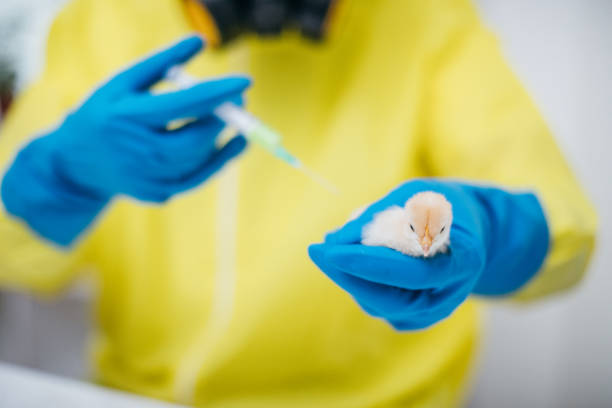
Chick vaccination is one of the most important steps in determining the survival rate and productivity of an entire flock. During the first 30 days of life, chicks’ immune systems are not yet fully developed, and their ability to fight pathogens remains weak. This is also the stage when many dangerous diseases such as Newcastle disease, Gumboro disease, and infectious bronchitis may break out and cause serious losses if not prevented in time.
The question “When should chick vaccination begin?” is common among both new farmers and experienced farm owners, because the actual schedule depends on the disease, production purpose, and epidemiological conditions in the farming area.
This article summarizes a commonly used example of a chick vaccination schedule for reference in 2026. The specific vaccine schedule should be adjusted according to breed, production purpose, maternally derived antibody status, local disease situation, vaccine label, and guidance from a veterinarian or competent animal health authority.
Farmers should not change the vaccine type, route of administration, dosage, or vaccination timing without professional advice.
Quick Summary
- Chicks may begin vaccination as early as day 1, either at the hatchery or when they arrive at the farm. Vaccines commonly included early in the schedule may include Marek’s disease, Newcastle disease (ND), and infectious bronchitis, depending on the program and local veterinary recommendations.
- Some chick vaccination programs may extend through the first 0–56 days of age, but specific dates should not be applied mechanically to every flock. For Gumboro disease in particular, vaccine timing should be considered based on maternally derived antibody levels, vaccine type, disease risk, and veterinary advice.
- There are three common vaccine administration routes for chicks: drinking water, eye/nose drops, and subcutaneous or intramuscular injection. Each route has its own technical requirements.
- Incorrect vaccine storage temperature, vaccinating weak chicks, or missing vaccine doses are common mistakes that reduce disease prevention effectiveness.
- The vaccination schedule should be adjusted according to veterinary guidance, especially when disease is circulating in the area or the flock shows abnormal signs.
Why Is Chick Vaccination More Critical Than Vaccination in Adult Chickens?
Chicks’ Immune Systems Are Not Fully Developed and Disease Risk Is High in the First 30 Days
Newly hatched chicks receive passive antibodies from the breeder hen through the egg yolk, but these antibodies decline quickly during the first 2–3 weeks.
When maternally derived antibodies drop below a protective level while active immunity from vaccination has not yet fully developed, chicks enter an “immunity gap.” This is the stage when they are more vulnerable to infection.
During this period, pathogens such as Newcastle disease virus, Gumboro disease virus, infectious bronchitis virus, or bacteria causing fowl cholera can spread very quickly within a flock, especially when stocking density is high or housing conditions are not well managed.
In a flock of chicks that has not been fully vaccinated according to schedule, just one sick bird can create a real risk of disease spreading to the entire flock.
The “4 Rights” Principle in Vaccination: Right Disease – Right Timing – Right Dose – Right Method
No matter how good a vaccination schedule is, disease prevention effectiveness can decrease significantly if any of the following four principles are not followed:
- Right disease: Use vaccines for diseases that pose a real risk in the farming area. Avoid unnecessary vaccines or using the wrong vaccine.
- Right timing: Vaccinate at the correct age according to the schedule. Vaccinating too early may allow maternally derived antibodies to neutralize the vaccine, while vaccinating too late may miss the optimal immune window.
- Right dose: Ensure each chick receives the full dose recommended by the manufacturer. Do not dilute or underdose the vaccine.
- Right method: Follow the correct administration route, such as drinking water, eye drops, or injection, and use the correct vaccine preparation and storage process throughout administration.
Minimum Flock and Housing Conditions Before Starting a Vaccination Schedule
Before administering any vaccine, several basic conditions should be ensured:
- The flock should be healthy, with no obvious signs of disease such as fever, diarrhea, wheezing, or depression.
- Housing should be cleaned and disinfected at least 3–5 days before chicks arrive, with suitable temperature, humidity, and ventilation for chicks.
- Water used for drinking-water vaccination should be clean, cool, and free from chlorine, chloramine, antibiotics, or disinfectants that may reduce vaccine potency.
- Injection tools should be disinfected, vaccines should still be within their expiry date, and vaccines should be stored at the correct temperature from purchase to use on the farm.
Chick Vaccination Schedule 2026 by Age
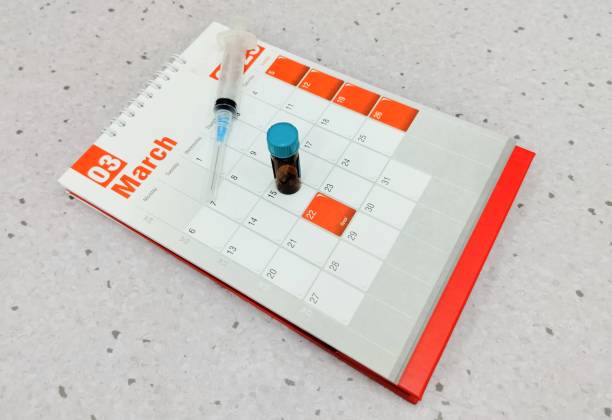
Example Reference Vaccine Schedule for Chicks From 0–56 Days Old
The table below is a reference example to help farmers understand vaccine groups that are often considered during the chick stage. This is not a mandatory protocol. The exact timing, vaccine type, administration route, and number of doses should be adjusted according to the product label, flock condition, maternally derived antibody status, local disease situation, and veterinary advice.
The age milestones, order, and dosage in this table are not an official mandatory protocol. The actual protocol must be based on the package insert of each vaccine product, recommendations from a veterinarian, and the disease situation in the farming area.
| Age | Disease Prevented | Reference Vaccine Type | Administration Route | Dose/Bird |
| Day 1, at the hatchery | Marek’s disease | Live cell-associated Marek vaccine | Subcutaneous injection in the neck | 1 dose |
| 1–3 days | Newcastle disease (ND) | Live attenuated vaccine, LaSota, B1 | Eye drops or nose drops | 1 dose |
| 5–7 days | Infectious bronchitis (IB) | Live attenuated vaccine | Eye drops or drinking water | 1 dose |
| 10–14 days | Gumboro disease / Infectious bursal disease (IBD), first dose | Intermediate live attenuated vaccine | Drinking water | 1 dose |
| 14–18 days | Gumboro disease / IBD, second dose if needed | Live attenuated vaccine | Drinking water | 1 dose |
| 18–21 days | Newcastle disease booster | LaSota vaccine or equivalent | Eye drops / drinking water | 1 dose |
| Around 28 days | Avian influenza (AI), first dose if required under the official local program | Inactivated H5 vaccine according to competent authority guidance | Subcutaneous or intramuscular injection | According to manufacturer and local program |
| 35–42 days | Fowl cholera, where indicated by local risk and veterinary advice | Inactivated vaccine according to product label | Intramuscular injection | According to manufacturer |
| 45–56 days | Avian influenza booster, if required under the official local program or farm protocol | Inactivated H5 vaccine according to competent authority guidance | Injection | According to manufacturer and local program |
Important note: The table above is for orientation only and does not replace a protocol recommended by a veterinarian, local animal health authority, or vaccine manufacturer. The specific timing and dosage of each product should be checked directly against the accompanying package insert. Farmers should not change the vaccine type or vaccination order without professional advice.
Differences Between Vaccination Schedules for Industrial Broilers, Free-Range Chickens, and Layers
Vaccination schedules are not exactly the same across different production systems:
- Industrial broilers: The production cycle is short, usually 35–45 days, so the schedule often focuses on Newcastle disease, Gumboro disease, infectious bronchitis, and avian influenza. Fewer booster doses may be used because of the short production period. For longer-cycle broiler systems such as hybrid chickens or organic chickens, the vaccine schedule may need to be extended accordingly.
- Free-range chickens: Because they are exposed to the natural environment and may come into contact with wild birds, free-range flocks are often considered to have a higher risk of exposure to avian influenza than chickens raised in enclosed housing. Therefore, many protocols in high-risk areas may recommend considering earlier avian influenza vaccination or booster doses, under veterinary guidance. The vaccination schedule is usually longer because the production cycle is longer.
- Layers: Layers usually require the most complete vaccine program because their production period is long. In addition to basic diseases, vaccines for infectious laryngotracheitis (ILT) and egg drop syndrome (EDS) are often considered during the pullet stage, depending on the protocol and local disease conditions.
At What Age Can Chick Vaccination Start?
The earliest vaccine dose is often given on day 1. This is commonly the Marek’s disease vaccine administered at the hatchery before chicks are transferred to the farm.
Newcastle disease and infectious bronchitis vaccines often begin between day 1 and day 7, depending on the protocol.
The following milestones are reference examples only to help farmers understand how a chick vaccination schedule may be built. The actual timing should be adjusted by a veterinarian based on flock condition and the instructions for each vaccine product:
- First week after hatching: Foundational vaccines such as Marek’s disease, Newcastle disease, or infectious bronchitis may be considered, depending on the source of the chicks and the hatchery or farm protocol.
- 1–3 weeks of age: Gumboro disease / IBD vaccination should be scheduled based on maternally derived antibody levels, vaccine type, and disease risk on the farm.
- From week 3 onward: Some protocols may include a Newcastle disease booster or other vaccines, but these should follow the vaccine label and veterinary advice.
- Avian influenza vaccines or vaccines under official disease control programs should only be used according to guidance from the local animal health authority and veterinarian.
Chick Vaccination Guidance by Development Stage
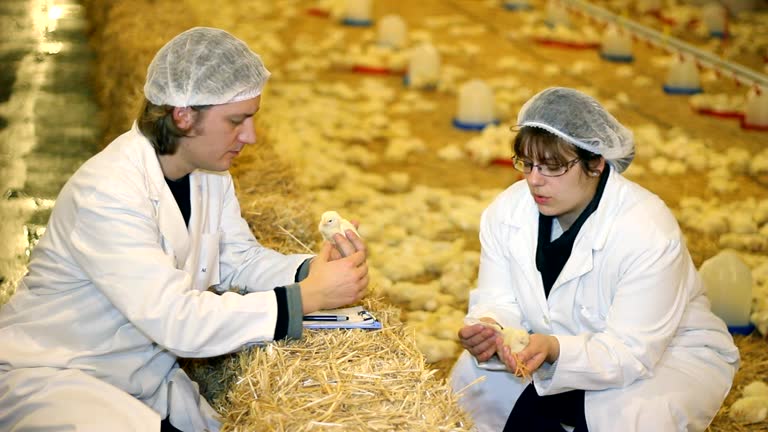
0–7 Days Old: Foundational Vaccines and Notes During Brooding
Newcastle Disease, Marek’s Disease, and Infectious Bronchitis — Vaccination Routes and Notes in the First Week
The first week is the stage when chicks are still adapting to the external environment.
Marek’s disease vaccine is often administered at the hatchery. If chicks are purchased from a reputable hatchery, farmers should confirm whether the chicks have already been vaccinated to avoid unnecessary duplication or missed vaccination.
Newcastle disease and infectious bronchitis vaccines may be included early in some chick disease prevention programs.
However, vaccine strain selection, timing, and administration route — such as eye drops, nose drops, spray, or drinking water — should follow the vaccine label, the farm protocol, and veterinary advice. Farmers should not apply a fixed age milestone to every flock without adjustment.
What to Avoid When Vaccinating Chicks During the Brooding Stage
- Avoid vaccination when brooding temperature is not stable or when chicks show signs of chilling. In urgent disease-risk situations, farmers should consult a veterinarian for specific instructions.
- Do not combine multiple different vaccines on the same day unless permitted by the manufacturer.
- Do not allow chicks to come into contact with cold water immediately after vaccine drops.
- Avoid vaccination at midday in intense heat. Early morning is usually preferable when temperatures are cooler.
7–21 Days Old: Strengthening Immunity and Boosting Gumboro and Newcastle Vaccination
Gumboro Disease at 2–4 Weeks of Age — How to Schedule Properly and Avoid Missing the Window
Gumboro disease, also known as infectious bursal disease (IBD), directly attacks the bursa of Fabricius, an organ that plays a central role in the humoral immune system of chickens. The disease weakens immune response and affects the effectiveness of vaccines given later.
For this reason, proper timing of Gumboro vaccination is important for the entire disease prevention program.
In practice, many flocks may face Gumboro disease risk during the 2–4-week-old stage, with around 14–18 days of age being a high-risk period if the vaccine program is not suitable.
The timing of Gumboro vaccination depends on maternally derived antibody levels in the flock. If breeder hens were well vaccinated, high maternally derived antibody levels may reduce the effectiveness of mild live attenuated vaccines.
When maternally derived antibodies remain high or uneven across the flock, a veterinarian may adjust the vaccination timing, select a suitable vaccine type, or recommend antibody testing before finalizing the schedule. Farmers should not choose a “stronger” vaccine on their own without professional indication.
Determining maternally derived antibody levels and selecting the optimal vaccination timing should be based on veterinary advice, which may include flock antibody testing or the vaccination history of the breeder flock.
Using Electrolytes, Vitamin C, and B-Complex to Reduce Post-Vaccination Stress
After vaccination, chicks may eat less and show mild lethargy for 24–48 hours. This is a common immune response and usually resolves on its own if the chicks are healthy and the vaccine is used correctly.
To help reduce stress and support recovery:
- Electrolytes may be added to drinking water for 1–2 days before and after vaccination according to product instructions or veterinary advice.
- Electrolytes, vitamin C, or B-complex may be supplemented according to guidance from a veterinarian or product supplier to support the flock during post-vaccination stress.
- However, supplements do not replace good management of housing temperature, drinking water, sanitation, ventilation, and flock health monitoring.
- Maintain stable housing temperature and avoid drafts or sudden temperature changes during the 48 hours after vaccination.
After 21 Days of Age: Completing the Schedule and Preparing for the Grower Stage
Avian Influenza, Fowl Cholera, and Newcastle Booster Doses Before Flock Separation
After 21 days of age, chicks gradually transition into the grower stage with better resistance, but the vaccine schedule still needs to be completed.
From this point onward, some flocks may need booster doses or additional vaccines depending on the production purpose and disease risk. For diseases under official management programs such as avian influenza, farmers should follow guidance from the local animal health authority and veterinarian. For other vaccines such as fowl cholera vaccination or Newcastle booster vaccination, the timing and administration route should follow the product label, flock condition, and the specific protocol of each farm.
For most industrial broiler systems raised for 35–45 days, this is often the final stage of the vaccine schedule before marketing.
For layers, free-range chickens, or longer-cycle production systems, the vaccine schedule continues into the pullet stage and may require further adjustment.
Special Notes for Free-Range Flocks Exposed Early to the Natural Environment
For free-range chickens, before birds are released into the outdoor environment, farmers should assess the risk of contact with wild birds, ponds, other animals, and the local disease situation. Avian influenza vaccination should be implemented according to guidance from the local animal health authority, veterinarian, or a vaccination program appropriate for the risk zone.
Farmers should also consider whether an additional fowl cholera vaccine dose is appropriate based on soil conditions and actual exposure levels, under veterinary advice.
Chick Vaccination Methods by Administration Route
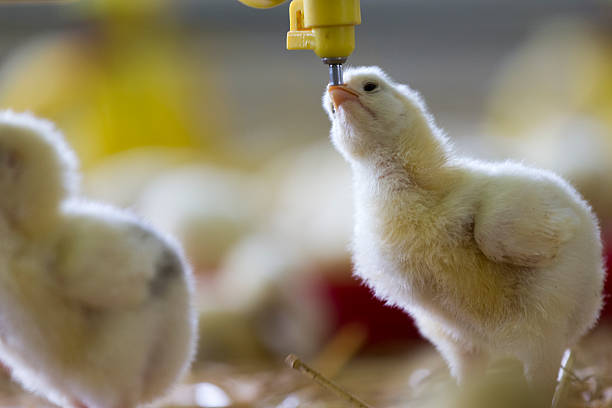
Giving Vaccines to Chicks Through Drinking Water
Water Withdrawal Time, Vaccine Mixing, and Time to Finish the Prepared Vaccine
This is a common and practical method for large flocks.
The drinking-water route is suitable for many live virus vaccines such as Newcastle disease (ND), Gumboro disease (IBD), and infectious bronchitis (IB). However, immune uniformity across the flock may be lower than eye/nose drops if vaccine mixing and water management are not done properly.
Standard process:
- If the vaccine is administered through drinking water, the water withdrawal period before vaccination should follow the manufacturer’s instructions or veterinary guidance. Do not withhold water for too long, especially in hot weather, when chicks are stressed, or when the flock shows abnormal health signs.
- Clean drinkers with clean water. Do not use detergents or disinfectants immediately beforehand.
- Mix the vaccine with clean, chlorine-free water according to the manufacturer’s recommended ratio. Some instructions may recommend adding a small amount of skim milk or a stabilizer according to the vaccine manufacturer’s guidance to help protect the vaccine virus during mixing.
- Distribute the vaccine water evenly into enough drinkers for the entire flock, ensuring that every chick has access.
- Use all prepared vaccine water within the time stated on the product label or manufacturer’s instructions. Do not leave mixed vaccine for too long outside recommended conditions.
Common Mistakes When Administering Vaccines Through Drinking Water
- Using tap water containing chlorine: Chlorine may inactivate vaccine viruses.
- Clean, cool water free from chlorine, chloramine, or disinfectants that may reduce vaccine potency should be used.
- If tap water is used, it should be treated according to the vaccine manufacturer’s or veterinarian’s recommendations. Farmers should not rely only on leaving water uncovered for a short time if the type of disinfectant in the water source is unknown.
- Mixing vaccine into too much water: Some chicks may drink too little and fail to receive the full dose. The water volume should be calculated so that the flock finishes it within the time recommended by the manufacturer or veterinarian.
- Insufficient drinkers: Weak chicks or chicks without enough drinking space may not receive the full dose. The number of drinkers should match flock density and housing design, with reference to equipment supplier or veterinary recommendations.
- Mixing vaccine under direct sunlight: This can quickly reduce vaccine potency.
Eye Drops, Nose Drops, and Oral Drops for Chicks
Correct Holding Position, Number of Drops per Chick, and Checking Vaccine Uptake
The eye/nose drop method helps control the dose for each chick better than drinking-water administration and is commonly used for Newcastle disease (ND) and infectious bronchitis (IB) vaccines in young chicks.
Process:
- Hold the chick in one hand, gently but firmly, with the head slightly tilted upward.
- Apply the correct number of drops, at the correct site, and in the correct way according to the instructions for each vaccine. Do not increase the number of drops or repeat drops multiple times without technical guidance, as this may cause irritation or incorrect dosing.
- Wait for the chick to blink or inhale. This indicates that the vaccine has been taken up before releasing the chick.
- Move vaccinated chicks to a separate area to distinguish them from unvaccinated chicks.
What to Do if the Vaccine Drops Out or the Chick Struggles During Administration
If there is concern that the vaccine did not enter the eye or nose, follow the technical instructions of the person in charge of vaccination or consult a veterinarian. Avoid repeating drops multiple times on the same chick without professional guidance.
Avoid applying repeated drops to the same chick during a single vaccination session to reduce the risk of eye irritation. This is a practical note, not a fixed quantitative rule.
If the chick struggles strongly, improve handling or ask another person to help hold the chick.
After the entire flock has been vaccinated, observe the flock for another 30 minutes to detect any abnormal reactions.
Subcutaneous and Intramuscular Injection for Chicks
Injection site, needle size, injection angle, and sterility requirements should be carried out according to the instructions for each vaccine and veterinary advice.
- Subcutaneous injection: This is often performed under the skin of the neck, nape, or under the wing, depending on the vaccine instructions. During injection, chicks should be held gently, the skin should be lifted slightly to create a subcutaneous space, and the needle should be inserted with correct technique. Farmers should not apply a fixed needle size or injection angle to every flock of chicks without professional guidance.
- Intramuscular injection: This is often performed in the breast muscle or thigh muscle, depending on the vaccine and manufacturer’s instructions. Chicks should be held firmly to prevent struggling, needle displacement, or tissue injury. Injection depth, injection site, and needle size should be adjusted according to age, chick size, and technical guidance.
- Sterility requirements: Injection tools must be clean, sterile, and used for the correct purpose. Do not use the same needle for a large number of chickens without an appropriate disinfection procedure. Needles should be changed periodically, and bent, blunt, or dirty needles should be avoided to reduce the risk of infection, tissue damage, and pathogen transmission between flocks.
When Is Support From a Technician or Veterinarian Needed?
Some cases should not be handled independently if the farmer lacks experience:
- Inactivated oil-emulsion vaccines, especially vaccines requiring precise injection technique, should be administered by someone trained in the technique because incorrect injection sites may cause local reactions or reduce effectiveness.
- Large flocks require sufficient labor and consistent technique to ensure uniform vaccination quality across the flock.
- The flock is showing signs of disease with an unclear cause.
- The farmer has never performed intramuscular or subcutaneous vaccine injection in chicks before.
Chick Vaccination Checklist: Preparation and Post-Vaccination Monitoring
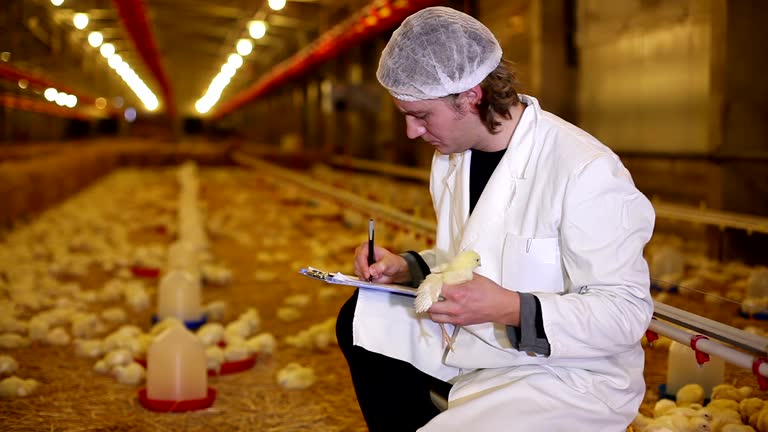
Pre-Vaccination Checklist
- Check the expiry date and external condition of the vaccine vial. It should not show abnormal cloudiness, and the cap should be intact.
- Confirm that the vaccine has been stored at the correct temperature, usually 2–8°C for live vaccines, and avoid freezing.
- Prepare sufficient equipment: needles, syringes, eye-drop bottles, drinkers, mixing buckets, and ice packs.
- Observe the health of the entire flock before vaccination. Vaccination is not recommended when the flock is sick, heavily stressed, experiencing abnormal mortality, or not yet stable after treatment. If the flock is receiving antibiotics or other treatment, ask a veterinarian about the appropriate timing for catch-up vaccination, because underlying disease and stress may reduce immune response.
- Confirm that the water used to mix vaccines does not contain chlorine or disinfectants.
- Prepare electrolytes and vitamins for use after vaccination.
Vaccination Checklist
- Mix the vaccine at the correct ratio according to the manufacturer’s instructions and avoid leaving the vaccine vial under sunlight.
- Divide the house into two areas: vaccinated and unvaccinated chicks, to avoid missing birds.
- Check the dose for each chick when using eye drops, and wait for the chick to blink before releasing it.
- Do not leave prepared vaccine for too long outside cool conditions; avoid exceeding 1–2 hours unless the product instructions specify otherwise.
- Record the number of vaccinated chicks and the start and finish time.
Post-Vaccination Checklist
- Monitor the flock for 24–48 hours, paying attention to abnormal lethargy, breathing difficulty, or scattered mortality. Mild reactions such as reduced feed intake and lethargy for 24–48 hours often resolve on their own. If mortality increases clearly after vaccination, vaccine quality and flock condition should be checked.
- Electrolytes, vitamin C, and B-complex may be added to drinking water for 2–3 days after vaccination according to product instructions or veterinary advice.
- Keep records: vaccination date, vaccine name, batch number, manufacturer, number of vaccinated birds, and person responsible.
- Dispose of leftover vaccine properly. Do not pour it into the environment, especially live vaccines.
- Schedule the next vaccine dose according to the correct interval in the protocol.
Common Chick Vaccination Mistakes and How to Prevent Them
Incorrect Vaccine Storage Temperature, Loss of Cold Chain, or Using Opened Vaccine for Too Long
Live attenuated vaccines such as Newcastle, Gumboro, and IB vaccines are very sensitive to temperature and light. Leaving them at room temperature or under sunlight for several hours may significantly reduce potency.
Once opened or mixed, vaccines should be used within the time stated on the product label. Leftover vaccine should be disposed of properly and not stored for later use.
Prevention: Use an insulated box with ice packs when transporting vaccines from the refrigerator to the poultry house. Open vaccine vials immediately before use. Do not place vaccine vials under sunlight during vaccination.
Vaccinating Chicks That Are Sick, Weak, or Under Sudden Weather Stress
Vaccinating chicks when they are weak or may be incubating a disease often reduces immune response and may worsen flock health.
Similarly, sudden weather changes such as heavy rain or a sharp drop in temperature can place chicks under stress. This is usually not an ideal time to further stimulate the immune system.
Prevention: Consider postponing vaccination if the flock is undergoing disease treatment or if weather conditions are unfavorable, unless there is an urgent indication from a veterinarian. Choose a cool day when the flock is healthy and stable.
Missing Doses, Duplicating the Schedule, or Confusing Vaccines Between Diseases
Missing a dose in the vaccination schedule, especially Gumboro or Newcastle vaccination, may create an immunity gap.
On the other hand, repeating a vaccine too soon or using the wrong vaccine may cause unwanted reactions.
Prevention: Keep the vaccination schedule in written form or in a record-keeping app. Clearly label vaccine vials in use. Set reminders for the next vaccine dose immediately after completing the current one.
Using the Wrong Diluent, Wrong Mixing Ratio, or Shared Needles Without Disinfection
Each vaccine often comes with a specific diluent. Using plain water or the wrong diluent may damage the vaccine.
Using the same needle for many birds without an adequate disinfection procedure is a risk factor for horizontal disease transmission within the flock.
Prevention: Read the instructions for each vaccine vial carefully before mixing. Prepare enough sterile single-use needles or follow an appropriate needle disinfection procedure between injections.
Frequently Asked Questions About Chick Vaccination
At How Many Days Old Should Chicks Start Vaccination, and What Is the First Vaccine?
The first vaccine may be given very early, often at the hatchery, such as Marek’s disease vaccine if it is included in the disease prevention program. Vaccines such as Newcastle disease or infectious bronchitis may also be included early, but timing and administration route should follow the veterinary protocol, vaccine label, and disease situation on the farm.
These are often among the earliest vaccines included in many protocols. The exact starting time depends on the veterinarian’s protocol and manufacturer’s instructions.
If a Dose Is Missed in the Chick Vaccination Schedule, Should It Be Given Immediately?
A catch-up dose may be possible, but it does not necessarily need to be given immediately if the flock is under unfavorable conditions such as illness or bad weather.
When a missed vaccine dose is discovered, farmers should contact a veterinarian or vaccine supplier to determine the appropriate timing for catch-up vaccination. Farmers should not administer a catch-up dose on their own when the flock is sick, stressed, under unfavorable weather, or when it is unclear how the following doses should be adjusted.
Veterinary advice should be sought to determine safe timing and spacing from the next dose.
Chicks Bought From a Hatchery Have Already Been Vaccinated. Do They Need to Be Vaccinated Again?
Farmers need to confirm exactly which vaccines were administered, on what date, and under which hatchery protocol.
If it is confirmed that the chicks were properly vaccinated according to the hatchery protocol, a veterinarian may consider continuing from the next dose instead of repeating an unnecessary dose. Farmers should not repeat vaccination on their own if the vaccine type, timing, and flock condition are unclear.
However, a veterinarian should review the specific case before a decision is made, especially when there is not enough information about vaccination quality and conditions at the hatchery.
If there is no clear information from the hatchery, professional advice is essential before re-vaccinating the whole flock.
Can Vaccination Make Chicks Die or Become Very Weak? How Can Stress Be Reduced After Vaccination?
Mild reactions after vaccination, such as reduced feed intake and lethargy for 24–48 hours, are common and often resolve on their own.
When vaccines are stored, mixed, and administered correctly to a healthy flock, serious reactions are generally uncommon. However, if the flock shows increased mortality, breathing difficulty, prolonged loss of appetite, or abnormal signs after vaccination, farmers should contact a veterinarian to check vaccine quality, administration technique, and underlying flock health.
To reduce stress, electrolytes and vitamin C may be supplemented, temperature should be maintained properly, and disturbance to the flock should be minimized for 24–48 hours after vaccination.
Is Drinking-Water Vaccination as Effective as Injection, and Which Diseases Is It Used For?
Drinking-water vaccination is a practical and easy-to-apply method for large flocks and is used for many live virus vaccines such as Newcastle disease (ND), Gumboro disease (IBD), and infectious bronchitis (IB).
However, immune uniformity may be lower than eye/nose drops if technique and water management are not good.
Many inactivated vaccines, such as some avian influenza or fowl cholera vaccines, are usually administered by injection according to the manufacturer’s instructions. Farmers should not change the administration route if the vaccine label does not allow it.
Can Chicks With Mild Diarrhea or Respiratory Signs Still Be Vaccinated?
If signs are mild but the cause is unclear, vaccination should generally be postponed until the flock is stable and the cause has been identified.
Vaccinating chicks while they have health problems may make the situation harder to control and reduce vaccine effectiveness.
Priority should be given to stabilizing the flock first, then consulting a veterinarian about the appropriate timing for catch-up vaccination.
Connect With Vaccine and Chick Health Management Solutions at VIETSTOCK 2026
Vaccinating chicks during the first weeks of life is an important step in reducing disease risks, limiting losses, and building a stable health foundation for the whole flock. For a vaccine schedule to be effective, farmers need to understand not only the right vaccination timing, but also vaccine storage techniques, administration routes, flock health status, brooding conditions, and biosecurity throughout the early stage.
VIETSTOCK 2026 is a specialized connection platform for farmers, farm owners, veterinarians, vaccine suppliers, veterinary medicine providers, vaccination equipment suppliers, brooding equipment providers, biological product providers, and poultry health management solution providers. The event is expected to bring together more than 300 brands, over 10,000 m² of exhibition area, and 13,000 trade visitors from more than 40 countries and territories, creating opportunities to access solutions that help the poultry sector become more proactive in disease prevention and improve production efficiency.
During the first weeks after hatching, chick disease prevention depends on several connected factors: a suitable vaccine schedule, chick quality, vaccine storage, administration routes, drinking water management, brooding conditions, and post-vaccination monitoring. The Vietnam Pavilion at VIETSTOCK 2026 gives Vietnamese companies a focused channel to showcase vaccines, veterinary medicines, vaccination tools, cold-chain equipment, brooding systems, temperature and drinking water control solutions, post-vaccination support products, and chick health management tools.
With support from the Department of Animal Health and Production, companies participating in the Vietnam Pavilion may benefit from preferential participation support of up to 45%. This creates a practical opportunity for local suppliers to connect with farm owners, hatchery operators, veterinarians, distributors, and partners seeking solutions to reduce losses during the first 30 days, prevent missed vaccine doses, and build a stronger health foundation for poultry flocks.
At VIETSTOCK 2026, attendees can:
- Find vaccine, veterinary medicine, vaccination equipment, and vaccine storage solutions for poultry.
- Meet suppliers of brooding equipment, temperature control systems, drinking water systems, disinfection, and biosecurity solutions for chicks.
- Access trends in vaccination schedule management, flock health monitoring, and risk reduction during the first 30 days.
- Connect with experts, businesses, and partners across the value chain: breeding stock, feed, animal health, farm equipment, production, and processing.
- Explore opportunities to participate in the Vietnam Pavilion to strengthen brand presence and expand international B2B connections.
Date: 21–23 October 2026
Venue: Saigon Exhibition and Convention Center (SECC), 799 Nguyen Van Linh Street, Ho Chi Minh City, Vietnam
Event website: https://www.vietstock.org/en/
Visitor registration: https://www.vietstock.org/en/online-registration-2/
If your business provides solutions in vaccines, veterinary medicines, vaccination equipment, brooding equipment, biological products, breeding stock, biosecurity, or poultry health management, VIETSTOCK 2026 is an opportunity to gain visibility among the professional poultry and livestock industry community, connect directly with potential customers, and expand partnerships across the livestock value chain.
👉 Book a stand at VIETSTOCK 2026 today to take advantage of a central location, available participation incentives, and global connection opportunities.
Contact:
- Exhibiting: Ms. Sophie Nguyen – [email protected]
- Visitor Support: Ms. Phuong – [email protected]
- Marcom Support: Ms. Anita Pham – [email protected]