Avian Aspergillosis in Chickens and Other Poultry: Signs, Causes, and Prevention Measures
A practical guide to avian aspergillosis in chickens and other poultry, covering warning signs, fungal spore sources, typical lesions, prevention, and outbreak response.
Avian aspergillosis, often referred to as fungal pneumonia in poultry, is an important respiratory disease in poultry production. It can cause significant losses, especially in chicks and during the brooding stage when environmental conditions are unfavorable.
There is currently no specific vaccine widely used to prevent aspergillosis in poultry. Once the disease breaks out in a flock, treatment options are often limited, especially in chicks during severe outbreaks.
What makes aspergillosis more concerning is that the disease often develops silently. Early signs can easily be mistaken for common respiratory diseases, and the source of infection may come from inside the farm itself: damp litter, moldy feed, or incubators that are not disinfected properly.
This article provides a comprehensive practical overview of avian aspergillosis, including early warning signs, causes and transmission routes, and specific prevention procedures for different stages of farm management.
Quick Summary
- Avian aspergillosis is mainly caused by Aspergillus fumigatus and several related species. It spreads primarily when birds inhale fungal spores from the environment.
- Chicks in the first few weeks after hatching are the most vulnerable group, especially when exposed to high levels of fungal spores from incubators, litter, or the brooding environment. Common signs include difficulty breathing, open-mouth breathing, neck stretching, lethargy, and no clear improvement when handled only as a bacterial respiratory disease.
- Common sources of infection in poultry production include incubators that are not disinfected properly, damp or moldy litter, and feed that is not stored correctly.
- Prevention is the most effective and practical approach, focusing on environmental control, incubator hygiene, and litter management before a new flock is introduced.
- When an outbreak is suspected, farmers should not treat the flock on their own. They should immediately improve the environment, isolate weak birds, and contact a veterinarian to identify the cause and receive guidance on an appropriate response.
What Is Avian Aspergillosis? Is It the Same as Aspergillosis in Chickens?
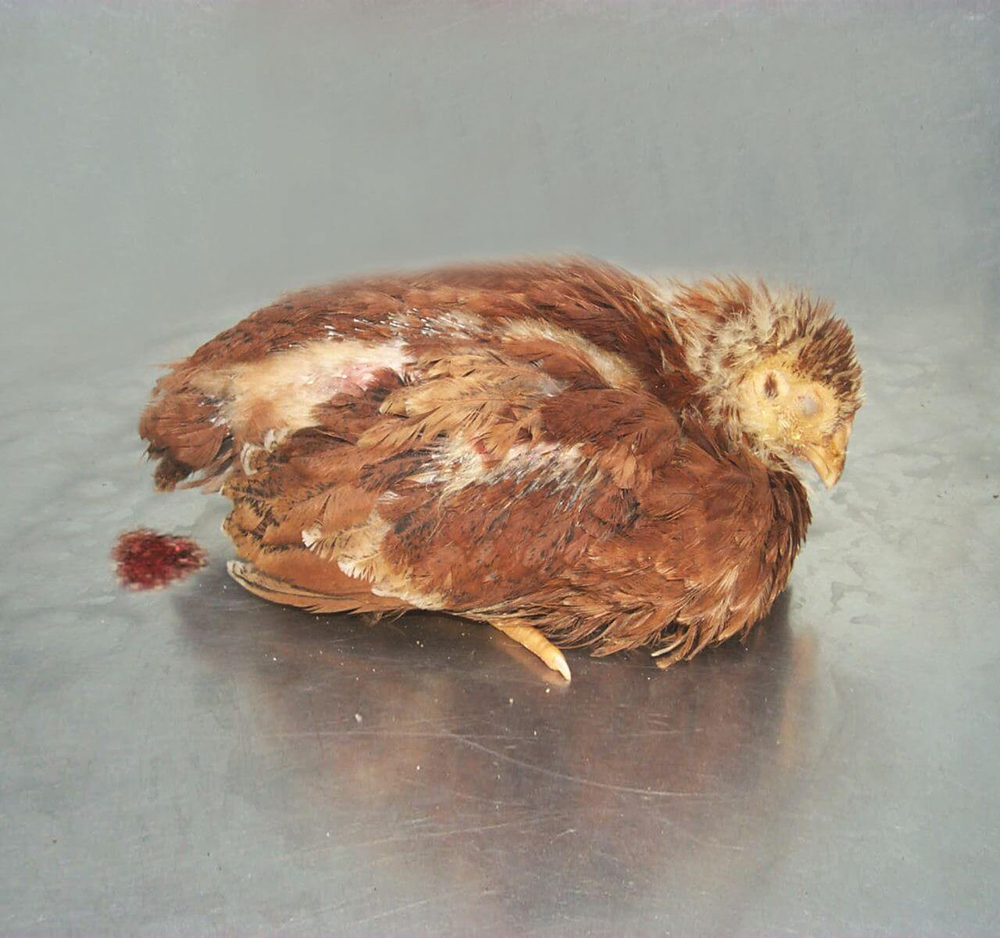
Avian aspergillosis is a fungal infection caused by species of the genus Aspergillus. When it occurs in chickens, farmers often refer to it as fungal pneumonia in chickens or aspergillosis in chickens.
In veterinary contexts, the disease is referred to as aspergillosis, an Aspergillus-related fungal infection. It is caused by species of the genus Aspergillus, with Aspergillus fumigatus being the main and most common causative agent.
Aspergillus does not usually spread directly from one bird to another in the same way as viruses or bacteria. Instead, poultry become infected when they inhale high concentrations of fungal spores from their living environment.
When spores enter the lungs and air sacs, they may germinate into fungal hyphae, causing inflammation, forming fungal granulomas, and damaging respiratory tissues. In young birds or birds with weakened immunity, this process may progress quickly and, in many cases, lead to death before farmers recognize the problem.
The disease has been recorded in many poultry species, including chickens, ducks, geese, turkeys, quails, and ornamental birds. However, in the context of commercial poultry production in Vietnam, chickens are the most commonly reported, and chicks in hatcheries or brooding farms are the group most severely affected.
Aspergillosis is generally divided into two main clinical forms:
- Acute form: Occurs mainly in chicks and young birds. It progresses quickly over several days to one week, and mortality may be high depending on the level of infection and management conditions.
- Chronic form: Seen in adult chickens. The disease progresses slowly, signs are less obvious, and it can have long-term effects on flock productivity and immune resilience.
Causes and Transmission Routes of Avian Aspergillosis in Poultry
Aspergillus fumigatus and Related Species
Aspergillus fumigatus is the main causative agent and accounts for a large proportion of aspergillosis cases in poultry. Other species such as A. flavus, A. niger, and A. terreus may also cause disease, but they are less common.
Several characteristics make A. fumigatus particularly important in poultry production environments:
- It reproduces through extremely small spores, around 2–3 micrometers, which can easily remain suspended in the air and enter deep into the lungs when birds inhale.
- Spores can persist in the environment, especially when disinfection procedures do not use the appropriate chemicals, concentrations, and recommended contact time.
- It grows rapidly in warm and humid conditions, especially on organic materials such as straw, sawdust, feed, and manure.
Transmission Routes: Airborne Spores, Incubators, Contaminated Eggs, Moldy Feed, and Litter
Poultry do not usually transmit the disease directly from sick birds to healthy birds through ordinary contact. The main source of infection is an environment contaminated with fungal spores.
Common transmission routes in poultry production include:
- Incubators and hatchers: These are among the most important sources of infection for chicks. Dirty eggshells, manure, down feathers, and dead chicks inside incubators can create conditions for fungal growth. Spores can spread within the incubation chamber, and chicks may inhale them immediately after hatching or during the first hours of life.
- Damp and moldy litter: Sawdust, straw, or rice husk that is poorly stored or becomes wet during production provides favorable conditions for Aspergillus to grow and continuously release spores.
- Moldy feed: Compound feed, corn, and soybean meal stored under high humidity may become contaminated with fungi. When birds eat or scratch at contaminated feed, spores may become airborne around the housing area.
- Contaminated eggs: Hatching eggs with shells contaminated by manure or soil may carry fungal spores into incubators, from where they may spread throughout the batch.
- Untreated organic waste: Wet, clumped manure and carcasses that are not removed promptly can become sources of fungal growth inside the house.
Favorable Conditions for Fungal Spore Growth and Disease Development
Aspergillus spores are present in many environments. Disease usually breaks out only when several favorable conditions occur together:
- Prolonged high humidity in the poultry house, feed storage area, or litter storage area.
- Poor ventilation and stagnant air, which increase spore concentration inside the house.
- High stocking density, which increases moisture and reduces air quality.
- Weakened flock immunity: newly hatched chicks, birds under heat stress, malnourished birds, or birds recovering from another disease are more susceptible.
- Poor hygiene before introducing a new flock, especially when the old house has not been thoroughly cleaned.
Signs of Avian Aspergillosis in Chickens by Age Group
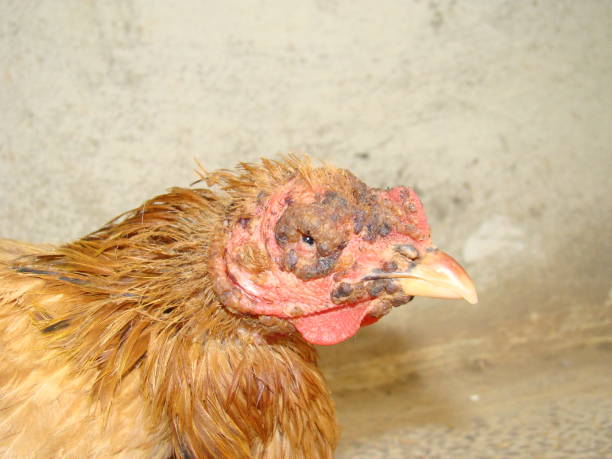
Signs in Newly Hatched Chicks and Brooding Chicks Aged 1–3 Weeks
This is the stage when the disease is most obvious and often causes the most severe losses. Signs often appear from day 3 to day 7 after hatching or after chicks are introduced into the brooding farm:
- Clear respiratory distress: chicks breathe with open mouths and stretch their necks forward to breathe.
- Wheezing or a slight whistling sound may be heard when birds are observed closely.
- Reduced feed intake or refusal to eat; huddling and separating from the flock.
- Ruffled feathers, half-closed eyes, and slow responses.
- Chicks often do not improve if handled only as a bacterial respiratory disease. However, this is only a suggestive sign and does not replace veterinary diagnosis.
- Mortality may increase within a few days, often concentrated in the first week.
A characteristic point in this age group is that chicks may die without obvious diarrhea or digestive lesions, with signs mainly concentrated in the respiratory system.
Signs in Growing Broilers
In chickens over 3 weeks old, the disease often progresses more slowly and is more difficult to recognize:
- Rapid breathing and increased respiratory rate, but without continuous open-mouth breathing as commonly seen in chicks.
- Reduced weight gain and uneven flock development.
- Some birds appear lethargic and cannot keep up with the flock when moving.
- Reduced feed and water intake.
- Sporadic mortality, rather than a clear acute outbreak.
Signs in Laying Hens and Long-Cycle Flocks
In adult chickens, chronic aspergillosis may affect the nervous system if the fungus invades the brain, or it may appear through:
- Prolonged reduction in egg production without a clear cause.
- Neurological signs in some birds, such as staggering, loss of balance, or twisted neck. These signs often appear when the disease is already severe.
- Gradual weight loss even when birds appear to eat normally.
- Eye inflammation or blindness in one eye in some cases where the fungus spreads to the eye socket.
Typical Lesions of Avian Aspergillosis During Necropsy
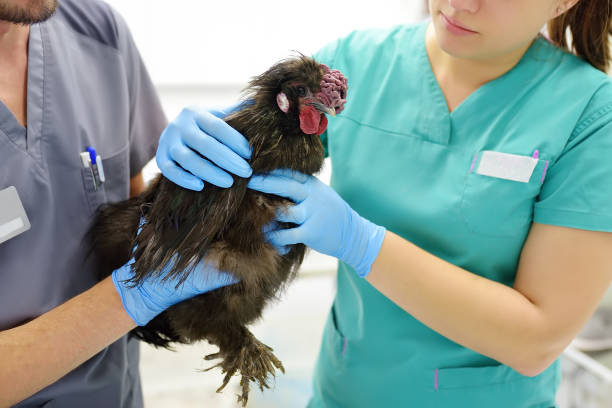
When dead chickens suspected of aspergillosis are examined, a veterinarian or trained technician may observe the following lesions:
- Lungs: White-gray to pale-yellow nodules or plaques that are firm and resemble small tumors. These are fungal granulomas and may be scattered on the surface and within the lung tissue. Their number and size may increase as the disease becomes more severe.
- Air sacs: The air sacs may appear cloudy and thickened. Gray-green or white fungal plaques may be seen on the air sac surface. This is a characteristic lesion of aspergillosis in poultry.
- Liver and spleen: Fungal nodules may appear in internal organs when the disease has spread.
- Brain: In the neurological form, fungal granulomatous lesions may be seen in the brain or meninges.
Air sac lesions are an important distinguishing feature compared with many other respiratory diseases. If necropsy shows cloudy air sacs with visible fungal plaques, aspergillosis is highly suspected, although laboratory testing is still needed for confirmation.
Differentiating Avian Aspergillosis from Other Respiratory Diseases
Many respiratory diseases in chickens have similar external signs, which can lead to misdiagnosis and inappropriate treatment. The table below summarizes key distinguishing points.
| Criteria | Aspergillosis / Fungal Pneumonia | CRD | IB | Newcastle Disease |
| Causative agent | Aspergillus spp., most commonly A. fumigatus | Mycoplasma gallisepticum | Infectious bronchitis virus (IBV) | Newcastle disease virus |
| Main transmission route | Mainly inhalation of fungal spores from the environment, litter, moldy feed, or contaminated incubators | Horizontal spread through the respiratory route and vertical transmission through eggs | Rapid spread through the respiratory route, secretions, equipment, and contaminated environments | Very rapid spread through secretions, feces, equipment, people, and vehicles |
| Groups most severely affected | Chicks in the first few weeks after hatching, especially under high spore exposure | All ages, often more severe under poor conditions or mixed infections | Chicks and broilers may be clearly affected | All ages |
| Respiratory signs | Difficulty breathing, open-mouth breathing, neck stretching, labored breathing; often little nasal discharge | Wheezing, nasal discharge, facial swelling, sinusitis | Coughing, sneezing, wheezing; may include reduced growth or lower egg production | Difficulty breathing, coughing, diarrhea, neurological signs, or rapid death depending on virus virulence |
| Response to antibiotics | Usually no improvement with antibiotics if the primary cause is fungal | May improve when the right medicine is used based on diagnosis and veterinary guidance | Antibiotics do not kill viruses; they are used only as supportive treatment for secondary infections under veterinary guidance | No effect on the virus; requires handling according to veterinary guidance and disease control regulations |
| Characteristic lesions | White or yellow fungal nodules in the lungs and air sacs; sometimes gray-green fungal plaques | Airsacculitis, sinusitis, inflammatory respiratory discharge | Tracheitis and bronchitis; some strains may cause kidney or reproductive lesions | Hemorrhages in the digestive tract and trachea; neurological lesions may occur depending on disease form |
| Confirmatory tests | Necropsy, microscopy, fungal culture, or specialized laboratory tests | PCR/ELISA or Mycoplasma testing as indicated | RT-PCR for IBV detection | HI test, RT-PCR, or testing according to veterinary guidance |
| Preventive vaccine | No widely used vaccine for aspergillosis prevention in commercial poultry production | Vaccines may be used in some programs depending on region and regulations | Vaccines are available for IB | Vaccines are available for Newcastle disease |
Some signs at farm level may suggest aspergillosis: birds do not respond to antibiotics, cases appear sporadically among chicks, there is no clear rapid epidemic-like spread, and the housing environment is damp or feed has a moldy smell.
However, this combination of signs is only suggestive and cannot replace diagnostic testing. A confirmed diagnosis should be based on testing by an authorized veterinary body or qualified laboratory.
Farm Management Mistakes That Increase Avian Aspergillosis Risk
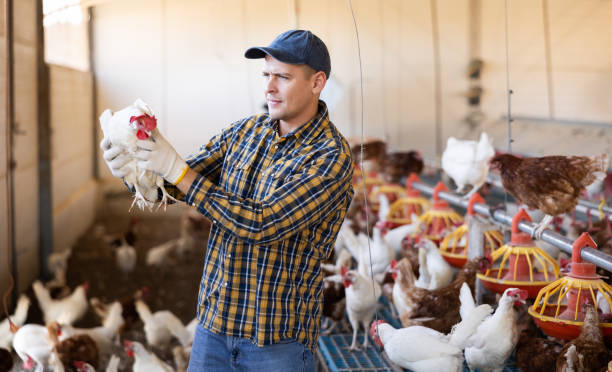
Based on practical experience, many aspergillosis outbreaks in chicken farms may be linked to one or more management mistakes. Recognizing these points helps farmers prevent problems before losses occur.
1. Reusing Old Litter Without Proper Treatment
This is a common mistake in smallholder and medium-scale farms. Litter from a previous flock accumulates moisture, fungal spores, and harmful microorganisms.
If farmers only turn the surface or add a new layer on top without fully replacing the litter and disinfecting the floor, the next flock is immediately exposed to a high spore load.
2. Not Disinfecting Incubators Between Hatching Batches
If fumigation is used, it should only be carried out using methods and chemicals permitted under current regulations, the procedures of a qualified facility, and veterinary guidance.
The treatment area must ensure occupational safety, with full protective equipment, and no people, poultry, or commercial eggs present during treatment. Farmers should not use formaldehyde or fumigation chemicals on their own unless they have been trained and have checked legal and safety requirements.
A clean batch of eggs placed into an incubator that has not been cleaned properly may produce chicks that have already been exposed to fungal spores from the moment they hatch.
3. Improper Feed Storage
Compound feed, whole corn, and soybean meal stored in damp areas, without proper roof cover, or in bags that are not tightly sealed can easily become moldy.
Some farmers still use feed with a slight moldy smell because they believe it does not matter much. In reality, this can introduce additional spores into the poultry house and increase the risk of aspergillosis.
4. Poor Ventilation, Closed Housing, and Excessive Stocking Density
Poorly ventilated housing allows humidity to build up, especially during the rainy season or cold weather when farmers close the house tightly to keep chicks warm.
Excessive stocking density produces more moisture and waste gases, creating favorable conditions for fungi to grow on litter and leftover feed.
5. Introducing Chicks from Hatcheries Without Quality Control
Chicks that have been exposed to spores in the hatchery but do not yet show symptoms may be introduced into the brooding farm. Under warm and humid brooding conditions, disease may break out after a few days.
Farmers often do not suspect the hatchery as the source and instead look only for causes inside their own poultry house.
6. Skipping House Preparation Before Introducing a New Flock
Some farms understand cleaning as sweeping and spraying water, but they miss the step of disinfecting with an appropriate chemical at the correct dose and contact time. Fungal spores on walls, floors, and equipment are not killed by ordinary water and soap alone.
How Does Avian Aspergillosis Cause Economic Losses?
Losses from aspergillosis do not stop at the number of dead birds. The actual economic impact includes several aspects:
- Direct mortality: In severely infected chick batches, mortality during the first 2–3 weeks may reach concerning levels, depending on the infection level, breed, and management conditions of each farm.
- Reduced weight gain in surviving birds: Birds with mild or chronic infection may survive but grow slowly, consume more feed, and reach market weight later than planned.
- Reduced egg production: Laying flocks with chronic aspergillosis may experience prolonged egg production declines even without clear disease signs.
- Treatment and management costs: Antifungal medicines, if used under veterinary guidance, may be costly. Additional costs may include emergency cleaning and disinfection, litter replacement, and flock inspection.
- Losses from early culling: Birds that do not develop evenly may need to be culled or sold at a low price, reducing the average value of the entire batch.
- Risk of recurrence: If the fungal source in the environment is not thoroughly controlled, the disease may recur in the next flock, creating repeated losses.
Together, these factors may increase the risk of an unprofitable production cycle or significantly reduce profit margins, especially in chick and broiler systems where margins are already thin. The specific impact depends on each farm’s conditions and market prices at the time.
Prevention Procedures for Avian Aspergillosis in Incubators and During the Chick Stage
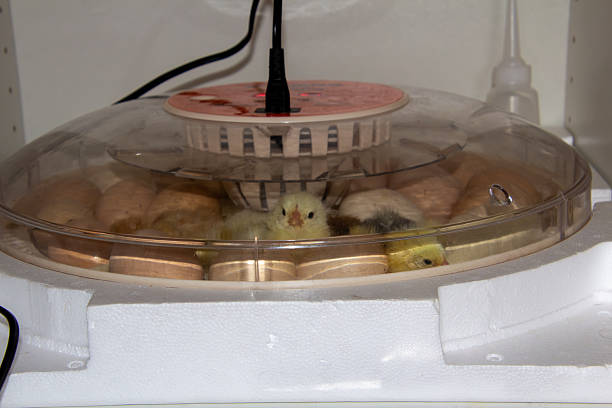
Cleaning and Disinfecting Incubators, Hatchers, and Trays
Incubators are a key control point in preventing aspergillosis in chicks. The following procedures should be completed between hatching batches:
- Remove all eggshells, down feathers, dead chicks, and organic dirt manually and mechanically before using chemicals.
- Wash all internal surfaces of incubators, hatching trays, setter trays, and air circulation components with water and a cleaning solution.
- Disinfect using chemicals approved for use in hatchery facilities, following the manufacturer’s recommended concentration and contact time.
- If fumigation is used, it should only be carried out with legally permitted methods, such as formaldehyde fumigation where allowed, or approved alternatives, under qualified technical or veterinary guidance and with full safety precautions.
- Allow the machine to dry completely before placing the next batch of eggs.
- Hatchery facilities should maintain disinfection logs to track cleaning history and identify problematic batches early.
Handling Hatching Eggs Before Incubation
- Accept eggs only from breeder flocks with controlled health status and clear production history.
- Clean eggshells contaminated with manure or soil using an appropriate method. Dry wiping is preferred. Washing with water should be avoided if proper equipment is not available, because incorrect washing may allow microorganisms to enter through shell pores.
- Disinfect the egg surface before placing eggs into the incubator, according to technical guidance from the breeding supplier or veterinarian.
- Do not use heavily soiled eggs, cracked eggs, or eggs stored for too long under humid conditions.
Managing the Brooding Farm to Limit Fungal Spores from Day One
The brooding house should be cleaned, disinfected, and completely dried before chicks are introduced. The empty-house period should follow the farm’s biosecurity procedure, veterinary guidance, and actual conditions.
Litter used for chicks must be clean, dry, new, or properly heat-treated/disinfected. Do not use litter from the previous flock.
Before introducing chicks, check that the floor, litter, and ventilation are dry and suitable. Avoid placing chicks in a damp, poorly ventilated house or one with a moldy smell, as moisture and poor ventilation allow Aspergillus to grow and release spores.
Do not introduce chicks into a house that has a moldy smell or still-damp litter.
Preventing Avian Aspergillosis Inside Poultry Houses
Controlling Humidity and Ventilation
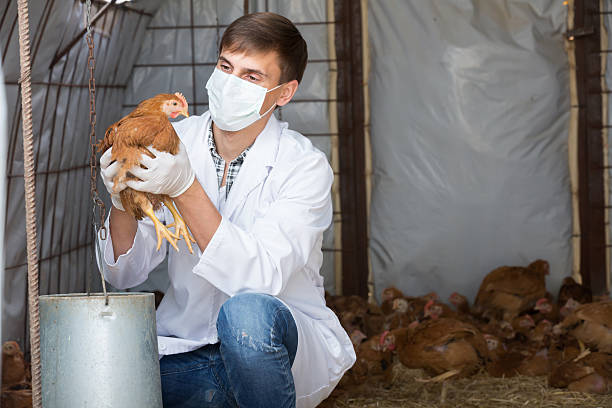
Ensure the ventilation system runs continuously and has sufficient capacity for the stocking density. Air exchange rates should be designed according to the growth stage and housing type, such as open-sided or closed housing.
Avoid fully closing the house during the rainy season or cold weather. If chicks need warmth, prioritize localized heat sources such as brooder lamps or brooder guards instead of closing the entire house.
Check and clean ventilation fans and curtains regularly to ensure even air circulation.
Repair roof leaks and water seepage on walls immediately, as these create localized damp spots on litter and walls — favorable conditions for fungal growth.
Litter and Bedding Management
- Check litter condition daily, especially around drinkers, where wet spots are most common.
- Turn or loosen litter regularly to reduce moisture buildup and help the surface dry evenly.
- Replace wet, clumped, or moldy litter immediately instead of waiting until the end of the production cycle.
- At the end of each cycle, all old litter must be removed from the house and should not be reused unless it has been properly treated.
- Backup litter storage areas must be dry, well ventilated, and roofed. Do not accept bedding materials that are damp or have a moldy smell.
Feed and Water Control to Prevent Mold Sources
- Check feed visually and by smell each time it is distributed: color should be even, with no clumping, sour smell, or moldy odor.
- Feed storage must be well ventilated, with no direct contact with the ground. Feed bags should be placed on pallets at least 10–15 cm above the floor.
- Do not leave leftover feed in troughs overnight under humid conditions, because damp feed can allow fungi to grow very quickly.
- Clean feeders and drinkers regularly to avoid the buildup of wet residues inside the equipment.
- Do not use expired feed or feed that has been stored improperly, even if mold is not clearly visible to the naked eye.
Adjusting Stocking Density and Reducing Flock Stress
Follow the recommended stocking density for each chicken breed and housing type. Overcrowding not only increases humidity but also reduces flock resistance due to chronic stress.
Avoid unnecessary stress factors such as sudden flock movement, abrupt feed changes, loud noise, and irregular lighting.
Ensure adequate nutrition, including vitamin A, vitamin D, and trace minerals, to maintain the respiratory mucosal barrier — the first biological defense layer against fungal spores.
Avian Aspergillosis Biosecurity Checklist for Poultry Farms
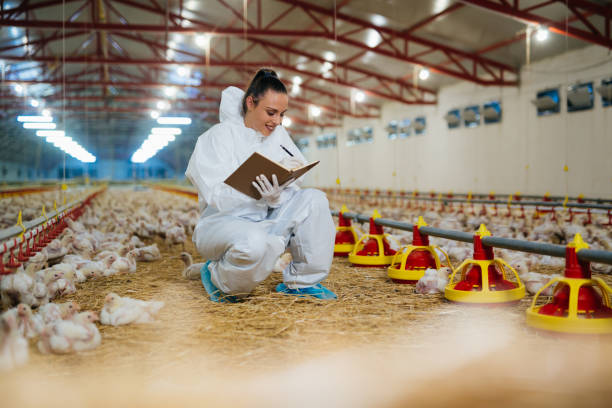
The checklist below helps farmers quickly assess farm readiness before each new flock and during daily operation.
Before Introducing a New Flock
- All litter from the previous flock has been fully removed from the house.
- Floors, walls, ceilings, and equipment have been cleaned and disinfected with appropriate chemicals.
- The house has been cleaned, disinfected, and completely dried before the new flock is introduced. The empty-house period should follow the farm’s biosecurity procedure and veterinary guidance.
- New litter material has been checked: dry, not moldy, and free from unusual odors.
- The ventilation system has been checked and is working properly.
- The feed storage area has been checked: feed is not moldy, not expired, and properly stored.
- The chick source is confirmed to come from a hatchery with hygiene control.
During Production
- Litter is checked daily, and wet or moldy areas are replaced immediately.
- House humidity is monitored to avoid prolonged dampness in the floor, litter, and air.
- Ventilation fans run continuously and at sufficient capacity.
- Feed is distributed in the right amount, with no leftovers kept overnight under humid conditions.
- Feeders and drinkers are cleaned regularly.
- Weak birds, birds with breathing difficulty, or birds separating from the flock are detected and monitored separately.
- Dead birds are collected and handled on the same day and are not left inside the house.
Periodically
- The entire roofing, wall, and floor system is checked to detect leaks or damp areas.
- Stocking density is reviewed and adjusted if needed.
- Flock health, mortality rate, and respiratory abnormalities are recorded to detect trends early.
What to Do When an Avian Aspergillosis Outbreak Is Suspected
Isolate and Monitor Birds Showing Abnormal Signs
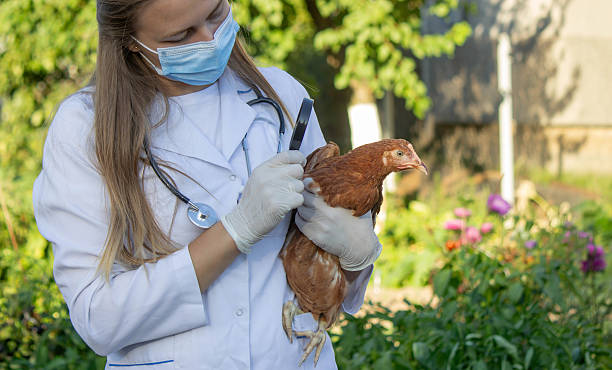
As soon as some birds show difficulty breathing, open-mouth breathing, lethargy, or no response to the current antibiotic treatment, the first steps are:
- Immediately isolate affected birds in a separate area to reduce spore pressure if sick birds are scratching the litter and further spreading fungal material inside the house.
- Observe the number of birds showing signs each day, record the spread rate, and monitor daily mortality.
- Retain severely sick birds or freshly dead birds for possible laboratory testing, and collect or submit samples only under veterinary guidance.
Improve the Housing Environment Immediately
While waiting for veterinary support, farmers can reduce the spore load inside the house by:
- Increase ventilation as much as possible while maintaining an appropriate brooding temperature, even in cold weather. Reducing airborne spore concentration should be prioritized over keeping the house warm by closing it tightly.
- Immediately replacing damp or moldy litter, even if the entire litter layer needs to be replaced.
- Stopping the use of any feed suspected of being moldy and switching to a new batch that has been checked.
- Limiting activities that stir up litter dust, such as aggressive litter turning or moving the flock, until ventilation has been improved.
When to Contact a Veterinarian or Send Samples for Testing
Farmers should not treat the flock without a confirmed diagnosis. Contact a veterinarian immediately in the following situations:
- Birds die sporadically and mortality increases over 2–3 consecutive days.
- The flock does not improve after 48–72 hours of monitoring or after initial handling under veterinary guidance.
- Many birds show respiratory distress at the same time.
- Chicks under 3 weeks old have unusually high mortality during the first week after introduction.
A veterinarian may guide sample collection for fungal culture, microscopy, or histopathology. Laboratory results are the basis for selecting an appropriate response and avoiding wasted costs from incorrect treatment.
Overview of Treatment and Support for Chickens with Aspergillosis
Treating aspergillosis in poultry is complex and should be carried out under the supervision of a qualified veterinarian. Farmers should understand the following general points:
- In current practice, antifungal medicines suitable for mass treatment of commercial poultry flocks are limited and are not widely used.
- Antifungal medicines such as itraconazole or amphotericin B are more commonly used in pet or individual animal treatment, and they are often less practical in terms of cost and technique for commercial poultry flocks.
- Farmers should check the current list of approved veterinary medicines and consult a veterinarian for the most updated information.
- For commercial flocks experiencing an outbreak, veterinary priorities usually include environmental control, culling severely affected birds, and protecting the healthy portion of the flock, rather than trying to cure all severely infected birds.
- Supporting the flock with electrolytes, vitamins A and C, and improved ventilation may help birds maintain better resistance, but these measures do not replace specific treatment.
- Do not use antifungal medicines without diagnosis and veterinary guidance. Using the wrong product or dose may be ineffective and may also cause toxicity or residues in animal products.
- In practical poultry production, proper prevention is usually far more effective and economical than responding after aspergillosis has already broken out.
Illustrative Scenario: Aspergillosis Outbreak in a Brooding Farm Due to Insufficient Hatchery Disinfection — Progression, Losses, and Lessons Learned
The following scenario is a composite illustrative example that reflects common developments in small- and medium-scale chick farms in Vietnam. It is not an officially published disease case.
Background
A chick farm with about 5,000 birds per batch in Dong Nai imported one-day-old chicks from a medium-scale commercial hatchery. The hatchery had a continuous production schedule and performed surface-level cleaning of incubators between batches, but skipped fumigation to shorten the waiting time between hatching batches.
Disease Progression
From day 4 to day 5 after arrival, some chicks began showing mild breathing difficulty and separation from the flock. The farm owner treated them with antibiotics according to a common respiratory disease protocol. After three days without improvement, the number of symptomatic chicks increased.
By day 10, cumulative mortality had reached a concerning level, concentrated among the weakest chicks in the batch.
Identifying the Cause
A veterinarian was called in. During necropsy of dead chicks, typical white fungal granulomas were observed in the lungs, and the air sacs were cloudy with fungal plaques. Samples were sent for culture and confirmed Aspergillus fumigatus.
A traceback investigation at the hatchery revealed that down feathers and dirt had accumulated inside the incubator and had not been handled properly between batches.
Losses
That production batch suffered significant losses due to high mortality during the first two weeks. Surviving chicks grew slowly, the production cycle lasted longer than planned, and veterinary costs and emergency cleaning costs increased significantly compared with a normal batch.
All litter had to be replaced early, and the entire house had to be disinfected again before the next flock was introduced.
Lessons Learned
- Checking the chick source, including the hatchery’s incubator hygiene process, is just as important as hygiene inside the farm.
- The outward appearance of chicks at arrival cannot be used to conclude that the batch is safe, because fungal spores may have already entered but symptoms may not yet be visible.
- Building a working relationship with the chick supplier to discuss and monitor hatchery disinfection procedures is part of farm risk management.
- Early detection from day 4–5 and contacting a veterinarian immediately, instead of self-treating for the first three days, may shorten the period of loss.
Frequently Asked Questions About Avian Aspergillosis
Does Aspergillosis Spread Directly from One Chicken to Another?
Aspergillosis does not spread directly between chickens through contact in the same way as bacterial or viral diseases. However, when many birds in the same flock inhale air with a high concentration of spores, many birds may become infected almost at the same time.
Fungi growing from carcasses or waste from sick birds that are not removed promptly may also increase spore levels in the shared housing environment.
Can Chicks with Aspergillosis Be Fully Cured?
Complete recovery in chicks is very limited, especially when the disease has progressed to the stage of fungal granulomas in the lungs and air sacs. Under practical poultry production conditions, antifungal medicines often have difficulty fully eliminating granulomas that have already formed, and they mainly help limit further disease progression.
Chicks have weak resistance, lung damage can progress quickly, and full recovery is often unlikely even when treatment is attempted. Therefore, proper prevention is the top priority for this disease, and veterinary advice should be sought when an outbreak is suspected.
How Can Aspergillosis Be Distinguished from Infectious Respiratory Diseases Such as CRD or IB Before Test Results Are Available?
Some signs at farm level may be suggestive: birds often do not respond to antibiotics after 48–72 hours of proper treatment, disease does not spread rapidly in a clear epidemic pattern, there is no obvious diarrhea or facial swelling, and the housing environment is damp, litter is moldy, or feed has an unusual odor.
Necropsy of dead birds and observation of air sac lesions may provide additional clues. However, these signs are only suggestive, and a confirmed diagnosis requires testing. Treatment decisions should not be based only on clinical observation.
Does Damp or Moldy Feed Really Increase the Risk of Aspergillosis in Chickens?
Yes. Moldy feed can introduce Aspergillus spores into poultry housing and increase the risk of aspergillosis. When birds peck at or eat moldy feed, spores may become airborne around the feeder area and be inhaled.
In addition to the risk of aspergillosis, moldy feed may contain mycotoxins, which can damage the liver, suppress immunity, and make the flock more susceptible to other diseases. Feed showing signs of mold should not be used, even if only part of the bag appears moldy.
Which Stage Should Aspergillosis Prevention Start From?
The most important control points are the hatchery and the newly hatched chick stage. Many severe aspergillosis cases in chicks are associated with spore contamination in the hatchery or early brooding stage.
If chicks have already been exposed to spores from the hatchery, on-farm measures can only reduce losses and cannot completely prevent disease. At the same time, maintaining dry litter and mold-free feed throughout production is an essential ongoing prevention measure.
How Does Avian Aspergillosis Cause Economic Losses Compared with Other Respiratory Diseases?
Because there is no preventive vaccine and mass treatment is difficult, the costs and losses caused by aspergillosis may be harder to control in some production systems than diseases with proactive prevention tools.
In chicks, a severely infected batch may lose a significant portion of the flock during the first 2–3 weeks. Total costs include dead birds, treatment, emergency cleaning, litter replacement, and poor weight gain among survivors. Depending on each farm’s conditions and market prices, this may make a production cycle unprofitable or result in a loss.
When Must Farmers Call a Veterinarian Instead of Handling the Problem Themselves?
A veterinarian should be contacted immediately when:
- Mortality increases abnormally compared with the farm’s baseline, continues for several days, is concentrated in chicks during the first week after introduction, or is accompanied by difficulty breathing, open-mouth breathing, or separation from the flock.
- The flock does not improve after veterinary-guided handling, or respiratory signs continue to increase even after housing conditions have been improved.
- Many birds show respiratory symptoms at the same time without a clear cause.
- Chicks under 7 days old die in unusual numbers.
- The farmer cannot identify the cause after checking the environment, feed, and handling history.
Buying medicines and treating the flock without a diagnosis not only wastes money but also extends the period of loss due to incorrect treatment.
Environmental Control and Poultry Respiratory Disease Prevention at VIETSTOCK 2026
Avian aspergillosis in chickens and poultry shows that respiratory disease prevention is not only about veterinary medicines. It begins with controlling the farming environment: incubators, brooding houses, litter, feed, humidity, ventilation, and disinfection procedures. Because fungal spores can arise from damp or moldy areas inside the farm itself, farmers and businesses need a more proactive approach to environmental management, biosecurity, and risk control.
VIETSTOCK 2026 is a specialized connection platform for livestock farmers, farm owners, veterinarians, and businesses providing housing equipment, ventilation systems, humidity control solutions, litter treatment, feed storage solutions, disinfection, and biosecurity solutions. The event is expected to bring together more than 300 brands, over 10,000 m² of exhibition area, and 13,000 trade visitors from more than 40 countries and territories, creating opportunities for the livestock community to access practical solutions for disease prevention and farm operation optimization.
For avian aspergillosis, prevention starts at the points where fungal spores can build up inside the production system: hatcheries, brooding houses, litter, feed storage, humidity, and ventilation. The Vietnam Pavilion at VIETSTOCK 2026 gives Vietnamese companies a focused channel to present hatchery equipment, disinfection solutions, humidity control, litter treatment, feed storage systems, poultry ventilation, biological products, and biosecurity solutions that help farms reduce aspergillosis risks from the earliest stage of production.
With support from the Department of Animal Health and Production, companies participating in the Vietnam Pavilion may benefit from preferential participation support of up to 45%. This creates a practical opportunity for local suppliers to connect with farm owners, hatchery operators, veterinarians, distributors, and partners seeking solutions to control mold, reduce airborne spore pressure, and limit losses during the chick and brooding stages.
At VIETSTOCK 2026, attendees can:
- Explore solutions for ventilation, humidity control, temperature control, and air quality management in poultry housing.
- Meet suppliers of brooding equipment, incubators, disinfection solutions, litter treatment, and mold control solutions.
- Access feed storage, raw material management, and solutions that help reduce the risk of fungal spore spread on farms.
- Connect with experts, businesses, and partners across the poultry, animal health, feed, farm equipment, production, and processing value chain.
- Explore opportunities to join the Vietnam Pavilion to strengthen brand presence and expand international B2B connections.
Date: 21–23 October 2026
Venue: Saigon Exhibition and Convention Center (SECC), 799 Nguyen Van Linh Street, Ho Chi Minh City, Vietnam
Event website: https://www.vietstock.org/en/
Visitor registration: https://www.vietstock.org/en/online-registration-2/
If your business provides solutions in poultry housing equipment, ventilation systems, humidity control, disinfection, litter treatment, feed storage, biological products, or poultry biosecurity, VIETSTOCK 2026 is an opportunity to gain visibility among the professional poultry and livestock industry community, connect directly with potential customers, and expand partnerships across the livestock value chain.
👉 Book a stand at VIETSTOCK 2026 today to take advantage of a central location, available participation incentives, and global connection opportunities.
Contact:
- Exhibiting: Ms. Sophie Nguyen – [email protected]
- Visitor Support: Ms. Phuong – [email protected]
- Marcom Support: Ms. Anita Pham – [email protected]