Tylosin in Veterinary Medicine: Scope of Use, Antimicrobial Resistance, and Residue Considerations
Tylosin is a macrolide antibiotic used in veterinary medicine for certain susceptible bacterial infections, including some Mycoplasma-associated respiratory diseases. Learn about its uses, product formulations, antimicrobial resistance, herd-level disease control, and withdrawal-period considerations.
Tylosin in veterinary medicine is a macrolide antibiotic used to treat certain bacterial infections in animals caused by susceptible organisms. This active ingredient is particularly relevant in the management of some respiratory diseases in pigs and poultry associated with Mycoplasma.
However, signs such as:
- Coughing.
- Difficulty breathing.
- Reduced feed intake.
- Respiratory discharge.
- An increasing disease incidence within the herd or flock.
do not mean that tylosin is always an appropriate choice.
Respiratory disease may involve viruses, bacteria, Mycoplasma, housing conditions, or several factors occurring at the same time. Even when tylosin helps reduce clinical signs in some cases, the causative pathogen may continue circulating within the herd or flock.
Effective tylosin use should therefore be part of a broader process that includes:
- Diagnosis.
- Selection of the correct product.
- Monitoring treatment response.
- Environmental management.
- Biosecurity.
- Antimicrobial resistance control.
- Compliance with withdrawal periods.
When a Herd or Flock Has Respiratory Disease, Look Beyond Tylosin
Is the disease actually caused by Mycoplasma or another susceptible bacterium?
Respiratory signs alone are not sufficient to identify the causative pathogen.
Does treatment only reduce clinical signs, or does it control the source of infection?
Clinical improvement may occur in some cases while Mycoplasma continues circulating within the herd or flock.
Are housing conditions contributing to recurrence?
Ventilation, stocking density, hygiene, breeding stock, and biosecurity all influence respiratory disease risk.
Which tylosin formulation is being used?
Tylosin tartrate, tylosin phosphate, and injectable formulations have different instructions for use.
Has the withdrawal period been managed after treatment?
The withdrawal period must be determined according to the exact product, animal species, route of administration, and type of food product.
1. Why Is Tylosin Commonly Associated with Respiratory Disease in Animals?

Tylosin is an antibiotic belonging to the macrolide class.
It binds to the 50S subunit of the bacterial ribosome, thereby disrupting protein synthesis required for cell growth and multiplication.
Tylosin is primarily bacteriostatic, meaning that it inhibits the growth of susceptible bacteria.
However, this mechanism does not mean that tylosin is suitable for every bacterial infection.
Actual effectiveness also depends on:
- Bacterial species.
- Bacterial strain.
- Susceptibility to tylosin.
- Site of infection.
- Severity of disease.
- Ability of the drug to reach the infection site.
- Health status of the animal.
Spectrum of activity of tylosin
Tylosin has activity against:
- Many susceptible Gram-positive bacteria.
- Some Gram-negative bacteria.
- Some susceptible Mycoplasma.
Its activity against Gram-negative bacteria is generally more limited than against Gram-positive bacteria.
Tylosin does not directly act against:
- Viruses.
- Fungi.
- Parasites.
Therefore, when respiratory or gastrointestinal disease is caused by these groups of pathogens, tylosin cannot be considered a direct treatment.
2. When Does Mycoplasma Make Tylosin Relevant?
One reason tylosin is commonly discussed in veterinary medicine is its activity against some susceptible Mycoplasma strains.
In pigs and poultry, Mycoplasma may be associated with important respiratory diseases.
In poultry
Mycoplasma gallisepticum is one of the important pathogens associated with respiratory disease.
In some infections involving susceptible Mycoplasma, clinical signs may improve when tylosin is used according to an appropriate indication.
However, improvement in clinical signs does not mean that the pathogen has been completely eliminated from the flock.
In pigs
Some tylosin products may be used in the management of respiratory diseases associated with Mycoplasma, depending on:
- The pathogen.
- Product indications.
- Target animals.
- Disease situation on the farm.
Tylosin should not be used automatically simply because pigs:
- Cough.
- Have difficulty breathing.
- Eat less.
- Grow poorly.
These signs may occur in many different diseases.
3. Reduced Clinical Signs Do Not Mean Mycoplasma Has Been Eliminated from the Herd or Flock
This is an important point when evaluating the effectiveness of tylosin.
The sequence can be illustrated as follows:
Respiratory signs decrease
↓
Animals appear to recover
↓
But the pathogen may not have been completely eliminated
↓
Some animals may continue carrying or circulating the pathogen
↓
Disease may reappear when conditions become favorable
Control of respiratory disease associated with Mycoplasma should therefore not rely solely on a single course of antibiotics.
Review the breeding stock
If the pathogen is repeatedly introduced through:
- Breeding animals.
- Replacement stock.
- Newly introduced animals.
then treating individual disease episodes may not address the underlying source.
Manage newly introduced animals
Appropriate procedures should address:
- Origin.
- Health monitoring.
- Quarantine.
- Observation before introduction into the herd or flock.
Biosecurity
Attention should be paid to:
- People entering and leaving.
- Vehicles.
- Equipment.
- Movement between different areas.
- Cleaning and disinfection.
Housing environment
Respiratory disease may become more severe when:
- Ventilation is poor.
- Irritating gas concentrations are high.
- Humidity is inappropriate.
- Stocking density is high.
- Litter or flooring is poorly managed.
Therefore:
Antibiotic treatment may be one part of disease control, but it cannot replace herd or flock management and environmental management.
4. Pigs, Poultry, and Cattle Do Not Share the Same Indication Logic
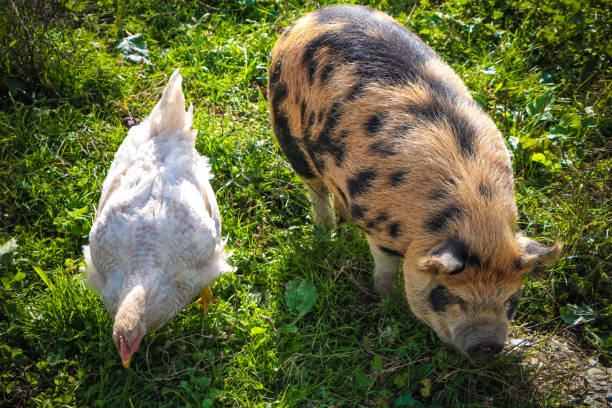
Some tylosin products are used in:
- Pigs.
- Poultry.
- Cattle.
However, this does not mean that one product can be used in the same way across all three groups.
Pigs
Some products may be indicated for:
- Respiratory diseases associated with Mycoplasma or susceptible bacteria.
- Certain gastrointestinal diseases according to the product indication.
Selection should be based on:
- Pathogen.
- Product formulation.
- Route of administration.
- Disease situation within the herd.
Poultry
Tylosin is often considered for certain respiratory diseases associated with Mycoplasma.
However, it is necessary to check:
- Poultry species.
- Age group.
- Product formulation.
- Production purpose.
- Whether the flock is raised for meat or egg production.
In particular, a product approved for broiler chickens is not automatically permitted for laying hens producing eggs for human consumption.
Cattle
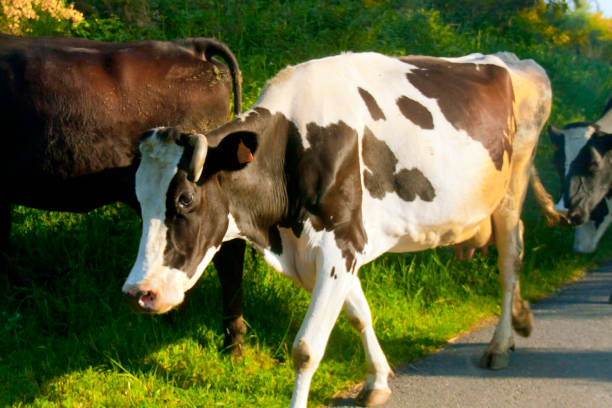
Some products may be registered for use in cattle.
However, it is still necessary to determine:
- Whether the animal is beef or dairy cattle.
- Whether milk is currently being produced for human consumption.
- Product indications.
- Applicable withdrawal period.
If the label does not permit use in cattle producing milk for human consumption, a withdrawal period should not be guessed and applied on your own.
5. Tylosin May Also Be Used for Certain Gastrointestinal Diseases
Although tylosin is often discussed in relation to respiratory disease, some products may also be indicated for gastrointestinal diseases caused by susceptible bacteria.
However, diarrhea is not a diagnosis.
Possible causes include:
- Bacteria.
- Viruses.
- Parasites.
- Feed changes.
- Nutritional imbalance.
- Drinking water.
- Housing conditions.
- Stress.
Therefore:
Not every case of diarrhea requires an antibiotic.
If the disease:
- Persists.
- Recurs.
- Affects multiple animals.
- Causes increasing mortality.
- Does not respond to initial measures.
the underlying cause should be reassessed before continuing or changing antibiotic treatment.
6. How Do Tylosin Tartrate, Tylosin Phosphate, and Injectable Formulations Differ?
The name “tylosin” on a label is not enough to determine how the product should be used.
Common formulations may include:
| Product form | May be found in | What should be checked |
| Tylosin tartrate | Some products administered through drinking water or another approved route | Concentration, route of administration, species, and indication |
| Tylosin phosphate | Some feed-administered products or other formulations | Intended use, applicable regulations, and withdrawal period |
| Injectable formulations | Some products designed for injection | Correct species, approved injection route, warnings, and withdrawal period |
Tylosin tartrate
Tylosin tartrate is found in some products designed for:
- Administration through drinking water.
- Use by another approved route.
Specific instructions must be checked on the product label.
Tylosin phosphate
Tylosin phosphate may be present in products administered:
- Through feed.
- Or in other forms depending on the product.
For products administered through feed, particular attention should be paid to:
- Intended purpose.
- Current regulations.
- Approved target animals.
Injectable formulations
Some tylosin products are formulated for injection.
Do not apply:
- The dose of a drinking-water product.
- Instructions for a feed-administered product.
to an injectable product.
Do not interchange products based only on the active ingredient name
Do not independently:
- Inject a product intended for drinking water.
- Use an injectable product in drinking water.
- Apply tylosin tartrate instructions to tylosin phosphate.
- Apply the withdrawal period of one product to another.
Although they all contain tylosin, products may differ in:
- Concentration.
- Formulation.
- Route of administration.
- Target animals.
- Indications.
- Withdrawal period.
7. If Disease Does Not Improve After Tylosin Treatment: Check These 5 Possibilities
A poor response to treatment should not immediately be addressed by increasing the dose or switching to another antibiotic.
1. Was the original diagnosis correct?
The disease may be caused by:
- Viruses.
- Pathogens not susceptible to tylosin.
- Multiple pathogens acting together.
- Environmental conditions.
If the underlying cause is not appropriate for tylosin, the drug may not produce the expected result.
2. Is the pathogen actually susceptible to tylosin?
The name of a bacterium or Mycoplasma alone is not enough to conclude that every strain is susceptible.
Susceptibility may vary according to:
- Strain.
- Farm.
- Geographic area.
- History of antibiotic use.
3. Are the product and route of administration appropriate?
Check:
- Which tylosin formulation is being used.
- Concentration.
- Target species.
- Route of administration.
- Expiry date.
- Storage conditions.
4. Are farm conditions contributing to continued recurrence?
If:
- Ventilation is poor.
- Stocking density is too high.
- Newly introduced animals repeatedly bring in pathogens.
- Biosecurity is inadequate.
then disease may recur even when treatment provides temporary improvement.
5. Is tylosin resistance possible?
Antimicrobial resistance should be considered when:
- Clinical signs do not improve.
- Disease recurs quickly.
- Multiple animals fail to respond.
- The effectiveness of the same treatment protocol declines over time.
- Morbidity or mortality increases.
However:
Treatment failure alone is not sufficient to conclude that the bacteria are resistant to tylosin.
When necessary, a veterinarian may recommend:
- Sample collection.
- Bacterial culture.
- Identification of the causative organism.
- Antimicrobial susceptibility testing.
Do not independently increase the dose, extend treatment, or add another antibiotic without reassessing the cause.
8. How Does Tylosin Resistance Develop?

Tylosin resistance occurs when bacteria are able to withstand the effects of the drug.
It is not a situation in which the animal’s body “gets used to the medicine.”
Some mechanisms of resistance
Bacteria may:
- Alter the drug’s target site on the ribosome.
- Increase drug efflux from the cell.
- Produce enzymes that inactivate the drug.
- Acquire resistance genes from other bacteria.
Selection pressure
A bacterial population may already contain some organisms with resistance characteristics.
When an antibiotic is used:
- Susceptible bacteria are inhibited.
- Resistant bacteria gain a survival advantage.
- The resistant population may gradually increase.
Inappropriate antibiotic use increases this selection pressure.
Practices to avoid
- Using tylosin without an appropriate indication.
- Using a dose or method that differs from approved instructions.
- Repeating the same old protocol for every disease episode.
- Extending treatment without reassessment.
- Combining multiple antibiotics without professional guidance.
- Routinely using antibiotics instead of disease-prevention measures.
- Failing to maintain medication-use records.
Cross-resistance
Some resistance mechanisms may reduce bacterial susceptibility not only to tylosin but also to other related antibiotics.
This makes antimicrobial resistance management more important than simply “switching to another antibiotic” when the current treatment protocol becomes less effective.
9. Tylosin in Feed and Disease Prevention from 2026 Onward
Three purposes need to be distinguished:
Disease treatment
Using an antibiotic when animals have developed an appropriate bacterial infection requiring treatment.
Disease control
May be applied in certain situations when disease has already appeared and a group of animals is at risk, subject to appropriate professional and legal conditions.
Disease prevention
Using an antibiotic before disease appears in order to prevent infection.
These three purposes are not the same.
Do not routinely use tylosin as a substitute for disease prevention
Farms should not rely on tylosin or other antibiotics instead of:
- Hygiene.
- Biosecurity.
- Vaccination.
- Herd or flock management.
- Environmental control.
Regulatory considerations from 2026
According to Article 12 of Decree No. 13/2020/ND-CP and the amendments and supplements consolidated in Consolidated Document No. 23/VBHN-BNNMT of 2026, the final deadline for the use of approved antibiotic groups for disease prevention in animal feed was December 31, 2025.
Therefore, from 2026 onward, livestock facilities need to pay particular attention to:
- Purpose of use.
- Method of use.
- Product.
- Regulations currently in force.
Regulations on antibiotics in animal feed for disease-prevention purposes should be distinguished from veterinary medicines used for treatment or disease control where such use is lawful and appropriately indicated.
10. Control Respiratory Disease at Herd or Flock Level to Reduce Reliance on Tylosin
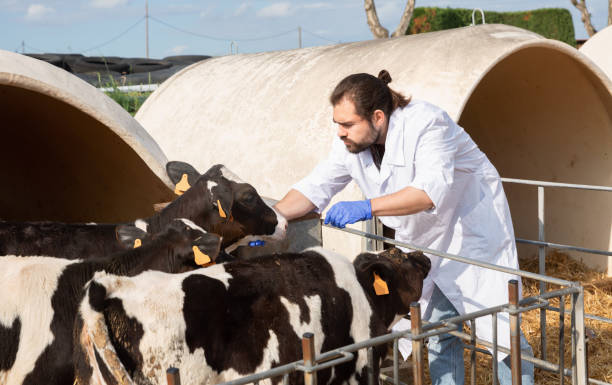
If respiratory disease repeatedly returns, farms should ask:
“Why does the herd or flock keep getting sick?”
rather than only:
“Which antibiotic should we use next time?”
Manage breeding stock
The source of breeding animals may influence whether pathogens continue circulating.
Management should address:
- Source of introduced animals.
- Health history.
- Receiving procedures.
- Quarantine.
Improve ventilation
Appropriate ventilation helps control:
- Humidity.
- Heat.
- Irritating gases.
- Dust.
- Air quality.
Control stocking density
Excessive stocking density may:
- Increase contact between animals.
- Reduce air quality.
- Increase stress.
- Facilitate rapid disease transmission.
Hygiene and biosecurity
Management should cover:
- Equipment.
- People.
- Vehicles.
- Movement flows.
- Areas housing sick animals.
- Waste.
Monitor disease data
Farms should record:
- When disease appears.
- Location.
- Age group.
- Morbidity.
- Mortality.
- Products used.
- Treatment response.
- Recurrence.
These data help determine whether the disease is:
- An isolated outbreak.
- Or an ongoing systemic problem.
11. Tylosin Withdrawal Periods and Residue Control
There is no single withdrawal period that applies to all tylosin products.
The withdrawal period depends on:
- Salt form.
- Formulation.
- Concentration.
- Route of administration.
- Dose and treatment regimen.
- Animal species.
- Type of food product.
Broilers and laying hens are not the same
A product approved for broiler chickens is not automatically permitted for laying hens producing eggs for human consumption.
If a product is not approved for laying hens:
- Do not use it automatically.
- Do not invent an egg withdrawal period to “compensate” for the restriction.
Cattle and lactating dairy cattle must also be distinguished
Even when a product is labeled for cattle, check separately:
- Is it permitted for dairy cattle?
- Are there restrictions during milk production?
- What is the withdrawal period for milk?
Procedure for checking the withdrawal period
Step 1: Identify the exact product
Check:
- Trade name.
- Ingredients.
- Concentration.
- Dosage form.
Step 2: Confirm the correct species and production category
For example:
- Pigs.
- Broiler chickens.
- Laying hens.
- Beef cattle.
- Dairy cattle.
Step 3: Check the withdrawal period
Read the information separately for:
- Meat.
- Milk.
- Eggs.
Step 4: Record the time of the last dose
This is the reference point for determining the withdrawal period.
Step 5: Confirm when sale is permitted
Animals or animal products should enter the food chain only after:
- The withdrawal period has ended.
- Conditions of use have been met.
- Relevant legal requirements have been satisfied.
If the label does not provide appropriate information, do not assume that no withdrawal period is required.
MRL and withdrawal period are not the same
MRL – Maximum Residue Limit is the maximum permitted level of a veterinary drug residue in the relevant food product under the applicable regulation or standard.
In contrast, the withdrawal period is the period that must be observed after the last dose of a specific product under defined conditions of use.
MRLs may vary according to:
- Active ingredient.
- Type of food.
- Market.
For exported products, additional requirements of the importing country should also be checked.
- Recording Tylosin Use on the Farm
Medication records help:
- Monitor treatment.
- Control withdrawal periods.
- Identify repeated use.
- Support traceability when needed.
Important information includes:
| Information | Purpose |
| Product name, active ingredient, batch number | Identify the exact product |
| Individual animal ID or treated group | Identify which animals received the medicine |
| Start and end dates | Monitor the treatment course |
| Use information according to instructions | Verify how the medicine was administered |
| Time of the last dose | Establish the withdrawal reference point |
| Withdrawal end date | Manage sale or harvesting of animal products |
| Prescriber and person administering treatment | Support management and traceability |
Large farms may use:
- Herd or flock management software.
- Electronic records.
- Withdrawal-alert systems.
Regardless of the system used, data should be:
- Accurate.
- Up to date.
- Searchable.
- Consistent across departments.
Frequently Asked Questions About Veterinary Tylosin

Can tylosin treat every respiratory disease in animals?
No.
Respiratory disease may be caused by:
- Viruses.
- Bacteria.
- Mycoplasma.
- Multiple pathogens acting together.
- Environmental conditions.
Tylosin is appropriate only when the causative organism and product indication are suitable.
Is tylosin effective against Mycoplasma?
Tylosin has activity against some susceptible Mycoplasma strains and is used in certain products for diseases associated with these pathogens.
However, effectiveness depends on:
- Strain.
- Susceptibility.
- Animal species.
- Product.
- Disease condition.
Does tylosin treatment completely eliminate Mycoplasma from a herd or flock?
This should not be assumed.
Some cases may show:
- Reduced clinical signs.
- Improved clinical condition.
while the pathogen may continue circulating.
Control therefore also requires:
- Biosecurity.
- Breeding-stock management.
- Environmental management.
- Health surveillance.
Why does respiratory disease recur after treatment?
Possible reasons include:
- The pathogen continues circulating.
- Newly introduced animals bring in infection.
- Ventilation remains inadequate.
- Stocking density is high.
- Biosecurity is insufficient.
- The pathogen is not susceptible.
- Antimicrobial resistance.
- Co-infection.
Should tylosin be used routinely for disease prevention?
No.
Antibiotics should not be routinely used as a substitute for:
- Vaccination.
- Hygiene.
- Biosecurity.
- Herd or flock management.
From 2026 onward, livestock facilities also need to pay particular attention to current regulations concerning the use of antibiotics in animal feed for disease-prevention purposes.
Can tylosin be used in laying hens?
It depends on the specific product.
Some products may have an appropriate scope of use, while others may have:
- Restrictions.
- Contraindications.
- Specific requirements.
Do not apply the instructions for one product to another.
Why might animals fail to recover despite tylosin treatment?
Possible reasons include:
- Incorrect diagnosis.
- A non-susceptible pathogen.
- Antimicrobial resistance.
- Wrong product.
- Inappropriate use.
- Co-infection.
- Ongoing disease pressure from farm conditions.
Do not independently increase the dose or change antibiotics without reassessment.
What is the withdrawal period for tylosin?
There is no single withdrawal period for all products.
It must be determined according to the:
- Exact product.
- Species.
- Dosage form.
- Route of administration.
- Meat, milk, or eggs involved.
From Respiratory Disease Control to Evidence-Based Tylosin Use at VIETSTOCK 2026
Tylosin is commonly considered for respiratory diseases associated with Mycoplasma in pigs and poultry, but coughing or difficulty breathing does not automatically mean that tylosin is the appropriate choice. Even when the medicine improves clinical signs, the pathogen may remain within the herd or flock. Long-term effectiveness therefore also depends on diagnosis, biosecurity, breeding-stock management, and accompanying disease-prevention measures.
At VIETSTOCK 2026, livestock producers and businesses can examine respiratory disease from a broader perspective than a single medication protocol. The event is expected to bring together 300 brands, cover 10,000 sqm of exhibition area, and welcome around 13,000 trade visitors from 40 countries, giving participants access to a wide range of veterinary, disease-prevention, and herd or flock management solutions. Areas worth prioritizing include:
- Respiratory disease diagnostic solutions: support differentiation between cases involving bacteria, Mycoplasma, or other pathogens before selecting an antibiotic.
- Veterinary medicines and tylosin products: compare dosage forms, routes of administration, target animals, and product limitations rather than applying the same approach based only on the active ingredient name.
- Biosecurity and breeding-stock management: explore measures that help limit pathogen circulation and recurrence after treatment.
- Housing environment and farm conditions: review ventilation, stocking-density, and environmental-management solutions that may help reduce respiratory disease pressure.
- Medication records and traceability: explore tools that support monitoring of treatment courses, the last dose, withdrawal periods, and the herd or flock’s treatment history.
For farms facing recurrent disease or repeated antibiotic use, the One Health Forum on October 22, 2026 offers a broader approach than simply switching to another active ingredient.
The forum features a session on “Digitalization of Hygiene and Biosecurity Practices on Livestock Farms”, providing insights into the application of digital technologies in farm hygiene management and disease risk prevention. This session is particularly relevant for farms seeking to improve livestock housing conditions, minimize infection risks, and establish proactive disease prevention practices rather than focusing solely on treating individual respiratory disease outbreaks.
Date: October 21–23, 2026
Venue: Saigon Exhibition and Convention Center – SECC, 799 Nguyen Van Linh Street, Tan My Ward, Ho Chi Minh City, Vietnam
Event website: VIETSTOCK 2026
👉 Register to Visit VIETSTOCK 2026
👉 Visitor Registration Information
👉 Learn More About the One Health Forum
👉 Explore Innovation, Green Transition and Competitiveness at VIETSTOCK 2026
Contact information:
Exhibiting: Ms. Sophie Nguyen – [email protected]
Group Delegation Support: Ms. Phuong – [email protected]
Marcom Support: Ms. Anita Pham – [email protected]