Calcium B12 in Veterinary Medicine: Uses, When Supplementation May Be Needed, and Safety Considerations
Calcium B12 products are used in veterinary medicine for nutritional supplementation and specific indications. Learn when supplementation may be appropriate, how calcium and vitamin B12 support animal health, the risks of postpartum hypocalcemia in dairy cows, and key safety considerations.
Calcium B12 in veterinary medicine commonly refers to preparations that combine calcium and vitamin B12 to provide nutritional supplementation or support the management of certain conditions according to the product’s approved indications. Calcium plays an important role in bone health, muscle function, and nerve activity, while vitamin B12 is involved in energy metabolism and blood cell formation in animals.
These products are often considered in livestock production, particularly during periods when nutritional requirements change significantly, such as pregnancy, reproduction, and lactation. However, not every animal requires calcium B12 supplementation. Product selection should be based on the animal’s health status, diet, product composition, and veterinary guidance.
When Should Calcium B12 Be Considered — and When Should Supplementation Not Be Started Without Evaluation?
| Situation | Appropriate interpretation |
| Diet may be deficient in minerals or nutrients | Evaluate the entire diet before choosing a supplement |
| Dairy cow around calving | Consider the risk of hypocalcemia, especially in high-risk animals |
| Cow with weak legs or an unsteady gait | Calcium may be involved, but magnesium, phosphorus, injury, and other diseases should also be considered |
| Cow unable to stand after calving | Do not inject calcium or give oral products if the cow cannot swallow normally; prompt veterinary assessment is needed |
| Animal is thin, growing slowly, or weak | Do not automatically assume vitamin B12 deficiency; nutritional and disease-related causes should be investigated |
| Considering a “calcium B12” product | Check the exact formulation, concentration, route of administration, and approved indications |
Calcium B12 Is Not a General Solution for Every Case of Weakness, Poor Growth, or Recumbency
Supplementation decisions should be based on the diet, physiological stage, health status, and the specific composition of the product.
What Is Veterinary Calcium B12?
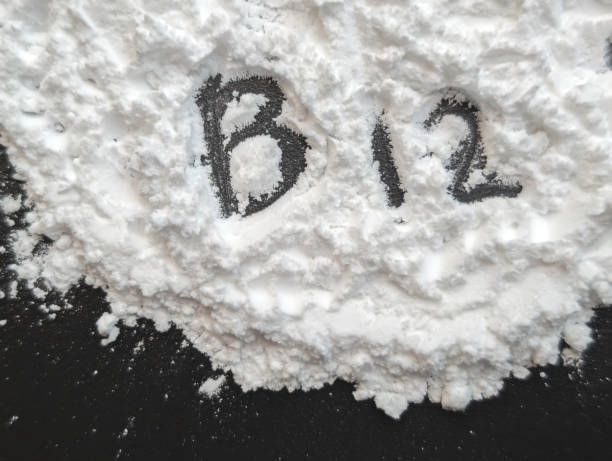
Veterinary calcium B12 is a common term for products containing calcium combined with vitamin B12. Depending on the manufacturer, these products may contain different calcium salts and may also include additional vitamins or minerals.
Ingredients that may be found in combination products include:
- Calcium gluconate: A source of calcium used in products designed for supplementation or treatment according to their indications.
- Calcium borogluconate: A form of calcium used in certain veterinary medicines.
- Vitamin B12 (cobalamin): Involved in metabolic reactions and blood cell formation.
- Magnesium, phosphorus, or vitamin D: May be included in some formulations depending on their intended use.
Not every calcium B12 product contains all of these ingredients. Products with similar commercial names may also differ in concentration, intended use, or route of administration.
Livestock producers should therefore read the label and instructions for each product carefully before use.
Is calcium B12 a veterinary medicine?
A preparation containing calcium and vitamin B12 may be classified as a veterinary medicine or a nutritional supplement depending on its formulation, intended use, and regulatory status.
For veterinary medicines, check the product registration information, ingredients, target species, indications, and label instructions.
Livestock producers should also distinguish between general nutritional supplements and medicines specifically indicated for the treatment of hypocalcemia. Not every product labeled as calcium B12 is suitable for treating acute hypocalcemia.
Roles of Calcium and Vitamin B12 in Animals
Calcium and vitamin B12 are both essential to normal physiological function, but they perform different roles.
Calcium supports bones, muscles, and the nervous system
Calcium is an essential mineral involved in many body functions, including:
- Building and maintaining bones and teeth.
- Supporting muscle contraction and movement.
- Participating in nerve-signal transmission.
- Contributing to blood clotting.
- Helping regulate the activity of many cells.
Most calcium in the body is stored in bones and teeth. A smaller amount is present in the blood and body fluids, where it plays an important role in muscle, nerve, and other physiological functions.
When blood calcium levels fall significantly, animals may show signs such as muscle weakness, tremors, difficulty walking, or inability to stand.
However, these signs are not specific to calcium deficiency and may occur in many other conditions.
Vitamin B12 is involved in metabolism and blood cell formation
Vitamin B12 participates in metabolic reactions, particularly those involved in using certain nutrients for energy production and maintaining normal cellular function.
It is also required for normal blood cell formation and the proper function of several body systems.
In ruminants such as cattle, buffalo, goats, and sheep, rumen microorganisms can synthesize vitamin B12 when enough cobalt is supplied through the diet.
The need for direct vitamin B12 supplementation therefore depends on the animal species, age, development of the digestive system, nutritional status, and specific health conditions.
Cobalt deficiency may reduce vitamin B12 synthesis in ruminants. Possible signs include reduced feed intake, poor growth, and loss of body condition.
However, these signs may also have many other causes. Poor growth or weakness alone should not be used to conclude that an animal is vitamin B12 deficient.
Is combining calcium and vitamin B12 more effective?
Calcium and vitamin B12 have different physiological roles. Combining them in the same product may provide multiple nutrients according to the manufacturer’s formulation and indications.
However, there is no basis for assuming that a calcium B12 combination is always more effective than a calcium-only product in every situation.
For example, when a cow develops acute hypocalcemia, treatment needs to focus on correcting the calcium disorder and any associated problems. Vitamin B12 cannot replace the need to restore blood calcium levels.
Product selection should therefore be based on the underlying cause, actual need, and veterinary assessment.
When Might Animals Need Calcium B12 Supplementation?
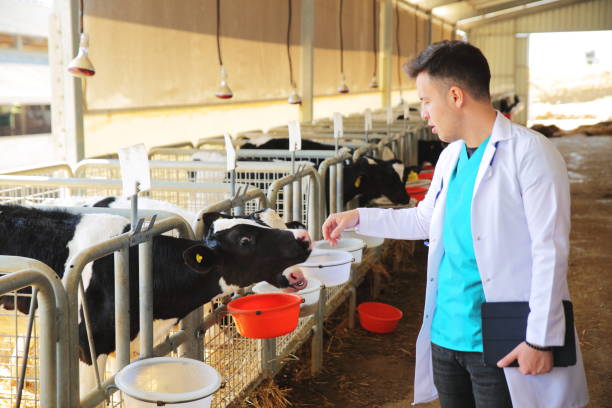
Calcium and vitamin B12 requirements vary according to species, age, diet, and stage of growth or production.
Supplementation is appropriate when there is a nutritional need or a specific indication. It should not be used routinely simply because an animal is pregnant, has recently given birth, or appears tired.
Pregnant and lactating livestock
During pregnancy, livestock need an adequate supply of minerals to support both maternal health and fetal development.
Nutritional requirements change throughout pregnancy, particularly during late gestation when fetal growth accelerates.
In lactating animals, calcium requirements increase substantially when colostrum production and lactation begin.
However, providing more calcium before parturition does not necessarily prevent hypocalcemia more effectively.
In dairy cattle, the dry-period and prepartum ration should be appropriately formulated to support the cow’s ability to regulate calcium when lactation begins.
Livestock producers should work with a nutritionist or veterinarian to evaluate the ration and choose an appropriate management strategy.
Animals at risk of mineral deficiency
An unbalanced diet or a ration that does not meet nutritional requirements can lead to nutritional disorders.
For calcium, the risk of deficiency is also influenced by phosphorus intake, vitamin D status, mineral absorption, and the animal’s physiological condition.
When mineral deficiency is suspected, the actual ration should be evaluated rather than simply adding a single supplement.
When necessary, a veterinarian may recommend testing calcium, magnesium, phosphorus, or other parameters to support diagnosis.
Animals with poor growth, weakness, or recovery after illness
Poor growth, reduced feed intake, or weakness may result from nutritional problems, but these signs can also occur with infectious diseases, parasitic infections, digestive disorders, or other conditions.
Calcium B12 is not a general treatment for all of these situations.
If the diet or health status indicates a need for nutritional supplementation, a veterinarian may select an appropriate product.
Conversely, when the underlying cause is not related to calcium or vitamin B12 deficiency, supplementation may not provide the expected benefit and may delay treatment of the primary condition.
Are Weak Legs or Seizures Caused by Calcium Deficiency?
Weak legs, muscle tremors, difficulty walking, or seizures may be associated with mineral disorders, but these signs alone are not enough to diagnose calcium deficiency.
Several conditions can produce similar signs:
| Condition | Possible signs |
| Hypocalcemia | Muscle weakness, unsteady gait, reduced ability to stand, or recumbency |
| Hypomagnesemia | Nervous excitability, muscle tremors, seizures, and possible collapse |
| Phosphorus imbalance | Muscle weakness, reduced movement, and difficulty standing in some cases |
| Muscle, bone, or nerve injury | Pain, weak legs, inability to stand, or abnormal movement |
| Systemic disease or poisoning | Weakness, neurologic abnormalities, reduced feed intake, or other signs depending on the cause |
These conditions may occur separately or at the same time.
In particular, hypomagnesemia may cause severe seizures and cannot be adequately managed with calcium supplementation alone.
If an animal develops seizures, becomes unable to stand, shows reduced responsiveness, or deteriorates rapidly, a veterinarian should be contacted immediately.
Calcium B12 should not be given simply as a trial to see whether the animal responds before deciding whether treatment is needed.
Postpartum Hypocalcemia in Cows: An Important Risk to Monitor
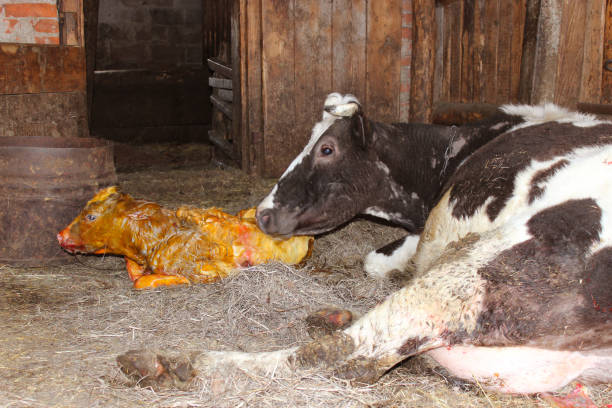
Postpartum hypocalcemia is an important metabolic disorder in dairy cows. It occurs when blood calcium levels fall and the body cannot respond quickly enough to the sharp increase in calcium demand at the start of lactation.
Hypocalcemia may occur in a subclinical form or progress to clinical milk fever.
Despite the name “milk fever,” cows with clinical disease do not necessarily have a fever. In fact, body temperature may be lower than normal.
Why are dairy cows prone to hypocalcemia after calving?
After calving, calcium is mobilized rapidly for colostrum formation and milk production.
In a healthy cow, the body adjusts by increasing calcium absorption from the digestive tract and mobilizing calcium from bone to maintain blood calcium concentrations.
In some cows, however, this adaptation cannot keep up with the sudden increase in demand, resulting in hypocalcemia.
Risk may be greater in:
- High-producing dairy cows.
- Cows that have had several previous calvings.
- Cows with a history of postpartum hypocalcemia.
- Cows receiving an inappropriate mineral-management or feeding program during the transition period.
In dairy cattle, milk fever commonly occurs around calving or during the first days of lactation.
Signs of postpartum hypocalcemia
Clinical signs vary depending on the severity of the calcium disturbance and the cow’s overall condition.
| Stage | Common signs | Recommended action |
| Cow can still stand | Restlessness, mild tremors, unsteady gait, or abnormal steps | Contact a veterinarian for early assessment |
| Cow cannot stand | Prolonged recumbency, marked muscle weakness, cold ears or extremities, reduced responsiveness | Urgent veterinary assistance is needed |
| Severe condition | Lateral recumbency, reduced responsiveness, bloat, or coma | Immediate veterinary emergency |
These signs can occur with milk fever, but they are not sufficient for self-diagnosis because several other conditions can also cause a cow to become recumbent.
A postpartum cow that cannot stand is also at risk of muscle and nerve damage if recumbency continues for a prolonged period.
Why should calcium injections not be given without veterinary guidance when a cow is unable to stand?
In severe hypocalcemia, a veterinarian may use an appropriate injectable calcium preparation to correct the disorder.
However, administering intravenous calcium using the wrong product, dose, or infusion rate may cause cardiac arrhythmias and other serious complications.
Treatment should therefore be performed by a trained professional who can monitor the animal’s response.
In addition, oral liquids or supplements should not be poured into the mouth of a recumbent cow that is not fully alert or cannot swallow normally. This may cause aspiration and serious respiratory complications.
A cow that cannot stand after calving should be examined promptly to identify the cause and determine the appropriate treatment.
Common Forms of Veterinary Calcium B12 Products
Products containing calcium and vitamin B12 may be available in several forms. Each has its own appropriate uses and limitations.
| Product form | Characteristics | Important consideration |
| Injectable | Formulated for one or more specified injection routes | Use only by the approved route and for the stated indication; administration should be performed by appropriately trained personnel |
| Oral | Intended for animals that can drink and swallow normally and when oral use is appropriate | Do not use as a substitute for emergency treatment; avoid aspiration risk in weak animals |
| Feed-mixed | May support nutrient supplementation through the diet when the product is approved for this use | Feed intake and uniform mixing need to be controlled |
An oral product should never be converted for injection, and an approved injection route should not be changed without appropriate instructions.
For livestock, particularly postpartum dairy cows, ordinary calcium supplements should be clearly distinguished from medicines intended to treat hypocalcemia.
The appropriate form depends on the animal’s condition, the purpose of supplementation, and the information provided on the product label.
Safety Considerations When Using Calcium B12 in Veterinary Medicine
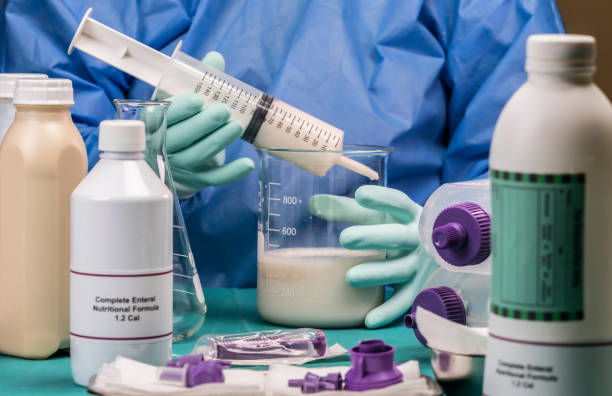
Using the correct product appropriately is essential for achieving the intended benefit while reducing the risk of harm.
Check the label and formulation before use
Before using a product, livestock producers should check:
- Product name, manufacturer, and regulatory information.
- Active or nutritional ingredients and their concentrations.
- Approved animal species.
- Intended use, indications, and contraindications.
- Dosage, route of administration, and instructions for use.
- Withdrawal period for meat- or milk-producing animals, where applicable.
- Expiry date and storage conditions.
Calcium content may be expressed as the amount of a calcium salt or as elemental calcium. These values need to be distinguished when evaluating dosage.
The dosage of one product should not be applied to another product, even when their names appear similar.
Do not combine multiple calcium- or vitamin D-containing products without evaluating total intake
Some compound feeds, premixes, and supplements already provide calcium, phosphorus, or vitamin D.
Adding several additional products without calculating total nutrient intake may create mineral imbalances.
Excessive vitamin D supplementation in particular may disrupt calcium–phosphorus metabolism and cause organ damage.
The entire diet should therefore be assessed before additional supplementation is introduced.
Use injectable products with caution
For injectable calcium medicines, the approved route, dose, and manufacturer’s instructions should be followed strictly.
Important precautions include:
- Do not administer intravenous injections without appropriate professional training.
- Do not change the administration rate without guidance.
- Use appropriate aseptic equipment and technique.
- Do not inject by the wrong route or at an inappropriate site.
- Monitor the animal during and after administration.
Incorrect administration or leakage of the product outside the blood vessel may cause tissue irritation and injury. Errors during intravenous administration of calcium may also seriously affect cardiac function.
When appropriate experience is not available, administration should be left to a veterinarian.
Monitor the animal after administration
After a product has been used according to instructions, continue monitoring the animal.
Signs to watch include:
- Movement and ability to stand.
- Feed and water intake and responsiveness to the environment.
- Abnormal changes in breathing or heart rate.
- Swelling, pain, or reaction at the injection site.
- Increasing weakness or worsening of the underlying condition.
If abnormal signs occur after administration, stop attempting further treatment on your own and contact a veterinarian immediately.
How Should Nutrition Be Managed to Reduce the Risk of Calcium Deficiency?
Preventing mineral disorders should not rely on a single supplement. It should begin with overall nutritional management.
Important measures for livestock farms include:
Formulate diets according to physiological stage
Mineral requirements change with age, growth rate, pregnancy, and milk production.
Rations should be formulated for the characteristics and requirements of the herd or flock to avoid both deficiencies and excessive supplementation.
Maintain an appropriate balance of calcium, phosphorus, magnesium, and vitamin D
These nutrients are interconnected in bone health, muscle function, and mineral metabolism.
Adding one nutrient without considering the others may disrupt the overall balance of the ration.
Manage the transition period in dairy cows
The period immediately before and after calving is particularly important for managing metabolic disorders.
On dairy farms, prepartum nutritional strategies may include adjusting dietary cation–anion difference (DCAD) under the guidance of a nutritionist or veterinarian.
This approach needs to be properly formulated and monitored. Feed formulations should not be changed without first evaluating the actual ration.
Monitor and record herd health
Information such as calving dates, parity, history of hypocalcemia, feed intake, and postpartum complications can help identify animals that require closer monitoring.
Combining nutritional management with herd-health monitoring helps farms identify potential problems before serious complications develop.
Frequently Asked Questions About Veterinary Calcium B12

What is calcium B12 used for in veterinary medicine?
Calcium B12 refers to combination products containing calcium and vitamin B12. Depending on the specific product, they may be used for nutritional supplementation or particular veterinary indications.
Calcium supports bone, muscle, and nerve function, while vitamin B12 participates in metabolism and blood cell formation. The actual use of a product should be determined from its ingredients and approved label.
Should calcium B12 be given to cows after calving?
Not every postpartum cow needs calcium B12 supplementation.
Supplementation should be based on the cow’s health status, diet, and risk of hypocalcemia. Cows showing marked muscle weakness, inability to stand, or severe weakness should be assessed by a veterinarian before a product is selected.
Does weakness in a cow’s legs mean calcium deficiency?
Not necessarily.
Weak legs may be associated with hypocalcemia, hypomagnesemia, phosphorus imbalance, injury, or other diseases.
If a cow develops leg weakness after calving, the cause should be investigated promptly. Calcium should not be injected based on this single sign alone.
Can calcium B12 treat milk fever in cows?
Some calcium-containing veterinary medicines are indicated for treating hypocalcemia in cattle.
However, not every combination product containing calcium and vitamin B12 is appropriate for treating milk fever. The product, route of administration, and treatment approach should be selected according to the animal’s condition and veterinary guidance.
Can calcium B12 be used together with vitamin D?
This depends on the product composition, the diet, and the animal’s actual requirements.
Multiple products containing calcium or vitamin D should not be used together without evaluating the total amount supplied, as excessive intake may cause mineral imbalance and metabolic problems.
All sources of supplementation should be considered together.
When should a veterinarian be called immediately?
Contact a veterinarian immediately if an animal develops seizures, becomes unable to stand, shows reduced responsiveness, has difficulty breathing, or develops a serious abnormal reaction after medication.
These conditions may involve metabolic disorders or other diseases requiring urgent treatment.
From Mineral Supplementation to Transition-Period Nutrition Management at VIETSTOCK 2026
Calcium and vitamin B12 are both essential nutrients, but providing more does not necessarily produce better results. In dairy cattle around calving, signs such as weak legs or recumbency may be associated with several different disorders rather than calcium deficiency alone. Supplementation decisions should therefore be made together with an assessment of the diet, physiological stage, health history, and the specific composition of each product.
At VIETSTOCK 2026, livestock producers and technical teams can compare the herd’s actual nutritional needs with products and solutions currently being applied in livestock production. The event is expected to bring together 300 brands across more than 10,000 sqm of exhibition area and welcome around 13,000 trade visitors from 40 countries, giving participants access to a wide range of approaches to nutrition, animal health, and herd management.
Rather than simply searching for a calcium B12 supplement, visitors can focus on more practical questions:
- Does the current ration already meet the herd’s mineral requirements? Explore nutrition solutions, premixes, and feeds designed for different growth, pregnancy, and lactation stages.
- What should be adjusted before and after calving? Discuss nutritional strategies for transition cows, body-condition management, and the risk of postpartum metabolic disorders.
- How do different supplements vary? Compare ingredients, concentrations, forms of administration, and recommended target animals rather than relying only on the name “calcium B12.”
- How can high-risk animals be monitored? Explore technologies and solutions that help record parity, feed intake, history of hypocalcemia, and postpartum progress.
- When should supplementation give way to professional assessment? Explore veterinary and health-monitoring solutions that can help identify cases requiring veterinary intervention at an early stage.
Those interested in developing a more comprehensive nutrition program can also follow the One Health Forum on October 22, 2026. Those interested in developing a more comprehensive nutrition program can also explore the One Health Forum on October 22, 2026. The forum offers a broader perspective on sustainable livestock production, encouraging a more holistic approach to herd health and productivity rather than focusing on individual nutrient supplementation alone.
Date: October 21–23, 2026
Venue: Saigon Exhibition and Convention Center – SECC, 799 Nguyen Van Linh Street, Tan My Ward, Ho Chi Minh City, Vietnam
Event website: VIETSTOCK 2026
👉 Register to Visit VIETSTOCK 2026
👉 Visitor Registration Information
👉 Learn More About the One Health Forum
👉 Explore Innovation, Green Transition and Competitiveness at VIETSTOCK 2026
Contact information:
Exhibiting: Ms. Sophie Nguyen – [email protected]
Group Delegation Support: Ms. Phuong – [email protected]
Marcom Support: Ms. Anita Pham – [email protected]