Export Quarantine for Animals and Animal Products 2026: Documents, Certificates, and Step-by-Step Procedures
A practical guide to animal export quarantine in 2026, covering required documents, veterinary certificates, inspections, testing and step-by-step procedures.
Export quarantine is one of several regulatory and operational stages that businesses may need to complete before animals or animal products leave Vietnam.
For a successful shipment, an exporter must do more than submit a quarantine application. The business also needs to confirm that the destination market accepts the product, identify the required veterinary certificate, prepare traceability and health records, arrange testing or isolation when applicable, make the consignment available for inspection, and coordinate the certificate with customs and logistics documents.
A shipment may be delayed even when the product itself meets quality requirements if:
- The wrong certificate template is used;
- Testing is performed too early or too late;
- The production facility is not accepted by the destination market;
- Product descriptions differ across documents;
- The actual consignment does not match the quarantine application;
- The container, border gate, quantity, or destination changes after inspection;
- The exporter does not allow enough time for sampling and laboratory results.
Exporters should therefore treat quarantine as part of the complete export plan rather than as a final administrative task immediately before loading.
Under Vietnam’s foreign-trade framework, animals and animal products subject to quarantine before export are handled in accordance with animal-health legislation. In 2026, terrestrial animals and terrestrial animal products are regulated under Circular 01/2026/TT-BNNMT, while aquatic animals and aquatic animal products are regulated separately under Circular 03/2026/TT-BNNMT.
Key Takeaways
- Export quarantine requirements depend on the product, destination market, intended use, origin, disease situation, and current legal lists.
- Market requirements should be confirmed before signing the export contract, arranging production, or collecting samples.
- Live animals and animal products generally require different documents, inspection activities, and preparation timelines.
- The importing country may require a specific veterinary certificate template, facility approval, disease testing, isolation, treatment, or traceability information.
- Quarantine does not replace customs procedures, commercial documents, food safety controls, quality inspection, or buyer requirements.
- Not every shipment requires sampling, but exporters should confirm this before setting the loading date.
- Information must remain consistent across the application, contract, invoice, packing list, bill of lading, test reports, certificate, and actual consignment.
- The quarantine certificate should be reviewed carefully before the consignment leaves the inspection site.
- Any change to the quantity, destination, vehicle, container, route, or shipment schedule should be reported to the competent authority.
1. Export Quarantine Is Only One Part of Market Access
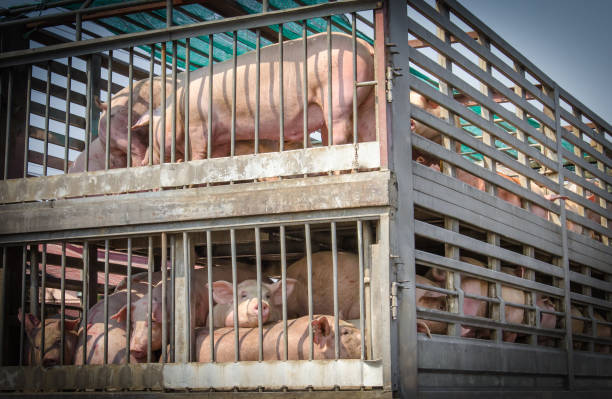
Exporting animals or animal products may involve three separate layers of requirements.
Layer 1: Vietnamese export and quarantine requirements
The exporter needs to determine whether the consignment:
- Is included in the list subject to quarantine;
- Qualifies for an exemption;
- Is terrestrial or aquatic;
- Requires registration, inspection, sampling, isolation, or certification;
- Must be processed by a specific quarantine authority;
- Is affected by a disease-control measure at the place of origin.
Layer 2: Requirements of the importing country
The destination market may require:
- An approved veterinary certificate template;
- Confirmation of specific disease-free conditions;
- Testing for specified diseases or pathogens;
- An approved farm, slaughterhouse, processing plant, or storage facility;
- Isolation before export;
- Specific treatment or disinfection;
- Identification of individual animals or production batches;
- Traceability to the farm or raw-material source;
- Additional declarations on the certificate.
Layer 3: Commercial and supply-chain requirements
The buyer, distributor, processor, or retailer may apply requirements beyond the minimum quarantine procedure, such as:
- Private residue-control programs;
- Additional laboratory testing;
- Supplier approval;
- Product specifications;
- Cold-chain records;
- Packaging standards;
- Sustainability or animal-welfare information;
- Traceability data in a required digital format.
Meeting Vietnam’s quarantine requirements does not automatically mean the shipment meets all conditions of the destination market or buyer.
2. Start with Market Confirmation Before Signing the Contract
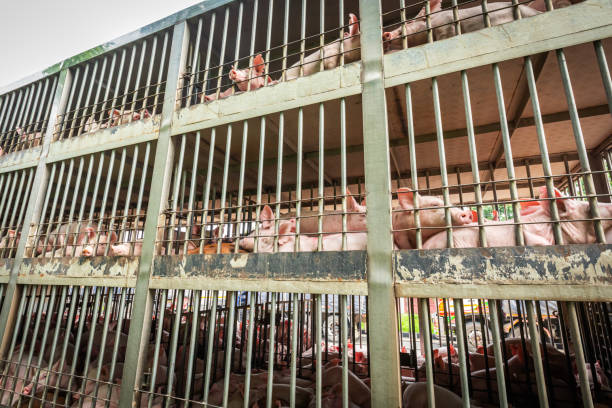
A common operational mistake is to accept an export order before confirming whether the product and production chain can meet the importing market’s veterinary requirements.
Before finalizing the contract, the exporter should confirm the following.
Is the product permitted in the destination market?
Check:
- Animal species;
- Product category;
- Fresh, chilled, frozen, dried, processed, or live form;
- Intended use;
- Country of origin;
- Approved facility requirements;
- Temporary import restrictions;
- Disease-related bans or conditions.
A country may accept processed poultry meat but not live poultry from the same origin. It may also apply different requirements to breeding animals, animals for slaughter, meat, eggs, milk, hides, or reproductive materials.
Is the Vietnamese facility eligible?
The destination market may require approval of:
- Livestock farms;
- Breeding facilities;
- Slaughterhouses;
- Cutting and processing plants;
- Cold stores;
- Packing facilities;
- Establishments handling reproductive materials;
- Aquaculture farms or processing facilities.
The exporter should not assume that a facility licensed to operate in Vietnam is automatically approved for every international market.
Which certificate template is accepted?
Some markets accept a standard Vietnamese veterinary certificate, while others require:
- A bilaterally agreed certificate;
- A market-specific health certificate;
- Additional declarations;
- Specific wording;
- Reference to an approved establishment;
- Confirmation of disease status;
- Official seals or signatures in a prescribed format.
The importing partner should provide the current certificate requirement before the exporter arranges testing or submits the application.
Which tests are required?
Confirm:
- Disease or pathogen;
- Type of sample;
- Sampling stage;
- Number of samples;
- Laboratory eligibility;
- Testing method;
- Time between sampling and export;
- Validity period of the result;
- Whether testing applies to each animal, batch, farm, or shipment.
Testing too early may result in an expired report before departure. Testing too late may cause the exporter to miss the vessel, flight, or border-gate schedule.
3. Classify the Consignment Correctly

The export procedure should be selected only after the consignment has been classified accurately.
3.1 Terrestrial or aquatic
The first distinction is whether the consignment consists of:
- Terrestrial animals;
- Terrestrial animal products;
- Aquatic animals;
- Aquatic animal products.
Circular 01/2026/TT-BNNMT regulates terrestrial-animal quarantine and took effect on 1 January 2026. Circular 03/2026/TT-BNNMT separately regulates aquatic-animal quarantine and took effect on 13 January 2026.
Forms, lists, diseases, sampling plans, and competent authorities should not be transferred mechanically from one group to another.
3.2 Live animal or animal product
Live animals may require attention to:
- Clinical condition;
- Identification;
- Vaccination;
- Disease surveillance;
- Isolation;
- Welfare during transport;
- Vehicle conditions.
Animal products may require attention to:
- Raw-material origin;
- Slaughter and processing facility;
- Production batch;
- Packaging;
- Storage;
- Cold chain;
- Food safety;
- Product testing.
3.3 Product form
The exporter should state the exact form, such as:
- Live breeding pigs;
- Day-old chicks;
- Hatching eggs;
- Frozen boneless poultry meat;
- Chilled beef;
- Pasteurized milk;
- Processed meat product;
- Salted hides;
- Semen or embryos;
- Frozen aquatic product.
A broad description such as “animal products” is usually not sufficient for planning the correct export procedure.
3.4 Intended use
The same animal or product may be subject to different conditions depending on whether it is exported for:
- Breeding;
- Slaughter;
- Commercial farming;
- Human consumption;
- Processing;
- Research;
- Exhibition;
- Pet movement;
- Re-export;
- Another specific use.
4. Build an Export Requirement Matrix
Before preparing the application, the business should create one requirement matrix for the shipment.
| Requirement area | Questions to confirm | Responsible party |
| Market access | Is the product permitted? Is the facility approved? | Export/compliance team |
| Quarantine classification | Is the consignment terrestrial, aquatic, live, or processed? | Veterinary/compliance team |
| Certificate | Which template and declarations are required? | Exporter and importer |
| Disease testing | Which tests, samples, laboratory, and validity period apply? | Veterinary team |
| Facility records | Which farm, slaughterhouse, processor, or cold store records are required? | Production and quality teams |
| Traceability | What individual, herd, flock, batch, or raw-material data must be provided? | Farm and quality teams |
| Commercial documents | Which contract, invoice, packing list, and transport documents are needed? | Export department |
| Logistics | Which vehicle, container, flight, vessel, route, or border gate will be used? | Logistics team |
| Submission | Which authority and electronic or paper channel applies? | Regulatory affairs team |
| Timeline | When must sampling, inspection, certification, loading, and departure occur? | Project coordinator |
This matrix should be completed before the final production or shipment schedule is approved.
5. Compare Export Requirements for Live Animals and Animal Products
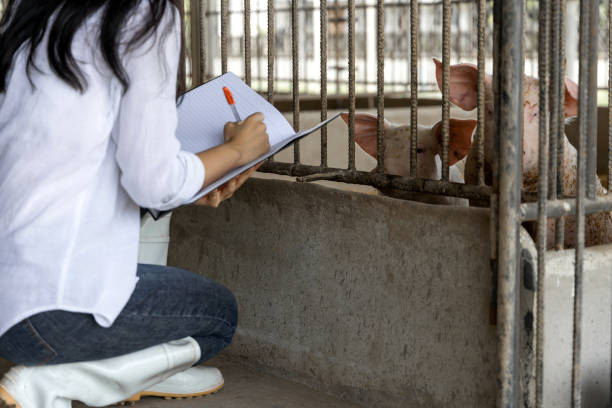
| Area | Live animals | Animal products |
| Main health concern | Clinical condition and risk of carrying disease | Veterinary hygiene, raw-material origin and product condition |
| Identification | Ear tag, flock code, cage, batch or individual identification | Batch, lot, package, production and expiry information |
| Common supporting records | Farm records, vaccination, health surveillance, isolation and testing | Raw-material records, slaughter or processing records, food safety and testing |
| Inspection focus | Clinical status, quantity, identification, gathering conditions and vehicle | Packaging, labels, storage, product condition, traceability and container |
| Testing | Disease-specific testing may be required | Pathogen, residue, microbiological or market-specific analysis may be required |
| Logistics | Welfare, ventilation, stocking, journey and animal handling | Cold chain, packaging, container condition and temperature |
| Timing risk | Isolation and disease-test schedules | Production, sampling, storage and shipping schedules |
| Main document risk | Animal numbers or identification do not match | Batch, weight, container or product description does not match |
The two groups should not use one universal document checklist.
6. Documents for Exported Live Animals
The exact file depends on the species and destination market, but it may include the following groups.
Export quarantine application
The application should identify:
- Applicant or consignment owner;
- Exporter;
- Species;
- Breed or category;
- Quantity;
- Purpose;
- Place of origin;
- Gathering or isolation location;
- Destination country;
- Expected border gate;
- Transport method;
- Proposed export date.
Origin and identification records
These may include:
- Farm registration information;
- Herd or flock records;
- Individual identification;
- Ear-tag lists;
- Breeding records;
- Purchase records;
- Sales contract;
- Dispatch note;
- Traceability report.
Health and vaccination records
Depending on the market, records may include:
- Vaccination date;
- Vaccine name;
- Batch number;
- Number of animals vaccinated;
- Responsible veterinarian;
- Health-monitoring records;
- Disease-surveillance reports;
- Treatment history;
- Mortality information;
- Confirmation of the health status of the herd or area.
The exporter should not assume that every destination country accepts the same vaccination program.
Isolation records
For markets requiring pre-export isolation, documents may need to show:
- Isolation facility;
- Entry date;
- Animal identification;
- Daily health observations;
- Biosecurity controls;
- Testing performed during isolation;
- Exit authorization.
Test reports
Test reports should match:
- The correct animals or herd;
- The disease requirement;
- The accepted sampling period;
- The approved method;
- The laboratory requirement;
- The shipment being exported.
Transport records
Depending on the shipment, the exporter may need:
- Vehicle or aircraft information;
- Transport operator;
- Route;
- Loading plan;
- Ventilation and welfare arrangements;
- Cleaning and disinfection records;
- Container or cage identification.
7. Documents for Exported Animal Products

Animal-product files usually need to link the export batch back to its production and raw-material sources.
Quarantine application
The application may include:
- Exporter;
- Product name;
- Species of origin;
- Product form;
- Quantity and net weight;
- Number of packages;
- Production batch;
- Processing facility;
- Storage facility;
- Destination;
- Border gate;
- Container information;
- Planned export date.
Raw-material traceability records
These may include:
- Source farm;
- Animal-receipt records;
- Slaughter batch;
- Production batch;
- Raw-material invoices;
- Warehouse records;
- Supplier approval;
- Traceability codes.
Facility records
The market may request records related to:
- Slaughterhouse;
- Cutting facility;
- Processing plant;
- Cold store;
- Packaging facility;
- Establishment approval number;
- Food safety certification;
- Market eligibility.
Production and quality records
Examples include:
- Production date;
- Batch number;
- Processing method;
- Heat-treatment information;
- Storage temperature;
- Internal quality results;
- Packaging specifications;
- Product labels;
- Release approval.
Laboratory reports
The required analysis may relate to:
- Veterinary diseases;
- Microbiological indicators;
- Residues;
- Chemical contaminants;
- Product-specific market requirements.
Not every laboratory result forms part of animal quarantine. Some requirements may belong to food safety, buyer specifications, or another specialized procedure.
Commercial and shipping documents
These may include:
- Contract;
- Invoice;
- Packing list;
- Booking confirmation;
- Bill of lading draft;
- Container number;
- Seal number;
- Destination and consignee information.
8. Separate the Document File into Six Folders
A structured file helps prevent inconsistencies.
Folder 1: Market requirements
Include:
- Import conditions;
- Certificate template;
- Buyer specifications;
- Facility-approval requirements;
- Testing instructions;
- Official correspondence.
Folder 2: Application and regulatory documents
Include:
- Quarantine application;
- Authorization;
- Submission confirmation;
- Supplementation notices;
- Inspection appointment;
- Administrative correspondence.
Folder 3: Origin and traceability
Include:
- Farm or supplier information;
- Herd or flock records;
- Batch records;
- Raw-material records;
- Identification lists;
- Traceability reports.
Folder 4: Animal-health and test records
Include:
- Vaccination;
- Surveillance;
- Isolation;
- Treatment history;
- Sample records;
- Laboratory reports.
Folder 5: Production and facility records
Include:
- Facility approval;
- Slaughter records;
- Processing records;
- Quality-control documents;
- Cold-storage data;
- Packaging and label approval.
Folder 6: Commercial and logistics records
Include:
- Contract;
- Invoice;
- Packing list;
- Container and seal data;
- Shipping booking;
- Customs information;
- Delivery instructions.
File names should use one consistent convention so documents can be retrieved quickly during inspection.
9. Plan Sampling and Testing Before Production Is Completed
Sampling should not be treated as an isolated laboratory activity.
The business should confirm:
- What needs to be tested;
- Who is authorized to collect the samples;
- Which animals, batch, or product must be represented;
- When sampling should take place;
- Which laboratory can perform the test;
- How long results take;
- How long the result remains acceptable;
- Whether the shipment must remain under control while waiting.
Avoid sampling too early
Early sampling may create problems if:
- The report expires before shipment;
- The animals later receive additional treatment;
- The production batch changes;
- The final consignment differs from the sampled batch.
Avoid sampling too late
Late sampling may result in:
- Missed vessel or flight;
- Extended storage;
- Container demurrage;
- Rescheduling inspection;
- Buyer-delivery delays.
Maintain sample traceability
The sampling record should show:
- Date and time;
- Sampler;
- Animal or batch identification;
- Sample type;
- Number of samples;
- Seal or sample code;
- Laboratory;
- Tests requested;
- Link to the export consignment.
10. Prepare the Facility Before the Quarantine Inspection

10.1 Live-animal facility
The facility should be able to:
- Present the animals listed in the application;
- Verify identification;
- Separate animals showing abnormal signs;
- Provide access to health and vaccination records;
- Maintain appropriate gathering conditions;
- Support safe clinical inspection;
- Prevent mixing with unrelated animals;
- Prepare the transport vehicle for inspection.
10.2 Processing or storage facility
The facility should prepare:
- Export batch;
- Product packages;
- Labels;
- Batch and production records;
- Traceability documents;
- Storage-temperature records;
- Access for physical inspection;
- Sampling area;
- Container or vehicle information.
The goods should not be packed or stacked in a way that makes inspection impossible.
10.3 Responsible personnel
At least one representative should be able to explain:
- Product and batch information;
- Origin;
- Market requirements;
- Testing status;
- Production process;
- Storage condition;
- Planned shipment;
- Any changes since application submission.
11. Create a Backward Export Timeline

The exporter should work backward from the expected departure date.
Example planning structure
| Milestone | Target timing |
| Vessel, flight or vehicle departure | Final target |
| Customs and border-gate processing | Before departure |
| Final certificate available | Before customs completion and loading deadline |
| Quarantine inspection completed | Before certificate issuance |
| Laboratory results available | Before final assessment |
| Sample collection | Based on result turnaround and validity |
| Consignment ready for inspection | Before appointment |
| Application accepted | Before inspection |
| Application submitted | Allow time for supplementation |
| Market requirements confirmed | Before production and contract finalization |
The actual duration differs by product and market. The business should not publish or rely on one universal processing time.
12. Step-by-Step Export Quarantine Procedure
Step 1: Confirm the market requirement
Collect:
- Current import conditions;
- Certificate template;
- Testing requirements;
- Facility conditions;
- Importer instructions.
Do not begin from an old shipment file without confirming whether the requirements remain current.
Step 2: Confirm that the consignment is subject to quarantine
Identify:
- Product group;
- Legal list;
- Exemption status;
- Export purpose;
- Applicable terrestrial or aquatic procedure.
Step 3: Select the responsible quarantine authority
The responsible unit may depend on:
- Product type;
- Location of the animals or goods;
- Isolation site;
- Storage location;
- Inspection site;
- Export border gate;
- Administrative assignment.
Confirm the receiving authority before preparing the final application.
Step 4: Prepare the master shipment data
Create one approved source for:
- Exporter;
- Importer;
- Product;
- Quantity;
- Weight;
- Origin;
- Facility;
- Batch;
- Destination;
- Border gate;
- Vehicle or container;
- Planned export date.
All departments should use the same data.
Step 5: Build the application file
Include the documents required for the specific product and market.
Check:
- Form;
- Signatures;
- Authorization;
- Attachments;
- Test reports;
- Certificate template;
- Traceability;
- Commercial data.
Step 6: Submit the application
Depending on the procedure, submission may be available:
- In person;
- By post;
- Through a public service portal;
- Through the National Single Window;
- Through another authorized electronic system.
Electronic availability should be checked for the exact procedure.
Step 7: Respond to document review
If supplementation is required:
- Correct all affected documents;
- Update the master data;
- Resubmit through the instructed channel;
- Confirm receipt;
- Recheck the inspection schedule.
Step 8: Prepare for physical inspection
Have ready:
- Actual consignment;
- Inspection area;
- Supporting records;
- Responsible personnel;
- Vehicle or container;
- Sampling access.
Step 9: Complete inspection and sampling
Inspection may include:
- Clinical assessment of live animals;
- Identification and quantity;
- Product condition;
- Packaging and labels;
- Storage;
- Vehicle or container;
- Traceability;
- Sample collection when applicable.
Step 10: Complete corrective measures
The business may need to:
- Correct documents;
- Replace damaged packaging;
- Update labels;
- Clean or disinfect the vehicle;
- Separate animals;
- Wait for results;
- Improve storage or gathering conditions.
Step 11: Receive and review the certificate
Check every field before loading or departure.
Step 12: Coordinate the certificate with the final shipment
Ensure that the certificate matches:
- Final quantity;
- Final net weight;
- Batch;
- Container;
- Seal;
- Destination;
- Consignee;
- Border gate;
- Departure schedule.
13. Review the Export Quarantine Certificate Carefully
The certificate should be compared against the final shipment and commercial documents.
Exporter and consignee
Check:
- Legal names;
- Addresses;
- Country;
- Contact or facility details where included.
Product information
Check:
- Species;
- Product name;
- Form;
- Quantity;
- Weight;
- Package count;
- Batch;
- Identification.
Origin and destination
Check:
- Farm or production facility;
- Country of destination;
- Receiving location;
- Border gate;
- Port or airport where applicable.
Transport information
Check:
- Vehicle;
- Flight;
- Vessel;
- Container;
- Seal;
- Route.
Certificate conditions
Check:
- Issue date;
- Validity;
- Health declarations;
- Test references;
- Treatment information;
- Additional market statements.
Any discrepancy should be reported before the consignment departs.
14. Coordinate Quarantine with Other Export Procedures

Quarantine may be processed alongside other requirements, but it does not automatically replace them.
The exporter may also need to coordinate:
- Customs declaration;
- Commercial invoice;
- Packing list;
- Certificate of origin;
- Food safety inspection;
- Quality inspection;
- Residue testing;
- Facility certification;
- Cold-chain documentation;
- Buyer approval;
- Shipping documentation.
Create one final document cross-check
Before departure, compare the following fields across all documents:
| Field | Application | Certificate | Invoice | Packing list | Bill of lading |
| Exporter | ✓ | ✓ | ✓ | ✓ | ✓ |
| Consignee | ✓ | ✓ | ✓ | ✓ | ✓ |
| Product name | ✓ | ✓ | ✓ | ✓ | ✓ |
| Quantity | ✓ | ✓ | ✓ | ✓ | ✓ |
| Weight | ✓ | ✓ | ✓ | ✓ | ✓ |
| Batch | ✓ | ✓ | ✓ | ✓ | As applicable |
| Container | As applicable | As applicable | As applicable | As applicable | ✓ |
| Destination | ✓ | ✓ | ✓ | ✓ | ✓ |
Differences should be resolved before customs filing or shipment departure.
15. Online Submission and Digital Document Control
Some export quarantine procedures may be available through an electronic public-service system or the National Single Window.
The exporter may need to:
- Log in using the business account;
- Select the correct procedure;
- Enter shipment data;
- Upload documents;
- Apply a digital signature where required;
- Submit the application;
- Monitor status;
- Respond to supplementation requests;
- Receive the result or instructions.
Prepare digital files correctly
Documents should be:
- Legible;
- Complete;
- Correctly oriented;
- Within the accepted file-size limit;
- Named consistently;
- Signed or certified where required;
- Matched to the application version.
Avoid file names such as:
- Scan001;
- Final new;
- Latest final 2;
- Document;
- Untitled.
A clearer file structure could use:
- 01_Quarantine_Application
- 02_Importing_Market_Requirements
- 03_Traceability_Records
- 04_Test_Results
- 05_Invoice
- 06_Packing_List
- 07_Certificate_Template
16. Manage Changes in Importing-Market Requirements
Importing-country conditions may change due to:
- Disease developments;
- New bilateral arrangements;
- Updated certificate templates;
- Changes in facility approval;
- New testing indicators;
- Temporary import restrictions;
- New labelling or traceability rules.
When a change is announced, the exporter should:
- Identify affected products and markets;
- Confirm the effective date;
- Review shipments in production;
- Check whether existing test reports remain accepted;
- Obtain the new certificate template;
- Update contracts and buyer instructions;
- Inform the farm, plant, laboratory, and logistics teams;
- Reconfirm the export schedule.
Do not assume that a requirement applies only to contracts signed after the announcement. The effective rule may depend on shipment, production, certification, or arrival date.
17. Common Mistakes and Corrective Actions
Using an outdated certificate template
Risk: The importing authority may reject or question the certificate.
Action: Obtain the current template before submission.
Testing the wrong disease or using the wrong method
Risk: The result does not meet the destination market’s conditions.
Action: Confirm disease, method, laboratory, sample and validity before collection.
Incomplete facility traceability
Risk: The exporter cannot link the product to the approved source.
Action: Build traceability from the farm and raw-material stage, not only after production.
Product description inconsistency
Risk: Documents appear to relate to different goods.
Action: Approve one product description and use it across all files.
Actual weight differs from the application
Risk: The certificate may need correction or reissuance.
Action: Coordinate final weighing with the certification schedule.
Container changes after inspection
Risk: The transport information no longer matches.
Action: Report the change before departure.
Sampling performed too early
Risk: Results expire before shipment.
Action: Build the sampling date from the required validity period.
Application submitted too late
Risk: There is not enough time for correction, inspection, testing, or certificate issuance.
Action: Include regulatory milestones in the export timeline.
Focusing only on quarantine
Risk: Customs, food safety, facility or buyer requirements remain incomplete.
Action: Manage the shipment through one cross-functional export checklist.
Loading before certificate confirmation
Risk: The container may need to be reopened, held, or rescheduled.
Action: Confirm document status before final loading and sealing.
18. Illustrative Export Workflows
Scenario 1: Exporting breeding pigs
The business should:
- Confirm that the destination market accepts breeding pigs from Vietnam;
- Obtain the market’s veterinary certificate template;
- Verify farm eligibility;
- Identify required vaccinations and disease tests;
- Arrange isolation if required;
- Maintain individual-animal identification;
- Schedule sampling within the accepted period;
- Submit the export quarantine application;
- Prepare animals and transport equipment for inspection;
- Review the certificate before departure.
The transport plan also needs to address animal welfare, ventilation, feeding, watering and journey conditions.
Scenario 2: Exporting frozen poultry meat
The exporter should coordinate:
- Approved processing facility;
- Raw-material traceability;
- Slaughter and production batch;
- Product testing;
- Food safety documentation;
- Packaging and label;
- Cold-store records;
- Container and seal;
- Veterinary certificate;
- Customs documentation.
A quarantine certificate does not replace the food safety or commercial documentation required for the shipment.
Scenario 3: Exporting processed meat
The exporter needs to determine:
- Whether the product remains subject to quarantine;
- Whether the processing method affects the requirement;
- Which animal-origin information is needed;
- Whether the destination requires an approved facility;
- Whether heat-treatment details must appear on the certificate;
- Whether additional microbiological or residue testing applies.
“Processed product” should not automatically be interpreted as exempt.
Scenario 4: Exporting dairy products
The market may request information about:
- Dairy farm;
- Herd health;
- Raw-milk source;
- Processing facility;
- Heat treatment;
- Production batch;
- Food safety system;
- Laboratory results;
- Storage temperature.
The traceability file should connect the export batch with the raw-material and processing records.
Scenario 5: Contract processing for re-export
The parties should define:
- Owner of the imported raw material;
- Processor;
- Exporter of record;
- Party submitting quarantine documents;
- Source and traceability responsibilities;
- Destination market;
- Certificate applicant;
- Responsibility for correcting documents.
The quarantine requirement should be assessed based on the exact product, origin, processing activity and final market.
19. Export Readiness Checklist
Market requirements
- Product is permitted in the destination market;
- Current veterinary requirements have been obtained;
- Correct certificate template is available;
- Facility approval has been confirmed;
- Testing conditions are understood;
- Importer has reviewed the planned documentation.
Product and origin
- Product description is final;
- Species and product form are correct;
- Origin is traceable;
- Farm, slaughterhouse or processor is identified;
- Batch and quantity are confirmed;
- Labels meet the market requirement.
Health and testing
- Required vaccination records are available;
- Isolation has been completed if required;
- Samples represent the correct shipment;
- Laboratory is accepted;
- Results remain valid through the required date;
- Reports match the consignment.
Application
- Correct quarantine procedure;
- Correct form;
- Correct authority;
- Supporting documents attached;
- Authorization available;
- Submission completed early enough;
- Application status is being monitored.
Inspection
- Consignment is accessible;
- Responsible personnel are available;
- Actual goods match the application;
- Inspection site is suitable;
- Vehicle or container is ready;
- Sampling access is available.
Certificate and logistics
- Certificate template is correct;
- All information has been reviewed;
- Container and seal match;
- Quantity and weight match;
- Destination and consignee match;
- Certificate remains valid;
- Customs and shipping documents are consistent.
20. Frequently Asked Questions

Do small or trial shipments require export quarantine?
Shipment size alone does not determine the obligation. If the product is subject to quarantine and no exemption applies, the business needs to follow the applicable procedure.
Does every export consignment require laboratory testing?
No. Testing depends on the product, destination market, disease situation, applicable procedure and authority instructions.
How long does export quarantine take?
There is no single duration for every shipment. The timeline depends on document completeness, inspection, isolation, testing, laboratory turnaround and market requirements.
Can an old veterinary certificate template be reused?
Only after confirming that the importing country and competent authority still accept it.
Who should provide the importing-country requirements?
The exporter should coordinate with the importer, buyer and competent authorities. Reliance on informal verbal instructions alone creates document risk.
Can the export goods be loaded before the certificate is issued?
The loading sequence should be confirmed with the competent authority and logistics plan. Exporters should not finalize loading or sealing in a way that prevents inspection or correction.
What happens when the final quantity changes?
The exporter should inform the quarantine authority. The certificate should not be edited independently.
Can one certificate cover several containers?
This needs to be confirmed before issuance based on the consignment structure and the information recorded on the certificate.
Does the quarantine certificate replace food safety certification?
No. Quarantine, food safety, quality, customs and commercial requirements may all apply to the same shipment.
What should be done when the importing country changes its requirements?
Stop relying on the old checklist, obtain the updated requirement, review affected shipments and confirm whether new testing, documents or certificates are required.
Professional and Legal Note
This article is intended as practical reference material. It does not replace official legislation, published administrative procedures, bilateral veterinary requirements, market-access conditions or guidance from the competent quarantine authority.
Before signing contracts, collecting samples, loading goods or confirming the export schedule, businesses should verify:
- Current Vietnamese regulations;
- Current destination-market requirements;
- Product eligibility;
- Facility eligibility;
- Certificate template;
- Testing requirements;
- Inspection location;
- Submission method;
- Processing authority;
- Disease situation;
- Shipment-specific conditions.
Expand Export Opportunities and Market Connections at VIETSTOCK 2026
Successful access to international livestock markets depends not only on completing quarantine procedures. Businesses must also maintain reliable traceability, meet the importing market’s veterinary and food-safety requirements, control product quality, and coordinate effectively with farms, processors, laboratories, cold-chain providers and logistics partners.
At VIETSTOCK 2026, livestock producers, processors, exporters, animal-health businesses, testing laboratories, logistics providers and technology companies can connect with industry partners and explore solutions that support export readiness.
Visitors can:
- Explore traceability and livestock-data solutions that connect farms, raw materials, production batches and export consignments.
- Meet animal-health companies, laboratories and testing-service providers supporting disease control and market requirements.
- Discover cold-storage, packaging, transport-monitoring and logistics technologies for animal products.
- Connect with processors, distributors, buyers and supply-chain partners across domestic and international markets.
- Exchange practical insights on facility readiness, quality control, documentation and export-oriented production.
Expected to feature more than 300 brands, over 10,000 sqm of exhibition space, and 13,000 trade visitors from more than 40 countries and territories, VIETSTOCK 2026 creates opportunities for businesses to align their capabilities with market demand and build B2B connections across the livestock, animal-health and processing value chain.
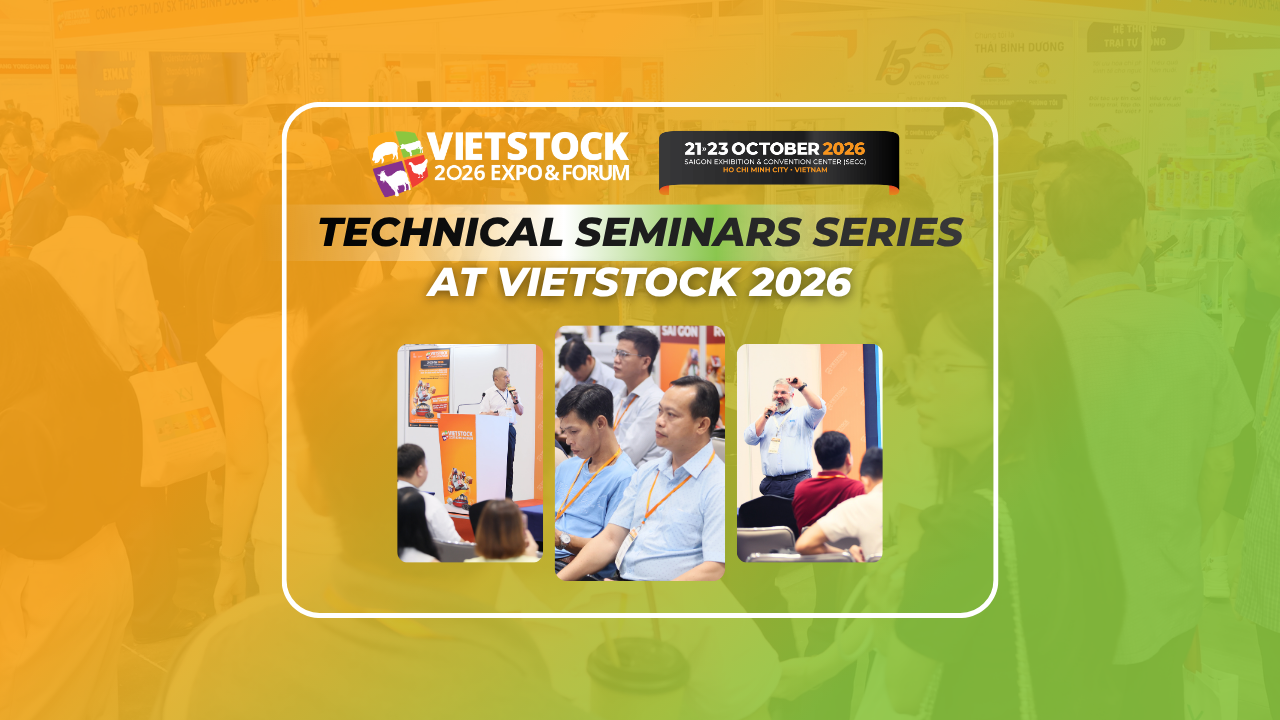
Alongside the exhibition and business-networking activities, VIETSTOCK 2026 will also organize an On-Farm Seminar Series, bringing practical knowledge on herd and flock management, disease prevention, biosecurity, and livestock-production efficiency to key livestock regions.
Date: 21–23 October 2026
Venue: Saigon Exhibition and Convention Center – SECC, 799 Nguyen Van Linh Street, Tan My Ward, Ho Chi Minh City, Vietnam
Event website: VIETSTOCK 2026
👉 Register to visit VIETSTOCK 2026 and explore solutions supporting export readiness, traceability, quality control and international market connections.
👉 Learn more about the VIETSTOCK 2026 On-Farm Seminar Series.
CONTACT INFORMATION:
Exhibiting: Ms. Sophie Nguyen – [email protected]
Visitor Support: Ms. Phuong – [email protected]
Marcom Support: Ms. Anita Pham – [email protected]