Foot-and-Mouth Disease in Pigs in 2026: Signs, Transmission Routes, and Prevention Measures
A practical guide to foot-and-mouth disease in pigs, covering early warning signs, transmission routes, piglet risks, FMD vaccination, farm biosecurity, and the steps required when an outbreak is suspected.
Foot-and-mouth disease in pigs is a highly contagious viral disease that can spread rapidly among cloven-hoofed animals. Pigs are highly susceptible to FMD and may shed large amounts of virus into the environment, increasing the risk of disease spread. In pigs, FMD may cause visible lesions in the mouth and on the feet, while piglets may die from acute myocarditis. FMD can spread rapidly through direct contact, aerosols under favorable conditions, and contaminated vehicles, clothing, or equipment.
This article explains foot-and-mouth disease in pigs, including suggestive signs, common transmission routes under farm conditions, the role of vaccination and biosecurity, and the steps to take when infection is suspected. This content does not replace diagnosis, outbreak response instructions, or advice from veterinarians and local animal health authorities.
Quick Summary
- Foot-and-mouth disease is caused by the FMD virus, which belongs to the family Picornaviridae. It affects all cloven-hoofed animals. Pigs may shed large amounts of virus into the environment, increasing the risk of spread within and outside the farm.
- Suggestive signs in pigs include vesicles in the mouth, feet, hooves, and teats; loss of appetite, fever, excessive salivation, lameness; and sudden death in piglets due to myocarditis.
- The disease can spread through direct contact, aerosols under favorable conditions, transport vehicles, farm equipment, caretakers, and untreated swill or animal-derived by-products that have not been safely heat-treated.
- FMD prevention in pigs is based on two pillars: vaccination according to the local disease situation and strict on-farm biosecurity.
- When pigs are suspected of having FMD, they should be isolated immediately, local animal health authorities must be notified, and pigs must not be sold, transported, or slaughtered to avoid spreading the disease to the wider community.
- Clinical signs can only support initial suspicion. Confirming FMD requires assessment by veterinarians or animal health authorities and laboratory testing, because FMD may be confused with several vesicular or infectious diseases in pigs.
What Is Foot-and-Mouth Disease in Pigs and Why Should Farms in Vietnam Be Highly Alert?
Foot-and-mouth disease is an acute infectious disease caused by the foot-and-mouth disease virus (FMDV). It mainly affects cloven-hoofed animals such as pigs, cattle, buffaloes, goats, sheep, and several wild species. FMD is a notifiable disease under international veterinary regulations because of its rapid spread and major economic impact on the livestock sector.
For pig farms in Vietnam, the risk of FMD remains significant due to several combined factors: high livestock density in major production provinces, frequent interprovincial trade of breeding pigs and market pigs, inconsistent transport quarantine control, and many smallholder farms that have not fully implemented vaccination.
In the current context, restocking after outbreaks in many localities may increase the need for stronger biosecurity and vaccination, as newly introduced pig herds may not yet have sufficient immunity against FMD. In addition, controlling the origin of feed, breeding stock, and transport chains must be done carefully to reduce the risk of introducing pathogens into the farm. This is why pig farmers need a more systematic understanding of FMD, beyond simply knowing that the disease exists.
Key Characteristics of Foot-and-Mouth Disease (FMD)
Causative Agent, Susceptible Species, and the Danger of FMD Virus
FMD virus belongs to the family Picornaviridae, genus Aphthovirus. One reason FMD is particularly difficult to control is that the virus exists in several serotypes: O, A, C, SAT1, SAT2, SAT3, and Asia 1.
In Vietnam, serotypes O and A are often mentioned in FMD surveillance, but circulating serotypes may change over time and by location. This is important for vaccine selection because cross-protection between FMD serotypes is generally very limited. Therefore, the vaccine used should match the circulating serotype as closely as possible.
FMD virus is highly infectious, with a low infectious dose. Pigs are especially susceptible. When infected, they may shed much larger amounts of virus into the environment than buffaloes or cattle. This means a pig farm may become a source of virus amplification and spread if the disease is not controlled promptly.
Resistance of FMD Virus in the Farm Environment
FMD virus can survive relatively well in the environment:
- It may survive longer in cool, humid conditions and in the presence of organic matter such as manure, soil, or farm waste.
- Survival time depends on temperature, pH, sunlight, hygiene level, and disinfection effectiveness. Therefore, removing organic matter before disinfection is a very important step.
- FMD virus may be transmitted through infected meat or animal products if they are fed raw to pigs or not properly heat-treated.
- For this reason, pigs should not be fed kitchen waste, leftovers, or animal-origin products that have not been safely heat-treated, especially in areas with disease risk.
- The virus is inactivated by heat, sunlight, and suitable disinfectants when used at the correct concentration and contact time.
This explains why cleaning and disinfecting pig houses with the right chemicals and correct dilution is a key factor in FMD prevention.
Incubation Period and Virus Shedding Before Clinical Signs Appear
The incubation period of FMD is generally around 2–14 days, depending on species, infection dose, transmission route, and herd immunity status. In pigs, clinical signs may appear only a few days after exposure. A key danger is that pigs may begin shedding virus before clear clinical signs appear. This makes isolation of newly introduced pigs and daily herd monitoring very important.
The important point to remember is that pigs may start shedding virus before obvious clinical signs appear. This means that during the incubation period, pigs may look normal but can already transmit the virus to other pigs in the same herd or nearby pens.
How Is Foot-and-Mouth Disease in Pigs Different From FMD in Cattle, Buffaloes, or Goats?
Susceptibility of Pigs to FMD and the Specific Disease Mechanism
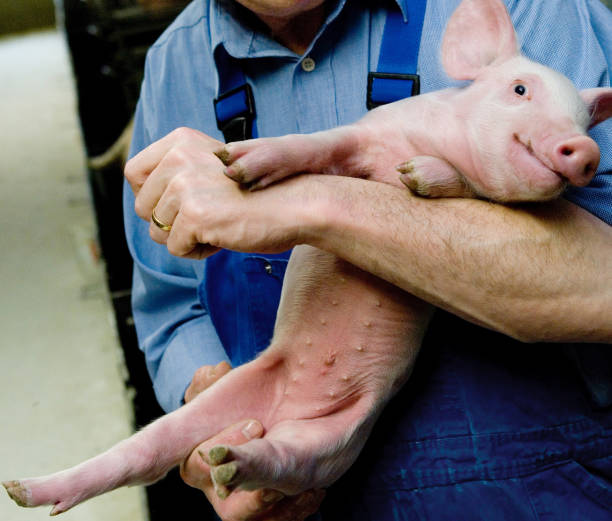
Pigs are considered an amplifier species for FMD virus. When infected, they may produce and release more virus into the air than ruminants. Under suitable conditions, infected pigs can release virus-containing aerosols and contribute to transmission to nearby herds.
In terms of pathogenesis, the virus enters the pig’s body mainly through the upper respiratory tract. It then replicates in the tonsils and pharyngeal mucosa before entering the bloodstream and reaching target tissues such as the epithelium of the mouth, feet, hooves, teats, and other thin-skinned areas.
Different Impacts on Market Pigs, Sows, and Piglets Compared With Ruminants
In buffaloes and cattle, FMD often causes lesions in the mouth and feet. Mortality is usually lower than in young piglets, but milk yield and working capacity may be strongly affected. In pigs, the picture is different:
- Piglets: There is a significant risk of death due to acute myocarditis, especially in very young piglets. Piglets may die suddenly before typical mouth or foot lesions appear.
- Market pigs: Severe hoof lesions, prolonged loss of appetite, reduced weight gain, and delayed market age may occur.
- Sows and breeding boars: Infected sows may eat less, produce less milk, and face a risk of abortion or premature farrowing. Breeding boars may experience reduced semen quality during illness and recovery.
Signs of Foot-and-Mouth Disease in Pigs: Early Recognition Before an Outbreak Spreads
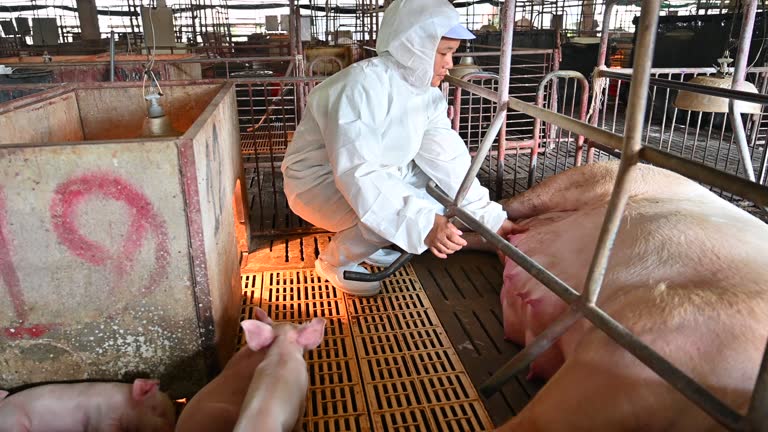
5 Early Warning Signs of FMD in Pigs to Check Daily
Farmers should check herd health every morning before feeding. The following five warning signs should be watched closely:
- Sudden reduction in feed intake or complete loss of appetite, especially when an entire pen group eats less within a short period.
- Lameness or reluctance to stand, suggesting possible lesions on the feet or hooves.
- Excessive salivation, lip licking, head shaking, or refusal to approach feeders.
- Sudden fever, with pigs trembling, lying still, or appearing dull.
- Vesicles or ulcers appearing around the mouth, feet, hooves, or teats. This is a strong suggestive sign, but laboratory testing is still required for confirmation.
Clinical Signs by Lesion Location
Mouth Lesions: Vesicles and Ulcers on the Lips, Tongue, Gums, and Oral Mucosa
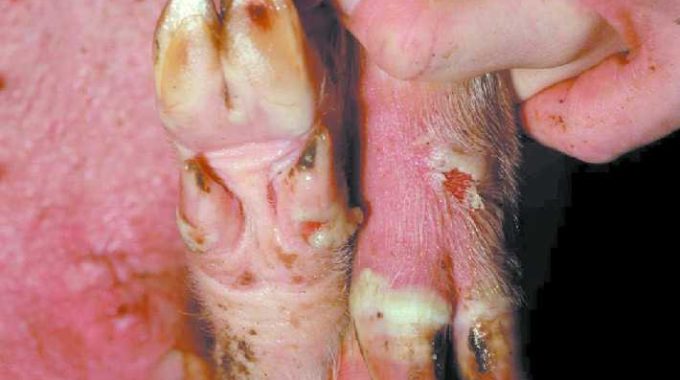
Vesicles form on the tongue, gums, lips, and palate. At first, the vesicles contain clear fluid. They later rupture and form shallow, red, painful ulcers. Pigs may refuse to eat because of mouth pain, drool heavily, and make sounds when chewing.
Foot and Hoof Lesions: Vesicles Around the Interdigital Space, Hoof Cracks, and Lameness
Soft skin around the interdigital space and coronary band may develop vesicles. These later rupture and form ulcers. Pigs feel pain when standing, avoid walking, and may lie down continuously. In severe cases, the hoof may separate from the sole.
Lesions on Teats and Thin-Skinned Areas in Lactating Sows
Sows may develop vesicles on the skin of the teats, causing pain during suckling. Sows may refuse to nurse piglets, leading to milk deprivation and rapid weakening in piglets. Ulcers on the teats may easily develop secondary bacterial infection if not kept clean.
Systemic Signs: Fever, Loss of Appetite, Salivation, Depression, and Lying Down
Fever is often one of the early systemic signs, appearing before or at the same time as vesicular lesions. Pigs may have a fever of 40°C to 41.5°C, stand near drinkers but avoid swallowing because of mouth pain. Dehydration and body condition decline may develop quickly if the disease is not detected early.
FMD Signs by Pig Group on the Farm
Suckling Piglets: High Mortality Risk, Acute Myocarditis, and Sudden Death
This group requires special monitoring. Piglets, especially very young piglets, have a risk of sudden death due to acute myocarditis when infected with FMD. They may die without showing typical vesicles or ulcers, which can easily be confused with other causes of death if no proper examination is conducted.
Weaned Pigs and Market Pigs: Reduced Weight Gain, Prolonged Loss of Appetite, and Delayed Market Age
Weaned pigs and market pigs often survive the disease but suffer major economic losses: several days of reduced feed intake, slower weight gain or weight loss, delayed market age, and higher feed cost per kilogram of gain.
Sows and Breeding Boars: Reproductive Impact and Abortion Risk
Sows infected with FMD may experience reproductive impacts. The severity and recovery time depend on body condition and disease severity. Breeding boars may experience reduced semen quality during illness and recovery.
Quick Comparison Table: Distinguishing FMD From PRRS, ASF, and Mechanical Hoof Injuries
| Feature | Foot-and-Mouth Disease (FMD) | PRRS | African Swine Fever (ASF) | Mechanical Hoof Injury |
| Vesicles in the mouth | Yes, typical | No | No | No |
| Foot/hoof ulcers | Yes, ruptured vesicles become ulcers | No | No | Yes, but without vesicles |
| Fever | Yes, often high fever | Yes | Yes, often very high | None or mild |
| Excessive salivation | Yes | Not typical | Not typical | No |
| Lameness | Yes, often affecting multiple feet | No | No | Yes, but usually 1–2 feet |
| Rapid spread within the herd | Very rapid | Rapid | Very rapid | Not contagious |
| Mortality risk in piglets | High due to myocarditis | Moderate | Very high across the herd | No impact |
| Skin or internal hemorrhage | Not typical | Not typical | Yes, clear | No |
Note: The table above is for initial orientation only. It should not be used for self-diagnosis or self-treatment of the herd. FMD, PRRS, ASF, and other diseases or injuries may overlap in signs such as fever, loss of appetite, depression, or reduced weight gain. When suspicious signs appear, farmers should contact a veterinarian or animal health authority and follow testing instructions.
Transmission Routes of Foot-and-Mouth Disease in Pigs Under Farm Conditions in Vietnam
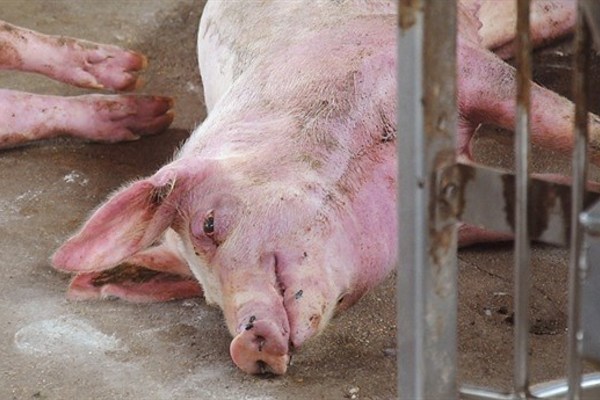
Direct Transmission Through Contact Between Healthy Pigs and Virus-Carrying Pigs
An important and rapid transmission route is direct contact between infected pigs, or pigs in the incubation period, and healthy pigs in the same pen. The virus is present in vesicular fluid, saliva, feces, urine, and nasal secretions of infected pigs.
Indirect Transmission Through Aerosols, Equipment, Transport Vehicles, and Caretakers
FMD can spread through aerosols under certain favorable conditions, especially cool, humid, and windy weather. Contaminated objects and carriers include:
- Farm equipment such as buckets, brushes, knives, boots, and gloves that are not disinfected between pens.
- Transport vehicles such as pig trucks, feed trucks, and manure trucks passing through infected areas.
- Clothing and footwear of workers, veterinarians, and farm visitors.
Transmission Through Feed, Water, and Animal Products That Have Not Been Heat-Treated
Raw feed, kitchen waste, soybean residue, or distillery by-products from infected areas may be potential sources of transmission if not properly heat-treated before feeding to pigs. FMD virus may survive in some chilled or frozen animal products if they are not handled properly.
High-Risk Transmission Points in Vietnamese Pig Farm Practice
Buying or Introducing Breeding Pigs or Market Pigs Without Quarantine Certificates
This is one of the important transmission routes in practical pig production. Breeding pigs or market pigs purchased from an outbreak area, or through traders without clear origin, may introduce the virus into a farm even if they look completely healthy because they may be in the incubation period.
Pig Collection Trucks, Feed Trucks, and Manure Trucks Entering the Farm Without Disinfection
Commercial pig collection trucks often visit multiple farms in one day. Without a vehicle disinfection point before entering the farm area, wheels, undercarriage, and truck surfaces may carry virus from one farm to another on the same day.
Wholesale Markets, Slaughterhouses, and Pig Holding Areas Near Outbreak Zones
Wholesale markets and pig collection points bring pigs from multiple sources together, creating opportunities for cross-contact and virus spread. Farmers who visit markets or slaughterhouses should change clothes, shower, and disinfect footwear before returning to the farm.
Economic Impact of Foot-and-Mouth Disease in Pigs
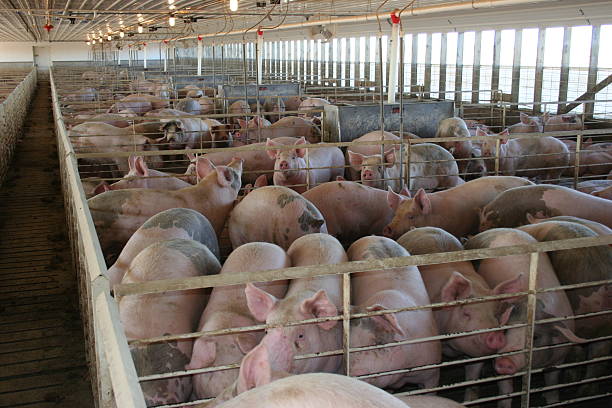
Direct Losses: Piglet Mortality Risk, Reduced Weight Gain, and Lower Reproductive Performance
When FMD occurs on a pig farm, direct losses usually come from several sources at the same time: suckling piglets may die from myocarditis depending on outbreak severity and age; market pigs may stop eating for several days, leading to reduced weight gain and delayed sale; and sows may have reduced reproductive performance and face a risk of abortion.
Indirect Losses: Outbreak Handling Costs, Movement Restrictions, Possible Culling, and Loss of Trust Among Traders and Partners
In addition to direct losses, farmers face heavy indirect burdens:
- Costs for supportive treatment, disinfectants, and outbreak handling labor may increase sharply.
- Movement restrictions or bans may prevent pigs from leaving outbreak areas, meaning market pigs cannot be sold at the expected time and feed costs continue without income.
- In some outbreak control situations, animal health authorities may apply culling measures according to current regulations.
- Trust with traders and partners may be affected when the farm is placed under restriction, making future transactions more difficult.
These losses reinforce a core message: the cost of preventing FMD is often much lower than the cost of responding after an outbreak has occurred.
Preventing Foot-and-Mouth Disease in Pigs Through FMD Vaccination
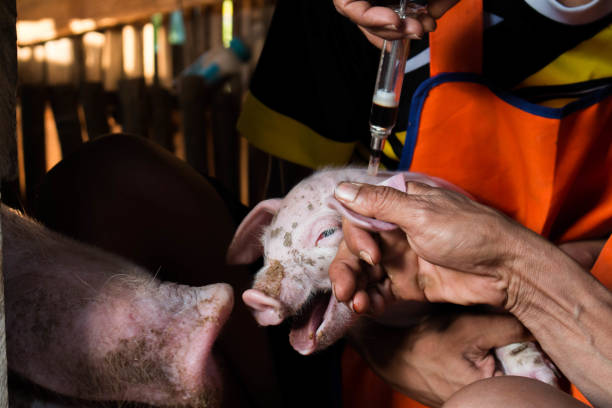
Overview of FMD Vaccines Used in Pigs and Principles for Selecting Vaccines by Local Disease Situation
Vaccination is an important proactive measure for preventing foot-and-mouth disease in pigs. FMD vaccines are usually inactivated vaccines, meaning they contain inactivated virus while retaining antigenicity to stimulate immunity in pigs.
The basic principle to remember is that FMD virus exists in multiple serotypes such as O, A, and Asia 1, and cross-protection between serotypes is generally very limited. Vaccine selection should therefore be based on the serotype circulating locally.
Farmers should consult a veterinarian or local animal health authority to identify the vaccine suitable for their local disease situation. They should not choose vaccines based on unofficial information.
Reference FMD Vaccination Schedule by Pig Group
Important note: The vaccination schedule below is for general reference only. The specific schedule, interval between doses, and booster timing should be developed and adjusted according to guidance from a veterinarian, the vaccine manufacturer, and the local disease situation.
Piglets, Weaned Pigs, and Market Pigs
Piglets often begin FMD vaccination after weaning. The specific timing depends on vaccine manufacturer recommendations and local veterinary guidance.
Booster doses should be given according to the manufacturer’s instructions and the veterinarian responsible for the herd.
Market pigs in high-risk areas may need periodic booster vaccination as instructed.
Sows, Gilts, and Breeding Boars
Sows should be vaccinated periodically according to the schedule recommended by the local veterinarian and vaccine manufacturer.
Gilts should receive the full basic vaccination course before entering the breeding herd.
Breeding boars should be vaccinated periodically according to local veterinary recommendations.
Vaccination Notes: Timing, Vaccine Storage, and Post-Vaccination Monitoring
Practical points to note when administering FMD vaccines:
- Vaccinate only pigs that meet health requirements according to the vaccine manufacturer and the veterinarian responsible for the herd. Do not vaccinate pigs that are sick, severely weak, or under heavy stress without veterinary guidance.
- Store vaccines at the temperature recommended by the manufacturer, usually 2–8°C. Do not freeze vaccines or leave them under direct sunlight.
- Monitor pigs for 24–48 hours after vaccination, as mild reactions at the injection site or mild fever may occur.
- Do not administer FMD vaccines at the same time as other vaccines unless clear guidance is provided by a veterinarian or the vaccine manufacturer.
- Record vaccination date, vaccine batch number, and post-vaccination reactions in the herd health record.
Biosecurity for Preventing Foot-and-Mouth Disease in Pigs
Step 1: Divide the Farm Into Zones and Control Movement Flow to Limit Cross-Contamination
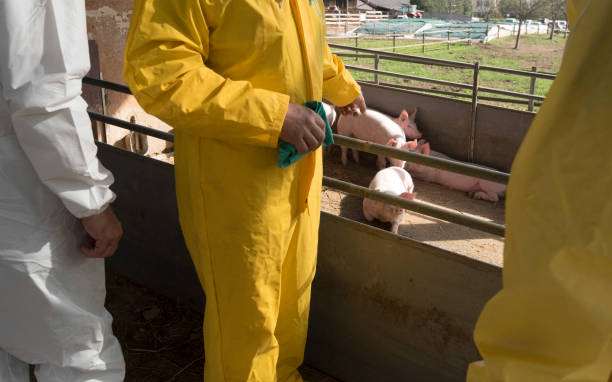
Pig farms should be divided into clear functional zones: quarantine area for newly introduced pigs, production area, feed receiving area, and waste handling area. These zones should be separated by fences or dedicated routes so the movement of people, animals, and equipment does not move backward from high-risk areas into clean areas.
Step 2: Control People and Vehicles Entering the Farm – Showering, Changing Clothes, and Vehicle Disinfection
Set up a single entry gate with a wheel disinfection pit. Anyone entering the farm should pass through a transition area: shower, change into farm protective clothing, and wear disinfected boots. Visitors, pig buyers, and feed delivery drivers should not enter pig houses unless absolutely necessary.
Step 3: Isolate and Monitor Newly Introduced Pigs for at Least 21 Days
All newly introduced pigs, whether breeding pigs or market pigs, must be isolated in a separate area for at least 21 days. During this period, observe daily for disease signs, check temperature if suspicious signs appear, and do not allow quarantined pigs to contact the existing herd before the monitoring period ends.
Step 4: Daily, Weekly, and Monthly Cleaning and Disinfection Schedule
Daily: Remove manure, wash feeders, check drinking water systems, and disinfect common walkways.
Weekly: Spray the entire pig house, including ceilings and walls, with a suitable disinfectant at the correct type and concentration according to manufacturer or veterinary instructions.
Monthly: Conduct full cleaning, empty the house if applicable, dry the area, and check the drainage system.
Step 5: Manage Feed and Drinking Water, and Control Mechanical Vectors Such as Rats, Birds, Dogs, and Cats
Do not feed pigs leftovers from restaurants, collective kitchens, or kitchen by-products that have not been heat-treated in areas with disease risk. Drinking water should come from a clean source, and the water supply system must be protected from contamination. Control rats and birds, and limit dogs and cats from entering pig houses, as they may mechanically carry pathogens from one place to another.
Step 6: Keep Herd Health Records and Build Quarterly and Annual Prevention Plans
Herd health records are an important management tool. They should record daily deaths, pigs with loss of appetite, pigs with abnormal signs, vaccination dates, medicines used, and test results if any. Quarterly and annual prevention plans help farm owners avoid missing vaccination schedules and prepare ahead of high-risk disease periods.
Foot-and-Mouth Disease in Pigs: Farm Prevention Checklist
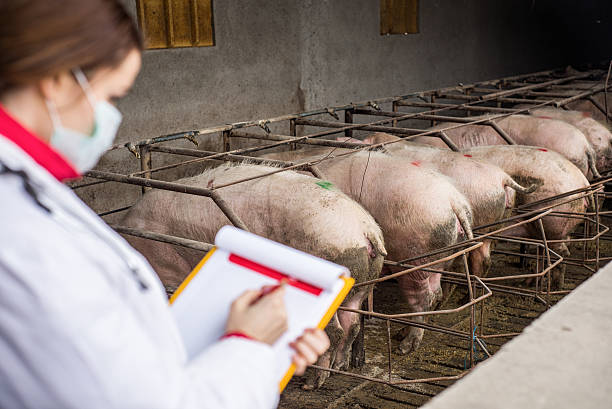
When information is received about an FMD outbreak in a nearby locality, farm owners should immediately review the following checklist:
- Check the FMD vaccination schedule of the entire herd and identify pigs that are unvaccinated or overdue for boosters.
- Review pigs introduced within the last 30 days and ensure they are still under quarantine when required.
- Check the disinfection pit at the farm entrance: confirm that the solution is still at the correct concentration and has been replaced when needed.
- Inform workers about the outbreak situation and remind them not to visit infected areas and to follow entry procedures strictly.
- Temporarily stop receiving non-essential visitors.
- Check disinfectant inventory and restock if needed.
- Contact local animal health authorities to obtain disease updates and specific recommendations.
- Increase herd monitoring to twice per day and record all abnormal signs.
- Prepare contact information for the local animal health authority or service, and follow their instructions if sampling is needed.
- If there is an FMD outbreak in cattle or buffaloes in the area, nearby pig farms should increase vigilance and apply corresponding biosecurity measures.
What to Do When Foot-and-Mouth Disease in Pigs Is Suspected
Step 1: Identify Suspected Cases and Immediately Contain the Affected Pen
When pigs show signs suggestive of FMD, such as vesicles in the mouth or on the feet, loss of appetite, fever, or unusual salivation, stop all pig movement into or out of that pen immediately. Mark suspected pigs and notify the farm manager.
Step 2: Isolate Sick, Suspected, and Close-Contact Pigs
Move suspected pigs into a separate isolation area. Pigs that had close contact in the same pen should remain in place and be monitored closely. Do not move pigs to other pens, as this may expand the transmission area.
Step 3: Report Immediately to Local Animal Health Authorities – Do Not Sell or Slaughter Pigs
This is a mandatory legal step and the most important action from an ethical production perspective. Selling sick or suspected pigs is not only a violation of veterinary regulations, but also an action that spreads disease into the community, causing losses to other farmers and the entire supply chain.
Step 4: Arrange Sample Collection Under Veterinary or Authorized Personnel Guidance for Official Confirmation
Sample collection should be performed by veterinary officers or authorized personnel, following biosecurity requirements and current testing procedures. Test results provide the basis for identifying the virus or serotype, assessing outbreak scope, and deciding control measures such as zoning, movement restrictions, disinfection, supplementary vaccination, or other measures required by animal health authorities.
Step 5: Strengthen Disinfection in the Outbreak Area and Handle Carcasses, Manure, and Wastewater Properly
Disinfect the pig house containing sick pigs and surrounding areas. Dead pigs should be handled according to veterinary guidance, such as proper burial or disposal, and must not be discarded into the environment. Manure and wastewater from the outbreak area should be treated separately and should not flow into common areas.
Step 6: Adjust the Vaccination Plan and Temporarily Stop Pig Entry and Exit Until Official Conclusions Are Available
While waiting for test results and conclusions from animal health authorities, suspend all introduction of new pigs and movement of market pigs out of the farm. Review and strengthen vaccination for pigs without adequate immunity according to veterinary guidance.
Common Mistakes That Increase the Risk of Foot-and-Mouth Disease in Pigs
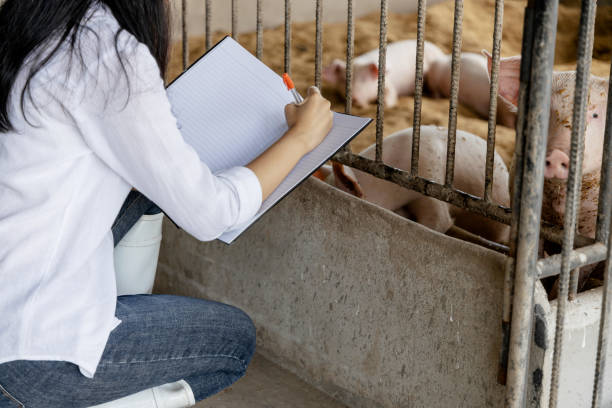
Understanding common mistakes helps farmers avoid repeating them:
- Skipping routine vaccination because “the farm has never had an outbreak”: FMD can enter any farm if conditions allow, even if the farm has no previous history.
- Buying breeding pigs without quarantine certificates or from unclear sources: This is one of the important transmission routes in Vietnamese pig production.
- Not showering or changing clothes before entering the farm after visiting pig markets, slaughterhouses, or other farms: FMD virus may remain on clothing and footwear.
- Hiding outbreaks and selling sick pigs to recover capital: This violates the law and causes major losses to surrounding farming communities.
- Attempting self-treatment without reporting to animal health authorities: FMD has no specific treatment. Treatment is only supportive; more importantly, spread must be controlled according to professional guidance.
- Allowing pig collection trucks to enter the farm without disinfection: One truck passing through an infected area can carry the virus into many farms in the same day.
- Feeding pigs untreated leftovers or by-products from infected areas: This is an indirect transmission source that is easily overlooked.
Can Foot-and-Mouth Disease in Pigs Spread to Humans?
FMD in livestock rarely infects humans. However, anyone in contact with sick pigs should still use protective equipment to reduce exposure risk and prevent mechanical carriage of pathogens. It is important to note that FMD virus in livestock and the virus causing hand, foot, and mouth disease in humans, which is caused by enteroviruses, are completely different viruses.
Farm workers and veterinarians should still follow basic protective measures when handling sick pigs:
- Wear gloves when contacting vesicles, secretions, or feces from sick pigs.
- Wash hands thoroughly with soap after contacting suspected pigs.
- Wear protective clothing and boots in the outbreak area.
- Avoid touching the face while inside the sick-animal area.
These protective measures mainly help prevent people from becoming mechanical carriers that spread the pathogen from one pen to another, while also reducing unnecessary exposure risk.
Foot-and-Mouth Disease in Pigs in Vietnam: Key Points for Farmers
Areas and Seasons Where FMD Outbreaks Are Often Recorded in Livestock
In Vietnam, FMD is often recorded more frequently during seasonal transitions, especially when weather shifts from dry to humid in northern Vietnam and the Central Highlands, or during the rainy season in southern Vietnam. Provinces with high pig density and active interprovincial trade often have higher risk.
Northern mountainous areas and the Central Highlands, where many smallholders raise buffaloes, cattle, and pigs in mixed systems, are also areas where cross-species FMD transmission requires close attention.
Risk of FMD Transmission Between Pig Herds and Cattle, Buffalo, or Goat Herds in the Same Locality
An important point that is often overlooked is that FMD can spread between different cloven-hoofed species in the same locality, especially when animals share water sources, grazing areas, or are transported together on the same vehicles. If there is an FMD outbreak in cattle or buffaloes in the area, nearby pig farms should increase vigilance and strengthen biosecurity accordingly.
Recommendations From Animal Health Authorities on Surveillance, Outbreak Reporting, and Support
Under regulations, foot-and-mouth disease is a notifiable disease. Farmers who detect or suspect an outbreak in their herd should immediately report it to local animal health authorities. Timely reporting is not only a legal obligation, but may also be a condition for receiving government support under applicable livestock disease damage support policies.
Farmers should maintain regular contact with local animal health authorities to receive the latest disease updates and timely guidance when unusual developments occur in the area. The Department of Animal Health and Production under the Ministry of Agriculture and Environment is the national technical focal point for FMD surveillance and control in Vietnam.
Frequently Asked Questions About Foot-and-Mouth Disease in Pigs

Is Foot-and-Mouth Disease More Dangerous for Pigs Than for Cattle or Buffaloes?
FMD is dangerous for pigs in some ways that differ from cattle and buffaloes. Pigs may shed more virus into the environment, contributing to faster disease spread, and very young piglets are at risk of death from acute myocarditis.
In cattle and buffaloes, FMD mortality is usually lower, but losses in milk production and working capacity are major concerns. The level of impact depends on factors such as age, body condition, and outbreak severity. Farmers should closely monitor piglets when FMD is present in the area.
How Long Is the Incubation Period of FMD in Pigs, and Can Pigs Transmit the Virus During This Period?
The incubation period in pigs is often 2 to 7 days. The important point is that pigs may begin shedding virus and can infect other pigs before clinical signs appear.
This means that during the incubation period, pigs may look normal but can already transmit the virus to pen mates. This is why isolation of newly introduced pigs is mandatory.
How Can Farmers Distinguish FMD From PRRS or African Swine Fever, Which Also Cause Loss of Appetite and Mouth Lesions?
These diseases may overlap in some signs, but initial orientation can be made as follows: FMD is characterized by typical vesicles in the mouth, feet, and hooves. PRRS causes severe respiratory signs, bluish ears, and reproductive disorders, but does not cause vesicles. ASF causes skin hemorrhage, rapid death, and very high whole-herd mortality, without typical vesicles.
However, accurate differential diagnosis requires laboratory testing. Farmers should not draw conclusions based only on clinical observation.
What Is the Most Effective Way to Prevent FMD in Small Pig Farms With Fewer Than 100 Pigs?
For small farms, the two most important measures are:
- Vaccinate on schedule using vaccines appropriate for the local disease situation. Local animal health authorities may be contacted for support and advice.
- Control the origin of newly introduced pigs. Do not buy pigs without quarantine certificates, and isolate them for at least 21 days before introducing them into the herd.
Even for small farms, a simple disinfection pit at the entrance and restricting outside visitors from pig houses can help reduce external transmission risk.
Is Periodic FMD Vaccination Necessary for Pigs? What Happens If One Vaccination Round Is Missed?
FMD vaccines do not provide lifelong immunity. Post-vaccination immunity usually lasts for a certain period depending on vaccine type and each animal’s immune response. The specific duration should be checked with the manufacturer and the veterinarian responsible for the herd.
Therefore, periodic booster vaccination as recommended is necessary. Missing a vaccination round may cause protective antibody levels to fall below the protective threshold. If the virus enters during that period, pigs are at higher risk of infection. In outbreak areas or high-risk areas, missing vaccination is a significant risk.
Can Pigs That Have Recovered From FMD Still Carry and Spread the Virus?
Pigs that have recovered from FMD still need to be monitored, movement-managed, and handled according to instructions from animal health authorities.
Farmers should not move recovered pigs back into the herd or transport them elsewhere without veterinary confirmation, even though pigs are not considered typical long-term carrier animals like some ruminants.
Even after recovery, pigs should continue to be monitored and should not be returned immediately to group housing without veterinary confirmation.
If FMD Is Suspected, How Can the Herd Be Managed to Reduce the Risk of Whole-Herd Culling?
The ability to limit losses depends greatly on early detection and timely containment. Depending on test results, spread scope, herd immunity status, current regulations, and assessment by animal health authorities, response measures may include zoning, surveillance, movement restrictions, disinfection, supplementary vaccination, or other mandatory measures.
Farmers should not decide on their own to keep, sell, or move suspected pigs before receiving official guidance.
For this reason, early reporting to local animal health authorities is a prerequisite for developing an appropriate response plan and reducing losses.
Is Pork From a Farm With an FMD Outbreak Safe for Consumers?
FMD is not generally considered a typical public health risk for humans like many other zoonotic diseases. However, pigs from farms with an outbreak or suspected outbreak must not be transported, slaughtered, or placed on the market without conclusions and permission from animal health authorities. This requirement is essential to prevent pathogen spread to other herds and protect the entire livestock chain.
This is a mandatory disease-control requirement. Farmers must comply and cooperate with competent authorities according to the correct procedure.
Update FMD Prevention and Biosecurity Solutions for Pig Production at VIETSTOCK 2026
Foot-and-mouth disease in pigs is one of the disease risks that must be strictly controlled due to its rapid spread and major impact on productivity, transportation, trade, and epidemiological safety across the livestock chain. To prevent FMD effectively, farms need not only early disease recognition, but also a coordinated system of biosecurity measures, vaccination, vehicle access control, breeding stock management, and proper disinfection procedures.
VIETSTOCK 2026 will serve as a specialized connection platform for farmers, farm owners, veterinarians, vaccine providers, veterinary medicine providers, disinfection equipment providers, biosecurity solution providers, farm management system providers, and businesses across the pig production value chain. The event is expected to bring together more than 300 brands, over 10,000 m² of exhibition area, and 13,000 trade visitors from more than 40 countries and territories. It will create opportunities to update solutions that help businesses become more proactive against disease risks such as FMD, ASF, and other important infectious diseases.
For fast-spreading diseases such as foot-and-mouth disease, pig farms need more than vaccination alone. They require a full risk-control system covering vehicle disinfection, farm entry control, quarantine of newly introduced pigs, breeding stock management, herd health monitoring, and disease recordkeeping. The Vietnam Pavilion at VIETSTOCK 2026 gives Vietnamese companies a channel to present solutions for pig production, including vaccines, veterinary medicines, disinfection equipment, farm access control systems, management software, and traceability tools.
With support from the Department of Animal Health and Production, companies participating in the Vietnam Pavilion may benefit from preferential participation support of up to 45%. This gives local suppliers a practical route to connect with farm owners, veterinarians, distributors, and partners seeking solutions for FMD prevention, ASF risk control, and stronger disease management across the pig production value chain.
At VIETSTOCK 2026, attendees can:
- Update solutions in vaccines, veterinary medicines, disinfection, and biosecurity for preventing FMD and other infectious diseases in pigs.
- Meet suppliers of farm access control equipment, vehicle disinfection systems, veterinary tools, and disease management solutions.
- Learn about trends in herd health surveillance, traceability, transport control, and epidemiological risk management in pig production.
- Connect with experts, businesses, and partners across the livestock value chain: breeding stock, feed, animal health, farm equipment, production, and processing.
- Explore opportunities to participate in the Vietnam Pavilion to strengthen brand visibility and expand international B2B connections.
Date: 21–23 October 2026
Venue: Saigon Exhibition and Convention Center (SECC), 799 Nguyen Van Linh Street, Ho Chi Minh City, Vietnam
Event website: https://www.vietstock.org/en/
Visitor registration: https://www.vietstock.org/en/online-registration-2/
If your business provides solutions in vaccines, veterinary medicines, disinfection, biosecurity, disease control equipment, farm management, or pig herd health, VIETSTOCK 2026 is an opportunity to gain visibility among the professional livestock and animal health community, connect directly with potential customers, and expand partnerships across the livestock value chain.
👉 Book a stand at VIETSTOCK 2026 today to take advantage of a central location, available participation incentives, and global connection opportunities.
Contact:
- Exhibiting: Ms. Sophie Nguyen – [email protected]
- Visitor Support: Ms. Phuong – [email protected]
- Marcom Support: Ms. Anita Pham – [email protected]