What Is Fluconazole in Veterinary Medicine? Antifungal Uses and Safety Considerations
Fluconazole is an antifungal active ingredient belonging to the triazole class. It is used in veterinary medicine to treat certain fungal infections in animals under veterinary supervision. The drug can distribute into various tissues and body fluids, including cerebrospinal fluid, making it a treatment option for certain deep-seated or systemic fungal infections in dogs and cats.
However, fluconazole is not effective against all types of fungi and is not suitable for every case of fungal skin disease. Its use must be based on the pathogen involved, the infection site, the animal’s health condition, and the likelihood of treatment success.
In addition to treatment effectiveness, pet owners should be aware of side effects, drug interactions, and the risk of antifungal resistance. For food-producing animals, fluconazole use also involves strict requirements concerning legal authorization and drug residue control.
Quick Summary
- Fluconazole is a triazole antifungal medication that inhibits ergosterol synthesis in fungal cell membranes.
- Main uses: It is used to treat certain infections caused by Cryptococcus, Candida, and other susceptible fungi, depending on the animal species and infection site.
- Pharmacological advantages: It distributes well into certain tissues and body fluids, particularly cerebrospinal fluid, and is eliminated primarily through the kidneys.
- Limitations: It is not a preferred treatment for dermatophyte skin infections or many Aspergillus infections.
- Side effects: It may cause digestive disturbances, loss of appetite, and abnormalities related to liver function. Interactions with other medications also require attention.
- Safety considerations: Do not administer human fluconazole products to animals without veterinary guidance or apply the same treatment regimen across different species.
1. What Is Fluconazole in Veterinary Medicine?
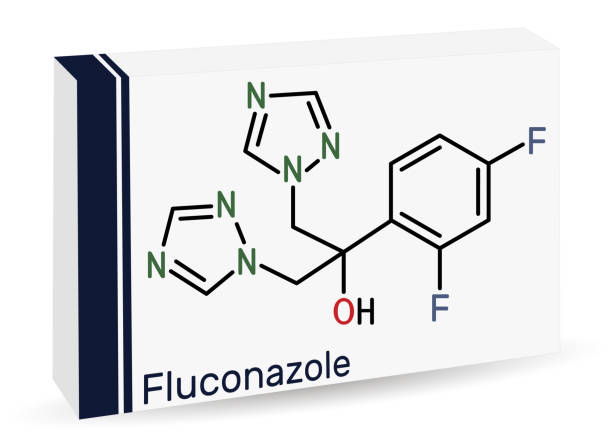
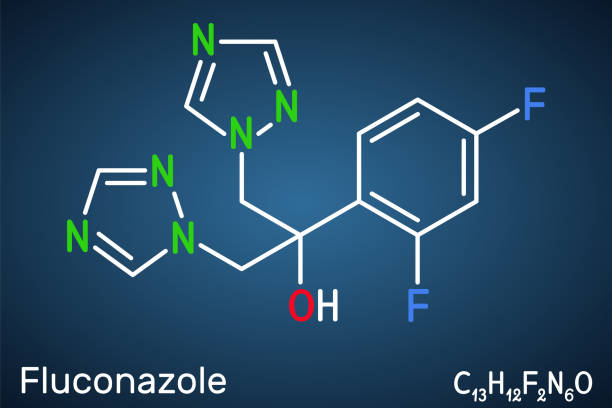
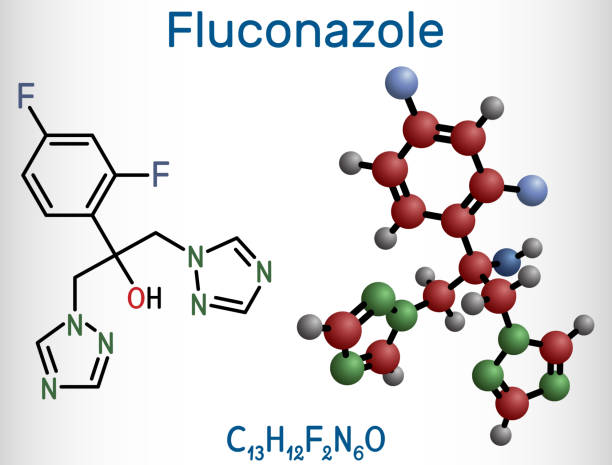
Fluconazole is a synthetic antifungal active ingredient belonging to the triazole subclass of azole antifungal medications.
The azole group includes several active ingredients used in human and veterinary medicine, such as fluconazole, itraconazole, ketoconazole, voriconazole, and posaconazole.
These medications share a basic mechanism of action: inhibiting ergosterol synthesis in fungal cells. However, they differ in their antifungal spectrum, absorption, distribution throughout the body, and potential drug interactions.
1.1. Which Class of Antifungal Drugs Does Fluconazole Belong To?
Fluconazole belongs to the triazole class, which is distinguished from imidazoles by its chemical structure.
| Class | Representative active ingredients | Characteristics |
| Imidazoles | Ketoconazole, miconazole, clotrimazole | Include medications used topically or systemically, depending on the product |
| Triazoles | Fluconazole, itraconazole, voriconazole, posaconazole | Include medications used to treat certain deep-seated or systemic fungal infections |
Fluconazole has several notable pharmacokinetic characteristics:
- Good oral absorption in many animal species that have been studied.
- Distribution into various tissues and body fluids.
- Ability to penetrate cerebrospinal fluid.
- Elimination primarily through the kidneys.
- Potential interactions with medications metabolized by the cytochrome P450 enzyme system.
These characteristics make fluconazole useful in treating certain fungal infections requiring systemic medication.
However, good tissue distribution does not mean that the drug is effective against every fungal species.
1.2. How Fluconazole Works
Fluconazole inhibits the enzyme lanosterol 14α-demethylase, which is involved in ergosterol synthesis.
Ergosterol is an important component of fungal cell membranes, helping maintain their structure and function.
When ergosterol synthesis is inhibited, fungal cells cannot maintain normal membrane function, limiting their growth and reproduction.
Against many susceptible fungi, fluconazole is primarily fungistatic, meaning that it inhibits fungal growth rather than necessarily killing the pathogen completely.
Actual treatment effectiveness also depends on fungal susceptibility and the animal’s immune response.
1.3. Is Fluconazole an Antibiotic?
Fluconazole is an antifungal medication, not an antibacterial drug used to treat common bacterial infections.
It does not directly treat diseases caused by bacteria, viruses, or parasites.
For example, bacterial dermatitis and fungal skin infections may produce similar signs. However, using fluconazole to treat bacterial dermatitis will not address the underlying cause.
Therefore, correctly identifying the pathogen is an important step before choosing medication.
2. Which Types of Fungi Is Fluconazole Effective Against?
Fluconazole is active against certain yeasts and fungi that cause systemic infections. However, its effectiveness varies between fungal species.
2.1. Cryptococcus
Cryptococcus is a group of yeasts that can cause cryptococcosis in animals.
The disease is particularly important in cats but can also occur in dogs.
Depending on the infection site and disease severity, affected animals may develop:
- Persistent nasal discharge.
- Sneezing or difficulty breathing through the nose.
- Swelling around the nose or face.
- Skin lesions.
- Reduced appetite and poor body condition.
- Neurological signs when the fungus affects the central nervous system.
Fluconazole is one of the active ingredients used to treat cryptococcosis in dogs and cats.
Its ability to penetrate cerebrospinal fluid is particularly important when veterinarians consider treatment for infections affecting the central nervous system.
However, fluconazole alone may not be suitable for severe or widespread infections. A veterinarian may need to combine it with other antifungal medications and supportive care.
2.2. Candida
Candida is a group of yeasts that may be present on mucosal surfaces or within the body without necessarily causing disease.
Under certain conditions, such as when an animal has a weakened immune system, an underlying disease, or other predisposing factors, Candida may overgrow and cause infection.
In dogs and cats, Candida infections may affect:
- The urinary tract.
- Mucosal surfaces.
- The skin.
- Other organs in cases of disseminated infection.
Fluconazole may be used for certain urinary tract or systemic Candida infections when the pathogen is susceptible to the medication.
However, not all Candida species are susceptible to fluconazole.
For Candida infections affecting the skin or gastrointestinal tract, topical antifungal medications or other active ingredients may be more appropriate, depending on the case.
Therefore, fluconazole should not be selected simply because a test detects the presence of Candida. A veterinarian must determine whether the fungus is actually causing the disease.
2.3. Other Fungi That Cause Systemic Infections
In addition to Cryptococcus and Candida, fluconazole is used in certain other systemic fungal infections, depending on the pathogen and clinical condition.
Veterinary literature documents the use of fluconazole in some infections involving Blastomyces, Histoplasma, or other susceptible fungi.
However, it is not the first-line treatment for every systemic fungal disease.
A veterinarian must consider disease severity, infection site, fungal susceptibility, and alternative treatment options before prescribing it.
2.4. Can Fluconazole Treat Aspergillus Infections?
Aspergillus is a group of filamentous fungi that can cause disease in various animal species.
Some Aspergillus infections may affect the respiratory tract, nasal sinuses, or other organs.
Fluconazole is generally not a suitable option for many Aspergillus infections because its activity is limited compared with other antifungal medications.
Depending on the condition, a veterinarian may consider itraconazole, voriconazole, or other appropriate treatment approaches.
The choice must be based on the fungal species, infection site, and the animal’s specific condition.
2.5. Summary of Fluconazole’s Antifungal Activity
| Fungal group or disease | Role of fluconazole | Important considerations |
| Cryptococcosis | Important treatment option in dogs and cats | Severe cases may require combination treatment |
| Urinary tract Candida infections | May be suitable when the pathogen is susceptible | A true fungal infection must be confirmed |
| Systemic Candida infections | May be used in certain cases | Disease severity and susceptibility must be assessed |
| Certain other systemic fungal infections | May be useful depending on the pathogen | Not automatically the first-line treatment |
| Aspergillus infections | Generally not preferred | Many cases require other active ingredients |
| Dermatophyte skin infections | Not recommended as a preferred treatment | Itraconazole or terbinafine is often more appropriate, depending on the case |
This table provides a general overview. Medication selection must be based on a veterinary diagnosis and professional assessment.
3. Can Fluconazole Be Used to Treat Fungal Skin Infections in Dogs and Cats?
Fluconazole is not a preferred treatment for dermatophyte skin infections in dogs and cats.
This is important because many pet owners use the term “fungal skin infection” to describe any condition involving hair loss, itching, or unusual skin lesions.
In reality, skin lesions can have many different causes.
3.1. Dermatophyte Skin Infections
Dermatophyte infections are commonly associated with filamentous fungi that can invade keratin-containing tissues, such as the skin, hair, and nails.
Common pathogens include Microsporum canis and species belonging to the genus Trichophyton.
Affected animals may develop:
- Patchy hair loss.
- Scaly skin.
- Broken hairs.
- Circular or irregularly shaped lesions.
- Varying degrees of itching.
However, the appearance of skin lesions alone is not enough to confirm a dermatophyte infection.
3.2. Why Is Fluconazole Not Preferred for Dermatophyte Infections?
According to the Merck Veterinary Manual, fluconazole is less effective against dermatophytes than certain other antifungal medications.
Therefore, it is not recommended as a routine treatment for dermatophyte infections in dogs and cats.
Depending on the case, veterinarians may select active ingredients such as itraconazole or terbinafine.
Treatment often involves combining appropriate medication with environmental hygiene, infection-source control, and follow-up monitoring.
3.3. Conditions That May Be Mistaken for Fungal Skin Infections
Several conditions may resemble dermatophyte infections, including:
- Bacterial dermatitis.
- Mange and other ectoparasitic diseases.
- Allergic dermatitis.
- Malassezia yeast infections.
- Endocrine disorders.
- Other skin diseases that cause hair loss or inflammation.
Therefore, dogs or cats with persistent hair loss, scaling, or itching should be examined by a veterinarian and undergo appropriate diagnostic testing.
Owners should not administer fluconazole or other systemic antifungal medications based only on visible symptoms.
4. Which Animals Can Be Treated with Fluconazole?
Fluconazole has documented veterinary applications in several animal species, but evidence of its effectiveness and safety varies between species.
4.1. Fluconazole for Cats
Cats are among the animal species for which fluconazole use is frequently discussed in veterinary literature.
The active ingredient plays a role in treating certain cases of cryptococcosis and other suitable fungal infections.
For cats with cryptococcosis, treatment may be prolonged and requires monitoring through clinical signs and appropriate tests.
An improvement in symptoms does not necessarily mean that the fungal infection has been completely controlled.
Therefore, owners should not stop treatment simply because their cat begins eating or behaving normally again.
4.2. Fluconazole for Dogs
In dogs, veterinarians may consider fluconazole for certain deep-seated or systemic fungal infections.
Depending on the disease, the medication may be used alone or combined with other treatment approaches.
When fungal infections affect the central nervous system or multiple organs, treatment requires assessment by a veterinarian with relevant expertise.
The dosage or treatment duration used for cats cannot automatically be applied to dogs, even when they have the same type of fungal infection.
4.3. Fluconazole for Small Animals and Other Companion Animals
Some veterinary references discuss fluconazole use in species such as pet birds, horses, and other animals.
However, data on dosage, effectiveness, and safety may be limited for many species.
Animal species can differ considerably in how they metabolize and eliminate medications.
Therefore, fluconazole should only be used under the supervision of a veterinarian experienced in treating the particular species.
4.4. Fluconazole for Livestock and Poultry
Fluconazole use in food-producing animals requires particular caution.
Some companies in Vietnam market products containing fluconazole for animals such as poultry. However, commercial information alone is insufficient to establish all valid marketing authorization conditions, approved indications, and withdrawal periods.
For buffaloes, cattle, pigs, poultry, and other food-producing animals, it is necessary to verify:
- Whether the product is legally authorized for sale and use.
- Whether the animal species is included in the approved indications.
- Which diseases the product is approved to treat.
- Evidence of effectiveness and safety.
- Restrictions on use in food-producing animals.
- Drug-residue control requirements.
Farmers should not independently use fluconazole products intended for humans or companion animals to treat animals raised for food production.
5. Comparing Fluconazole with Other Antifungal Medications
Fluconazole, itraconazole, ketoconazole, and voriconazole all belong to the azole antifungal class, but they differ significantly in their antifungal spectrum and pharmacokinetic characteristics.
| Criteria | Fluconazole | Itraconazole | Ketoconazole | Voriconazole |
| Subclass | Triazole | Triazole | Imidazole | Triazole |
| Main applications | Certain yeast infections and systemic fungal diseases | Many dermatophyte and systemic fungal infections | Certain fungal diseases, with safety limitations | Certain invasive fungal infections |
| Penetration into cerebrospinal fluid | Good | More limited | More limited | Can penetrate |
| Main elimination or metabolism pathway | Primarily through the kidneys | Extensive liver metabolism | Extensive liver metabolism | Liver metabolism |
| Key considerations | Kidney and liver function, drug interactions | Drug interactions and liver function | Liver toxicity and drug interactions | Drug interactions and adverse effects; data vary between species |
This comparison is intended as a general guide and should not be used to independently select or substitute medications.
When Might Fluconazole Be Preferred?
Fluconazole may be considered when:
- The pathogen is susceptible to the drug.
- The infection site requires an active ingredient that penetrates cerebrospinal fluid.
- The clinical condition is suitable for fluconazole’s pharmacological characteristics.
- A veterinarian determines that the expected treatment benefits outweigh the risks.
Conversely, other active ingredients may be more suitable for certain dermatophyte or filamentous fungal infections.
Medication changes should be based on the pathogen involved and the response to treatment, rather than simply on the drug’s name or class.
6. Side Effects of Fluconazole in Animals
Fluconazole is generally relatively well tolerated in many cases when used appropriately, but it can still cause adverse reactions.
Side effects may occur soon after treatment begins or during prolonged use.
6.1. Digestive Disturbances
Some animals may experience:
- Reduced appetite.
- Nausea or vomiting.
- Diarrhea.
- Gastrointestinal discomfort.
- Reduced activity.
A veterinarian may monitor mild symptoms and adjust the treatment approach when necessary.
However, if an animal vomits repeatedly, cannot eat or drink, or becomes noticeably weak, the owner should contact a veterinarian immediately.
6.2. Effects on Liver Function
Although fluconazole is primarily eliminated through the kidneys, it can still cause abnormalities related to liver function.
Some animals may develop elevated liver enzyme levels or signs suggesting liver injury during treatment.
Signs requiring particular attention include:
- Prolonged loss of appetite.
- Frequent vomiting.
- Unusual fatigue or weakness.
- Yellowing of the skin or mucous membranes.
- Dark urine accompanied by other symptoms.
These signs are not specific to fluconazole-related liver damage and may occur with other diseases.
However, if they develop during treatment, prompt veterinary assessment is necessary.
For animals receiving prolonged treatment, a veterinarian may recommend liver function tests before and during medication use.
6.3. Caution in Animals with Kidney Disease
Fluconazole is eliminated primarily through the kidneys.
When kidney function is impaired, the rate at which the medication is removed from the body may change, potentially increasing the risk of drug accumulation if treatment is not adjusted appropriately.
For animals with kidney disease, a veterinarian must assess kidney function and determine an appropriate treatment regimen.
Owners should not independently reduce the dose or extend the interval between doses, as this may affect treatment effectiveness.
6.4. Fluconazole During Pregnancy and Lactation
Safety data on fluconazole use during pregnancy are not complete for every animal species.
Under certain conditions of use, the medication may pose risks to fetal development.
Therefore, owners should not independently administer fluconazole to pregnant animals or those suspected of being pregnant.
A veterinarian should only consider its use when professionally justified, after assessing the potential benefits and risks.
For lactating animals, the possibility of the drug entering milk and its potential effects must also be considered.
7. Does Fluconazole Interact with Other Medications?

Yes. Fluconazole can affect the metabolism of certain medications through the cytochrome P450 enzyme system.
Drug interactions may alter the concentration of concurrently administered medications, affecting their effectiveness or increasing the risk of side effects.
7.1. Why Can Drug Interactions Occur?
Many medications are metabolized in the liver through specialized enzyme systems.
Fluconazole can inhibit certain enzymes involved in drug metabolism, potentially affecting the elimination of other active ingredients administered at the same time.
The extent of an interaction depends on:
- The other active ingredient.
- Animal species.
- Dosage.
- Duration of use.
- Liver and kidney function.
- Underlying health conditions.
Not all medications administered alongside fluconazole have clinically significant interactions.
7.2. What Information Should Owners Provide to the Veterinarian?
Before fluconazole treatment begins, owners should provide a list of:
- Medications currently being administered.
- Medications used recently.
- Medicines used to manage chronic diseases.
- Other antifungal medications.
- Vitamins and dietary supplements.
- Herbal products, if any.
The veterinarian will assess potential interactions and determine whether changes to the treatment plan or additional monitoring are necessary.
Do not independently combine fluconazole with other medications simply because an animal has several symptoms at the same time.
8. What Is Fluconazole Resistance?
Fluconazole resistance occurs when fungi become less susceptible or no longer respond to the effects of fluconazole.
This may be related to the inherent characteristics of a fungal species or changes that develop within fungal populations over time.
8.1. Why Can Fungi Become Resistant to Fluconazole?
Several antifungal resistance mechanisms have been identified, including:
Changes to the target enzyme
Fungi may develop changes involving the enzyme lanosterol 14α-demethylase, making fluconazole less effective at acting on its target.
Increased drug efflux from fungal cells
Some fungi may increase the activity of drug transport systems, reducing the amount of fluconazole that accumulates inside their cells.
Changes in Gene Expression
Changes in the activity of genes involved in ergosterol synthesis and drug transport may contribute to reduced fungal susceptibility.
In addition, some fungal species have naturally low susceptibility to fluconazole.
8.2. Factors That May Increase the Risk of Antifungal Resistance
Inappropriate antifungal medication use can create selection pressure on fungal populations.
Situations to avoid include:
- Using fluconazole without confirming that the disease is caused by fungi.
- Using the medication against a non-susceptible pathogen.
- Independently administering an inappropriate dose.
- Failing to follow the prescribed treatment duration.
- Repeatedly using the medication without investigating why the infection has returned.
However, not every unsuccessful treatment is caused by drug resistance.
8.3. Why Might Fluconazole Treatment Fail to Improve the Condition?
Possible reasons include:
- An inaccurate initial diagnosis.
- A pathogen that is not susceptible to fluconazole.
- An infection site that is not suitable for treatment with the medication.
- Widespread infection or complications.
- Underlying disease or a weakened immune system.
- Medication not being administered according to instructions.
- Drug interactions affecting treatment effectiveness.
- Recurrent infection or an uncontrolled source of exposure.
When treatment does not produce the expected results, a veterinarian may need to review the diagnosis and perform additional tests.
Owners should not independently increase the dose or switch to another antifungal medication without professional guidance.
9. How to Monitor Animals Receiving Fluconazole
Treatment of fungal diseases, particularly deep-seated or systemic infections, may need to continue for an extended period.
Close monitoring helps assess treatment effectiveness and detect adverse reactions early.
Step 1: Veterinary Examination and Identification of the Cause
When an animal develops signs suggesting a fungal infection, the veterinarian needs to assess the affected area and accompanying symptoms.
Depending on the condition, diagnostic methods may include:
- Clinical examination.
- Microscopic examination of cells.
- Fungal culture and identification.
- Antigen detection tests or other specialized methods.
- Tests to assess organ function.
- Diagnostic imaging when a deep-seated fungal infection is suspected.
The choice of tests depends on the suspected pathogen and the animal’s condition.
Step 2: Assess Underlying Diseases and Current Medications
Before prescribing fluconazole, the veterinarian should review:
- Animal species and age.
- Nutritional status.
- History of liver or kidney disease.
- Pregnancy or lactation status.
- Medications currently being used.
- Previous treatment for fungal infections.
- Available test results.
This information helps the veterinarian assess the benefits and risks and select an appropriate treatment regimen.
Step 3: Administer Medication as Prescribed
Once fluconazole has been prescribed, owners should use the correct product, strength, dose, frequency, and treatment duration.
Do not independently change the medication or use products intended for humans without veterinary guidance.
If administering medication to the animal is difficult, consult the veterinarian for advice on a suitable method.
Step 4: Monitor Treatment Response and Side Effects
During treatment, observe:
- Appetite and drinking behavior.
- Activity level.
- Changes at the infection site.
- Vomiting or diarrhea.
- Overall body condition.
- Unusual changes involving the skin, eyes, or mucous membranes.
- Test results when monitoring is recommended.
If serious signs develop, such as jaundice, persistent vomiting, difficulty breathing, seizures, or rapidly worsening weakness, seek urgent veterinary advice before administering additional medication.
Step 5: Follow-Up Examination and Treatment Evaluation
Some fungal diseases require prolonged treatment, even after visible symptoms have improved.
A veterinarian may recommend follow-up examinations and testing to determine treatment effectiveness.
For certain diseases, such as cryptococcosis, monitoring fungal antigen levels can help evaluate treatment response and determine when treatment may be discontinued.
Owners should not stop medication simply because lesions have improved or the animal appears healthier.
Step 6: Control Factors That Contribute to Recurrence
Depending on the fungal disease, factors to assess include:
- Underlying diseases or immune suppression.
- Environmental hygiene.
- Sources of exposure to the pathogen.
- Other animals showing symptoms.
- Adherence to the treatment regimen.
Prevention measures must be appropriate for the pathogen involved.
For example, dermatophyte infections can spread between animals and, in some cases, to humans. In contrast, cryptococcosis is generally associated with environmental sources of the fungus rather than ordinary direct transmission between individuals.
Therefore, the same isolation or disinfection procedure should not be applied to every fungal disease.
10. Fluconazole and Withdrawal Periods in Food-Producing Animals
Systemic antifungal medication use in food-producing animals must comply with veterinary drug and food safety regulations.
Particular caution is required with fluconazole because products intended for dogs, cats, or humans cannot automatically be assumed to be authorized for use in livestock or poultry.
10.1. Can Fluconazole Be Used in Food-Producing Animals?
Its use depends on the legal status of the specific product and the conditions authorized by the competent regulatory authority.
In Vietnam, each product must be verified through the veterinary drug regulatory system, including registration details, species-specific indications, and restrictions on use.
The fact that a product is commercially available or comes with instructions from a supplier does not establish that it is suitable for every livestock or poultry species.
If a product is not authorized for use in food-producing animals, farmers should not administer it or apply a withdrawal period based on their own estimates.
10.2. What Is a Withdrawal Period?
A withdrawal period is the required period after the final administration of a medication before an animal or animal product may enter the food supply chain under the approved conditions of use.
Its purpose is to ensure that drug residues comply with applicable legal limits.
The withdrawal period may depend on:
- Active ingredient and product formulation.
- Animal species.
- Dosage.
- Route of administration.
- Treatment duration.
- Type of animal product, such as meat, milk, or eggs.
- Registration conditions and current regulations.
However, without an appropriate legal basis and valid residue data, a withdrawal period for fluconazole cannot be independently established.
10.3. How to Manage Medication Use on Farms
When a product is legally authorized for use in food-producing animals, farms should maintain complete records of:
- Animal identification number or treatment group.
- Product name and active ingredient.
- Drug concentration.
- Treatment start date.
- Treatment end date.
- Dose and route of administration.
- Person responsible for administering the medication.
- Treatment indication.
- Valid withdrawal conditions and period.
- Expected date when animal products may be collected or used for food.
Record keeping supports residue control and traceability.
However, complete treatment records do not replace the requirement that the medication itself be legally authorized.
11. When Should You Contact a Veterinarian Immediately?
Owners should contact a veterinarian when an animal develops unusual signs suggesting a fungal infection, particularly when the illness persists or affects multiple organs.
Urgent veterinary assistance is needed if an animal develops:
- Seizures or loss of coordination.
- Difficulty breathing.
- Severe weakness.
- Complete loss of appetite or dehydration.
- Persistent vomiting.
- Yellowing of the skin or mucous membranes.
- Serious unusual reactions after medication administration.
Animals with liver disease, kidney disease, or pregnancy also require careful assessment before receiving fluconazole.
If a serious drug reaction is suspected, do not independently administer the next dose without veterinary guidance. Provide the veterinarian with the medication name, strength, amount administered, and time of administration to support appropriate management.
12. Frequently Asked Questions About Fluconazole in Veterinary Medicine
Is Fluconazole an Antifungal Medication for Dogs and Cats?
Yes. Fluconazole is an antifungal medication used to treat certain fungal infections in dogs and cats, particularly infections caused by Cryptococcus and some deep-seated or systemic fungal diseases.
However, it is not suitable for every type of fungal infection and must be prescribed by a veterinarian.
Can Fluconazole Treat Fungal Skin Infections in Dogs and Cats?
Fluconazole is not recommended as a preferred treatment for dermatophyte skin infections in dogs and cats because it is generally less effective than certain other antifungal medications.
Depending on the case, a veterinarian may choose itraconazole or terbinafine.
Can Fluconazole Treat Candida Infections?
Fluconazole may be used to treat certain urinary tract or systemic Candida infections when the pathogen is susceptible.
However, not all Candida species respond to the medication. Treatment must be based on the infection site and an appropriate diagnosis.
Can Fluconazole Treat Aspergillus Infections?
Fluconazole is generally not a suitable treatment for many Aspergillus infections.
A veterinarian may consider other active ingredients depending on the fungal species, infection site, and disease severity.
Can Human Fluconazole Be Given to Animals?
Owners should not independently use fluconazole products intended for humans to treat animals.
In certain cases, a veterinarian may consider an appropriate formulation in accordance with applicable regulations and professional requirements.
Dosage and administration instructions must not be independently derived from human medication guidelines.
What Is the Difference Between Fluconazole and Itraconazole?
Both belong to the triazole class, but they differ in their antifungal spectrum and pharmacokinetic characteristics.
Fluconazole penetrates cerebrospinal fluid well and is eliminated primarily through the kidneys.
Itraconazole is commonly used for various dermatophyte and systemic fungal infections but has different metabolism and drug interaction characteristics.
Can Animals with Kidney Disease Receive Fluconazole?
Fluconazole may be considered in certain cases, but professional assessment is necessary.
Because fluconazole is eliminated primarily through the kidneys, impaired kidney function can affect how the medication is cleared from the body.
A veterinarian will determine the appropriate treatment and monitoring approach.
Can Fluconazole Affect Liver Function?
Yes. Fluconazole may be associated with abnormalities in liver function in some animals.
During prolonged treatment, a veterinarian may recommend monitoring through laboratory tests.
If jaundice, persistent loss of appetite, or unusual weakness occurs, contact a veterinarian immediately.
Why Does a Fungal Infection Sometimes Fail to Improve with Fluconazole?
Possible causes include an inaccurate diagnosis, a pathogen that is not susceptible to the medication, drug resistance, underlying health conditions, or inappropriate medication use.
The animal should undergo another veterinary assessment rather than having its dose increased or medication changed without guidance.
Can Fluconazole Be Used in Pregnant Animals?
Owners should not independently administer fluconazole to pregnant animals.
Safety data vary between species, and there are concerns about potential effects on fetal development.
A veterinarian must assess the benefits and risks before deciding on treatment.
Can Fluconazole Be Used in Poultry?
Some companies market fluconazole products for poultry, but the approved indications and marketing authorization status of each product must be verified.
It should not be assumed that every fluconazole product is authorized for poultry raised for meat or egg production.
How Long After Fluconazole Treatment Can Animals Be Slaughtered?
There is no universal withdrawal period that applies to all fluconazole products.
The first step is to determine whether the product is legally authorized for use in food-producing animals.
Without an appropriate legal basis and valid drug-residue data, farmers must not independently estimate a waiting period before slaughter.
Improve Fungal Disease Diagnosis and Promote Safe Antifungal Use with VIETSTOCK
Treating fungal diseases in animals requires accurate diagnosis and careful selection of antifungal medications. With fluconazole, treatment effectiveness depends on the fungal species, infection site, and animal’s overall health. Inappropriate medication use can delay treatment, increase the risk of adverse reactions, and make disease management more difficult.
To improve fungal disease management and promote responsible veterinary drug use, livestock producers, veterinarians, and businesses can explore several important solution areas:
- Fungal diagnostic technologies: Laboratory equipment, microscopes, fungal culture supplies, and diagnostic methods that help identify pathogens and distinguish fungal infections from other diseases.
- Antifungal medications and treatment selection: Information on antifungal activity, formulations, treatment effectiveness, and the limitations of different veterinary antifungal medications.
- Animal health monitoring: Biochemical testing equipment and solutions for assessing liver and kidney function during prolonged treatment.
- Environmental hygiene and fungal infection control: Solutions for moisture management, housing hygiene, and sanitation of animal care equipment.
- Veterinary drug management and food safety: Technologies for tracking treatment records, verifying product authorization, and controlling drug residues in food-producing animals.
These areas highlight the importance of cooperation among veterinarians, diagnostic laboratories, livestock producers, and animal healthcare solution providers.
VIETSTOCK 2026, held from October 21–23, 2026, at the Saigon Exhibition and Convention Center (SECC), Ho Chi Minh City, provided opportunities for businesses and industry professionals to exchange knowledge, discover technologies, and strengthen partnerships across the livestock value chain.
The exhibition welcomed 248 participating brands and 13,414 trade visitors from 52 countries, alongside more than 89 knowledge-sharing sessions and conference activities. These results demonstrated VIETSTOCK’s role in promoting industry connections, professional exchanges, and sustainable livestock development.
Building on these achievements, VIETSTOCK 2027 will take place from October 20–22, 2027, at SECC, Ho Chi Minh City, offering further opportunities for the livestock and veterinary communities to explore innovative solutions, stay updated on industry trends, and expand business partnerships.
Event website: VIETSTOCK
👉 Explore VIETSTOCK 2026’s Industry Activities and Key Achievements
Contact information:
- Exhibiting: Ms. Sophie Nguyen – [email protected]
- Group Delegation Support: Ms. Phuong – [email protected]
- Marcom Support: Ms. Anita Pham – [email protected]
This content provides general professional information and does not replace veterinary examination, diagnosis, or treatment. Fluconazole must be used in accordance with professional veterinary guidance, valid product labeling, and applicable regulations.