Medicines and Disease-Prevention Products for Newly Hatched Chicks: Safety Notes During the Brooding Stage
A practical guide to medicines and preventive products for newly hatched chicks, including electrolytes, vitamins, probiotics, coccidiosis control and safe use during the first 14 days of brooding.
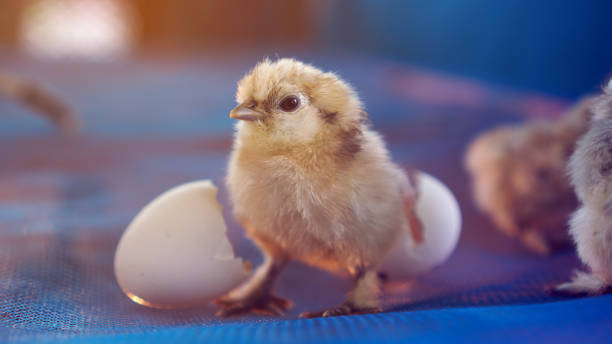
Medicines for newly hatched chicks should be selected carefully during the first 1–14 days of life, when their immune system is still immature, body temperature is not yet stable, and the intestinal tract has not been fully colonized by beneficial bacteria. These factors make the brooding stage critical to flock survival and early development.
Using medicines for newly hatched chicks does not mean giving antibiotics continuously from day one. Farmers should select the right medicine or supportive product for each stage, including electrolytes and vitamins to reduce transport stress, digestive enzymes and probiotics to support gut health, and anticoccidial medicines or coccidiosis vaccines when appropriate.
The effectiveness of the entire disease prevention program is closely linked to brooding conditions, including temperature, stocking density, and housing hygiene. This article summarizes practical recommendations in line with today’s direction toward sustainable livestock production, helping farmers choose, mix, and monitor products safely during the brooding stage.
Quick Summary: Medicines for Newly Hatched Chicks During Brooding
- Day 1–3: Prioritize electrolytes, vitamin C, and B-complex vitamins to help reduce transport stress, encourage water intake, and support adaptation to the new environment.
- Day 4–7: Add digestive enzymes and probiotics to support gut health and stability. Farmers may consult a veterinarian about E. coli prevention if the epidemiological risk on the farm is high.
- Day 7–14: Start assessing coccidiosis risk and respiratory issues based on litter moisture, stocking density, ventilation, and the farm’s disease history. The use of anticoccidial medicines, coccidiosis vaccines, or supportive products should follow the product label and veterinary advice.
- Antibiotics in prevention and treatment: Antibiotics should not be used routinely or continuously. They should only be considered when prescribed by a veterinarian and when the epidemiological situation requires them.
- Key principle: Medicines and supportive products cannot replace good brooding conditions. Incorrect temperature, overcrowding, and wet housing can significantly reduce the effectiveness of any disease prevention measure.
Newly Hatched Chicks and the Critical Brooding Period
The selection of medicines for newly hatched chicks should be based on age, flock health, disease risk, brooding conditions, and veterinary guidance. The following timeline summarizes the product groups commonly considered during the first 14 days.
Physiological Characteristics and Immune System of Chicks Aged 1–14 Days
Newly hatched chicks have very limited ability to regulate their own body temperature during the first few days. This is one of the most important points farmers should understand before considering any medicine or supportive product.
In the early days, chicks depend heavily on external heat sources to maintain a stable body temperature of around 40–41°C. If the brooding temperature is insufficient, chicks will spend energy trying to stay warm instead of using it for growth and immune development.
At this stage, the immune system of chicks mainly depends on maternal antibodies transferred through the egg. These passive antibodies gradually decline with age, while the chick’s active immune system is not yet mature enough to respond effectively.
The intestinal tract is not yet fully colonized by beneficial bacteria, creating an “open area” where pathogens such as E. coli, Salmonella, or coccidia (Eimeria spp.) may colonize more easily.
In addition, transporting chicks from the hatchery to the farm often causes stress, dehydration, and electrolyte loss, further weakening their already fragile resistance.
Common Health Issues During Brooding: Diarrhea, E. coli, Coccidiosis, Gasping, and Early Respiratory Signs
During the first two weeks, the most common health problems often include:
- White or green diarrhea/droppings: Often associated with E. coli, Salmonella, or digestive disturbance caused by sudden environmental changes.
- Coccidiosis: Chicks from around one week of age onward begin to face a higher risk of coccidiosis, especially when litter is wet, bedding material is damp, or stocking density is high.
- Gasping and early respiratory signs: These may be linked to Mycoplasma, viruses, or more simply to drafts and temperature fluctuations in the brooding area.
- Omphalitis: In newly hatched chicks, incomplete absorption of the yolk sac may create conditions for E. coli invasion if hatchery and housing hygiene are not well controlled.
Correctly identifying the problem helps farmers choose the right group of medicines or preventive products instead of using products based only on experience without a clear purpose.
Why Medicines Alone Are Not Enough If Brooding Conditions Are Poor
This is a point that many farmers, especially smallholders, often overlook: medicines and preventive products are only effective when the brooding environment is properly managed. They are not designed to compensate for poor brooding conditions.
When chicks are cold, exposed to drafts, kept on wet litter, or raised at excessively high density, their immune system is continuously weakened. In that condition, no matter how many vitamins or antibiotics are used, the chicks may not have the physiological capacity to absorb and respond well.
As a result, costs increase while the actual effectiveness decreases.
In other words: proper brooding conditions are the foundation, while medicines and preventive products are the supporting layer. The order cannot be reversed.
Common Medicines for Newly Hatched Chicks and Supportive Products
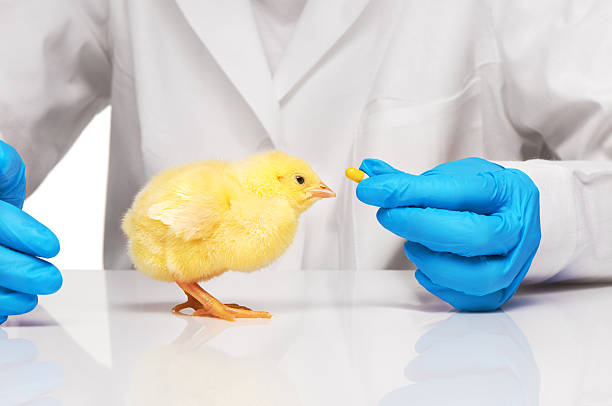
Note: In this article, “medicines and products” include both registered veterinary medicines that may have withdrawal periods and legal requirements, as well as supportive products such as vitamins, electrolytes, digestive enzymes, and herbal products. These groups are regulated differently. Farmers should read product labels carefully and consult a veterinarian to distinguish them properly.
Vitamins and Electrolytes: Reducing Transport Stress and Supporting Early Resistance
This group is often prioritized during the first 1–3 days, not because the chicks are already sick, but because transportation and environmental changes can cause dehydration, stress, and electrolyte loss.
Common ingredients in electrolyte products for chicks include glucose for quick energy, sodium chloride, potassium, vitamin C, and sometimes B vitamins. The main purposes are to restore electrolyte balance, encourage chicks to drink water, and help them start eating and drinking earlier.
Vitamins A, D3, and E are also often supplemented during this stage to support immune development and overall resistance. Farmers should follow the manufacturer’s recommended dosage. Some fat-soluble vitamins, such as vitamins A and D3, may cause toxicity if overdosed.
Digestive Enzymes and Probiotics: Supporting Gut Health and Reducing the Risk of Early Diarrhea
The intestinal tract of newly hatched chicks has not yet been stably colonized by beneficial bacteria. Early supplementation with digestive enzymes and probiotics may help support a healthier gut microbiota, creating a biological barrier that reduces the ability of pathogens such as E. coli and Salmonella to attach to the intestinal lining.
Common probiotics used for chicks may include Lactobacillus, Bacillus subtilis, and Saccharomyces cerevisiae. In practice, many commercial products combine several strains to improve effectiveness.
An important point: probiotics should be stored at the correct temperature, kept away from direct sunlight, and not mixed with antibiotics in the same drinking water, because antibiotics may kill beneficial bacteria in the drinker.
Anticoccidial Medicines or Coccidiosis Vaccines: When They May Be Needed and When They May Not Be Necessary Yet
In practice, clinical signs caused by coccidia are usually uncommon in the first few days after hatching because the parasite needs time to complete its life cycle in the chick’s body. Using anticoccidial medicines too early, such as from day 1–3, often provides little preventive benefit and may only increase costs and unnecessary risk of side effects.
Preventive coccidiosis control is usually considered from around one week of age onward, especially when:
- The house has an earth floor or wet litter.
- The farm has a history of coccidiosis.
- Stocking density is high.
Some farms choose live coccidiosis vaccines instead of preventive chemical anticoccidial medicines. This approach is aligned with the broader trend of reducing routine preventive drug use and limiting dependence on antibiotics in livestock production. The choice between chemical medicines and vaccines should be discussed with a veterinarian based on actual farm conditions.
Biological and Herbal Products Supporting Respiratory and Digestive Health
This group includes commercial products containing herbal extracts such as garlic, thyme, oregano, and turmeric, which are often marketed as supporting antibacterial, anti-inflammatory, or digestive functions. Actual effectiveness depends on farming conditions and should be considered together with scientific evidence and veterinary advice.
Herbal and biological products are increasingly considered in many production models as supportive options, especially in the current trend of reducing antibiotic use. However, their effectiveness depends heavily on product quality, dosage, and specific farm conditions. Farmers should consult the manufacturer and a veterinarian before applying them widely.
Antibiotics in Prevention and Treatment: When They Are Truly Needed and When They Should Be Avoided
This issue needs to be clearly distinguished: disease prevention does not mean continuous antibiotic use.
Using antibiotics continuously without veterinary indication often does not improve flock health in the long term. It may also disrupt the developing gut microbiota, increase the risk of antimicrobial resistance, and create residue risks in animal products.
Antibiotics should only be used when prescribed by a veterinarian, when there is a specific epidemiological risk, a clear indication, and the correct active ingredient is selected according to the target bacteria. Farmers should not use broad-spectrum antibiotics as a form of general “insurance.”
Principles for Choosing Medicines for Newly Hatched Chicks Safely
Prioritize Reduced Antibiotic Use, Residue Safety, and Compliance With Current Veterinary Regulations
Markets are paying increasing attention to antibiotic residue control in poultry meat. Farmers need to comply with current regulations on withdrawal periods and permitted medicines.
Farmers should prioritize:
- Choosing medicines that are included in the list of veterinary medicines permitted for circulation.
- Following the withdrawal period stated on the label, especially for broiler chickens.
- Limiting the use of medically important antibiotics such as quinolones and colistin, and using them only when truly necessary, under veterinary indication, and in accordance with current regulations.
Farmers should check product labels, the list of permitted veterinary medicines, and the latest guidance from the competent animal health authority.
How to Read a Product Label: Active Ingredient, Target Animal, Dosage, and Withdrawal Period
Before using any medicine or product for chicks, farmers should carefully check:
- Active ingredient: Know exactly what group the product belongs to, such as antibiotic, vitamin, anticoccidial, probiotic, and its spectrum of action.
- Target animal: Some products are not suitable for chicks under 7 or 14 days old. This information is usually stated clearly on the label.
- Dosage: Dosage may be calculated by mg/kg body weight or ml/liter of water. Farmers should not mix products “by feeling.”
- Withdrawal period: This must be followed before marketing birds to avoid residues in meat.
Choosing Products Based on Production Type: Industrial Broilers, Free-Range Native Chickens, and Laying Hens
There is no single universal protocol for all poultry production systems:
- Industrial broilers: Because growth pressure is high, a strict health management program is needed from the beginning, including brooding conditions, biosecurity, vaccines, and coccidiosis/respiratory control planning based on technical advice.
- Free-range native chickens: These birds have more exposure to the external environment, with higher risks of coccidiosis and parasites. A more flexible program may be needed.
- Laying hens: Greater care is needed with medicine groups that may affect the reproductive system later, although the impact at the chick stage may not yet be clear.
Suggested Schedule for Medicines for Newly Hatched Chicks by Age
Day 1–3: Reducing Stress, Supporting Recovery After Transport, and Helping Chicks Adapt
The main goal during the first three days is physiological recovery, not disease treatment.
Chicks are generally prioritized to receive clean water mixed with electrolytes and vitamins to support recovery after transport, together with proper brooding temperature and housing conditions. Providing water early, often within the first two hours after placement in the brooder, is a common practice in poultry production.
During this stage:
- Do not use antibiotics if there are no clear signs of disease.
- Do not use anticoccidial medicines because the timing is not yet appropriate.
- Focus on electrolytes, glucose, vitamin C, and B-complex vitamins.
Many farmers report that providing electrolyte water during the first three days helps chicks recover better and may contribute to reducing early losses.
Day 4–7: Supporting Digestion and Reducing the Risk of Diarrhea and E. coli Problems
From day 4, the digestive system starts working more actively. Chicks eat and drink more, but they also begin to have more contact with the housing environment. This is the stage when green or white diarrhea is often observed.
Priorities during this stage include:
- Digestive enzymes and probiotics to support gut stability.
- If the farm has a history of E. coli or Salmonella, farmers should consult a veterinarian to assess the risk, decide whether antibacterial medicine is needed, and choose the appropriate active ingredient. Dosage, duration of use, and withdrawal period must follow the product label, the actual flock condition, and current veterinary regulations.
- Continue vitamins, but the frequency may be reduced to every other day or three times per week if appropriate.
Day 7–14: Coccidiosis Control, Respiratory Support, and Growth Support
From the second week, chicks face a higher risk of coccidiosis. At the same time, if house ventilation is poor, mild respiratory problems may start to appear.
During this stage:
- For farms at risk of coccidiosis, such as those with wet litter, high stocking density, or a disease history, farmers should discuss with a veterinarian or technical advisor to select a suitable control program. Anticoccidial medicines and coccidiosis vaccines must be used with the right product, at the right timing, according to the product label, and should not be applied mechanically to every flock.
- Vitamin E and selenium may be supplemented to support immunity and help reduce oxidative stress.
- Respiratory support products, such as herbal or biological products, may be used if mild respiratory signs appear. Veterinary advice should be sought if symptoms are clear.
Sample Protocol Table: Age, Product Group, Use Method, and Main Purpose
Important note: The table below is for general reference only and does not replace veterinary prescription or advice. Specific dosage and timing must follow the product label, actual farm conditions, and current veterinary law. Do not apply this table mechanically.
| Age | Product Group | Use Method | Main Purpose |
| Day 1–3 | Electrolytes + glucose + vitamin C, B vitamins | Mix into drinking water according to label instructions | Support recovery after transport and reduce early stress |
| Day 1–3 | Vitamins A, D3, E | Mix into drinking water or use according to manufacturer instructions | Support immunity and early health |
| Day 4–7 | Digestive enzymes / probiotics | Mix into drinking water or feed according to label instructions | Support gut stability and reduce digestive disturbance |
| Day 4–7 | Multivitamins | Use according to product label; may be used every other day if appropriate | Maintain health and support resistance |
| Day 5–7 | Antibacterial medicine only when veterinary assessment indicates it | Use according to veterinary prescription and product label | Address intestinal bacterial risk when there are clear signs or epidemiological history |
| Day 7–14 | Coccidiosis control: anticoccidial medicine or coccidiosis vaccine if appropriate | According to product label and veterinary advice | Control coccidiosis risk when litter is wet, density is high, or the farm has a disease history |
| Day 10–14 | Vitamin E + selenium | Mix into drinking water according to label instructions | Support oxidative stress control and immune health |
| Day 7–14 | Respiratory support products if needed | According to product label or veterinary advice | Support birds when respiratory stress factors are present; does not replace temperature control, ventilation, and disease diagnosis |
Detailed Guidance on Mixing and Providing Medicines, Electrolytes, and Probiotics to Chicks
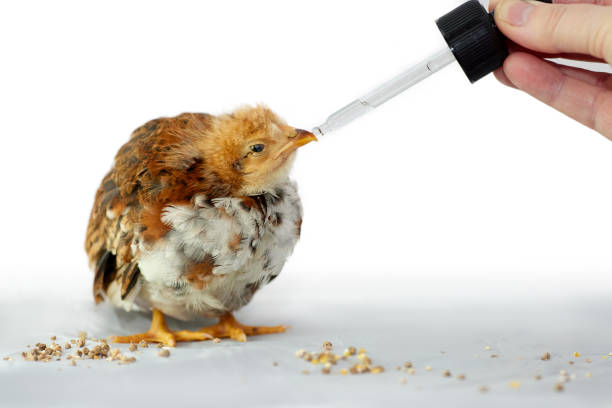
General Principles for Mixing Medicines in Drinking Water During Brooding
- Prepare fresh water daily: Medicines and products mixed into drinking water should generally be used within the same day. Do not leave them overnight, as bacteria may grow in drinkers and the activity of some vitamins may decrease under light and heat.
- Clean drinkers before mixing: Residues from old medicines and organic matter create an ideal environment for bacterial contamination.
- Ensure adequate water intake: When providing medicines or products through drinking water, farmers should make sure the flock can drink enough of the prepared water within the time recommended on the label. Newly arrived chicks should not be deprived of water for a long period, especially in hot weather, weak flocks, or after long-distance transport. If water supply timing needs to be adjusted, it should follow guidance from a veterinarian or farm technician.
How to Mix Vitamins and Electrolytes: Ratio, Timing, and Duration
The mixing ratio is usually stated on each product label and should be followed exactly. Farmers should not mix at a higher concentration to “increase effectiveness,” because overdosing certain vitamins, especially vitamins A and D3, may cause toxicity.
In general:
- Provide the solution in the morning when chicks are active and more likely to drink.
- Duration: 3–4 hours per day during the first three days.
- After that, switch back to clean drinking water for the rest of the day.
How to Use Digestive Enzymes and Probiotics Properly for Better Effectiveness
- Mix with cool water. Do not use water that is too hot, as temperatures above 40°C may affect the viability of beneficial microorganisms in the product.
- Do not mix probiotics with antibiotics. If they must be used in parallel, separate them by at least 2–3 hours.
- Probiotics may often be used throughout the brooding stage according to label instructions without significant reported side effects, but farmers should still follow manufacturer or veterinary guidance.
When to Mix Products Into Feed and When to Use Drinking Water
- Drinking water: Suitable for electrolytes, glucose, water-soluble vitamins, some powdered probiotics, and soluble anticoccidial medicines. This is also easier for dose control because it can be calculated per liter of water.
- Feed mixing: Suitable when the product does not dissolve well in water or when a more stable dose is needed without being affected by weather-related changes in water intake. Granular digestive enzyme products and some powdered herbal products are often more suitable for feed mixing.
Product Groups to Avoid Mixing Together
Avoid mixing the following in the same drinker:
- Antibiotics + probiotics: Antibiotics may kill beneficial bacteria in probiotic products.
- Two different antibiotics: There may be chemical interactions, reduced effectiveness, or increased toxicity.
- Acidic products + alkaline products: They may neutralize each other.
- Live vaccines + antibiotics: Antibiotics may affect vaccine effectiveness.
General principle: If there is no specific combination guidance from the manufacturer or a veterinarian, mix and provide each product separately, at least two hours apart.
How Brooding Conditions Affect Medicines for Newly Hatched Chicks
Temperature, Humidity, and Drafts: Reference Ranges by Brooding Age
The brooding temperatures below are common reference ranges. Farmers should adjust them according to breed, production system, and recommendations from the breeder or technical advisor:
- Day 1–3: 33–35°C in the brooding area, under the lamp or brooder.
- Day 4–7: 31–33°C.
- Day 8–14: 29–31°C.
- After two weeks: Gradually reduce by 2–3°C per week until reaching the normal house temperature.
Humidity should generally be maintained at around 60–70%. Humidity that is too low may dry the respiratory mucosa, while excessive humidity creates favorable conditions for coccidia and mold growth.
Drafts are a dangerous factor that is often underestimated. Even if the temperature measured in the middle of the house is within the recommended range, a cold airflow passing through the brooding area can chill chicks locally and quickly reduce their resistance.
Brooding Density, Litter, Bedding Material, and Feeder/Drinker Hygiene
- Density: Overcrowding causes heat buildup, ammonia accumulation, stress, and a higher risk of coccidiosis. If density is too low, chicks may have difficulty staying warm and use more energy. Some practical references use around 30–40 chicks/m² for the first week in traditional housing, but this should be adjusted according to breed, production system, and recommendations from the breeder or technical advisor.
- Bedding material: Litter should be dry, mold-free, and low in dust. Rice husk, dry straw, and sawdust are common options. Litter should be checked and turned regularly to prevent moisture from accumulating underneath.
- Feeder and drinker hygiene: Feeders and drinkers are direct sources of infection if not cleaned daily. Feed residues and leftover medicated water create favorable conditions for E. coli and mold growth.
How Water and Feed Quality Affect Medicine Absorption
Contaminated water or water with unusually high mineral content may reduce the activity of some medicines and vitamins. Some groundwater sources may contain high levels of iron or manganese, which can cause precipitation when medicines are mixed. Water quality should be checked if there is any concern.
Clean water that meets household-use or potable water standards should be used to mix medicines for chicks. If untreated water is used, it should be tested and treated before use.
Moldy feed not only reduces nutritional value but may also contain mycotoxins. These can suppress immunity and reduce the effectiveness of disease prevention measures.
Common Mistakes When Using Medicines for Newly Hatched Chicks
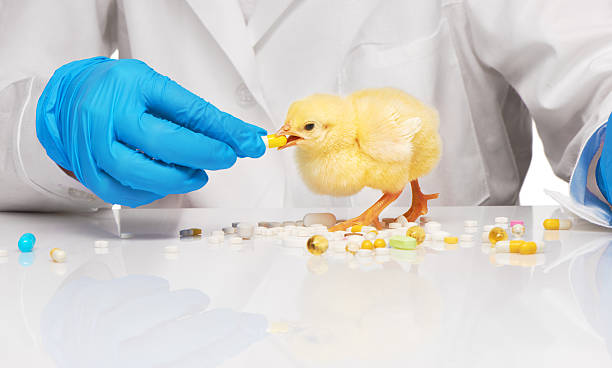
Using Antibiotics Continuously as “Insurance” Instead of Managing the Housing Environment
This is one of the most common and harmful long-term mistakes.
Continuous antibiotic use without veterinary indication often does not improve flock health in the long run. It may also disrupt the developing gut microbiota, increase the risk of antimicrobial resistance, and create residue risks in animal products.
Better approach: Invest in housing hygiene, control brooding conditions, and use probiotics appropriately instead of trying to compensate with antibiotics.
Overdosing or Extending Use Beyond Label Recommendations
Many farmers assume that “mixing stronger means better effectiveness.” This is incorrect and may lead to toxicity, drug-related diarrhea, or even increased mortality.
Extending medicine use beyond the recommended duration may also contribute to resistance and residues exceeding permitted levels.
Mixing Multiple Medicines, Vitamins, and Probiotics in the Same Drinker
In addition to the interaction risks mentioned above, mixing too many products makes it difficult to control the dose of each product. If problems occur, such as mortality or reduced feed intake, it becomes very hard to identify the cause and respond properly.
Expecting Medicines to Compensate for Management Problems: Cold Brooding, Wet Housing, and Overcrowding
No medicine or supportive product can compensate for poor brooding conditions. If chicks are cold, damp, or overcrowded, even high-quality products cannot prevent high mortality.
Practical Checklist: Preparation Before Brooding and Monitoring During the First 7 Days
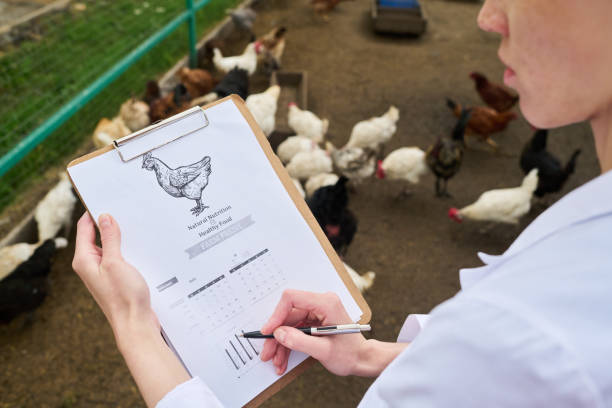
Checklist Before Chick Placement: Disinfection, Feeders, Drinkers, and Heat Source
- Clean the entire house, feeders, and drinkers with water and soap.
- Disinfect the house with a suitable disinfectant and allow it to dry for at least 3–5 days before chick placement.
- Replace bedding with new, dry, mold-free litter.
- Check and test heat sources such as lamps, brooders, or heaters at least 24 hours in advance.
- Place a thermometer in the brooding area to monitor the actual temperature.
- Prepare enough chick drinkers to reduce the risk of drowning.
Checklist of Medicines, Vitamins, Probiotics, and Products to Keep Available on the Farm
- Electrolytes + glucose for use on the first day.
- Multivitamins containing A, D3, E, C, and B-complex.
- Digestive enzymes / probiotics for use from day 4.
- Anticoccidial medicine or coccidiosis vaccine prepared for use after around one week of age, depending on farm conditions.
- Intestinal antibacterial medicine only when there is veterinary indication. Do not buy it for self-directed routine use.
- Disinfectant for drinkers.
First 24-Hour Checklist: Water Intake, Product Response, and Brooding Temperature
- Do chicks drink electrolyte water soon after placement?
- Are chicks evenly distributed in the brooding area, or are they crowding together because it is too cold or moving away from the heat source because it is too hot?
- Do chicks start eating within the first 4–6 hours?
- Are any chicks refusing feed, fluffing feathers, or sitting in groups?
- Check the brooding temperature at least three times on the first day.
First 7-Day Checklist: Drinking Schedule, Droppings, Mortality Rate, and Abnormal Signs
- Record the number of dead chicks each day.
- Observe the color and consistency of droppings daily. Pay attention to abnormal signs such as prolonged watery droppings, blood, excessive mucus, unusual odor, or widespread changes across the flock. Farmers should not rely only on droppings color to self-diagnose disease. If the flock shows severe signs or mortality increases, contact a veterinarian.
- Check daily water intake. A sudden decrease may indicate that the flock is not healthy.
- Follow the prepared drinking schedule.
- Do not change medicines or add new products if the flock is stable.
Signs of Incorrect Medicine Use or Drug Shock in Chicks and How to Respond Promptly
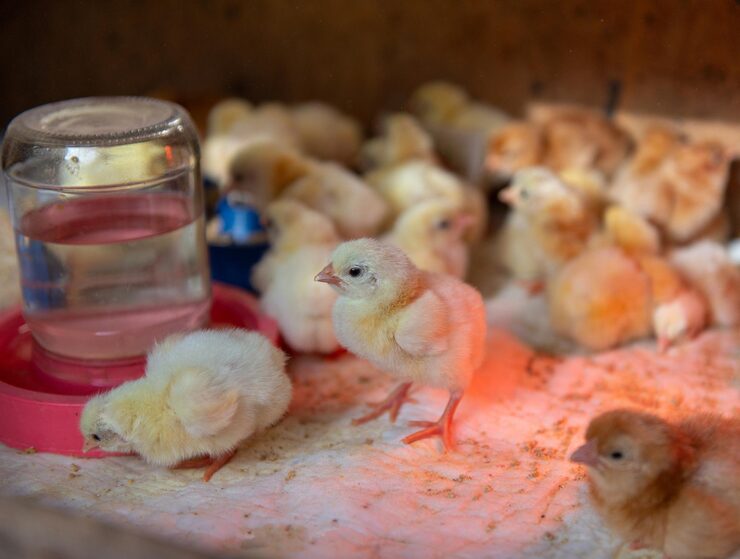
Warning Signs: Refusing Feed, Fluffed Feathers, Severe Diarrhea, and Unusual Rapid Mortality
Signs that require attention after starting or changing a medicine include:
- Chicks stop drinking after medicine is mixed because the solution is too bitter, too concentrated, or irritating.
- Diarrhea suddenly increases within 12–24 hours after a new medicine is used.
- Chicks fluff feathers, become depressed, or crowd together after drinking. This is a sign to stop the product and contact a veterinarian promptly.
- Mortality increases unusually within 24–48 hours after starting a new program.
Immediate Steps When Drug Shock or Incorrect Dosage Is Suspected
- Stop the medicine immediately and replace it with clean water.
- Provide a mild electrolyte solution without medicine to support recovery.
- Record the product name, mixed dosage, time of administration, and number of chicks showing abnormal signs.
- Contact a veterinarian or the product supplier for advice.
- Do not add another medicine to the drinking water without guidance.
When to Stop the Medicine Immediately and Contact a Veterinarian
Stop the medicine and contact a veterinarian immediately when:
- Daily mortality increases unusually compared with the farm’s baseline, for example by several percent of the flock, without a clear cause.
- Bloody droppings or widespread abnormal droppings appear after starting a new program.
- Many chicks show convulsions, leg paralysis, or loss of balance after drinking medicated water.
Current Trend: Reducing Antibiotics and Increasing Sustainable Solutions
Replacing Antibiotics With Probiotics, Herbal Products, and Stronger Vaccination Programs
The poultry sector is moving toward reduced dependence on antibiotics and greater focus on alternative solutions:
- Probiotics: Spore-forming Bacillus strains are used by some businesses and production models as a probiotic option because they are heat-stable and easier to store.
- Herbal extracts: Oregano, garlic, and thyme have been commercialized in some products and are marketed as supporting antibacterial and anti-inflammatory functions. Actual effectiveness depends on farm conditions and should be considered together with scientific evidence and veterinary advice.
- Live coccidiosis vaccines: Live coccidiosis vaccines may be used early in chicks to build natural immunity instead of relying on continuous preventive chemical anticoccidial medicines.
Food Safety Requirements and Residue Control in Poultry Production
Markets are paying increasing attention to antibiotic residue control in poultry meat. Farmers need to:
- Follow the withdrawal period stated on the product label before marketing birds.
- Avoid using antibiotics outside the permitted list under current regulations from the competent animal health authority.
- Keep medicine use records on the farm. This is often required in certification programs and supply chains such as VietGAP, GLOBALG.A.P., or contract farming chains.
Suggestions for Building a Sustainable Disease Prevention Program for Poultry Farms
A sustainable program for medicines for newly hatched chicks should not focus on medicines alone. It should combine vaccination, biosecurity, clean water, balanced nutrition, suitable brooding conditions, and routine flock monitoring.
Instead of following a fixed medicine protocol, the modern approach is to build a flock health program that includes:
- Strict biosecurity control, such as all-in/all-out management, control of people entering and leaving the farm, and quarantine of incoming chicks.
- A vaccination program suitable for the local disease situation and based on veterinary guidance.
- Balanced nutrition, clean water, and optimized housing conditions.
- Routine use of probiotics, prebiotics, and herbal products instead of preventive antibiotics.
- Use antibiotics only when there is a specific diagnosis, with the right product, right dose, right duration, and under veterinary prescription or guidance.
FAQ: Medicines for Newly Hatched Chicks and Supportive Products
Do Newly Hatched Chicks Need Preventive Medicine on the First Day?
In general, chicks should be prioritized to receive clean water mixed with electrolytes and vitamins to support recovery after transport, together with proper brooding temperature and housing conditions. This is not “treatment medicine” but physiological support. Antibiotics are not recommended on the first day if there are no clear signs of disease.
What Should Chicks Drink on the First Day to Reduce Transport Stress?
Electrolyte products containing glucose, sodium, potassium, and vitamin C are commonly used during the first 1–3 days. They are often provided for 3–4 hours in the morning, after which chicks are switched back to clean water.
Some farmers also add B-complex vitamins to support neuromuscular function and encourage better feeding and drinking. Dosage should follow the product label.
Should Antibiotics Be Used Long-Term for Disease Prevention in Newly Hatched Chicks?
No. Continuous antibiotic use without veterinary indication may disrupt the developing gut microbiota, increase the risk of antimicrobial resistance, and create residue risks in animal products.
Antibiotics should only be considered when there are clear signs of bacterial infection and after veterinary assessment or prescription.
How Long Should Digestive Enzymes and Vitamins Be Used During Brooding?
Digestive enzymes and probiotics may be used during the brooding stage if the product is suitable for chicks and used according to label instructions. Effectiveness and safety depend on microbial strains, product quality, storage conditions, dosage, and the actual condition of the flock. Farmers should not increase the dose or extend the duration beyond recommendations on their own.
Multivitamins are often used more frequently during the first 3–5 days, then reduced to 2–3 times per week. The specific program may vary by product, so the manufacturer’s instructions should be followed.
Can Poor Brooding Conditions Make Preventive Products Ineffective?
Yes. When chicks are cold, damp, or stressed due to overcrowding, their immune function declines significantly. In that condition, the body may not be able to absorb and benefit fully from supportive products.
In other words, investing in proper brooding conditions is just as important as choosing the right medicines and products.
How Can Farmers Reduce Brooding Medicine Costs While Maintaining Flock Health?
Farmers should prioritize practical, lower-risk measures: use electrolytes and vitamins during the first 2–3 days to support recovery after transport; use digestive enzymes or probiotics according to label instructions to support gut stability; and maintain suitable temperature, litter condition, ventilation, stocking density, and water quality.
Farmers should not buy or combine many medicines without a clear purpose, especially antibiotics. If the flock shows abnormal signs, consult a veterinarian or technical advisor before using medicines.
When to Seek Support From a Veterinarian or Poultry Production Specialist
Cases Where a Veterinarian Should Design a Farm-Specific Brooding Program
Not every situation requires direct veterinary consultation, but farmers should proactively seek support when:
- The farm has a history of high mortality during brooding in previous flocks.
- The area is experiencing poultry disease outbreaks or has specific endemic diseases.
- The flock is large, with thousands of birds, and a new program is being applied for the first time.
- Chicks are sourced from a new supplier with unclear health and vaccination history.
- Mortality remains unusually high after applying a reference program.
A veterinarian may take samples for testing to accurately identify pathogens. This allows a prevention and treatment program to be designed based on the actual farm situation, rather than applying a general protocol without knowing what the flock is facing.
Information to Prepare When Working With Veterinary Medicine and Biological Product Suppliers
When seeking advice on medicines and preventive products, farmers should prepare:
- Flock details: Breed, source, age, and number of birds.
- Housing conditions: Closed or open housing, litter type, heating system, and geographical area.
- Disease history: Diseases previously seen, products used, and results.
- Production goal: Broilers, layers, or free-range chickens, as this affects product selection.
- Current condition: Any abnormal signs, and mortality rate in recent days.
The more specific the information, the more practical and useful the advice will be.
Update Poultry Disease Prevention and Health Management Solutions at VIETSTOCK 2026
Disease prevention for chicks during the brooding stage does not depend only on medicines or supportive products. It requires coordinated management of nutrition, housing hygiene, biosecurity, vaccination, temperature control, and flock health monitoring.
As the livestock sector places increasing emphasis on reducing disease risks, limiting antibiotic misuse, and improving food safety standards, access to modern veterinary solutions has become an important factor in helping farms operate more sustainably.
VIETSTOCK 2026 will serve as a specialized connection platform for farmers, farm owners, veterinarians, veterinary medicine manufacturers and distributors, vaccine providers, biological product providers, poultry housing equipment suppliers, and biosecurity solution providers.
The event is expected to bring together more than 300 brands, over 10,000 m² of exhibition area, and 13,000 trade visitors from more than 40 countries and territories, offering opportunities to update trends, technologies, and preventive animal health management models.
The Vietnam Pavilion at VIETSTOCK 2026 offers a relevant platform for Vietnamese companies to present practical solutions for poultry production, including veterinary medicines, vaccines, digestive enzymes, probiotics, biological products, brooding equipment, housing systems, and biosecurity solutions. For businesses supporting newly hatched chicks and early-stage flock health, it provides direct access to farm owners, distributors, veterinarians, and poultry production specialists.
With support from the Department of Animal Health and Production, companies participating in the Vietnam Pavilion may benefit from preferential participation support of up to 45%. This helps Vietnamese exhibitors optimize participation costs while showcasing disease-prevention, poultry health management, and antibiotic-reduction solutions to targeted professional audiences.
At VIETSTOCK 2026, attendees can:
- Update new solutions in veterinary medicines, vaccines, digestive enzymes, biological products, and biosecurity for poultry production.
- Meet suppliers, experts, and businesses in the animal health sector.
- Learn about proactive disease prevention trends, reduced antibiotic misuse, and optimization of the brooding stage.
- Connect with partners across the livestock value chain: breeding stock, feed, animal health, farm equipment, production, and processing.
- Explore opportunities to participate in the Vietnam Pavilion to strengthen brand presence and expand international connections.
Date: 21–23 October 2026
Venue: Saigon Exhibition and Convention Center (SECC), 799 Nguyen Van Linh Street, Ho Chi Minh City, Vietnam
Event website: https://www.vietstock.org/en/
Visitor registration: https://www.vietstock.org/en/online-registration-2/
If your business provides solutions in veterinary medicines, vaccines, biological products, digestive enzymes, poultry housing equipment, or poultry health management, VIETSTOCK 2026 is an opportunity to gain visibility among the professional industry community, connect directly with potential customers, and expand cooperation across the livestock value chain.
👉 Book a stand at VIETSTOCK 2026 today to take advantage of a central location, available participation incentives, and global connection opportunities.
Contact:
- Exhibiting: Ms. Sophie Nguyen – [email protected]
- Visitor Support: Ms. Phuong – [email protected]
- Marcom Support: Ms. Anita Pham – [email protected]