Chicken Vaccination Schedule 2026: Reference Vaccination Milestones From Chicks to Market Age and Pre-Lay
Explore a reference chicken vaccination schedule for chicks, broilers, layers, and pullets in 2026, including timing, administration routes, storage guidance, and key safety considerations for poultry farms.
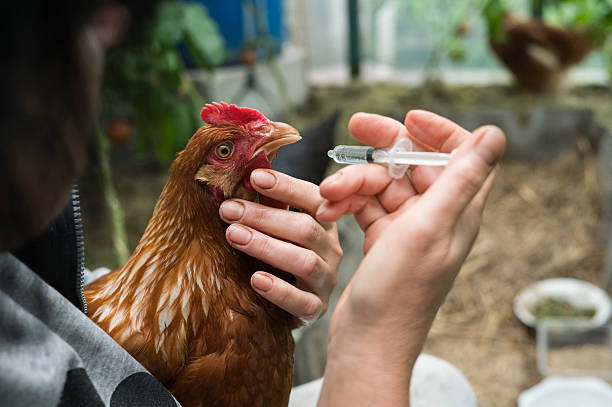
A chicken vaccination schedule is an important part of flock health management, especially for diseases that may cause major losses such as Newcastle disease, Gumboro disease, infectious bronchitis, and avian influenza.
However, there is no single vaccination schedule that fits every flock. Vaccination effectiveness depends on chick source, maternal antibodies, local epidemiological conditions, vaccine type, storage conditions, route of administration, and flock health at the time of vaccination.
As poultry diseases such as Newcastle disease, Gumboro disease, avian influenza, and infectious bronchitis remain important risks in many poultry production areas, building an appropriate vaccination schedule for each stage of flock development is an important management step. It helps reduce disease risks and maintain farm stability.
This article provides a reference vaccination schedule for different chicken groups, key principles to consider before vaccination, and safety points that farmers should discuss further with a veterinarian or technical specialist before applying them on the farm.
Quick Summary
- Chicken vaccination schedules should be clearly differentiated by production purpose: broilers, layers, and pullets. Each group has different disease prevention priorities and vaccination timing. The schedules in this article are commonly used examples, not a national standard vaccination program. Specific timing should be adjusted according to veterinary advice and local vaccination regulations.
- The 0–4 week chick stage is the most important period, requiring early prevention against Newcastle disease, Gumboro disease, and infectious bronchitis.
- Vaccine administration routes such as drinking water, eye/nose drops, spray, and injection directly affect immune effectiveness and must be selected correctly according to vaccine type and age stage.
- Common vaccination mistakes include using unsuitable water, failing to control water intake when administering vaccines through drinking water, and skipping booster doses when the vaccination program requires them.
- The vaccination schedules in this article are for reference only. Farmers should adjust them based on veterinary advice and epidemiological alerts from local animal health authorities.
Why Should Chicken Vaccination Schedules Be Adapted to Vietnam’s Epidemiological Context in 2026?
Poultry Disease Situation in Vietnam in Recent Years and Trends for 2026
In recent years, poultry diseases in Vietnam have continued to occur in many localities, with uneven levels of risk by region and season. Diseases such as Newcastle disease, avian influenza, Gumboro disease, and infectious bronchitis remain important disease groups to monitor in poultry farming, depending on the epidemiological area and farm conditions.
Some global reports and studies show that Newcastle disease virus, infectious bronchitis virus, and avian influenza virus may undergo antigenic changes over time. Therefore, farmers should regularly review the latest recommendations on vaccine selection from animal health authorities and manufacturers, instead of simply copying the schedule from the previous year.
Provincial animal health authorities, such as the provincial Sub-Department of Animal Health and Production or the unit assigned by the provincial People’s Committee to oversee veterinary work, also regularly update recommendations on priority diseases for prevention based on specific local epidemiological conditions. Consulting these authorities before building a vaccination schedule for each production cycle is a good practice that should be maintained regularly.
Consequences of Not Having a Vaccination Schedule or Vaccinating Randomly Without a System
Vaccinating based on guesswork or thinking “the flock looks fine, so vaccination is not needed yet” is a habit that can cause serious losses when an outbreak occurs. Once disease has already occurred, vaccination no longer provides preventive protection for a flock that is already incubating disease, because active immunity needs time to develop. This is a point that many small-scale farmers often misunderstand.
Common consequences of not having a structured vaccination schedule include:
- Chicks may face high mortality in the first weeks if they are not managed well and are not protected in time against diseases such as Newcastle disease and Marek’s disease, along with other factors such as brooding conditions and early bacterial infections.
- Stunting and slow growth rates may increase when Gumboro disease is not controlled, as it damages the immune system.
- When disease enters the farm, response and restocking costs are often much higher than the total vaccination cost for the whole production cycle.
- Farm reputation may be affected if marketed chickens do not meet food safety standards.
Economic Benefits of a Structured Vaccination Schedule for Each Production Model
In many farming models, vaccine costs account for only a small part of total production costs, while disease-related losses may far exceed prevention costs. The specific level depends on each farm’s scale and conditions.
A structured vaccination schedule may help:
- Reduce flock losses throughout the production cycle.
- Reduce the need for antibiotic treatment, thereby lowering medicine costs.
- Improve stability in the marketing or slaughter schedule, especially when farms have contracts with buyers.
- Meet traceability and biosecurity requirements from buyers and quarantine authorities.
Principles for Building a Chicken Vaccination Schedule
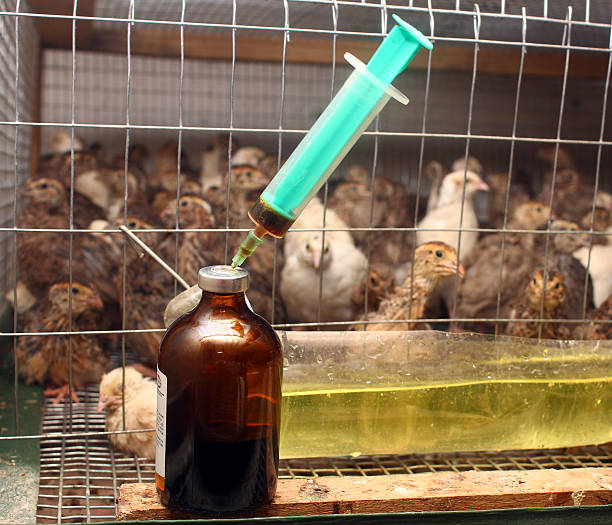
Disease Groups Commonly Recommended for Broad Prevention and Disease Groups Based on Local Epidemiology
In Vietnam, some vaccination programs, especially H5 avian influenza vaccination in risk areas, may be required or strongly recommended by local animal health authorities. Farmers should check the specific disease prevention vaccination plan of their province or city. Other vaccines may be applied flexibly depending on the region and epidemiological risk.
Disease groups commonly considered in many prevention programs, depending on the production model and local veterinary plan, include:
- Newcastle disease
- H5N1 and H5N6 avian influenza — required or recommended in many high-risk areas according to provincial/city vaccination plans
- Gumboro disease, or Infectious Bursal Disease (IBD)
- Infectious Bronchitis (IB)
- Marek’s disease, mainly in layers and pullets
Disease groups to vaccinate against based on local epidemiological risk and production model include:
- Fowl cholera
- Fowl pox
- Infectious Laryngotracheitis (ILT)
- Mycoplasma, including MG/MS
- Salmonella, especially in table egg supply chains
Farmers need to clearly identify whether their production area has a history of any specific disease risks so that the schedule can be adjusted appropriately.
Classifying Schedules by Production Purpose: Broilers, Layers, and Pullets
There is no single vaccination schedule for all chickens. The main differences are:
- Broilers: The production cycle is usually 35–49 days depending on the target market weight. Disease prevention priorities focus on respiratory and digestive diseases in the early stage. Multiple booster doses are usually not required.
- Pullets: These often require more booster vaccinations to prepare immunity before the laying stage, depending on production purpose, epidemiological risk, and veterinary advice.
- Layers: Immunity needs to remain stable throughout the laying cycle, which often lasts 12–18 months depending on the model. Periodic booster vaccinations are usually needed.
How Production System Affects Vaccine Choice and Administration Route
- Industrial closed-house production: High stocking density and close contact increase the risk of rapid spread. Live vaccines through drinking water or spray are often prioritized to cover the whole flock evenly.
- Semi-free-range systems: Birds have more contact with the external environment, so fowl pox and fowl cholera vaccines may need to be added depending on the region.
- Free-range production: Risk of exposure to wild birds and natural water sources is higher. More frequent antibody monitoring and schedule adjustment based on the actual flock may be needed.
Vaccine administration route also varies by production system. Automatic drinker systems make drinking-water vaccination easier, while free-range farms often use eye drops or injection to control dosage more accurately.
Safety Principles and Limits of Applying a Vaccination Schedule Without Veterinary Advice
Farmers can carry out many steps in the vaccination process on the farm, but several limits should be clearly understood:
- The vaccination schedule in this article is for reference only. The actual flock condition, housing environment, and local epidemiological situation may require significant adjustment.
- Some special vaccines, such as ILT vaccines, may require ocular administration or eye-drop application according to manufacturer instructions. This technique requires direct guidance from a veterinarian. Subcutaneous injection techniques also need to be practiced properly before being applied to an entire flock.
- When the flock shows disease signs or abnormal losses, a veterinarian should be contacted before any change is made to the vaccination schedule.
Vaccination Schedule Table for Chicks Aged 0–4 Weeks
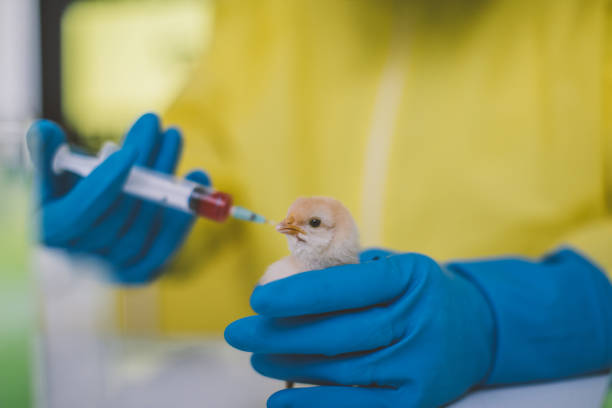
The Most Dangerous Diseases in Chicks That Should Be Prioritized From Day One
The period from 0 to 28 days of age is when the chick’s immune system is not yet fully developed. Maternal antibodies gradually decline during the first 2–3 weeks, and chicks begin to depend on active immunity from vaccines. This is the most vulnerable period for:
- Newcastle disease (ND): May cause mass mortality regardless of age.
- Gumboro disease (IBD): Attacks the bursa of Fabricius, the central immune organ in chicks, reducing their ability to respond to other vaccines if not controlled in time.
- Infectious Bronchitis (IB): Causes respiratory and kidney damage and may affect long-term flock health.
- Marek’s disease: Especially important in layers and pullets. Marek’s vaccine is a live attenuated vaccine, commonly using HVT or bivalent combinations, and is usually administered at the hatchery before chicks are delivered.
Reference Chick Vaccination Schedule by Age
| Age | Disease to Prevent | Vaccine Type / Name | Administration Route | Notes |
| 1 day | Marek’s disease | Live attenuated Marek’s vaccine, HVT or bivalent | Subcutaneous injection in the neck | Usually administered at the hatchery before chick delivery; not classified as an inactivated vaccine |
| Day 1–3 | Newcastle disease (ND) | Live Newcastle vaccine suitable according to product label and veterinary advice | Eye/nose drops | Avoid using strong strains in newly hatched chicks |
| Day 3–5 | Infectious Bronchitis (IB) | Live IB vaccine suitable for circulating strains and manufacturer/veterinary guidance | Eye drops or spray | May be combined with ND if using a combined vaccine |
| Day 7–10 | Gumboro disease (IBD) | Intermediate live IBD vaccine | Drinking water | Water intake may need to be controlled before drinking-water vaccination according to manufacturer or veterinary guidance |
| Day 14–18 | Gumboro booster | Intermediate live IBD vaccine | Drinking water | Selection of intermediate or intermediate-plus IBD vaccine should be based on maternal antibody testing and veterinary/manufacturer recommendations, especially in areas with high disease pressure |
| Day 18–21 | Newcastle booster | Live ND LaSota vaccine or combined ND+IB vaccine | Drinking water or eye drops | Booster to strengthen immunity |
| Day 21–28 | Fowl pox, depending on area | Live fowl pox vaccine | Wing web | Applied only if the area is at risk or birds are raised free-range |
Note: This is an example schedule commonly used in practice. The order and timing may vary depending on the vaccine strain, manufacturer instructions, and maternal antibody status of the flock. Consult the farm veterinarian before applying.
Practical Notes for Chicks
- Transport stress: Newly arrived chicks often need 24–48 hours to stabilize temperature, water intake, and feeding before the first vaccination. Vaccinating too early when chicks are dehydrated or chilled may reduce immune response.
- Beak trimming: Do not vaccinate within 3–5 days before or after beak trimming because the birds are under stress.
- Feed change: Avoid changing feed and vaccinating at the same time.
- House temperature: Chicks need a stable house temperature, around 28–32°C depending on age and house design. Vaccinating when chicks are too cold or too hot may affect immune effectiveness.
Vaccination Schedule for Broilers From Chicks to Market Age
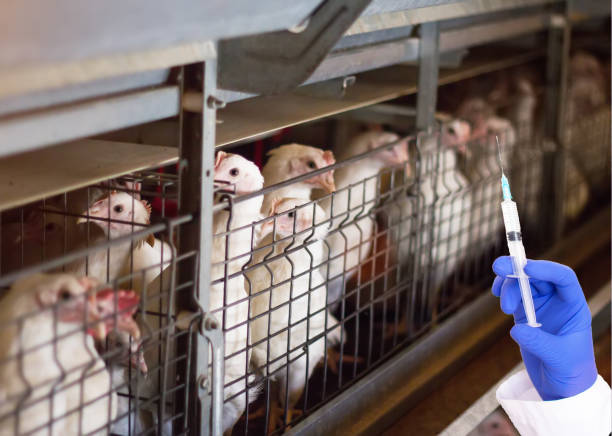
Characteristics of the Broiler Production Cycle and Disease Prevention Priorities by Week
Industrial broilers have a short production cycle, usually 35–49 days depending on the target market weight. Therefore, the vaccination schedule should focus on respiratory and digestive diseases that cause the greatest economic losses during this period, especially in the first three weeks.
Disease prevention priorities by week:
- Week 1–2: Newcastle disease, IB, and Gumboro disease have the greatest impact during this stage.
- Week 3–4: Gumboro booster and Newcastle booster.
- Before market age: New vaccines are generally not introduced close to market age unless specifically required by a veterinarian or competent authority. If any veterinary medicine is used at this stage, the withdrawal period on the product label must be observed.
Reference Broiler Vaccination Schedule From Day 1 to Market Age
| Age / Week | Disease to Prevent | Vaccine Type | Administration Route | Notes |
| Day 1 | Marek’s disease | Live Marek’s vaccine according to hatchery or breeder farm program | Subcutaneous injection | Usually performed at the hatchery or on day one; vaccine type should match the breeder farm program and veterinary advice |
| Day 1–3 | Newcastle + IB | Combined live ND+IB vaccine | Eye drops | Vaccine selection should match circulating strains, product label, and veterinary advice |
| Week 1 | Gumboro disease | Live IBD vaccine | Drinking water | Timing should match the farm vaccination program and maternal antibody status |
| Week 2–3 | Gumboro booster | Live IBD vaccine | Drinking water | Booster timing should depend on maternal antibody status, epidemiological risk, and veterinary advice |
| Week 3–4 | Newcastle booster + IB | ND or ND+IB vaccine suitable according to product label and the farm vaccination program | Drinking water or eye drops | Vaccine type and administration route should follow manufacturer or veterinary guidance |
| Week 4–6 | Fowl pox | Fowl pox vaccine | Wing web | Usually considered depending on production model, epidemiological risk, and veterinary guidance |
| According to local veterinary plan, if applicable | H5 avian influenza | H5 vaccine according to the official local vaccination program or competent authority guidance | According to product label and professional guidance | Only implemented when included in the vaccination plan or instructed by competent local animal health authorities |
Important note: For short-cycle industrial broilers marketed at around 35–49 days, later pre-lay vaccinations such as ND+IB inactivated boosters, ILT, H5 boosters, or ND+IB+EDS before laying should not be included in the broiler schedule unless the flock is actually raised as longer-cycle birds, pullets, or layers under veterinary guidance.
Adjusting the Broiler Vaccination Schedule When Market Age Is Shorter or Longer Than Usual
- If birds are marketed before 35 days: Focus on Newcastle and Gumboro vaccinations during the first three weeks. Late boosters may be omitted if stable immunity has already been achieved.
- If the cycle lasts longer than 49 days: For example, in crossbred or slow-growing free-range chickens, consider adding an ND booster at week 5–6 and possibly fowl cholera vaccination depending on the region. Consult a veterinarian to adjust the schedule appropriately.
Comparison of Vaccination Schedules for Industrial Broilers and Free-Range/Semi-Free-Range Broilers
| Criteria | Industrial Broilers, Closed Housing | Free-Range / Semi-Free-Range Broilers |
| Common production cycle | 35–42 days | 60–90 days |
| Diseases commonly prioritized | Newcastle, IB, Gumboro | Newcastle, IB, Gumboro; fowl pox, fowl cholera, and other diseases may also be considered depending on local epidemiological risk |
| Typical vaccination intensity | Usually focuses on core vaccinations within a short production cycle | Usually requires more doses due to longer production time and higher environmental exposure |
| Common administration routes | Drinking water, eye drops | Eye drops, drinking water, injection, or wing web depending on vaccine type |
| Risk exposure level | Usually easier to control in closed-house conditions | Usually higher due to greater exposure to the natural environment |
| Notes when building a schedule | Prioritize a concise program suitable for a short cycle and main disease risks | Adjust the schedule according to longer production time, production system, and local epidemiological risk |
Vaccination Schedule for Layers and Pullets
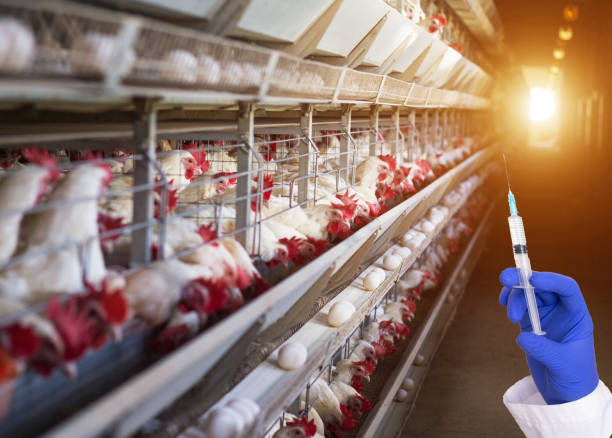
Differences in Disease Prevention Goals Between Broilers and Layers/Pullets
Layers and pullets have much longer production cycles than broilers, so they require more stable and long-lasting immunity. Diseases to prevent also include those that directly affect egg production, such as infectious bronchitis-related ovarian damage, mild Newcastle disease, and Egg Drop Syndrome (EDS).
In addition, pullets need vaccination during the development stage to ensure sufficiently high antibody levels before laying. This protects the birds themselves and, in breeder flocks, helps transfer maternal antibodies to chicks later.
Reference Vaccination Schedule for Pullets From Chicks to Pre-Lay, 0–18 Weeks
| Age / Week | Disease to Prevent | Vaccine Type | Administration Route | Notes |
| Day 1 | Marek’s disease | Live attenuated Marek’s vaccine, HVT or bivalent | Subcutaneous injection | Bivalent Marek’s vaccine is often prioritized for layers; administered at the hatchery |
| Day 1–3 | Newcastle + IB | Combined live ND+IB vaccine | Eye drops | Use a mild vaccine strain according to product label and veterinary advice |
| Week 1 | Gumboro disease | Intermediate IBD vaccine | Drinking water | Vaccine selection should match circulating strains, product label, and veterinary advice |
| Week 2–3 | Gumboro booster | IBD vaccine | Drinking water | Depending on maternal antibody status; consult test results and a veterinarian |
| Week 3–4 | Newcastle booster + IB | ND or ND+IB vaccine suitable according to product label and the farm vaccination program | Drinking water or eye drops | Vaccine type and route should follow manufacturer or veterinary guidance |
| Week 4–6 | Fowl pox | Fowl pox vaccine | Wing web | Usually considered depending on production model, epidemiological risk, and veterinary guidance |
| Week 6–8 | H5 avian influenza | Inactivated H5 vaccine | Subcutaneous injection | Refer to the provincial/city official vaccination plan |
| Week 8–10 | Newcastle + IB booster | Combined inactivated ND+IB vaccine | Intramuscular or subcutaneous injection | Strengthens humoral immunity before laying |
| Week 10–12 | Infectious Laryngotracheitis (ILT) | Live ILT vaccine | Eye drops | Consider only in high-risk areas or under veterinary guidance |
| Week 14–16 | H5 avian influenza booster | Inactivated H5 vaccine | Injection | Timing and booster frequency for H5 vaccine must follow the official local avian influenza vaccination plan |
| Week 16–18 | Newcastle + IB + EDS | Combined inactivated ND+IB+EDS vaccine | Intramuscular injection | Important pre-lay dose; should be given at least 4 weeks before laying |
Booster Vaccinations During the Laying Period According to Veterinary Recommendations
After birds enter lay, immunity should be maintained through periodic boosters:
- Newcastle disease: Many vaccination programs suggest boosting with live vaccine through drinking water every 8–12 weeks. However, the exact interval should be adjusted according to epidemiological conditions and veterinary advice.
- H5 avian influenza: Booster intervals must follow the official local vaccination plan or guidance from competent animal health authorities.
- IB, infectious bronchitis: Boost when necessary, especially if the flock shows unexplained drops in egg production.
During the laying period, mild live vaccines or inactivated vaccines should be prioritized to avoid strong reactions that may suddenly reduce laying performance.
How to Vaccinate Chickens: Step-by-Step Procedure
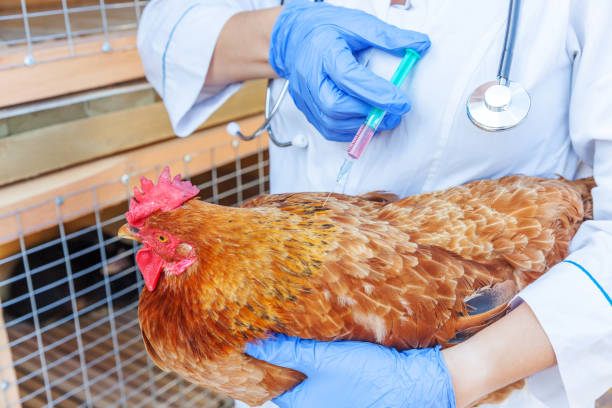
Preparation Checklist Before Injection or Drinking-Water Vaccination
Before starting any vaccination session, check the following:
- The flock is healthy, with no birds showing fever, depression, or diarrhea.
- The vaccine has not expired and has been stored under the conditions stated on the product label or manufacturer instructions.
- The correct diluent is available in sufficient quantity.
- Mixing and injection tools are clean and free from disinfectant residues.
- Weather is cool; vaccination is preferably done early in the morning or late in the afternoon.
- If using vaccines through drinking water, flock water intake should be controlled according to manufacturer or veterinary guidance.
- Mixing containers, sprayers, syringes, and needles are prepared in sufficient quantity.
Common Vaccine Administration Routes in Chickens and When to Use Each Route
Drinking water through drinkers or water lines
Suitable for live vaccines such as ND, IBD, and IB in large industrial flocks. The advantage is speed and no need to catch each bird. The disadvantage is that uniform dosage is difficult to control if the drinking system is not balanced.
Eye drops and nose drops
This route is effective for Newcastle and IB vaccines because it stimulates local immunity in the respiratory mucosa. Each bird receives one drop into the eye or nostril, ensuring a more uniform dose. It is suitable for small flocks or the chick stage.
Spray or mist vaccination
Used for respiratory vaccines such as ND and IB in large closed-house flocks. This method stimulates mucosal immunity across the flock at the same time.
Appropriate spraying equipment and droplet size should be controlled according to vaccine manufacturer or technical unit guidance to ensure even vaccine distribution and reduce respiratory stress in the flock.
Subcutaneous and intramuscular injection
Used for inactivated vaccines such as ND, H5, EDS, and live attenuated Marek’s vaccine. Subcutaneous or intramuscular routes are commonly used for some inactivated vaccines or vaccines that require injection, depending on manufacturer instructions.
The person performing the vaccination should be trained in proper technique to inject at the correct site, correct dose, and reduce injury to birds.
Specific Steps for Each Vaccine Administration Route
Drinking-water route
- Stop water access for 1–2 hours before mixing the vaccine.
- Mix the vaccine with clean, chlorine-free water, such as well water or tap water that has been left overnight in an open container. Vaccine water stabilizers such as skim milk or specialized products may be used if recommended by the manufacturer or veterinarian.
- Distribute evenly across all drinkers and monitor the flock to ensure they consume it within 1–2 hours.
- Check that all birds can access the drinkers.
Note: Water intake may need to be controlled before drinking-water vaccination according to manufacturer or veterinary guidance. After mixing, the vaccine should be distributed evenly through the drinking system and the flock should be monitored to ensure uniform access within the time recommended on the product label or by professional guidance.
Eye/nose drop route
- Mix the vaccine according to manufacturer instructions and use a dedicated dropper.
- Hold the bird gently and place one drop into the corner of the eye or nostril.
- Wait for the bird to blink or inhale before releasing it.
- Use the vaccine within the time recommended on the product label after mixing.
Injection route
- Use sterile needles and syringes. Replace needles periodically according to veterinary protocol, needle condition, and flock size to reduce injury and cross-contamination.
- For subcutaneous injection, the person performing the procedure should follow the manufacturer’s or veterinarian’s technical guidance to avoid incorrect injection sites.
- Check that no liquid flows back out.
- Record the number of birds vaccinated during the day.
How to Mix, Store, and Use Chicken Vaccines
Vaccine Storage Principles: Temperature, Light Protection, Transport, and Use Time After Opening/Mixing
Vaccines should be stored and transported under the conditions stated on the product label or manufacturer instructions. Many live vaccines require a 2–8°C cold chain and protection from direct sunlight.
For freeze-dried vaccines, transport conditions must be carefully controlled. Do not use dry ice or allow the vaccine to come into direct contact with extremely cold sources unless the manufacturer clearly instructs it.
Important principles include:
- Do not allow vaccines to freeze or come into direct contact with extremely cold sources unless the manufacturer clearly indicates this on the label or instructions.
- Do not leave vaccines outside recommended storage conditions for too long. Remove vaccines from the cold chain only immediately before use according to manufacturer instructions.
- After opening or mixing, vaccines must be used within the time recommended on the product label.
- Inactivated liquid vaccines should be shaken well before injection and used within the same day.
How to Mix Drinking-Water Vaccines: Suitable Water, Mixing Ratio, and Use Time After Mixing
Use clean water without chlorine and without heavy metal ions. Tap water should be left overnight in an open container to allow chlorine to dissipate, or clean well/filtered water may be used. Chlorine in tap water can reduce the activity of live vaccines, so water preparation before mixing is very important.
In some cases, vaccine water stabilizers such as skim milk or specialized products may be used if recommended to help maintain vaccine activity in water.
The water volume should be calculated according to manufacturer instructions, usually based on the number of birds and expected water consumption within 1–2 hours.
After mixing, the vaccine should be used within the time recommended on the product label. If kept longer than instructed, vaccine potency may decline.
Mixing and Handling Eye/Nose Drop and Spray Vaccines
- Eye/nose drop vaccines: Mix with the special diluent supplied, often sterile saline or manufacturer-provided diluent. Do not replace it with ordinary water.
- Spray vaccines: These are diluted in a larger water volume, depending on the number of birds and house area. Droplet size is often recommended to be larger for older birds and smaller for chicks according to sprayer and vaccine manufacturer instructions.
- All mixing equipment must be free from soap, alcohol, or disinfectant residues, as these substances can immediately reduce vaccine activity.
Handling Leftover Vaccines and Disposing of Used Equipment Properly
Leftover vaccines should not be poured directly into drains, ponds, lakes, or open soil.
Leftover live vaccines should be treated with a suitable disinfectant before disposal, according to biosecurity guidance and local veterinary/environmental hazardous waste regulations.
Used vaccine vials, needles, and tools that have come into contact with vaccines should be collected and disposed of according to local veterinary/medical waste regulations.
Important Notes When Applying a 2026 Vaccination Schedule
Time of Day, Weather Conditions, and Flock Health Status
Vaccinate early in the morning or late in the afternoon when temperatures are cooler. Avoid vaccination during intense heat. High temperatures can reduce vaccine activity and increase flock stress.
Before vaccination, observe the whole flock:
- If the flock appears unstable, for example a significant proportion of birds are depressed, off feed, breathing with difficulty, or showing diarrhea, vaccination should be postponed and the cause should be checked first. The specific threshold for postponing vaccination should be discussed with a veterinarian based on the real situation.
- If the flock is under treatment, wait until it has fully recovered before vaccination. The specific waiting period depends on the disease and veterinary recommendation.
Minimum Interval Between Vaccine Doses and Combining Multiple Vaccines
The interval between two doses of the same vaccine for the same disease is usually 2–4 weeks so that the immune system has time to develop antibodies. The specific interval depends on each vaccine and manufacturer recommendation.
Combined vaccines such as ND+IB or ND+IB+IBD may be used if they are already combined by the manufacturer in one product.
Do not mix two different vaccines into one preparation unless there is clear guidance from the manufacturer or veterinarian.
Cases Where Vaccination Should Be Avoided: Sick Birds, Severe Stress, and After Beak Trimming
Do not vaccinate when:
- Birds are incubating disease or have an acute illness.
- Birds are within 3–5 days after beak trimming, flock mixing, or long-distance transport.
- Weather changes suddenly, such as abrupt cold spells or abnormal heat.
- The flock is being treated with medicines that may affect the immune system, including some antibiotics, anti-inflammatory medicines, and other products. Consult a veterinarian before vaccination in these cases.
Combining or Avoiding Vaccines With Antibiotics, Electrolytes, and Probiotics
- Antibiotics: Using broad-spectrum antibiotics around the time of live vaccination, especially when mixed in drinking water, may reduce vaccine effectiveness due to interactions with the microbiota and vaccine components. A general recommendation is to avoid antibiotics for about 48–72 hours before and after live vaccination, while following the specific guidance of the vaccine manufacturer and veterinarian.
- Electrolytes and vitamins: These may be used 1–2 days before and after vaccination to reduce stress and support immune response. Do not mix them into vaccine water.
- Probiotics: These are relatively safe to use near vaccination, but should be separated by at least 12–24 hours from drinking-water vaccines to avoid unwanted interactions.
Nutrition and Housing Management to Support Immune Response After Vaccination
Vaccines are most effective when the chicken’s immune system is functioning well and supported by appropriate management conditions. This depends on:
- A diet with adequate protein, vitamin E, vitamin C, selenium, and zinc during the post-vaccination period.
- Stocking density that is not too high, and well-ventilated housing.
- Environmental pathogen control: housing hygiene, dry litter, and control of insects and rodents.
Common Mistakes When Vaccinating Chickens and How to Fix Them
Mixing Vaccines With Chlorinated Water or Leaving Them Too Long After Mixing
This is a common reason vaccines lose effectiveness without farmers realizing it. Chlorine in tap water can reduce the activity of live vaccines.
How to fix it: Always use chlorine-free water, add skim milk to stabilize the vaccine if recommended, and use the vaccine within the required time.
Not Withholding Water Before Drinking-Water Vaccination
If chickens are not thirsty, they may not drink the vaccine water evenly or in sufficient quantity. Part of the flock may remain unvaccinated even though the “vaccination schedule” was carried out.
Solution: Withhold water for 1–2 hours before vaccination and mix the vaccine with just enough water for the whole flock to drink within 1–2 hours.
Uneven Distribution of Vaccine Water in the Drinking System
If some drinkers far from the water distribution system receive vaccine water later or in smaller amounts, birds in those areas may not be fully vaccinated. Water pressure and flow should be checked before vaccination to ensure the whole system works evenly.
Vaccinating Sick, Weak, or Stressed Birds
Sick birds have compromised immune systems and may not develop sufficient protective immunity after vaccination. In addition, some live vaccines may worsen disease conditions.
Principle: Vaccinate only healthy flocks.
Skipping Booster Doses or Shortening the Interval Between Doses on Your Own
Booster doses are necessary to extend and strengthen protective antibody levels. Skipping boosters may cause immunity to decline faster than expected.
Shortening the interval between doses too much is also not beneficial, as the immune system needs time to process and develop antibodies from the previous dose.
Adjusting the Vaccination Schedule by Farm Scale, Production System, and Epidemiological Alerts
Suggested Application for Household Farms, Medium Farms, and Large Industrial Farms
- Household farms under 500 birds: Prioritize Newcastle disease and avian influenza according to the local mandatory vaccination schedule. Free-range chickens may need additional fowl pox and fowl cholera vaccines depending on the region. Farmers may contact local veterinary staff or local animal health authorities for implementation support.
- Medium farms, 500–5,000 birds: Should have a structured vaccination schedule for each cycle and keep complete vaccination records. Work with vaccine suppliers or veterinarians to choose products suitable for farm conditions.
- Large industrial farms over 5,000 birds: Need detailed age-by-week vaccination schedules, complete recordkeeping systems, and may consider periodic antibody testing using ELISA when needed to evaluate actual flock immunity.
When to Add or Change the Vaccination Schedule Based on Epidemiological Alerts From Animal Health Authorities
A fixed schedule should not be followed rigidly throughout the year. Adjustments should be considered when:
- Local animal health authorities announce a new outbreak in the area.
- The previous flock or a neighboring farm had disease despite vaccination, which may indicate that the vaccine strain no longer matches the circulating virus strain.
- Seasonal changes occur, especially the spring–summer and autumn–winter transition periods, which are often peak times for respiratory diseases and avian influenza.
- The chick source changes to a new hatchery with unclear vaccination history.
Role of Veterinarians and Local Animal Health Authorities in Building a Farm-Specific Vaccination Schedule
The vaccination schedule in this article is a reference schedule based on common recommendations in Vietnam’s poultry sector. Each farm differs in geographical location, disease history, chick source, housing system, and scale.
The farm veterinarian or provincial animal health authority, such as the provincial Sub-Department of Animal Health and Production or an equivalent unit, can:
- Review the actual flock condition and environmental factors.
- Adjust vaccine type, strain, route, and timing appropriately.
- Monitor vaccination results through antibody testing if needed.
- Update the schedule when local epidemiological conditions change.
This step is highly recommended, especially for newly established farms or farms that have previously experienced vaccination program failures.
FAQ: Common Questions About Chicken Vaccination Schedules in 2026

If Chicks Bought From a Breeder Farm Have Already Been Vaccinated, Do They Need to Be Vaccinated Again?
Farmers need to confirm clearly with the breeder farm: which vaccines were given, which strains were used, and at what age. If chicks have already received live attenuated Marek’s vaccine at the hatchery, Marek’s vaccination usually does not need to be repeated.
However, other vaccines such as Newcastle, IB, and Gumboro usually still need to continue according to schedule because maternal antibodies decline during the first few weeks and active immunity needs to be stimulated at the right time.
What Should Be Done If a Vaccine Dose Is Missed? Can It Be Given Immediately?
If a dose is missed for only a short period compared with the schedule, for example a few days, it can often be given later after consulting a veterinarian or manufacturer instructions. The following doses should then be adjusted accordingly.
If the dose has been missed for longer, the flock condition should be reassessed, and a veterinarian should be consulted on whether to give a catch-up dose or restart part of the schedule. Farmers should not combine multiple separate vaccines on the same day without veterinary advice, as this may increase flock stress and affect immune response.
Why Can Chickens Still Get Sick Even After Following the Vaccination Schedule?
There are several possible reasons:
- The vaccine lost potency because it was stored incorrectly or mixed improperly.
- The field virus strain does not match the vaccine strain.
- Antibody levels did not reach the protective threshold because booster doses were missed or the flock was in poor health at the time of vaccination. It is important to remember that no vaccine provides 100% protection for every bird under all conditions.
- Environmental pathogen pressure is too high and exceeds the vaccine’s protective capacity.
- The disease was misdiagnosed; the flock may be affected by another disease not covered by the vaccination schedule.
Is the Vaccination Schedule for Free-Range Chickens Different From Industrial Chickens?
Yes, there are significant differences. Free-range chickens have more exposure to the natural environment, so fowl pox, fowl cholera, or other vaccines may need to be considered depending on local epidemiological risk, production model, and veterinary advice.
Eye-drop and injection routes are often preferred to control the dose more accurately compared with drinking-water vaccination when chickens feed and drink freely outdoors.
Can Farmers Buy Vaccines and Administer Them on the Farm? What Should Be Prepared for Safety?
Some chicken vaccines can be administered on the farm after farmers have been properly trained in storage, mixing, and use. To ensure safety and effectiveness, prepare:
- A refrigerator or cold storage container that can keep vaccines at the required temperature during transport and storage.
- Mixing and injection tools of the correct type, cleaned properly and free from disinfectant residues.
- Clear understanding of mixing method, dose, administration route, and allowed use time after mixing according to each vaccine’s instructions.
- Complete vaccination records: date, vaccine type, batch number, expiry date, and number of birds vaccinated.
If the flock shows abnormal reactions after vaccination, such as ruffled feathers, sudden death, or a sharp drop in feed intake, contact a veterinarian immediately.
Update Poultry Vaccine and Disease Prevention Solutions at VIETSTOCK 2026
Building a chicken vaccination schedule is not only about arranging doses by age. It is also an important part of flock health management, disease control, and risk reduction throughout the production cycle.
As diseases such as Newcastle disease, Gumboro disease, avian influenza, and infectious bronchitis remain major concerns in the poultry sector, farmers and businesses need greater access to vaccine solutions, biosecurity solutions, vaccination support equipment, and disease management procedures suited to each farm’s real conditions.
VIETSTOCK 2026 will serve as a specialized connection platform for farmers, farm owners, veterinarians, vaccine companies, veterinary medicine providers, biological product providers, livestock equipment suppliers, and biosecurity solution providers.
The event is expected to bring together more than 300 brands, over 10,000 m² of exhibition area, and 13,000 trade visitors from more than 40 countries and territories, offering opportunities to update new trends in proactive disease prevention, animal health management, and sustainable livestock development.
For Vietnamese companies developing vaccines, veterinary medicines, biological products, biosecurity solutions, or systems that support poultry vaccination planning, the Vietnam Pavilion at VIETSTOCK 2026 creates an opportunity to align technical expertise with real farm needs. Topics such as vaccination schedules by local epidemiology, production purpose, booster planning, administration routes, and vaccination recordkeeping are becoming increasingly important for poultry farms.
With support from the Department of Animal Health and Production, companies participating in the Vietnam Pavilion may benefit from preferential participation support of up to 45%. This enables local exhibitors to meet farm owners, veterinarians, distributors, and partners looking for proactive disease-prevention solutions that fit different flock types, farm scales, and regional disease risks.
At VIETSTOCK 2026, attendees can:
- Update solutions in vaccines, veterinary medicines, biological products, and biosecurity for poultry production.
- Meet suppliers of equipment, vaccination tools, farm management systems, and flock health monitoring solutions.
- Learn about trends in building disease prevention programs based on epidemiology, flock age, and production purpose.
- Connect with experts, businesses, and partners across the poultry, animal health, feed, production, and processing value chain.
- Explore opportunities to participate in the Vietnam Pavilion to strengthen brand presence and expand international B2B connections.
Date: 21–23 October 2026
Venue: Saigon Exhibition and Convention Center (SECC), 799 Nguyen Van Linh Street, Ho Chi Minh City, Vietnam
Event website: https://www.vietstock.org/en/
Visitor registration: https://www.vietstock.org/en/online-registration-2/
If your business provides solutions in vaccines, veterinary medicines, vaccination tools, biological products, biosecurity, housing equipment, or poultry health management, VIETSTOCK 2026 is an opportunity to gain visibility among the professional poultry and livestock industry community, connect directly with potential customers, and expand partnerships across the livestock value chain.
👉 Book a stand at VIETSTOCK 2026 today to take advantage of a central location, available participation incentives, and global connection opportunities.
Contact:
- Exhibiting: Ms. Sophie Nguyen – [email protected]
- Visitor Support: Ms. Phuong – [email protected]
- Marcom Support: Ms. Anita Pham – [email protected]
This article is for informational reference only. A specific vaccination schedule for each farm should be adjusted according to veterinary advice, vaccine manufacturer instructions, and recommendations from local animal health authorities. Farmers should not apply a fixed schedule mechanically without evaluating the actual flock conditions.