Hemorrhagic Septicemia in Cattle and Buffaloes in 2026: Signs, Causes, and Prevention
A practical guide to hemorrhagic septicemia in cattle and buffaloes, covering early signs, causes, transmission routes, vaccination, biosecurity, and the steps to take when disease is suspected.
Hemorrhagic septicemia in cattle and buffaloes is one of the dangerous infectious diseases commonly seen in cattle and buffalo production in Vietnam. In peracute cases, the disease can cause death within 1–2 days if it is not detected and handled in time.
In Vietnam, disease risk often increases during seasonal transitions, the rainy season, sudden weather changes, or when cattle and buffaloes are under stress due to transportation, high stocking density, poor nutrition, or incomplete vaccination.
This article is updated for today’s livestock production context, where proactive disease prevention, biosecurity, herd introduction management, and vaccine use under veterinary guidance are increasingly important in controlling diseases in cattle and buffaloes.
Quick Summary
- Causative agent: The disease is caused by Pasteurella multocida. The risk of spread often increases during seasonal transitions, the rainy season, damp housing conditions, or when animals are stressed.
- Recognizable signs: Sudden high fever, difficulty breathing, swelling around the neck, dewlap, and chest, and loss of appetite. In peracute cases, animals may die within a few hours without clear signs.
- High-risk animals: Cattle and buffaloes under stress from transportation, sudden weather changes, high stocking density, poor nutrition, or incomplete vaccination.
- Effective prevention: Combine vaccination according to veterinary guidance with housing hygiene, strict herd introduction management, and improved nutrition.
- When disease is suspected: Isolate the animal immediately, report to a veterinarian, and do not sell or slaughter suspected animals. This is one of the most important principles in disease control.
What Is Hemorrhagic Septicemia in Cattle and Buffaloes?
Definition and Causative Agent
Hemorrhagic septicemia in cattle and buffaloes is an acute infectious disease caused by the bacterium Pasteurella multocida. In international literature, the disease is commonly referred to as haemorrhagic septicaemia or hemorrhagic septicemia. Some international references have reported that serotype B:2 is associated with many outbreaks in Asia. However, the strain circulating in each locality should be confirmed through epidemiological surveillance or professional testing.
Pasteurella multocida may be present asymptomatically in the upper respiratory tract of healthy cattle and buffaloes. When an animal’s immune resistance is weakened due to stress, sudden weather changes, or transportation, the bacteria may multiply rapidly and cause disease.
The disease can occur in many cattle and buffalo production areas, especially when weather, environmental conditions, and herd resistance create conditions favorable for disease outbreaks. Farmers should follow disease alerts, vaccination plans, and prevention recommendations issued periodically by local animal health authorities.
In many localities, hemorrhagic septicemia in cattle and buffaloes may be included in regular vaccination plans or disease prevention programs guided by animal health authorities. Farmers should follow local vaccination schedules, disease prevention lists, and official recommendations announced by local authorities at each period.
Disease Severity
Hemorrhagic septicemia is dangerous in several ways:
- High mortality: In peracute and acute forms, mortality in unvaccinated herds may be very high if timely veterinary intervention is not provided.
- Rapid progression: From the onset of signs to death, the disease may progress within only a few hours to 1–2 days in peracute cases.
- Spread within the herd: Once one animal becomes infected, the risk of spread to other animals in the same housing area or grazing area is high, especially under high-density conditions.
- Multiple economic impacts: Farmers do not only lose animals that die. They may also suffer losses from treatment costs, reduced reproductive performance, slower weight gain, and the risk of movement restrictions when an outbreak occurs.
Signs of Hemorrhagic Septicemia in Cattle and Buffaloes
Disease Forms
Hemorrhagic septicemia in cattle and buffaloes appears in three main forms, each with different progression and signs.
Peracute Form
- The disease progresses extremely quickly, often within less than 12–24 hours.
- The animal suddenly develops a high fever, trembles, has severe difficulty breathing, collapses, and dies very quickly.
- In many cases, there are no clear warning signs. Farmers may see that a cow or buffalo appears normal in the morning but is dead by the afternoon.
- This form is often seen in unvaccinated herds or herds without immunity, and is commonly recorded at the early stage of some outbreaks.
Acute Form
This is the most common form and usually progresses within 1–3 days.
Recognizable signs may include:
- Sudden high fever, around 40–42°C.
- Complete loss of appetite and lying down and remaining isolated.
- Heavy discharge from the nose and eyes.
- Difficulty breathing, rapid and shallow breathing, and possible wheezing sounds.
- Swelling around the neck, dewlap, chest, and lower jaw. This is a characteristic and important sign for recognizing hemorrhagic septicemia in cattle.
- Congested red mucous membranes of the eyes, nose, and mouth.
- Diarrhea may occur in the later stage, sometimes with blood in the feces.
Chronic Form
This form is less common and often occurs when the infection is mild or when treatment is incomplete.
Signs may include prolonged pneumonia, persistent coughing, gradual weight loss, and reduced productivity.
The animal may not die immediately but may remain a potential source of infection for the herd.
Quick Recognition Checklist
Farmers may use the checklist below when abnormal signs are suspected in the herd:
- The animal develops a sudden high fever, with body temperature above 40°C.
- The animal stops eating and stands or lies separately from the herd.
- Swelling appears around the neck, dewlap, lower jaw, or chest.
- Abnormal nasal or eye discharge appears.
- Breathing becomes difficult, fast, or wheezy.
- The mucous membranes of the eyes or nose become red or bluish.
- Feces become loose and may contain blood.
- The animal trembles, has leg weakness, or walks unsteadily.
If cattle or buffaloes suddenly develop high fever, stop eating, have difficulty breathing, develop swelling around the neck, dewlap, or lower jaw, or if an animal dies unusually quickly, they should be isolated immediately and a veterinarian should be contacted, even if not all signs above are present. With a fast-progressing disease such as hemorrhagic septicemia, early detection and handling under professional guidance are more important than waiting for many signs to appear.
Distinguishing Hemorrhagic Septicemia From Some Other Diseases in Cattle and Buffaloes
| Feature | Hemorrhagic Septicemia | Common Pneumonia | Foot-and-Mouth Disease |
| Sudden high fever | Yes, very high | Yes, moderate to high | Yes |
| Swelling of neck and dewlap | Characteristic | No | No |
| Difficulty breathing | Severe | Moderate to severe | Not obvious |
| Mouth or hoof ulcers | No | No | Yes, characteristic |
| Heavy salivation | Limited | No | Very heavy |
| Disease progression | Very fast | Slower | Slower |
| Mortality if untreated | High | Low to moderate | Low to moderate |
Note: The table above is for initial reference only. It should not be used for self-diagnosis or self-treatment. Some infectious diseases in cattle and buffaloes may overlap in signs such as fever, loss of appetite, difficulty breathing, salivation, or rapid weakness. When suspicious signs appear, farmers should contact a veterinarian for examination, sample collection if needed, and handling according to disease prevention regulations.
Causes of Hemorrhagic Septicemia in Cattle and Buffaloes and How It Spreads
Causative Agent and Sources of Infection
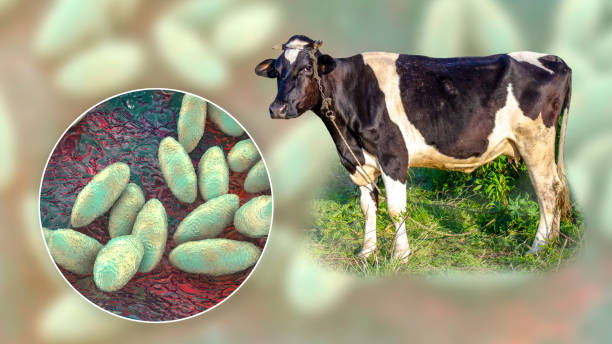
The main causative agent is Pasteurella multocida. It is important to note that this bacterium may reside asymptomatically in the upper respiratory mucosa, such as the nose and throat, of healthy cattle and buffaloes without causing disease. When favorable conditions appear, the bacteria multiply quickly and shift from asymptomatic carriage to acute disease.
Main sources of infection include:
- Sick cattle or buffaloes, or animals in the incubation period.
- Asymptomatic carrier animals, which can be a silent and dangerous source of infection in the herd.
- Carcasses of infected animals that have not been handled properly.
- Water, soil, and waste contaminated by bacteria from sick animals.
Transmission Routes
The disease spreads mainly through the following routes:
- Respiratory route: Animals inhale droplets released when sick animals cough, sneeze, or breathe. This is the fastest transmission route in enclosed housing or high-density conditions.
- Direct contact: Through skin wounds or mucous membranes that come into contact with secretions from sick animals.
- Indirect transmission through equipment: Feeders, drinkers, cleaning tools, ropes, and shared transport vehicles may spread pathogens if they are not disinfected regularly.
- Insects: Some references mention that insects such as flies and mosquitoes may mechanically contribute to pathogen spread, but the main transmission routes remain respiratory transmission and direct contact.
Risk Factors That Trigger Disease Outbreaks
Understanding the factors that trigger disease helps farmers prevent outbreaks proactively:
- Sudden weather changes: Seasonal transitions, cold rain, or sudden weather shifts may increase outbreak risk, especially in humid areas, outdoor grazing systems, or housing conditions that are difficult to control.
- Prolonged rainy season: High humidity, wet floors, and poor hygiene may increase pathogen survival and make outbreaks more likely.
- Animal transportation: Stress during transport can suddenly weaken immunity. This is a high-risk period when carrier cattle or buffaloes may develop disease.
- High stocking density: Crowded and poorly ventilated housing increases bacterial concentration in the air.
- Poor nutrition: Cattle and buffaloes lacking feed, minerals, or vitamins have weaker resistance.
- No vaccination or incorrect vaccination schedule: Herds without immunity are at high risk when exposed to infection sources.
- Uncontrolled herd introduction: Bringing new animals into the herd without quarantine is a common cause of outbreaks on farms.
Economic Impact of Hemorrhagic Septicemia on Farmers
Losses caused by hemorrhagic septicemia are not limited to the number of dead animals. They include several layers of economic impact.
Direct Losses
- Loss of animals, resulting in the full loss of their value.
- Medicine and veterinary treatment costs for the whole at-risk herd.
- Cleaning and disinfection costs for housing and surrounding areas.
Indirect Losses
- Breeding cows may have a risk of abortion or reduced conception rate after recovery, depending on disease severity and treatment.
- Beef cattle may grow more slowly during and after disease, extending the production period.
- Dairy cows may produce less milk during illness and recovery, depending on severity and care.
- Movement or slaughter may be restricted or suspended during an outbreak.
Long-Term Losses
- The reputation of the household or farm may be affected if the disease spreads widely.
- Restocking may become more difficult due to concerns and sourcing challenges.
An outbreak of hemorrhagic septicemia on a medium-sized farm — even if controlled after 1–2 weeks — can still cause significant economic losses, especially for small farmers without financial reserves. This is why proactive prevention programs often bring better economic results than only treating animals after disease has occurred.
Preventing Hemorrhagic Septicemia in Cattle and Buffaloes: A Comprehensive Approach
Fundamental Principles
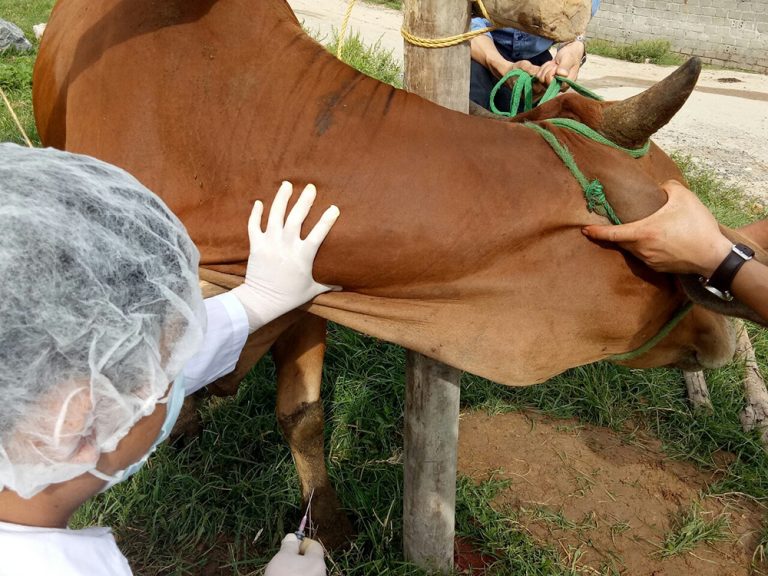
Prevention of hemorrhagic septicemia should be approached through a combination of vaccination, environmental control, and herd management. In most cases, vaccination should be combined with management and biosecurity measures to achieve stronger disease prevention.
Because the disease progresses rapidly and has a high mortality risk, the principle of “prevention is better than cure” is especially important. Treatment in peracute cases is often ineffective because the disease progresses too quickly.
Non-Vaccine Prevention Measures
1. Regular Housing Hygiene and Disinfection
Housing should be cleaned regularly. Ideally, manure should be removed daily, bedding should be replaced, and dampness should not be allowed to remain for long, depending on the production system such as housed or semi-grazing systems.
Regular disinfection may be carried out using lime powder or approved veterinary disinfectants, according to the product label and veterinary recommendations. For chemicals with higher safety risks, farmers should use them only with professional guidance, proper protective equipment, and compliance with safety regulations.
Feeders and drinkers should be washed and disinfected regularly to prevent leftover feed from accumulating.
Housing should be well ventilated and have good drainage, especially during the rainy season.
2. Herd Introduction Management and Quarantine
Newly introduced animals should be quarantined and monitored before entering the main herd. The quarantine period should follow local veterinary guidance, farm procedures, or current quarantine regulations.
During quarantine, farmers should monitor temperature, observe behavior, and request veterinary checks if needed.
Cattle and buffaloes from different sources should not be housed together without a quarantine period.
Visitors should be restricted from animal housing areas, especially when disease information has been reported in the region.
3. Reducing Stress in the Herd
Avoid transporting animals during seasonal transitions or when the weather is changing strongly.
If transportation is necessary, prepare a well-ventilated vehicle, avoid overcrowding, and ensure sufficient drinking water during the journey.
After transport, monitor the herd more closely during the early period to detect fever, loss of appetite, difficulty breathing, or behavior changes.
4. Improving Nutrition and Resistance
Ensure the ration provides sufficient energy, protein, vitamins, and minerals, especially during cold seasons, rainy seasons, or after transportation.
Vitamin C, vitamin E, and trace mineral supplementation may support resistance, but should be used according to advice from a nutrition specialist or veterinarian.
Do not allow the herd to suffer from hunger, water shortage, or prolonged exposure to extreme temperatures.
Non-Vaccine Prevention Checklist — Regular Review
- Housing is cleaned regularly, with no accumulation of manure or standing water.
- Disinfection has been carried out on schedule, at least 1–2 times per month.
- Newly introduced animals have completed the required quarantine period.
- Strangers do not freely enter animal housing areas.
- The herd receives sufficient feed and clean water every day.
- Housing is well ventilated and not damp.
- A herd monitoring plan is in place during seasonal transition periods.
Hemorrhagic Septicemia Vaccine for Cattle and Buffaloes: What to Ask a Veterinarian Before Vaccination
The Role of Vaccines in Preventing Hemorrhagic Septicemia
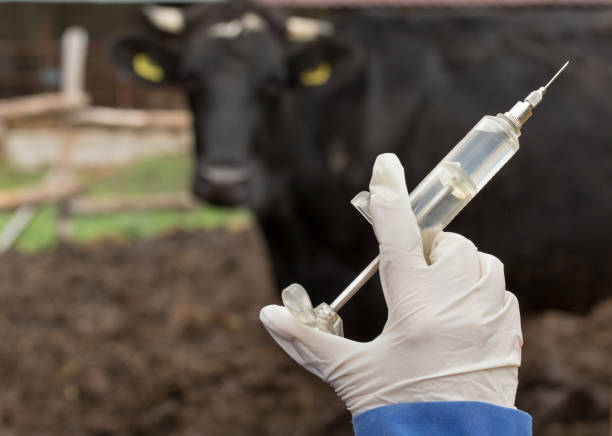
Vaccination against hemorrhagic septicemia in cattle and buffaloes is one of the most important and effective proactive prevention measures. Vaccines stimulate active immunity, helping the animal’s body recognize and respond more quickly when exposed to Pasteurella multocida. This can reduce the risk of disease and disease severity if infection occurs.
However, a vaccine is not an “absolute guarantee.” Animals may still become sick if they are exposed to a large bacterial load, if vaccination is not performed correctly, or if their resistance is too weak. Vaccines work best when combined with other herd management measures.
Basic Vaccination Schedule for Hemorrhagic Septicemia in Cattle and Buffaloes
The schedule below is for reference only. The specific schedule must follow the vaccine manufacturer’s instructions and local animal health authority guidance, depending on the vaccine type, local disease situation, and herd condition.
| Animal Group | First Vaccination | Booster | Notes |
| Calves and buffalo calves old enough for vaccination | First dose according to vaccine recommendations | Booster according to product label instructions or veterinary advice | Do not vaccinate animals that are feverish, weak, or showing signs of disease |
| Cattle and buffaloes that have never been vaccinated | First dose after a veterinarian assesses health status | Booster according to the schedule of the vaccine being used | Record vaccination date, vaccine type, batch number, and person who administered it |
| Cattle and buffaloes that have completed the basic vaccination course | No need to restart the course if still within an appropriate prevention schedule | Periodic booster according to manufacturer recommendations and local veterinary plans | High-risk areas may require a separate booster schedule under veterinary guidance |
| Pregnant cows | Ask a veterinarian before vaccination | Follow instructions for the specific vaccine | Do not vaccinate on your own if it is unclear whether the vaccine is suitable for pregnant cows |
Note: Vaccination should be arranged before the rainy season, seasonal transition periods, or other high-risk periods. Farmers should not apply one general vaccination schedule for every herd, because disease prevention effectiveness depends on vaccine type, animal health, baseline immunity, and the local disease situation.
Preparation Before Vaccination
- Vaccinate only healthy animals that are not feverish and show no signs of disease.
- Check the vaccine expiry date and storage conditions, including the cold temperature required by the manufacturer.
- Prepare sterile injection tools.
- Inform the local veterinarian or authorized unit before mass vaccination.
Post-Vaccination Monitoring
After vaccination, the herd should be observed during the first few days to detect abnormal reactions such as prolonged high fever, difficulty breathing, generalized itching or skin reactions, or loss of appetite. If abnormal signs occur, contact a veterinarian for handling guidance.
If an animal shows abnormal reactions such as prolonged high fever, difficulty breathing, or generalized itching, contact a veterinarian immediately.
Keep complete records: vaccination date, vaccine type, batch number, and post-vaccination reactions. These records help farmers monitor the herd and maintain the booster schedule.
Important Notes
- Do not vaccinate animals that are sick, feverish, or too weak.
- Do not buy and administer vaccines on your own without guidance from a qualified veterinarian. Incorrect dosage or technique may reduce vaccine effectiveness or cause adverse events.
- Hemorrhagic septicemia vaccines need to be kept cold throughout transport and storage. A broken cold chain may make the vaccine ineffective without any visible external sign.
- According to recommendations from many manufacturers, protective immunity generally tends to develop around 2–3 weeks after completion of the vaccination course. This is not an emergency measure after an outbreak has already occurred, and the specific timing may vary depending on vaccine type.
What to Do When Hemorrhagic Septicemia Is Suspected or an Outbreak Occurs
Immediate Steps
When one or more animals in the herd show signs suggestive of hemorrhagic septicemia, the priority steps are:
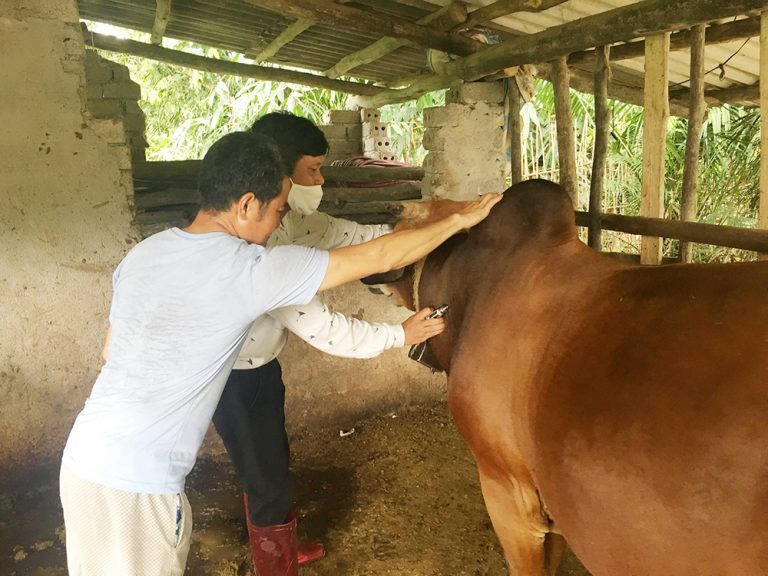
- Immediately isolate the suspected animal from the herd by moving it to a separate area and limiting contact with other animals.
- Report immediately to the local veterinary officer, local animal health authority, or specialized unit assigned in the locality. Do not self-diagnose or self-treat before receiving professional guidance.
- Do not sell, transport, or slaughter animals suspected of infection without guidance from animal health authorities. In suspected outbreaks or confirmed outbreaks, farmers must follow instructions from local animal health units and current regulations on animal disease prevention and control.
- Do not allow dead animals to come into contact with the herd. Carcasses should be handled according to veterinary guidance, usually through controlled burial or incineration under veterinary supervision.
- Disinfect immediately the area where the sick animal stayed and any equipment that came into contact with it.
- Monitor the whole herd after detection of a suspected case. Record temperature, behavior, feed intake, and abnormal signs to provide to the veterinarian when needed.
The Role of Veterinarians in Outbreak Handling
When a veterinarian confirms a case, they will provide guidance on:
- Treatment protocols for sick animals, when appropriate, usually involving antibiotics specifically prescribed by the veterinarian based on each animal’s condition and current recommendations.
- Whether emergency vaccination is needed for animals that are not infected.
- Cleaning, disinfection, and surveillance procedures for the entire area.
Farmers should never buy antibiotics and treat animals on their own without prescription. Incorrect antibiotic use is not only ineffective, but may also create antibiotic-resistant bacteria and make future treatment more difficult.
Disinfection After an Outbreak
After an outbreak is controlled, comprehensive cleaning and disinfection should not be skipped:
- Wash animal housing, feeders, drinkers, and contact surfaces with water and suitable cleaning measures.
- Disinfect the entire area using lime powder or approved veterinary disinfectants according to the product label and veterinary recommendations.
- Disinfection frequency should be based on contamination level, outbreak scale, and guidance from professional authorities.
- Waste, manure, and materials that may be contaminated should be collected and handled properly, and must not be discharged into the environment indiscriminately.
- If possible, the house should be left empty for a period after cleaning and disinfection, and new animals should only be introduced when the area has been assessed as safe.
Frequently Asked Questions About Hemorrhagic Septicemia in Cattle and Buffaloes
Can Hemorrhagic Septicemia in Cattle and Buffaloes Spread to Humans?
In theory, Pasteurella multocida can infect humans through bites or scratches from animals. However, respiratory transmission from cattle or buffaloes to humans under normal farming conditions is very rare.
Even so, people with open wounds should limit direct contact with sick animals and wear protective equipment when handling outbreak areas. If injured while contacting sick animals, they should visit a healthcare facility for advice.
Can Cattle Still Get Hemorrhagic Septicemia After Vaccination?
Vaccines help reduce the risk of disease and disease severity if infection occurs, but they do not guarantee 100% protection. Protective effectiveness depends on vaccine quality, injection technique, storage conditions, and each animal’s resistance.
This is why disease prevention should combine vaccination with other management measures.
How Often Should Cattle and Buffaloes Receive Booster Vaccination Against Hemorrhagic Septicemia?
The booster schedule for hemorrhagic septicemia vaccines depends on vaccine type, manufacturer instructions, herd health status, and the local disease prevention plan. Farmers should ask the responsible veterinarian to determine the appropriate booster timing instead of applying one general schedule for all herds.
The specific vaccination schedule should be confirmed with the responsible veterinarian and based on the vaccine manufacturer’s instructions.
Can Pregnant Cows Be Vaccinated Against Hemorrhagic Septicemia?
Some hemorrhagic septicemia vaccines are inactivated vaccines, but farmers should not assume that every vaccine is suitable for pregnant cows. Before vaccination, they should check the exact vaccine type, read the manufacturer’s instructions, and ask a veterinarian about the appropriate timing, especially during sensitive stages of pregnancy.
How Should Housing Be Cleaned and Disinfected After a Hemorrhagic Septicemia Outbreak?
After a confirmed or suspected outbreak, mechanical cleaning, proper waste collection, and disinfection of animal housing should be carried out using lime powder or approved veterinary disinfectants, according to product label instructions and veterinary guidance.
All equipment and vehicles that have contacted sick animals should also be cleaned and disinfected. If possible, the house should be left empty for a period after disinfection, and animals should only be introduced again when a veterinarian has assessed the area as safe.
Why Can Cattle Still Get Hemorrhagic Septicemia After Vaccination?
Possible causes include improper vaccine storage temperature, incorrect dose or injection technique, vaccination while the animal is in the incubation period, failure to maintain booster schedules, or excessive bacterial pressure in the housing environment.
When this happens, farmers should report to a veterinarian to investigate the specific cause.
Notes in the Current Production Context
In the current context, several points are important for farmers in Vietnam:
- Depending on disease prevention programs issued by management agencies and local animal health authorities at each period, hemorrhagic septicemia in cattle and buffaloes may be included in regular vaccination plans in some areas.
- Farmers should follow official local announcements and work with veterinarians for guidance on vaccine type, vaccination schedule, and proper vaccination technique.
- Some areas with humid climates, prolonged rainy seasons, outdoor grazing systems, or housing conditions that are difficult to control may have a higher risk of disease outbreaks. Farmers in high-risk areas should pay attention to prevention plans before the rainy season, seasonal transitions, or periods of adverse weather.
- The expansion of beef cattle and dairy production increases the need for more professional disease management.
- Large farms should make hemorrhagic septicemia prevention part of the whole-farm biosecurity plan, rather than relying only on vaccination.
- Vaccination and herd health records are becoming increasingly important in meat and dairy supply chains. Farmers should build the habit of keeping complete hemorrhagic septicemia vaccination records for each animal.
Update Disease Prevention and Cattle and Buffalo Herd Health Management Solutions at VIETSTOCK 2026
Hemorrhagic septicemia in cattle and buffaloes is a fast-progressing disease risk that directly affects herd health, livestock production costs, and productivity for cattle and buffalo farming households and farms. To prevent the disease effectively, farmers not only need to recognize early signs such as high fever, difficulty breathing, and swelling around the neck, dewlap, and chest, but also need to combine periodic vaccination, housing hygiene, herd introduction management, and improved animal immunity and resilience.
VIETSTOCK 2026 will serve as a specialized connection platform for farmers, farm owners, veterinarians, vaccine providers, veterinary medicine providers, biosecurity solution providers, housing equipment suppliers, and animal health management technology providers. The event is expected to bring together more than 300 brands, over 10,000 m² of exhibition area, and 13,000 trade visitors from more than 40 countries and territories. It will create opportunities to update solutions that help the livestock sector become more proactive against disease risks, cost fluctuations, and food safety requirements.
For fast-progressing diseases in cattle and buffaloes such as hemorrhagic septicemia, farms need to prepare before high-risk seasons rather than respond only after animals become sick. The Vietnam Pavilion at VIETSTOCK 2026 gives Vietnamese companies a focused channel to showcase vaccines, veterinary medicines, disinfectants, nutrition and mineral solutions, housing equipment, and herd health management tools for large ruminant production.
With support from the Department of Animal Health and Production, companies participating in the Vietnam Pavilion may benefit from preferential participation support of up to 45%. This creates a practical opportunity for local suppliers to connect with beef cattle farms, dairy farms, buffalo and cattle producers, veterinarians, and distributors seeking seasonal disease prevention, herd introduction management, and solutions that help reduce economic losses from infectious diseases.
At VIETSTOCK 2026, attendees can:
- Update solutions in vaccines, veterinary medicines, disinfection, and biosecurity for preventing infectious diseases in cattle and buffaloes.
- Meet suppliers of housing equipment, environmental control systems, veterinary tools, and cattle and buffalo herd management solutions.
- Learn about trends in preventive animal health management, disease control, and reducing economic losses.
- Connect with experts, businesses, and partners across the livestock value chain: breeding stock, feed, animal health, farm equipment, production, and processing.
- Explore opportunities to participate in the Vietnam Pavilion to strengthen brand visibility and expand international B2B connections.
Date: 21–23 October 2026
Venue: Saigon Exhibition and Convention Center (SECC), 799 Nguyen Van Linh Street, Ho Chi Minh City, Vietnam
Event website: https://www.vietstock.org/en/
Visitor registration: https://www.vietstock.org/en/online-registration-2/
If your business provides solutions in vaccines, veterinary medicines, disinfection, biosecurity, animal nutrition, housing equipment, or cattle and buffalo herd health management, VIETSTOCK 2026 is an opportunity to gain visibility among the professional livestock and animal health community, connect directly with potential customers, and expand partnerships across the livestock value chain.
👉 Book a stand at VIETSTOCK 2026 today to take advantage of a central location, available participation incentives, and global connection opportunities.
Contact:
- Exhibiting: Ms. Sophie Nguyen – [email protected]
- Visitor Support: Ms. Phuong – [email protected]
- Marcom Support: Ms. Anita Pham – [email protected]