Preserving Veterinary Diagnostic Samples: Temperature, Holding Time, Packaging, and Transport
Veterinary sample preservation begins immediately after collection. This guide explains how to manage storage temperature, holding time, cold-chain conditions, packaging and transport for blood, serum, swabs, tissues and other diagnostic specimens.
Veterinary sample preservation begins immediately after collection.
From the moment a specimen enters a tube, container, or transport medium, its diagnostic quality may change because of:
- Temperature;
- Time;
- Light exposure;
- Shaking;
- Leakage;
- Microbial contamination;
- Cell breakdown;
- Repeated freezing and thawing;
- Incorrect transport media;
- Incomplete identification.
A sample may be collected correctly but still lose diagnostic value before reaching the laboratory if it remains at room temperature for too long, is frozen when chilling was required, or arrives without a reliable collection time.
The appropriate preservation method depends on:
- Specimen type;
- Suspected agent;
- Testing method;
- Whether viable microorganisms need to be isolated;
- Required transport time;
- Tube or preservation medium;
- Receiving laboratory instructions.
There is therefore no universal storage temperature or maximum transport time that applies to every veterinary specimen.
A suitable preservation plan should be prepared before sampling begins.
Professional and Biosafety Note
This article provides general practical guidance. It does not replace:
- Instructions from the receiving laboratory;
- Veterinary advice;
- Test-kit requirements;
- Farm operating procedures;
- Carrier requirements;
- Biosafety rules;
- Regulations governing biological-specimen transport.
When a dangerous infectious disease, notifiable disease, or high-biosecurity-risk agent is suspected, contact the competent veterinary authority or designated laboratory before preserving, packaging, or transporting the specimens.
High-risk samples should not be moved independently through routine delivery channels without appropriate authorization and instructions.
1. Preservation Is Part of the Diagnostic Process
Laboratory testing does not begin only when the sample reaches the testing bench.
The pre-analytical process includes:
- Selecting the animal;
- Collecting the correct specimen;
- Placing it in the correct container;
- Stabilizing it after collection;
- Maintaining the required temperature;
- Packaging it safely;
- Recording the collection and storage history;
- Delivering it within the accepted holding time.
A failure at any stage may affect the final result.
Possible consequences of poor preservation
A poorly preserved sample may lead to:
- Decomposition;
- Hemolysis;
- Bacterial overgrowth;
- Loss of viable pathogens;
- Degradation of genetic material;
- Altered biochemical values;
- Damaged cell morphology;
- False-negative findings;
- Misleading positive findings caused by contamination;
- Repeat sampling;
- Delayed disease-control decisions.
The laboratory can assess the sample received, but it cannot fully restore material that has already deteriorated.
2. Confirm Requirements Before Collection
The person submitting the specimens should contact the laboratory before sampling whenever the requirements are unclear.
Confirm:
- Specimen type;
- Tube or container;
- Transport medium;
- Short-term storage temperature;
- Maximum accepted holding time;
- Whether freezing is permitted;
- Whether dry ice is required;
- Whether live-agent isolation is planned;
- Whether samples may be pooled;
- Required package type;
- Laboratory receiving hours;
- Documentation requirements.
Why the planned test matters
The same specimen may need different handling depending on the test.
For example:
- Fresh tissue for bacterial culture may need rapid chilled transport;
- Tissue for histopathology may require fixation;
- Tissue for molecular testing may require another storage method;
- Serum for short-term serology may be chilled;
- Serum retained for later testing may need freezing;
- Whole blood for hematology should generally not be frozen.
Preservation decisions should follow the diagnostic objective, not only the visible sample type.
3. Four Questions for Every Specimen
Before placing a sample into storage, ask:
Question 1: Does the laboratory need living organisms?
If the objective is bacterial or viral isolation, inappropriate freezing, disinfectant exposure, or unsuitable transport media may reduce organism viability.
Question 2: Does the laboratory need intact cells?
Hematology and selected cytology tests may require cells to remain structurally intact.
Freezing, extreme heat, delayed delivery, or vigorous shaking may make the sample unsuitable.
Question 3: Does the laboratory need stable genetic material, antigen, or antibody?
Molecular and serological tests may tolerate different conditions from culture or hematology.
However, repeated freeze-thaw cycles or prolonged unsuitable storage may still affect quality.
Question 4: Does the specimen need chemical fixation?
Histopathology samples are usually preserved differently from fresh specimens.
A tissue sample placed in formalin generally cannot be treated as the same specimen intended for routine microbial isolation.
4. Separate Samples by Diagnostic Purpose
When one organ or specimen may be needed for several tests, divide it into separate containers before preservation.
For example:
- Fresh tissue for bacterial culture;
- Fresh or specially preserved tissue for molecular testing;
- Formalin-fixed tissue for histopathology.
Each container should have its own label and test purpose.
Do not place all tissue into one container and expect the laboratory to use it for every test.
5. Main Veterinary Specimen Groups
5.1 EDTA Whole Blood
EDTA whole blood is commonly used for:
- Hematology;
- Blood-cell evaluation;
- Selected molecular tests when accepted by the laboratory;
- Detection of certain blood-borne agents.
Immediate handling
After collection:
- Close the tube securely;
- Gently invert it according to the tube or laboratory instructions;
- Ensure blood mixes with the anticoagulant;
- Do not shake vigorously;
- Check for visible clotting;
- Label the tube immediately.
Preservation priorities
Whole blood for hematology generally needs:
- Prompt delivery;
- Controlled chilled conditions when instructed;
- Protection from freezing;
- Protection from direct contact with ice;
- Minimal shaking.
Common quality problems
- Clot formation;
- Hemolysis;
- Underfilled tube;
- Incorrect anticoagulant ratio;
- Freezing;
- Excessive delay;
- Leakage.
A clotted EDTA sample may not be suitable for a complete blood count.
5.2 Serum
Serum is commonly used for:
- Serology;
- Antibody detection;
- Selected biochemical tests;
- Immune-response assessment.
Initial processing
A general process may include:
- Collect blood into a suitable tube without anticoagulant;
- Allow the blood to clot;
- Separate the serum according to the laboratory procedure;
- Transfer the serum to a clean labelled tube if required;
- Place it under the correct storage conditions.
The clotting and separation procedure should follow the tube type and laboratory guidance.
Short-term preservation
Separated serum may often be kept chilled for short-term transport when instructed.
Longer-term preservation
The laboratory may recommend freezing when:
- Testing will be delayed;
- Additional testing may be required later;
- Samples are retained for comparison;
- Antibody dynamics are being monitored.
Important precautions
- Avoid repeated freezing and thawing;
- Divide a large sample into smaller aliquots before freezing when appropriate;
- Prevent contamination during serum transfer;
- Do not leave blood unseparated for an excessive period if this may affect the test.
5.3 Plasma
Plasma is collected from blood containing an anticoagulant.
Its suitability depends on:
- Anticoagulant type;
- Test method;
- Laboratory acceptance;
- Processing time.
EDTA, heparin, citrate, and other anticoagulants should not be treated as interchangeable.
Confirm the required tube before collection.
5.4 Swabs
Swabs may be collected from:
- Nasal passages;
- Oropharyngeal region;
- Trachea;
- Cloaca;
- Rectum;
- Lesions;
- Environmental surfaces;
- Other sites requested by the laboratory.
Immediate handling
After collection:
- Place the swab into the correct transport medium where required;
- Secure or break the shaft as designed;
- Close the tube tightly;
- Label immediately;
- Place it under the required temperature conditions.
Preservation priorities
- Do not let the swab dry unless the laboratory specifically accepts a dry swab;
- Use the correct transport medium;
- Deliver promptly;
- Avoid repeated temperature changes;
- Protect the tube from leakage.
One transport medium should not be assumed suitable for every bacterium, virus, or molecular test.
5.5 Fresh Tissue and Organs
Fresh tissue may be submitted for:
- Bacterial culture;
- Viral isolation;
- Molecular testing;
- Toxicology;
- Other specialized tests.
Immediate handling
- Place tissue into a sterile or suitable clean container;
- Keep different organs separate where required;
- Close the container securely;
- Prevent contamination with intestinal content;
- Prevent contact with disinfectants;
- Label the organ and animal clearly.
Preservation priorities
Fresh tissue usually needs:
- Rapid transport;
- Suitable chilled conditions where instructed;
- Protection from decomposition;
- Separation from formalin-fixed specimens.
Freezing caution
Do not freeze tissue intended for live microbial isolation unless the receiving laboratory specifically instructs it.
Freezing may reduce the viability of some organisms and make isolation more difficult.
5.6 Histopathology Tissue
Histopathology samples are usually preserved in an appropriate fixative, commonly 10% neutral buffered formalin when directed by the laboratory.
Preparation principles
- Select representative tissue;
- Include the lesion margin where appropriate;
- Avoid pieces that are too thick;
- Use enough fixative to surround the tissue;
- Close the container securely;
- Label it clearly as fixed tissue.
Important separation rule
Do not place fresh tissue and formalin-fixed tissue in the same container.
Formalin may make the specimen unsuitable for:
- Routine bacterial culture;
- Viral isolation;
- Some molecular tests.
Formalin containers should also be packaged separately from fresh specimens to prevent leakage and vapour exposure.
5.7 Fecal Samples
Feces may be submitted for:
- Parasite examination;
- Bacterial testing;
- Viral testing;
- Molecular tests;
- Digestive investigations.
Immediate handling
- Collect fresh material;
- Place it in a clean sealed container;
- Avoid excessive litter, soil, or water contamination;
- Label immediately;
- Preserve according to the intended test.
Different tests require different handling
A sample intended for parasite examination may require a different preservation method from one intended for:
- Bacterial culture;
- Viral detection;
- PCR.
Do not add a preservative unless the laboratory instructs it.
5.8 Urine
Urine quality may change after collection because of:
- Bacterial growth;
- Cell breakdown;
- Crystal formation;
- pH changes;
- Chemical changes.
It should generally be delivered and processed promptly or preserved according to the intended test.
Do not apply one holding time to every urinalysis or culture request.
5.9 Milk
Milk specimens may be submitted for:
- Bacterial culture;
- Mastitis investigation;
- Residue screening;
- Quality analysis;
- Molecular testing.
Preservation requirements depend on:
- Test objective;
- Collection method;
- Whether culture is required;
- Transport delay;
- Laboratory procedure.
Milk for bacterial culture should be protected carefully from environmental and teat-surface contamination.
5.10 Environmental Samples
Environmental specimens may include:
- Surface swabs;
- Litter;
- Bedding;
- Feed;
- Water;
- Dust;
- Equipment swabs;
- Drainage material.
These samples should be stored and transported according to the intended test and should not be packaged in a way that contaminates animal specimens.
6. Reference Preservation Matrix
The table below provides general orientation only. The receiving laboratory’s instructions take priority.
| Specimen | Common short-term approach | Freezing considerations | Main risk |
| EDTA whole blood | Chilled and delivered promptly when instructed | Generally avoid freezing for hematology | Clotting, hemolysis, cell damage |
| Serum | Chilled for short-term testing | May be frozen for longer storage when accepted | Hemolysis, repeated freeze-thaw cycles |
| Plasma | Chilled according to test requirements | Depends on anticoagulant and test | Incorrect tube, delayed separation |
| Swab in transport medium | Prompt chilled transport where instructed | Depends on agent and test | Drying, wrong medium, loss of viability |
| Fresh tissue for culture | Chilled and delivered early | Do not freeze without laboratory approval | Decomposition, contamination, loss of viable organisms |
| Tissue for molecular testing | Chilled or frozen depending on protocol | Deep freezing may be required for some tests | Genetic-material degradation |
| Histopathology tissue | Fixed according to laboratory guidance | Usually not handled as a fresh frozen specimen | Inadequate fixation, pieces too thick |
| Feces | Deliver early; chilling or preservative may be required | Depends on parasite, culture, or molecular test | Overgrowth, drying, incorrect preservative |
| Urine | Test promptly or preserve as instructed | Depends on test | Bacterial growth and chemical change |
| Milk | Chilled and delivered early where instructed | Depends on intended test | Contamination, bacterial growth |
7. Temperature Categories
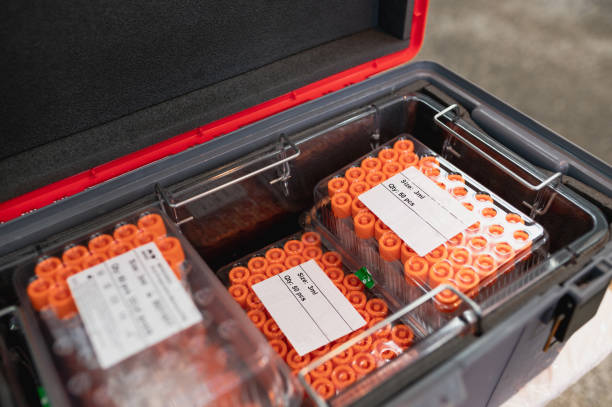
7.1 Ambient temperature
Routine room-temperature holding is not appropriate for many diagnostic samples.
However, temporary ambient conditions may be part of a specific process, such as:
- Allowing a blood specimen to clot before serum separation;
- Holding formalin-fixed tissue according to an approved procedure;
- Using a specimen or kit designed for ambient transport.
Ambient storage should only be used when the procedure supports it.
7.2 Chilled storage
A chilled range such as 2–8°C is commonly used as a practical reference for many short-term specimen-transport situations.
However, it is not suitable for every specimen or test.
Chilled storage may be considered for selected:
- Whole-blood specimens;
- Serum;
- Plasma;
- Swabs;
- Fresh tissue;
- Feces;
- Urine;
- Milk.
The laboratory should confirm:
- Accepted range;
- Holding time;
- Transport medium;
- Whether the specimen may directly contact cooling materials.
7.3 Frozen storage
Freezing may be considered when:
- Transport cannot occur within the accepted timeframe;
- Samples are retained for later analysis;
- Molecular testing is planned;
- Serum is stored for future comparison;
- The laboratory specifically requires frozen specimens.
Freezing should not be selected simply because “colder is better.”
7.4 Deep-frozen storage
Temperatures such as –20°C or –70°C may be required for selected specimens and specialized tests.
The appropriate temperature depends on:
- Specimen;
- Target agent;
- Test method;
- Required storage duration;
- Laboratory capability.
The submitting unit should not select between –20°C and –70°C without laboratory confirmation.
8. Why Inappropriate Freezing Can Damage Samples
Freezing may:
- Rupture cells;
- Cause hemolysis;
- Alter cell morphology;
- Reduce viability of live bacteria or viruses;
- Affect tissue structure;
- Damage selected antigens or proteins;
- Crack unsuitable containers.
Whole blood for hematology is a common example of a specimen that generally should not be frozen.
Fresh tissue for live-agent isolation should also not be frozen without approval.
9. Avoid Repeated Freeze-Thaw Cycles
Repeated freezing and thawing may:
- Degrade nucleic acids;
- Alter proteins;
- Damage antigens;
- Change antibody-test performance;
- Reduce isolation potential;
- Produce inconsistent results.
Use aliquots where appropriate
When a sample may be tested more than once:
- Separate it into smaller labelled tubes;
- Freeze each aliquot once;
- Thaw only the volume required;
- Record which aliquot was used.
Aliquoting should be performed using clean technique and suitable containers.
10. Protect Samples From Direct Ice Contact
Sample tubes should not usually be left loose in melting ice.
Direct contact may cause:
- Tube-label damage;
- Water entry around closures;
- Temperature shock;
- Freezing of samples that should remain chilled;
- Tube breakage;
- Cross-contamination after leakage.
Use:
- Sealed secondary packaging;
- Tube racks;
- Dividers;
- Absorbent material;
- Cold packs separated from the primary containers.
11. Control Time as Carefully as Temperature
A correct temperature does not make a specimen stable indefinitely.
The acceptable holding time depends on:
- Sample type;
- Tube;
- Test;
- Target agent;
- Initial sample quality;
- Storage conditions;
- Transport medium.
References such as 24–48 hours may appear in technical materials for certain specimens, but they should not be applied universally.
The laboratory should confirm the actual accepted timeframe.
Record the complete timeline
Record:
- Collection time;
- Initial processing time;
- Time placed under refrigeration;
- Packaging time;
- Dispatch time;
- Arrival time;
- Laboratory receipt time.
This allows the laboratory to assess whether the specimen remained within the accepted interval.
12. Immediate Post-Collection Stabilization
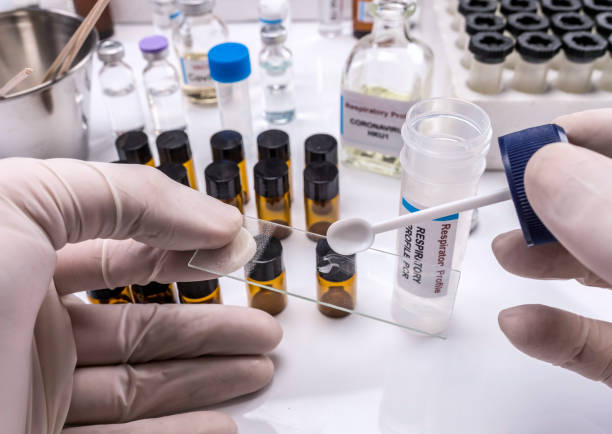
Whole blood
- Mix gently with the anticoagulant;
- Check the tube fill;
- Protect from shaking;
- Place under the required temperature conditions.
Serum
- Allow clotting under appropriate conditions;
- Separate serum when required;
- Transfer to a labelled tube;
- Chill or freeze according to the plan.
Swabs
- Insert into the correct medium;
- Close tightly;
- Place under the required conditions immediately.
Fresh tissue
- Place in a suitable sterile container;
- Keep separate by animal and organ;
- Chill promptly when instructed.
Histopathology tissue
- Place in the correct fixative;
- Ensure adequate solution surrounds the tissue;
- Package separately from fresh samples.
Feces and urine
- Close securely;
- Place under the required conditions;
- Record collection time.
13. Triple-Layer Packaging
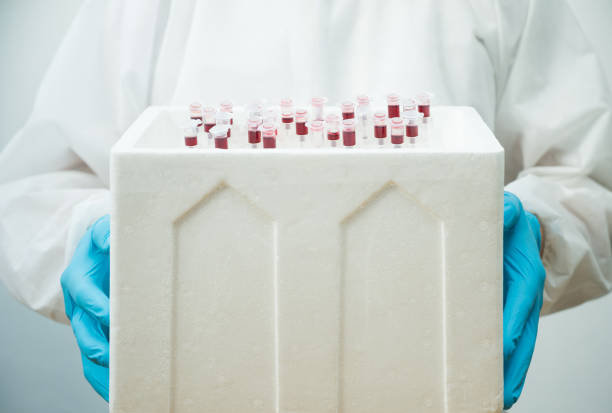
Triple packaging helps protect:
- Sample quality;
- Laboratory personnel;
- Transport workers;
- The environment;
- Documents accompanying the shipment.
Layer 1: Primary container
The primary container directly holds the specimen.
It should be:
- Compatible with the sample;
- Securely closed;
- Leak-resistant;
- Clearly labelled;
- Free from cracks;
- Appropriate for the planned temperature.
Examples include:
- Screw-cap tube;
- Blood tube;
- Sterile specimen cup;
- Sealed tissue container;
- Swab transport tube.
Layer 2: Secondary packaging
The secondary container protects against leakage from the primary layer.
It should include:
- Leak-resistant bag or rigid box;
- Sufficient absorbent material;
- Separation between breakable tubes;
- Clear sample-group identification.
Absorbent material should be sufficient to contain the liquid if a primary tube leaks.
Layer 3: Outer transport package
The outer package provides:
- Physical protection;
- Temperature control;
- Space for cooling materials;
- Safe handling;
- External labelling where required.
It may be:
- Insulated cooler;
- Rigid transport box;
- Approved biological-specimen shipper.
14. Keep Documents Separate From Specimens
Submission forms should not be placed directly beside wet tubes or melting ice.
Place the documents:
- In a separate waterproof bag;
- Outside the secondary specimen container;
- Inside the outer package where appropriate;
- In a position protected from leakage.
The sample list should match the actual contents of the package.
15. Using Cold Packs
Cold packs are commonly used for chilled transport.
Preparation
- Freeze or pre-chill them in advance;
- Prepare enough for the expected journey;
- Consider weather and vehicle temperature;
- Use additional packs for long transport where appropriate.
Placement
- Place packs around the secondary container;
- Use cushioning or a divider;
- Prevent direct tube contact;
- Avoid crushing the specimen container.
During transport
- Keep the box closed;
- Avoid direct sunlight;
- Do not leave it in a hot vehicle;
- Minimize unnecessary opening.
16. Using Dry Ice
Dry ice may be required for selected frozen specimens.
It should only be used when:
- The laboratory requires frozen transport;
- The specimen is compatible;
- The carrier accepts dry ice;
- The packer understands the safety requirements.
Main precautions
Dry ice:
- Produces carbon dioxide gas;
- Can cause cold burns;
- May create pressure in an airtight package;
- May crack tubes through thermal shock;
- Requires suitable outer packaging and ventilation.
Do not:
- Seal dry ice in a completely airtight container;
- Handle it with bare hands;
- Allow unsuitable sample tubes to rest directly against it;
- Use it for specimens that should remain chilled rather than frozen.
17. Transport Temperature Monitoring
For high-value, long-distance, official, or sensitive shipments, temperature monitoring may be useful.
Possible tools include:
- Min-max thermometer;
- Temperature indicator;
- Data logger;
- Digital monitoring sensor.
Records may include:
- Temperature at packing;
- Highest and lowest recorded temperatures;
- Transport duration;
- Excursion events;
- Temperature on laboratory receipt.
A monitoring device does not replace correct packaging, but it helps assess whether the cold chain was maintained.
18. Plan Long-Distance Transport
Before dispatch, calculate:
- Travel time;
- Potential delays;
- Laboratory closing time;
- Weather;
- Availability of cold packs;
- Need for dry ice;
- Courier acceptance;
- Weekend or holiday schedules;
- Emergency contact.
Contact the laboratory before dispatch
Provide:
- Number of specimens;
- Sample types;
- Suspected disease;
- Storage condition;
- Dispatch time;
- Estimated arrival;
- Any quality concerns.
The laboratory can prepare for immediate receipt or provide corrective instructions before the specimens leave.
19. External Courier and Carrier Requirements
When using a delivery service:
- Confirm that biological specimens are accepted;
- Confirm chilled or frozen transport capability;
- Follow carrier packaging rules;
- Provide required external markings;
- Specify delivery urgency;
- Avoid leaving specimens at an uncontrolled collection point;
- Record the tracking number.
Dangerous or regulated biological materials may require specialized transport arrangements.
Routine parcel services should not be used when the package falls under a controlled biological-risk category.
20. Chain of Custody and Handover
A clear handover record supports traceability.
Record:
- Package number;
- Sample codes;
- Number of containers;
- Packing time;
- Storage temperature;
- Person releasing the package;
- Courier or transporter;
- Dispatch time;
- Estimated arrival;
- Person receiving the package;
- Receipt time;
- Package condition.
The receiver should confirm:
- Number of specimens;
- Seal integrity;
- Leakage status;
- Temperature condition;
- Match between samples and documents.
21. Laboratory Receipt Assessment
On arrival, the laboratory may evaluate:
- Package integrity;
- Tube condition;
- Labels;
- Collection time;
- Transport time;
- Temperature;
- Sample volume;
- Hemolysis;
- Clotting;
- Decomposition;
- Leakage;
- Correct medium;
- Submission-form completeness.
The laboratory may:
- Accept the specimen;
- Accept it with a qualification note;
- Limit the tests performed;
- Request clarification;
- Recommend resampling;
- Reject the specimen.
The submitting unit should not hide temperature excursions, leakage, or delays. These details are necessary for correct interpretation.
22. Warning Signs of Compromised Samples
Blood specimens
Warning signs include:
- Visible clotting in anticoagulated blood;
- Severe hemolysis;
- Abnormal colour;
- Broken tube;
- Underfilled tube;
- Frozen whole blood intended for hematology.
Serum or plasma
Warning signs include:
- Heavy hemolysis;
- Excessive turbidity;
- Contamination;
- Repeated freeze-thaw exposure;
- Unclear separation time.
Tissue
Warning signs include:
- Strong decomposition odour;
- Tissue breakdown;
- Leakage;
- Unclear organ identification;
- Contact with formalin when fresh testing is intended.
Swabs
Warning signs include:
- Dry swab when medium was required;
- Leaking tube;
- Incorrect medium;
- Missing collection site;
- Excessive delay.
Packaging
Warning signs include:
- Outer box no longer cool;
- Melted ice flooding the package;
- Broken primary containers;
- Wet labels;
- Damaged submission form;
- Missing sample codes.
These signs do not automatically mean the sample cannot be tested. The receiving laboratory should make the suitability decision.
23. Common Preservation Errors
Keeping samples at room temperature too long
Risk: Decomposition, microbial overgrowth, or analyte degradation.
Prevention: Prepare the preservation system before collection.
Freezing every specimen
Risk: Cell damage and reduced live-agent isolation.
Prevention: Confirm whether the sample requires chilling, freezing, fixation, or another medium.
Using insufficient cooling materials
Risk: Temperature increases before arrival.
Prevention: Calculate for the full journey and possible delay.
Letting tubes contact ice directly
Risk: Freezing, label damage, or tube breakage.
Prevention: Use secondary packaging and separators.
Using the wrong transport medium
Risk: The target organism or test material may deteriorate.
Prevention: Obtain laboratory instructions before sampling.
Failing to separate serum promptly
Risk: Hemolysis and altered analytical values.
Prevention: Follow tube- and test-specific processing instructions.
Repeated freezing and thawing
Risk: Degradation of genetic material, proteins, and antigens.
Prevention: Divide specimens into aliquots.
Mixing fixed and fresh tissue
Risk: Formalin contamination makes fresh tests unsuitable.
Prevention: Use separate sealed containers and secondary bags.
Loose tubes inside the cooler
Risk: Collision, breakage, and leakage.
Prevention: Use racks and shock-absorbing material.
Incomplete labels
Risk: Results cannot be linked to the correct animal or specimen.
Prevention: Label every primary container before transport.
24. Preservation and Transport SOP
Step 1: Confirm requirements
Contact the receiving laboratory and confirm:
- Test;
- Specimen;
- Container;
- Temperature;
- Holding time;
- Transport medium;
- Packaging.
Step 2: Prepare materials
Prepare:
- Tubes;
- Containers;
- Media;
- Labels;
- Absorbent material;
- Secondary bags;
- Cooler;
- Cold packs or dry ice;
- Submission forms;
- Temperature monitor where applicable.
Step 3: Stabilize specimens
Complete the required immediate handling:
- Anticoagulant mixing;
- Serum separation;
- Swab insertion into medium;
- Tissue fixation;
- Fresh-tissue chilling;
- Container closure.
Step 4: Record specimen condition
Record:
- Collection time;
- Initial appearance;
- Storage start time;
- Temperature;
- Any hemolysis, leakage, or other concern.
Step 5: Complete primary and secondary packaging
- Check caps;
- Apply labels;
- Add absorbent material;
- Separate specimens;
- Seal secondary packaging.
Step 6: Prepare the outer package
- Add cold packs or dry ice where required;
- Prevent direct contact;
- Add cushioning;
- Protect documents;
- Close the box securely.
Step 7: Notify the laboratory
Provide dispatch and arrival information.
Step 8: Transport without unnecessary delay
Avoid:
- Sunlight;
- Hot vehicles;
- Repeated opening;
- Uncontrolled storage stops;
- Excessive vibration.
Step 9: Complete handover
Record:
- Delivery time;
- Receiver;
- Package condition;
- Temperature condition;
- Number of samples.
25. Pre-Shipment Checklist
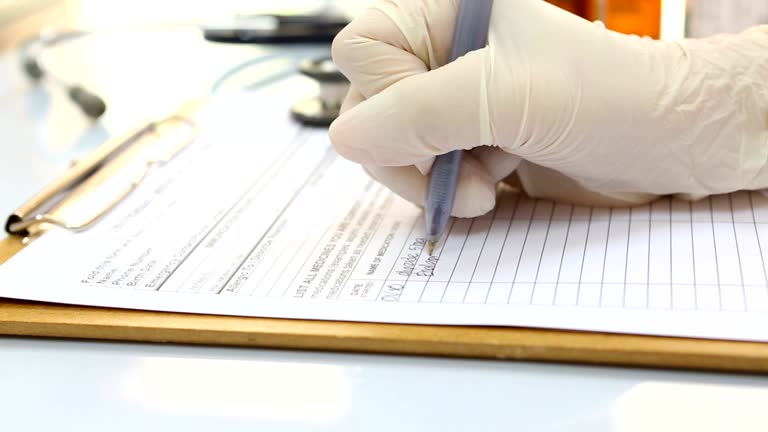
Sample condition
- Correct sample type;
- Correct container;
- Sufficient volume;
- Cap secure;
- No visible leakage;
- Sample condition recorded;
- Correct transport medium used.
Identification
- Every primary container labelled;
- Animal or batch code included;
- Sample type included;
- Collection date and time included;
- Codes match the submission form.
Packaging
- Primary containers intact;
- Absorbent material included;
- Secondary packaging sealed;
- Tubes separated;
- Outer box rigid and secure;
- Cooling materials sufficient;
- Direct ice contact prevented.
Documentation
- Submission form complete;
- Clinical history included;
- Medicines and vaccines recorded;
- Tests requested clearly;
- Sample list matches package;
- Documents placed in a waterproof bag.
Transport
- Laboratory notified;
- Arrival time estimated;
- Courier accepts the package;
- Cold-chain instructions communicated;
- Contact person available;
- Tracking information recorded.
26. Laboratory Handover Checklist
At delivery, confirm:
- Correct laboratory;
- Correct number of specimens;
- Sample codes match;
- Package seal condition;
- Leakage status;
- Temperature condition;
- Dispatch and receipt times;
- Documents received;
- Any delay or temperature excursion disclosed.
27. Sample Preservation Record Template
| Sample code | Specimen type | Collection time | Storage start time | Preservation method | Dispatch time | Receipt time | Condition on handover |
| … | … | … | … | … | … | … | … |
Additional fields may include:
- Tube or medium;
- Initial temperature;
- Temperature logger number;
- Freeze-thaw count;
- Package number;
- Courier;
- Quality concern;
- Laboratory acceptance status.
28. Frequently Asked Questions
At what temperature should veterinary samples be stored?
There is no single temperature for all samples.
Many short-term specimens may require chilled conditions, while selected samples may require freezing, fixation, or another preservation method.
Follow the receiving laboratory’s instructions.
Is 2–8°C suitable for every veterinary specimen?
No. It is a common reference range for selected chilled samples, but it is not universal.
Can whole blood be frozen?
Whole blood intended for hematology generally should not be frozen because freezing damages blood cells.
Can serum be frozen?
Separated serum may be frozen for longer storage when the intended test and laboratory procedure permit it.
Can fresh tissue be frozen?
It depends on the test. Do not freeze tissue intended for live bacterial or viral isolation without laboratory confirmation.
How long can samples remain refrigerated?
The acceptable period depends on the sample, test, container, agent, and laboratory. General references such as 24–48 hours should not be applied automatically.
Can formalin-fixed tissue be used for bacterial culture?
Generally not for routine culture. Fresh tissue should be collected separately.
Should swabs be transported dry?
Only when the laboratory specifically accepts dry swabs. Many tests require a suitable transport medium.
Can samples be sent with ordinary ice?
Cooling arrangements should prevent leakage, contamination, and direct tube contact. Cold packs are often easier to control than loose melting ice.
Can a delayed sample still be tested?
Possibly. The laboratory should assess the specimen based on the delay, temperature, test, and actual condition.
Should samples be thawed before transport?
Not unless instructed. A specimen required to remain frozen should be transported under appropriate frozen conditions.
Can samples be frozen and thawed several times?
Repeated freeze-thaw cycles should be avoided. Use aliquots where appropriate.
What should be done when the cold chain is lost?
Record the duration and suspected temperature excursion, inform the laboratory, and allow the laboratory to decide whether testing or resampling is appropriate.
What should be done when African swine fever or avian influenza is suspected?
Restrict unnecessary movement and contact the competent veterinary authority or designated laboratory before packaging or transporting specimens.
Strengthen Veterinary Sample Preservation and Transport at VIETSTOCK 2026
Reliable diagnostic results depend on maintaining specimen quality between the farm and the laboratory. Appropriate tubes, transport media, cold-chain equipment, leak-resistant packaging, temperature monitoring, accurate identification, and complete handover records all help reduce the risk of damaged or untraceable samples.
At VIETSTOCK 2026, veterinarians, livestock producers, laboratories, animal-health businesses, and technology providers can explore solutions supporting diagnostic-specimen preservation and transport.
Visitors can:
- Explore refrigerated transport boxes, cold packs, temperature-monitoring devices, and specialized specimen containers.
- Discover transport media, leak-resistant packaging, absorbent materials, and field biosafety equipment.
- Review animal-identification and sample-traceability systems linking specimens to herd, flock, clinical, and laboratory records.
- Connect with diagnostic laboratories, animal-health companies, cold-chain providers, and technology suppliers.
- Learn about digital tools for recording collection time, storage conditions, dispatch status, and laboratory receipt.
- Discuss practical solutions for maintaining sample quality during long-distance transport and disease-surveillance activities.
Expected to feature more than 300 brands, over 10,000 sqm of exhibition space, and 13,000 trade visitors from more than 40 countries and territories, VIETSTOCK 2026 creates opportunities for industry stakeholders to improve diagnostic logistics and build professional connections across the livestock and animal-health value chain.
Alongside the exhibition and business networking activities, VIETSTOCK 2026 will also organize an On-Farm Seminar Series, bringing practical knowledge on herd and flock management, disease prevention, biosecurity, and livestock production efficiency to key farming provinces.
Date: 21–23 October 2026
Venue: Saigon Exhibition and Convention Center – SECC, 799 Nguyen Van Linh Street, Tan My Ward, Ho Chi Minh City, Vietnam
Event website: https://www.vietstock.org/en/
👉 Register to visit VIETSTOCK 2026 and explore veterinary cold-chain, sample-packaging, temperature-monitoring, and traceability solutions:
https://www.vietstock.org/en/online-registration-2/
👉 Learn more about the VIETSTOCK 2026 On-Farm Seminar Series:
https://www.vietstock.org/en/event-features/vietstock-2026-livestock-roadshows-bringing-industry-knowledge-to-key-livestock-regions/
CONTACT INFORMATION:
Exhibiting: Ms. Sophie Nguyen – [email protected]
Visitor Support: Ms. Phuong – [email protected]
Marcom Support: Ms. Anita Pham – [email protected]