What Causes Wry Neck in Chickens? Key Differential Diagnoses and When to Call a Veterinarian
Wry neck in chickens is a neurological sign that may be linked to Newcastle disease, vitamin E deficiency, avian influenza, Marek’s disease, botulism, toxicity or trauma. Learn the key causes and warning signs.
Wry neck in chickens, also referred to as torticollis, is a neurological or neuromuscular clinical sign that can result from many different conditions.
Important differential diagnoses include not only Newcastle disease and vitamin E deficiency, but also avian influenza, avian encephalomyelitis in young chickens, Marek’s disease, botulism or other toxicities, trauma, and other neurological disorders.
Wry neck is not a single disease. The cause should therefore not be determined solely from neck posture, the number of affected birds, or vaccination history.
When neurological signs occur together with sudden deaths, respiratory signs, or a rapidly increasing number of affected birds, priority should be given to ruling out important infectious diseases and obtaining veterinary assessment promptly.
Key takeaways
- Wry neck in chickens is a sign of neurological or neuromuscular dysfunction, not the name of a specific disease.
- Important differential diagnoses include Newcastle disease, avian influenza, vitamin E deficiency associated with nutritional encephalomalacia, avian encephalomyelitis, Marek’s disease, botulism or other toxicities, trauma, and other neurological disorders.
- If multiple birds simultaneously develop neurological or respiratory signs, a sudden decline in egg production, or unexpected mortality, the flock should be treated as potentially affected by a serious infectious disease and veterinary assistance should be sought promptly.
- If only a few birds are affected and there are clear concerns about the ration or feed quality, nutritional causes may be considered, but this does not rule out an infectious disease.
- Newcastle vaccination history helps assess risk but cannot by itself exclude Newcastle disease.
- Do not independently administer high doses of vitamins or selenium, use response to vitamin supplementation as a “diagnostic test,” or continue prolonged empirical treatment while the cause remains unknown.
What Does Wry Neck in Chickens Look Like?
Common External Signs and Neck Postures
Wry neck can appear in several forms and levels of severity.
In mild cases, a chicken may tilt its head to one side or hold its head in an unusual position.
As the condition becomes more severe, the neck may twist, the head may turn backward or downward, or the bird may be unable to maintain a normal head-and-neck position.
Common presentations include:
- Head tilted to one side, sometimes accompanied by circling or deviation while walking.
- Head held low, making it difficult for the bird to orient itself when eating or drinking.
- Neck twisted backward or the head maintained in an abnormal position.
- Loss of balance, tremors, weakness, or uncoordinated movements.
- Increased recumbency, difficulty standing, or paralysis.
- In some cases, a limp or drooping neck in which the bird cannot support its head.
These findings indicate neurological or neuromuscular dysfunction.
The underlying problem may involve the brain, cerebellum, peripheral nerves, or neuromuscular transmission.
A limp, drooping neck should be distinguished from a rigidly twisted neck because a flaccid neck can occur with disorders such as botulism, which causes progressive flaccid paralysis.
Neck posture alone is not sufficient to identify the cause.
Other information should be considered, including:
- Age of the birds;
- How quickly new cases are appearing;
- Mortality;
- Respiratory and digestive clinical signs;
- Vaccination history;
- Feed and nutrition;
- Other epidemiological factors.
Which Age Groups Are More Commonly Affected, and What Other Signs Matter?
Wry neck may occur at different ages, although certain causes are more relevant during particular stages of production.
- Chicks and very young chickens: consider avian encephalomyelitis, vitamin E deficiency associated with nutritional encephalomalacia, certain neurological infections, and developmental or incubation-related abnormalities.
- Young and growing chickens: Marek’s disease, nutritional disorders, and infectious diseases should all be considered.
- Chickens of different ages: Newcastle disease, avian influenza, botulism or other toxicities, trauma, and systemic diseases may occur depending on flock circumstances.
Important accompanying clinical signs include:
- Coughing, rales, sneezing, respiratory difficulty, or respiratory discharge.
- Diarrhea.
- Reduced feed or water intake, depression, or collapse.
- Sudden reduction in egg production or abnormal eggs.
- An unexpected increase in mortality.
- Tremors, ataxia, leg weakness, paralysis, or seizures.
- A limp, drooping neck or inability to support the head.
When wry neck occurs together with respiratory disease, a marked decline in laying performance, systemic illness, or sudden mortality, Newcastle disease and avian influenza should be prioritized as important differential diagnoses.
These diseases may produce overlapping clinical pictures and cannot be reliably distinguished from each other by farm observation alone.
If only a small number of birds show neurological signs without obvious respiratory or digestive disease, nutritional disorders, trauma, Marek’s disease, toxicity, or other neurological disorders may also be considered.
However, a small number of affected birds does not rule out infectious disease, particularly during the early stages of an outbreak.
Major Causes of Wry Neck in Chickens
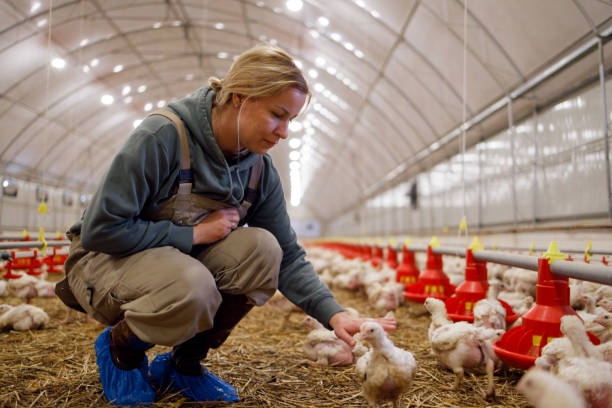
Infectious Neurological Disease – Especially Newcastle Disease
Newcastle disease is one of the most important infectious diseases to rule out when neurological signs appear in a poultry flock.
Affected chickens may show:
- Tremors.
- Paralysis or paresis of the wings or legs.
- Circling.
- Spasms.
- Twisted neck or torticollis.
- Respiratory signs.
- Diarrhea.
- Reduced or stopped egg production.
- Increased mortality depending on virus virulence and flock status.
Newcastle disease can spread rapidly through a susceptible flock.
The virus may be transmitted through respiratory secretions, feces, direct contact, and contaminated equipment or environments.
However, these clinical signs are not specific to Newcastle disease.
Newcastle disease can produce a clinical picture very similar to avian influenza. Highly pathogenic avian influenza may cause severe systemic disease, sudden mortality, a decline in egg production and, in some affected birds, neurological abnormalities such as ataxia, paralysis, or torticollis.
Therefore:
Wry neck should not automatically be interpreted as Newcastle disease based solely on clinical appearance.
When Newcastle disease or avian influenza is suspected, movement, sale, or removal of birds from the premises should be avoided.
A veterinarian or the appropriate local veterinary authority should be contacted for assessment, sample collection, and instructions on appropriate disease-control measures.
A separate article in the Poultry Diseases section provides a more detailed discussion of Newcastle disease, including pathogenesis, vaccination programs, and outbreak management.
Vitamin E Deficiency and the Role of Selenium
Among nutritional differential diagnoses, vitamin E deficiency is particularly important when young chickens develop nutritional encephalomalacia.
Vitamin E deficiency may result in cerebellar injury and clinical signs including:
- Ataxia.
- Unsteady gait.
- Tremors.
- Loss of balance.
- Abnormal head-and-neck postures.
- Recumbency and difficulty accessing feed or water in severe cases.
Risk may increase when:
- The ration does not provide adequate vitamin E.
- Vitamin–mineral premix is omitted or incorrectly incorporated.
- Feed is stored under poor conditions.
- Dietary fats become oxidized or rancid.
- Diets contain substantial amounts of unstable fat without adequate antioxidant protection.
Selenium deficiency should not be treated as an equivalent neurological cause of nutritional encephalomalacia.
Selenium participates in antioxidant systems and has important biological interactions with vitamin E, but selenium deficiency in poultry is more clearly associated with conditions such as exudative diathesis and nutritional myopathy, depending on the ration and other interacting nutritional factors.
Vitamin E and selenium may both be involved in certain nutritional muscle disorders, but their deficiency syndromes and mechanisms are not identical.
Selenium also has a relatively narrow margin between adequate and excessive intake.
For this reason, selenium should not be independently increased in feed or drinking water beyond product-label directions or a professionally formulated ration.
A separate poultry-nutrition article provides more detailed information about vitamin E deficiency, diagnosis, and nutritional management.
Other Important Causes: Avian Encephalomyelitis, Marek’s Disease, Botulism, Toxicity, Trauma, and Congenital Abnormalities
Several other diseases and disorders can also produce neurological abnormalities.
- Avian encephalomyelitis: particularly important in chicks. The virus can spread vertically through eggs as well as horizontally, primarily by the fecal–oral route. Vertically infected chicks may show neurological signs during the first week after hatching, while horizontally infected chicks often develop clinical signs later, typically at 2–4 weeks of age. Typical findings include fine tremors of the head and neck, ataxia, leg weakness, paralysis, and recumbency.
- Marek’s disease: should be considered when chickens develop weakness, ataxia, paresis, or paralysis associated with peripheral nerve involvement. Leg paresis or paralysis is more characteristic than wry neck, so torticollis should not be treated as a defining sign of Marek’s disease.
- Botulism: a neurotoxin-mediated disorder that may cause progressive weakness and flaccid paralysis. Birds may lose the ability to support the head and neck, producing the characteristic “limberneck” appearance. This presentation differs from the rigid twisting of the neck seen with some central neurological disorders.
- Other toxicities: certain chemicals, medicines, ionophores, or feed contaminants may cause weakness, ataxia, neurological dysfunction, or paralysis. Diagnosis depends on exposure history, feed history, and professional assessment.
- Mechanical trauma: injury to the head or neck, housing accidents, transport trauma, or fighting may produce an abnormal neck posture.
- Congenital abnormalities: some chicks hatch with abnormal head or neck positions related to developmental abnormalities or incubation conditions.
It is not appropriate to rule out only Newcastle disease and vitamin E deficiency and then assume that the remaining cause is obvious.
When the cause remains unclear—especially if case numbers increase, mortality becomes abnormal, or multiple neurological signs develop—the flock should receive veterinary assessment and appropriate diagnostic testing.
Differentiating Newcastle Disease From Vitamin E Deficiency in Chickens With Wry Neck
The following comparison can help guide initial assessment, but it is not a diagnostic tool.
Newcastle disease and vitamin E deficiency are only two of several possible causes of neurological signs. Avian influenza, avian encephalomyelitis, Marek’s disease, botulism, and other conditions should still be considered according to the clinical and epidemiological picture.
| Criterion | Newcastle Disease | Vitamin E Deficiency / Nutritional Encephalomalacia |
| Cause | Infection with Newcastle disease virus | Vitamin E deficiency and dietary factors that impair antioxidant protection |
| Transmission | Can spread rapidly through a susceptible flock | Does not spread directly from one bird to another |
| Number of affected birds | Case numbers may increase over time; only a few birds may be affected during the early stage | May occur sporadically or affect multiple birds receiving the same problematic ration |
| Other clinical signs | Respiratory signs, diarrhea, reduced egg production, systemic illness, and increased mortality may occur | Ataxia, tremors, and other neurological abnormalities are usually more prominent |
| Age | Can affect different age groups depending on immunity and exposure | Nutritional encephalomalacia is particularly relevant in young chickens |
| Progression | May develop rapidly and spread through the flock | Depends on severity of deficiency, ration, and extent of neurological damage |
| Mortality | Varies according to virus virulence and flock status and may be high | No single mortality rate applies; severe neurological damage may carry a poor prognosis |
| Vaccination history | Helps assess risk but does not rule out Newcastle disease | Not a determining factor |
| Feed quality | Cannot be used to confirm or exclude Newcastle disease | Missing vitamin E premix, oxidized feed or fat, or poor storage may increase suspicion but do not confirm diagnosis |
Findings That Increase Suspicion of Newcastle Disease
Suspicion of an infectious disease such as Newcastle disease should increase when:
- The number of affected birds rises over time.
- Multiple chickens develop neurological, respiratory, or digestive signs.
- Sudden deaths occur or flock mortality rises unexpectedly.
- Egg production drops abruptly or abnormal eggs appear.
- There are gaps or problems in the vaccination program.
- Birds, people, vehicles, equipment, or other materials have recently entered from higher-risk sources.
- Poultry disease activity has been reported in the surrounding area.
However:
A complete vaccination history does not by itself rule out Newcastle disease.
Vaccination can reduce disease risk and severity, but Newcastle vaccines do not provide sterile immunity. Vaccinated birds may still become infected.
The level of protection also depends on factors such as:
- Vaccine type;
- Timing;
- Administration technique;
- Flock immunity;
- Infectious challenge.
Newcastle disease may also resemble avian influenza clinically.
Therefore, when a flock develops unexpected mortality, neurological and respiratory signs, or a major reduction in egg production, the two diseases should not be differentiated solely on clinical signs.
Bird movement should be restricted and veterinary or competent veterinary-authority guidance should be obtained.
Findings That Increase Suspicion of Vitamin E Deficiency
Suspicion of vitamin E deficiency may increase when:
- There is a clear problem with ration formulation, premix use, or feed storage.
- Feed smells rancid or dietary fat appears oxidized.
- Young chickens develop ataxia and neurological signs without evidence of rapidly spreading disease.
- There is no clear flock-wide respiratory or systemic disease pattern.
- Multiple birds receiving the same feed batch develop similar abnormalities.
These findings are only suggestive.
Vitamin E deficiency should not be diagnosed simply because the birds were vaccinated against Newcastle disease or because only a few individuals are affected.
When a nutritional problem is suspected:
- Preserve feed information and samples when practical.
- Check the ration formulation and premix.
- Review storage conditions.
- Consult a veterinarian or poultry nutrition specialist.
Do not independently increase vitamin E or selenium above product instructions.
On-Farm Observation and Initial Measures Before Veterinary Assessment
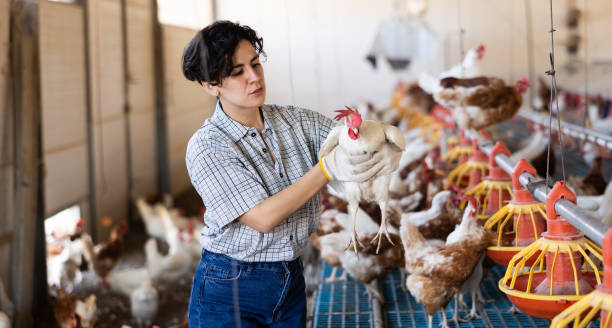
Observation Checklist: Affected Birds, Associated Signs, Vaccination History, and Recent Feed Changes
Before contacting a veterinarian—or while professional assessment is being arranged—farm personnel should collect the following information:
- Number of affected birds and proportion of the flock.
- Age of the flock.
- Date the first clinical signs appeared.
- Number of new cases each day.
- Number of deaths and when they occurred.
- Presence of respiratory signs, diarrhea, reduced egg production, or systemic illness.
- Whether the neck is rigidly twisted or limp and unable to support the head.
- Newcastle vaccination history and other poultry vaccinations.
- Vaccine name, date of administration, and method of administration when known.
- Feed type, batch number, supplier, and duration of use.
- Recent changes in feed odor, color, moisture, batch, or supplier.
- Changes in drinking water, medicines, feed additives, or mixed products.
- Recent entry of people, vehicles, equipment, or new poultry from outside the farm.
If possible, photographs or videos of the abnormal movements or posture can be preserved for veterinary assessment.
Do not independently perform a necropsy on birds suspected of Newcastle disease or avian influenza without professional guidance.
Handling carcasses, organs, and contaminated material may increase the risk of spreading infectious material within the premises or to other locations.
If Vitamin E Deficiency Is Suspected: Nutritional Review and Feed Checks
If the ration or feed quality raises concern about a nutritional cause, priority checks include:
- Expiry date, batch number, and feed-storage conditions.
- Moisture, rancidity, clumping, or other unusual changes in feed.
- Whether the vitamin–mineral premix was incorporated according to the formulation and instructions.
- Sources of dietary fat and their storage conditions.
- Retaining feed packaging, labels, batch information, and samples when useful for investigation.
- Consulting a veterinarian or nutrition specialist to evaluate the ration.
Vitamin supplementation followed by “waiting to see whether the birds recover” should not be used as a diagnostic test.
Selenium should not be independently increased above product-label instructions or the professionally designed ration because inappropriate supplementation may cause toxicity.
If the actual cause is infectious disease, vitamin supplementation does not replace biosecurity, diagnostic testing, or outbreak-control measures.
Isolation, Cleaning, Disinfection, and Movement Restriction
Until Newcastle disease, avian influenza, or another important infectious disease has been excluded, priority should be given to reducing unnecessary handling and movement of birds.
Temporary biosecurity measures may include:
- Avoid unnecessary catching, pen changes, or movement of birds between production areas.
- If the facility has an isolation area and separation can be performed under an established biosecurity procedure without increasing disease-spread risk, follow the instructions of the responsible veterinarian.
- Restrict entry into poultry areas.
- Do not allow people arriving from other poultry farms or live-bird markets to have direct contact with the flock.
- Do not share feeders, equipment, boots, or other materials between areas.
- Clean and disinfect equipment, pathways, and vehicles according to the farm’s biosecurity procedures.
- Do not transport, sell, or move chickens away from the farm while a serious infectious disease is suspected.
If the cause is later confirmed to be nutritional, traumatic, or another non-contagious condition, management can then be adjusted according to the actual diagnosis.
When Should a Veterinarian Be Contacted Immediately?
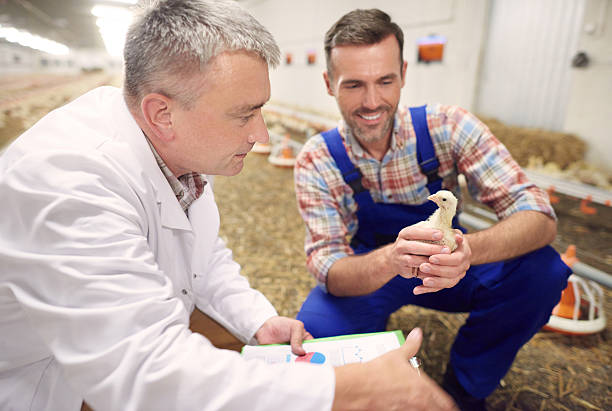
Warning Signs Requiring Prompt Veterinary Assessment
There is no need to wait 24–48 hours for case numbers to increase if the flock already shows serious warning signs.
Contact a veterinarian promptly when:
- Chickens die suddenly or mortality rises unexpectedly.
- Multiple birds develop neurological signs at the same time.
- Wry neck occurs with respiratory difficulty, coughing, systemic illness, or a marked decline in egg production.
- New cases increase rapidly within the flock.
- Birds develop paralysis, seizures, or can no longer reach feed and water.
- The flock shows signs compatible with Newcastle disease or avian influenza.
- Poultry disease activity has been reported in the surrounding area.
- Multiple birds become ill after introduction of a new feed batch, medicine, or feed additive.
- The cause remains unclear after initial observation.
Do not spend several days trialing vitamin supplementation before seeking veterinary assistance when Newcastle disease, avian influenza, or another significant infectious disease has not been excluded.
When Newcastle disease or avian influenza is suspected, unnecessary movement, sale, or slaughter of birds should be avoided and a veterinarian or the competent local veterinary authority should be contacted for further instructions.
Information to Prepare Before Calling a Veterinarian
Prepare:
- Total flock size and number of symptomatic birds.
- Age, breed, and production purpose.
- Date clinical signs were first observed.
- Number of new cases and deaths by day.
- Photographs or videos when available.
- Respiratory, digestive, and neurological clinical signs and changes in egg production.
- Vaccination history, including vaccine type, date, and administration method.
- Feed name, batch number, supplier, and storage history.
- Recent changes in feed, water, medicines, or additives.
- Measures already taken.
- Recent entry of people, vehicles, equipment, or new poultry.
More complete information gives the veterinarian a stronger basis for determining differential diagnoses and whether sample collection and laboratory testing are needed.
Frequently Asked Questions About Wry Neck in Chickens
Can Wry Neck Spread to Other Chickens?
It depends on the underlying cause.
If the neurological signs are caused by an infectious disease such as Newcastle disease or avian influenza, transmission within the flock may be substantial depending on the pathogen and epidemiological conditions.
Avian encephalomyelitis can be transmitted vertically through eggs and horizontally, primarily through the fecal–oral route. Neurological disease is particularly important in young chicks.
If wry neck is caused by vitamin E deficiency, trauma, or certain toxicities, the condition itself does not spread directly from bird to bird.
However, multiple birds showing neurological signs does not automatically prove an infectious cause because the entire flock may have been exposed to the same problematic feed batch or toxin.
Conversely, only a few affected birds do not exclude infectious disease.
Until the cause has been clarified, cautious biosecurity and close flock monitoring are appropriate.
Can Wry Neck in Chickens Be Treated?
The possibility of recovery depends entirely on the underlying cause and the extent of neurological damage.
Chickens with nutritional encephalomalacia associated with vitamin E deficiency may respond to nutritional correction when the condition is identified sufficiently early, but recovery depends on the severity of cerebellar injury.
When neurological damage is severe, complete recovery may not occur.
For Newcastle disease or avian influenza, the goal is not to self-treat individual birds on the farm. The priority is to identify the cause and implement appropriate flock-level control measures under veterinary guidance.
Young chicks with clear neurological signs caused by avian encephalomyelitis may also have a poor prognosis once substantial neurological disease has developed.
Recovery from botulism may occur in some cases depending on toxin exposure and severity of paralysis, but the source of toxin must also be identified and controlled.
There is therefore no single treatment for every case of “wry neck.”
Should a Chicken With Wry Neck Be Culled?
A decision about culling or humane euthanasia should consider:
- Underlying cause.
- Severity of neurological impairment.
- Ability to eat and drink independently.
- Ability to stand and move.
- Pain, distress, or severe debilitation.
- Prognosis for recovery.
- Animal-welfare considerations.
A bird should not automatically be removed from the flock merely because all cases of wry neck are assumed to be contagious.
Conversely, birds that are severely paralyzed, unable to eat or drink, continuously recumbent, or have a very poor prognosis should be assessed by a veterinarian to determine an appropriate humane management option.
When a regulated or important infectious disease is suspected, birds should be managed according to veterinary or competent-authority instructions rather than independently transported or removed from the premises.
How Long Does Vitamin E Deficiency Take to Improve?
There is no single recovery time applicable to every case.
Response depends on:
- Severity of vitamin E deficiency.
- Age of the birds.
- Duration of clinical signs.
- Extent of cerebellar injury.
- Whether the nutritional diagnosis is actually correct.
Nutritional encephalomalacia may respond to correction of vitamin E deficiency when irreversible neurological injury has not occurred, but some neurological damage may not fully resolve.
Therefore, improvement—or lack of improvement—over several days should not be used as a diagnostic test for vitamin E deficiency.
Ration correction should be based on feed evaluation and guidance from a veterinarian or nutrition specialist.
How Can Wry Neck Affect Meat or Egg Production?
The effect depends on the underlying cause and disease severity.
Birds with severe neurological dysfunction may:
- Have difficulty reaching feed and water.
- Show reduced growth.
- Have a greater risk of mortality or removal from the flock.
- Experience compromised welfare.
In laying flocks, systemic diseases such as Newcastle disease or avian influenza may be associated with substantial reductions in egg production and abnormal eggs.
When a nutritional problem is identified and corrected early, production losses may be more limited, but complete recovery should not be assumed for every affected bird.
When the cause is a rapidly spreading infectious disease, economic losses may result from:
- Morbidity;
- Mortality;
- Reduced productivity;
- Disease-control measures.
Strengthening Early Poultry Disease Recognition at VIETSTOCK 2026
Wry neck in chickens is not a disease in itself. It is a neurological sign that may arise from very different causes, ranging from serious infectious diseases such as Newcastle disease to vitamin E deficiency and other nutritional imbalances, toxicity, trauma, or other neurological disorders.
For livestock producers, the priority is therefore not to continue empirical treatment based on appearance alone.
Important information includes:
- Number of affected birds;
- Associated clinical signs;
- Vaccination history;
- Feed quality and recent feed changes;
- Speed at which cases are increasing within the flock.
This information helps determine when veterinary involvement is necessary.
At VIETSTOCK 2026, this topic connects with broader solutions for proactive poultry-health management, particularly for farms seeking to strengthen infectious-disease prevention, nutrition management, and biosecurity.
The event is expected to bring together more than 300 brands, over 10,000 sqm of exhibition area, and 13,000 trade visitors from more than 40 countries and territories.
From the perspective of early disease recognition and prevention in poultry, visitors can:
- Explore poultry vaccines and disease-prevention solutions: review approaches that help farms reduce risks from Newcastle disease and other important poultry diseases associated with neurological or systemic clinical signs.
- Connect with nutrition and feed-additive providers: explore solutions for balanced rations, vitamin and mineral supplementation, feed quality, and support for flock resilience and general health.
- Explore biosecurity solutions: review approaches to housing hygiene, disinfection, movement control, equipment management, and isolation procedures when disease is suspected.
- Improve flock-health data management: record affected birds, mortality, vaccination history, feed changes, and clinical progression to support investigation and veterinary decision-making.
- Connect with veterinary and specialist solution providers: discuss appropriate next steps when a flock develops neurological, respiratory, digestive, or abnormal production signs.
Through the VIETSTOCK 2026 Livestock Roadshows in Bac Ninh, Dong Thap and Ho Chi Minh City, VIETSTOCK 2026 continues to bring practical knowledge on disease prevention, flock management, biosecurity, and livestock production efficiency to key livestock-producing regions. For poultry farmers, this is also an opportunity to strengthen their procedures for monitoring, isolation, and coordination with veterinary professionals as soon as abnormal signs appear in the flock.
Date: 21–23 October 2026
Venue: Saigon Exhibition and Convention Center (SECC), 799 Nguyen Van Linh Street, Tan My Ward, Ho Chi Minh City, Vietnam
Event website:
VIETSTOCK 2026 English website
👉 Visitor registration for VIETSTOCK 2026
👉 Learn more about the VIETSTOCK 2026 Livestock Roadshows
Contact information:
Exhibiting: Ms. Sophie Nguyen – [email protected]
Visitor Support: Ms. Phuong – [email protected]
Marcom Support: Ms. Anita Pham – [email protected]