Poultry Housing Disinfectants: How to Choose, Dilute, and Use Them Safely
Poultry housing disinfectants are products used to reduce or inactivate pathogens on surfaces, tools, and the housing environment. Their practical effectiveness depends on the active ingredient, concentration, contact time, level of organic matter, surface conditions, and instructions on the product label.
In a biosecurity program, disinfection is effective only when combined with mechanical cleaning, litter management, access control, vaccination, flock health monitoring, and waste treatment. In situations with disease risk, farmers should consult a veterinarian or the local livestock and veterinary authority before selecting active ingredients, concentrations, and frequency of use.
Key Takeaways
- Poultry housing disinfectants often include chemical active ingredient groups such as chlorine compounds, iodophors, QACs, aldehydes, and peroxygen compounds. Each group has its own spectrum of activity, safety profile, and conditions of use.
- Lime powder may support treatment of floors, pathways, and areas around the housing. Microbial preparations may support environmental management, but they should not replace disinfectants when rapid reduction of pathogen pressure is needed.
- Product selection should be based on the target pathogen, safety for the flock and users, housing type, surface materials, actual cost, and label instructions.
- A basic disinfection procedure includes: mechanical cleaning → selecting and diluting the product according to the label → spraying or treating surfaces correctly → maintaining sufficient contact time → ventilating and rechecking the housing before chickens are introduced.
- Concentrations should not be increased arbitrarily, chemicals should not be mixed, formalin fumigation should not be carried out, and intensive disinfection schedules should not be applied without professional guidance.
The Role of Poultry Housing Disinfectants in Disease Prevention
Pathogen Accumulation in Poultry Housing and the Consequences of Poor Disinfection
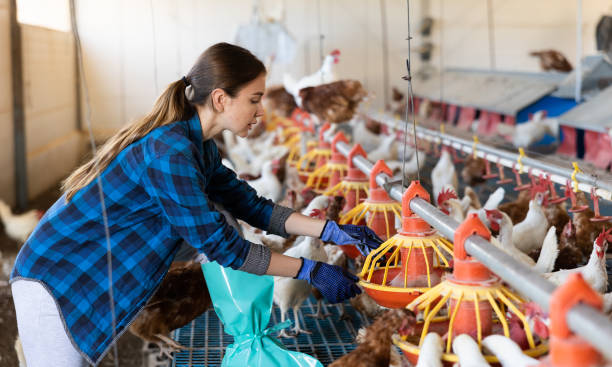
Poultry housing is an environment with high animal density, abundant organic matter, constantly changing moisture levels, and many surfaces that can retain pathogens. Manure, litter, leftover feed, standing water, dust, and feeder and drinker surfaces can become places where bacteria, viruses, fungi, or other disease-causing agents accumulate.
Pathogens of concern in poultry production may include avian influenza virus, Newcastle disease virus, Salmonella, E. coli, Aspergillus fungi, and Eimeria coccidial oocysts. However, sensitivity to disinfectants varies greatly among these agents. Eimeria oocysts are usually more difficult to control in the housing environment, so farmers should not assume that every disinfectant product is effective against them.
If cleaning and disinfection are not carried out regularly or correctly, pathogen pressure may gradually increase across production cycles. However, disinfection is only one part of a biosecurity program and needs to be combined with vaccination, access control, litter management, flock health monitoring, and waste treatment.
Possible consequences include:
- Higher disease incidence.
- Increased costs for treatment and disease response.
- Slower growth or lower productivity.
- Higher mortality or culling rates.
- Risk of spread to nearby pens or housing rows.
When serious diseases such as Newcastle disease or avian influenza occur, housing that is not properly cleaned and disinfected may increase the risk of pathogen spread. Therefore, disinfection should be viewed as part of an overall disease prevention system, not as a standalone treatment step.
How Can Proper Disinfection Help Reduce Disease Pressure?
Chemical disinfection does not replace vaccination, disease treatment, or flock management, but it plays an important role in reducing pathogen pressure in the environment. When poultry housing is cleaned and disinfected more effectively, chickens may have less continuous exposure to pathogens that remain on surfaces, tools, pathways, and surrounding areas.
When pathogen pressure is better controlled:
- The risk of cross-contamination between areas may decrease.
- The risk of opportunistic disease outbreaks may decrease when less dirt and fewer pathogens accumulate in the environment.
- Vaccination programs may work better when the flock is not constantly exposed to high environmental pathogen pressure.
- Treatment and outbreak response costs may be better controlled.
- Disease control between production cycles becomes easier.
Actual disinfection effectiveness depends on many factors, including mechanical cleaning, the selected product, concentration, contact time, ventilation, stocking density, and worker compliance with procedures. Farms should therefore have a clear cleaning and disinfection plan, with records and periodic evaluation.
What Are Poultry Housing Disinfectants? Key Concepts to Understand
Distinguishing Disinfectants, Decontamination Products, and Sanitizers for Poultry Housing
In livestock and poultry production, the terms “disinfection”, “sanitization”, and “decontamination” are often used interchangeably. However, when applied in technical procedures, users need to understand the scope of each product based on the label and professional guidance.
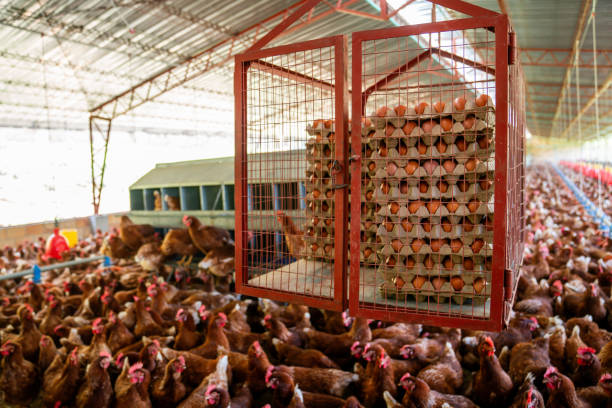
Environmental disinfectants or sanitizers are often used to reduce or inactivate pathogens on non-living surfaces such as floors, walls, tools, feeders, drinkers, pathways, and areas around poultry housing.
“Decontamination” is a common term in Vietnamese livestock practice, often used when treating housing environments, vehicles, tools, or areas with disease risk.
Products used on skin, mucous membranes, or the animal body belong to a different product group and require appropriate indications, labels, or guidance. Poultry housing disinfectants should not be applied directly to chickens’ skin, mucous membranes, or bodies unless the product label allows it.
In this article, these terms are used in their common sense to refer to products used for treating the poultry housing environment to reduce pathogen pressure. In practice, priority should be given to the active ingredient, product label, and specific technical instructions.
Common Product Forms: Solutions, Soluble Powders, Lime Powder, and Specialized Fumigation Methods
Products used for poultry housing hygiene, decontamination, and disinfection may come in different forms. Each form has its own method of use, level of risk, and conditions of application.
Ready-to-use solutions or concentrated solutions:
This is a common form. Products are usually diluted with water according to the label, then sprayed onto housing surfaces, tools, pathways, or treatment areas.
Soluble powders:
These are common with Chloramine B and some other products. They need to be mixed with clean water according to the label. Measuring tools should be used; the amount should not be estimated by eye.
Lime powder:
Lime powder is often more suitable for treating floors, pathways, cleaned drainage channels, and areas around the farm. Quicklime containing CaO and hydrated lime containing calcium hydroxide [Ca(OH)₂] should be distinguished because their safety requirements may differ.
Fumigation gas or housing fumigation methods:
These are specialized techniques, usually used only in empty, enclosed, and controlled housing. Fumigation is not suitable for spontaneous use by smallholder farms. With formalin/formaldehyde or other gas-generating methods, trained personnel, appropriate protective equipment, sufficient ventilation time, and clear professional guidance are required. Farmers should not carry out fumigation when chickens are present.
Common Poultry Housing Disinfectant Groups in Vietnam
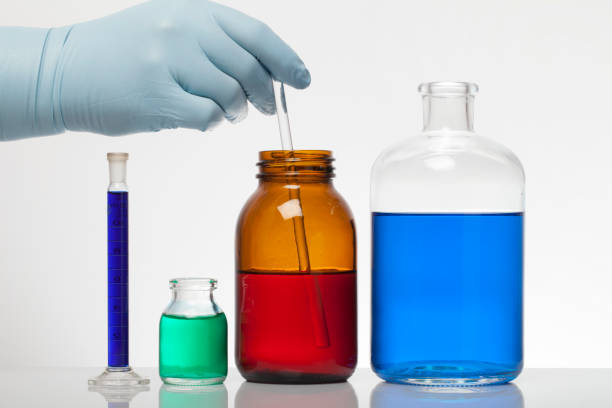
Lime Powder – A Supporting Solution for Floors and Surrounding Areas
Lime powder may support the treatment of cleaned floors, pathways, drainage channels, and areas around the farm. Its main effect is to create an alkaline environment, help dry certain damp areas, and improve environmental hygiene under suitable conditions.
In practice, lime powder may be quicklime containing calcium oxide (CaO) or hydrated lime containing calcium hydroxide [Ca(OH)₂]. Both are alkaline, but they differ in how they react with water and in their safety requirements. Therefore, the type of lime should be checked on the packaging before use.
Lime powder is often more suitable for:
- Cleaned housing floors.
- Pathways.
- Areas around the farm.
- Cleared and cleaned drainage channels.
- Damp soil or areas where dirt may accumulate.
- Areas directly outside housing.
Advantages:
- Low cost.
- Easy to purchase.
- Easy to use.
- Does not require spraying equipment.
- May help dry certain damp areas.
- Suitable for floors, pathways, and areas outside housing.
Limitations:
- Not a broad-spectrum disinfectant.
- Cannot fully replace chemical disinfectants when rapid reduction of pathogen pressure is needed.
- Effectiveness depends on lime type, moisture, organic matter, and surface conditions.
- Not suitable for direct application to metal equipment because it may cause corrosion.
- Lime dust may irritate the eyes, skin, and respiratory tract.
- Caution is required when chickens are still present in the housing.
Lime should not be spread in areas where chickens may eat it, peck at it, or inhale dust directly. For footbaths or disinfection pits, farms should use solutions or products with suitable instructions, replace them regularly, and control dirt according to the farm procedure. Lime powder should not be treated as a default substitute for specialized disinfectant solutions.
Chlorine Compounds: Chloramine B, Hypochlorite, and Chlorine-Releasing Products
Chloramine B and some chlorine-releasing products are commonly used in livestock housing hygiene, decontamination, and disinfection. This group may have a relatively broad spectrum of activity against many bacteria, viruses, and fungi when used at the correct concentration, contact time, and surface conditions.
Chloramine B and some chlorine-releasing products are often used for environmental hygiene because they are relatively affordable and easy to find in many localities. However, they must still be diluted and used according to the product label. Amounts should not be estimated by eye, and these products should not be mixed with acids, vinegar, ammonia, or other chemicals without clear guidance.
Advantages:
- Relatively low cost.
- Easy to purchase.
- Fast action under suitable conditions.
- Suitable for many livestock housing environmental hygiene programs.
Limitations:
- Effectiveness can be reduced by organic matter such as manure, mud, leftover feed, and litter.
- May corrode metals at high concentrations.
- Strong odor.
- Should not be used directly on chickens.
- Must not be mixed with acids, vinegar, ammonia, or other chemicals unless clear guidance is available.
Note: Potassium permanganate is not a chlorine compound. It is an oxidizing agent and should only be used according to the product label or professional guidance. It should not be added arbitrarily to drinkers, drinking water, or tools that directly contact chickens without appropriate guidance.
Some older technical documents or specialized procedures may mention poultry house fumigation with formaldehyde. However, this is a high-risk technique and should only be used in empty housing, with trained personnel, protective equipment, and professional guidance. This article does not recommend that farmers carry it out on their own.
QACs and Iodophors in Poultry Housing Treatment
QACs – Quaternary Ammonium Compounds
QACs are quaternary ammonium compounds and are widely used in livestock and poultry hygiene and environmental disinfection. Some QAC products may be suitable for routine disinfection or areas with animals if the product label allows it.
Advantages:
- Lower odor than some stronger chemical groups.
- Less corrosive under many conditions of use.
- Relatively easy to use.
- Some products may be used when chickens are still present, if the label allows it and the correct concentration is used.
Limitations:
- Usually less effective against spores and many non-enveloped viruses.
- Effectiveness may be reduced by organic matter.
- May be affected by soap or incompatible detergents.
- It should not be assumed that every QAC product is effective against every pathogen.
Iodine and Iodophors
Iodine and iodophor forms are often considered relatively broad-spectrum disinfectants under many conditions of use. However, actual effectiveness still depends on the specific product, concentration, contact time, level of organic matter, and label instructions.
Iodophor products may be used in some programs for:
- Footbaths.
- Routine spraying.
- Tool hygiene.
- Treatment of certain areas where animals are present, if the label allows it.
Limitations:
- May stain equipment or surfaces.
- Concentration needs to be controlled to avoid irritation.
- Effectiveness may decrease when surfaces contain high levels of organic matter.
- It should not be assumed that iodophors are sufficient against all highly resistant pathogens.
Aldehyde/Formaldehyde: Only for Specialized Procedures
Formalin/formaldehyde is a high-risk chemical and is not suitable for routine disinfection in housing where chickens are present. This article does not recommend that farmers carry out formalin fumigation on their own without full technical and chemical safety guidance.
If a technical procedure uses formalin or fumigation, it must ensure that:
- The housing is completely empty.
- No chickens, unauthorized people, or other animals are present in the area.
- Trained personnel are responsible for implementation.
- Appropriate protective equipment is available.
- Ventilation is controlled.
- Re-entry intervals and ventilation time follow professional guidance.
- A risk response plan is available in case of chemical incidents.
- The product label, safety data sheet, and current regulations are checked before implementation.
Bio-Based and Microbial Preparations Used in Poultry Housing
Bio-based preparations may contain beneficial microorganisms, enzymes, or ingredients that support the breakdown of organic matter, odor control, and improvement of the housing environment under certain conditions.
These products may support:
- Odor management.
- Breakdown of organic matter.
- Improvement of the litter environment.
- Maintenance of the housing environment while chickens are present, if the product label allows it.
Effectiveness depends on:
- Microbial strain.
- Housing conditions.
- Moisture.
- Temperature.
- Storage method.
- Method of use.
- Frequency of application.
- Level of organic matter in the housing.
Advantages:
- Relatively safer for people and chickens under some conditions of use.
- Lower chemical residue concerns.
- More environmentally friendly.
- May support odor control.
- May be suitable for environmental maintenance programs.
Limitations:
- Slower action than chemical disinfectants.
- Not suitable for emergency response during outbreaks.
- Do not replace disinfectants when rapid reduction of pathogen pressure is needed.
- Should not be placed on the same level as chemical disinfectants used for spraying.
When high-risk pathogen control is needed, farms still need to use disinfectant products with suitable efficacy claims and consult veterinary guidance.
Criteria for Selecting Suitable Poultry Housing Disinfectants
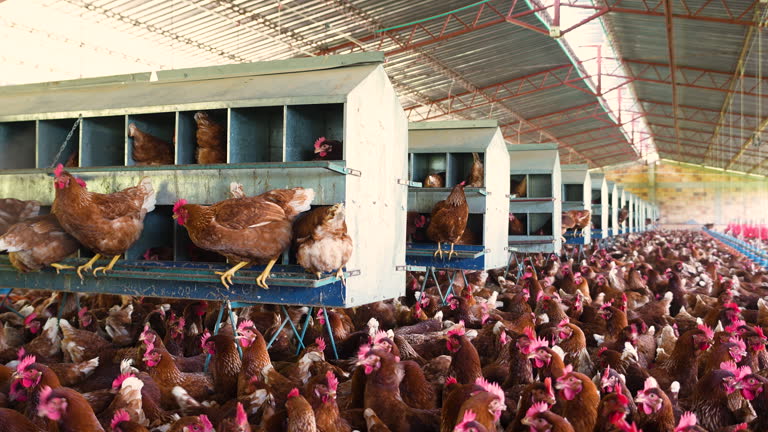
Effectiveness Against Poultry-Specific Pathogens
No disinfectant is equally effective against all pathogens under all conditions. Farmers need to identify priority pathogen groups and choose products with suitable efficacy claims on the label.
Avian influenza and Newcastle disease viruses:
Products with suitable efficacy claims for the target virus group should be prioritized and used at the correct concentration and contact time. It should not be assumed that every QAC, iodine, or chlorine product is suitable under all conditions.
Salmonella, E. coli, and Mycoplasma:
Many chemical groups may be effective if surfaces have been cleaned and the product is used at the correct concentration and contact time according to the label.
Aspergillus fungi:
For mold risks such as Aspergillus, the focus should be on moisture management, ventilation, litter management, removal of moldy material, and surface cleaning. If chemicals are needed, products with suitable claims should be selected, and veterinary or farm technical advice should be consulted.
Eimeria coccidial oocysts:
Eimeria oocysts are usually difficult to control with many common disinfectants. Control should combine litter management, moisture control, mechanical cleaning, coccidiosis prevention programs, and veterinary advice. Strong chemicals or heat treatment should only be applied when clear professional guidance is available.
Safety for Broilers, Layers, and Users
Safety is a very important criterion when selecting poultry housing disinfectants, especially for occupied housing, chicks, stressed flocks, or poorly ventilated housing.
For broilers:
Pay attention to flock age, stocking density, ventilation, growth rate, and the risk of stress from chemical vapors or moisture after spraying.
For layers:
Layers often remain in housing for longer periods, so more caution is needed with chemicals that may irritate the respiratory tract, affect feed and water intake, or cause prolonged stress.
For chicks or weak flocks:
Direct spraying in areas where the flock is living should be minimized if the product label does not allow it. Young birds are more sensitive to chemical vapors, high humidity, and sudden environmental changes.
For users:
Priority should be given to products with:
- Clear labels.
- Registration numbers where registration is required.
- Specific dilution instructions.
- Safety warnings.
- Clear origin.
- Manufacturer or responsible entity information.
- Guidance for accidental exposure.
Products with unclear origin, incomplete labels, or no specific instructions for use should not be used.
Cost per Housing Area and Local Availability
Actual disinfection cost is not only the price per liter or kilogram of product. It should be calculated based on cost per housing area and number of applications.
Cost factors include:
- Product price.
- Dilution concentration.
- Amount of solution used per square meter.
- Frequency of use.
- Housing scale.
- Surface type.
- Spraying equipment cost.
- Personal protective equipment cost.
In many localities, lime powder and Chloramine B are common options because they are relatively low-cost and easy to find at veterinary supply stores. Iodophor and concentrated QAC products may have a higher initial cost, but the amount used per application and their scope of use should be calculated according to the label.
Products should not be chosen only because they are inexpensive. They need to match the intended use, target pathogen, housing conditions, and safety requirements for the flock.
Suitability for Housing Type and Equipment
Each housing type has different ventilation, materials, stocking density, and equipment. Therefore, the same product may be suitable for one housing system but not another.
Open-sided housing:
Spraying solutions may be suitable in many areas, but wind may disperse the product, reduce coverage, or carry chemical vapors to unintended areas.
Enclosed housing:
Ventilation needs to be strictly controlled before, during, and after treatment. Some products with strong vapors or odors may not be suitable without a clear safety procedure.
Housing with many electronic devices:
Sensors, motors, control panels, automatic water supply systems, and other chemical-sensitive equipment need to be covered or removed.
Housing with many metal devices:
Avoid directly applying lime or high-concentration chlorine to metal equipment if corrosion risk is present. Select products that are compatible with the material and follow manufacturer recommendations.
Housing with chickens present:
Only use products allowed by the label, at the correct concentration for areas with animals, and with proper ventilation. Do not use dilution rates intended for empty housing in housing areas where chickens are present.
Comparing Chemical Disinfectants and Microbial Preparations
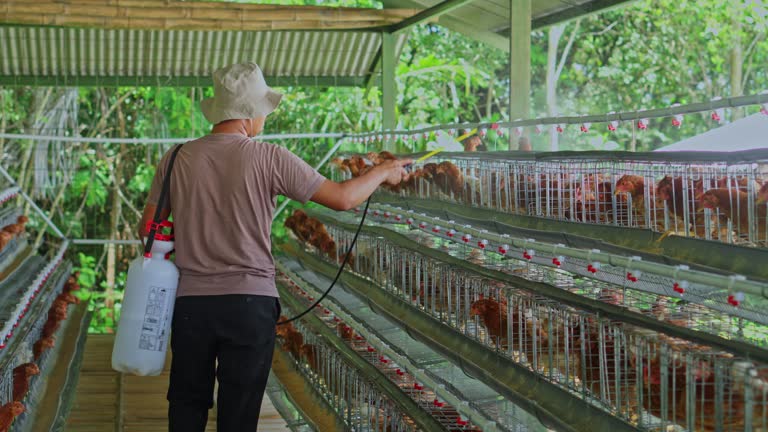
The table below helps distinguish the roles of chemical disinfectants and microbial preparations in poultry housing environmental management. This is a qualitative comparison and does not replace product label instructions.
| Criteria | Chemical disinfectants | Microbial preparations |
| Speed of action | Usually faster if used at the correct concentration and contact time | Usually slower and dependent on environmental conditions |
| Main objective | Reduce or inactivate pathogens on surfaces | Support environmental, odor, and organic matter management |
| Suitability during disease risk | More suitable if the product has efficacy claims for the target pathogen | Not suitable for emergency response when rapid pathogen reduction is needed |
| Safety when chickens are present | Depends on the active ingredient and product label; caution is required | May be more suitable under some conditions, depending on the product |
| Chemical residues | May occur; label instructions and safe-use time must be followed | Lower chemical residue concerns |
| Relative cost | Low to medium, depending on the group | Medium to high, depending on the product |
| Best suited for | Empty housing, intensive treatment, high-risk points, and routine disinfection programs | Environmental maintenance, odor support, and litter management |
The table is for general orientation only. During an outbreak, suspected infectious disease, or mandatory treatment situation, farms should follow guidance from a veterinarian or the local livestock and veterinary authority and should not select products based only on a general comparison.
Some farms may combine both groups: using chemical disinfectants when surface treatment and rapid pathogen-pressure reduction are needed, and using microbial preparations to support environmental management during maintenance periods. Such combinations should be based on a technical plan, and products should not be mixed unless clear guidance is available.
Step-by-Step Procedure for Disinfecting Poultry Housing With Products
Step 1: Carry Out Mechanical Cleaning, Wash the Housing, and Protect Electrical Equipment
This is the most important step but is often done superficially. Organic matter such as manure, leftover feed, old litter, and mud can significantly reduce the effectiveness of many disinfectant active ingredients before the product can contact the surface that needs treatment.
A mechanical cleaning procedure should include:
- Collecting and handling all manure.
- Removing old litter.
- Collecting leftover feed.
- Using suitable water pressure to wash floors if conditions allow.
- Cleaning walls and partitions.
- Washing feeders.
- Washing drinkers.
- Cleaning drainage channels.
- Removing mud and organic matter from hidden corners.
- Allowing surfaces to dry or drain before spraying, unless the product label instructs otherwise.
- Covering or removing electrical equipment, sensors, and motors that may be affected by chemicals.
Some products may require damp surfaces to work better, while others require drained or dry surfaces. Therefore, specific label instructions should be checked before application.
Step 2: Dilute the Disinfectant at the Correct Concentration
Correct dilution is essential for the product to work effectively and to reduce risks to people, chickens, equipment, and the environment.
Dilution principles include:
- Always read the product label carefully.
- Follow the manufacturer’s instructions.
- Do not infer the dilution ratio based only on the active ingredient name.
- Use measuring cups, syringes, or dosing equipment.
- Do not estimate by eye.
- Mix the product with clean water.
- Do not use water with excessive sediment or organic matter.
- Do not use overly hot water with chlorine-containing products unless the label allows it.
- Do not mix two products from different active ingredient groups unless the manufacturer allows it.
- Mix only the amount needed for the day.
- Do not keep diluted solution until the next day unless the product allows it.
Some market products may provide different dilution instructions depending on the intended use, such as routine disinfection, empty-housing treatment, footbaths, or areas with animals. Therefore, one general dilution ratio should not be given for all products.
When calculating the amount of solution to use, consider:
- Manufacturer’s instructions.
- Surface roughness.
- Absorption level.
- Housing type.
- Spraying method.
- Surface cleanliness.
- Area to be treated.
If the dilution ratio or application rate is unclear, farmers should ask the product supplier, a veterinarian, or the farm technician in charge.
Step 3: Spray or Treat Housing Surfaces Correctly
After correct dilution, surfaces should be sprayed or treated according to a clear route to avoid missing areas. The goal is to wet the treatment surface evenly, maintain sufficient contact time, and prevent excess chemical runoff into the environment.
Spraying may follow this order:
- Ceiling or beams.
- Upper wall sections.
- Middle wall sections.
- Housing floor.
- Feeders.
- Drinkers.
- Cleaned drainage channels.
- Pathways and entrances.
- Surrounding areas if needed.
Spraying should move from inside to outside to avoid stepping on treated surfaces. For large areas, the housing can be divided into sections or rows so applicators do not miss areas.
Ensure that:
- Spraying is even.
- Hidden corners are not missed.
- Wall cracks are not skipped.
- Areas under feeders are treated.
- Drainage channels are treated after cleaning.
- Surfaces are sufficiently wet according to product instructions.
- The solution is not applied so heavily that it runs off in streams.
- Excess solution does not flow directly into ponds, canals, ditches, or domestic water sources.
If fumigation or formaldehyde treatment is used, it should only be carried out when there is a clear professional procedure, the housing is completely empty, applicators are trained, and full protective equipment is available. Chemicals should not be mixed arbitrarily, and fumigation procedures should not be applied based on word-of-mouth experience.
Step 4: Maintain Contact Time and Ventilate After Treatment
After spraying, surfaces need to maintain sufficient contact time according to the product label. This is the period during which the active ingredient must remain on the surface to achieve its claimed effectiveness.
Contact time depends on:
- Active ingredient group.
- Concentration.
- Target pathogen.
- Surface type.
- Temperature.
- Humidity.
- Surface cleanliness.
- Label instructions.
A single general contact time should not be used for all products. Some products may need a shorter contact time, while others may need longer contact time or have separate ventilation and isolation requirements.
After the contact time:
- Open doors or turn on ventilation if conditions allow.
- Let the housing dry and ventilate.
- Do not allow people or chickens to enter before the safe-use time stated on the label has been completed.
- Do not allow animals to contact surfaces where a large amount of solution is still standing.
- Rinse feeders, drinkers, or surfaces that directly contact feed or water if the label requires it.
The absence of a strong chemical odor is only a reference sign. More important conditions are that the required contact time, ventilation time, and safe-use time have been completed according to the product label or farm technical procedure.
For formalin or other fumigation methods, isolation and ventilation time must follow a professional procedure. A general waiting time should not be applied without approved guidance.
Step 5: Recheck Housing and Feeders Before Introducing Chickens
Before chickens are introduced or allowed to contact treated areas again, safety conditions need to be checked.
Items to check include:
- Contact time and safe-use time stated on the label have been completed.
- The housing has been ventilated properly.
- No strong chemical odor remains at a noticeable level.
- Floors are dry or meet the farm procedure.
- No standing water remains.
- Drinkers have been rinsed with clean water if the label requires it.
- Feeders have been cleaned.
- Electrical equipment has been reinstalled safely.
- Fans and ventilation systems are working normally.
- Temperature and humidity inside the housing are suitable.
- No chemical residue remains in areas where chickens may have direct contact.
- The responsible person has recorded the product name, concentration, treatment time, and disinfected areas.
If the housing has just been treated after an outbreak or after a production cycle with health problems, a veterinarian or local veterinary authority should be consulted before restocking.
Disinfection Frequency for Poultry Housing by Situation
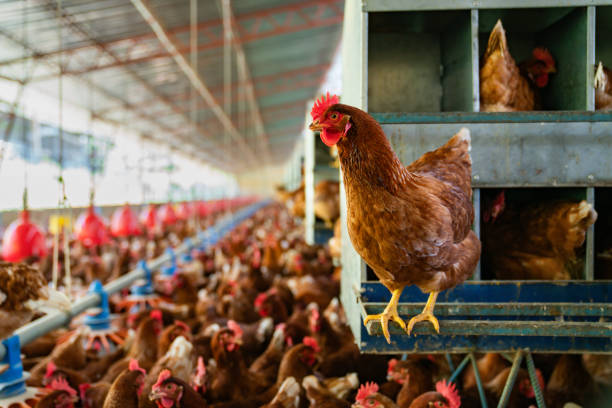
Routine Disinfection When the Flock Is Healthy
Disinfection frequency depends on farm scale, stocking density, production type, housing system, weather, disease history, and the level of movement of people and vehicles. A fixed schedule should not be applied to every farm.
Under normal conditions, some facilities may disinfect weekly or apply more frequent controls at high-risk points such as:
- Farm gates.
- Main pathways.
- Footwear-changing areas.
- Footbaths.
- Isolation areas.
- Waste collection points.
- Shared tools.
- Vehicle access areas.
Specific frequency should be adjusted according to:
- The veterinarian in charge.
- The local livestock and veterinary authority.
- The provincial Department of Agriculture and Environment.
- The assigned local specialized authority.
- The farm’s internal biosecurity procedure.
Increasing Frequency During the Rainy Season, Cold Season, and Disease-Risk Periods
The rainy season may increase housing moisture, make litter dry more slowly, and create conditions for fungi, bacteria, or odor to develop if environmental management is poor.
The cold season, especially in some northern areas, is often a period when more attention should be paid to respiratory diseases and viral risks. However, the actual level of risk also depends on the pathogen strain, local disease situation, and yearly conditions.
When a nearby area has a disease notice, when the farm has just received new chickens, or when abnormal signs appear in the flock, control at high-risk points may need to be strengthened according to veterinary advice. Farms should not set an intensive spraying schedule or increase concentrations on their own without professional guidance.
At the same time, farms need to strengthen:
- Access control.
- Vehicle disinfection.
- Water source control.
- Source flock checking.
- Shared tool management.
- Flock health monitoring.
- Disinfection log recording.
- Reporting to the specialized authority if signs of notifiable disease appear.
Disinfection Before a New Production Cycle and When an Outbreak Is Detected
Disinfecting empty housing before a new production cycle is the most important time to clean the environment because no animals are present. Farms can carry out deep cleaning, treat multiple surfaces, and maintain sufficient contact time according to product instructions.
The procedure usually includes:
- Thorough mechanical cleaning.
- Washing the housing.
- Cleaning feeders, drinkers, and drainage channels.
- Allowing surfaces to dry or drain as required by the product.
- Spraying a suitable chemical product.
- Maintaining sufficient contact time.
- Ventilating the housing.
- Keeping the housing empty according to the farm procedure.
- Rechecking before introducing the flock.
If an outbreak is detected or suspected:
- Report to the local livestock and veterinary authority according to regulations.
- Isolate or restrict access to risk areas under professional guidance.
- Do not increase concentration beyond the label.
- Do not mix multiple chemicals.
- Use active ingredients suitable for the target pathogen under guidance.
- Expand treatment to pathways, vehicles, tools, and surrounding areas if recommended.
- Record the full disinfection process.
- Work with a veterinarian or specialized authority to evaluate the situation before restocking.
Biosecurity and Chemical Safety Notes
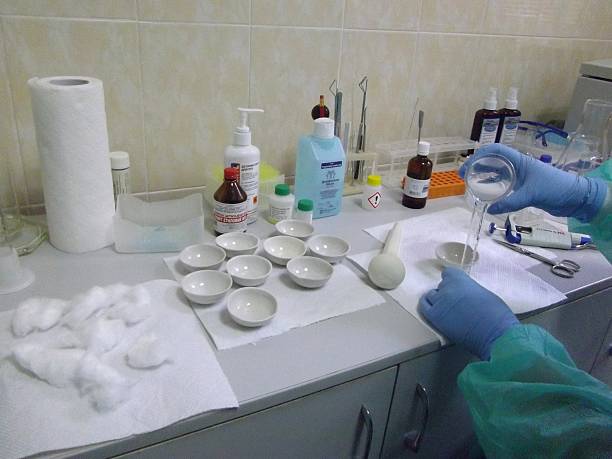
Personal Protective Equipment for Eyes, Skin, and Respiratory Tract
When diluting and spraying disinfectants, applicators need protective equipment suitable for the product being used. Disinfection should not be treated as a simple task because many chemicals may cause irritation or danger if contact occurs.
Protective equipment should include:
- Safety goggles or face shield.
- Thick rubber gloves.
- Protective clothing or rainwear used only for chemical treatment areas.
- Rubber boots; open footwear should not be worn.
- Respiratory protection suitable for the warnings on the product label.
An N95 mask is suitable only for certain dust or particulate forms and does not replace a chemical respirator when products produce vapors, gases, or strong chemical odors. When using aldehydes, high-concentration chlorine, or products with inhalation warnings, respiratory protection should be selected according to the label and occupational safety recommendations.
After finishing, applicators should:
- Change clothes.
- Wash protective clothing separately.
- Wash hands and face.
- Shower thoroughly.
- Avoid bringing dirty equipment into living areas.
- Avoid eating, drinking, or smoking while diluting or spraying chemicals.
If chemicals contact the eyes or skin:
- Rinse immediately with plenty of clean water.
- Do not rub.
- Seek medical advice if irritation persists.
- Bring the product label to the medical facility if possible.
Do Not Spray Directly on Chickens, Follow Safe-Use Time, and Handle Wastewater Properly
Most environmental disinfectants should not be sprayed directly onto chickens. Spraying in housing areas where chickens are present should only be carried out when the product label provides clear instructions and users apply the correct concentration, spraying method, ventilation, and safe-use time.
Treatment in housing areas where chickens are present should only be considered when all of the following conditions are met:
- The manufacturer clearly states that the product may be used when poultry are present.
- Suitable concentration and method of use are provided.
- The product is not sprayed directly into chickens’ face, eyes, nose, mouth, or respiratory tract.
- Chickens are not made excessively wet.
- The housing has suitable ventilation.
- Someone monitors the flock’s response after treatment.
Some disinfectants such as QACs, iodophors, or peroxygen compounds may be used in areas with chickens if the label allows it and users follow the correct concentration, method, ventilation, and safe-use time. Microbial preparations are usually more suitable for supporting environmental, odor, or litter management and should not be treated as substitutes for disinfectants when rapid pathogen-pressure reduction is needed.
A fixed waiting time should not be applied to all disinfectants. The waiting time before chickens return depends on the active ingredient, concentration, treatment method, ventilation, weather conditions, housing type, and product label instructions.
Before chickens are allowed to return, make sure that:
- The required contact time stated on the label has been completed.
- The housing has been ventilated properly.
- No strong chemical odor remains at a noticeable level.
- The floor is relatively dry.
- Feeders and drinkers have been rinsed with clean water if the label requires it.
- The ventilation system is working normally.
- No standing solution remains in areas where chickens may have direct contact.
Wastewater containing chemicals should be collected or treated according to regulations. It should not be discharged directly into:
- Ponds.
- Lakes.
- Canals.
- Ditches.
- Domestic water sources.
- Other livestock areas.
- Uncontrolled drainage areas.
Common Mistakes When Using Poultry Housing Disinfectants
Not Removing Manure Before Spraying
This is the most common mistake. Organic matter such as manure, mud, litter, and leftover feed can significantly reduce the effectiveness of many active ingredients, causing the product to underperform even when diluted correctly.
How to fix it:
- Remove manure before spraying.
- Remove old litter.
- Wash floors, walls, and tools.
- Clean feeders and drinkers.
- Clear drainage channels.
- Allow surfaces to drain or meet the condition required by the label.
Diluting the Product Too Much
Over-dilution may result in an active ingredient concentration that is not sufficient to reduce pathogens as intended. This creates a false sense of safety while pathogen pressure in the housing environment may remain high.
How to fix it:
- Use measuring tools.
- Dilute according to the label.
- Do not infer dilution ratios from experience or from another product.
- Do not dilute further to save product unless the label allows it.
Using an Overly Concentrated Solution
A more concentrated solution does not necessarily mean better effectiveness. It may increase risks to people, chickens, equipment, and the environment.
Over-concentration may:
- Waste product.
- Increase irritation risk.
- Increase corrosion risk.
- Harm people and chickens.
- Increase chemical odor in the housing.
- Increase residue risk.
- Fail to significantly improve effectiveness compared with the recommended concentration.
How to fix it:
- Always follow the concentration stated on the label.
- Do not increase concentration during disease events without professional guidance.
- Do not use dilution rates intended for empty housing in areas where chickens are present.
Missing Drainage Channels and Hidden Corners
Drainage channels, hidden corners, wall cracks, areas under feeders, and floor-wall junctions often accumulate organic matter and pathogens but are easily missed.
How to fix it:
- Create a checklist of areas to spray.
- Spray from inside to outside.
- Spray from top to bottom.
- Recheck hidden areas after spraying.
- Treat drainage channels after they have been cleaned and wastewater is controlled.
Using One Product for Too Long Without Evaluating Effectiveness
Repeated use of one active ingredient over a long period without evaluating effectiveness may make the disinfection program less suitable, especially when the target pathogen, organic matter level, cleaning procedure, or housing conditions have changed.
However, active ingredient rotation should not be done arbitrarily. It needs technical reasoning and professional advice.
Evaluation should be based on:
- Target pathogen.
- Farm conditions.
- Product compatibility.
- Disease history.
- Hygiene results after spraying.
- Technical plan.
- Veterinary advice.
Not Checking the Expiry Date
Products that have been opened for a long time, stored improperly, or have expired may lose effectiveness. Some products also have specific requirements for temperature, light exposure, packaging closure, or use after dilution.
How to fix it:
- Check the expiry date before dilution.
- Check packaging condition.
- Do not use products that have changed color, formed clumps, developed abnormal odor, or leaked.
- Store according to label instructions.
- Do not keep diluted solution overnight unless the manufacturer allows it.
Practical Checklist for Poultry Housing Disinfection Day
Before Disinfection
- All manure and litter have been collected and handled.
- Floors, walls, feeders, and drinkers have been washed.
- Drainage channels have been cleaned.
- Sensitive electrical equipment has been covered or removed.
- Goggles, gloves, respiratory protection, protective clothing, and boots have been prepared.
- Product expiry date has been checked.
- Packaging condition has been checked.
- Measuring tools have been prepared.
- The correct concentration according to the label has been identified.
- Whether the product is suitable for empty housing or housing with chickens has been confirmed.
- A ventilation plan after treatment has been prepared.
During Disinfection
- The product is diluted at the correct ratio.
- Clean water is used.
- Chemicals from different active ingredient groups are not mixed unless guidance is available.
- Spraying follows this order: ceiling and upper walls → middle walls → floor → feeders → drainage channels.
- Spraying moves from inside to outside.
- Hidden corners are not missed.
- The product is not sprayed directly onto chickens.
- Contact time stated on the label is maintained.
- Housing is ventilated after the contact time.
- Excess solution is not allowed to flow into water sources or uncontrolled areas.
After Disinfection
- Contact time and safe-use time stated on the label have been completed.
- Drinkers and feeders have been rinsed with clean water if required by the label.
- Floors are dry or meet the farm procedure.
- No standing water remains.
- Electrical equipment has been reinstalled.
- The ventilation system is working normally.
- The disinfection date has been recorded.
- Product name and concentration have been recorded.
- Applicator and treated areas have been recorded.
- Leftover solution and packaging have been handled according to regulations.
- The flock has been monitored if chickens are present in the housing.
Frequently Asked Questions About Poultry Housing Disinfectants

Is lime powder enough for poultry housing disinfection, or are chemical disinfectants still needed?
Lime powder may support treatment of floors, pathways, and areas around housing by creating an alkaline environment and helping dry certain damp areas. However, lime powder is not a broad-spectrum disinfectant and cannot fully replace chemical disinfectants when rapid reduction of pathogen pressure is needed.
The effectiveness of lime powder depends on:
- Type of lime.
- Amount used.
- Contact time.
- Floor conditions.
- Surface cleanliness.
- Moisture.
- Level of organic matter.
Under normal conditions, lime powder is often used as a supporting measure on floors, pathways, and areas around housing. When disease risk is present or when empty housing needs to be treated before a new production cycle, a disinfectant suitable for the target pathogen should be selected, and veterinary guidance should be consulted.
Do chickens need to be removed from the housing before disinfectant spraying?
This depends on the product, concentration, spraying method, ventilation conditions, and product label instructions.
Formalin should not be used when chickens are present. High-concentration Chloramine B, aldehydes, phenolics, or chemicals with strong vapors or odors also require caution and should only be used under clear guidance.
Some disinfectants such as QACs, iodophors, or peroxygen compounds may be used in areas where chickens are present if the label allows it and users follow the correct concentration, method, ventilation, and safe-use time. Microbial preparations are usually more suitable for supporting environmental, odor, or litter management and should not be treated as substitutes for disinfectants when rapid pathogen-pressure reduction is needed.
The most important principle is to always read the product label carefully, avoid using products outside their stated scope, and prioritize flock safety.
How long after disinfection can chickens return?
There is no fixed waiting time that applies to every product. The timing depends on the active ingredient, concentration, treatment method, ventilation, weather conditions, housing type, and label instructions.
Before chickens return, make sure:
- Contact time and safe-use time stated on the label have been completed.
- The housing has been ventilated.
- No strong chemical odor remains at a noticeable level.
- The housing is relatively dry or meets the farm procedure.
- Drinkers have been rinsed clean if the label requires it.
- Feeders have been cleaned.
- The ventilation system is working well.
- No standing solution remains in areas where chickens may have direct contact.
For formalin or fumigation methods, they should only be carried out in empty housing, and isolation time, ventilation, and safety checks must follow professional guidance. A general waiting time should not be applied without an approved procedure.
Should multiple disinfectants be used at the same time or rotated?
Multiple disinfectants should not be mixed in the same dilution because this may cause chemical reactions, reduce effectiveness, release toxic gas, or increase risks to people and animals.
Products should not be mixed unless clear guidance is available from the manufacturer, veterinarian, or specialized authority.
Active ingredient rotation may be considered in a long-term hygiene program, but it should be based on:
- Target pathogen.
- Product label.
- Compatibility.
- Disease history.
- Housing conditions.
- Technical plan.
- Veterinary advice.
Active ingredient rotation does not replace mechanical cleaning, correct dilution, and sufficient contact time.
How is poultry housing disinfection during disease season different from routine disinfection?
Disinfection during disease season or when a disease risk is present should be carried out under professional guidance, not simply by increasing frequency based on experience.
When disease risk is present, farms need to:
- Strengthen access control.
- Disinfect vehicles.
- Control water sources.
- Control shared tools.
- Expand treatment to pathways, housing entrances, and vehicle areas.
- Use products with suitable efficacy claims for the target pathogen.
- Apply concentration and contact time according to guidance.
- Report and coordinate with the local livestock and veterinary authority if signs of notifiable disease appear.
Concentrations should not be increased arbitrarily, chemicals should not be mixed, and fumigation should not be carried out without guidance. In disease-risk situations, disinfection must be combined with isolation, flock monitoring, waste management, access control, and other biosecurity measures.
Strengthen Poultry-Farm Biosecurity at VIETSTOCK 2026
Poultry-house disinfection needs to address more than floors and walls. Effective programs also control litter moisture, drinking-water hygiene, feeder cleanliness, ventilation equipment, drainage, farm access, shared tools, and contamination carried between production cycles.
At VIETSTOCK 2026, poultry producers, farm managers, veterinarians, animal-health companies, and equipment suppliers can explore solutions designed for the specific operating conditions of broiler, layer, breeder, and young-poultry systems.
Visitors can:
- Compare disinfectant products for empty housing, occupied areas, equipment, and farm-access points.
- Explore litter-treatment, moisture-control, odour-management, and environmental-monitoring solutions.
- Discover cleaning and sanitation equipment for feeders, drinkers, water lines, cages, drains, and ventilation systems.
- Connect with animal-health companies, microbial-product suppliers, and poultry-equipment providers.
- Review dosing, spraying, and automated hygiene technologies for different poultry-house scales.
- Discuss how to build a cleaning and disinfection schedule suited to each production cycle and disease-risk level.
Expected to feature more than 300 brands, over 10,000 sqm of exhibition space, and 13,000 trade visitors from more than 40 countries and territories, VIETSTOCK 2026 creates opportunities for stakeholders across the poultry value chain to compare technologies, exchange operational needs, and develop specialized business connections.
Alongside the exhibition and business-networking activities, VIETSTOCK 2026 will also organize an On-Farm Seminar Series, bringing practical knowledge on flock management, disease prevention, biosecurity, and livestock-production efficiency to key livestock regions.
Date: 21–23 October 2026
Venue: Saigon Exhibition and Convention Center – SECC, 799 Nguyen Van Linh Street, Tan My Ward, Ho Chi Minh City, Vietnam
Event website: https://www.vietstock.org/en/
👉 Register to visit VIETSTOCK 2026 and explore poultry-house disinfection, litter management, drinking-water hygiene, and biosecurity solutions:
https://www.vietstock.org/en/online-registration-2/
👉 Learn more about the VIETSTOCK 2026 On-Farm Seminar Series:
https://www.vietstock.org/en/event-features/vietstock-2026-livestock-roadshows-bringing-industry-knowledge-to-key-livestock-regions/
CONTACT INFORMATION:
Exhibiting: Ms. Sophie Nguyen – [email protected]
Visitor Support: Ms. Phuong – [email protected]
Marcom Support: Ms. Anita Pham – [email protected]