Postpartum Metritis and Endometritis in Cattle: Clinical Signs, Risk Factors, and Prevention
Learn how to recognize postpartum metritis and endometritis in cattle, identify key risk factors after calving, and improve prevention through better hygiene, calving management, and postpartum monitoring.
After calving, a cow’s uterus requires several weeks to undergo involution, eliminate postpartum discharge, and regenerate the endometrium. During this period, the presence of uterine or vaginal discharge does not automatically mean that the cow has metritis or endometritis.
What matters is how the discharge changes over time and whether it is accompanied by other findings such as:
- Fever;
- Reduced feed intake;
- Reduced milk production;
- Lethargy or systemic illness;
- Risk factors such as dystocia or retained fetal membranes.
In postpartum cattle, it is also important to distinguish between two conditions that may both be broadly described as “uterine inflammation”:
- Metritis: primarily occurs during the first few weeks after calving and may be accompanied by systemic illness.
- Endometritis: is generally evaluated later in the postpartum period. A commonly used clinical definition includes purulent discharge from approximately 21 days postpartum or mucopurulent discharge from approximately 26 days postpartum, without obvious systemic illness.
This distinction helps livestock producers avoid two common errors: treating every postpartum discharge as disease or, conversely, overlooking cows that are showing genuine signs of postpartum uterine disease.
This article focuses primarily on cattle, particularly dairy cows. The timelines discussed below should not be applied unchanged to goats, sheep, horses, or other livestock species.
1. After Calving, What Is Normal and What Requires Attention?
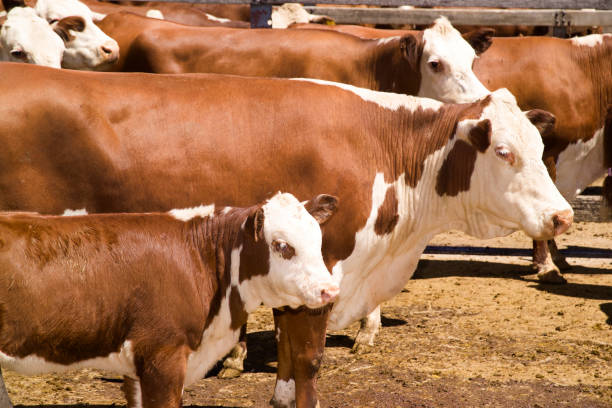
Immediately after calving, the uterus begins the process of uterine involution, gradually returning toward its non-pregnant state.
During this process:
- Uterine size gradually decreases.
- Postpartum uterine discharge, or lochia, is expelled.
- The endometrium undergoes repair and regeneration.
- Local immune defenses respond to bacteria that may enter the reproductive tract during and after parturition.
In cattle, uterine involution occurs over several weeks and often approaches completion at approximately 40–45 days postpartum, although the rate of recovery varies among individual cows.
Does the Presence of Bacteria in the Postpartum Uterus Mean the Cow Is Diseased?
No.
Bacteria may enter the reproductive tract after calving, but not every cow develops metritis or endometritis.
Whether disease develops depends on multiple factors, including:
- Degree of tissue trauma during calving;
- Uterine involution;
- Immune function;
- Dystocia;
- Retained fetal membranes;
- Metabolic status;
- Hygiene of the calving area;
- Degree of obstetrical intervention.
Healthy cows may eliminate much of the bacterial contamination as normal postpartum recovery progresses.
Does Red or Brown Postpartum Discharge Mean the Cow Has Metritis?
Not necessarily.
During the early postpartum period, lochia may be:
- Red;
- Reddish-brown;
- Variable in color and consistency as recovery progresses.
Therefore, discharge color alone is not sufficient to diagnose uterine disease.
Greater concern is warranted when abnormal discharge occurs together with:
- A distinctly fetid odor;
- An unusually large amount of discharge;
- Reduced feed intake;
- Reduced milk production;
- Fever;
- Lethargy or marked systemic illness.
2. The First 24 Hours After Calving: Monitor Dystocia, Trauma, and Retained Fetal Membranes
Part of the risk of postpartum uterine disease is established during the calving process itself.
For this reason, postpartum records should begin at calving rather than only when abnormal discharge is first noticed.
How Does Dystocia Increase Risk?
Prolonged calving or extensive obstetrical intervention may:
- Increase tissue trauma;
- Increase exposure of the reproductive tract to bacteria;
- Delay recovery;
- Create conditions that favor bacterial proliferation within the postpartum uterus.
Particular attention should be given to cows that experience:
- Assisted fetal extraction;
- An oversized calf;
- Fetal malposition;
- Twin birth;
- Stillbirth;
- Prolonged obstetrical intervention.
Hygiene During Calving Assistance Is Important
Practices that may increase the risk of bacterial contamination include:
- Failing to clean hands appropriately before intervention.
- Not using clean, disposable long obstetrical gloves.
- Using obstetrical chains, ropes, or equipment that have not been appropriately cleaned and disinfected.
- Repeatedly using contaminated equipment during intervention.
- Inadequate lubrication.
- Applying traction too early or using inappropriate force.
The objective of assisted calving is not simply to deliver the calf. The procedure should also minimize trauma and reduce the introduction of bacteria into the reproductive tract.
When Are Retained Fetal Membranes Identified in Cattle?
Under normal circumstances, fetal membranes are usually expelled during the first several hours after calving.
When the fetal membranes have not been expelled within 24 hours after calving, the condition is commonly classified as retained fetal membranes (RFM), often referred to as retained placenta.
RFM is an important risk factor for postpartum metritis, but:
Retained fetal membranes do not mean that the cow already has metritis.
These cows should instead be placed in a higher-risk postpartum monitoring group.
Should the Retained Membranes Be Pulled or Manually Removed?
Manual removal or forceful pulling is not recommended as a routine farm practice.
Doing so may:
- Cause tissue trauma;
- Unnecessarily interfere with the recovering uterus;
- Complicate postpartum recovery.
Instead, monitor:
- Overall clinical condition;
- Body temperature when disease is suspected;
- Feed intake;
- Milk production;
- Characteristics of uterine or vaginal discharge.
3. The Early Postpartum Period: When Should Metritis Be Suspected?
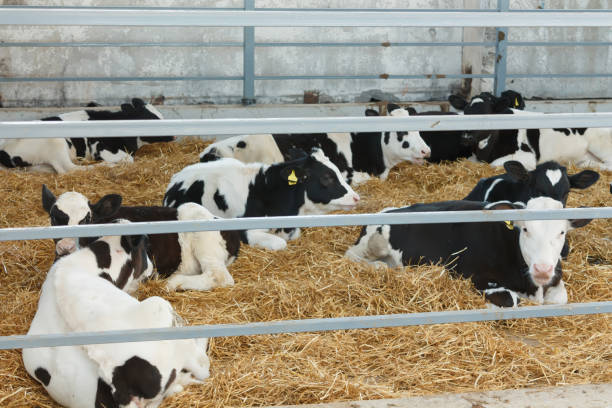
Metritis primarily occurs during the first few weeks after calving.
More severe cases, often described as acute puerperal metritis, may involve both uterine abnormalities and systemic illness.
Farm personnel should therefore evaluate a combination of clinical findings rather than judging the cow solely by the appearance of discharge.
What Characteristics of Uterine Discharge Are Concerning?
Abnormal discharge may be:
- Unusually watery;
- Reddish-brown;
- Clearly fetid;
- Present in large amounts;
- Sufficient to contaminate the tail and vulvar area.
However, discharge should always be interpreted together with the cow’s overall condition.
Important Systemic Clinical Signs
Cows with more severe metritis may show:
- Reduced feed intake;
- Anorexia;
- Reduced milk production;
- Lethargy;
- Reduced activity;
- Dehydration;
- Depression or systemic illness;
- Fever in some cases.
A rectal temperature above approximately 39.5°C, particularly when accompanied by other signs of systemic disease, is an important finding in postpartum cows.
However:
Not every cow with metritis develops fever.
Using body temperature as the only screening criterion can therefore result in affected cows being missed.
Which Cows Should Be Monitored More Closely?
Higher-risk cows include those with:
- Dystocia;
- Retained fetal membranes;
- Stillbirth;
- Twin birth;
- Assisted fetal extraction;
- Reduced feed intake around calving;
- Metabolic disorders;
- Poor overall condition.
These cows should be identified in farm records from the day of calving so that staff know they require closer postpartum monitoring.
4. Later in the Postpartum Period: When Should Endometritis Be Considered?
Metritis and endometritis should not be treated as the same condition differing only in severity.
Clinical endometritis is generally assessed later in the postpartum period.
A commonly used clinical definition in cattle is:
Purulent uterine discharge detectable in the vagina from approximately 21 days postpartum, or mucopurulent discharge from approximately 26 days postpartum, without obvious systemic illness.
This differs from more severe postpartum metritis, which usually occurs earlier and may involve systemic disease.
Why Does Endometritis Matter if the Cow Is Still Eating Normally?
Endometritis may not cause:
- High fever;
- Severe depression;
- Marked loss of appetite.
However, persistent endometrial inflammation may negatively affect subsequent reproductive performance.
Cows with a history of metritis or endometritis may experience:
- Delayed return to reproductive cyclicity;
- Reduced likelihood of conception;
- More inseminations required before pregnancy;
- A longer interval from calving to the next pregnancy.
These reproductive outcomes are generally later consequences, not early clinical signs that should be relied upon to detect metritis.
Do Not Confuse Endometritis With Vaginitis or Cervicitis
The presence of discharge at the vulva does not prove that the discharge originates from the uterus.
Other conditions may include:
Vaginitis
Inflammation is primarily located in the vagina and may be associated with trauma or localized infection following assisted calving.
Cervicitis
Inflammation is primarily located in the cervix and may occur alongside other reproductive-tract disorders.
Metritis/endometritis
These conditions involve the uterus or endometrium.
When differentiation is necessary, a veterinarian may combine:
- Clinical examination;
- Vaginal examination;
- Uterine assessment;
- Evaluation of systemic health;
- Other appropriate diagnostic methods.
5. Why Are Some Cows More Susceptible to Postpartum Uterine Disease?
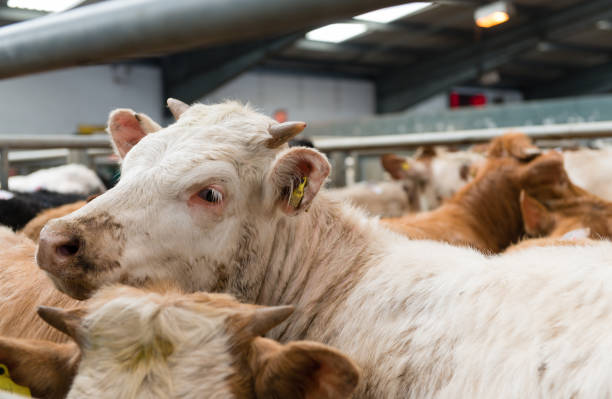
Postpartum uterine disease is not simply a problem of a “dirty barn.”
Multiple factors commonly interact.
They can be grouped into three broad categories.
Group 1: Calving-Related Factors
Important factors include:
- Dystocia;
- Assisted fetal extraction;
- Twin birth;
- Stillbirth;
- Retained fetal membranes;
- Reproductive-tract trauma;
- Extensive obstetrical intervention.
Cows experiencing these events should automatically be considered for a higher-risk category within the farm’s postpartum monitoring program.
Group 2: Environment and Hygiene
Calving areas may increase bacterial exposure when:
- Flooring or bedding is wet.
- Manure accumulation is high.
- Bedding is contaminated.
- Equipment is shared among cows without adequate cleaning.
- The perineal and vulvar areas are heavily contaminated.
- Calving pens are not appropriately prepared before use.
Metritis may involve multiple groups of opportunistic bacteria and disruption of the normal uterine microbial environment.
One or two bacterial species should not be assumed to explain every case of metritis.
Group 3: Nutrition, Metabolism, and Body Condition
The transition period before and after calving places substantial physiological demands on dairy cows.
Factors associated with postpartum disease risk or impaired uterine recovery may include:
- Inappropriate body condition before calving;
- Reduced feed intake around parturition;
- Hypocalcemia;
- Ketosis;
- Prolonged negative energy balance;
- Other metabolic disturbances.
Vitamin E and selenium have important roles in immune and reproductive health, but:
Vitamin E or selenium supplementation should not be treated as a specific preventive treatment for metritis or endometritis.
Rations and supplementation programs should be based on actual nutritional requirements.
Selenium in particular can become toxic when excessive amounts are administered.
6. How Can Postpartum Uterine Disease Affect Reproduction and Farm Performance?
If a farm considers only the cost of an individual veterinary visit or treatment, the broader economic effect of postpartum uterine disease may be underestimated.
The consequences can extend into the next reproductive cycle.
Breeding and Pregnancy Performance
Cows with a history of metritis or endometritis may:
- Return to reproductive cyclicity later;
- Have lower conception rates;
- Require more inseminations;
- Take longer to become pregnant again.
However, delayed pregnancy should not automatically be attributed to uterine disease.
Reproductive performance is also influenced by:
- Nutrition;
- Body condition;
- Milk production;
- Ovarian activity;
- Estrus-detection programs;
- Insemination technique;
- Other postpartum diseases.
Milk Production
Severe metritis may be associated with:
- Reduced feed intake;
- Fever;
- Systemic illness;
- Deterioration in body condition.
Milk production may consequently decline during the period of illness.
However, not every postpartum decrease in milk production should be attributed to uterine disease.
Direct and Indirect Costs
Potential farm costs include:
Direct costs
- Veterinary examination;
- Treatment when indicated;
- Monitoring;
- Additional labor and care.
Reproductive costs
- Increased number of inseminations;
- Longer interval to subsequent pregnancy.
Production costs
- Reduced feed intake;
- Reduced milk production in systemically affected cows.
Risk of culling
Cows with persistently poor reproductive performance may be removed from the herd earlier than planned.
7. Prevention of Postpartum Uterine Disease Should Begin Before Calving
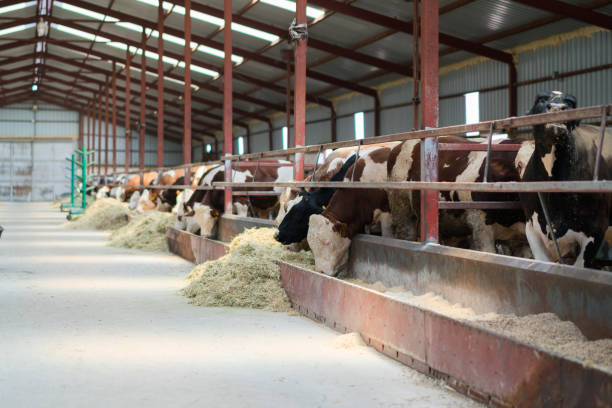
Effective prevention cannot begin only when fetid discharge is detected.
Management should continue from the pre-calving period through the postpartum weeks.
Stage 1: Before Calving
The calving area should be:
- Clean;
- Dry;
- Relatively free of manure and excessive organic material;
- Prepared according to the farm’s biosecurity SOP.
Appropriate supplies should be available, including:
- Clean disposable long obstetrical gloves;
- Obstetrical ropes or chains;
- Appropriately cleaned obstetrical equipment;
- Veterinary obstetrical lubricant.
There is no need to impose an arbitrary rule such as cleaning a calving pen exactly one or two days before expected calving.
The objective is for the cow to enter a clean, dry calving environment.
Stage 2: During Calving
Important principles include:
- Monitor the progression of labor.
- Avoid intervening too early.
- Intervene when assistance is genuinely needed.
- Use adequate lubrication.
- Minimize tissue trauma.
- Keep equipment clean.
- Change gloves when they become clearly contaminated.
- Avoid inappropriate traction.
After calving, record whether the cow experienced:
- Normal calving or dystocia;
- Assisted fetal extraction;
- Twin birth;
- Stillbirth;
- Trauma;
- Other abnormalities.
These records help identify cows that require closer postpartum monitoring.
Stage 3: The First 24–72 Hours After Calving
Monitor:
- Expulsion of the fetal membranes;
- Feed intake;
- Milk production;
- Overall condition;
- Postpartum discharge;
- Signs of weakness or systemic disease.
If the fetal membranes have not been expelled after 24 hours, record the cow as having retained fetal membranes and place her in a higher-risk monitoring group.
Do not independently pull or manually remove the retained membranes.
Maintain:
- A clean perineal and vulvar area;
- Dry bedding;
- A clean resting area;
- Easy access to feed and water.
If fetid discharge develops together with reduced feed intake, reduced milk production, or systemic clinical signs, veterinary assessment is warranted.
Stage 4: Monitoring From Day 7 to Approximately Day 45
The following timeline can be used as a practical reference:
| Period | Key Points to Monitor |
| Days 1–7 | Feed intake, milk production, postpartum discharge, body temperature when disease is suspected, and clinical signs of metritis |
| Days 7–14 | Recovery trend, decreasing postpartum discharge, and overall clinical condition |
| Days 21–30 | Evaluation of cows at risk of endometritis or delayed uterine involution |
| Days 30–45 | Reproductive recovery and persistent abnormalities |
There is no need to wait until a predetermined screening day if a cow develops signs of disease earlier.
For example, if on day three a cow already has:
- Fetid discharge;
- Anorexia;
- Reduced milk production;
- Weakness or systemic illness,
the farm should not wait until day seven before seeking assessment.
8. When Should a Veterinarian Be Contacted Promptly?
Early veterinary assessment is warranted when a cow develops:
- Clearly fetid uterine discharge;
- Fever together with reduced feed intake;
- A marked decline in milk production;
- Lethargy or systemic depression;
- Dehydration;
- Rapid deterioration;
- Abnormal postpartum recovery following dystocia;
- Retained fetal membranes together with systemic clinical signs;
- Reproductive-tract trauma;
- Failure to recover as expected.
Livestock producers should not independently administer:
- Antibiotics;
- Intrauterine medicines;
- Hormones;
- Other postpartum medicines
solely because abnormal discharge is visible.
A veterinarian should assess:
- Whether the condition is metritis or endometritis;
- Disease severity;
- Overall systemic condition;
- Concurrent postpartum disorders;
- Whether treatment is indicated and which treatment approach is appropriate.
9. Frequently Asked Questions About Postpartum Metritis and Endometritis
Can Postpartum Uterine Disease Resolve Without Treatment?
Some cows can eliminate postpartum bacterial contamination and recover normally without developing persistent uterine disease.
However, veterinary assessment should not be delayed when genuine signs of disease are present.
In particular, suspected acute puerperal metritis accompanied by:
- Fever;
- Reduced feed intake;
- Reduced milk production;
- Dehydration;
- Systemic depression
requires timely veterinary assessment.
When Should the Uterus Be Checked After Calving?
There is no single examination day that applies to every cow.
During the first several days after calving, cows should be monitored routinely.
Cows with:
- Dystocia;
- Retained fetal membranes;
- Twin birth;
- Stillbirth;
- Clinical illness
require earlier and closer attention.
From approximately 21 days postpartum, higher-risk cows or cows with abnormal discharge may be included in the herd’s endometritis assessment program. Interpretation of discharge should also consider that commonly used clinical definitions distinguish purulent discharge from approximately day 21 and mucopurulent discharge from approximately day 26 postpartum.
Does Reddish-Brown Discharge After Calving Mean Metritis?
Not necessarily.
Normal postpartum lochia can be red or reddish-brown during the early postpartum period.
More important considerations include:
- Odor;
- Amount;
- Timing;
- Overall clinical condition;
- Feed intake;
- Milk production.
Should Retained Fetal Membranes Be Pulled Out?
Manual removal or forceful pulling should not be performed routinely.
In cattle, when fetal membranes have not been expelled within 24 hours after calving, the condition should be recorded as retained fetal membranes and the cow should receive appropriate postpartum monitoring.
Can Metritis Spread Directly From One Cow to Another?
Typical postpartum metritis should not be considered a directly contagious disease in the same way as conventional infectious diseases that spread readily between animals.
However, calving-pen hygiene, equipment hygiene, and clean obstetrical practices remain important because contaminated environments and poor hygiene can increase postpartum bacterial exposure across multiple cows within a herd.
Can Vitamins and Minerals Completely Prevent Metritis?
No.
Appropriate nutrition can support:
- General health;
- Immune function;
- Metabolism;
- Postpartum recovery.
However, vitamins and minerals do not replace:
- Calving-area hygiene;
- Appropriate obstetrical procedures;
- Management of retained fetal membranes;
- Postpartum monitoring;
- Control of metabolic disease.
Improving Reproductive Health Management in Cattle at VIETSTOCK 2026
Postpartum uterine disease demonstrates that reproductive health management does not begin only after a cow has calved.
Disease risk may develop during the transition period and can be influenced by:
- The condition of the calving area;
- The progression of labor;
- The degree of obstetrical intervention;
- Placental status after calving;
- Metabolic status;
- The way cows are monitored during the first postpartum weeks.
An effective prevention program therefore connects nutrition, reproductive management, hygiene, veterinary care, and postpartum data rather than focusing only on treatment after abnormal discharge has appeared.
VIETSTOCK 2026 provides an industry networking platform for livestock producers, veterinarians, businesses, technology providers, and other organizations across the livestock value chain.
The event is expected to bring together more than 300 brands, over 10,000 sqm of exhibition area, and 13,000 trade visitors from more than 40 countries and territories.
For reproductive health and postpartum management, visitors can explore:
- Solutions for breeding, reproduction, and herd-data management.
- Nutrition, minerals, vitamins, and electrolyte products supporting transition-period management.
- Supplies for calving assistance, hygiene, and postpartum care.
- Solutions for health monitoring, abnormality alerts, and reproductive-data recording.
- Technologies supporting farm management and data-driven decision-making.
Through the VIETSTOCK 2026 Livestock Roadshows in Bac Ninh, Dong Thap and Ho Chi Minh City, VIETSTOCK 2026 continues to bring practical knowledge on herd management, disease prevention, biosecurity, and improving livestock production efficiency to key livestock-producing regions.
For livestock farms, this also provides an opportunity to approach reproductive health as part of a long-term herd management system, rather than addressing individual postpartum cases in isolation.
Date: 21–23 October 2026
Venue: Saigon Exhibition and Convention Center (SECC), 799 Nguyen Van Linh Street, Tan My Ward, Ho Chi Minh City, Vietnam
Event website:
VIETSTOCK 2026 English website
👉 Visitor registration for VIETSTOCK 2026
👉 Learn more about the VIETSTOCK 2026 Livestock Roadshows
Contact information:
Exhibiting: Ms. Sophie Nguyen – [email protected]
Visitor Support: Ms. Phuong – [email protected]
Marcom Support: Ms. Anita Pham – [email protected]