Antimicrobial Susceptibility Testing in Veterinary Medicine: When It Is Needed and How to Interpret the Results
Antimicrobial susceptibility testing helps veterinarians assess bacterial susceptibility to antibiotics, interpret S/I/R and MIC results, and make more informed treatment decisions in livestock.
Antimicrobial susceptibility testing (AST) in veterinary medicine is a microbiological test used to determine how susceptible an isolated bacterium is to specific antimicrobial agents. The results provide additional evidence that can help veterinarians select a more appropriate antibiotic rather than relying solely on empirical treatment, particularly when antimicrobial resistance is suspected or initial treatment does not produce the expected response.
AST is an important tool as antimicrobial resistance becomes an increasing concern in livestock production. However, susceptibility results should not be interpreted in isolation. They need to be considered alongside the clinical presentation, bacterial species, site of infection, animal health status, approved medicines, and current regulations.
This article explains what antimicrobial susceptibility testing is, when it may be indicated, how the process works from a livestock producer’s perspective, how to interpret S/I/R categories and MIC values, and what factors should be considered when selecting antibiotics based on test results.
What Is Antimicrobial Susceptibility Testing in Veterinary Medicine?
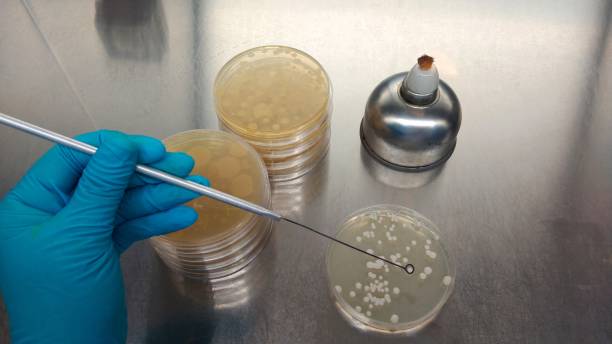
Definition and Purpose of Veterinary Antimicrobial Susceptibility Testing
Antimicrobial susceptibility testing (AST) is a microbiological test in which bacteria isolated from an animal clinical specimen are tested for their susceptibility to specific antimicrobial agents.
Under laboratory conditions, the results indicate the susceptibility of the bacterial isolate to each antimicrobial according to the testing method and breakpoints being applied. This information can help veterinarians assess which medicines may remain suitable and which may have a higher risk of failing to achieve the desired treatment outcome.
The main purpose of AST is to provide additional evidence for antimicrobial treatment decisions, particularly when disease does not respond to initial treatment, recurs after treatment, or may involve antimicrobial-resistant bacteria.
AST alone cannot determine an entire treatment protocol. Results still need to be interpreted in the context of case history, clinical signs, site of infection, the isolated organism, the pharmacokinetic and pharmacodynamic characteristics of the medicine, and current veterinary medicine regulations.
How Is AST Different From Empirical Antibiotic Treatment?
Empirical antibiotic treatment refers to the initial selection of an antibiotic by a veterinarian based on the clinical presentation, suspected pathogen, epidemiological information, previous treatment history, and antimicrobial use within the herd or flock before complete microbiological results are available.
This approach can save valuable time when early treatment is needed. However, there is a risk of selecting an inappropriate antibiotic if the underlying cause has not been accurately identified or if the bacteria have reduced susceptibility to commonly used medicines.
AST differs because it provides experimental data from a bacterial isolate obtained from a clinical specimen. When the specimen has been collected correctly and the isolated bacterium is considered clinically relevant, the results can help veterinarians assess its susceptibility to each antimicrobial tested.
This may help reduce inappropriate antimicrobial use, reduce repeated trial-and-error changes in antimicrobial treatment, and support more responsible antimicrobial stewardship on farms.
Role in Disease Management and Reducing Antimicrobial Resistance
AST can provide value beyond an individual disease case. When data are collected consistently from a sufficient number of representative samples, susceptibility results from multiple disease episodes may help farms monitor changes in susceptibility patterns among commonly identified bacteria.
These data can be considered alongside treatment records, epidemiological information, and production data to help veterinarians develop an antimicrobial management program that better reflects the farm’s actual situation.
However, a small number of individual AST results cannot represent the farm’s overall antimicrobial resistance situation. The value of the data depends substantially on sampling quality, the number of bacterial isolates tested, sample representativeness, laboratory methods, and appropriate interpretation of the results.
When Should Antimicrobial Susceptibility Testing Be Performed in Livestock?
Clinical Situations Where AST May Be Valuable
Not every disease case requires antimicrobial susceptibility testing. The following are situations in which AST may provide significant value:
- Failure to respond to treatment or recurrent disease: The herd or flock has been treated with antibiotics but does not improve within an appropriate evaluation period for the clinical situation and medicine used, or the disease returns after treatment. This indicates a need to reassess the diagnosis, causative agent, medication history, and the possibility of reduced bacterial susceptibility or antimicrobial resistance.
- Widespread disease or an unusual increase in mortality: When there is reasonable suspicion of a bacterial cause, bacterial culture and AST using an appropriate specimen may help veterinarians identify the causative organism and consider treatment options for the herd or flock.
- Suspected bacteria with antimicrobial resistance risk: Bacteria such as Pasteurella multocida, Escherichia coli, or organisms associated with septicemia may show different resistance patterns across farms, regions, and time periods. AST can help support more appropriate medicine selection when the isolated organism is considered clinically relevant.
- Before developing a treatment approach for high-value herds or flocks: In sow herds, dairy cattle, or breeder poultry, an inappropriate treatment decision may result in losses greater than the cost of testing.
- Monitoring antimicrobial resistance trends on the farm: When susceptibility data are collected from a sufficiently large number of samples using consistent methods, accumulated AST results may help identify resistance trends among commonly encountered bacteria.
When AST May Not Be Necessary or May Not Yet Be Needed
AST is not necessary in every situation. Whether testing should be performed should be determined by a veterinarian based on the clinical presentation, level of risk, and treatment objective:
- Diseases caused solely by viruses: antibiotics do not act directly against viruses, so AST is not used to assess viral pathogens. However, if a secondary bacterial infection is suspected, bacterial culture and AST may still be indicated.
- Some low-risk cases with a relatively clear clinical presentation: a veterinarian may consider initial empirical treatment when antimicrobial use is consistent with veterinary indications, the product label, and current regulations.
- Situations requiring early treatment while awaiting test results: when practical, samples may be collected before treatment. The veterinarian may then consider empirical treatment and adjust the approach once laboratory results become available.
- When an appropriate, good-quality sample cannot be obtained: bacterial culture and susceptibility results may not accurately reflect the causative organism if the specimen is improperly collected or of inadequate quality.
Veterinary Antimicrobial Susceptibility Testing: The Process From a Livestock Producer’s Perspective

Proper Specimen Collection and Preparation Before Submission
The quality of AST results depends heavily on specimen collection, in addition to laboratory capability and correct interpretation.
When the clinical situation allows, specimens should ideally be collected before antimicrobial treatment begins because previous antibiotic use may reduce the likelihood of successfully isolating the causative bacteria.
If the animal has already received treatment, medication should not be stopped solely for the purpose of sample collection without professional guidance. The veterinarian should consult the diagnostic laboratory to determine an appropriate sampling time based on the antimicrobial previously used, timing of administration, clinical situation, sample type, and the animal’s condition.
The appropriate sample depends on the suspected site of infection and causative organism:
- Respiratory specimens, respiratory secretions, or affected tissue may be selected for respiratory diseases depending on the suspected site of infection.
- Feces, intestinal contents, or affected tissue may be used for gastrointestinal diseases depending on the suspected pathogen. Results should be interpreted carefully because the gastrointestinal tract contains a normal microbiota.
- Blood may be indicated when septicemia is suspected and should be collected according to an appropriate specialized procedure.
- Joint fluid, affected tissue, or purulent material may be used for localized bacterial infections when appropriate.
Sampling equipment should be suitable for the specimen and should minimize the risk of contamination. Each sample should be accompanied by sufficient information, including animal species, age, clinical signs, sampling site, recently used medicines, timing of medication, and date of sample collection.
This information helps the laboratory assess sample quality and select more appropriate culture procedures and antimicrobial panels.
Sample Storage, Transport, and Coordination With the Diagnostic Laboratory
After sample collection, storage and transport conditions should be selected according to the specific specimen and transport medium.
Many microbiological specimens need to be maintained under appropriate refrigerated conditions, while certain specimen types or specialized transport media may require different conditions. Therefore, a single temperature or transport time should not be applied to every type of specimen.
Samples should be delivered to the laboratory as soon as possible under conditions recommended by the laboratory. Inappropriate storage, excessive transport time, or use of an unsuitable transport medium may reduce bacterial viability, increase contamination, or affect the results.
Before collecting and submitting specimens, the veterinarian or farm should contact the laboratory to confirm:
- Appropriate sample type.
- Required collection equipment or transport medium.
- Storage temperature.
- Maximum recommended transport time.
- Clinical and treatment information required on the laboratory submission form.
Coordination among the veterinarian, farm, and diagnostic laboratory increases the likelihood of obtaining results that are clinically meaningful.
Basic Laboratory Steps and Turnaround Time
In the laboratory, the general process may include:
- Culturing the clinical specimen on appropriate media to isolate bacteria.
- Identifying the bacterial isolate.
- Performing antimicrobial susceptibility testing using standardized methods such as disk diffusion or methods that determine MIC values.
- Interpreting results according to breakpoints and standards appropriate to the testing method, bacterial organism, antimicrobial agent, and animal species when relevant data are available.
In veterinary medicine, laboratories may use veterinary-specific standards such as CLSI VET01/VET01S when applicable breakpoints are available. VetCAST, the veterinary subcommittee within the EUCAST framework, is also developing veterinary-specific clinical breakpoints. Breakpoints are not always available for every bacterial organism–antimicrobial–animal species combination.
Turnaround time depends on the bacterial organism, identification method, susceptibility testing method, and individual laboratory procedures. For many commonly encountered bacteria, results may be available within several days after the laboratory receives an acceptable specimen. Slow-growing organisms or cases requiring additional testing may take longer.
While awaiting results, veterinarians may consider initial management or treatment based on disease severity and adjust the approach when additional laboratory evidence becomes available.
How to Read AST Results: S, I, R, and MIC
Understanding the S, I, and R Categories
AST results are commonly presented as a list of tested antimicrobials accompanied by S/I/R interpretive categories. The exact meaning of these categories should be understood according to the standard used by the laboratory.
- S – Susceptible: indicates that the bacterial isolate is categorized as susceptible according to the applicable breakpoint and is expected to have a greater likelihood of responding when the antimicrobial is used under an appropriate treatment regimen.
- I: the meaning should be interpreted according to the laboratory standard being used. Under the CLSI system, I generally refers to Intermediate. Under current EUCAST terminology, I means Susceptible, increased exposure, indicating a high likelihood of therapeutic success when antimicrobial exposure is increased according to an established regimen.
- R – Resistant: indicates a low likelihood of therapeutic success according to the applicable breakpoint. Veterinarians will generally consider another appropriate option when one is available.
An I result should not be used as a reason to independently increase the dose or change the route of administration. Any treatment regimen must remain appropriate for the medicine, approved use, animal species, product label, and professional veterinary assessment.
S/I/R categories depend on the breakpoint system being used, and breakpoints are not necessarily available for every bacterial organism–antimicrobial–animal species combination.
Zones of Inhibition and MIC: What They Mean and How They Are Interpreted
In the disk diffusion method, disks containing antimicrobial agents are placed on an agar surface inoculated with the bacterial isolate. After incubation under standardized conditions, the antimicrobial diffuses into the medium and may create an area around the disk where bacterial growth is inhibited.
The laboratory measures the diameter of this zone of inhibition and compares it with the appropriate breakpoint for the bacterial organism, antimicrobial agent, and testing method to classify the result as S, I, or R.
A larger zone of inhibition does not mean that one antimicrobial is better than another. Different antimicrobials have different diffusion characteristics and breakpoints, so zone diameters should not be directly compared between different medicines.
MIC stands for Minimum Inhibitory Concentration. It is the lowest concentration of an antimicrobial that inhibits visible bacterial growth under defined laboratory conditions.
MIC can be determined using standardized dilution methods or gradient diffusion methods, depending on the laboratory. Unlike disk diffusion, which uses the diameter of the inhibition zone, MIC provides a concentration value that can be compared with the corresponding breakpoint.
An MIC should only be interpreted against the breakpoint for that specific antimicrobial under the applicable standard. MIC values from two different antimicrobials should not be compared to determine which medicine is “stronger” or more appropriate.
Example of a Typical AST Results Table and How to Interpret It
The following is an illustrative example of how an AST results table may be presented. The data are provided only to demonstrate the format and do not represent actual test results or clinical breakpoints:
| Antimicrobial | Test result | Classification |
| Antimicrobial A | According to the applicable breakpoint | R |
| Antimicrobial B | According to the applicable breakpoint | S |
| Antimicrobial C | According to the applicable breakpoint | I |
| Antimicrobial D | According to the applicable breakpoint | S |
| Antimicrobial E | According to the applicable breakpoint | R |
| Antimicrobial F | According to the applicable breakpoint | S |
How to interpret this example:
- Antimicrobials classified as R have a low likelihood of therapeutic success according to the applicable breakpoint and would generally not be preferred options.
- An I result needs to be interpreted according to the standard used by the laboratory and should not be used as a basis for independently changing the dose.
- Antimicrobials classified as S may be considered by the veterinarian together with clinical factors, pharmacokinetics, site of infection, product labeling, and withdrawal periods.
This table only illustrates how susceptibility results may be presented. Actual classifications are meaningful only when determined using standardized methods and appropriate breakpoints.
Selecting Antibiotics Based on AST Results in Veterinary Treatment

Key Principles: Prioritizing Narrower-Spectrum Options, Animal Species, Route of Administration, and Withdrawal Period
When AST shows that several antimicrobials are classified as S, this does not mean that all of them are equally appropriate.
Several factors should be considered together:
- Prioritize an appropriate, narrower antimicrobial spectrum when possible: when multiple effective and legally permitted options are available, a veterinarian may prioritize an antimicrobial with a spectrum appropriate for the identified pathogen rather than using an unnecessarily broad-spectrum antibiotic.
- Suitability for the animal species: not every antimicrobial is approved for every species or animal category. Product labeling, approved indications, and current regulations should be reviewed.
- Appropriate route of administration: the route should be selected by the veterinarian based on the animal’s condition, ability to eat or drink, medicine characteristics, site of infection, and approved route of administration. Injectable, oral, drinking-water, or in-feed administration should not be changed without professional guidance.
- Withdrawal period: for food-producing animals, the required withdrawal period stated on the product label, veterinary prescription, or applicable regulations should be followed to reduce the risk of antibiotic residues in meat, eggs, or milk.
How to Decide When Several Antimicrobials Are Classified as S
When the susceptibility report shows that several antimicrobials are classified as S, the veterinarian should also consider:
- MIC value and breakpoint: an MIC is meaningful only when interpreted against the breakpoint for that particular antimicrobial. A medicine should not be selected simply because its MIC value is numerically lower than that of another antimicrobial.
- Pharmacokinetics and pharmacodynamics: whether the medicine can achieve appropriate exposure at the site of infection is an important factor in treatment selection.
- The farm’s antimicrobial use history: previously used medicines, frequency of use, and previous treatment outcomes should be reviewed to help limit unnecessary repeated use and support responsible antimicrobial stewardship.
- Product labeling and current regulations: an antimicrobial classified as S in the laboratory is not automatically approved for every species, indication, or stage of production.
The final decision should be made by a veterinarian based on the combined laboratory findings and the actual health situation of the herd or flock.
Short Case Study: Applying AST on a Pig Farm
The following example illustrates the decision-making process only. It does not represent data from a specific farm and does not provide a treatment protocol.
A grow-finish pig farm records an increasing proportion of animals showing respiratory clinical signs over two consecutive weeks. The initial treatment approach does not produce the expected improvement.
The veterinarian assesses the clinical presentation and recommends collecting appropriate specimens from several animals showing typical clinical signs for bacterial culture and antimicrobial susceptibility testing.
The laboratory isolates a bacterium that may be clinically relevant and shows varying susceptibility to the antimicrobials tested.
The veterinarian then considers the AST results together with the clinical signs, site of infection, previous medication history, animal condition, pharmacokinetic and pharmacodynamic characteristics, and approved medicines before adjusting the treatment approach.
After the adjustment, the farm continues to monitor the clinical response and records the laboratory findings in the herd health records for use when evaluating future disease episodes.
This example illustrates that AST does not determine the treatment protocol on its own, but it can provide important supporting evidence for treatment selection and evaluation.
Common Mistakes When Interpreting and Applying AST Results
Misinterpreting S/I/R Categories or Relying on a Single Result
A common mistake is to treat an S classification as a guarantee of treatment success or to interpret I or R without knowing which breakpoint standard the laboratory uses.
S/I/R categories reflect laboratory findings under standardized conditions and according to defined breakpoints. Actual treatment outcomes in animals also depend on factors such as pharmacokinetics and pharmacodynamics, site of infection, approved route of administration, immune status, co-infections, and severity of tissue damage.
Another mistake is to look only at the diameter of the inhibition zone without comparing it with the appropriate breakpoint, or to compare zone diameters directly between different antimicrobials.
Similarly, MIC values should not be used to rank different antimicrobials based on the assumption that “a lower MIC means a stronger antibiotic.”
Ignoring Clinical Factors, Pharmacokinetics, and the Actual Herd or Flock Situation
AST indicates the susceptibility of a bacterial isolate under laboratory conditions. It cannot independently determine whether an antimicrobial will achieve the required exposure at the site of infection in the animal.
An antimicrobial classified as S may still be an unsuitable option if it does not adequately match the infection site, animal species, or approved route of administration.
In addition, herd or flock immune status, extent of tissue damage, co-infections, quality of animal care, biosecurity, and housing conditions can all influence treatment outcomes.
AST should therefore be considered one part of the overall diagnostic and treatment picture rather than the sole basis for a treatment decision.
Using Broad-Spectrum Antibiotics When a Narrower-Spectrum Option Is Available
Another issue is the continued routine use of broad-spectrum antibiotics even when laboratory results and professional assessment indicate that a narrower-spectrum option may be suitable.
Antimicrobial selection should consider the causative organism, laboratory findings, animal condition, product labeling, and principles of responsible antimicrobial use.
Unnecessary use of broad-spectrum antibiotics may increase selection pressure on microorganisms within the herd or flock and the farm environment. However, switching to a narrower-spectrum antimicrobial should also be based on veterinary assessment rather than being done automatically from the AST report alone.
FAQ About Antimicrobial Susceptibility Testing in Veterinary Medicine

Is AST Necessary for Every Disease Case in a Herd or Flock?
No. AST is not necessary for every disease case and is relevant primarily when a bacterial pathogen is suspected or confirmed.
Testing is particularly useful when treatment fails, disease recurs, antimicrobial resistance is suspected, or the result is likely to significantly change the treatment decision.
For lower-risk cases, veterinarians may consider an initial empirical treatment approach when appropriate for the clinical situation, product labeling, and current regulations.
How Long Does It Take to Receive Results, and Is the Cost Worth It?
Turnaround time depends on the sample type, bacterial organism, culture and identification methods, and susceptibility testing procedures used by the laboratory. For many common bacteria, results may be available within several days when an acceptable specimen is received. Slow-growing organisms or cases requiring additional testing may take longer.
Testing costs also vary according to the laboratory, type of test, and number of antimicrobials evaluated.
The economic value of testing should be assessed case by case. In large herds or flocks, or when disease recurs, a result that meaningfully changes the treatment decision may help reduce inappropriate medicine use and related production losses.
Why Can Treatment Fail Even When the Result Is S?
Several factors may explain why an antimicrobial classified as S in the laboratory does not produce the expected treatment response:
- The medicine does not achieve adequate exposure at the site of infection.
- The dosing regimen or route of administration is not appropriate for the medicine, clinical situation, or product label.
- A co-infection involving a virus, another bacterium, or another undetected pathogen is present.
- The original sample was not representative of the actual causative organism.
- The isolated bacterium was present in the specimen but was not the primary cause of disease.
- The animal’s immune status and extent of tissue damage affect recovery.
If treatment does not produce the expected response, the dose should not be increased and the medicine should not be changed solely on the basis of the AST table. The veterinarian should reassess the overall clinical situation.
Can AST Results From a Few Sick Animals Be Applied to the Entire Herd or Flock?
The results may provide useful information for the herd or flock when the sampled animals are representative, belong to the same age group, show similar clinical signs, share the same epidemiological conditions, and the isolated bacteria are considered clinically relevant.
However, results from one or a few animals should not automatically be extrapolated to the entire herd or flock. Large populations may contain multiple bacterial strains or different disease causes with different antimicrobial susceptibility patterns.
The veterinarian should assess sample representativeness and epidemiological data before making herd- or flock-level treatment decisions.
Can AST Improve Food Safety and Reduce Antibiotic Residues?
AST can support more targeted antimicrobial use by providing additional information about bacterial susceptibility.
However, AST does not directly guarantee reduced antibiotic residues or improved food safety. These outcomes also depend on appropriate medicine selection, use according to the product label or veterinary prescription, treatment records, compliance with withdrawal periods, disease control, and overall farm management.
When combined with responsible antimicrobial stewardship and effective biosecurity measures, AST can contribute to reducing inappropriate antibiotic use and support efforts to control residue risks within the food supply chain.
Using Antimicrobial Susceptibility Testing to Support More Precise Treatment at VIETSTOCK 2026
Antimicrobial susceptibility testing provides veterinarians and farms with microbiological evidence that can support antibiotic selection rather than relying solely on empirical treatment. In cases involving recurrent disease, treatment failure, or outbreaks affecting large herds or flocks, S/I/R classifications and MIC values can help assess which medicines may remain suitable, which options may be best avoided, and how the treatment approach may need to be adjusted based on the animal’s actual condition.
VIETSTOCK 2026 is an industry networking platform for livestock producers, veterinarians, veterinary medicine companies, diagnostic laboratories, technology providers, and organizations across the livestock value chain. The event is expected to bring together more than 300 brands, over 10,000 sqm of exhibition area, and 13,000 trade visitors from more than 40 countries and territories.
For topics related to antimicrobial susceptibility testing, visitors can explore veterinary diagnostic solutions, herd and flock health management, responsible antimicrobial use, antimicrobial resistance control, biosecurity, and technologies that support treatment-data monitoring on farms. The event also provides opportunities to engage with animal health companies, solution providers, and industry organizations on how laboratory testing, clinical data, and herd or flock management practices can be integrated into treatment decision-making.
Alongside the exhibition, VIETSTOCK 2026 will also organise its VIETSTOCK 2026 Livestock Roadshows in Bac Ninh, Dong Thap and Ho Chi Minh City, aiming to share practical knowledge on herd and flock management, disease prevention and control, biosecurity, and improving livestock production efficiency in key livestock-producing regions.
Date: 21–23 October 2026
Venue: Saigon Exhibition and Convention Center (SECC), 799 Nguyen Van Linh Street, Tan My Ward, Ho Chi Minh City, Vietnam
Event website: https://www.vietstock.org/en/
👉 Visitor registration for VIETSTOCK 2026
👉 Learn more about the VIETSTOCK 2026 Livestock Roadshows
Contact information:
Exhibiting: Ms. Sophie Nguyen – [email protected]
Visitor Support: Ms. Phuong – [email protected]
Marcom Support: Ms. Anita Pham – [email protected]