Animal Quarantine 2026: Scope, Procedures, Documents, and Key Considerations
Animal quarantine is an important management measure used to control the risk of disease spread during the transport, circulation, export, and import of animals and animal products. However, not all animals or animal products are subject to the same quarantine procedure.
Quarantine obligations depend on the type of animal or product, place of origin, destination, transport purpose, disease situation, and the legal lists currently in force. Therefore, farmers and businesses need to correctly identify the subject, the applicable case, and the competent authority before preparing their documents.
In 2026, animal quarantine activities are carried out based on the Law on Veterinary Medicine and the current implementing regulations. For terrestrial animals and animal products, Circular 01/2026/TT-BNNMT provides detailed regulations on quarantine lists, documents, and procedures. For aquatic animals and aquatic animal products, the corresponding requirements are regulated separately under Circular 03/2026/TT-BNNMT.
A clear understanding of these regulations helps farm owners, traders, slaughterhouses, processing businesses, and import-export companies prepare documents more proactively, reduce delivery delays, and limit risks during transportation.
Key Takeaways
- Animal quarantine applies to animals and animal products that are subject to quarantine and in cases prescribed by law.
- When transporting animals or animal products outside a province, consignment owners should check whether the shipment is included in the list of items subject to quarantine.
- Terrestrial animals and aquatic animals are governed by separate regulations and procedures.
- Documents, processing time, testing indicators, and the responsible authority may vary depending on the type of consignment.
- A single set of documents or one general procedure should not be used for every case.
- When the applicable obligation is unclear, consignment owners should contact the competent veterinary authority before transportation.
1. What Is Animal Quarantine?
1.1 Definition of Animal Quarantine
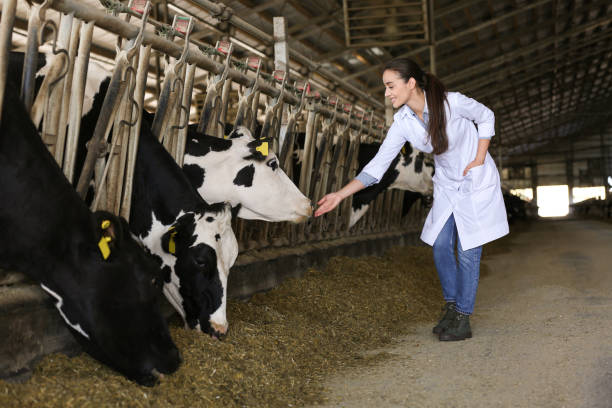
Animal quarantine is the process of inspecting, monitoring, and confirming the disease status and veterinary hygiene conditions of animals or animal products under management before they are transported, exported, imported, or used for other regulated activities.
When a consignment meets the requirements, the competent authority may issue an Animal Quarantine Certificate. The consignment owner needs to use the certificate according to the information stated on it, including the consignment details, place of origin, destination, means of transport, and applicable conditions.
1.2 Objectives of Animal Quarantine
Animal quarantine is carried out to:
- Limit the risk of pathogens spreading from one area to another.
- Protect livestock populations and reduce disease-related losses.
- Support the control of origin and veterinary hygiene conditions during circulation.
- Meet trade requirements for goods transported domestically, exported, or imported.
- Support the prevention and control of diseases that may affect animal and human health.
Quarantine is only one part of the disease management system. It does not replace disease surveillance, vaccination, biosecurity practices, slaughter control, or food safety inspection.
1.3 How Animal Quarantine Differs from Other Veterinary Activities
Animal quarantine focuses on specific animals, animal products, or consignments during transport, export, or import.
Disease surveillance involves monitoring the disease situation in a herd, flock, farming facility, or specific area.
Veterinary hygiene inspection focuses on the conditions of facilities, vehicles, storage areas, containers, and other factors that may create or spread pathogens.
Slaughter control involves inspecting animals before, during, and after slaughter to ensure veterinary and food safety requirements are met.
Biosecurity is a system of measures applied regularly at a facility to limit the entry, survival, and spread of pathogens.
1.4 Who Needs to Check or Carry Out Quarantine Procedures?
Groups that commonly need to pay attention to quarantine regulations include:
- Farm owners and livestock households that need to transport animals outside a province.
- Traders, purchasing units, and transport operators handling animals or animal products.
- Slaughterhouses, cold storage facilities, and processing plants receiving raw materials from multiple localities.
- Businesses exporting or importing animals and animal products.
- Facilities producing or trading breeding animals, semen, embryos, and certain products of animal origin.
- Logistics companies, customs declaration service providers, and other service providers involved in goods of animal origin.
Not all of these parties are directly responsible for carrying out the procedure in every case. Specific responsibilities depend on each party’s role in the transaction and the information declared in the documents.
2. Legal Framework for Animal Quarantine in 2026
2.1 Law on Veterinary Medicine
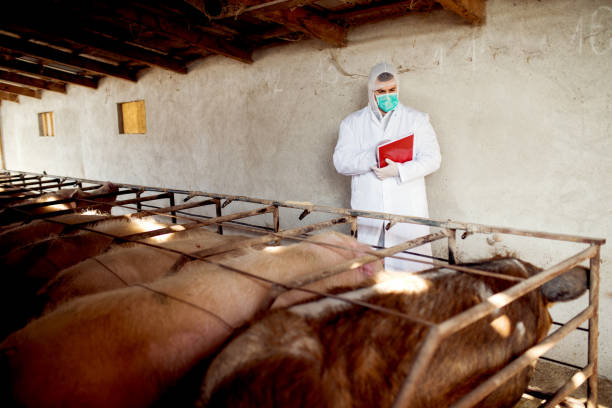
The Law on Veterinary Medicine is the general legal basis governing animal disease prevention, treatment, and control; quarantine; slaughter control; veterinary hygiene inspection; veterinary drug management; and veterinary practice.
As a general principle, animals and animal products listed as subject to quarantine must meet requirements on certification, health or veterinary hygiene status, and transport vehicle conditions when they are transported outside a province.
2.2 Regulations for Terrestrial Animals and Animal Products
Circular 01/2026/TT-BNNMT regulates quarantine for terrestrial animals and terrestrial animal products, including:
- The list of animals and animal products subject to quarantine.
- The list of items exempt from quarantine.
- The list of items requiring risk analysis before import into Vietnam.
- Quarantine subjects.
- Documents, contents, and procedures for quarantine when transporting outside a province.
- Regulations on export, import, transit, and related forms of trade.
When applying the regulation, consignment owners need to check the correct appendix and procedure for their animal or product type. Requirements for one product group should not be broadly applied to another group.
2.3 Regulations for Aquatic Animals and Aquatic Animal Products
Circular 03/2026/TT-BNNMT separately regulates quarantine for aquatic animals and aquatic animal products.
Its scope includes:
- Lists of items subject to quarantine or exempt from quarantine.
- Items requiring risk analysis before import.
- Quarantine when transporting outside a province.
- Export, import, and transit quarantine.
- Quarantine for temporary import for re-export, temporary export for re-import, border-gate transfer, or bonded warehouse cases.
- Certain cases related to fairs, exhibitions, and aquatic disease specimens.
Because disease characteristics and supply chains differ, procedures for terrestrial animals should not be applied to aquatic consignments.
2.4 Four Factors to Identify Before Carrying Out the Procedure
Before preparing documents, consignment owners should identify:
- Whether the animal or product is included in the list subject to quarantine.
- Whether the consignment is transported within a province, outside a province, or across borders.
- Whether the purpose is farming, breeding, slaughter, processing, export, import, or another purpose.
- Whether the place of origin or destination is under special disease prevention and control measures.
Correctly identifying these four factors helps reduce the risk of preparing the wrong documents or registering under the wrong procedure.
2.5 “Exempt from Quarantine” Should Not Be Interpreted Too Broadly
Some items may be included in the list of quarantine exemptions. However, exemption from quarantine must be determined based on the exact product type, level of processing, and conditions stated in the current regulations.
Processed products, heat-treated products, or products transported within a province are not automatically exempt from all management requirements. A consignment may still need to comply with rules on origin, disease prevention and control, slaughter control, food safety, or local management.
3. Which Items May Be Subject to Quarantine?
3.1 Terrestrial Animals
Groups commonly included in quarantine lists may include:
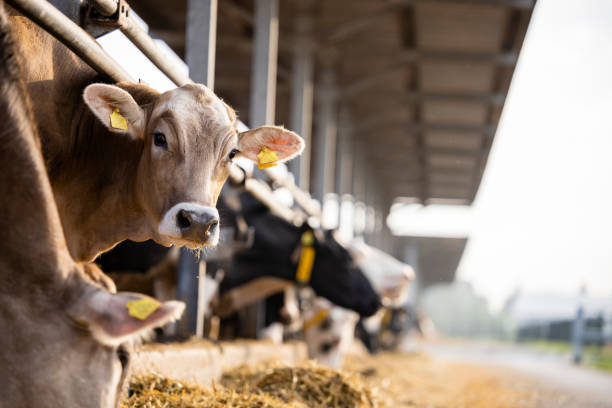
- Livestock such as pigs, buffaloes, cattle, goats, sheep, and horses.
- Poultry such as chickens, ducks, Muscovy ducks, geese, quails, and certain other species.
- Animals used for breeding.
- Semen, embryos, and certain reproductive products.
- Pets, laboratory animals, or specific farmed animals in certain cases.
The exact list needs to be checked against the appendices of the regulations currently in force. Quarantine obligations should not be concluded based only on the common name of the animal.
3.2 Terrestrial Animal Products
Certain products may be subject to quarantine, including:
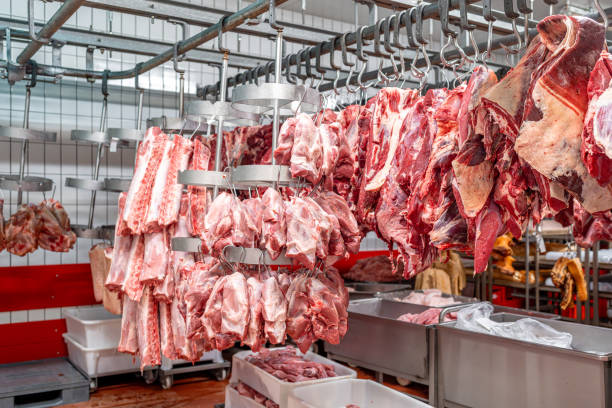
- Meat and slaughter by-products.
- Unprocessed or preliminarily processed hides, hair, hooves, horns, and similar materials.
- Products of animal origin included in the management list.
- Products originating from areas with outbreaks or areas under control measures.
The level of processing, origin, and transport purpose may affect the quarantine obligation.
3.3 Aquatic Animals and Aquatic Animal Products
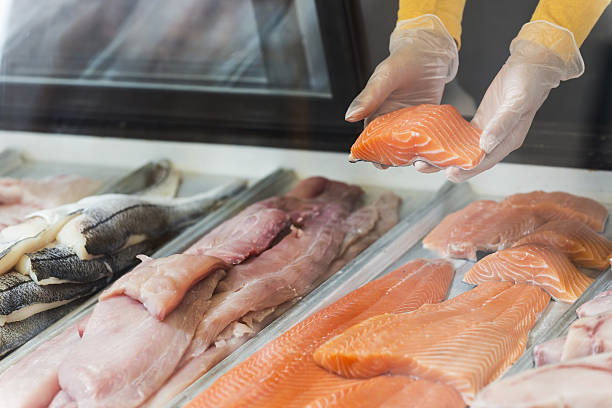
Groups that require special attention may include:
- Live aquatic animals used for breeding.
- Live aquatic animals transported from outbreak areas or controlled areas.
- Imported aquatic animals used for farming, breeding, or other purposes.
- Aquatic products included in the list subject to quarantine for export or import.
Not all frozen or processed aquatic products follow the same procedure. Businesses need to correctly identify the product type, origin, intended use, and corresponding specialized procedure.
3.4 Cases Requiring Risk Analysis Before Import
Certain imported animals or animal products may need to undergo risk analysis before being considered for import into Vietnam.
This requirement may depend on:
- Animal species.
- Product type.
- Exporting country or territory.
- Disease situation.
- Import history and risk management.
Risk analysis is a separate technical process and should not be confused with the routine document review for each consignment.
4. When Is Quarantine Usually Required?
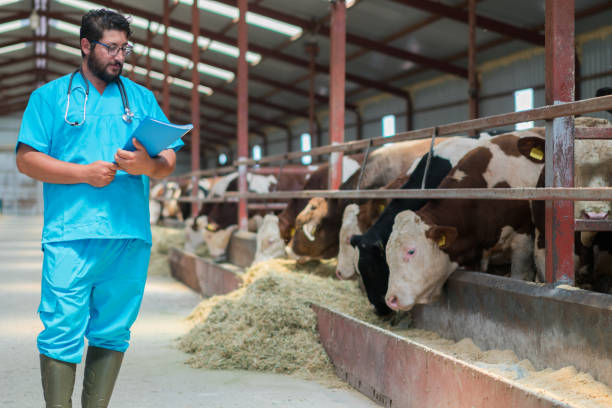
4.1 Transport Outside a Province
Transport outside a province is one of the common cases in which quarantine obligations need to be checked, if the animals or animal products are included in the list subject to quarantine.
The veterinary authority may consider the type of subject, origin, disease situation, destination, and transport purpose to determine the inspection contents.
4.2 Transport from Outbreak Areas or Controlled Areas
When a locality declares an outbreak, the transport of animals and animal products may be restricted, suspended, or subject to additional control requirements.
In this case, consignment owners need to check:
- The outbreak declaration decision.
- The scope of the outbreak area.
- Threatened zones or buffer zones.
- Approved transport routes and conditions.
- Temporary guidance from the competent authority.
Routine quarantine procedures should not be applied mechanically if the locality is under special disease prevention and control measures.
4.3 Delivery to Slaughterhouses, Processors, or Buyers
Selling animals to a slaughterhouse or purchasing business does not automatically create a separate quarantine procedure.
Quarantine obligations mainly depend on:
- The type of animal or product.
- The transport area.
- The origin of the consignment.
- The disease situation.
- The purpose of receipt.
The receiving facility should check the Animal Quarantine Certificate if the consignment is subject to mandatory quarantine, while also carrying out its own requirements for slaughter control, veterinary hygiene, and food safety.
4.4 Export and Import
Exported or imported animals and animal products may need to meet multiple groups of requirements at the same time:
- Vietnam’s quarantine regulations.
- Veterinary requirements of the importing or exporting country.
- Conditions for production or processing facilities.
- Testing, isolation, or surveillance requirements.
- Food safety requirements.
- Customs procedures and other specialized management procedures.
Quarantine does not replace food safety inspection, quality inspection, or customs procedures.
4.5 Transport Within a Province
Transport within the same province is not part of the quarantine procedure for transport outside a province.
However, consignment owners may still need to comply with:
- Disease prevention and control requirements.
- Origin verification rules.
- Slaughter control regulations.
- Veterinary hygiene conditions.
- Temporary local management measures.
Therefore, transport within a province should not be understood as exemption from all veterinary requirements.
5. What Should Be Prepared Before Registering for Quarantine?
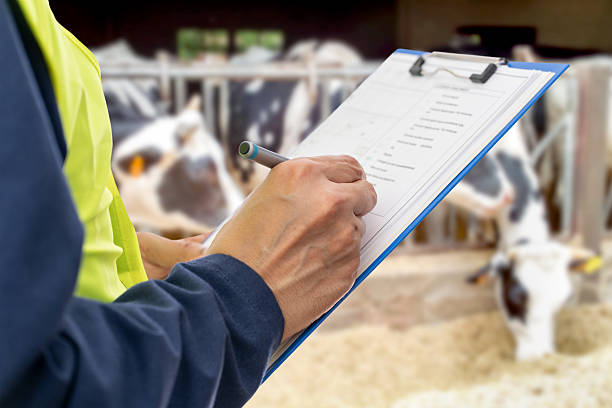
5.1 Check the Health Status of the Herd or Flock
Before registration, facility owners should:
- Monitor clinical signs in the herd or flock.
- Separate animals showing abnormal signs.
- Check health monitoring records.
- Review vaccination records.
- Check the disease situation at the place of origin.
- Contact a veterinarian when suspicious signs are detected.
There is no fixed vaccine list that applies to every herd or flock. Vaccination requirements depend on species, disease, location, disease prevention program, and transport purpose.
Vaccine use should follow the instructions of the manufacturer, veterinary authority, or veterinarian in charge.
5.2 Check Facility Conditions
Livestock facilities should maintain:
- Clean housing and farm facilities.
- Suitable gathering and loading areas.
- Measures to limit cross-contamination.
- Origin records and farm logs.
- Waste handling procedures.
- Biosecurity measures suitable for the facility scale.
These factors support management and inspection, but they do not mean that every facility must have the same type of certificate.
5.3 Check Transport Vehicle Conditions
Vehicles need to be suitable for the type of animals or products transported and meet veterinary hygiene requirements.
Before loading, the following should be checked:
- The loading compartment has been cleaned.
- No waste remains from the previous trip.
- Waste does not leak into the environment.
- Measures are in place to limit cross-contamination.
- There is adequate covering, ventilation, or temperature control if needed.
- Cleaning and disinfection have been carried out according to applicable requirements.
5.4 Prepare Origin Information and Supporting Documents
Depending on the procedure, the consignment owner may need to prepare:
- Application form according to the prescribed template.
- Information about the consignment owner.
- Information about the place of origin and receiving location.
- Type, quantity, or weight of the consignment.
- Documents proving origin.
- Vaccination or testing records when required.
- Transport vehicle information.
- Commercial documents for cross-checking when needed.
This list is for preparation purposes only. The official document requirements need to be determined according to the specific procedure being applied.
6. Quarantine Procedure for Transport Outside a Province

6.1 Step 1: Determine Whether the Consignment Is Subject to Quarantine
The consignment owner needs to check:
- Type of animal or product.
- Quarantine list.
- Transport purpose.
- Place of origin and destination.
- Disease situation.
- Exemption cases, if any.
This is an important step because misidentifying the subject may lead to preparing the wrong documents or registering under the wrong procedure.
6.2 Step 2: Register with the Competent Authority
The consignment owner submits the documents to the competent veterinary authority at the place of origin or to the authority assigned to carry out the procedure.
The receiving authority’s name may differ by locality. Therefore, it is advisable to check:
- The public service portal.
- The website of the specialized authority.
- The administrative procedure reception unit.
- Direct guidance from the local veterinary authority.
6.3 Step 3: Review Documents and Inspect the Quarantine Subject
Depending on the case, the veterinary authority may:
- Review the registration documents.
- Check quantity, identification, and clinical status.
- Inspect the actual condition of animal products.
- Check packaging and storage conditions.
- Inspect vehicles and containers.
- Collect samples for testing when required by the procedure or disease situation.
Not every consignment requires sample collection for testing.
6.4 Step 4: Carry Out Veterinary Hygiene Measures When Needed
Vehicles, containers, or related areas may need to be cleaned, disinfected, sealed, or subject to other technical measures.
The required actions depend on the subject type, consignment condition, and requirements of the specialized authority. This step should not be understood as completely identical in every case.
6.5 Step 5: Issue or Refuse to Issue the Animal Quarantine Certificate
If the consignment meets the requirements, the competent authority issues the Animal Quarantine Certificate.
If it does not yet meet the requirements, the consignment owner may be asked to:
- Supplement documents.
- Correct information.
- Carry out testing.
- Apply veterinary hygiene treatment measures.
- Change transport conditions.
When receiving the certificate, the consignment owner should check:
- Name and information of the consignment owner.
- Type, quantity, or weight of the consignment.
- Place of origin and destination.
- Vehicle information.
- Date of issue and validity period.
- Conditions or notes attached.
6.6 When Should Quarantine Registration Be Submitted?
Consignment owners should contact the authority early to understand the receiving schedule, inspection schedule, and whether sampling may be required.
If the consignment may require testing, preparation time can be longer than in cases involving only document review and clinical inspection.
Registration should not be left until right before transportation.
7. Quarantine for Export and Import of Terrestrial Animals and Animal Products
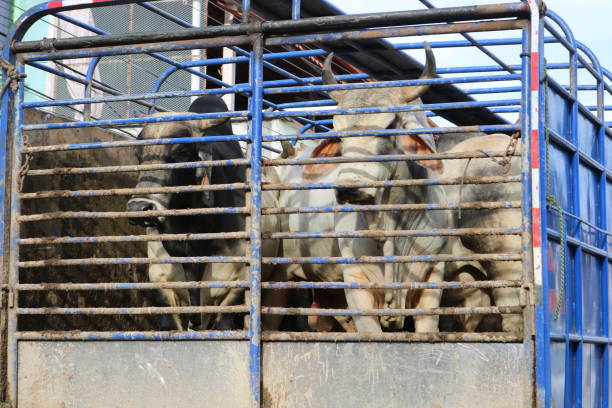
7.1 Export Quarantine
Before export, businesses need to identify:
- Whether the importing country allows the product to be imported.
- Whether the production or processing facility needs to be approved.
- Which veterinary certificate template is accepted.
- Which testing indicators must be conducted.
- Whether special isolation, treatment, or monitoring requirements apply.
- Whether there are specific traceability requirements.
The process may include registration, document review, consignment inspection, sample collection when needed, and certificate issuance according to market requirements.
7.2 Import Quarantine
For imported goods, businesses need to check:
- Whether the item is subject to quarantine.
- Whether it is subject to risk analysis before import.
- Import conditions from the exporting country or territory.
- Requirements for the certificate issued by the exporting country.
- Inspection or isolation location.
- Applicable testing indicators.
- Conditions for moving goods to storage or waiting for results.
Live animals, fresh products, frozen products, and processed products may be subject to different requirements.
7.3 Distinguishing Quarantine from Other Specialized Procedures
An export or import consignment may need to undergo several procedures at the same time, including:
- Animal quarantine.
- Food safety inspection.
- Quality inspection.
- Storage condition inspection.
- Customs procedures.
- Specific market or customer requirements.
These procedures may be coordinated during processing, but they do not fully replace one another.
7.4 Export and Import Documents
Depending on the case, businesses may need to prepare:
- Application form.
- Commercial contract.
- Invoice.
- Bill of lading.
- Packing list.
- Veterinary certificate issued by the exporting country.
- Documents on the production facility or farming area.
- Test results.
- Permit or approval document, if required.
- Certificate template required by the market.
Businesses should confirm the document requirements with the competent authority before the goods leave the exporting port or before bringing the goods into Vietnam.
8. Quarantine for Aquatic Animals and Aquatic Animal Products
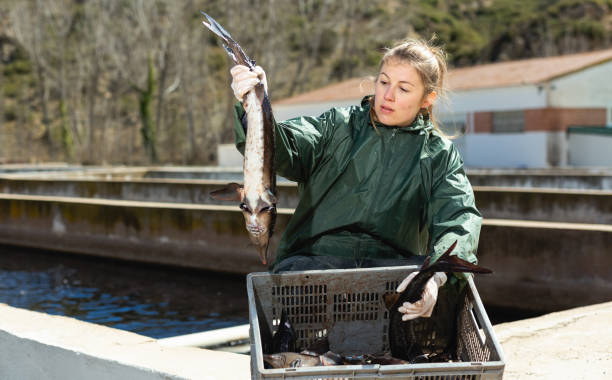
8.1 Transport Outside a Province
Live aquatic animals used for breeding, aquatic animals from outbreak areas, or items included in the relevant list may be subject to quarantine when transported outside a province.
Specific requirements depend on:
- Aquatic species.
- Origin.
- Transport purpose.
- Disease situation.
- Status of the farming area.
- Current applicable regulations.
8.2 Export Quarantine for Aquatic Products
Businesses need to check the requirements of the importing country, including:
- Permitted species and product forms.
- Facility conditions.
- Requirements for farming areas or production facilities.
- Diseases that need to be monitored or tested.
- Certificate template.
- Traceability requirements.
Testing for chemical residues, antibiotics, heavy metals, or microorganisms may fall under food safety requirements or market requirements. These indicators should not automatically be considered part of animal quarantine.
8.3 Import Quarantine for Aquatic Products
Import requirements depend on the product type, intended use, origin, and risk level.
Businesses should confirm in advance:
- Whether the consignment is subject to quarantine.
- Whether risk analysis is required.
- Whether registration is required before the goods arrive.
- Where the goods will be stored or sampled.
- Testing indicators.
- Conditions for customs clearance.
8.4 Do Not Apply One Disease List to Every Consignment
Testing indicators for aquatic diseases depend on species, origin, import purpose, disease situation, and requirements of the competent authority.
A fixed disease list should not be applied to all aquatic consignments.
9. How Should Quarantine Documents Be Prepared?

9.1 Basic Documents
A document set may include:
- Quarantine application form according to the prescribed template.
- Information about the consignment owner and facility.
- Consignment information.
- Place of origin, destination, and transport purpose.
- Documents proving origin.
- Vaccination, testing, or disease surveillance records when required.
- Relevant commercial documents.
Document requirements must be checked against the procedure for the correct subject type.
9.2 Vaccination Records
Vaccination records should contain enough information for cross-checking, such as:
- Species and number of animals.
- Vaccine name.
- Vaccination date.
- Unit or person carrying out the vaccination.
- Batch number or related information when needed.
- Confirmation according to regulations or the facility’s management process.
The protection period or value of records should not be inferred only from the vaccination date. It is necessary to refer to the manufacturer’s instructions, the veterinarian, and the requirements of the competent authority.
9.3 Test Results
Test results need to meet requirements on:
- Testing indicators.
- Testing method.
- Laboratory.
- Representative sample.
- Sampling date.
- Accepted validity period.
Previous vaccination records, health monitoring records, or test results may be used for cross-checking when requested by the specialized authority, but they do not automatically replace inspection or testing for a specific consignment.
9.4 Checklist Before Submitting Documents
- Check the consignment owner’s name and address.
- Cross-check the type, quantity, or weight of the consignment.
- Check the place of origin and destination.
- Check vehicle information.
- Check the validity of documents.
- Confirm that the correct application template is used.
- Prepare originals, copies, or electronic documents as required.
- Check whether sampling may be required.
- Confirm the correct receiving authority.
10. Processing Time, Costs, and Certificate Validity
10.1 Processing Time
Actual processing time depends on:
- Type of animal or product.
- Completeness of the documents.
- Whether sampling is required.
- Time needed to return test results.
- Disease situation.
- Practical conditions at the locality or border gate.
A fixed number of days should not be applied to every case.
10.2 Costs
Costs may include:
- Quarantine fees according to regulations.
- Testing costs.
- Cleaning or disinfection costs.
- Isolation, holding, or storage costs when incurred.
- Costs for adjusting vehicles or documents.
- Costs arising from delivery delays.
Specific amounts need to be checked against the applicable fee schedule and services at the time of implementation.
10.3 Validity of the Animal Quarantine Certificate
The validity period depends on the type of goods, route, transport conditions, and contents stated on the certificate.
Consignment owners need to check the issue date, validity period, and conditions directly on the certificate instead of relying on experience from previous consignments.
10.4 Transport Planning
To reduce risks, consignment owners should:
- Register early.
- Confirm that all required steps have been completed before loading or before the vehicle departs.
- Check the certificate contents immediately after receiving it.
- Arrange the route according to the certificate validity period.
- Allow additional time if testing is required.
- Keep records for later cross-checking when needed.
11. Common Mistakes and How to Avoid Them
11.1 Inconsistent Information Across Documents

Common mistakes include:
- Incorrect consignment owner name or address.
- Incorrect quantity or weight.
- Incorrect destination.
- Incorrect vehicle license plate.
- Information on the contract differs from the application form.
- Expired documents.
Consignment owners should use one consistent consignment information sheet before completing forms.
11.2 Late Registration
Registering too close to the transport time may leave insufficient time to supplement documents or wait for test results.
The receiving schedule and inspection schedule should be confirmed before arranging vehicles.
11.3 Animals Showing Abnormal Signs
When animals show signs of disease or suspected disease, the facility owner needs to contact a veterinarian or specialized authority.
Disease status should not be concealed, and animals should not be transported without proper guidance simply to meet a delivery deadline.
11.4 Vehicles Not Meeting Requirements
Dirty vehicles, waste from previous trips, lack of covering, or vehicles unsuitable for the product type may delay the inspection process and increase the risk of contamination.
11.5 Misunderstanding Legal Consequences
Violations of quarantine regulations may result in penalties and remedial measures depending on the act, subject, and severity of the violation.
Measures may include:
- Fines.
- Requirement to carry out or repeat procedures.
- Veterinary hygiene treatment.
- Re-export.
- Destruction when there is legal basis.
- Other measures as prescribed.
Not every case of missing quarantine documents automatically results in confiscation or destruction of the consignment. The handling measure must be determined according to the relevant legal provisions and specific circumstances.
12. Reference Scenarios
The scenarios below are for illustration only and do not represent fixed legal deadlines or procedures.
12.1 Transporting a Pig Herd to Another Province
A livestock facility plans to transport a pig herd to a slaughterhouse in another province.
Before registration, the facility needs to:
- Determine whether the pig herd is subject to quarantine.
- Check the disease situation at the place of origin.
- Prepare origin documents.
- Review vaccination records.
- Contact the veterinary authority at the place of origin.
- Prepare a suitable vehicle.
After receiving the documents, the competent authority carries out inspection according to the applicable procedure. If the consignment meets the requirements, the certificate is issued based on the registered information.
12.2 Exporting Frozen Poultry Meat
The business needs to check the importing country’s requirements before production, packing, or loading.
Information to confirm includes:
- Whether the facility is accepted by the importing market.
- Required certificate template.
- Testing indicators.
- Storage conditions.
- Information that must appear in the documents.
- Traceability requirements.
Errors in product name, container number, batch number, or destination may delay processing.
12.3 Importing Aquatic Products
The business needs to determine whether the product is subject to quarantine, food safety inspection, or other specialized procedures.
Before the goods arrive, the business should:
- Check the relevant lists.
- Confirm the documents issued by the exporting country.
- Register the necessary procedures.
- Prepare a storage location.
- Allow time for sampling and waiting for results.
12.4 Three Practical Principles to Prioritize
- Identify the correct procedure before transportation.
- Prepare consistent and cross-checkable documents.
- Do not mechanically apply experience from an old consignment to a new one.
13. Frequently Asked Questions About Animal Quarantine in 2026

13.1 What Is Animal Quarantine?
Animal quarantine is the process of inspecting and confirming disease and veterinary hygiene conditions for animals or animal products under management before transport, export, import, or other regulated activities.
13.2 Does Transport Within a Province Require Quarantine?
Transport within the same province is not part of the quarantine procedure for transport outside a province. However, the consignment may still need to comply with requirements on disease prevention, origin, slaughter control, veterinary hygiene, or local management measures.
13.3 How Long Is an Animal Quarantine Certificate Valid?
The validity period depends on the subject type, route, and contents stated on the certificate. Consignment owners need to check the validity period and conditions of use directly on the certificate.
13.4 What May Happen If Quarantine Is Not Carried Out Properly?
Depending on the violation, individuals or organizations may be fined and subject to appropriate remedial measures.
A single penalty level or handling measure should not be applied to every case before the exact act and relevant legal provisions are identified.
13.5 How Is Export-Import Quarantine Different from Domestic Quarantine?
Export-import quarantine often includes additional market requirements, international certificates, facility conditions, testing, isolation, and coordination with customs authorities.
Domestic quarantine focuses on controlling disease risks and veterinary hygiene conditions when transporting animals or animal products between localities.
13.6 What Should Farm Owners Prepare?
Farm owners should prepare:
- Origin documents.
- Health monitoring records.
- Vaccination records.
- Consignment information.
- Vehicle information.
- Transport plan.
- Information about the veterinary authority receiving the procedure.
13.7 How Can Document Processing Delays Be Reduced?
Consignment owners should identify the correct procedure, submit complete documents, keep information consistent across all records, and register early.
Previous vaccination records, health monitoring records, or test results may support cross-checking, but they do not automatically replace inspection or testing requirements for a specific consignment.
Connect with Traceability, Transport, and Disease-Control Solutions at VIETSTOCK 2026
Proper animal quarantine depends not only on complete and accurate documentation. It also requires effective origin management, herd and flock health monitoring, suitable transport conditions, and consistent biosecurity throughout the circulation chain.
VIETSTOCK 2026 brings together livestock producers, animal health companies, testing units, transport operators, processing facilities, logistics providers, and technology businesses. The event is expected to feature more than 300 brands, over 10,000 sqm of exhibition space, and 13,000 trade visitors from more than 40 countries and territories.
For activities related to animal quarantine, visitors can:
- Explore traceability technologies and digital systems for managing livestock, vaccination, treatment, and consignment records.
- Discover identification, health-monitoring, testing, and disease-risk management solutions for livestock farms.
- Compare livestock transport equipment, cold-chain systems, storage solutions, and vehicle monitoring technologies.
- Connect with animal health companies, laboratories, processing facilities, logistics providers, and specialized technology suppliers.
- Discuss ways to integrate data across farming, transportation, slaughtering, processing, and distribution activities.
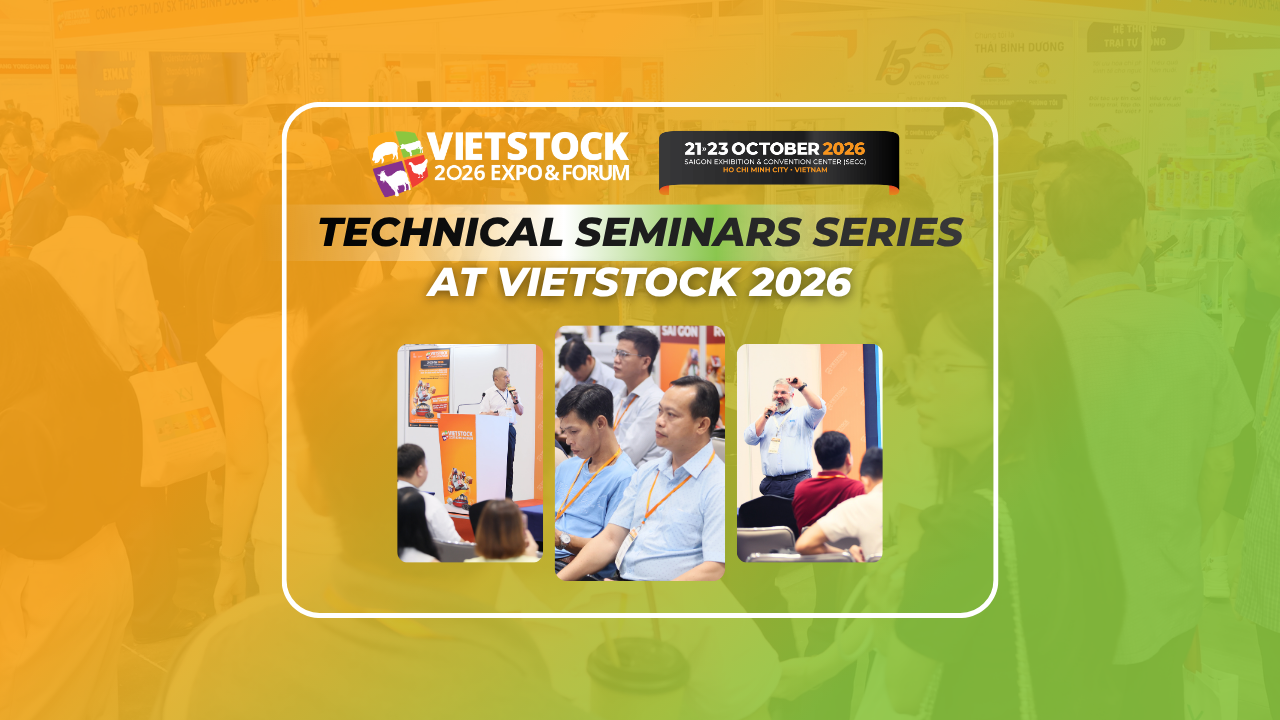
In addition to the exhibition and business networking activities, VIETSTOCK 2026 will also organize an On-Farm Seminar Series, bringing practical knowledge on herd and flock management, disease prevention, biosecurity, and production efficiency to key livestock-producing provinces.
Date: 21–23 October 2026
Venue: Saigon Exhibition and Convention Center – SECC, 799 Nguyen Van Linh Street, Tan My Ward, Ho Chi Minh City, Vietnam
Event website: https://www.vietstock.org/en/
👉 Register to visit VIETSTOCK 2026 and connect with solutions supporting animal traceability, transport management, and disease control:
https://www.vietstock.org/en/online-registration-2/
👉 Learn more about the VIETSTOCK 2026 On-Farm Seminar Series:
https://www.vietstock.org/tieu-diem-su-kien/vietstock-2026-khoi-dong-chuoi-hoi-thao-dau-bo-lan-toa-tri-thuc-den-cac-tinh-chan-nuoi-trong-diem/
CONTACT INFORMATION:
Exhibiting: Ms. Sophie Nguyen – [email protected]
Visitor Support: Ms. Phuong – [email protected]
Marcom Support: Ms. Anita Pham – [email protected]