Enrofloxacin in Veterinary Medicine: Scope of Use, Antimicrobial Resistance, and Withdrawal Periods
Enrofloxacin is a fluoroquinolone antimicrobial used in veterinary medicine for specific species and indications. Learn about its authorized use, antimicrobial resistance risks, responsible administration and withdrawal-period management in livestock production.
Enrofloxacin is a fluoroquinolone antimicrobial used in veterinary medicine for certain animal species and specific indications, depending on the authorized product and the regulations of each market. Because fluoroquinolones are highly important to human medicine, enrofloxacin use requires careful management to help limit antimicrobial resistance (AMR) and residues in food.
In Vietnam, enrofloxacin falls within the group of antimicrobials classified as critically important for human medicine. Its use for treatment or preventive treatment, as defined under Vietnamese veterinary regulations, must comply with veterinary prescription requirements, the authorized scope of the product, and appropriate professional indications.
These purposes should be distinguished from the use of antibiotics for disease prevention. Under Vietnam’s antimicrobial-management roadmap for livestock production, the permitted period for using this critically important antimicrobial group for disease-prevention purposes in terrestrial animals ended on 31 December 2020.
This article provides professional reference information on the scope of enrofloxacin use, mechanisms of antimicrobial resistance, and principles for managing withdrawal periods so that livestock producers and veterinarians can better understand its responsible use under farm conditions.
Key takeaways
- Enrofloxacin is a fluoroquinolone with activity against many Gram-negative bacteria, some Gram-positive bacteria, and Mycoplasma. Clinical effectiveness depends on the susceptibility of the causative organism and the indication of the specific product.
- The authorized use of enrofloxacin varies by animal species, product, and market. Pigs, poultry, and cattle should not be assumed to have the same approved indications.
- Incorrect indication, dose, route of administration, or treatment duration may reduce treatment effectiveness and create selection pressure favoring antimicrobial-resistant bacteria.
- Withdrawal periods vary by product, animal species, food product, and market. A single withdrawal period should not be applied to every enrofloxacin-containing product.
- In Vietnam, enrofloxacin should not be used for disease-prevention purposes in terrestrial animals under the antimicrobial-management roadmap applicable to critically important antimicrobials. This should be distinguished from preventive treatment as defined under Vietnamese veterinary regulations, which must follow an appropriate veterinary indication and prescription.
What Is Enrofloxacin in Veterinary Medicine?
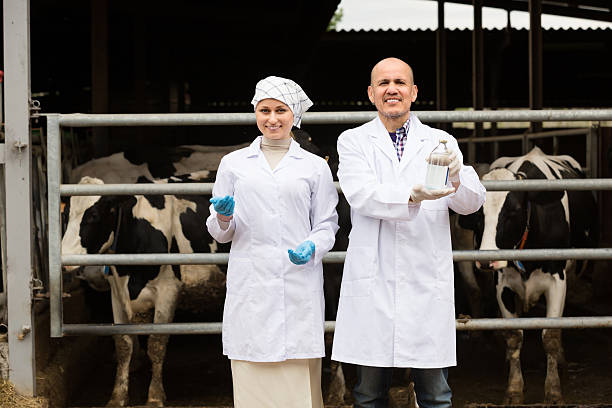
Enrofloxacin as a Fluoroquinolone: Characteristics and Antibacterial Spectrum
Enrofloxacin is a synthetic antimicrobial belonging to the fluoroquinolone class and was developed for veterinary use.
Enrofloxacin has activity against many Gram-negative bacteria, some Gram-positive bacteria, and Mycoplasma. Organisms that may appear on certain product labels or in professional veterinary references include:
- Certain Gram-negative bacteria such as Escherichia coli, Pasteurella multocida, Mannheimia haemolytica, and other organisms depending on the animal species.
- Certain Gram-positive bacteria such as Staphylococcus spp.
- Certain Mycoplasma species associated with respiratory disease in animals.
However, this list does not mean that every enrofloxacin product is indicated for all of these organisms. Bacterial susceptibility may vary by strain, geographic area, animal species, and antimicrobial-use history.
Enrofloxacin exhibits concentration-dependent bactericidal activity, but the dose, frequency, and duration of administration should follow the label of the specific product. A single dosing schedule should not be inferred for all enrofloxacin products.
Mechanism of Action: Inhibition of DNA Gyrase and Topoisomerase IV
Enrofloxacin acts by inhibiting important bacterial enzymes involved in DNA replication, primarily DNA gyrase and topoisomerase IV.
When the activity of these enzymes is disrupted, bacterial DNA replication and maintenance are impaired, producing a bactericidal effect.
This mechanism also helps explain why mutations affecting the target sites of DNA gyrase or topoisomerase IV can contribute to fluoroquinolone resistance.
In addition to target-site mutations, bacteria may develop other mechanisms that reduce susceptibility to enrofloxacin.
How Is Veterinary Enrofloxacin Different From Ciprofloxacin Used in Human Medicine?
Enrofloxacin and ciprofloxacin are different active substances with different authorization, indication, and regulatory frameworks. The two drugs should not be substituted for one another or dose-converted as if they were equivalent.
Enrofloxacin may be partially metabolized to ciprofloxacin in animals, although the extent of this metabolism varies between species.
Fluoroquinolones are an antimicrobial class of major importance to human medicine and are included in antimicrobial-stewardship frameworks intended to reduce AMR risks associated with antimicrobial use across different sectors.
Inappropriate fluoroquinolone use in animals may create selection pressure favoring resistant bacteria. Resistant bacteria or genetic determinants of resistance may spread among animals, the environment, food, and people.
Enrofloxacin management should therefore follow a One Health approach and principles of responsible antimicrobial use.
Scope of Enrofloxacin Use by Animal Species and Major Disease Conditions
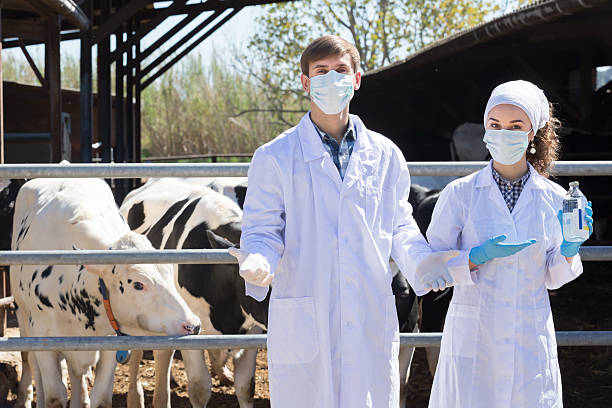
Enrofloxacin in Pigs: Respiratory and Enteric Disease, and Septicemia
In pigs, certain enrofloxacin products may be authorized for bacterial infections caused by susceptible organisms.
The examples below represent organisms or disease conditions that may appear on certain labels or in professional references. They do not mean that all enrofloxacin products have the same indications:
- Respiratory disease: certain bacterial infections associated with Pasteurella multocida, Actinobacillus pleuropneumoniae, or other organisms depending on the product.
- Enteric disease: certain intestinal infections caused by susceptible bacteria such as E. coli.
- Systemic bacterial infections: may be included in specific product indications.
Enrofloxacin should not be selected solely on the basis of a disease name. The veterinarian should consider the diagnosis, likelihood of bacterial infection, treatment history, and culture and antimicrobial susceptibility testing (AST) when appropriate.
Fluoroquinolones should be reserved for situations in which their use is professionally justified rather than selected routinely out of habit.
Enrofloxacin in Poultry: Chickens, Ducks, and Common Bacterial Infections
The authorized scope of enrofloxacin use in poultry varies substantially among countries, markets, and individual products.
Some labels or professional references in certain markets may include bacterial infections associated with:
- Mycoplasma in poultry;
- Certain E. coli infections;
- Certain infections caused by Pasteurella multocida.
However, this should not be treated as a universal indication list for every country.
Some markets have restricted or withdrawn the use of fluoroquinolones in poultry. Before use, it is therefore necessary to confirm that the particular product is authorized for the relevant species, production group, and disease indication in the applicable market.
Certain products may be authorized for administration to a flock through drinking water. This method should only be used when it is permitted for the specific product, indication, and regulatory setting.
Instructions for enrofloxacin use in poultry from one country should not be applied directly to Vietnam or to another export market.
Enrofloxacin in Cattle and Calves
In cattle and calves, enrofloxacin may be authorized for certain bacterial infections depending on the product and the applicable market regulations.
Some products include indications related to bovine respiratory disease caused by susceptible organisms such as Mannheimia haemolytica, Pasteurella multocida, or other bacteria specifically listed on the label.
The indication of one product should not be transferred to another enrofloxacin-containing product.
For cattle producing milk for human consumption, first confirm whether the specific product is authorized for use in this production group.
If a product is not approved for lactating dairy cattle producing milk for human consumption, a milk withdrawal period should not be independently inferred. If the product is authorized for such use, the withdrawal period on the label and the requirements of the destination market should be followed.
When May Enrofloxacin Be Considered, and When Should It Not Be Used?
A veterinarian may consider enrofloxacin when:
- The diagnosis is consistent with a bacterial infection likely to involve a susceptible organism.
- Culture and antimicrobial susceptibility testing support the choice when testing is feasible and appropriate.
- Other suitable antimicrobial options have been considered.
- The product is authorized for the relevant species, disease, and production group.
Enrofloxacin should not be used when:
- There is insufficient evidence of bacterial infection or the disease is primarily viral.
- The causative organism has been identified as resistant to fluoroquinolones.
- The animal species, production group, or indication falls outside the authorized scope of the product.
In Vietnam, enrofloxacin should not be used for disease-prevention purposes in terrestrial animals.
It is important to distinguish disease prevention from preventive treatment as defined under Vietnamese veterinary regulations:
- Disease prevention refers to antimicrobial administration to animals considered at risk of developing disease but not showing clinical signs, within the scope permitted by applicable regulations.
- Preventive treatment, in the Vietnamese regulatory context, includes antimicrobial use in a group of animals at risk when one or more animals in that group have been diagnosed with or are suspected of having the disease. This group-treatment situation broadly corresponds to what is often described internationally as metaphylactic treatment.
- The Vietnamese regulatory definition also covers certain situations involving the prevention and treatment of infections before and after surgery. For this reason, the Vietnamese term should not be treated as exactly equivalent to metaphylaxis in every context.
The use of enrofloxacin for treatment or preventive treatment should be based on professional veterinary assessment, a veterinary prescription, and current regulations.
Enrofloxacin Dose and Administration in Practical Farm Use
Principles for Dose Calculation According to Body Weight, Species, and Dosage Form
An enrofloxacin dose may be expressed in mg/kg or in another format depending on the specific product.
A single dose formula should not be applied to every product containing enrofloxacin.
General principles include:
- Use only the dose and dosing unit specified on the product label or veterinary prescription.
- Determine animal body weight using an appropriate method when the label requires body-weight-based dosing.
- Do not independently increase the dose if the animal does not improve.
- If the animal does not respond within the expected period or the disease worsens, reassess the diagnosis and antimicrobial susceptibility rather than independently changing the treatment regimen.
- Do not independently shorten, extend, or otherwise change the treatment duration.
- Do not use the dose of another product or another animal species for the product currently being administered.
Enrofloxacin in Pigs: Injection, Oral Administration, and Drinking-Water Medication
For pigs, enrofloxacin products may be available in different dosage forms and routes of administration depending on their authorization.
Some products may be authorized for injection, whereas others may be designed for administration through drinking water or another route.
Injectable, oral, or group administration should not be selected solely on the basis of disease severity.
The route of administration should follow the label of the specific product.
Do not independently convert an injectable product for use in drinking water or feed, or vice versa.
Group treatment through drinking water also requires consideration of actual water consumption and appropriate medication distribution in accordance with professional guidance.
Treatment duration varies by product, indication, and response. A fixed number of treatment days should not be used as a universal enrofloxacin regimen.
Enrofloxacin in Poultry and Cattle: Route of Administration and Recommended Treatment Duration
In poultry, enrofloxacin should only be used when the specific product and applicable market regulations permit it.
If a product is authorized for administration through drinking water, preparation and administration should follow the product instructions and the flock’s actual water consumption.
The drug concentration should not be independently adjusted according to weather conditions or changes in water intake without following an appropriate calculation method or dosing guidance.
In cattle, only the route approved for the specific product should be used. Intramuscular or subcutaneous injection should not automatically be regarded as the preferred route for every product or disease condition.
Some products may be designed for a single administration, whereas others may require repeated treatment. Dosing regimens should not be transferred between products.
Treatment duration should follow the product label and veterinary prescription rather than being extended or shortened according to subjective impressions of recovery.
Enrofloxacin Resistance: Mechanisms, Causes, and Consequences in Livestock Production
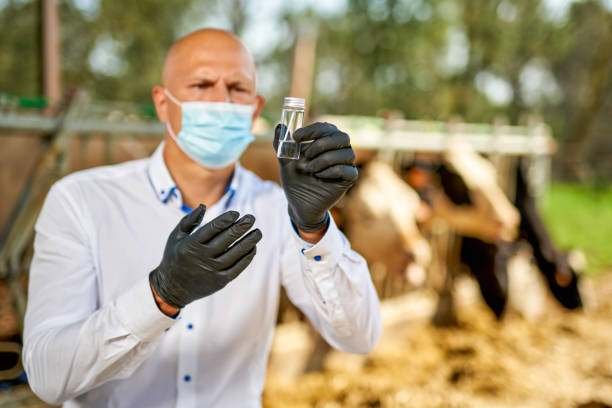
How Bacteria Develop Resistance to Enrofloxacin: Mutations, Efflux Pumps, and Reduced Permeability
Bacteria may develop resistance to enrofloxacin through several mechanisms:
- Target-site mutations: changes affecting DNA gyrase or topoisomerase IV can reduce fluoroquinolone activity.
- Efflux pumps: some bacteria may increase the activity of systems that remove antimicrobials from the cell.
- Reduced cell-envelope permeability: changes in the bacterial membrane or transport proteins may reduce the amount of drug entering the bacterial cell.
- Resistance mechanisms carried on transferable genetic elements: certain quinolone-resistance mechanisms may be associated with plasmids and may occur alongside other antimicrobial-resistance mechanisms.
Fluoroquinolone resistance may lead to reduced susceptibility to multiple agents within the same antimicrobial class and may occur together with resistance to other antimicrobial classes.
Practices That Increase Resistance Risk and Principles of Responsible Use
Practices that may increase antimicrobial selection pressure include:
- Inadequate drug exposure caused by incorrect dose, route, or preparation.
- Using enrofloxacin for diseases that are primarily viral or where there is insufficient evidence of bacterial infection.
- Using enrofloxacin for disease-prevention purposes in terrestrial animals.
- Independently changing treatment duration, frequency, or method of administration.
- Repeatedly using enrofloxacin without investigating the cause of treatment failure.
- Selecting fluoroquinolones routinely rather than evaluating other appropriate options.
To support responsible enrofloxacin use:
- Use it only when the diagnosis is appropriate and a veterinarian determines that antimicrobial therapy is warranted.
- Prioritize culture and antimicrobial susceptibility testing when appropriate, particularly in recurrent cases, treatment failures, or herds and flocks with substantial antimicrobial-use histories.
- Follow the correct product, dose, route, frequency, and treatment duration.
- Do not treat enrofloxacin as a default first-line choice.
- Maintain complete medication-use records.
- Combine vaccination, biosecurity, stocking-density management, nutrition, and hygiene to reduce the need for antimicrobials.
Consequences of Resistance: Treatment Failure, Higher Costs, and Food-Safety Risks
When bacteria become less susceptible or resistant to enrofloxacin, potential farm-level consequences include:
- Poor treatment response: the disease may fail to respond as expected. The diagnosis should then be reassessed, appropriate samples collected when indicated, and a new treatment approach considered rather than automatically combining or switching antibiotics.
- Higher costs: additional diagnostic testing, supportive care, alternative medicines, and a longer disease course may increase costs.
- Greater herd or flock losses: severe bacterial infections may become more difficult to control when effective treatment options become limited.
- Food-safety and public-health risks: antimicrobial-resistant bacteria from animals may enter the food chain and represent one potential route of human exposure.
From a One Health perspective, preserving the effectiveness of fluoroquinolones is important to both veterinary and human medicine.
Enrofloxacin Withdrawal Periods and Control of Antimicrobial Residues
What Is a Withdrawal Period, and Why Is It Important for Enrofloxacin?
A withdrawal period is the required period after the final administration of a veterinary medicine before the treated animal or its products may enter the food supply chain, helping ensure that residues do not exceed limits permitted by the relevant regulatory authority.
A maximum residue limit (MRL) is a regulatory limit for residues of an active substance or designated marker residue in food.
MRLs and withdrawal periods are related concepts, but they are not the same.
The marker residue used for enrofloxacin and the applicable MRL may vary according to the regulatory system of each market. A single MRL or withdrawal period should therefore not be applied across all countries.
Withdrawal periods are particularly important because:
- Enrofloxacin and its metabolites may remain in tissues or animal-derived foods after treatment.
- Residue levels vary according to product, animal species, route of administration, and treatment regimen.
- Withdrawal periods cannot be independently inferred from the active ingredient’s elimination half-life.
- Residues above regulatory limits may make products non-compliant with food-safety requirements and subject to regulatory action in the relevant market.
Withdrawal Periods for Pork, Poultry Meat, and Beef
The specific withdrawal period depends on the authorized product, route, indication, species, and regulatory requirements of the relevant market.
Do not apply the withdrawal period of one product to another product, even when both contain enrofloxacin.
The table below presents management principles only and does not provide reference numbers of days:
| Animal species | Food product | Withdrawal period |
| Pigs | Meat | According to the specific product label and applicable market regulations |
| Poultry | Meat | Only when the product is authorized for the relevant production group; follow the label and applicable market regulations |
| Cattle | Meat | According to the specific product label and applicable market regulations |
| Dairy cattle | Milk | Only when the product is approved for animals producing milk for human consumption; follow the specific label requirements |
Do not independently infer a withdrawal period from the dose, elimination half-life, route of administration, or withdrawal period of another product.
If the medicine has been used differently from the approved regimen, do not simply apply the original label withdrawal period. Veterinary assessment and the applicable residue-control and legal requirements of the relevant market are needed before animals or products are marketed.
Withdrawal Periods for Milk and Eggs
Milk and eggs require particular attention to residue control.
- Cow’s milk: before using enrofloxacin in cattle producing milk for human consumption, confirm whether the specific product is authorized for this production group. If it is not authorized, do not independently assign a milk withdrawal period. If it is authorized, follow the withdrawal period stated on the product label.
- Chicken eggs: authorization of enrofloxacin for laying hens varies by market, and many markets impose strict restrictions. The drug should not be used in commercial laying hens when the specific product is not approved for this production group.
Farms supplying export markets should also check the requirements of the destination market because regulations governing fluoroquinolones and residues may differ from domestic requirements.
Determining Marketing Dates and Maintaining Medication Records on Farms
Effective withdrawal-period management requires a clear record-keeping system:
- Maintain complete records: record the start date, product name, batch number when relevant, route of administration, treated animal or group, and date of the final administration.
- Determine when the withdrawal period is completed: when the product has been used according to the label, calculate this directly from the withdrawal period stated on that specific product.
- Clearly identify affected animals: use ear tags, group codes, or management systems to distinguish animals still within the withdrawal period.
- Do not market animals or products early: clinical recovery does not alter the required withdrawal period.
If there has been any deviation from the approved regimen, do not simply add the number of label withdrawal days to the date of the last treatment and assume the product is safe for sale. Veterinary assessment and compliance with the residue-control requirements of the applicable market are needed before marketing.
Complete records also support traceability and residue control throughout the food chain.
Frequently Asked Questions About Enrofloxacin in Veterinary Medicine

Can Enrofloxacin Be Used to Prevent Disease in a Herd or Flock?
Enrofloxacin should not be used for disease-prevention purposes in terrestrial animals in Vietnam.
Enrofloxacin belongs to a group of antimicrobials classified as critically important for human medicine, and the permitted period for use of this group for disease-prevention purposes ended on 31 December 2020 under Vietnam’s antimicrobial-management roadmap for livestock production.
This should be distinguished from preventive treatment as defined under Vietnamese veterinary regulations.
That regulatory concept may include treatment of an at-risk group when one or more animals in the group have been diagnosed with or are suspected of having the disease—a situation broadly corresponding to metaphylactic treatment—as well as certain circumstances involving prevention and treatment of infections before and after surgery.
Such use should follow a veterinary prescription, professional assessment, and current regulations.
To reduce reliance on antimicrobials, farms should prioritize appropriate vaccination, biosecurity, housing hygiene, nutrition, and herd or flock health management.
Can Repeated Enrofloxacin Use Cause Antimicrobial Resistance, and How Can Resistance Be Recognized?
Repeated, inappropriate, or incorrectly administered enrofloxacin use may increase selection pressure favoring resistant bacteria.
However, failure to improve after several days of treatment does not necessarily mean that the bacteria are resistant to enrofloxacin.
Poor treatment response may be related to:
- An incorrect diagnosis;
- Viral disease or an organism that is not susceptible to enrofloxacin;
- Co-infection;
- Route of administration, medication method, or feed/water intake resulting in lower-than-expected drug exposure;
- Disease-related lesions that may already be too severe;
- Reduced bacterial susceptibility or antimicrobial resistance.
When resistance is suspected, a veterinarian should reassess the case and consider culture and antimicrobial susceptibility testing when appropriate.
“Rapid recurrence” or “no recovery after two or three days” should not be used as standalone criteria for concluding that enrofloxacin resistance is present.
What Adverse Effects of Enrofloxacin Should Livestock Producers Be Aware Of?
Adverse effects, contraindications, and warnings associated with enrofloxacin vary by species, age, product, and route of administration.
Potential reactions listed on individual product labels may include, for example:
- Injection-site reactions with certain injectable formulations;
- Gastrointestinal disturbances in some cases;
- Species-, age-, or growth-stage-specific warnings.
A universal adverse-effect list should not be applied to every enrofloxacin product.
Livestock producers should read the contraindications and warnings on the specific product label, monitor animals during treatment, and contact a veterinarian if abnormal reactions occur.
Is a Veterinary Prescription Required for Enrofloxacin Use on Large Livestock Farms?
Yes.
Under current veterinary prescription principles in Vietnam, veterinary medicines require a prescription when used unless they fall within categories specifically exempted from prescription requirements.
Enrofloxacin is not a medicine that should be used freely without veterinary prescribing oversight. Its use for treatment or preventive treatment should be based on diagnosis or professional assessment, use an authorized product, and comply with veterinary prescription requirements.
The veterinarian should assess whether antimicrobial treatment is necessary and determine the appropriate product, route of administration, treatment duration, and withdrawal period.
The farm should also maintain medication records to support treatment monitoring, withdrawal-period control, and traceability.
Note: This article provides general reference information about enrofloxacin in veterinary medicine and does not replace veterinary diagnosis, prescription, or treatment decisions. Product selection, indication, dose, route of administration, treatment duration, and withdrawal period should follow the specific product label, applicable regulations, and the actual condition of the animal.
Antimicrobial Use and Veterinary Drug Residue Control at VIETSTOCK 2026
Enrofloxacin has a defined role in the treatment of certain bacterial infections in pigs, poultry, and cattle, but it is also an antimicrobial that requires careful management because of concerns related to antimicrobial resistance, residues in meat, milk, and eggs, and regulatory requirements in destination markets. For large livestock operations, using the correct indication, dose, treatment duration, and withdrawal period affects not only treatment outcomes but also food safety and product reputation.
VIETSTOCK 2026 provides an industry networking platform where livestock producers, veterinarians, veterinary pharmaceutical companies, animal-source food producers, and technology providers can explore solutions that support more responsible antimicrobial use. The event is expected to bring together more than 300 brands, over 10,000 sqm of exhibition area, and 13,000 trade visitors from more than 40 countries and territories.
At the event, attendees can explore and connect with solutions that support antibiotic management, residue control, and improved food safety, including:
- Veterinary medicines and product-use information: learn about products, indications, routes of administration, doses, and species-specific safety considerations.
- Antimicrobial-resistance control: discuss the role of diagnosis, antimicrobial susceptibility testing, treatment records, and appropriate antimicrobial selection.
- Withdrawal-period management: explore solutions for tracking the date of the final dose, identifying or grouping animals currently under treatment, and reducing the risk of premature marketing.
- Food safety and traceability: learn about technologies for herd and flock data management, veterinary medication records, and information supporting residue control.
- Disease prevention without overreliance on antibiotics: connect with solutions involving vaccination, nutrition, biosecurity, and livestock housing and environmental management.
Through the VIETSTOCK 2026 Livestock Roadshows in Bac Ninh, Dong Thap and Ho Chi Minh City, topics such as herd health management, disease prevention and control, and improving livestock production efficiency can also help farmers better understand the practical connection between disease prevention, responsible medicine use, and food safety risk control in livestock production.
Date: 21–23 October 2026
Venue: Saigon Exhibition and Convention Center (SECC), 799 Nguyen Van Linh Street, Tan My Ward, Ho Chi Minh City, Vietnam
Event website: https://www.vietstock.org/en/
👉 Visitor registration for VIETSTOCK 2026
👉 Learn more about the VIETSTOCK 2026 Livestock Roadshows
Contact information:
Exhibiting: Ms. Sophie Nguyen – [email protected]
Visitor Support: Ms. Phuong – [email protected]
Marcom Support: Ms. Anita Pham – [email protected]