Veterinary Anesthetics: Common Drug Groups, Monitoring, and Safety Considerations
Explore common veterinary anesthetics, premedication and local anesthetic options, along with key principles for monitoring anesthetic depth, vital signs, and patient safety.
General anesthetics in veterinary medicine are used to induce a reversible state of unconsciousness and facilitate surgery or other procedures. Immobility and pain control should be assessed separately within a balanced anesthesia plan, because general anesthesia does not necessarily mean that an animal has received adequate analgesia.
Not every situation requires general anesthesia. Drug selection, route of administration, level of sedation or anesthesia, and monitoring strategy should be individualized according to species, physical condition, underlying disease, the planned procedure, and the conditions under which it will be performed.
This article provides professional reference information on common anesthetic drug groups, premedication, local and regional anesthetics, and the principles of anesthetic monitoring. Selection and administration of anesthetic and local anesthetic drugs should be carried out by a veterinarian or appropriately trained personnel. This content does not replace a pre-anesthetic assessment, veterinary prescription, or an individualized protocol for a specific patient.
What Are Veterinary Anesthetics, and When Are They Used?
Definition and Role in Veterinary Surgery and Procedures
General anesthetics are used to produce a reversible state of unconsciousness and to facilitate procedures that require control of animal movement. Pain management is a separate component of perioperative care and often requires appropriate analgesic drugs or local/regional anesthetic techniques.
The purpose of anesthesia is to create conditions that allow a procedure to be performed safely, reduce stress and pain, and maintain physiological functions at an appropriate level throughout the procedure.
General anesthesia may be used for certain surgeries, orthopedic procedures, cesarean sections, trauma management, endoscopy, or other procedures requiring immobility. Under farm conditions, the choice between general anesthesia, sedation, and regional anesthesia should be made by a veterinarian based on the procedure, species, individual patient, and the level of monitoring that can realistically be provided.
Distinguishing Anesthesia, General Anesthetics, Premedication, and Local Anesthetics
These concepts are related but are not interchangeable:
- Anesthesia: the controlled loss of sensation produced through appropriate drugs and techniques. Depending on the type of anesthesia, consciousness may or may not be lost.
- General anesthetic: a drug used to produce a reversible state of unconsciousness as part of a general anesthesia protocol.
- Premedication: medication administered before anesthetic induction to reduce stress, support sedation, provide analgesia, or reduce the requirement for the primary anesthetic, depending on the individual patient. Some of these drugs may also be used independently for sedation when appropriate.
- Local or regional anesthetic: a drug that blocks sensory transmission in a specific area or nerve without necessarily causing loss of consciousness.
Comparison: General Anesthesia, Premedication, and Local/Regional Anesthesia
| Criteria | General anesthesia | Premedication | Local/regional anesthesia |
| Main effect | Produces reversible unconsciousness within an appropriate anesthetic protocol | Sedation, stress reduction, and/or analgesic support depending on the drug | Reduces or eliminates sensation in the blocked area |
| Area of effect | Systemic | Systemic, with the degree depending on the drug | Localized or regional according to the nerves or tissues blocked |
| Can be used independently | Yes, within an appropriate protocol | May be used independently for certain procedures or sedation; when part of an anesthetic protocol, it is administered before induction | May be used independently for appropriate procedures |
| Monitoring | Appropriate continuous monitoring is required according to risk | Monitoring level depends on sedation depth, drug, and patient | Depends on the technique, drug, and any concurrent sedation or general anesthesia |
| Risks | May significantly affect respiratory, cardiovascular, and thermoregulatory function | Depends on the drug, dose, species, and patient condition | May cause local complications or systemic toxicity if used inappropriately |
Common Groups of Veterinary Anesthetic Drugs
Inhalational Anesthetics: Characteristics and Practical Applications
Inhalational anesthesia uses volatile anesthetic agents such as isoflurane or sevoflurane, delivered through an appropriate anesthetic breathing system.
One advantage of this approach is that the veterinarian can adjust anesthetic concentration during the procedure and modify anesthetic depth relatively flexibly. Recovery may be rapid with some inhalational anesthetics, although this also depends on anesthetic duration, patient condition, body temperature, and other drugs used.
Inhalational anesthesia requires specialized equipment, an oxygen source, airway-management capability, anesthetic gas scavenging, and personnel experienced in monitoring. Its use under farm conditions therefore depends substantially on available facilities and the ability to maintain appropriate safety controls.
Isoflurane and sevoflurane are used in many areas of veterinary medicine where suitable equipment is available. Drug selection should not be based only on the speed of induction or recovery, but should also consider species, underlying disease, the planned procedure, and the available monitoring system.
Injectable Drugs Commonly Used in Anesthetic Protocols: Advantages and Limitations
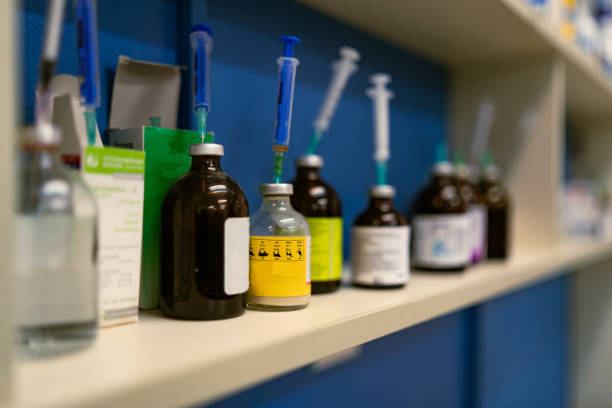
Veterinarians may use intravenous anesthetics, dissociative anesthetics, sedatives, and injectable analgesics at different stages of an anesthetic protocol depending on the intended objective.
Common examples include:
- Ketamine: a dissociative anesthetic with specific effects on muscle tone, reflexes, and cardiovascular and respiratory function. It is commonly used as one component of a multimodal protocol rather than being assumed to provide every component required for anesthesia when used alone.
- Propofol: a rapidly acting intravenous anesthetic with a short duration of action. Its use requires appropriate airway-management capability and respiratory and cardiovascular monitoring.
- Thiopental: an intravenous barbiturate anesthetic with its own pharmacological characteristics and monitoring requirements.
- Alpha-2 agonists such as xylazine or medetomidine: these are primarily sedative drugs that also provide analgesic support. They may be incorporated into anesthetic protocols but should not automatically be considered general anesthetics in every context. This group can significantly affect heart rate, vascular resistance, and blood pressure.
Some anesthetic, sedative, or analgesic drugs may be subject to specific legal controls. Prescribing, storage, dispensing, and administration should comply with applicable regulations and facility procedures.
One limitation of injectable drugs is that once a dose has been administered, immediately reducing drug exposure is generally more difficult than adjusting the concentration of an inhalational anesthetic. The duration and intensity of effects depend on the specific drug, route, dose, species, underlying disease, and any other drugs administered concurrently.
Combining Anesthesia With Analgesia and Muscle Relaxation
Veterinary anesthesia is often based on the principle of balanced anesthesia, in which different drugs or techniques are combined to achieve objectives such as unconsciousness, immobility, analgesia, and suitable physiological conditions for the procedure.
This approach may reduce the amount required of individual drugs, but it can also make drug interactions and monitoring more complex.
There is no single drug combination that is appropriate for every pig, cow, dog, cat, or bird. The anesthetic protocol should be selected according to species, age, underlying disease, expected pain level, procedure, monitoring equipment, and the ability to manage complications.
Veterinary Premedication: Roles, Drug Groups, and Indications
Why Premedication May Be Used Before General Anesthesia
Premedication is often an important part of an anesthetic protocol because it may:
- Reduce anxiety and stress before a procedure.
- Reduce the requirement for the primary anesthetic.
- Support pain control before and during surgery.
- Facilitate intravenous catheter placement, anesthetic induction, or handling.
- Support a more individualized balanced anesthesia plan.
Premedication does not automatically stabilize heart rate or blood pressure. Some sedatives or analgesics can cause significant cardiovascular, respiratory, or thermoregulatory changes.
There is therefore no universal premedication protocol for every patient. In emergencies, shock, respiratory compromise, or hemodynamic instability, a veterinarian may modify the planned premedication regimen according to the patient’s condition.
Common Premedication Drug Groups: Sedatives, Analgesics, and Anticholinergics
- Sedatives: acepromazine, diazepam, and midazolam are examples commonly discussed in veterinary practice. Their sedative effects and physiological impacts vary by drug.
- Alpha-2 agonists: xylazine, medetomidine, and dexmedetomidine. These drugs provide sedation and may support analgesia, but can produce significant changes in heart rate, vascular resistance, and blood pressure.
- Opioids: morphine, butorphanol, buprenorphine, and other opioids may be used for pain control depending on species, procedure, and expected pain intensity.
- Anticholinergics: atropine or glycopyrrolate may be used by veterinarians in selected situations involving bradycardia or autonomic effects. These drugs should not be considered routine requirements for every anesthetic case.
Indications, Contraindications, and Dose Adjustment According to Patient Condition
Premedication should be individualized according to species, age, physical condition, procedure, underlying disease, and the drugs planned for subsequent anesthetic stages.
Relevant considerations include:
- Age: geriatric, neonatal, juvenile, or debilitated animals may respond differently from healthy adult animals. Drugs should be titrated carefully to effect rather than relying only on a fixed dose.
- Underlying disease: cardiovascular, hepatic, renal, or respiratory disease, as well as reduced circulating volume, may influence drug selection and monitoring requirements.
- Body weight and species: doses should not be extrapolated between species. Drugs within the same class can produce markedly different responses in dogs, cats, cattle, pigs, or poultry.
Veterinary Local Anesthetics: Classification and When They May Be Preferred Over General Anesthesia
Local Infiltration, Regional Blocks, and Nerve Blocks in Veterinary Medicine
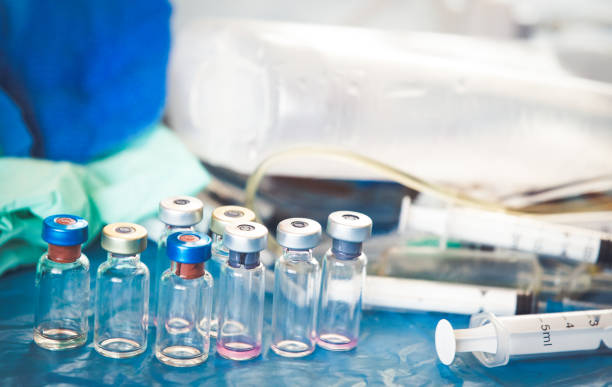
Lidocaine and bupivacaine are two commonly encountered examples of local anesthetic drugs in veterinary medicine. Each differs in onset, duration of action, and toxicity profile.
Local and regional anesthetic techniques may include:
- Local infiltration: administration of the anesthetic into tissues around the procedural area to reduce pain sensation locally.
- Regional block: interruption of sensation over a broader region using an appropriate blocking technique.
- Nerve block: blockade of a specific nerve or group of nerves.
Technique selection depends on anatomy, procedure type, animal species, and the experience of the person performing the block.
When Local or Regional Anesthesia May Be Chosen Instead of General Anesthesia
Local or regional anesthesia may be selected or incorporated into appropriate procedures to:
- Support pain control at the procedural site.
- Reduce the requirement for general anesthetic drugs.
- Limit systemic effects in selected patients when considered appropriate by the veterinarian.
- Support intraoperative and postoperative analgesia.
Local or regional anesthesia should not automatically be considered safer than general anesthesia. Some regional techniques still require sedation, monitoring, and the ability to manage complications.
The choice between local/regional anesthesia, sedation, and general anesthesia should be based on the balance between expected pain, ability to restrain the animal safely, procedural site, and individual patient risk.
Toxicity and Principles of Safe Local Anesthetic Use
Excessive systemic exposure to local anesthetic drugs can cause toxicity affecting the central nervous system and cardiovascular system. Risk depends on the drug, total amount administered, block site, species, patient condition, and technique.
Bupivacaine has a clinically important risk of cardiovascular toxicity when inappropriate systemic exposure occurs. However, its safety profile also depends on species, total amount used, block location, and technique.
Limits on use, regional-block techniques, recognition of toxicity, and management of local anesthetic toxicity should be handled by appropriately trained veterinarians with suitable monitoring and emergency resources.
Livestock producers or untrained personnel should not independently perform regional anesthesia or adjust local anesthetic amounts based on general reference information.
Considerations When Selecting Anesthesia for Different Animal Species
Important Differences When Anesthetizing Dogs and Cats
Dogs and cats differ substantially in physiology and drug metabolism. Cats metabolize some drugs differently from dogs, so doses or durations of action should not be inferred simply by adjusting for body weight.
Drug doses and anesthetic protocols should not be extrapolated directly from dogs to cats.
In small-animal practice, veterinarians may use various intravenous anesthetics, sedatives, analgesics, or inhalational anesthetics depending on patient condition. Selection should be based on pre-anesthetic assessment and monitoring capabilities rather than assuming that one drug or combination is appropriate for every case.
Drug-Selection Considerations for Pigs, Cattle, and Other Large Livestock Species
Pigs, cattle, and other large livestock species differ substantially in physiology, body size, positioning requirements, and drug responses.
Ruminants may respond differently from small-animal species to certain sedatives and anesthetics. Doses and protocols therefore should not be extrapolated from dogs or cats to cattle. Drug-specific decisions should be based on large-animal veterinary references and professional experience.
In large animals, prolonged recumbency can affect respiratory and cardiovascular function, as well as muscles and nerves. Preparing an appropriate recumbency area, padding, positioning, procedure duration, and recovery plan are therefore important components of anesthetic management.
Inhalational anesthesia in large animals often requires suitable equipment, airway-management capability, and adequate personnel, so its feasibility in field settings depends on the specific circumstances.
Challenges of Anesthesia in Poultry and Small Companion Species
Birds have respiratory anatomy and physiology that differ substantially from mammals, so anesthesia and monitoring require species-appropriate techniques.
Inhalational or other anesthetic approaches may be selected by a veterinarian depending on species, size, procedure, and equipment. An anesthetic protocol designed for mammals should not be applied to poultry without appropriate evidence and experience.
Small companion species such as rabbits, guinea pigs, or companion birds also have distinct characteristics related to metabolism, body temperature, respiration, and anesthetic risk. Protocols should be developed for the individual species rather than created by simply reducing doses used in larger animals.
Detailed species-specific anesthetic protocols should be developed and carried out by veterinarians experienced with the relevant animal group.
Monitoring Veterinary Anesthesia: Vital Parameters and Assessment of Anesthetic Depth
Important Parameters to Monitor During Anesthesia
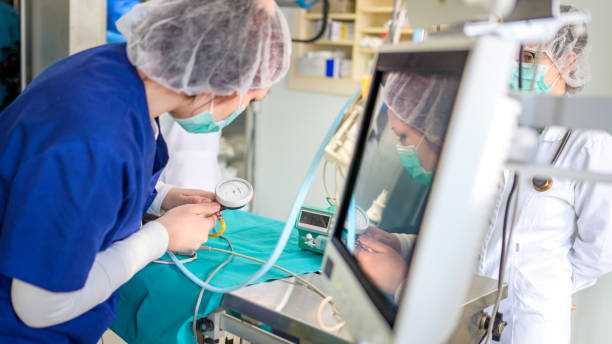
Anesthetic monitoring should combine direct observation by the person responsible for anesthesia with monitoring equipment appropriate to the patient’s level of risk.
Important parameters include:
- Heart rate and cardiac electrical activity when ECG is available: abnormalities should be interpreted together with blood pressure, perfusion, drugs administered, and anesthetic depth.
- Respiration: monitor respiratory rate, breathing pattern, and adequacy of ventilation. Respiratory rate alone is not sufficient to assess overall ventilation.
- Mucous membrane color: can support assessment of circulation but does not replace objective oxygenation monitoring. Cyanosis is a late and concerning sign.
- Capillary refill time (CRT): provides only one component of perfusion assessment and should be interpreted alongside pulse quality, blood pressure, mucous membrane color, and overall patient condition.
- Body temperature: should be monitored because hypothermia can prolong recovery and affect physiological function.
- SpO₂: pulse oximetry supports monitoring of oxygenation. Values should be interpreted according to species, patient condition, signal quality, and whether supplemental oxygen is being provided.
- ETCO₂: capnography provides important information about ventilation when appropriate equipment and technique are available.
- Blood pressure: supports assessment of circulation and detection of abnormal hemodynamic states.
The level of monitoring should be proportionate to the risk of the patient and procedure. A monitoring checklist developed for dogs or cats should not automatically be treated as a universal legal standard for every animal species.
Assessing Anesthetic Depth Through Reflexes and Clinical Signs
Anesthetic depth should not be determined from a single reflex. Multiple clinical signs and monitoring parameters should be assessed together.
- Palpebral reflex: may change with anesthetic depth, species, and drugs used.
- Corneal reflex: should be assessed cautiously according to species and protocol. Changes or loss of this reflex should not be interpreted in isolation as a measure of anesthetic depth.
- Withdrawal reflex: may help assess responses to stimulation but should not be used alone to determine whether a patient has reached an adequate surgical plane of anesthesia.
- Jaw tone: can provide additional information but varies according to drug and species.
- Eye position: may assist with assessment in certain species and protocols but is unreliable when interpreted without other clinical signs.
These reflexes and clinical signs should be interpreted alongside heart rate, blood pressure, respiration, SpO₂, ETCO₂, movement, and the drugs administered.
Common Monitoring Equipment and Principles When Monitoring Resources Are Limited
Anesthetic monitoring equipment may include a pulse oximeter, ECG or heart-rate monitor, thermometer, blood-pressure monitor, and capnograph.
Direct monitoring through cardiac auscultation, observation of respiration, pulse assessment, mucous membrane evaluation, temperature measurement, and clinical reflexes remains important but does not fully replace instrumental monitoring.
The level of monitoring should be selected according to the risk of the case. General anesthesia also requires appropriate ability to maintain the airway, supply oxygen, support ventilation, and manage emergencies.
If farm conditions do not allow monitoring, airway support, and emergency capabilities appropriate to the anticipated risk, the veterinarian should consider modifying the technique or referring the patient to a better-equipped facility.
A dedicated person should be assigned responsibility for monitoring the patient throughout anesthesia rather than allowing monitoring to be interrupted by unrelated tasks.
Veterinary Anesthesia Safety: Complications, Common Errors, and Practical Checklist
Respiratory and Cardiovascular Complications Associated With Anesthesia, Premedication, and Local Anesthesia
Anesthesia can affect respiratory and cardiovascular function to varying degrees.
Potential problems include hypoventilation, impaired oxygenation, hypotension, changes in heart rate, cardiac arrhythmias, hypothermia, or prolonged recovery.
The risk of aspiration should also be considered, although it depends on species, gastrointestinal status, procedure, ability to protect the airway, and an appropriate fasting plan.
If abnormalities occur, the veterinarian should evaluate the airway, oxygenation, ventilation, blood pressure, perfusion, anesthetic depth, amount of drugs administered, and the most likely underlying cause.
Reversal agents and emergency drugs should only be used when appropriate to the drug involved and the patient’s condition. Fixed rules such as “bradycardia always requires atropine” or “respiratory depression always requires a reversal drug” should not be applied because management depends on the cause and the anesthetic protocol used.
When warming is required, safe warming methods should be used and body temperature monitored. Direct heat sources that may burn an anesthetized patient should be avoided.
Special Considerations for Geriatric, Debilitated Animals, or Animals With Underlying Disease
Geriatric, debilitated animals, or animals with underlying disease may have lower physiological reserves and less predictable drug responses.
Rather than following a simple rule of “reduce the dose,” veterinarians should individualize the protocol and titrate drugs according to patient response.
Cardiovascular disease, respiratory disease, hepatic disease, renal disease, dehydration, anemia, systemic infection, and electrolyte disturbances can all affect anesthetic risk and drug selection.
The ASA Physical Status Classification is commonly used in veterinary anesthesia as a tool to describe a patient’s overall physical status and support pre-anesthetic risk stratification. It does not replace physical examination, diagnostic testing, or individualized patient assessment.
Common Errors to Avoid During Field Anesthesia
- Failure to individualize the anesthetic plan: using the same protocol for different species or for every patient condition.
- Using a fixed dose without assessing body weight and patient condition: starting doses should be based on appropriate patient information and then adjusted according to response to each drug.
- Applying one fixed fasting period to every animal: fasting of food and water varies according to species, age, health status, procedure, and risk of regurgitation or aspiration.
- Failure to monitor continuously: leaving an anesthetized animal without a dedicated person responsible for monitoring.
- Using drugs or protocols intended for another species: drug responses can differ substantially among dogs, cats, cattle, pigs, and poultry.
- Lack of emergency drugs, specific reversal agents, or airway-support equipment: emergency preparations should correspond to the anesthetic protocol being used.
Safe Anesthesia Checklist: Before, During, and After Surgery
Before anesthesia:
- Confirm appropriate food and water fasting instructions according to species, age, patient condition, and procedure.
- Assess overall health status, particularly cardiovascular, respiratory, hepatic, renal, and other relevant risk factors.
- Develop a drug protocol appropriate to body weight, patient condition, and expected response rather than using one fixed dose for all cases.
- Prepare emergency drugs, specific reversal agents when relevant to the planned protocol, and airway-support equipment.
- Check anesthetic equipment, monitoring devices, oxygen supply, and other necessary tools.
During anesthesia:
- Continuously monitor respiratory function, cardiovascular function, temperature, and anesthetic depth.
- Combine direct observation with appropriate monitoring equipment.
- Record drug-administration times, amounts administered, and any abnormal changes.
- Maintain body temperature using safe methods.
- Clearly assign responsibility for anesthetic monitoring.
After surgery:
- Position the animal appropriately for recovery according to species, airway status, and procedure.
- Continue monitoring respiration, circulation, body temperature, consciousness, and pain during recovery.
- Maintain body temperature safely and minimize unnecessary stimulation.
- Record recovery time and any abnormal signs.
- Do not discontinue monitoring simply because surgery has ended. Recovery remains an important component of anesthetic safety.
FAQ About Veterinary Anesthesia, Local Anesthesia, and Anesthetic Monitoring

Are Veterinary Anesthetics Dangerous Even When Used Correctly?
Anesthesia always carries some degree of risk, even when performed according to appropriate procedures.
Risk can be reduced through adequate pre-anesthetic assessment, individualized protocols, dedicated monitoring personnel, appropriate monitoring, and preparation for airway and cardiovascular support.
Conversely, administering anesthetic drugs without adequate monitoring, without assessing underlying disease, or without the ability to manage complications increases risk.
When Should Local or Regional Anesthesia Be Chosen Instead of General Anesthesia?
Local or regional anesthesia may be appropriate for certain localized procedures or may be combined with sedation or general anesthesia to support pain control.
Whether a procedure can be performed using local/regional anesthesia without general anesthesia depends on the procedural site, expected pain, ability to restrain the animal safely, species, and patient condition.
In high-risk anesthetic patients, local or regional techniques may reduce general anesthetic requirements in some situations, but they should not automatically be assumed to be safer.
What Signs Suggest That an Animal Is Too Deeply or Too Lightly Anesthetized?
No single sign is sufficient to determine anesthetic depth accurately.
Changes in movement, reflexes, muscle tone, eye position, heart rate, blood pressure, respiration, oxygenation, and ventilation should be assessed together.
Marked hypoventilation, hypotension, reduced perfusion, or concerning changes in reflexes may suggest that the patient is experiencing a problem and requires immediate veterinary assessment.
Conversely, movement, increased muscle tone, or cardiovascular and respiratory responses to stimulation may indicate that anesthetic depth is not appropriate for the procedure.
What Is the Minimum Monitoring Needed for Farm Anesthesia When Equipment Is Limited?
There is no single “minimum equipment” list that is appropriate for every species and procedure.
Preparation should be proportionate to patient and procedural risk. In addition to direct monitoring by a dedicated person, general anesthesia requires the ability to manage the airway, provide oxygen, support ventilation, and monitor appropriate physiological parameters.
Equipment such as pulse oximetry, blood-pressure monitoring, and capnography can provide important information in many general anesthetic cases. If monitoring and emergency capabilities appropriate to the case cannot be provided, the veterinarian should carefully reconsider whether general anesthesia should be performed under field conditions.
Is Premedication Always Required Before General Anesthesia?
There is no rule that every patient must receive the same premedication drug or protocol.
For many elective procedures, premedication can provide benefits such as stress reduction, analgesic support, and reduced requirements for primary anesthetic drugs.
However, the drug and degree of premedication should be individualized. In emergencies or patients with unstable hemodynamics, the veterinarian may modify the premedication regimen according to the patient’s condition.
Improving Veterinary Anesthesia Safety and Monitoring at VIETSTOCK 2026
Veterinary anesthesia is not simply about choosing an anesthetic drug. It involves the entire process of pre-procedural assessment, dose calculation based on patient condition, monitoring vital parameters, and preparing for potential complications. For surgical procedures and other interventions performed on farms, standardizing premedication, anesthesia, local/regional anesthesia, and recovery practices can help reduce risk and support safer veterinary decision-making under different practical conditions.
VIETSTOCK 2026 provides an industry networking platform for veterinarians, farm owners, veterinary pharmaceutical companies, equipment suppliers, and organizations across the livestock value chain. The event is expected to bring together more than 300 brands, over 10,000 sqm of exhibition area, and 13,000 trade visitors from more than 40 countries and territories.
At the event, attendees can explore and connect with solution providers offering products and technologies that support safe veterinary anesthesia, including:
- Veterinary medicines and procedural support products: learn about drug groups, supplies, and appropriate product-use information for veterinary practice.
- Monitoring and procedural-support equipment: explore solutions that support monitoring of heart rate, respiratory rate, temperature, recovery status, and post-procedural safety.
- Farm risk management: learn about preparing equipment, assigning monitoring responsibilities, recording administered doses, and responding to abnormal situations.
- Biosecurity during veterinary procedures: combine equipment hygiene, personal protective equipment, cross-contamination control, and post-procedural animal care.
- Professional exchange and networking: connect with companies, technical providers, and industry specialists to explore solutions suited to different livestock-production systems.
The VIETSTOCK 2026 Livestock Roadshows in Bac Ninh, Dong Thap and Ho Chi Minh City also help bring practical knowledge on herd health management, disease prevention, biosecurity, and improving livestock production efficiency closer to key livestock-producing regions.
Date: 21–23 October 2026
Venue: Saigon Exhibition and Convention Center (SECC), 799 Nguyen Van Linh Street, Tan My Ward, Ho Chi Minh City, Vietnam
Event website: https://www.vietstock.org/en/
👉 Visitor registration for VIETSTOCK 2026
👉 Learn more about the VIETSTOCK 2026 Livestock Roadshows
Contact information:
Exhibiting: Ms. Sophie Nguyen – [email protected]
Visitor Support: Ms. Phuong – [email protected]
Marcom Support: Ms. Anita Pham – [email protected]