2026 Beef Cattle Vaccination Guide: Principles for Vaccine Scheduling and Herd Management Considerations
A practical beef cattle vaccination guide covering age-based schedules, vaccine selection and storage, safe injection practices, booster management, post-vaccination care, biosecurity, and herd records.
Proper vaccination is the foundation of any beef cattle production system that aims to maintain stable productivity and control disease risks. However, many smallholders and farm owners still vaccinate based on habit, without a clear schedule, missing booster doses, or failing to monitor cattle after vaccination. As a result, the herd may still become sick even after vaccination.
This article provides a reference framework for building a beef cattle vaccination schedule by age and growth stage, identifying disease groups that commonly require attention, understanding vaccine storage principles, monitoring animals after vaccination, and managing herd records.
The content does not replace veterinary advice, vaccine labels, or vaccination plans issued by local livestock and veterinary authorities. Before applying any schedule, farmers should compare it with the local disease situation, the specific vaccine being used, and the latest guidance in 2026.
This content is intended as practical guidance. Farmers should cross-check it with the latest vaccination plans and guidance issued by local livestock and veterinary authorities in 2026.
Quick Summary
- Beef cattle need a vaccination and booster plan that is monitored from the calf stage to before sale, rather than receiving one vaccination and then leaving records unmanaged.
- Disease groups to consider in prevention programs include foot-and-mouth disease, hemorrhagic septicemia, anthrax in risk areas, and other diseases based on local epidemiology. For tick-borne hemoparasitic diseases, farmers should prioritize risk assessment, tick control, and veterinary advice before choosing suitable prevention measures.
- Vaccine effectiveness depends heavily on injection technique, storage conditions, and the health status of cattle at the time of vaccination.
- Vaccination records and biosecurity are essential supporting factors.
- A specific vaccination plan should be developed based on recommendations from veterinarians and local livestock and veterinary authorities, according to the disease situation in each region.
Why Is Timely Vaccination Critical in Beef Cattle Production?
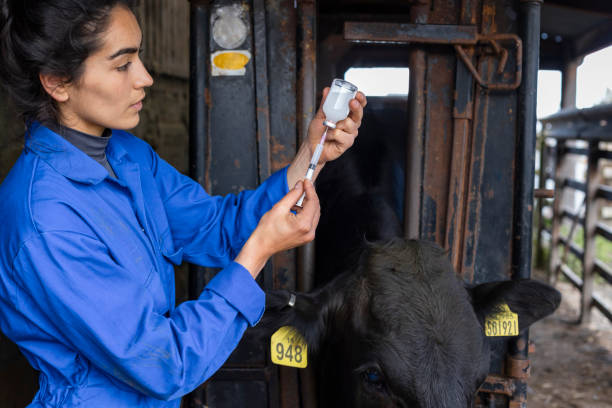
Many beef cattle production areas in Vietnam are increasing in scale and herd density. Combined with unfavorable weather and climate factors, disease risks may increase, especially during seasonal transitions.
In this context, timely vaccination is no longer just something farmers “should do.” It is a basic requirement for maintaining a healthy herd and avoiding serious economic losses. Farmers need to regularly update disease prevention recommendations from local livestock and veterinary authorities.
A disease outbreak in a beef cattle herd can cause not only deaths or reduced market weight, but also treatment costs, isolation costs, disinfection costs, and the risk of spreading disease to other herds in the area.
For beef cattle, which are raised to be sold at the right time, each disease outbreak may delay the sale plan by weeks or even months, directly affecting farm cash flow.
In addition to disease control, many safety, quality, and traceability certification programs such as some VietGAP or organic standards often consider herd management records, including vaccination records, as one of the criteria for assessment. Farmers should check the specific requirements of each program to prepare properly.
Effective vaccination is not just about giving one vaccine shot and then stopping there. It is a system that requires the right vaccine, the right timing, the right technique, and close herd management.
Fundamental Principles When Vaccinating Beef Cattle
Practical Goals of Vaccination on Beef Cattle Farms
The goal of vaccination is not to completely eliminate disease risk. That is not realistic in any livestock production system.
More practical goals include:
- Creating sufficient immunity so cattle are less likely to develop severe disease or die when exposed to pathogens.
- Reducing transmission within the herd if an outbreak occurs.
- Protecting the most vulnerable animals, especially calves and newly introduced cattle.
- Combining vaccination with biosecurity measures to maintain stable herd health.
Understanding these goals helps farmers avoid overestimating vaccines and prevents them from neglecting supporting disease prevention measures.
The “5 Rights” of Beef Cattle Vaccination
The “5 rights” principle is widely applied in veterinary practice and is a foundation for ensuring vaccine effectiveness:
- Right animal condition: Vaccinate only cattle that are healthy enough — not feverish, not under acute stress, and not immediately after long-distance transport.
- Right target disease: Choose vaccines suitable for the diseases that need prevention, based on the actual disease situation in the production area.
- Right timing: Vaccinate according to recommended schedules, preferably before common disease seasons, and follow the correct interval between doses.
- Right dose: Do not reduce the dose to save vaccine. A lower-than-recommended dose may not create sufficient protective immunity.
- Right route: Each vaccine has its own indicated route of administration, such as subcutaneous or intramuscular injection. The route should not be changed arbitrarily.
Limits of Vaccines: When Vaccination Alone Is Not Enough to Protect the Herd
Vaccines are not a universal solution. Vaccine effectiveness may be significantly reduced in situations such as:
- Cattle are already carrying a latent infection at the time of vaccination.
- Passive antibodies from colostrum are still high in calves and may neutralize the vaccine, reducing immune response in calves that are too young.
- Poor nutrition, mineral deficiency, or weak body condition prevents the immune system from producing a good post-vaccination response.
- The vaccine has been stored at the wrong temperature or has expired.
- Pathogen contamination in the housing environment is too high. Vaccines cannot compensate for poor hygiene.
When these conditions are present, farmers need to review the entire herd management and biosecurity program, not just adjust the vaccination schedule.
Beef Cattle Vaccination Schedule by Age and Growth Stage

Newborn Calves to Under 1 Month Old: First Priorities
During this stage, calves need enough colostrum within the first 6–12 hours after birth to receive passive antibodies from the dam. This is the first and most important “protective layer” before the calf’s own immune system becomes fully active.
For active vaccination, the stage under 1 month of age is usually not the ideal time for most vaccines, because maternal antibodies may reduce vaccine effectiveness.
However, in some high-risk areas or for certain specific diseases, veterinarians may recommend earlier intervention. Farmers should consult local veterinary authorities before making a decision.
The key focus at this stage is to monitor calf and dam health, ensure calves receive enough colostrum, and prepare an active vaccination schedule for later age milestones.
Calves 1–3 Months Old: Building Baseline Immunity and the First Booster
This is the stage when active vaccination begins for many important diseases. Maternal antibodies are gradually declining, and the calf’s immune system has become mature enough to respond after vaccination.
At 1–3 months of age, some production programs may begin considering active vaccination for calves, but the vaccine list should not be fixed for every farm.
Vaccines such as hemorrhagic septicemia, foot-and-mouth disease, or anthrax should be used only when they are suitable according to the product label, local disease situation, local vaccination plan, and veterinary advice.
In high-risk areas or areas with specific disease prevention programs, farmers should prioritize guidance from local livestock and veterinary authorities.
The interval between doses of the same vaccine should follow the product label, manufacturer instructions, and recommendations from veterinarians or local livestock and veterinary authorities. Farmers should not apply one fixed interval to every vaccine.
The specific schedule must follow manufacturer instructions and local veterinary authority recommendations.
Calves 3–6 Months Old: Preparing Before the Finishing Stage
At this stage, calves have baseline immunity from previous vaccinations and may need booster doses to maintain protection.
This is also the time to consider:
- Booster doses for foot-and-mouth disease and hemorrhagic septicemia vaccines.
- Risk assessment for tick-borne hemoparasitic diseases such as Babesia and Anaplasma in areas with tick-borne risk. Tick control, herd health monitoring, and specific prevention measures should be applied only with guidance from a veterinarian or local livestock and veterinary authority.
- First deworming as part of the disease prevention program.
At this stage, calves should also be ear-tagged and have complete health records if this has not already been done.
Beef Cattle 6–12 Months Old: Vaccination During the Rapid Growth Stage
This is the stage when cattle enter a rapid growth cycle, with high nutritional demand and higher vulnerability to stress if the environment or diet changes suddenly.
Vaccination during this stage should not overlap with herd movement, diet changes, or housing changes.
Vaccination tasks to check and perform include:
- Booster vaccination for foot-and-mouth disease, with frequency based on the manufacturer’s recommendations and local livestock and veterinary authority guidance.
- Booster vaccination for hemorrhagic septicemia according to the product label, manufacturer instructions, disease situation, and recommendations from a veterinarian or local livestock and veterinary authority.
- Periodic parasite checks and deworming as part of the herd health program.
Beef Cattle Over 12 Months Old and Cattle Preparing for Sale: Vaccinations to Review
Before sale, vaccination records for each animal should be reviewed to ensure that:
- All vaccines in the disease prevention program have been completed.
- No booster dose is due during the period immediately before sale. If a booster is due, timing should be planned so the vaccine is not given too close to transport.
- Any withdrawal period for meat after vaccination should be checked if applicable on the product label or required by the buyer or slaughter facility.
Breeding Bulls and Breeding Cows in Beef Production Systems: Separate Vaccination Planning
In beef farms that also keep breeding herds:
- Pregnant cows: Some vaccines are not recommended during early pregnancy or sensitive stages unless the product is specifically labeled as safe for pregnant cows. Farmers should confirm with a veterinarian before vaccinating. Some vaccines are indicated for dams before calving to transfer antibodies to newborn calves through colostrum.
- Breeding bulls: Bulls need to maintain periodic vaccination schedules like breeding cows, especially for diseases transmitted through direct contact.
Summary Table: Beef Cattle Vaccination by Age, Disease Group, and Booster Notes
The table below is a reference framework based on common practice. It is not an official government schedule. Specific schedules should be adjusted according to vaccine manufacturer instructions, veterinary recommendations, and annual vaccination plans issued by local livestock and veterinary authorities.
| Age / Stage | Disease Groups to Consider | Vaccine / Measure | Booster / Notes |
| Under 1 month old | Prioritize passive protection through colostrum; monitor newborn calf health | Do not apply a fixed vaccine schedule unless indicated by a veterinarian | Follow veterinary recommendations and the calf’s health status |
| 1–3 months old | Hemorrhagic septicemia, foot-and-mouth disease, anthrax if in a risk area | Suitable vaccine according to product label, local epidemiology, and vaccination plan | Booster according to manufacturer instructions, veterinarian, or local livestock and veterinary authority |
| 3–6 months old | Booster previous vaccines; assess risks of respiratory, digestive, and parasitic diseases | Booster vaccines if indicated; combine parasite control under veterinary guidance | Do not apply fixed schedules to every herd; monitor health and vaccination records |
| 6–12 months old | Foot-and-mouth disease, hemorrhagic septicemia, anthrax in risk areas, and diseases based on local epidemiology | Booster vaccines under a suitable disease prevention program | Follow vaccine label, local vaccination plan, and veterinary advice |
| Over 12 months old | Review the full disease prevention program; add missing doses if needed | Booster or catch-up vaccines based on herd records | Usually reviewed before disease seasons, new herd introduction, or the finishing/sale stage |
| Breeding cattle | Foot-and-mouth disease, hemorrhagic septicemia, and other diseases as indicated | Vaccines suitable for pregnancy stage, body condition, and veterinary advice | Do not vaccinate pregnant cows without checking the product label and veterinary advice |
Main Vaccination Groups, Disease Priorities, and How to Choose Vaccines for Beef Cattle
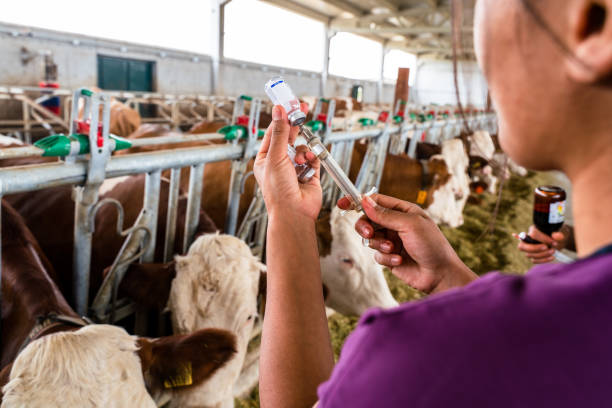
Viral Diseases: Foot-and-Mouth Disease, Viral Diarrhea, and Enteritis in Calves
Foot-and-mouth disease (FMD) is a dangerous viral disease that requires strict control and is often included in compulsory or government-supported vaccination programs in many localities.
Cattle with FMD may lose significant body weight and develop lesions in the mouth and feet, affecting their ability to eat and move.
FMD vaccines should be boosted according to the vaccine label, manufacturer instructions, and local livestock and veterinary authority vaccination plans. Farmers should not apply a fixed frequency on their own without checking the current vaccination program.
Farmers need to follow the annual vaccination plan and specific directions from local livestock and veterinary authorities.
Viral gastrointestinal diseases such as rotavirus and coronavirus diarrhea in calves are often prevented indirectly by vaccinating dams before calving, helping newborn calves receive antibodies through colostrum.
Bacterial Diseases: Hemorrhagic Septicemia, Anthrax, Salmonellosis, and Septicemia
Hemorrhagic septicemia caused by Pasteurella multocida is common in beef cattle, especially during the rainy season and sudden weather changes. The disease can progress quickly and cause serious losses if not detected, isolated, and handled in time.
Hemorrhagic septicemia vaccination is important in many cattle-producing areas, especially where seasonal disease risk or weather instability is present. However, vaccination frequency should follow the product label, manufacturer instructions, disease situation, and recommendations from a veterinarian or local livestock and veterinary authority.
Anthrax caused by Bacillus anthracis is less common but particularly dangerous and can spread quickly. In areas with a history of anthrax outbreaks, veterinary authorities often recommend or implement periodic vaccination programs. Farmers should follow specific local guidance.
Salmonellosis and septicemia caused by Salmonella or other bacteria may be considered depending on local conditions and farm scale.
Tick-Borne Hemoparasitic Diseases: Babesia and Anaplasma According to Local Epidemiology
Babesia and Anaplasma are important tick-borne agents associated with blood parasitic diseases in cattle. Their prevalence varies by region, farming conditions, and tick control level. Therefore, farmers should consult a veterinarian or local livestock and veterinary authority to assess actual risk before including these diseases in a prevention program.
These diseases may cause anemia, yellow mucous membranes, weight loss, and in severe cases, death. When blood parasitic disease is suspected, farmers should contact a veterinarian for diagnosis and appropriate handling.
Farmers should not assume that vaccines for tick-borne hemoparasitic diseases are readily available in Vietnam. If such a measure is being considered, they should check whether the product is approved for circulation, its indications, application conditions, and guidance from a veterinarian or local livestock and veterinary authority.
Controlling Worms, Ticks, and Mange as Part of an Overall Disease Prevention Program
Deworming and control of external parasites such as ticks and mange mites are not vaccines, but they are often important parts of a comprehensive disease prevention program for beef cattle.
The reason is that ticks are vectors for Babesia and Anaplasma, while internal parasites reduce body condition, weaken immunity, and may reduce vaccine response.
Many farms carry out periodic parasite control depending on infection level, farming conditions, season, and veterinary advice. A fixed frequency should not be applied to every herd.
Tick control spraying and housing treatment should be combined according to professional recommendations.
Criteria for Choosing Vaccines for Beef Cattle Farms
Not every vaccine is necessary for every farm. When choosing vaccines, farmers should consider:
- Local epidemiology: Which diseases are circulating or at high risk in the area?
- Storage conditions: Can the farm maintain the cold chain? If not, some heat-sensitive vaccines may not be feasible.
- Professional recommendations: Always prioritize guidance from veterinarians or local livestock and veterinary authorities, as they have the most updated disease information.
- Herd size and cost: Small herds should prioritize the most important vaccines first. Larger herds may have a more comprehensive protocol.
Proper Vaccine Storage
This is a point that many small farms overlook, causing vaccines to lose effectiveness before they are administered:
- Vaccines must be stored according to the temperature stated on the product label. Many veterinary vaccines require refrigeration and should not be frozen. Users should always check the specific storage instructions on the label before use.
- Opened vaccine vials must be used within the time allowed on the product label. Vaccines that have been opened beyond the manufacturer’s recommended time should not be kept or reused.
- When transporting vaccines to the cattle housing area, use a cooler box with a towel liner to avoid direct contact with ice. Temperatures that are too cold can also damage vaccines.
- Do not expose vaccines to direct sunlight.
- Check the expiration date and condition of the vaccine vial before use.
Distinguishing Compulsory, Recommended, and Optional Vaccines to Prioritize Resources
When resources are limited, farmers should distinguish vaccine groups according to guidance from local livestock and veterinary authorities:
- Often included in compulsory or government-prioritized vaccination programs: Foot-and-mouth disease and certain diseases directed by livestock and veterinary authorities at each stage. Farmers should check annual local vaccination plans to update the specific list.
- Highly recommended: Hemorrhagic septicemia; anthrax in high-risk areas according to local programs; tick-borne hemoparasitic diseases in areas with high tick pressure, based on professional advice.
- Optional, based on risk assessment: Other vaccines depending on farm disease history, local disease situation, and production model. If vaccines are registered for circulation and supplied locally, veterinarians can advise whether they should be included in the protocol.
Beef Cattle Vaccination Procedure: Before, During, and After Vaccination
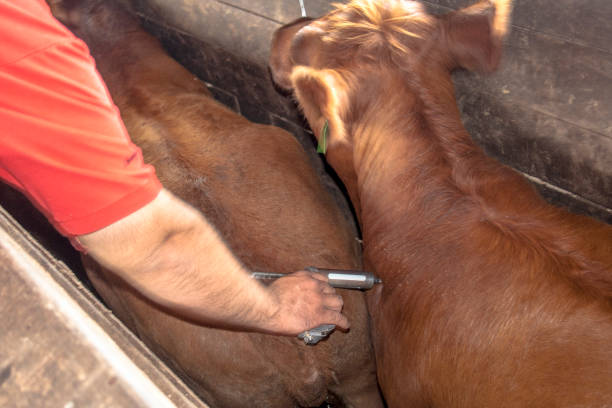
Pre-Vaccination Preparation Checklist
Assess Herd Health: Exclude Cattle That Are Feverish, Stressed, or Recently Transported
Before each vaccination round, farmers should review herd health. Animals showing abnormal signs or unstable body condition should not be vaccinated.
- Do not vaccinate cattle with fever, diarrhea, loss of appetite, unusual fatigue, or obvious disease signs.
- Cattle that have just been transported over long distances should be observed and stabilized before vaccination.
- Pregnant cows should be assessed by a veterinarian before vaccination, especially in early or late pregnancy.
- Any decision to delay vaccination, catch up on missed doses, or adjust the schedule should follow veterinary advice and vaccine label instructions.
Prepare Injection Equipment, Cattle Restraint, and a Plan for Post-Vaccination Reactions Under Veterinary Guidance
Equipment to prepare includes:
- Needles: Choose the appropriate size according to route of administration, age, body condition, vaccine type, and guidance from a veterinarian or manufacturer. Do not use one needle size for every situation.
- Syringes: Sterilized and sufficient in number.
- Cold storage box with a thermometer to monitor temperature.
- A cattle chute or appropriate restraint equipment to restrain cattle safely.
- Alcohol swabs and disinfectant solution.
- For large vaccination rounds or herds with risk of post-vaccination reactions, there should be a response plan for anaphylaxis and a veterinarian available for support.
- Adrenaline/epinephrine should only be used by a veterinarian or a properly trained person under veterinary direction, according to the correct indication, dosage, and route of administration.
- Vaccination record book or digital recording device.
Group Cattle, Prepare the Area, and Assign Personnel
Scientific organization helps save time and reduce stress for both cattle and handlers:
- Group cattle by age and vaccine type to avoid mistakes.
- Arrange a separate vaccination area with enough space and light.
- Assign roles clearly: one person restrains cattle, one vaccinates, and one records information.
Correct Vaccination Technique for Beef Cattle
Routes of Administration: Subcutaneous, Intramuscular, and Intravenous
- Subcutaneous injection (SC): Use only when the vaccine is indicated for subcutaneous administration, and follow the correct site, technique, and dosage stated on the product label.
- For beef cattle, injection sites should be selected to reduce damage to high-value meat cuts. The person performing vaccination should follow manufacturer and veterinary guidance and should not change the injection site on their own.
- Intramuscular injection (IM): Use only for vaccines indicated for intramuscular administration. Injection sites should follow the product label and veterinary guidance. In beef cattle practice, the neck area is often preferred to reduce impact on carcass quality.
- Intravenous injection (IV): Rarely used for vaccines and mainly used in treatment. It requires professional skill.
Always follow the route of administration indicated on the product packaging.
Injection Sites, Safe Restraint, and Reducing Stress and Injury
For intramuscular injections, the neck area, around the middle third on either side of the neck, is generally preferred to reduce muscle damage in high-value cuts such as the rump. This is a widely recommended practice in beef cattle production.
Use other injection sites only when specifically indicated and guided by a veterinarian.
Restrain cattle with a chute or by tying the head to a secure post.
Avoid injecting when cattle are kicking or struggling strongly.
Hygiene and Disinfection Before and After Each Injection
- Clean and disinfect the injection site with an alcohol swab and allow it to dry before injection.
- Change the needle after each animal. This is a basic principle for preventing cross-infection of blood-borne agents.
- Do not allow needles to contact non-sterile surfaces.
- Collect used needles in a safe sharps container after the vaccination session.
Monitoring and Caring for Cattle After Vaccination
Common Side Effects: Mild Fever, Swelling at the Injection Site, and Reduced Feed Intake for 24–48 Hours
After vaccination, some cattle may show:
- Mild fever or tiredness during the first 1–2 days, which is usually a normal response.
- Mild swelling at the injection site, which usually resolves after a few days.
- Reduced feed or water intake for 24–48 hours.
These signs usually do not require intervention if they are mild and resolve within 2–3 days. If signs become more severe or persist, farmers should contact a veterinarian for assessment.
What to Do If Cattle Show Vaccine Shock, Breathing Difficulty, or Signs of Anaphylaxis
Anaphylaxis after vaccination is rare but requires immediate action.
Warning signs include:
- Trembling.
- Difficulty breathing.
- Excessive drooling.
- Staggering.
- Collapse within a few minutes to 30 minutes after vaccination.
Initial response: If cattle show signs of anaphylaxis after vaccination, such as difficulty breathing, trembling, staggering, abnormal drooling, or collapse, contact a veterinarian immediately.
Adrenaline/epinephrine should only be used by a veterinarian or a properly trained person under veterinary direction, according to the correct indication, dosage, and route of administration for each case. Farmers should not manage anaphylaxis on their own without professional training.
Contact a veterinarian immediately in any case of suspected shock or anaphylaxis. Do not handle the situation entirely on your own if you are not professionally trained.
Adjusting Diet and Care During 1–3 Days After Vaccination
- Provide enough clean drinking water. Cattle may drink more after vaccination if they have mild fever.
- Reduce labor intensity, such as plowing or transport, for 1–2 days if applicable.
- Do not change the diet suddenly during this period.
- Monitor each animal and record any abnormal signs in the herd record.
Comparison: Minimum and Expanded Vaccination Schedules for Beef Cattle
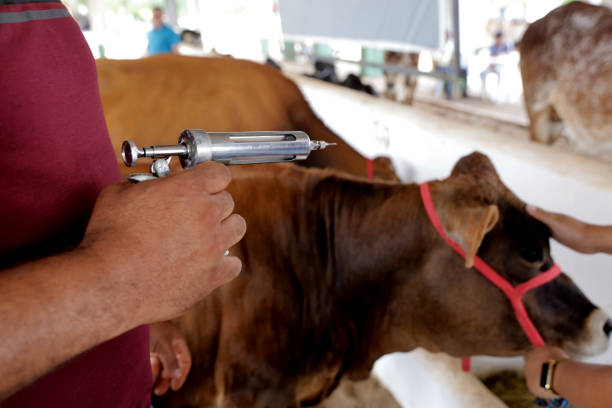
Minimum Schedule for Smallholders With Fewer Than 20 Cattle
For small-scale households with limited resources, the minimum vaccination plan should focus on:
- Foot-and-mouth disease vaccination, which is often included in compulsory or government-supported vaccination programs in many localities, according to the annual plan.
- Hemorrhagic septicemia vaccination, which should be considered in many cattle-producing areas, especially where seasonal disease risk is present.
- Vaccination frequency should follow the product label, manufacturer instructions, disease situation, and recommendations from a veterinarian or local livestock and veterinary authority.
- Periodic deworming and external parasite control.
This minimum set helps prevent common diseases and supports basic regulatory compliance. Farmers should compare it with the specific vaccination plan issued annually by local livestock and veterinary authorities.
Expanded Schedule for Medium and Large Farms With 50 Cattle or More
For farms with 50 cattle or more, the vaccination schedule should be more comprehensive and include:
- All compulsory and recommended vaccines according to local guidance.
- A tick-borne hemoparasitic disease prevention protocol if the area is at risk, based on advice from competent authorities.
- Anthrax vaccines and other bacterial disease vaccines if they are registered for circulation, supplied locally, and recommended by veterinarians for inclusion in the protocol.
- Integration of vaccination with parasite control and periodic herd health checks.
- Use of a record book or herd management software to avoid missing booster doses.
Criteria for Choosing a Protocol: Herd Size, Local Disease Situation, Cost, and Sale Goals
| Criteria | Smallholders With Fewer Than 20 Cattle | Medium–Large Farms With 50 Cattle or More |
| Management scale | Simple, limited labor | Requires a structured monitoring system |
| Vaccine priority | Local program + hemorrhagic septicemia | Comprehensive according to local epidemiology and professional guidance |
| Parasite control | Periodic, based on veterinary advice | Periodic, based on veterinary advice, combined with tick spraying |
| Record keeping | Basic notebook | Record book or herd management software |
| Vaccine cost | Prioritize minimum effective cost | Can invest in a more comprehensive program |
Comprehensive Beef Cattle Disease Prevention: Combining Vaccination With Biosecurity and Farm Management
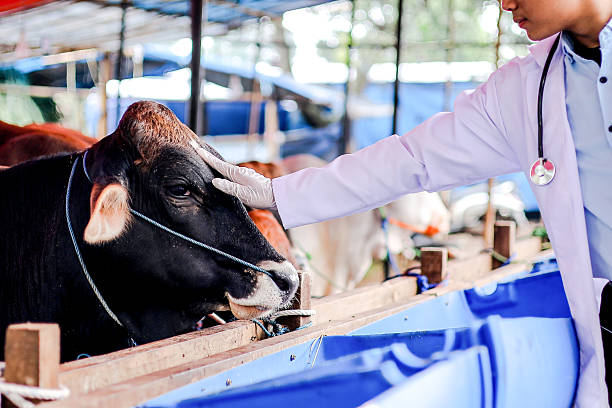
Biosecurity on Beef Cattle Farms: Access Control, Disinfection, and Movement Flow
Biosecurity is the first defense layer. It supports vaccination and does not replace it.
Key principles include:
- Control farm access: Limit visitors, require protective clothing, and disinfect footwear.
- Disinfection pit at the entrance: Maintain effective disinfectant solution and replace it regularly.
- Vehicle control: Disinfect cattle transport vehicles before they enter the farm.
- Avoid buying cattle from sources with unclear health status, especially during active disease periods.
Isolation of Newly Introduced Cattle and Handling Sick Animals
Newly introduced cattle are one of the most common sources of disease introduction in livestock production.
- Newly introduced cattle should be isolated in a separate area for at least 14–21 days before joining the main herd. This is a common good-practice recommendation, and the specific duration may be adjusted according to competent authority advice and actual conditions.
- During isolation, monitor health daily, deworm, and begin the farm’s vaccination protocol if the animals have not been fully vaccinated.
- Sick cattle in the herd should be isolated as soon as signs are detected, treated under veterinary guidance, and kept away from healthy animals.
Nutrition, Clean Water, and Housing Hygiene Support Natural Resistance
Vaccines work best when the cattle’s immune system is strong enough to respond. Nutrition and hygiene directly affect immune response after vaccination:
- A balanced diet in terms of protein, energy, minerals, and vitamins. Vitamins A and E, selenium, and zinc are especially important for immunity.
- Clean drinking water that is always available. Cattle with water shortage or contaminated water may have significantly reduced resistance.
- Housing hygiene: remove manure at least 1–2 times per day, disinfect periodically, and ensure good ventilation.
Integrating Vaccination With Parasite Control and Trace Mineral Supplementation
Vaccination, parasite control, and trace mineral supplementation should be treated as an integrated program, not as separate activities.
Many technical references recommend deworming before vaccination rounds, for example around 1–2 weeks beforehand, to improve body condition and support better immune response. The specific timing should follow veterinary advice.
Trace minerals such as selenium, zinc, and copper may support immune function, especially when cattle are recovering or preparing for vaccination.
Beef Cattle Herd Management Linked to Vaccination Schedules
Creating a Vaccination Book and Health Records
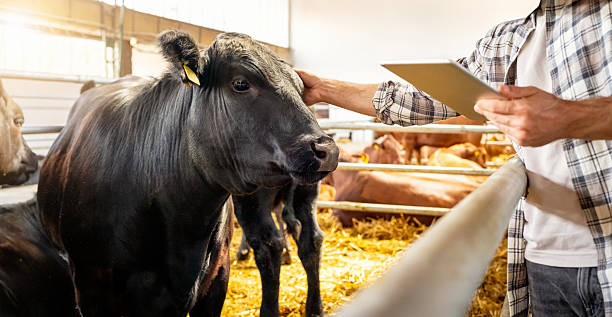
Complete vaccination records help with internal monitoring and are also necessary when there are inspection requests from competent authorities or trade partners.
Each record should include at least:
- Ear tag number or animal ID.
- Birth date, estimated or exact.
- Vaccination date, vaccine type, and vaccine batch number.
- Dose and route of administration.
- Name of the person performing the vaccination.
- Notes on post-vaccination reactions, if any.
Ear Tagging, Identification, and Grouping by Age and Production Purpose
Ear tagging and identification are the foundation of modern herd management. Without an identification system, tracking vaccination schedules for each animal becomes very easy to confuse, especially when the herd includes dozens or hundreds of animals.
Cattle should be grouped by:
- Calves.
- Finishing beef cattle.
- Breeding cattle.
Each group has a different vaccination schedule and should be managed separately.
Organizing Booster Reminders With Notebooks, Excel Files, or Herd Management Apps
Booster doses are one of the most common weaknesses in vaccination management. Many farms complete the first dose well but forget the booster.
Solutions include:
- Notebook or wall calendar: Simple and effective for small farms. Clearly record the next booster date for each animal.
- Excel or Google Sheets: Suitable for medium-sized farms and easy to filter or sort by upcoming vaccination date.
- Herd management apps: Some current livestock apps allow automatic reminders and are suitable for larger farms with many animals to monitor at the same time.
No matter which tool is used, the most important habit is to record information immediately after each vaccination session and not leave records unfinished.
Linking Vaccination Schedules With Herd Entry, Sale Plans, and Finishing Plans
Vaccination schedules should be integrated into the farm’s business plan:
- When new cattle are expected to enter the farm, prepare the isolation area and vaccination plan before the arrival date.
- When planning sales, check vaccination records at least 1 month in advance to handle any missing doses in time.
- Many experts recommend avoiding vaccination too close to transport, for example within 1–2 weeks, to limit combined stress, unless urgent disease control requirements are issued by veterinary authorities.
Common Mistakes That Reduce Beef Cattle Vaccination Effectiveness
Vaccinating at the Wrong Time: Cattle Are Sick, Stressed, or Recently Transported
Vaccinating weakened cattle is not only less effective but may also worsen their condition.
When the immune system is already dealing with disease or stress, it may not produce a sufficient vaccine response, and cattle may also have a higher risk of stronger-than-normal reactions.
Missing Booster Doses or Giving Boosters Too Late
Many vaccines require two doses to create full baseline immunity. If only the first dose is given and the booster is missed, protection may be very low or unstable.
If a booster is delayed beyond the allowed interval, the protocol may need to be restarted from the first dose depending on the vaccine. Farmers should ask a veterinarian or check the manufacturer’s instructions to handle this correctly.
Storing Vaccines at the Wrong Temperature, Using Expired Vaccines, or Using Opened Vials Beyond the Allowed Time
Vaccines damaged by poor storage no longer provide protection. However, cattle may still develop local injection-site reactions such as swelling or pain without gaining protective immunity.
This creates a double loss: wasted vaccine and an unprotected herd.
Reusing the Same Needle for Multiple Animals or Failing to Disinfect Between Injections, Causing Cross-Infection
Reusing needles is one of the fastest ways to spread blood-borne diseases, including tick-borne hemoparasitic diseases and some viruses.
The cost of replacing needles is very small compared with the risk of cross-infection across the herd.
Not Keeping Records and Not Updating Recommendations From Competent Authorities Each Disease Season
Without records, farmers do not know which animal received which vaccine, when boosters are due, or the herd’s protection status during an outbreak.
In addition, vaccination schedules and disease priorities may change by season and year depending on disease developments. Farmers need to update information regularly from local livestock and veterinary authorities.
Beef Cattle Vaccination Checklist by Timeframe and Animal Group
Checklist by Time of Year
Before the Rainy Season, Around April–May
- Check vaccination records for the whole herd and identify which animals need boosters.
- Administer a booster for hemorrhagic septicemia vaccination, as this disease often has higher risk during the rainy season.
- Check FMD vaccination records and administer a booster if it is nearing due.
- Disinfect housing areas and check drainage systems.
- Deworm and spray for ticks before the period of strong tick activity.
Before the Cold Season, Around October–November
- Review vaccination schedules and add any missing doses.
- Prepare housing to prevent drafts and keep calves warm.
- Carry out the final deworming round of the year.
- Check vaccine storage and order vaccines for the first quarter of the following year.
Before Sale
- Review vaccination records for each animal planned for sale.
- Confirm any withdrawal period if required.
- Avoid vaccinating too close to transport, for example within 1–2 weeks, to limit combined stress, unless urgent disease control requirements are issued by competent authorities.
- Record vaccination information fully to provide to buyers if needed.
Checklist by Animal Group
Calves 1–3 Months Old
- Calves received enough colostrum within 6–12 hours after birth.
- Ear tagging and records have been completed.
- The first vaccination has been given according to the schedule, such as hemorrhagic septicemia or FMD, based on local authority and veterinary recommendations.
- Booster dates have been recorded in the monitoring book.
Finishing Beef Cattle
- All animals have received the vaccines required under the farm’s vaccination program.
- The most recent booster is not overdue.
- Parasite control has been carried out recently according to schedule.
- No animal is showing abnormal signs that have not been handled.
Breeding Cattle
- Pregnancy status has been confirmed with a veterinarian before any vaccine is administered.
- Dams approaching calving have been vaccinated according to recommendations, if suitable indications exist, to transfer antibodies to calves.
- Vaccination records are updated to the current date.
Newly Introduced Cattle
- Cattle are kept in a separate isolation area.
- Cattle have been isolated and monitored in a separate area for the period recommended by a veterinarian, often at least 14 days in many herd management practices. The specific period may be longer depending on cattle source, disease situation, farm scale, and local disease risk.
- Parasite control has been carried out.
- A vaccination plan according to the farm protocol has been prepared.
FAQ: Common Questions About Beef Cattle Vaccination
At What Age Should Calves Start Vaccination?
In general, active vaccination for calves often begins from around 4–6 weeks of age onward, depending on the vaccine type and local disease conditions. Before this stage, passive antibodies from colostrum may reduce vaccine effectiveness.
However, for certain high-risk diseases or special conditions, competent authorities may recommend earlier intervention. Farmers should consult a veterinarian and local livestock and veterinary authority to develop a schedule suitable for the farm’s actual situation.
How Often Should Main Beef Cattle Vaccines Be Boosted?
It depends on the vaccine.
Booster frequency depends on each vaccine type, product label, manufacturer instructions, disease situation, and local authority vaccination plans.
For vaccines such as foot-and-mouth disease or hemorrhagic septicemia, farmers should not apply a fixed schedule on their own without checking specific guidance.
Always check the instructions on the product packaging and consult a veterinarian or local livestock and veterinary authority before implementation.
Should Newly Introduced Cattle Be Vaccinated Immediately or After Isolation?
Vaccination should usually be done after the isolation and stabilization period. Newly transported cattle are under stress and their immune systems may not be stable. Vaccinating immediately may reduce immune response and increase the risk of side effects.
During isolation, the priorities are health observation, stable feeding and drinking, and parasite control before starting vaccination. The specific timing should follow advice from a veterinarian and local livestock and veterinary authority.
What Should Farmers Do If Cattle Develop Fever and Stop Eating After Vaccination?
Mild fever and reduced appetite during the first 1–2 days after vaccination are usually normal reactions.
Farmers should provide enough clean drinking water and monitor body temperature daily.
If fever is high, above 40°C, lasts more than 3 days, or is accompanied by other signs such as difficulty breathing, diarrhea, or swelling, farmers should contact a veterinarian immediately for assessment and timely treatment.
If a Booster Dose Is Missed, Does the Entire Protocol Need to Be Restarted?
This depends on the vaccine type and how long the dose was missed.
If the missed dose is not too delayed, the booster often only needs to be given without restarting the entire protocol. However, if the delay is too long or the current immune status is uncertain, farmers should ask a veterinarian.
A veterinarian may recommend restarting the protocol depending on the situation and manufacturer instructions.
Does Vaccination Affect Weight Gain or Beef Quality?
If vaccination is performed with the correct technique and at the correct site, preferably the neck area, the risk of affecting commercial meat quality is generally low.
Incorrect technique or injection at the wrong site may cause muscle damage, bruising, or scarring at the injection site, affecting commercial value.
Weight gain may decrease slightly for 1–3 days after vaccination because cattle may be tired or eat less, but they usually recover afterward. In contrast, properly protected cattle are more likely to maintain stable growth compared with cattle whose disease risks are not controlled.
Can Vaccines Completely Replace Biosecurity Measures on Farms?
No. Vaccines and biosecurity are two complementary layers of protection and cannot replace each other.
Vaccines help cattle develop immunity to fight pathogens after exposure, while biosecurity helps reduce the chance of pathogens entering the farm in the first place.
In practice, many farms maintain low disease incidence by combining both well — not by relying only on vaccination while neglecting hygiene and access control.
Proactive Disease Prevention and Beef Cattle Herd Management at VIETSTOCK 2026
Beef cattle vaccination is not only a technical step in herd care. It is also a foundation that helps farms control disease risks, reduce economic losses, and maintain stable sale plans. For a vaccination program to be effective, farmers need to combine a suitable vaccination schedule, proper vaccine storage, post-vaccination health monitoring, herd record keeping, and biosecurity throughout the production process.
VIETSTOCK 2026 is a specialized connection platform for farmers, farm owners, veterinarians, and businesses providing vaccines, veterinary medicines, livestock equipment, herd management solutions, animal nutrition, and biosecurity solutions. The event is expected to bring together more than 300 brands, over 10,000 m² of exhibition area, and 13,000 trade visitors from more than 40 countries and territories, creating opportunities to access solutions that help the beef cattle sector improve disease prevention, optimize operations, and develop more sustainably.
In beef cattle production, vaccination effectiveness depends not only on the vaccine used, but also on how farms manage schedules, booster doses, storage conditions, injection practices, and individual herd health records. The Vietnam Pavilion at VIETSTOCK 2026 gives Vietnamese companies a focused channel to showcase vaccines, veterinary medicines, injection tools, cold-chain equipment, animal identification solutions, herd management software, traceability tools, and biosecurity solutions for beef cattle operations.
With support from the Department of Animal Health and Production, companies participating in the Vietnam Pavilion may benefit from preferential participation support of up to 45%. This creates a practical opportunity for local suppliers to connect with beef cattle farms, smallholders, veterinarians, distributors, and partners seeking solutions to manage vaccination schedules, reduce missed boosters, and improve herd control before finishing or sale.
At VIETSTOCK 2026, attendees can:
- Explore vaccine, veterinary medicine, disinfection, and biosecurity solutions for beef cattle disease prevention.
- Meet suppliers of herd management equipment, veterinary tools, housing systems, and animal health monitoring solutions.
- Access trends in vaccination record management, traceability, and proactive disease control.
- Connect with experts, businesses, and partners across the value chain: breeding stock, feed, animal health, farm equipment, production, and processing.
- Explore opportunities to join the Vietnam Pavilion to strengthen brand presence and expand international B2B connections.
Date: 21–23 October 2026
Venue: Saigon Exhibition and Convention Center (SECC), 799 Nguyen Van Linh Street, Ho Chi Minh City, Vietnam
Event website: https://www.vietstock.org/en/
Visitor registration: https://www.vietstock.org/en/online-registration-2/
If your business provides solutions in vaccines, veterinary medicines, cattle housing equipment, herd management, animal nutrition, traceability, or beef cattle biosecurity, VIETSTOCK 2026 is an opportunity to gain visibility among the professional livestock, beef cattle, and animal health community, connect directly with potential customers, and expand partnerships across the livestock value chain.
👉 Book a stand at VIETSTOCK 2026 today to take advantage of a central location, available participation incentives, and global connection opportunities.
Contact:
- Exhibiting: Ms. Sophie Nguyen – [email protected]
- Visitor Support: Ms. Phuong – [email protected]
- Marcom Support: Ms. Anita Pham – [email protected]