How to Prevent Pneumonia and Respiratory Disease in Poultry: Causes, Warning Signs, and Housing Management Measures
A practical guide to preventing pneumonia and respiratory disease in poultry, covering warning signs, ventilation, temperature, humidity, stocking density, hygiene, vaccination, nutrition, and biosecurity.
Preventing pneumonia in poultry should begin with controlling the causes of respiratory problems within the flock, including pathogens, harmful gases, high humidity, high stocking density, poor ventilation, and weak biosecurity.
In poultry production, farmers often use the term “pneumonia in poultry” to describe signs such as wheezing, coughing, difficulty breathing, nasal discharge, so-called “chicken asthma,” or open-mouth breathing. However, these signs may be linked to different respiratory problems, such as chronic respiratory disease (CRD), airsacculitis, infectious bronchitis, Newcastle disease, fungal infection, or mixed infections.
Therefore, preventing pneumonia in poultry should not rely only on medicines or vaccines. It requires a combination of housing management, temperature and humidity control, harmful gas reduction, cleaning and disinfection, isolation of newly introduced flocks, and daily flock monitoring.
This article helps farmers understand the causes, warning signs, and practical prevention measures for pneumonia and respiratory disease in poultry in a safe and farm-management-oriented way. The content is for reference only and does not replace diagnosis or treatment protocols from a veterinarian.
Quick Summary
- In poultry production, many respiratory disease outbreaks — often broadly referred to by farmers as “pneumonia,” “wheezing,” or so-called “chicken asthma” — are related to both microbial agents and unfavorable housing conditions, rather than a single pathogen alone.
- Early warning signs include coughing, wheezing, stretching the neck to breathe, nasal discharge, ruffled feathers, and reduced feed intake. When many birds show symptoms at the same time, farmers should immediately check housing conditions, isolate affected birds, and contact a veterinarian if signs are severe or spreading quickly.
- CRD in chickens, or chronic respiratory disease, is a common and persistent respiratory disease often referred to by farmers as chronic “chicken asthma.” When complicated by E. coli or other respiratory agents, losses may be more severe than in single infections.
- Housing measures — including ventilation, temperature and humidity control, appropriate stocking density, routine cleaning, and biosecurity — are among the key foundations for preventing respiratory disease in poultry.
- Preventing pneumonia in poultry effectively requires a combination of housing management, an appropriate vaccination program, and nutrition that supports immunity. It cannot depend on a single factor alone.
Why Is Preventing Pneumonia in Poultry Important?
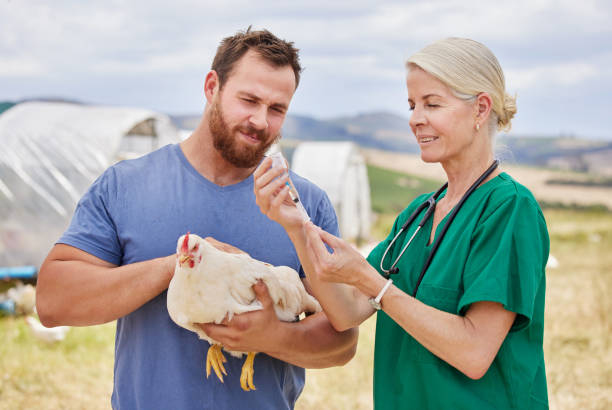
In poultry production, farmers often use the term “pneumonia in poultry” to describe respiratory signs such as coughing, wheezing, difficulty breathing, nasal discharge, open-mouth breathing, or so-called “chicken asthma.” However, from a technical perspective, these signs may be associated with different problems, such as tracheitis, bronchitis, airsacculitis, CRD, Aspergillus infection, or infectious diseases such as Newcastle disease, infectious bronchitis, and avian influenza.
For this reason, preventing pneumonia and respiratory disease in poultry should not be understood simply as using medicine or administering vaccines. Managing the housing environment, controlling stocking density, reducing harmful gases, cleaning and disinfecting, isolating new flocks, maintaining biosecurity, and monitoring birds daily are key foundations for reducing the risk of respiratory disease in the flock.
Respiratory problems are dangerous because they can spread widely in confined flocks or persist silently when housing conditions are poor. Losses do not come only from mortality, but also from reduced weight gain, lower egg production, higher treatment costs, and lower production efficiency.
In particular, mixed respiratory infections — when CRD is combined with E. coli or other respiratory agents — may cause greater losses than single infections.
Therefore, preventing pneumonia and respiratory disease in poultry should not be understood as only vaccinating or using preventive medicines. Controlling the living environment and managing housing conditions properly from the beginning are among the most important and effective foundations for prevention.
Causes of Pneumonia and Respiratory Disease in Poultry
Understanding the causes correctly helps farmers target the right control points instead of only treating symptoms.
Microbial Agents
Common pathogens associated with poultry respiratory disease include:
- Bacteria: Mycoplasma gallisepticum — a common agent associated with CRD; Ornithobacterium rhinotracheale (ORT); Pasteurella multocida; and E. coli, which often plays a secondary infection role and can worsen respiratory disease when the flock is stressed or housing conditions are poor.
- Viruses: Newcastle disease virus (NDV), infectious bronchitis virus (IBV), avian influenza (AI), and avian metapneumovirus (aMPV).
- Fungi: Aspergillus fumigatus — often seen in chicks when litter is damp or moldy, or when feed is poorly stored. It causes fungal pneumonia, known as aspergillosis. Although less common, it can cause significant mortality in chicks.
In practice, many respiratory disease outbreaks in flocks are not caused by a single pathogen alone. Often, an unfavorable environmental factor first weakens the respiratory system, creating conditions for bacteria or viruses to enter and cause disease. This is why controlling the housing environment is important for prevention.
Housing Environment Factors
These are causes that farmers can directly control:
- Poorly ventilated housing: Stagnant air allows bacteria and viruses to accumulate at high levels.
- Unstable temperature: Large temperature fluctuations between day and night, especially during cold weather or seasonal transitions, can cause respiratory stress.
- Humidity that is too high or too low: High humidity makes litter damp and encourages mold and bacterial growth. Very low humidity may dry the respiratory mucosa and partially weaken natural defense mechanisms.
- Accumulated harmful gases: Ammonia (NH₃) from decomposing manure and hydrogen sulfide (H₂S) can irritate and damage the respiratory mucosa, creating an entry point for pathogens.
- Dust and airborne particles: Dust from litter, feed, and feathers can carry bacteria and mold into the respiratory tract.
- Excessive stocking density: High density increases localized heat, harmful gas levels, and direct contact between healthy and sick birds.
Flock Management Factors
- New birds are not isolated, increasing the risk of introducing pathogens from outside the farm.
- Litter is not replaced or treated at the correct interval.
- Cleaning and disinfection schedules are missing, irregular, or not performed properly.
- Stress from transport, sudden feed changes, or vaccination at the wrong time can reduce resistance.
- People and vehicles move freely in and out of the farm without adequate biosecurity control.
Signs of Pneumonia in Chickens and Poultry
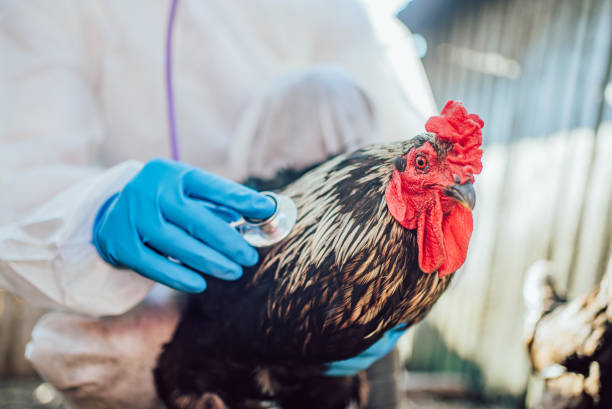
Early detection helps farmers take timely action before disease spreads throughout the flock.
Easily Recognized Clinical Signs
When observing the flock daily, farmers should pay attention to the following signs:
- Abnormal breathing: Coughing, repeated sneezing, wheezing, and rales — unusual crackling or rattling sounds when breathing. Birds stretching their necks to breathe or breathing with open mouths are clear signs of respiratory difficulty.
- Discharge: Nasal discharge, which may be clear or cloudy; excessive tearing; swollen eyes; closed eyes; or eye discharge.
- General signs: Ruffled feathers, huddling, reduced activity, separating from the flock to find a warm corner, reduced feed intake, and reduced water intake.
- Comb and wattle color: Pale or bluish combs and wattles in severe cases of oxygen deficiency.
Effects on Flock Performance
In addition to clinical signs in individual birds, farmers should also monitor flock-level indicators:
- Unusually slow weight gain compared with age standards.
- Sudden reduction in egg production in breeding and laying flocks.
- Gradual increase in mortality, often starting with a few birds and then spreading through the flock if not addressed.
- Increased feed consumption while feed conversion efficiency declines.
Differentiating from Other Respiratory Diseases
Not every respiratory sign is pneumonia. The table below is for initial reference only. Actual signs may overlap depending on the microbial strain, flock immunity, and housing conditions. For an accurate diagnosis, farmers should contact a veterinarian for testing.
| Feature | Pneumonia / Common Respiratory Disease | CRD / Chronic Respiratory Disease | Newcastle Disease (ND) | Infectious Bronchitis (IB) |
| Onset | May develop gradually or increase quickly depending on the cause | Often slow, persistent, and more severe when complicated by other diseases | Rapid, may spread widely within the flock | Rapid, easily spreads within the flock |
| Respiratory signs | Coughing, wheezing, difficulty breathing, nasal discharge, open-mouth breathing | Wheezing, nasal discharge, prolonged “asthma-like” breathing, reduced weight gain | Coughing, difficulty breathing, wheezing, may be accompanied by systemic signs | Coughing, wheezing, nasal discharge, reduced egg production in laying hens |
| Other signs | Reduced feed intake, ruffled feathers, slow growth | Reduced weight gain, lower productivity, prone to secondary E. coli infection | May include nervous signs such as twisted neck or paralysis; diarrhea; rapid death depending on virulence | Thin or misshapen eggshells, reduced egg quality if it occurs in laying hens |
| Mortality rate | Varies depending on the cause and level of secondary infection | Usually low in uncomplicated CRD; may increase when combined with E. coli or other diseases | May be high, especially when the flock has not been properly protected | Usually low to moderate, but causes productivity losses |
| Recommended initial response | Improve housing environment, isolate sick birds, diagnose the cause | Control the environment, strengthen biosecurity, use medicines under veterinary guidance if needed | Contact a veterinarian or animal health authority for diagnosis and handling according to regulations; vaccines are used for prevention | Differential diagnosis, provide supportive care for the affected flock, improve the environment; vaccines are used for prevention |
Note: Farmers should contact a veterinarian or local animal health authority for diagnosis, reporting, and handling according to regulations. Vaccines are preventive tools in vaccination programs, not a replacement response when a flock is already suspected of Newcastle disease.
CRD in Chickens — A Chronic Respiratory Disease That Needs to Be Properly Understood
CRD, or chronic respiratory disease, is often referred to by farmers as chronic “chicken asthma.” It is one of the most common and persistent respiratory diseases in both industrial chicken production and free-range chicken farming in Vietnam.
What Is CRD?
CRD is often associated with Mycoplasma gallisepticum (MG), an agent that can cause respiratory disease in chickens and some other poultry species.
The disease usually develops chronically and may persist silently. In uncomplicated cases, it may not cause high mortality, but it can reduce weight gain, lower productivity, and make the flock more vulnerable when secondary infection or stress occurs.
Some MG-infected flocks may become long-term carriers of the pathogen. Therefore, controlling the source of breeding stock and maintaining biosecurity are very important.
Why Is CRD More Dangerous Than It Appears?
CRD often develops slowly and persistently, and it may not cause high mortality when it occurs alone. However, it can cause significant losses when the flock is stressed, housing is poorly ventilated, or the disease is complicated by other agents.
Important situations to note include:
- CRD complicated by E. coli: Often referred to as CCRD or complicated CRD. It can cause more severe airsacculitis, reduce weight gain, increase culling, and raise mortality.
- CRD combined with Newcastle disease (ND), infectious bronchitis (IB), or other respiratory diseases: This can make signs more severe, prolong the disease, and make control more difficult compared with a single infection.
Therefore, CRD prevention should not focus only on medicines. Farmers need to manage ventilation, stocking density, humidity, harmful gases, cleaning and disinfection, source of breeding stock, and biosecurity. When a flock shows prolonged respiratory signs or mixed infection is suspected, farmers should contact a veterinarian for diagnosis and appropriate guidance.
Signs of CRD
- Wheezing or tracheal rales when listening to the flock at night or early in the morning.
- Watery nasal discharge and facial swelling, especially around the eyes and sinuses.
- Slightly reduced feed intake and slow weight gain, but without high mortality.
- Lower egg production and egg quality in laying hens.
Housing Measures for Preventing Pneumonia in Poultry
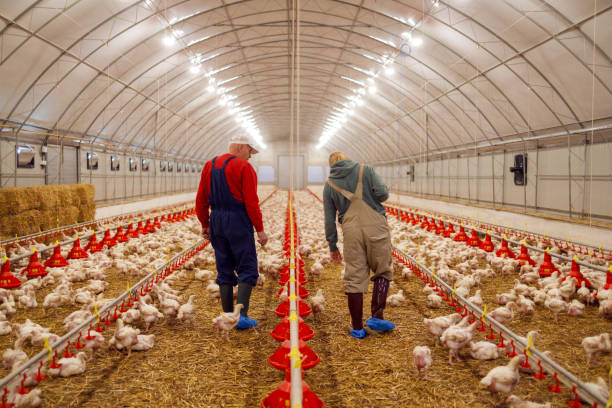
This is the area where farmers can make the most direct impact. Many of the measures below do not require complex technology and can be adjusted for most existing housing models depending on actual conditions.
Housing Design and Improvement
- House orientation: Poultry houses should be oriented East–West, with roofing that blocks afternoon sun and avoids direct cold winds from the North during winter. In Northern Vietnam, windbreaks should be available on the North and Northeast sides during winter.
- Roof and ceiling: The roof should be high enough to reduce heat accumulation and support ventilation. Many models may refer to a height of about 2.5–3 m from the floor to the roof, but this should be adjusted according to housing type, roofing material, flock size, and local climate. Insulated ceilings or heat-reflective panels may help stabilize indoor temperature.
- Ventilation system:
- Natural ventilation: Housing design should ensure even air movement, limit direct drafts into the area where birds rest, and still allow hot air, moisture, and harmful gases to escape. The position of air inlets and outlets, ventilation opening area, and roof height should be calculated based on flock size, housing type, season, and local climate.
- If using a reference threshold such as 10–15% of sidewall area for ventilation openings, farmers should compare it with poultry house design documents or technical advice before applying it.
- Mechanical ventilation: For closed houses or large-scale farms, exhaust fans and circulation fans combined with cooling pads are needed to control temperature and maintain effective air circulation.
- Curtains and tarpaulins: Rain and wind curtains should be adjustable and should not fully seal the house when the weather is not cold. A common mistake is closing the house tightly to retain warmth, which leads to stagnant air and harmful gas buildup. A better approach is controlled warming while maintaining minimum ventilation and avoiding direct drafts into the area where birds rest.
Temperature and Humidity Control by Growth Stage
Temperature and humidity should be maintained according to each growth stage. The values below are for reference only and should be adjusted according to breed, housing system, and recommendations from the breeding company or veterinarian.
| Stage | Reference Temperature | Relative Humidity |
| Chicks, 1–7 days old | 33–35°C | 60–70% |
| Chicks, 8–14 days old | 30–33°C | 60–65% |
| Chicks, 15–21 days old | 27–30°C | 55–65% |
| Growers, 3–6 weeks | 24–27°C | 50–65% |
| Broilers, over 6 weeks | 18–24°C | 50–60% |
| Laying hens | 18–22°C | 55–65% |
Practical notes:
- Chicks are very sensitive to cold and drafts. Many severe respiratory cases in chicks appear during the first two weeks when brooding temperature is insufficient or when drafts enter the house at night.
- When humidity is high, especially above about 75–80%, and is combined with wet flooring, low temperature, or poor ventilation, the risk of respiratory irritation and respiratory disease outbreaks may increase.
- This is a reference threshold for housing management and should be checked against actual conditions, chicken breed, and technical documents before use.
- Use thermometers and hygrometers placed at bird level, not high above the flock, to obtain realistic readings.
Appropriate Stocking Density
Excessive density is one of the important risk factors for respiratory disease. The figures below are for reference only and should be compared with breeding company recommendations and the specific housing conditions.
| Chicken Type | Reference Stocking Density |
| Industrial broilers | 8–10 birds/m² |
| Colored-feather or free-range broilers | 5–7 birds/m² in the night housing area |
| Laying hens in cages | According to the standard for each cage type |
| Floor-raised laying hens | 4–6 birds/m² |
| Brooding chicks | 30–40 birds/m², gradually reduced with age |
Stocking density should be adjusted according to ventilation conditions, season, and chicken breed. In hot and humid regions such as the Mekong Delta, farmers often need to reduce density compared with reference levels if housing is poorly ventilated, temperatures are high, or humidity remains high for extended periods.
The specific reduction should be based on chicken breed, housing system, season, and technical advice. A fixed reduction percentage should not be applied to every farm.
Cleaning and Disinfection of Poultry Housing
Cleaning schedules should be carried out regularly, not only when disease occurs.
Daily:
- Remove manure and wet or clumped litter.
- Clean feeders and drinkers.
- Check the water supply system. Dirty or stagnant water can be a disease source.
Weekly:
- Check and adjust litter. Add more litter if it is damp and loosen it if it is clumped.
- Spray disinfectant periodically using an appropriate disinfectant solution. Choose products that are safe when birds are present, and dilute according to the manufacturer’s instructions. Frequency may be adjusted depending on risk level and veterinary advice.
- Clean the areas around the poultry house and the disinfection pit at the entrance.
After each production cycle, when the house is empty:
- Completely remove litter, manure, and waste.
- Wash floors, walls, and equipment with pressurized water.
- Disinfect using lime powder or an approved veterinary disinfectant at the concentration recommended on the product label.
- Many good practice guidelines recommend leaving the house empty for a period between two flocks, often around 7–14 days depending on the production model, disease situation, and cleaning and disinfection process. This step is often overlooked but is important for reducing pathogen pressure between flocks.
Control of Harmful Gases and Litter
Ammonia (NH₃) is one of the common factors that irritate the respiratory tract in poultry houses. When people entering the house notice a strong pungent ammonia smell, eye irritation, or nasal irritation, this is a sign that litter condition, floor moisture, flock density, and ventilation should be checked.
If farmers want to use specific ppm thresholds to assess NH₃ levels, they should refer to technical documents, suitable measuring equipment, or veterinary advice before applying them.
Control measures:
- Maintain dry, loose litter. Litter depth may be around 8–12 cm depending on bedding material, floor type, and season.
- Use bedding materials with good moisture absorption, such as rice husk, dry sawdust, or chopped straw. These materials should be checked for mold before use.
- Limit water spillage from drinkers onto the floor. Nipple drinkers or drinkers with spill trays can help.
- Increase ventilation when a strong ammonia smell is detected in the house.
- Some litter treatment products, such as biological products, zeolite, or moisture-absorbing materials, may be used according to supplier instructions.
- For alkaline or potentially irritating substances such as lime, use them at the right time and in the right way, and avoid dust that may irritate the flock’s respiratory tract. If birds are present in the house, farmers should consult veterinary staff or technical providers before use.
Biosecurity and Flock Management
Biosecurity is the outer barrier that prevents pathogens from entering the farm:
- All-in/all-out principle: Do not mix birds of different ages in the same house, as this increases cross-infection risk between healthy and sick flocks.
- Isolation of new birds: Newly introduced chickens should be kept separately for at least 14–21 days before being added to the main flock, and they should be monitored for disease signs during this period.
- Control of people entering the farm: Limit access by people without essential tasks. People and vehicles should pass through a disinfection pit or be disinfected before entering.
- Control of wild animals: Wild birds, rats, and cats may carry pathogens into the farm. Screens and periodic control measures are needed.
- Proper disposal of dead birds: Do not discard dead chickens near housing areas. Dead birds should be buried or destroyed according to veterinary guidance and local disease prevention regulations.
Supporting Measures for Preventing Pneumonia in Poultry
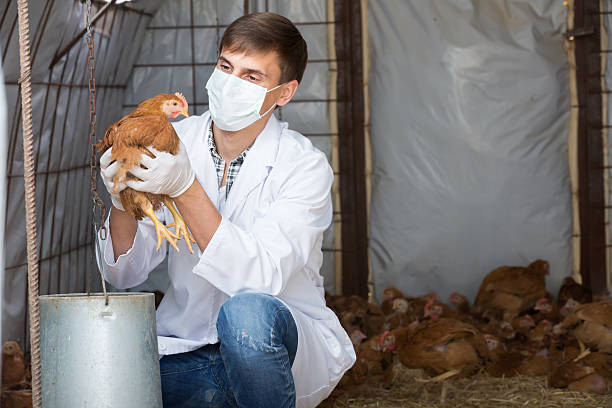
Good housing management is the foundation, but prevention is more effective when combined with supporting measures.
Vaccination Program for Respiratory Diseases
Important respiratory diseases are often included in chicken vaccination programs, depending on local epidemiological conditions and veterinary advice:
- Newcastle Disease (ND): This is often a priority disease in chicken vaccination programs. The timing and administration route, such as injection or eye/nose drops, should depend on the vaccine type, epidemiological situation, maternal antibodies, chicken breed, and guidance from a veterinarian or local animal health authority. A single vaccination schedule should not be applied mechanically to all flocks.
- Infectious Bronchitis (IB): This is often included in vaccination programs, especially for laying flocks or areas with higher risk.
- Mycoplasma gallisepticum (MG) / CRD: Some programs may use live or inactivated vaccines, but not every production model needs or is suitable for them. The foundation of MG control remains disease-free breeding stock, biosecurity, flock monitoring, and veterinary advice before deciding to use vaccines.
Important: A specific vaccination schedule should be built based on recommendations from local veterinarians, the disease situation in the area, and the chicken breed being raised. Farmers should not design a vaccination schedule on their own without professional guidance.
Nutrition and Immune Support
The respiratory immune system of chickens depends strongly on nutrition:
- Vitamin A: Vitamin A deficiency may weaken the respiratory mucosa. Healthy mucosa is the first protective layer against pathogens.
- Vitamins C and E: Support immune function, especially during heat stress.
- Zinc and Selenium: Important for normal immune responses.
- Clean drinking water: Contaminated water or excessive chlorine may affect flock health and immune resilience. Water quality should be tested periodically if well water is used.
Nutritional supplementation should follow recommendations from the feed supplier or veterinarian. Avoid overdosing because some micronutrients, such as vitamin A and selenium, may cause adverse effects if used excessively over a long period.
What to Do When the First Disease Signs Are Detected
When some birds show respiratory signs, farmers should:
- Immediately isolate birds showing symptoms from the flock.
- Check housing conditions — temperature, humidity, ventilation, harmful gas smell, and litter condition.
- Contact a veterinarian for diagnosis and a treatment protocol. Do not use antibiotics or combine multiple medicines without indication. Using the wrong antibiotic may be ineffective and may also increase the risk of antimicrobial resistance.
- Strengthen cleaning and disinfection throughout the housing area.
- Record symptoms, the number of affected birds, and disease progression to support diagnosis and monitoring.
Checklist for Preventing Pneumonia in Poultry

Farmers can use this checklist to monitor housing conditions periodically.
Housing and Environment
- The house has a well-functioning ventilation system and even air circulation.
- Temperature and humidity inside the house are suitable for the current age of the flock.
- There is no strong ammonia smell in the house. If people entering the house feel eye irritation, nasal irritation, or discomfort, ventilation, litter condition, floor moisture, and flock density should be checked.
- Litter is dry, loose, and not clumped or wet.
- Curtains and windbreaks are adjusted appropriately according to the weather.
Cleaning and Biosecurity
- Feeders and drinkers are cleaned daily.
- The routine disinfection schedule is carried out at the correct interval.
- The disinfection pit at the entrance is maintained with solution at the correct concentration.
- No new flock is introduced into the same house without quarantine.
- Dead chickens are handled properly and are not discarded near the raising area.
Flock Management
- Stocking density does not exceed recommended levels.
- Vaccination schedules for respiratory diseases are fully implemented.
- The flock is healthy, with no birds showing respiratory symptoms.
- Drinking water is clean and uncontaminated.
Common Mistakes When Preventing Pneumonia in Poultry
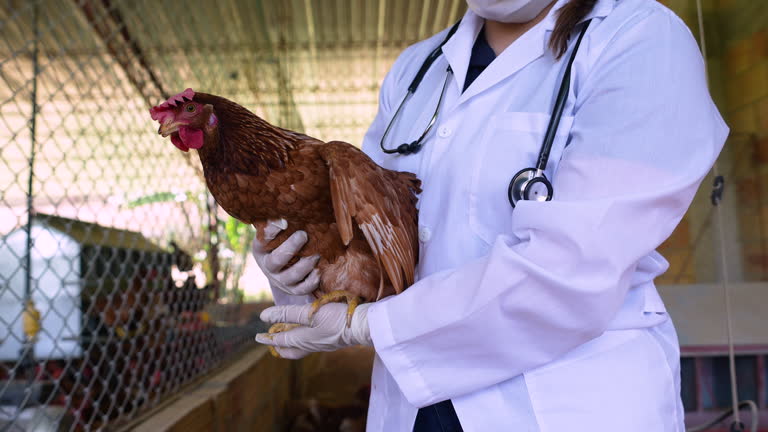
Sealing the House Too Tightly to Keep Birds Warm
This is very common in winter, especially with chicks. A tightly sealed house may help retain warmth, but it also causes NH₃ and CO₂ accumulation, reduces oxygen, and increases respiratory irritation. A better approach is controlled warming, maintaining minimum ventilation, and avoiding direct drafts into the area where birds rest.
A better solution is controlled ventilation: allowing air to circulate while blocking direct drafts toward the resting area of the birds.
Using the Wrong Disinfectant Concentration or Procedure
A disinfectant that is too diluted may not kill pathogens effectively, while one that is too concentrated may irritate the respiratory tract.
Farmers should read the manufacturer’s instructions carefully, dilute at the correct ratio using proper measuring tools, and avoid heavy spraying in enclosed spaces or when the flock is sensitive to respiratory irritation.
Using Antibiotics Regularly for Prevention
Long-term antibiotic use without indication increases the risk of antimicrobial resistance and may negatively affect gut microbiota, which can indirectly affect flock health and immunity.
Skipping the Empty-House Period
Many farms raise birds continuously without an empty-house period, allowing pathogens to accumulate across multiple cycles. This is one reason respiratory disease may recur repeatedly.
Underestimating Seasonal Transitions
In many regions of Northern Vietnam, seasonal transition periods — especially late autumn to early winter and late winter to early spring — are times when respiratory disease monitoring should be strengthened due to large day–night temperature differences and high humidity.
In Southern Vietnam, the first rains of the season or the transition from rainy to dry weather are also periods when many farms need to strengthen monitoring. Housing management should be adjusted according to each climate region.
Frequently Asked Questions About Preventing Pneumonia in Poultry
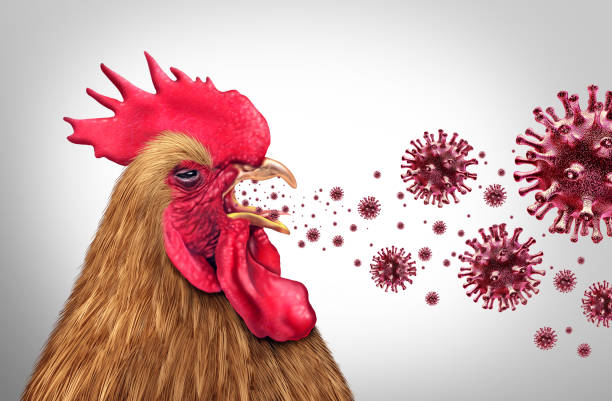
Do Wheezing and Coughing in Chickens Always Mean CRD?
Not necessarily. Wheezing and coughing may be caused by many factors, including CRD caused by Mycoplasma, Newcastle disease, infectious bronchitis (IB), aspergillosis, or irritation from harmful gases and dust in the house. Farmers should observe other accompanying signs and contact a veterinarian for accurate identification.
What Temperature and Humidity Are Suitable for Preventing Respiratory Disease?
This depends on the age of the birds. Refer to the table in the temperature and humidity control section above. As a general principle, temperature should be stable without large fluctuations between day and night. Relative humidity is commonly maintained around 50–65% for broilers and laying hens. This is a reference range and may vary depending on breed and housing system.
How Many Birds per Square Meter Is Safe for Respiratory Health?
For industrial broilers, a reference density is 8–10 birds/m² in well-ventilated housing. Colored-feather or free-range chickens are commonly kept at 5–7 birds/m² in the night housing area. During hot weather or when ventilation is poor, density should be reduced. Farmers should also consult recommendations from the breeding company or veterinarian based on specific conditions.
How Often Should Poultry Houses Be Cleaned and Disinfected?
Feeders and drinkers should be cleaned daily. Periodic disinfection while birds are present should follow product instructions, risk level, and veterinary advice. Avoid spraying disinfectants that are too concentrated, too frequent, or used in enclosed spaces, as this may irritate the respiratory tract.
After each cycle, the house should be thoroughly cleaned: litter should be removed, floors washed, disinfection carried out, and the house left empty according to good practice recommendations before the next flock is introduced.
Which Times of Year Require More Caution?
In Northern Vietnam, seasonal transitions — especially late autumn to early winter and late winter to early spring — are periods when respiratory disease monitoring should be strengthened because of large day–night temperature differences and high humidity.
In Southern Vietnam, the first rains of the season or the transition from rainy to dry weather also require closer monitoring depending on actual farm conditions.
Can CRD Spread to Other Flocks?
Yes. Mycoplasma gallisepticum can spread horizontally through contact between chickens, respiratory secretions or short-distance aerosols, farming equipment, footwear, people, vehicles, and carrier birds. MG may also spread vertically through eggs from infected breeding flocks to offspring. Therefore, disease-free breeding stock, quarantine of new birds, and biosecurity are very important for limiting spread.
To prevent spread, farms should strictly follow biosecurity principles, isolate affected flocks, and control movement of people in and out of the farm.
Is It Necessary to Use Preventive Medicines for Respiratory Disease Regularly?
Routine use of antibiotics for respiratory disease prevention is not recommended without veterinary indication. Instead, focusing on housing management, proper vaccination, adequate nutrition, and biosecurity is a more sustainable prevention approach.
When antibiotics must be used under veterinary indication, farmers should follow the correct dose, full treatment course, and withdrawal period according to the product label or current regulations.
Update Poultry Housing and Respiratory Disease Prevention Solutions at VIETSTOCK 2026
Preventing pneumonia in poultry does not depend only on medicines or vaccines. It should begin with a properly managed housing system. Ventilation, temperature and humidity control, harmful gas reduction, routine cleaning and disinfection, and appropriate stocking density are important factors that help reduce respiratory stress, lower disease risk, and improve flock performance.
VIETSTOCK 2026 will serve as a specialized connection platform for livestock farmers, farm owners, veterinarians, poultry housing equipment providers, ventilation system suppliers, environmental control solution providers, veterinary medicine providers, vaccine providers, biological product providers, and biosecurity solution providers.
The event is expected to bring together more than 300 brands, over 10,000 m² of exhibition area, and 13,000 trade visitors from more than 40 countries and territories, offering opportunities to update solutions that help the poultry sector become more proactive in disease control and operational efficiency.
For poultry respiratory disease prevention, business value is not limited to veterinary products. It also comes from helping farms manage the housing environment more effectively. The Vietnam Pavilion at VIETSTOCK 2026 gives Vietnamese companies a focused channel to showcase ventilation systems, cooling solutions, temperature and humidity control, litter treatment, harmful gas reduction, poultry housing equipment, biological products, and biosecurity solutions that directly support flock respiratory health.
With support from the Department of Animal Health and Production, companies participating in the Vietnam Pavilion may benefit from preferential participation support of up to 45%. This creates a practical opportunity for local suppliers to connect with farm owners, distributors, veterinarians, and partners seeking solutions to reduce respiratory stress, limit CRD risks, control harmful gases, and improve poultry housing performance.
At VIETSTOCK 2026, attendees can:
- Update solutions for ventilation, cooling, temperature and humidity control, and harmful gas reduction in poultry housing.
- Meet suppliers of veterinary medicines, vaccines, biological products, and biosecurity solutions that support respiratory disease prevention.
- Learn about trends in proactive housing management, flock stress reduction, and respiratory disease risk control.
- Connect with experts, businesses, and partners across the poultry, animal health, feed, farm equipment, production, and processing value chain.
- Explore opportunities to join the Vietnam Pavilion to strengthen brand presence and expand international B2B connections.
Date: 21–23 October 2026
Venue: Saigon Exhibition and Convention Center (SECC), 799 Nguyen Van Linh Street, Ho Chi Minh City, Vietnam
Event website: https://www.vietstock.org/en/
Visitor registration: https://www.vietstock.org/en/online-registration-2/
If your business provides solutions in poultry housing equipment, ventilation systems, environmental control, veterinary medicines, vaccines, biological products, or poultry biosecurity, VIETSTOCK 2026 is an opportunity to gain visibility among the professional poultry and livestock industry community, connect directly with potential customers, and expand partnerships across the livestock value chain.
👉 Book a stand at VIETSTOCK 2026 today to take advantage of a central location, available participation incentives, and global connection opportunities.
Contact:
- Exhibiting: Ms. Sophie Nguyen – [email protected]
- Visitor Support: Ms. Phuong – [email protected]
- Marcom Support: Ms. Anita Pham – [email protected]