Post-Vaccination Care for Chickens: Common Reactions and Safe Monitoring Guidelines
A practical guide to post-vaccination care for chickens, covering normal reactions, warning signs, electrolyte support, flock monitoring during the first 24–72 hours, and when veterinary assistance is needed.
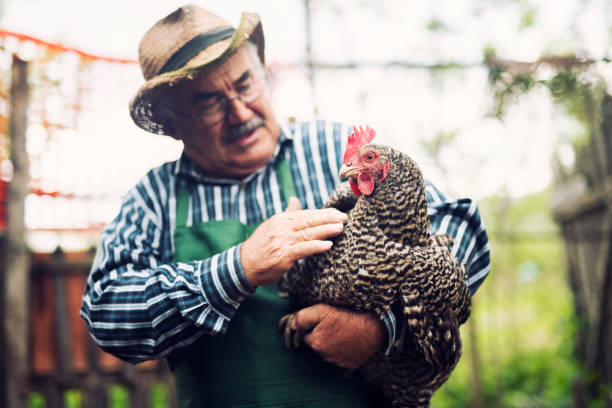
Post-vaccination care for chickens is an important part of disease prevention and flock health management, and the period after vaccination requires careful monitoring. During the first 24–48 hours, depending on the vaccine type, age, flock condition, and housing environment, chickens may appear slightly tired, eat less, or huddle mildly. This may be an acceptable reaction if the flock is still drinking water, responding to gentle stimulation, and showing no abnormal signs.
This article provides practical guidance on post-vaccination care for chickens, including normal and abnormal reactions, a 24–72-hour monitoring checklist, and situations that require veterinary support.
Quick Summary
- During the first 24–48 hours after some vaccines, depending on age, flock condition, and housing environment, chickens may appear slightly tired, eat less, or huddle mildly. This may be an acceptable reaction if the flock is still drinking water, responding to gentle stimulation, and showing no other abnormal signs.
- Chicks are more sensitive to post-vaccination stress. Keeping them warm, maintaining a stable environment, and minimizing unnecessary disturbance should be prioritized.
- Signs such as breathing difficulty, leg paralysis, swelling of the head or face, or an unusual increase in mortality are warning signs that require immediate attention and veterinary support.
- Transportation, catching, feed changes, or spraying high-concentration disinfectants directly onto the flock should be minimized for about 48 hours after vaccination, unless required for safety or veterinary reasons.
- Electrolytes or vitamin C may be provided before and after vaccination if appropriate for the flock condition and product instructions. Antibiotics should not be used around the time of vaccination without instructions from the farm veterinarian.
Why Is Post-Vaccination Care for Chickens Important?
How Does the Chicken’s Immune System Respond in the First Hours After Vaccination?
When a vaccine is administered to chickens by injection, eye drop, nasal drop, drinking water, or wing-web application, depending on the vaccine type, the immune system begins to recognize the antigen and activate a protective response. In the early stage, the flock may become less active, eat slightly less, or become more sensitive to environmental stress.
The development of protective immunity usually takes additional time and depends on many factors, including vaccine type, vaccination schedule, flock health status, administration technique, vaccine storage, and post-vaccination care.
Therefore, after vaccination, farmers should prioritize maintaining a stable housing environment, ensuring clean drinking water, and limiting catching, transportation, sudden feed changes, or other unnecessary stressors for the flock.
Why Are Chicks More Vulnerable to Post-Vaccination Stress Than Older Chickens?
Chicks in the first weeks of life, especially during 1–3 weeks of age, have an immune system and body temperature regulation capacity that are not as fully developed as those of older chickens. After vaccination according to the manufacturer’s instructions or veterinary guidance, chicks usually need to be kept warm, provided with adequate drinking water, and monitored more closely to reduce post-vaccination stress.
In addition, chicks respond quickly to environmental changes such as cold, drafts, uneven stocking density, or lack of drinking water. These factors may make post-vaccination reactions more severe, especially when the flock is already weak, undernourished, or has underlying disease. For this reason, care for chicks after vaccination should be more cautious, with close monitoring during the first 24–72 hours.
Which Farm-Level Factors Increase the Risk of Severe Post-Vaccination Reactions?
Not every severe reaction after vaccination is caused by the vaccine itself. Several farm-level factors may increase the severity of post-vaccination reactions, including:
- The flock is not in good health before vaccination, such as having an underlying infection, poor nutrition, or poor growth.
- The house temperature fluctuates strongly on the vaccination day or the following day.
- The vaccine is administered at the wrong dose, by the wrong route, or has not been stored at the correct temperature.
- Multiple vaccines are combined in one vaccination session without following manufacturer or veterinary guidance, which may increase the risk of reactions.
- Stocking density is too high, ventilation is poor, or the house is damp during and after vaccination.
Identifying and controlling these factors before vaccination is an important preparation step that helps reduce the risk of strong reactions in chicken flocks.
Post-Vaccination Care for Chickens: Before, Immediately After, and 24–72 Hours Later
Preparation Before Vaccination: Housing, Flock Condition, and Monitoring Schedule
Effective post-vaccination care for chickens starts before the first vaccine dose is administered. Some tasks to complete before the vaccination day include:
- Check the overall health of the flock: vaccinate only healthy flocks with no signs of disease.
- Ensure the house is dry, the temperature is stable, ventilation is good, and there are no drafts.
- Electrolytes or vitamin C may be added to drinking water 1–2 days before vaccination if appropriate for the flock condition and farm protocol. Use according to the product manufacturer’s instructions or the advice of the veterinarian responsible for the farm.
- Prepare a post-vaccination monitoring schedule: record the vaccination date, vaccine type, number of chickens, and the person who performed the procedure.
- Do not change feed or nutritional programs immediately before the vaccination day.
Immediately After Vaccination: Keep the Flock Stable and Minimize Disturbance
During the first 2–4 hours after the whole flock has been vaccinated, disturbance, noise, and unnecessary catching should be minimized. Tasks to do immediately after vaccination include:
- Return chickens to the house gently if catching was involved. Avoid re-catching, moving, or disturbing the flock unnecessarily.
- Ensure there is enough clean drinking water. Electrolytes or vitamin C may be added according to product instructions.
- Keep lighting at a moderate level so chickens move less and are less stimulated.
- Do not allow strangers into the farm. Avoid noisy cleaning activities or spraying chemicals during this period.
- Quickly observe the flock and record the number of chickens showing abnormal signs within the first hour.
During the First 24 Hours: Adjust Temperature, Water, Feed, and Lighting
The first 24 hours are the most sensitive stage of post-vaccination care for chickens. Management adjustments should include:
- Try to maintain a stable house temperature and avoid large fluctuations from the suitable range for the chickens’ age.
- Allow chickens to drink freely, prioritizing clean water with electrolytes added according to product instructions.
- Do not force chickens to eat more than normal. If chickens eat slightly less during the first 12–24 hours but still drink water, respond to gentle stimulation, and show no other abnormal signs, this may be an acceptable reaction. Farmers should continue providing clean water, maintaining a suitable temperature, and monitoring closely for 24 hours.
- Maintain soft lighting and avoid sudden changes in the lighting schedule.
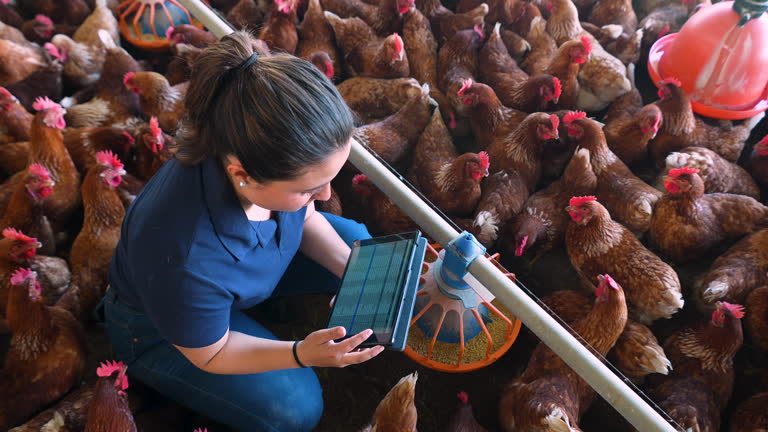
- Increase flock checks to at least 3–4 times per day during the first 24 hours.
- Keep records: number of chickens eating and drinking normally, number of chickens huddling, and number of chickens showing unusual signs.
From 24–72 Hours After Vaccination: Signs That the Flock Is Recovering Normally
During post-vaccination care for chickens, mild reactions often begin to decrease after the first 24 hours. A normally recovering flock usually shows the following signs:
- Feed intake increases and gradually returns close to the pre-vaccination level.
- Chickens become more active and no longer huddle as much.
- Mortality does not increase unusually compared with the farm’s normal baseline.
- Droppings are normal, with no unusual watery droppings or prolonged green droppings.
- There are no abnormal respiratory sounds such as wheezing or difficulty breathing in the house.
If, after 48–72 hours, the flock does not show signs of returning to normal feed intake and activity, the situation should be reassessed and veterinary support should be considered.
Post-Vaccination Care for Chickens at the Chick Stage
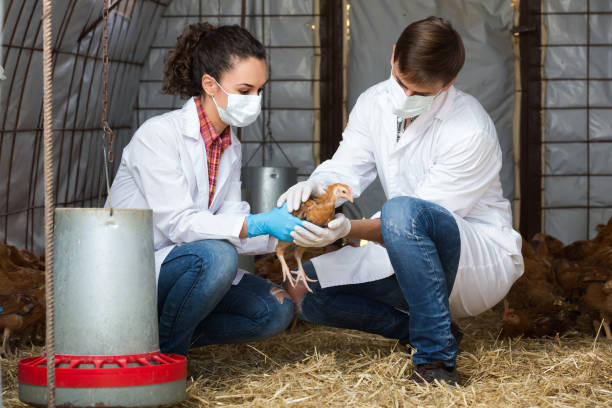
How to Keep Chicks Warm and Maintain a Stable Environment After Vaccination
Post-vaccination care for chickens at the chick stage requires closer control of brooding temperature, drinking water, drafts, and unnecessary disturbance.
After vaccination, it is especially important to maintain brooding temperature within the recommended range for the chicks’ age and avoid sudden changes, especially at night. Brooding temperature should be kept stable according to the farm’s technical recommendations or the breeder’s guidance.
Key points when keeping chicks warm after vaccination include:
- Check that brooder lamps are working properly before and after vaccination.
- Observe how chicks are distributed in the brooding area. Chicks crowding close to the heat source may indicate cold stress, while chicks staying far away from the heat source may indicate overheating. Both situations require immediate adjustment.
- Block drafts from door gaps, especially at night and early in the morning.
- Do not replace litter or bedding on the vaccination day unless necessary, as disturbance may create additional stress for chicks.
What Should Be Limited Immediately After Vaccinating Chicks?
During the 48 hours after vaccinating chicks, the following activities should be minimized unless required for safety or veterinary reasons:
- Catching chicks for weighing, grading, or moving to another pen.
- Switching to a new feed type or suddenly changing nutrient concentration.
- Transporting chicks to a new house or new location.
- Spraying high-concentration disinfectants directly onto the flock while the flock is under post-vaccination stress, unless there is specific veterinary guidance.
- Allowing strangers or other animals into the chick housing area, causing noise or stimulation.
Diet and Electrolyte Supplementation for Chicks After Vaccination
Chicks do not need to switch feed after vaccination, but they may eat slightly less during the first 12–24 hours. This is commonly observed and does not require intervention if the chicks are still drinking water.
For drinking water and supplementation:
- Electrolytes or vitamin C may be added to drinking water for 1–2 days after vaccination if appropriate for the flock condition and product instructions. This is a common supportive practice in production to help stabilize the flock during stress, but the specific effect depends on flock health, care conditions, and the product used.
- Ensure there are enough drinkers or drinking lines, and do not allow chicks to become dehydrated or unable to access water during the first hours after vaccination.
- Antibiotics should not be added to drinking water around the time of vaccination without instructions from the farm veterinarian. Antibiotics do not replace vaccines, and incorrect use may mask symptoms, make it harder to assess post-vaccination reactions, increase the risk of antimicrobial resistance, or negatively affect overall flock health.
Post-Vaccination Reactions in Chickens: Normal and Abnormal Signs
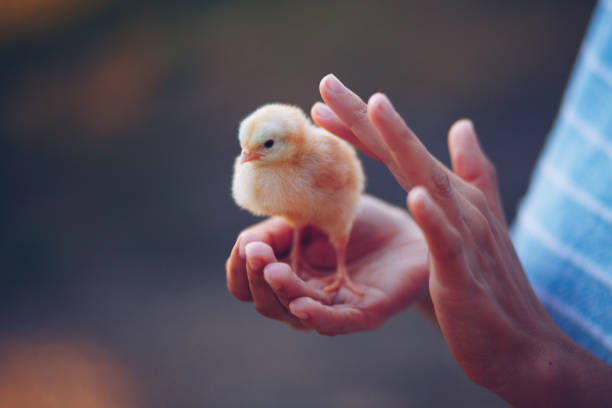
Common Reactions Considered Acceptable After Vaccination
During post-vaccination care for chickens, the following signs may be considered acceptable reactions and often decrease within 1–2 days, provided that no other abnormal signs appear:
- Chickens appear tired and less active than usual.
- Mild huddling, especially in chicks, but the flock still disperses when stimulated.
- Slightly reduced feed intake during the first 12–24 hours, but chickens still drink water.
- Chickens may be less active for a short period, but they do not tremble, lie down unable to rise, or show breathing difficulty.
- For vaccines administered by eye drop or nasal drop: mild tearing or mild sneezing may occur for a short period after vaccination.
- For fowlpox vaccines administered by wing-web application, farmers should check the reaction at the wing-web site at the correct time and according to the vaccine manufacturer’s instructions. A local reaction may appear after vaccination. However, if the wing-web site becomes widely swollen, produces discharge, becomes infected, or the flock shows abnormal systemic signs, a veterinarian should be contacted for evaluation.
Abnormal Signs That Need Close Monitoring and Early Action
The following signs are not within the normal reaction range and should be evaluated quickly:
- Chickens have difficulty breathing, pant, or continuously breathe with an open mouth.
- Swelling of the head, face, or abnormal swelling of one or both eyelids.
- Leg paralysis, falling, or inability to stand after vaccination.
- Mortality increases suddenly within 6–24 hours after vaccination and exceeds the farm’s normal baseline. This is a high-alert sign; farmers should record details and contact a veterinarian.
- The flock huddles tightly and does not disperse or respond to stimulation.
- Dark green droppings or abnormal watery droppings accompanied by complete loss of appetite.
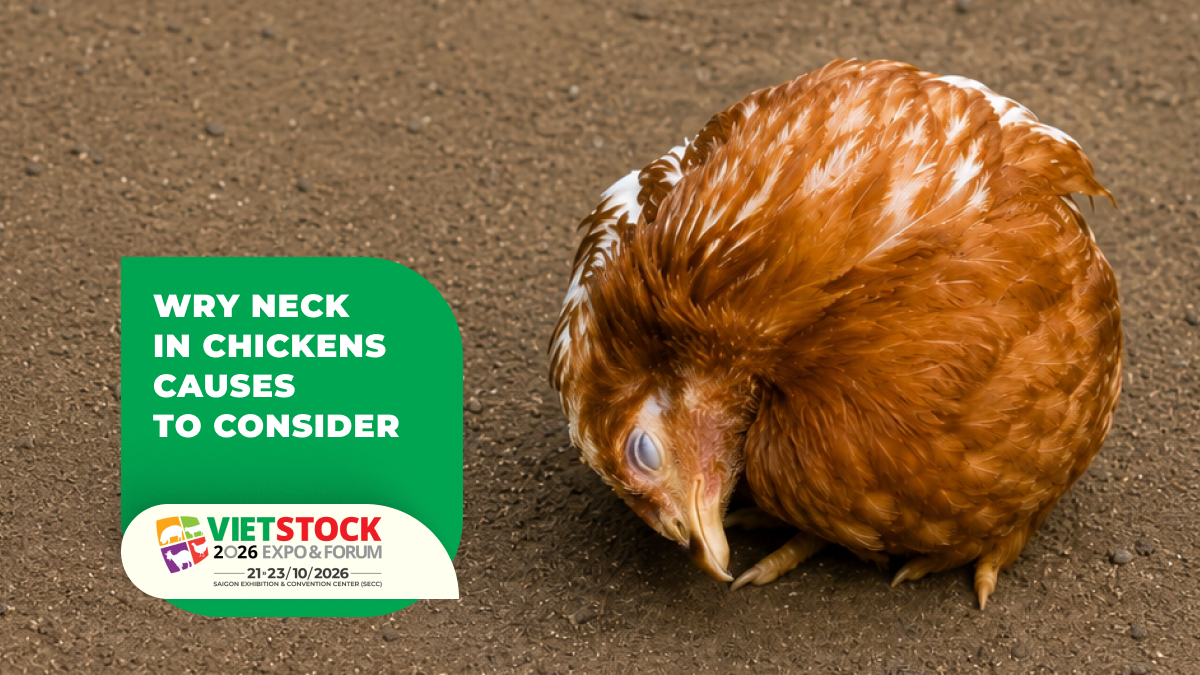
- Chickens tremble, convulse, or show abnormal twisted neck signs after vaccination.
Quick Comparison Table: Normal Reaction – Signs to Monitor – Danger Threshold
| Sign | Acceptable Reaction | Needs Close Monitoring | Danger Threshold – Contact a Veterinarian Immediately |
| Activity level | Slightly reduced, self-recovers after 24 hours | Low activity lasting more than 48 hours | Many birds lying down and unable to stand |
| Eating and drinking | Reduced feed intake during the first 12–24 hours, still drinking water | No feed intake for more than 24 hours, drinking little water | Completely stops eating and drinking for more than 24 hours |
| Huddling | Mild huddling, flock disperses when stimulated | Tight huddling, does not disperse after 24 hours | Whole flock huddles tightly and does not respond |
| Breathing sounds | Normal | Mild sneezing due to nasal-drop vaccine | Wheezing, open-mouth breathing, clear breathing difficulty |
| Mortality | No change from baseline | Slight increase, sporadic cases | Sudden increase within 6–24 hours after vaccination |
| Droppings | Normal | Slightly watery for 1–2 days | Dark green droppings or bloody droppings lasting longer |
| Neurological signs | None | None | Convulsions, twisted neck, leg paralysis |
Note: The table above is a reference tool to help farmers assess the level of abnormality. It is not a standard threshold under veterinary regulations. Actual assessment should be based on each farm’s conditions, vaccine type, and the opinion of the veterinarian responsible for the flock.
Post-Vaccination Care for Chickens: 24–72-Hour Monitoring Checklist
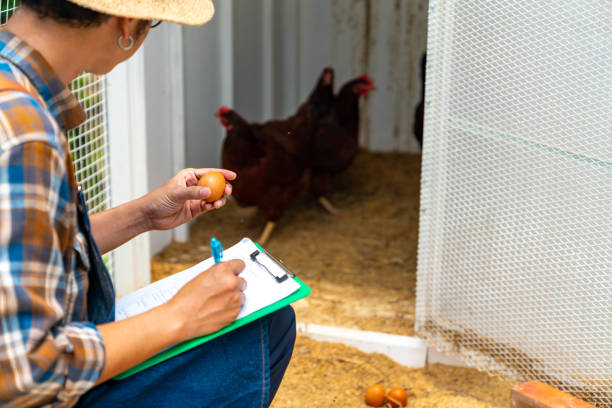
What Should Be Monitored During the First Hour After Vaccination?
During the first hour after the whole flock has been vaccinated, farmers should observe:
- Whether any chickens show acute shock: collapse, immobility, or inability to stand.
- The proportion of chickens moving normally compared with those huddling.
- Whether any chickens show difficulty breathing or open-mouth breathing immediately after vaccination.
- Whether drinking water is sufficient and accessible.
- Whether house temperature remains stable after the catching and vaccination process.
What Should Be Monitored During the Next 24 Hours?
During the first 24 hours, the flock should be checked at least 3–4 times, focusing on:
- The proportion of chickens eating and drinking compared with normal.
- The number of chickens huddling at different times.
- The number of deaths during the day — record and compare with the farm’s baseline.
- Sounds in the house: whether abnormal breathing sounds or weak calls appear.
- The color and condition of droppings under the litter.
- Whether house temperature and ventilation have changed compared with the time of vaccination.
What Should Be Monitored From 24–72 Hours After Vaccination?
From day 2 to the end of day 3, focus on the recovery trend:
- Whether feed intake gradually increases again.
- Whether the number of huddling chickens decreases or continues to increase.
- Whether mortality is decreasing or continues to rise.
- Whether chickens become more active again.
- Whether any new chickens show leg paralysis, head swelling, or breathing difficulty.
Quick Check Table: Sign – Possible Cause – Immediate Action
| Sign | Possible Cause | Immediate Action |
| Chickens huddle and are less active | Acceptable immune response | Check house temperature, provide electrolytes, continue monitoring |
| Chickens eat less but still drink water | Mild post-vaccination reaction or short-term stress | Medicine is generally not needed if there are no other abnormal signs; ensure clean water, suitable temperature, and monitor for 24 hours. |
| Chickens completely stop eating for more than 24 hours | Severe stress or underlying disease | Recheck the environment; contact a veterinarian if there is no improvement |
| Mortality increases suddenly | Possible causes include underlying disease, incorrect injection technique, improper vaccine storage, or environmental stress | Contact a veterinarian immediately and record specific data |
| Chickens have difficulty breathing or open-mouth breathing | May be related to respiratory disease, poor ventilation, heat stress, abnormal post-vaccination reaction, or environmental factors | Check ventilation, temperature, and the proportion of affected birds in the flock; contact a veterinarian on the same day. |
| Chickens develop leg paralysis after vaccination | May be related to severe stress, incorrect injection technique, injury at the injection site, underlying disease, or another neurological cause | Isolate severely affected chickens, record the number of cases, and contact a veterinarian for evaluation |
| Dark green droppings last for a prolonged period | May be related to reduced feed intake, stress, digestive disease, or another underlying condition | Monitor alongside whole-flock symptoms; contact a veterinarian if it persists or is accompanied by reduced feed intake, increased mortality, or depression |
Post-Vaccination Care for Chickens Showing Tiredness or Abnormal Signs

Note: The guidance below is for reference only to help farmers monitor and support the flock during mild reactions after vaccination. This article does not replace diagnosis or treatment instructions from a veterinarian.
If the flock shows signs such as breathing difficulty, leg paralysis, unusual increase in mortality, convulsions, swelling of the head or face, or complete loss of appetite, a veterinarian or the technical staff responsible for the farm should be contacted for direct evaluation.
Chickens Are Tired, Huddling, and Depressed but Still Eating and Drinking: How Can the Farm Provide Support?
When chickens appear tired and huddle but still respond to stimulation and can access feed and water, farmers may provide supportive care on the farm through the following steps:
- Check house temperature: Adjust it to a stable level suitable for the chickens’ age, and avoid cold stress at night.
- Add electrolytes to drinking water: Use according to the product manufacturer’s instructions for 24–48 hours after vaccination.
- Provide vitamin C or multivitamins: This is a supportive measure commonly used in practice to reduce stress; use according to product instructions.
- If stocking density is too high: Prioritize increasing the number of feeders and drinkers, improving ventilation, and reducing competition for resources. Only split the flock or move chickens when truly necessary and under technical guidance, because catching or moving chickens immediately after vaccination may add more stress.
- Record observations twice per day: If the flock shows a recovery trend after 24–36 hours, no additional intervention is needed. If there is no improvement, carry out a more detailed assessment and contact a veterinarian.
Chickens Stop Eating, Have Difficulty Breathing, Develop Leg Paralysis, or Die Sporadically: What Should Be Done Immediately?
When more serious signs appear, action should be quick and systematic:
- Immediately isolate severely affected chickens from the flock to prevent trampling and to make separate monitoring and handling easier.
- Record specific data: number of tired chickens, number of deaths, time of onset, and detailed condition. This information is important when contacting a veterinarian.
- Review the vaccination technique used: dose, route of administration, vaccine source, and storage conditions. Errors at any step may contribute to severe reactions.
- Do not use antibiotics or corticosteroids without instructions from the veterinarian responsible for the farm. Incorrect medicine use may mask symptoms or worsen the condition.
- Contact the veterinarian responsible for the farm or authorized technical staff on the same day if mortality exceeds the farm’s normal threshold within 24 hours after vaccination.
When Should a Veterinarian or Technical Staff Visit the Farm Directly?
Farmers should proactively contact a veterinarian in the following situations:
- Mortality within 24 hours after vaccination increases clearly compared with the farm’s normal baseline.
- A significant proportion of the flock shows difficulty breathing, leg paralysis, or complete loss of appetite.
- Chicks remain tired and huddling after 24 hours despite temperature adjustment and electrolyte supplementation.
- Neurological signs appear in multiple chickens, such as convulsions, twisted neck, or loss of balance.
- The flock does not recover after 72 hours despite supportive measures on the farm.
Note: The suggestions above are reference examples to help farmers assess the level of abnormality. They are not standard thresholds under veterinary regulations. Specific thresholds should be evaluated according to each farm’s conditions, vaccine type, age group, and disease history of the flock. Final intervention decisions should be based on the assessment of a qualified veterinarian.
Common Mistakes in Post-Vaccination Care for Chickens
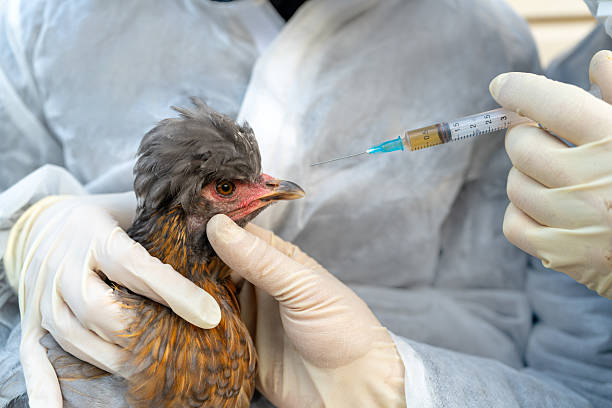
Changing Feed, Drinking Water, or Stocking Density Immediately After Vaccination
One common mistake is switching to a new feed type on the day of vaccination or the following day. After vaccination, some flocks may eat less or become more sensitive to management changes for a short period. If feed is changed suddenly at the same time, the risk of reduced feed intake or digestive disturbance may increase, especially in chicks or flocks already under baseline stress.
Similarly, crowding birds or adding more chickens to the house immediately after vaccination may suddenly increase stocking density, create competition for resources, and increase overall flock stress.
Transporting, Catching, Grading, or Weighing Chickens Within 48 Hours After Vaccination
Any activity that requires catching chickens, transporting them, or creating loud noise within about 48 hours after vaccination should be postponed if production conditions allow. Mechanical stress and environmental changes during this stage may make the flock more tired, reduce feed intake, or make it harder to accurately assess post-vaccination reactions.
Activities such as weighing, grading, moving to another house, mixing flocks, selling chickens, or shipping chickens out should be scheduled away from the first 1–3 days after vaccination if production conditions allow, in order to reduce additional stress on the flock.
Allowing Chickens to Become Cold, Exposed to Drafts, or Subjected to Strong Temperature Fluctuations After Vaccination
Unstable house temperature after vaccination is one factor that may make post-vaccination reactions more severe, especially in chicks. Drafts through door gaps, leaking roofs, or heating systems that stop working at night may turn a mild reaction into a more serious issue, especially when combined with other unfavorable factors.
Checking the temperature control system before vaccination and maintaining continuous monitoring for 48 hours after vaccination is a simple preventive measure with practical value.
Using Antibiotics or Spraying Disinfectants at the Wrong Time
Antibiotics should not be used around the time of vaccination without instructions from the veterinarian responsible for the farm. Antibiotics do not replace vaccines, and incorrect use may mask symptoms, make it difficult to assess post-vaccination reactions, increase the risk of antimicrobial resistance, or negatively affect overall flock health. If an underlying disease or secondary bacterial infection is suspected, a veterinarian should be contacted for diagnosis and appropriate medicine guidance.
High-concentration disinfectants should not be sprayed directly onto the flock while the flock is under post-vaccination stress, unless there is specific guidance from a veterinarian. For vaccines administered by eye drop, nasal drop, or other routes involving mucosal contact, disinfection schedules should be arranged carefully to avoid adding stress to the flock and to prevent interference with the vaccination procedure recommended by the manufacturer.
Frequently Asked Questions About Post-Vaccination Care for Chickens
Can Chickens Be Fed Immediately After Vaccination?
Chickens can be fed after vaccination, but they do not need to be forced to eat a large amount immediately. Prioritize ensuring adequate, clean drinking water first, then allow chickens to eat according to their needs.
If chickens eat less during the first 12–24 hours but still drink water, this is a common reaction and does not necessarily require intervention if no other disease signs are present.
Is It Dangerous If Chickens Become Tired and Huddle After Vaccination?
Mild huddling and depression for a few hours after vaccination are often acceptable reactions, especially in chicks. The important point is to observe whether the chickens respond to gentle stimulation, whether they drink water, and whether the huddling rate gradually decreases after 12–24 hours.
If huddling increases, chickens do not respond, or other symptoms appear, the situation should be evaluated immediately and a veterinarian should be contacted if needed.
How Long After Vaccination Will the Flock Stabilize and Return to Normal Eating and Activity?
In many cases, chicken flocks tend to return to near-normal eating and activity levels after about 1–2 days if there are no complications, underlying diseases, or environmental stress factors. However, the stabilization time may vary depending on vaccine type, age, flock condition, and care conditions.
If the flock shows breathing difficulty, paralysis, increased mortality, or no improvement, these should be considered abnormal signs and veterinary support should be sought. If the flock has not recovered after 72 hours, a veterinarian should be consulted to rule out other causes.
Should Electrolytes or Vitamins Be Used for Chickens After Vaccination, and When Is the Best Time?
Electrolytes or vitamin C may be provided before and after vaccination if appropriate for the flock condition, care conditions, and product instructions. This is a supportive measure commonly used in livestock production, but the specific effect depends on each flock and does not replace keeping the flock warm, ensuring clean water, reducing stress, and monitoring abnormal signs.
The specific timing and dosage should follow the product manufacturer’s instructions or the advice of the veterinarian responsible for the farm.
Are Sporadic Deaths After Vaccination Caused by Vaccine Shock?
Not every case of death after vaccination is caused by vaccine shock. Several causes need to be ruled out, such as underlying disease before vaccination, incorrect injection technique, improper vaccine storage, environmental stress, or secondary infection.
However, if mortality increases clearly and appears within 24 hours after vaccination, specific data should be recorded and a veterinarian should be contacted to determine the cause. Farmers should not draw conclusions or handle the situation on their own.
When Should a Veterinarian Be Called If Chickens React Strongly After Vaccination?
Contact the veterinarian responsible for the farm immediately when mortality increases suddenly within 24 hours after vaccination compared with the farm’s normal baseline, a significant proportion of the flock shows breathing difficulty or complete loss of appetite, neurological signs such as convulsions or twisted neck appear in multiple birds, chicks do not recover after 24 hours despite supportive care, or the farmer is unsure about the severity of the situation.
Early contact helps enable timely handling and reduces losses to the flock.
Optimize Post-Vaccination Care and Poultry Flock Health Management at VIETSTOCK 2026
Post-vaccination care for chickens is an important stage that helps reduce stress, support stable recovery, and allow vaccines to provide more effective protection. In addition to proper vaccination techniques, farmers and farm owners also need to focus on housing management, nutrition, electrolytes, biosecurity, and flock monitoring procedures during the first 24–72 hours after vaccination.
VIETSTOCK 2026 will serve as a specialized connection platform for farmers, farm owners, veterinarians, vaccine companies, veterinary medicine suppliers, biological product providers, housing equipment suppliers, and animal health management solution providers. The event is expected to bring together more than 300 brands, over 10,000 m² of exhibition area, and 13,000 trade visitors from more than 40 countries and territories. It will create opportunities to update new solutions in disease prevention, post-vaccination care, and proactive poultry flock health management.
Post-vaccination care is becoming a practical focus for poultry farms because vaccine performance is also influenced by flock recovery, housing stability, water access, nutrition, and early detection of abnormal reactions. Vietnamese suppliers of electrolytes, vitamins, biological products, recovery-support solutions, housing environment control systems, and poultry health monitoring tools can use the Vietnam Pavilion at VIETSTOCK 2026 to reach farms looking to improve care during the first 24–72 hours after vaccination.
With support from the Department of Animal Health and Production, companies participating in the Vietnam Pavilion may benefit from preferential participation support of up to 45%. This gives local exhibitors a stronger route to introduce solutions that help reduce post-vaccination stress, identify warning signs earlier, and support more proactive poultry flock health management.
At VIETSTOCK 2026, attendees can:
- Update solutions in vaccines, veterinary medicines, electrolytes, vitamins, biological products, and post-vaccination recovery support products.
- Meet suppliers of housing equipment, veterinary tools, and poultry flock health monitoring solutions.
- Learn about trends in post-vaccination care, stress reduction, immunity support, and post-vaccination reaction management.
- Connect with experts, businesses, and partners across the poultry production, animal health, feed, production, and processing value chain.
- Explore opportunities to participate in the Vietnam Pavilion to strengthen brand visibility and expand international B2B connections.
Date: 21–23 October 2026
Venue: Saigon Exhibition and Convention Center (SECC), 799 Nguyen Van Linh Street, Ho Chi Minh City, Vietnam
Event website: https://www.vietstock.org/en/
Visitor registration: https://www.vietstock.org/en/online-registration-2/
If your business provides solutions in vaccines, veterinary medicines, electrolytes, vitamins, biological products, housing equipment, biosecurity, or poultry health management, VIETSTOCK 2026 is an opportunity to gain visibility among the professional poultry and livestock industry community, connect directly with potential customers, and expand cooperation across the livestock value chain.
👉 Book a stand at VIETSTOCK 2026 today to take advantage of a central location, available participation incentives, and global connection opportunities.
Contact:
- Exhibiting: Ms. Sophie Nguyen – [email protected]
- Visitor Support: Ms. Phuong – [email protected]
- Marcom Support: Ms. Anita Pham – [email protected]
Important note: The information in this article is for general reference and practical guidance only. Any decisions related to vaccination techniques, vaccine type, dosage, treatment interventions, or disease handling should be made under the advice and guidance of a qualified veterinarian and in accordance with regulations from relevant authorities.