Antibiotic-Free Chicken Farming in 2026: Biosecurity, Probiotics, and Supportive Solutions
A practical guide to antibiotic-free chicken farming, covering biosecurity, probiotics, supportive herbal products, flock monitoring, operational checklists, and common transition mistakes.
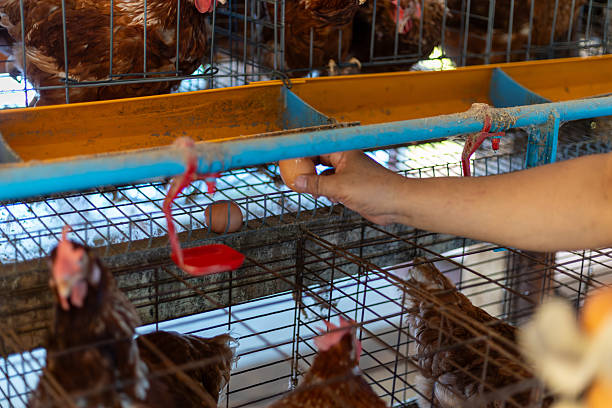
Antibiotic-free chicken farming can be implemented under suitable conditions. However, it requires farmers to build a stricter management system, rather than simply removing antibiotics from the production process.
In the context of 2026, pressure from consumer markets, traceability requirements, and the growing focus on antimicrobial resistance control are becoming clearer. Models that reduce dependence on antibiotics are receiving more attention from retail chains, processing plants, and export partners in certain segments such as clean poultry, organic poultry, or certified products.
The three key pillars of this model are strict biosecurity, probiotics to support gut balance, and herbal products used properly as supportive solutions for flock health.
This article provides a reference framework for reduced-antibiotic-dependence chicken farming. It covers management principles by production stage, the role of biosecurity, probiotics, supportive herbal products, operational checklists, and common mistakes. This content does not replace veterinary advice. Decisions related to treatment, vaccines, veterinary medicines, or supportive products should follow professional guidance, product labels, and current regulations.
Quick Summary
- Antibiotic-free chicken farming does not mean “no disease prevention.” It means shifting from medicine-based disease prevention to system-based disease prevention.
- Three core solutions need to be implemented together: biosecurity, probiotics for gut stability, and herbal products to support immunity.
- Antibiotic-free chicken farming requires strict control of temperature, stocking density, ventilation, and daily flock monitoring.
- Production costs tend to be higher than in conventional farming models. Whether these costs can be offset through selling price depends on whether the farm has stable market access for clean or antibiotic-free chicken products.
- The model can be suitable for both small farms and industrial farms, but biosecurity investment and technical requirements vary by scale.
What Is Antibiotic-Free Chicken Farming and Is It Feasible?
Definition, Scope of Application, and Differences From “Reduced Antibiotics” or “Withdrawal Period Before Sale”
In many commercial programs promoted as “antibiotic-free” or ABF, a flock declared as ABF is generally not treated with antibiotics throughout the production cycle, including for prevention, growth promotion, or treatment. However, the specific definition may differ by market, buyer, or certification program.
Some programs may allow antibiotic treatment for sick individual birds for animal welfare reasons, but the treated individual or flock will no longer continue to qualify as ABF under that standard. In addition, ionophores used for coccidiosis control may be classified differently across markets. Therefore, before investing in an ABF model, farms should check directly with the buyer, certification body, or supervising veterinarian.
This is an important distinction from two commonly confused concepts:
- “Reduced antibiotics”: Antibiotics may still be used in certain treatment cases, with controls on type and dosage.
- “Antibiotic withdrawal period before sale”: Antibiotics are still used during production, but are stopped for a required period before sale so that residues remain below regulated limits. This approach does not meet a true ABF standard.
Some strict ABF programs may also exclude ionophores used in coccidiosis control. However, ionophore classification differs across markets and certification programs, so farms need to check the applicable standard directly.
In some markets, ionophore requirements may be handled differently within each supply chain or certification program. Farms should not make assumptions and should verify directly with the buyer, certification body, or target export market.
2026 Context: Pressure From Markets, Traceability, and Antimicrobial Resistance Control
In recent years, Vietnam and many import markets have strengthened the management of antibiotic use in livestock production, especially to control antimicrobial resistance, veterinary drug residues, and traceability.
For content related to legal regulations, antibiotic lists, animal feed, or withdrawal periods, farms need to check current legal documents, product labels, and guidance from animal health authorities before applying them.
By 2026, pressure is coming from several directions:
- Some retail chains, processing plants, and clean food distribution channels are increasingly prioritizing sources with traceability records, control of veterinary drug residues, and good farming practices such as VietGAP, GLOBALG.A.P., or internal standards.
- For products intended for export, requirements related to traceability, veterinary drug or antibiotic residue control, and maximum residue limits (MRLs) may differ by market, product, and buyer. Farms should check directly with the import authority, buyer, or certification body before investing in an antibiotic-free model.
- Market and retail observations suggest that some urban consumers are willing to pay higher prices for poultry products with controlled antibiotic use, especially after antimicrobial resistance has been widely discussed in the media.
Conditions for Antibiotic-Free Chicken Farming: Small, Semi-Industrial, and Industrial Farms
Antibiotic-free chicken farming is not limited to large farms. However, its basic requirements remain similar across different production scales:
- Small and medium-sized farms: This model can be applied if the farm invests properly in basic biosecurity, chooses healthy chicks, controls stocking density, and has suitable market access. These farms may have the advantage of easier flock observation and earlier detection of abnormalities, but they still need clear technical procedures, disciplined staff, and professional consultation when needed.
- Semi-industrial and industrial farms: These require closed housing systems or better environmental control, more structured biosecurity procedures, and properly trained staff.
- Essential conditions at all scales: Healthy chicks from disease-controlled sources, safe, clean drinking water, feed free from mycotoxin contamination, and the ability to monitor flock health daily.
Antibiotic-Free Chicken Farming Techniques by Production Stage

Brooding Stage: Litter, Temperature, Stocking Density, and Drinking Water From Day One
The brooding stage, from day 0 to day 14, determines the survival rate and resistance of the entire flock. Without preventive antibiotics, any technical mistake during this stage becomes more visible.
- Temperature: Brooding temperature may usually start at around 33–35°C during the first few days, then gradually decrease as chicks grow. However, the specific level should be adjusted according to breed, season, housing type, brooding equipment, and flock behavior, such as crowding together, moving away from the heat source, or open-mouth breathing.
- Stocking density: Brooding density should be calculated based on breed, age, house design, and ventilation capacity. A fixed number should not be applied if the farm does not yet have a technical protocol or professional advice.
- Litter: Dry, clean, mold-free bedding is essential. Wet litter creates favorable conditions for Clostridium proliferation and increases the risk of coccidiosis.
- Drinking water from day one: Adding electrolytes and probiotics to water when chicks arrive may help support early gut microbiota balance and reduce later dependence on antibiotics.
Growth Stage: Nutrition, Ventilation, Stress Control, and Daily Droppings Monitoring
From week 3 to week 5–6, chickens grow rapidly, and their nutritional and oxygen requirements increase sharply. This is also the stage when gut and respiratory diseases can easily occur.
- Diet: Ensure sufficient protein and essential amino acids, especially lysine and methionine. Digestive enzymes may also be added to support absorption and reduce pressure on the gut.
- Ventilation: Maintain sufficient airflow to keep ammonia levels low. High levels of toxic gases damage the respiratory mucosa and create conditions for opportunistic bacteria to invade.
- Stress control: Limit sudden noise and abrupt changes in feed or lighting, because acute stress immediately reduces immunity.
- Daily droppings monitoring: Changes such as mucus, blood, waxy droppings, or abnormal color can be early and visible signals of gut disorders. Early detection helps farms check drinking water, feed, litter, temperature, stocking density, and ventilation promptly.
If gut disease, coccidiosis, or bacterial infection is suspected, farmers should consult a veterinarian before deciding on any intervention. Probiotics or herbal products should be viewed only as supportive solutions and should not replace veterinary diagnosis and treatment.
Finishing Stage Before Sale: Gut Stability, Reduced Losses, and Antibiotic-Free Documentation
During the final 1–2 weeks before sale, the goal is to maintain stability, avoid transport stress, and complete traceability records.
- Continue using probiotics according to product instructions or technical advice to help keep gut microbiota stable and support feed conversion until the final day.
- Reduce stocking density if needed to avoid collisions, scratches, and opportunistic bacterial infection through skin injuries.
- Prepare records, including feed use logs, probiotic and herbal product use, vaccination schedules, drinking water test results, and litter monitoring. These are necessary records when supplying clean distribution chains or processing plants.
Core Care Principles to Reduce Disease Pressure Without Preventive Antibiotics
Antibiotic-free chicken farming requires farms to strengthen the flock’s natural protection barriers. Core principles include selecting birds with good resistance, avoiding chicks from sources with unclear health status, providing balanced nutrition, controlling the housing environment, and assessing flock health regularly instead of waiting for disease outbreaks.
Herbal Support in Antibiotic-Free Chicken Farming: Roles, Limits, and Safety Notes
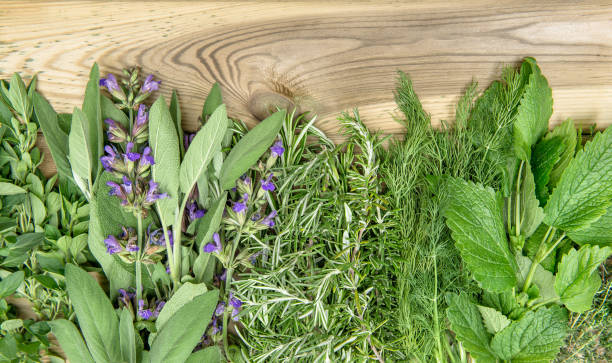
Common Herbal and Supportive Product Groups: Digestion, Gut Health, Respiratory Support, and Flock Health
Herbal products do not fully replace antibiotics in terms of mechanism. In an overall disease prevention model, they may play a supportive role in some cases when used with the right product, right dose, and right purpose. Their specific effectiveness depends on the active ingredients, product formulation, and farm conditions.
| Support Area | Common Examples | Safety Notes |
| Digestive support | Ginger, turmeric, and some plant extracts used in commercial products | Use only according to product instructions; do not increase the dose on your own, as this may cause irritation or reduced feed intake. |
| Gut microbiota balance | Probiotics, prebiotics, synbiotics, and some plant-based additives | Effectiveness depends on microbial strain, CFU count, product form, storage conditions, and farm procedures. |
| Respiratory support | Some commercial products containing suitable essential oils or herbal ingredients | Do not mix essential oils on your own or use high-concentration misting in poultry houses without safety guidance, as this may irritate the respiratory tract. |
| Coccidiosis control support | Vaccines, approved anticoccidial medicines/products, litter management, and farm hygiene | Do not use neem or raw plant materials to prevent coccidiosis on your own. Coccidiosis should be managed under a veterinary program and according to specific epidemiological conditions. |
Practical Forms of Use: Drinking Water, Feed Mixing, Essential Oils, or Quality-Controlled Commercial Products
- Self-mixed raw powders: Common on small farms and low-cost, but difficult to control active ingredients and dosage uniformity.
- Essential oils: These often contain higher concentrations of active ingredients, so they must be used with the right product, instructions, and farm conditions. Farmers should not mix them into drinking water or spray them in the house without guidance from the manufacturer or veterinarian, as incorrect use may irritate the respiratory tract or reduce feed intake.
- Quality-controlled commercial products: This option should be prioritized. Reputable manufacturers usually disclose active ingredient content, recommended dosage, and trial results. This is a safer choice for farms that want to standardize their procedures.
How to Coordinate Herbal Products by Production Stage
Herbal products should only be viewed as supportive solutions for flock health. They do not replace vaccines, biosecurity, or veterinary treatment when the flock shows signs of disease. Their use should be based on commercial products with clear labels, dosage instructions, and the farm’s actual conditions.
| Stage | Support Goal | Safe Application Suggestions |
| Brooding stage, 0–14 days | Support digestion and reduce stress when chicks arrive | Prioritize temperature control, drinking water, electrolytes, and probiotics according to product instructions. If herbal products are used, choose products suitable for chicks and avoid self-mixed raw materials or strong essential oils. |
| Growth stage, 15–35 days | Support gut health, resistance, and flock stability | Probiotics, prebiotics, or commercial herbal products may be considered according to the label. Do not increase the dose or combine multiple products at once without technical advice. |
| Weather changes or increased disease pressure | Reduce environmental stress and detect abnormalities early | Prioritize checking ventilation, temperature, humidity, stocking density, litter condition, and drinking water quality before adding supportive products. |
Safety note: If using herbal or essential-oil-based respiratory support products, choose products that are approved for circulation, have clear instructions, and are used at the correct dose according to the manufacturer or veterinarian.
Farmers should not mix essential oils on their own for misting in the house because concentration is difficult to control and respiratory irritation may occur.
Principles of Use, Timing, Vaccine Interactions, and Risks of Overuse
One point often overlooked is the potential interaction between herbal products and vaccines. Some herbal products may affect vaccine response. Farmers should refer to the guidance from both the vaccine manufacturer and the herbal product manufacturer, and consider avoiding products with strong immune-stimulating effects close to the time of live vaccination. Specific combinations should be discussed with the supervising veterinarian.
Regarding overuse, animal studies suggest that at high concentrations, some active compounds such as carvacrol may irritate the gut, reduce feed intake, and damage intestinal villi. Therefore, the manufacturer’s recommended dosage should not be exceeded. Using the right dose and cycle is more important than using high doses continuously.
Probiotics in Antibiotic-Free Chicken Farming: Selection and Use by Stage
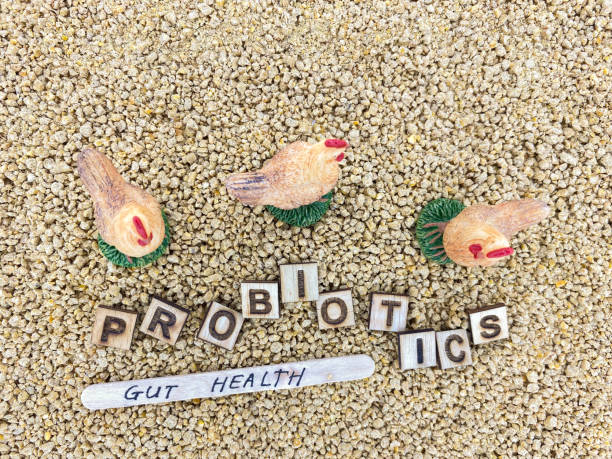
Differences Between Probiotics, Prebiotics, and Synbiotics, and How They Work in the Chicken Gut
- Probiotics: Beneficial live microorganisms that, when provided in sufficient amounts, offer health benefits to the host. The most common groups used in poultry production include Lactobacillus, Bacillus, and Saccharomyces cerevisiae.
- Prebiotics: Non-digestible fibers such as MOS and FOS that feed beneficial gut bacteria. They do not contain live microorganisms.
- Synbiotics: Products that combine probiotics and prebiotics, helping increase beneficial bacteria and support their living environment in the gut.
Many probiotic strains are reported to have one or more mechanisms of action in the chicken gut, including competing with harmful bacteria for attachment sites on the intestinal lining, producing organic acids that lower gut pH and help inhibit Salmonella and E. coli, stimulating local antibody production such as IgA, and supporting intestinal lining integrity. The extent to which these mechanisms occur depends on the strain, dose, and specific usage conditions.
Criteria for Choosing Probiotics for Chickens: Strain, CFU Count, Heat Stability, and Viability in Feed
Not every product labeled “probiotic” delivers practical effectiveness. Important criteria to check include:
- Microbial strain: The strain name should be clearly stated, for example Bacillus subtilis DSM 15544, not just “Bacillus subtilis.” Different strains have different characteristics and target effects.
- CFU count: The product should have a sufficient viable cell count at the time of manufacture and maintain it until expiry. Specific requirements vary by strain and intended use.
- Heat stability: This is important for probiotics mixed into feed because pelleting temperature may affect live bacteria. Spore-forming Bacillus strains are often more heat-stable than Lactobacillus.
- Survival in the digestive tract: Bacteria must tolerate low stomach pH and bile salts to reach the small intestine while still active.
Probiotic Dosage and Use by Stage: Chicks, Growing Broilers, and Stressed Flocks
- Chicks, 0–14 days: Mix into drinking water when chicks arrive, following the manufacturer’s dosage. Probiotics are often supplemented frequently during the first week.
- Growth stage: Supplement periodically through drinking water or mix evenly into feed. Specific frequency depends on flock condition and product instructions.
- During stress periods: Probiotic frequency may be adjusted according to product instructions or technical advice during periods such as house transfer, feed change, vaccination, extreme weather, or after medical handling. Farmers should not increase the dose without guidance from the manufacturer or veterinarian.
Note when mixing probiotics into drinking water: Do not mix with water disinfectants such as chlorine, do not use hot water above 40°C, and use the mixed solution within 4–6 hours.
Common Mistakes When Using Probiotics That Reduce Effectiveness or Cause Counterproductive Results
- Storing probiotics at the wrong temperature, such as leaving heat-sensitive strains under direct sunlight when they require refrigeration.
- Mixing probiotics with antibiotics or disinfectants, which may kill beneficial bacteria before the chickens drink them.
- Choosing products that do not clearly state the strain, CFU count, or expiry date.
- Using probiotics inconsistently, intermittently, or not according to product instructions.
Biosecurity in Antibiotic-Free Chicken Farming: An Essential Pillar
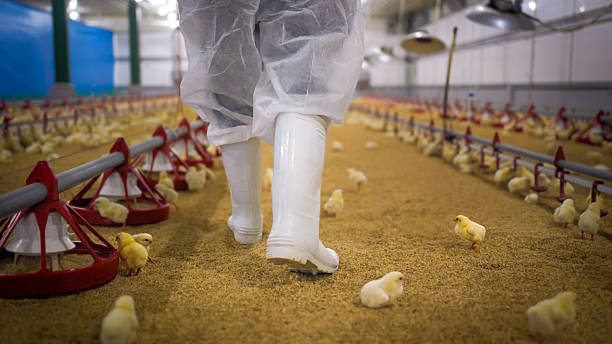
Three Layers of Control: Chicks, Housing Environment, and People/Vehicles Entering the Farm
Biosecurity in antibiotic-free chicken farming is not a single measure but a multi-layered system. When preventive antibiotics are not used, every protective layer becomes more important.
- Layer 1 – Chicks: Source chicks only from facilities with quarantine records and clear flock health information. Do not mix chicks from multiple sources in the same batch. If additional birds are introduced or multiple age groups are raised, a separate quarantine area and procedure should be established according to veterinary guidance.
- Layer 2 – Housing environment: Control temperature, humidity, ventilation, lighting, and litter to reduce pathogen load in the environment.
- Layer 3 – People and vehicles: This is often the most overlooked infection source. Visitors, collection truck drivers, and workers moving between multiple farms all pose potential risks.
Standard Disinfection, House Hygiene, and Waste Management Procedures
- Daily disinfection: Spray disinfectant at entrances, vehicle disinfection pits, and footwear disinfection points. Change protective clothing before entering the poultry area.
- End-of-cycle cleaning: After each production cycle, remove all litter, pressure-wash the entire house, disinfect at least twice with a broad-spectrum disinfectant, and leave the house empty for at least 7–14 days before the next cycle.
- Waste management: Chicken manure should be treated or composted separately from the poultry area to prevent pathogen buildup and spread through insects, wind, or rainwater.
Controlling Drinking Water, Feed, Chick Sources, and Disease Vectors
- Drinking water: Conduct microbiological testing periodically, at least once per production cycle. Chlorine treatment may be used at an appropriate level if needed. However, chlorinated water should not be used at the same time as probiotic supplementation.
- Feed: Test periodically for mycotoxins such as aflatoxin and DON. Feed contaminated with mycotoxins can seriously suppress immunity. This is a hidden factor that makes many antibiotic-free farms struggle even when other procedures appear adequate.
- Vector control: Rodents, wild birds, and insects are important disease vectors. Screens, rodent traps, and insect control lights are essential investments.
Vaccination Schedules and the Role of Flock Health Monitoring Without Preventive Antibiotics
Vaccination is one of the most important active disease prevention barriers in models that reduce antibiotic dependence. However, vaccination schedules should not be applied mechanically to every farm.
A vaccination program should be developed based on:
- Local epidemiological conditions and disease risks
- Chicken type, chick source, and production purpose
- Vaccination schedule from the hatchery or chick supplier
- Flock health status and housing conditions
- Guidance from a veterinarian or local animal health authority
Diseases such as Newcastle disease, Gumboro disease, avian influenza, and others should be considered according to specific conditions. Farmers should not design or change vaccination schedules on their own without professional consultation.
Operational Checklist for Antibiotic-Free Chicken Farms
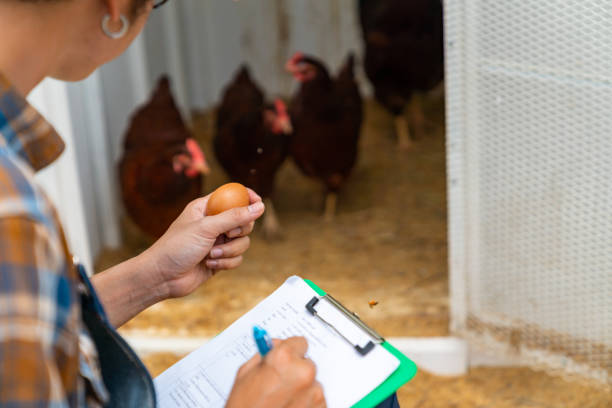
Checklist Before Starting a New Production Cycle
- Clean and disinfect the house at least twice after the previous cycle.
- Leave the house empty for at least 7 days, or 14 days if disease occurred in the previous cycle.
- Check and repair insect and rodent barriers.
- Check the ventilation system, exhaust fans, and curtains.
- Prepare new, dry, clean litter.
- Check drinking water quality, including microbiology, pH, and hardness.
- Prepare probiotics and electrolytes for chick arrival.
- Confirm the origin and health records of the chicks.
Daily Monitoring Checklist: Temperature, Feed and Water Intake, Droppings, and Flock Behavior
- Measure and record house temperature and humidity in the morning and afternoon.
- Observe flock behavior: movement, even distribution or crowding, and normal or abnormal sounds.
- Check feed intake compared with the previous day.
- Observe droppings: color, moisture, mucus, or blood.
- Record daily mortality and check possible causes.
- Check the drinking water system and feeders.
- Record observations in the flock monitoring logbook.
Response Checklist When Abnormal Signs Appear: Prioritize Flock Management, Electrolytes, Probiotics, Herbal Products, and Veterinary Thresholds
When the flock shows signs such as depression, abnormal droppings, reduced feed intake, breathing difficulty, or increased mortality, the farm should not rush to use herbal products, probiotics, or antibiotics before identifying the cause.
The recommended response order is:
- Isolate clearly affected birds if farm conditions allow.
- Check temperature, humidity, ventilation, litter condition, drinking water, and feed.
- Record the number of birds showing symptoms, mortality rate, time of onset, and recent changes in weather, feed, vaccination, or transport.
- Electrolytes, probiotics, or supportive products may be used according to product instructions if suitable for the flock condition.
- Contact a veterinarian if symptoms do not improve, mortality increases, neurological signs appear, bloody droppings occur, breathing difficulty is observed, or an infectious disease is suspected.
Important note: In an antibiotic-free model, symptoms should not be allowed to continue for more than 24–48 hours without veterinary involvement.
Early detection and proper intervention are important for reducing losses, but probiotics or herbal products should not be considered substitutes for veterinary treatment.
Cleaning and Downtime Checklist After Each Production Cycle
- Remove all chickens; do not leave any birds behind.
- Remove all litter and manure to the designated treatment area.
- Pressure-wash the entire floor, walls, ceiling, and equipment.
- Disinfect once, allow to dry, then disinfect a second time.
- Leave the house empty and allow natural ventilation.
- Record cycle performance data: FCR, survival rate, amount of probiotics/herbal products used, and any incidents that occurred.
Antibiotic-Free Chicken Farming vs Conventional Farming: Costs, Risks, and Performance
Comparing Input Costs, Technical Requirements, and Disease Risks Between the Two Models
| Criteria | Conventional Model With Controlled Antibiotic Use | Antibiotic-Free / ABF Model |
| Disease prevention/treatment medicine costs | Veterinary medicine costs may arise when treatment is needed under veterinary guidance. | Antibiotic costs are lower or absent for the ABF batch, but costs for supportive products, flock management, and monitoring are usually higher. |
| Biosecurity costs | Biosecurity investment is still needed to reduce disease and reduce the need for medicines. | Stricter biosecurity is required because the farm cannot rely on preventive antibiotics. |
| Disease risk when biosecurity is poor | Can still cause major losses; if bacterial disease is diagnosed, treatment must follow veterinary guidance. | Higher risk if antibiotics are removed without upgrading management, biosecurity, and flock monitoring. |
| Antibiotic residue risk | Exists if the wrong medicine, dose, withdrawal period, or records are poorly managed. | Lower if the model is followed correctly and risks of cross-contamination, feed records, water records, and product use records are well controlled. |
Comparing Survival Rate, FCR, Growth Rate, and Final Meat Quality
Some field experience suggests that under good management conditions, antibiotic-free models may achieve operational indicators close to conventional models.
However, results depend strongly on breed, nutrition, housing, biosecurity, pathogen pressure, and each farm’s management capacity.
On farms that convert before conditions are ready, operational indicators may be noticeably poorer during the initial transition period. The specific gap varies widely and should be assessed based on each farm’s actual situation.
Some consumers and retailers perceive ABF chicken as having better sensory quality. However, this depends on many factors beyond antibiotic use, including breed, feed, market age, and transport conditions.
Impact on Selling Price, Retail Chain Access, Processing Plants, and Export Markets
ABF-certified chicken or certified clean poultry may be purchased at a higher price than conventional chicken by some supermarket chains, export processing plants, and clean food distribution channels. The actual price difference depends on the buyer and required standards, so farms should negotiate directly with buyers before investing in conversion.
Whether the additional costs can be offset depends on whether the farm has a stable market for this segment before starting the transition.
Transitioning Toward Antibiotic-Free Chicken Farming in Vietnam
Experience From Antibiotic-Free Transition Models: Processes and Field Observations
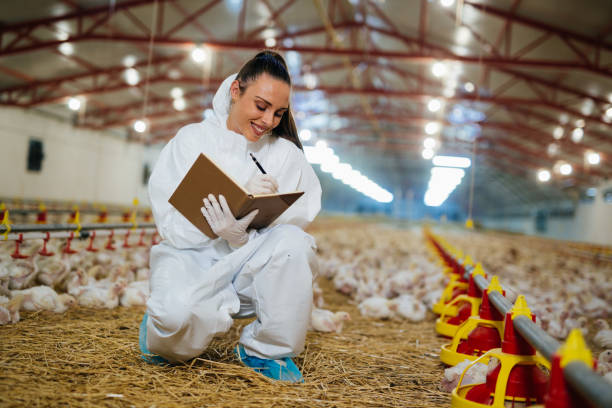
In practice, some medium-scale broiler farms are testing antibiotic-free chicken farming models to meet the requirements of retail chains, processing plants, and commercial buyers.
Successful transition farms often share several characteristics: they upgrade to closed or semi-closed housing before removing antibiotics, build written biosecurity procedures and train staff, secure market contracts in advance with buyers of clean or certified poultry products, and maintain daily flock monitoring with proper records.
According to experience from some transition models, operational indicators may need an adaptation period before gradually stabilizing. The specific duration depends on housing conditions, breed, stocking density, feed quality, biosecurity, staff capacity, and commercial outlet. Therefore, farms should not expect strong results from the first transition cycle if preparation is incomplete.
Lessons From Farms That Struggle After Removing Antibiotics Without Adequate Biosecurity
A commonly observed lesson in industry practice is “removing antibiotics without changing anything else.” Some farms stop using preventive antibiotics in feed but still maintain high density, poor ventilation, and no entry disinfection procedure. As a result, mortality increases sharply from week 3 due to coccidiosis and gut diseases.
This is a system-level mistake: treating antibiotics as a “compensation tool” for poor farming conditions instead of treating biosecurity as the foundation.
Economic Considerations When Transitioning: Costs, Adaptation Time, and Market Requirements
In many cases, initial transition costs such as housing upgrades, staff training, probiotics, supportive products, and flock health management solutions may be higher than the cost of a conventional production cycle. The cost difference depends on current housing conditions, flock size, output standards, and initial investment level.
Payback time and economic effectiveness depend largely on selling price, flock size, initial infrastructure investment, and the ability to maintain a stable survival rate. Specific numbers vary widely between farms and regions, so they should be assessed directly with a consultant or buyer before investment decisions are made.
Common Mistakes When Applying an Antibiotic-Free Chicken Farming Model
Removing Antibiotics Suddenly Without Upgrading Biosecurity
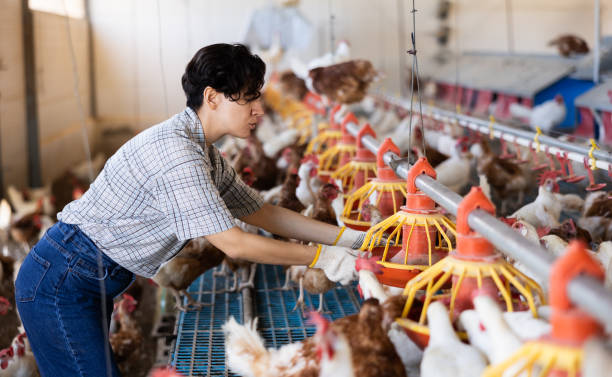
In some older management models, dependence on preventive medicines may hide weaknesses in biosecurity, nutrition, density, or ventilation. When a farm switches to an antibiotic-free model without addressing these root causes, the flock may weaken faster and the risk of disease outbreaks increases.
Using Herbal Products or Probiotics at the Wrong Dose, Wrong Timing, or With Poor-Quality Products
Incorrect dosage, poor timing, or low-quality products may reduce effectiveness, waste money, and make the farm overconfident in disease management.
For probiotics, farmers should pay attention to microbial strain, CFU count, expiry date, and storage conditions. For herbal products, use them according to product instructions and avoid self-mixing raw materials when active ingredients cannot be controlled.
Low-quality products that do not declare strains or do not ensure viable CFU until expiry are a common market issue today.
Excessive Stocking Density, Poor Ventilation, and Poor Temperature Control
High density and poor environment are two of the fastest disease amplifiers in antibiotic-free farms. If high density must be maintained for economic reasons, the farm needs a mechanical ventilation system with sufficient capacity and stricter environmental monitoring.
Not Monitoring the Flock Daily, Leading to Late Disease Detection
When the flock begins to show abnormal signs, the most important steps are early detection, identifying the cause, and responding according to veterinary guidance.
Probiotics or herbal products may support gut health, reduce stress, or stabilize the flock in some cases, but they do not replace diagnosis and treatment once disease has appeared. If detection is delayed, losses can increase quickly, especially in an antibiotic-free model.
Waiting until chickens die in large numbers before responding is too late for any antibiotic-free solution to control the situation.
FAQ: Common Questions About Antibiotic-Free Chicken Farming
Is Antibiotic-Free Chicken Farming Suitable for Small Farms Under 5,000 Birds, or Only for Large Farms?
Small farms can apply an antibiotic-free model if they have suitable management procedures, clear market access, and technical support when needed.
In fact, some aspects may be easier to control at a small scale: flock observation is easier, abnormalities can be detected earlier, and basic biosecurity may be easier to implement.
The main challenges are that staff must have sufficient knowledge and operational discipline, and market access must be prepared in advance because ABF chicken only has higher value when it enters the right distribution channels.
What Herbal or Plant Extract Groups Are Commonly Used to Support Chicken Flock Health?
Some herbal or plant extract groups commonly found in commercial poultry products may include garlic, oregano, ginger, turmeric, or certain plant essential oils.
However, effectiveness and safety depend on extract form, active ingredient content, dosage, product quality, and farm conditions.
Farmers should prioritize products with clear labels, declared ingredients, usage instructions, and approval for circulation. They should not self-mix raw materials if dosage and quality cannot be controlled.
These products can be found through veterinary distributors, feed dealers, or companies specializing in sustainable livestock solutions. Products with declared active ingredients and proper registration should be prioritized.
When Should Probiotics Be Added During the Production Cycle for Best Effect?
Commonly considered timing includes chick arrival, feed transition periods, after transport stress, weather changes, or according to the farm’s management program.
Using probiotics around vaccination should follow the guidance of the vaccine manufacturer, probiotic product manufacturer, and supervising veterinarian to avoid affecting the disease prevention program.
Regular and continuous supplementation throughout the production cycle is also an approach used by many farms to maintain stable gut microbiota.
Can Herbal Products and Probiotics Be Combined in the Same Feed or Drinking Water? Are There Interactions to Avoid?
In general, they may be combined, but several points should be noted. High-concentration herbal essential oils, especially oregano, may affect probiotic bacteria if mixed directly.
In practice, probiotics and herbal products may be given at different times of the day according to manufacturer instructions or technical advice, instead of being mixed directly when interaction potential is unclear.
For each specific product, farmers should check the product label and consult a veterinarian for guidance suitable to farm conditions.
Are There Certifications or Standards for Antibiotic-Free Chickens in Vietnam or for Export?
In Vietnam, VietGAP is a domestic good agricultural practice standard that includes criteria related to antibiotic use control and veterinary drug residues. However, VietGAP does not automatically mean “completely antibiotic-free,” and specific requirements should be checked in the relevant version of the standard.
For export, requirements may differ by market, product, and buyer. Some partners may require standards such as GLOBALG.A.P., HALAL, or their own residue control and certification requirements. Farms should check directly with the import authority, buyer, or certification body before investing in an antibiotic-free model.
Some domestic supermarket chains also develop their own internal standards for antibiotic control. Farms should contact the certification body or buyer directly to understand specific requirements before starting the transition.
Toward Safer Poultry Farming With Reduced Antibiotic Dependence at VIETSTOCK 2026
Antibiotic-free chicken farming is not only a trend that responds to market demand. It is also an important shift in animal health management, veterinary drug residue control, and the competitiveness of the poultry sector.
For this model to operate effectively, farms need to combine biosecurity, probiotics, herbal products supporting immunity, nutrition, housing environment management, and daily flock monitoring in a coordinated way.
VIETSTOCK 2026 will serve as a specialized connection platform for farmers, farm owners, poultry businesses, probiotic suppliers, biological product providers, herbal product suppliers, vaccine providers, housing equipment suppliers, and biosecurity solution providers.
The event is expected to bring together more than 300 brands, over 10,000 m² of exhibition area, and 13,000 trade visitors from more than 40 countries and territories. It will provide opportunities to update solutions that help the livestock sector move toward safer, more sustainable production that better meets market requirements.
As reduced-antibiotic and antibiotic-free poultry models gain more attention, Vietnamese companies have an opportunity to bring probiotics, biological products, herbal solutions, animal nutrition, biosecurity, and housing environment management closer to farms in transition. The Vietnam Pavilion at VIETSTOCK 2026 gives local solution providers a dedicated channel to present products and systems that support residue control, gut health, operational discipline, and stronger alignment with the requirements of retailers, processors, and buyers.
With support from the Department of Animal Health and Production, companies participating in the Vietnam Pavilion may benefit from preferential participation support of up to 45%. This creates a practical pathway for Vietnamese suppliers to reach customers looking for cleaner poultry production, reduced antibiotic dependence, and more sustainable flock health management.
At VIETSTOCK 2026, attendees can:
- Update new solutions in probiotics, biological products, herbal products, nutrition, and poultry gut health management.
- Learn about biosecurity models, disease control, and reduced antibiotic dependence in livestock production.
- Meet suppliers of housing equipment, environmental management solutions, and farm operation support technologies.
- Connect with experts, businesses, and partners across the poultry, animal health, feed, production, and processing value chain.
- Explore opportunities to participate in the Vietnam Pavilion to strengthen brand presence and expand international B2B connections.
Date: 21–23 October 2026
Venue: Saigon Exhibition and Convention Center (SECC), 799 Nguyen Van Linh Street, Ho Chi Minh City, Vietnam
Event website: https://www.vietstock.org/en/
Visitor registration: https://www.vietstock.org/en/online-registration-2/
If your business provides solutions in probiotics, biological products, herbal products, animal nutrition, biosecurity, housing equipment, or poultry health management, VIETSTOCK 2026 is an opportunity to gain visibility among the professional poultry and livestock industry community, connect directly with potential customers, and expand cooperation across the livestock value chain.
👉 Book a stand at VIETSTOCK 2026 today to take advantage of a central location, available participation incentives, and global connection opportunities.
Contact:
- Exhibiting: Ms. Sophie Nguyen – [email protected]
- Visitor Support: Ms. Phuong – [email protected]
- Marcom Support: Ms. Anita Pham – [email protected]