Routes of Administration in Veterinary Medicine: Oral, Injectable, Topical, and How to Choose
Explore the main routes of administration in veterinary medicine, including oral, intramuscular, subcutaneous, and topical use, and learn how to choose the appropriate route safely.
Routes of administration in veterinary medicine refer to the ways medicines are delivered into an animal’s body, including oral administration, injectable routes such as intramuscular and subcutaneous injection, and topical application. Choosing the correct route can affect drug absorption, distribution, and therapeutic effect, while also influencing animal safety and the management of drug residues in animal-derived food products.
The route of administration should not be changed based on experience alone or simply for operational convenience. Each product has a specific dosage form, intended animal population, and route of administration stated on the label or package insert. Using the wrong route may reduce effectiveness, alter drug exposure, increase the risk of adverse reactions, and affect the applicable withdrawal period.
Key takeaways
- This article focuses on common routes of administration, including oral, injectable, topical, and certain respiratory routes.
- Each route has different absorption characteristics, technical requirements, and risks. No single route is the best choice in every situation.
- Route selection should first follow the route stated on the product label, followed by consideration of the animal’s condition, intended purpose, and practical farm conditions.
- Do not independently switch between oral, injectable, topical, or other administration methods.
- Withdrawal periods should be determined according to the specific product, animal species, dosing regimen, and route of administration used.
What Is a Route of Administration in Veterinary Medicine, and Why Does It Directly Affect Treatment Outcomes?

Definition of Route of Administration in Veterinary Medicine
A route of administration is the pathway through which a veterinary medicinal product is delivered into an animal’s body. The route affects how the medicine is absorbed, distributed to tissues and organs, metabolized, and eliminated.
In veterinary practice and livestock production, the route of administration is not an arbitrary choice. Manufacturers determine the approved route based on the characteristics of the active ingredient, dosage form, and product data on efficacy and safety. For this reason, the product label and package insert are important references when administering veterinary medicines.
The same active ingredient may be available in several dosage forms, but this does not mean that these forms can be substituted directly for one another.
How the Route of Administration Affects Absorption, Effectiveness, and Safety
Even with the same active ingredient, changing the dosage form or route of administration can significantly affect the rate and extent of absorption. A product designed for injection should not be given orally unless the label specifically permits it, because its absorption, stability, and formulation excipients may differ substantially.
The route of administration can also affect:
- Onset of action: absorption rates vary depending on the route, active ingredient, and dosage form. No route should automatically be assumed to act faster or be more effective in every situation.
- Local safety: incorrect injection site, poor technique, or use of a product that is unsuitable for a particular injection route may cause tissue reactions, abscesses, or injury.
- Control over the amount administered: direct administration to individual animals may allow better control over the amount each animal receives than group medication, although the specific route must still follow the product instructions.
- Drug residues in animal products: the route and dosage form may influence absorption, elimination, and the applicable withdrawal period.
Classification of Veterinary Drug Administration Routes
Systemic Routes: Oral, Intramuscular, and Subcutaneous
Within the scope of this article, common systemic routes used in livestock production include:
- Oral administration – per os: the medicine is administered through the gastrointestinal tract. Some antimicrobials, antiparasitic medicines, vitamins, and supportive products are approved for oral use. Absorption depends on the active ingredient and dosage form.
- Intramuscular injection – IM: the medicine is administered into muscle tissue. Many medicines and vaccines are approved for IM use, but absorption rate and duration of action depend on the individual product.
- Subcutaneous injection – SC: the medicine is administered into the tissue beneath the skin. Some vaccines, supportive products, and therapeutic medicines are formulated and approved for this route. SC administration should not automatically be assumed to produce slower absorption or a longer duration of action unless the product information states so.
Local Routes: Topical, Ophthalmic, and Otic
Topical products are generally designed to deliver the active ingredient directly to the area requiring treatment, such as the skin, eyes, or ears.
- Topical application: may be used for products approved for skin lesions, wound care, or the control of certain external parasites.
- Eye drops and ear drops: should only be used with products specifically formulated and labeled for ophthalmic or otic use.
Not every topical medicine acts only locally. Some pour-on or transdermal products may be absorbed through the skin and produce systemic effects. The extent of absorption and expected effect should therefore be determined according to the specific product.
Respiratory Routes: Inhalation, Aerosol, and Spray Administration
Some veterinary vaccines or medicines are approved for respiratory administration and may be given intranasally, by spray, or as an aerosol according to product instructions.
These methods may be used in certain livestock systems, particularly poultry production, but they require careful control of the product type, delivery equipment, droplet size, concentration, and housing conditions.
Do not independently prepare or spray medicines for respiratory administration inside animal housing unless the product is approved for this route.
Comparing the Advantages and Limitations of Oral, Intramuscular, Subcutaneous, and Topical Administration
Comparison by Absorption, Effectiveness, Safety, Cost, and Technical Requirements
| Criteria | Oral administration | Intramuscular injection | Subcutaneous injection | Topical application |
| Absorption rate | Depends on the active ingredient and dosage form | Often relatively rapid for many products | Depends on the active ingredient and dosage form | Depends on the product |
| Systemic effect | May be effective systemically when the product is designed for oral administration | May produce systemic effects | May produce systemic effects | May be local or systemic |
| Technical requirements | Low to moderate | Moderate to high | Moderate | Low to moderate |
| Risk of local reactions | Generally lower than injection routes, although gastrointestinal irritation may occur depending on the medicine | Injection-site reactions may occur | Injection-site reactions may occur | Skin irritation may occur depending on the product |
| Suitability for large-scale use | May be convenient when the product is approved for administration through drinking water or feed | More limited because individual handling is required | More limited because individual handling is required | Depends on the product and purpose |
| Administration cost | Depends on the medication-delivery system | More labor-intensive in large herds or flocks | More labor-intensive in large herds or flocks | Depends on the product |
| Control of individual dose | More difficult with group medication | Individual doses can generally be controlled more closely | Individual doses can generally be controlled more closely | Depends on the method of application |
How Choosing the Wrong Route Can Affect Treatment Outcomes and Costs
Selecting or using an inappropriate route of administration may result in several problems:
- Inadequate drug exposure: a product designed for injection may not be absorbed adequately or consistently if it is independently switched to oral administration.
- Higher risk of adverse reactions: using a medicine by an inappropriate route may increase the risk of irritation, tissue damage, or other unwanted reactions.
- Poor treatment response: when a medicine is not used according to the correct dosage form, route, dose, or duration, the situation should be reassessed rather than independently increasing the dose or switching medicines based on experience alone.
- Higher costs: inappropriate treatment may prolong disease, increase the number of interventions, require additional testing or medicines, and reduce herd or flock productivity.
For antibiotics, inappropriate use regimens may reduce treatment effectiveness and, in some situations, contribute to selection pressure favoring antimicrobial-resistant bacteria.
Oral Administration in Veterinary Medicine: Drinking Water, Feed, and Direct Oral Dosing
When May Oral Administration Be Appropriate?
Oral administration may be considered when the product is approved for this route and is appropriate for the animal’s condition.
Common situations may include:
- Products designed for group administration through drinking water or feed.
- Medicines formulated for oral use.
- Animals that are still drinking or eating enough to receive the medicine according to the product instructions.
- Certain vitamins, minerals, supportive products, or antiparasitic medicines that are approved for oral administration.
Oral administration may be more difficult to control when animals reduce their feed or water intake because the actual amount received by each animal may become uneven.
For antibiotics and other therapeutic medicines, herd- or flock-level use should be based on professional assessment and the approved product indication rather than being used broadly simply for convenience.
Common Oral Administration Methods and Basic Considerations
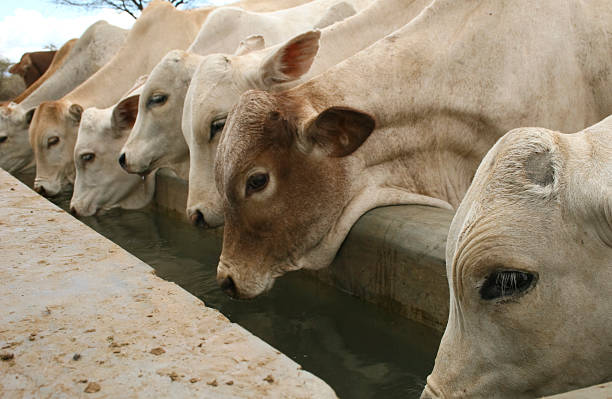
Medication through drinking water
This method is commonly used in poultry and pig production for products approved for administration through drinking water.
The amount of medicine should be determined according to the product instructions, total herd or flock body weight, and actual water consumption when these variables are required by the product’s dosing instructions.
Do not restrict drinking water in an attempt to force animals to consume medicated water. Animals should continue to have adequate access to water according to their needs.
Water used for medication should meet the product requirements. Factors such as pH, hardness, temperature, and water-treatment chemicals may affect the solubility or stability of certain products.
Medication through feed
This should only be used when the product is approved for administration through feed and complies with applicable regulations.
The medicine should be distributed evenly throughout the feed according to the product’s technical instructions. Injectable products or products intended for direct oral use should not be independently converted for administration through feed.
Do not mix medicines into feed types or processing conditions not recommended by the manufacturer, as temperature, moisture, fermentation, or feed composition may affect certain active ingredients.
Direct oral administration
This may be appropriate for individual animals when the product is designed for this method.
The procedure should minimize the risk of aspiration and follow species-appropriate handling techniques. If the person administering the product lacks experience, guidance from a veterinarian or trained person should be obtained.
Dose, Duration, and Common Mistakes
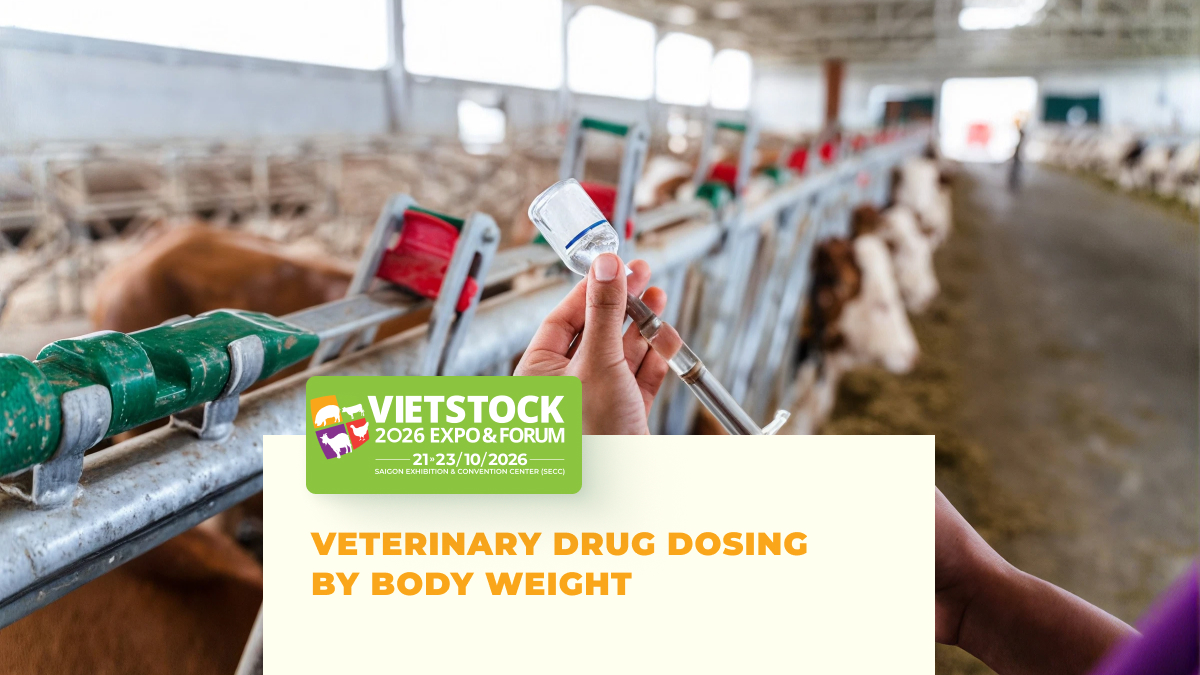
- Determine the amount according to actual body weight or an appropriate estimation method when the product requires body-weight-based dosing.
- Prepare only the amount of medicated solution that is consistent with the product’s stated stability after mixing.
- Do not independently shorten, extend, or change the treatment duration when animals begin to improve.
- Do not independently increase or decrease the dose.
- Consider temperature, pH, hardness, and water or feed conditions when the manufacturer provides stability-related warnings.
- Monitor water or feed consumption during group medication.
Injectable Routes in Veterinary Medicine: How Are Intramuscular and Subcutaneous Injection Different?
When Is IM or SC Used According to the Product and Clinical Situation?
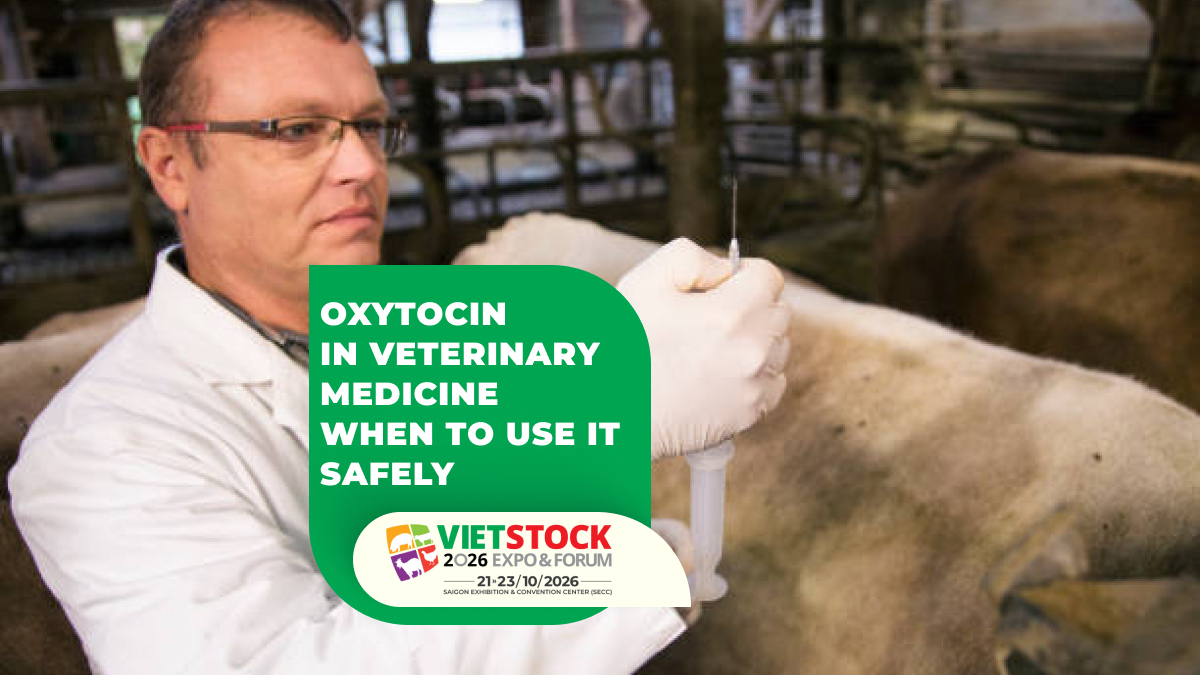
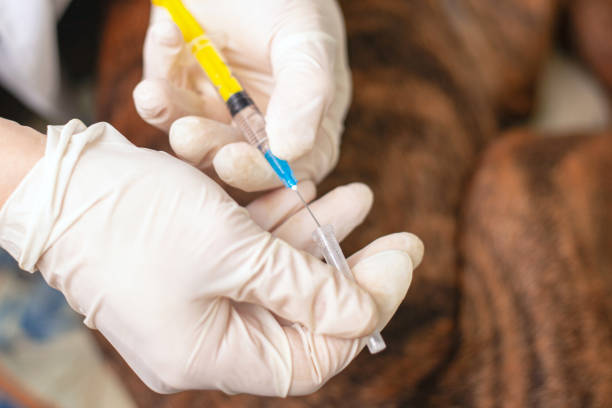
Intramuscular injection may be used when:
- The product is approved and clearly labeled for IM administration.
- The dosage form is designed for administration into muscle tissue.
- A veterinarian determines that IM administration is appropriate for the animal’s condition and the intended use of the product.
IM administration should not be selected simply because the animal is severely ill or because it is assumed to act faster than every other route.
Subcutaneous injection may be used when:
- The product is approved for SC administration.
- The formulation and drug characteristics are suitable for subcutaneous tissue.
- The injection site, volume, and technique are appropriate for the animal species and consistent with the manufacturer’s instructions.
It should not be assumed that all SC products are long-acting. Some active ingredients are available in different products with different approved routes. IM and SC routes should not be interchanged simply because the products contain the same active ingredient.
Basic Injection Principles: Site, Equipment, Aseptic Technique, and Animal Restraint
This section presents only general safety principles and is not a procedural guide for performing injections.
The following sites are examples commonly encountered in practice and do not replace product-label instructions or facility standard operating procedures. Injections should be performed by trained personnel using appropriate equipment and techniques for the species, age group, and product.
Common IM injection sites:
- Pigs: the neck muscles behind the ear are commonly selected for many products to help reduce damage to higher-value meat cuts.
- Poultry: the breast muscle is used for some IM vaccines or products; the exact site should follow the product instructions.
- Cattle: the neck area in front of the shoulder is often preferred in livestock practice to reduce damage to higher-value meat cuts; the specific site should still follow the product label.
Common SC injection sites:
- Pigs: the site depends on the product and the animal’s age.
- Poultry: the skin of the neck is used for some SC vaccines.
- Cattle: the neck region or another site specified in the product instructions.
Basic safety principles:
- Use clean, appropriate equipment and follow appropriate aseptic and biosecurity procedures.
- Select needle size, depth, and injection angle according to species, age, animal size, route of administration, and technical guidance.
- Do not apply one fixed needle angle to every species or injection site.
- Replace needles when they become blunt, bent, damaged, contaminated, or according to the facility’s SOP.
- Do not straighten and reuse bent or damaged needles. Dispose of used needles according to the facility’s safety procedures.
- Restrain animals appropriately to reduce the risk of needle breakage and injury to both people and animals.
- Do not independently change the injection site or technique without understanding the product instructions.
Common Post-Injection Complications and Initial Response
- Injection-site reactions: some products may cause mild swelling or discomfort at the injection site. Veterinary advice should be sought if swelling increases, pain becomes pronounced, pus develops, the animal develops fever, or the reaction persists abnormally.
- Injection-site abscess: this may be associated with contamination, technique, or tissue reaction. Do not independently cut, drain, or manipulate the lesion without professional assessment.
- Systemic allergic reaction or anaphylaxis: signs may include difficulty breathing, weakness, swelling, bluish discoloration, or sudden collapse after administration of a medicine or vaccine. This is an emergency and requires immediate veterinary attention.
- Broken needle: if a needle breaks and part of it remains in the animal, do not attempt uncontrolled removal. Mark or record the location and contact qualified personnel for appropriate management.
Topical Administration in Animals: Correct Use and Safety Management
Common Types of Topical Products and Their Uses
- Antiseptic or wound-care products: may be used when the product is appropriately indicated for skin or wound care in the relevant animal species.
- Products for skin disease or fungal conditions: certain creams, solutions, or sprays may be approved for specific dermatological conditions.
- External parasite-control products: may include pour-on, spot-on, spray, or other topical formulations depending on the product.
- Topical antimicrobial products: should only be used when appropriately indicated. Topical antibiotics should not be used automatically simply because a lesion is red, swollen, or producing discharge.
The product should be selected according to the cause of the lesion and the product label, not solely on the appearance of the affected skin.
Preparing the Skin and Applying Topical Products Appropriately
- Clean the skin according to instructions appropriate for the product and type of lesion. Do not scrub aggressively or remove tissue without professional guidance.
- Apply the amount stated on the product label. Using more than recommended does not necessarily improve effectiveness and may increase the risk of irritation or excessive absorption.
- For pour-on or spot-on products, use the specified site, amount, and skin conditions. Do not independently dilute the product or change the application site.
- Wear gloves or other personal protective equipment when required by the product warnings to reduce direct exposure to the active ingredient.
Preventing Licking and Maintaining Product Effectiveness
Licking or exposure to water after application may affect certain topical products:
- Manage animals according to the product instructions regarding drying time and contact risk.
- If the instructions require preventing other animals from licking the treated area, appropriate management measures should be used for the specified period.
- Follow product warnings regarding rain, bathing, water exposure, or moisture for pour-on products.
- Monitor animals for abnormal reactions after treatment and contact a veterinarian if serious signs occur.
How to Choose the Route of Administration Based on Disease, Product, and Farm Scale
General Principles for Choosing Between Oral, Injectable, and Topical Routes
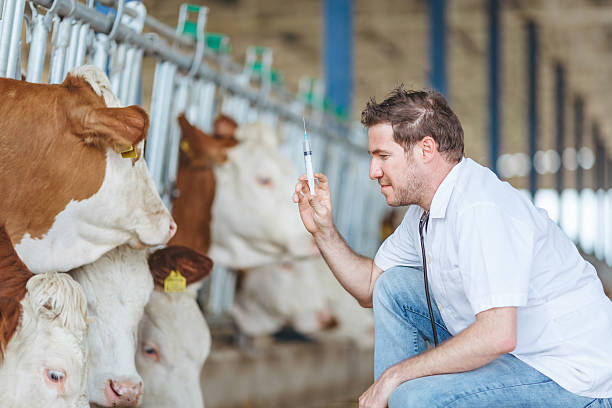
The route of administration should be determined using the following considerations:
- The route stated on the product label: this should be checked first. Do not independently change the route or use a dosage form intended for another route.
- The animal’s clinical condition: ability to eat or drink, hydration status, gastrointestinal condition, and other clinical factors may affect whether certain routes are practical. These considerations do not override the approved route stated on the product label.
- Site and cause of disease: some conditions may require local treatment, while others may require systemic effects. However, the final route depends on the selected product and diagnosis.
- Ability to administer the medicine correctly: someone without injection skills should not switch an injectable medicine to oral use. If the approved route cannot be administered correctly, assistance should be sought from a veterinarian or trained person.
Operational convenience should only be considered after the product and route of administration have already been determined to be professionally appropriate.
Choosing Routes for Systemic, Local, and Parasitic Diseases
Systemic diseases such as septicemia, pneumonia, or hemorrhagic septicemia:
- IM, SC, or oral administration cannot be selected based only on the disease name or apparent severity.
- The veterinarian should select the product and route according to the diagnosis, suspected or confirmed causative agent, animal condition, product label, and the ability to achieve appropriate drug exposure.
Local conditions such as dermatitis, wounds, fungal skin disease, or localized mastitis:
- Skin lesions may be treated with topical products when appropriately indicated.
- Some organs have specialized routes of administration. For example, products for mastitis may be approved for intramammary and/or systemic administration depending on the formulation and veterinary assessment.
- Do not independently add systemic antibiotics to the treatment regimen simply because a lesion is widespread.
Parasitic diseases:
- Antiparasitic medicines may be administered by several routes, including oral, injectable, pour-on, or other topical routes.
- Selection depends on the type of parasite, animal species, control objective, and approved product.
- It should not be assumed that external parasites always require topical treatment, intestinal parasites always require oral treatment, or blood parasites always require injectable treatment.
Differences Between Large Farms and Small-Scale Livestock Operations
Large farms with hundreds or thousands of animals:
- Products approved for administration through water or feed may reduce labor requirements when group medication is appropriate.
- Group medication should only be used when indicated, when water or feed consumption can be adequately managed, and when the product is approved for that form of administration.
- Individual treatment or vaccination may still be necessary depending on the clinical situation and the farm’s veterinary program.
- Mixing and dosing systems should be calibrated to reduce concentration errors.
Small-scale farms with a few dozen animals or fewer:
- It may be easier to monitor the amount of medicine received by individual animals.
- However, smaller scale does not mean that the route can be independently changed or that medicines may be used outside label instructions.
- Procedures such as injections or direct oral administration still require appropriate technique.
Principles for Using Veterinary Medicines by the Correct Route: Follow the Label, Dose, and Withdrawal Period
Correct veterinary medicine use is directly related to treatment effectiveness, animal health, drug residues, and food safety.
Follow the product label: route of administration, dose, frequency, and treatment duration should follow the approved label and package insert. If a veterinarian considers use that differs from the label instructions, this should only occur when permitted under applicable regulations and under appropriate professional oversight, particularly with regard to dose, route of administration, and withdrawal period.
Control the dose: an inappropriate amount may reduce effectiveness or increase the risk of adverse reactions. For antibiotics, inappropriate exposure may also contribute to selection pressure favoring antimicrobial-resistant bacteria in some situations.
Withdrawal period: this is the period that must be observed between the last administration of the medicine and the point at which meat, milk, eggs, or other related food products may enter the food supply chain in accordance with applicable requirements. The withdrawal period should be determined according to the approved label or package insert for the specific product, species, and dosing regimen. If the medicine has been used differently from the label instructions, do not independently estimate the withdrawal period. Consult a veterinarian and follow applicable regulations.
Store medicines correctly: temperature, light, humidity, and the time after opening may affect the quality of certain products. Follow the storage conditions stated on the label.
Keep medication records: record the date of administration, product name, batch number when needed, dose, route of administration, and animal or group treated. These records support treatment monitoring, withdrawal-period management, and traceability when required.
Livestock producers should consult a veterinarian or other appropriate professional when uncertain about the route of administration, dosage, indication, or withdrawal period.
FAQ for Livestock Producers About Veterinary Drug Administration Routes
If Chickens Have Respiratory Disease, Should the Medicine Be Given Orally or by Injection?
Oral or injectable administration cannot be selected solely based on whether the chickens have mild or severe respiratory signs.
Respiratory signs in poultry may be associated with many causes, including viruses, bacteria, parasites, or environmental factors. The cause should first be assessed and an appropriate product identified.
If a product is approved for administration through drinking water but the flock is drinking less, the amount received by each bird may be difficult to control. In that situation, the veterinarian should assess the appropriate management approach rather than automatically switching to an injectable medicine.
Does a Pig With Dermatitis Need an Injection, or Is Topical Treatment Enough?
It is not possible to determine whether topical treatment alone is sufficient or systemic treatment is needed based only on the size of the affected area.
Dermatitis in pigs may be related to bacterial infection, parasites, trauma, irritation, or environmental factors. The cause and severity should be assessed before selecting a medicine and route of administration.
Systemic antibiotics should not be used independently simply because the lesion is widespread. A veterinarian should assess the pig directly if it develops fever, stops eating, the lesion progresses rapidly, or other systemic signs appear.
Is Oral Administration as Effective as Injection?
It is not appropriate to conclude generally that oral administration is less effective than, or equivalent to, injectable administration.
Effectiveness depends on the active ingredient, dosage form, absorption, site of action, animal species, and clinical condition.
An oral product designed and approved for oral use may be effective for its intended indication. Similarly, an injectable product should be administered by the approved injection route.
The key principle is to use the correct product through the correct route stated on the label.
Can an Injectable Medicine Be Switched to Oral Administration?
It should not be done independently.
Injectable and oral products may differ in concentration, excipients, absorption, dosing regimen, and withdrawal period even when they contain the same active ingredient.
If the route needs to be changed, a veterinarian should reassess the case and select a product that is approved for the new route. Do not administer an injectable formulation orally or an oral formulation by injection.
Is Medication Through Drinking Water More Effective Than Medication Through Feed?
There is no general rule that drinking-water medication is always more effective or absorbed more quickly than medication through feed.
Effectiveness depends on the dosage form, active ingredient, product stability, actual water or feed consumption, and the condition of the herd or flock.
If a herd or flock is eating less but continues to drink adequately, a product approved for drinking-water administration may be easier to distribute. Conversely, some products are specifically designed for administration through feed.
Drinking water or feed should only be selected when the product label permits that route and the instructions can be followed correctly.
Note: This article provides general information about routes of administration in veterinary medicine and does not replace veterinary diagnosis, prescribing, or technical guidance. Product selection, route of administration, dosage, injection technique, and withdrawal periods should follow the product label, professional guidance, and current regulations.
Standardizing Veterinary Drug Administration Practices at VIETSTOCK 2026
Choosing the correct route of administration is an important step in supporting treatment effectiveness, reducing the risk of adverse reactions, and managing withdrawal periods in animal-derived food products. Whether medicines are administered orally, intramuscularly, subcutaneously, or topically, farms should base their decisions on the product label, animal condition, herd or flock size, and practical ability to administer the medicine correctly rather than changing the route based on experience alone.
At VIETSTOCK 2026, this topic can be explored from both practical farm-management and operational perspectives, helping livestock producers and technical teams learn more about products, equipment, and technologies that support safer veterinary medicine use. The event is expected to bring together more than 300 brands, over 10,000 sqm of exhibition area, and 13,000 trade visitors from more than 40 countries and territories.
Areas visitors may explore at the event include:
- Veterinary medicines and dosage forms: learn about veterinary medicines, pharmaceuticals, and vaccines, together with the administration requirements of different product forms.
- Medication administration equipment: explore tools, water-delivery systems, and farm equipment suited to different livestock-production models.
- Medication management and traceability: learn about solutions related to data recording, herd or flock information management, food safety, and traceability when these solutions are presented at the event.
- Safe on-farm handling: discuss product-use, storage, and operational requirements with suppliers in the context of real livestock-production conditions.
- Industry networking: connect with veterinary pharmaceutical companies, equipment suppliers, and technology providers to identify solutions suited to different livestock-production systems.
Through the VIETSTOCK 2026 Livestock Roadshows in Bac Ninh, Dong Thap and Ho Chi Minh City, VIETSTOCK 2026 continues to bring practical knowledge on farm management, disease control, animal nutrition, high-tech applications, and sustainable livestock development to key livestock-producing regions.
Date: 21–23 October 2026
Venue: Saigon Exhibition and Convention Center (SECC), 799 Nguyen Van Linh Street, Tan My Ward, Ho Chi Minh City, Vietnam
Event website: https://www.vietstock.org/en/
👉 Visitor registration for VIETSTOCK 2026
👉 Learn more about the VIETSTOCK 2026 Livestock Roadshows
Contact information:
Exhibiting: Ms. Sophie Nguyen – [email protected]
Visitor Support: Ms. Phuong – [email protected]
Marcom Support: Ms. Anita Pham – [email protected]