Dexamethasone in Veterinary Medicine: Anti-Inflammatory Role, Risks, and Use Considerations
Dexamethasone is a potent synthetic glucocorticoid used in veterinary medicine for certain inflammatory, allergic, and other clinical conditions. Learn about its uses, adverse effects, immunosuppression, drug interactions, pregnancy considerations, and withdrawal-time management.
Dexamethasone is a synthetic corticosteroid with potent anti-inflammatory and immunosuppressive effects. In veterinary medicine, it may be used for certain inflammatory and allergic conditions as well as other specific clinical indications.
It is a long-acting glucocorticoid with high anti-inflammatory potency and very low mineralocorticoid activity. Because its effects are both potent and prolonged, dexamethasone may also cause significant adverse effects when used for inappropriate indications, at unsuitable doses, or for longer than necessary.
Importantly, dexamethasone should not be regarded simply as a general fever-reducing medicine or as a treatment for every inflammatory condition. Its use should take into account the underlying cause, animal species, pregnancy status, concurrent diseases, other medicines being administered, and veterinary guidance.
Key takeaways
- Dexamethasone is a synthetic glucocorticoid with potent anti-inflammatory activity, a long duration of action, and very low mineralocorticoid activity.
- It may be used for certain inflammatory, allergic, and other specific clinical conditions, but it does not replace treatment of the underlying cause.
- In anaphylactic shock, dexamethasone may have a supportive role in selected cases but does not replace epinephrine and appropriate emergency resuscitation.
- High doses or prolonged use may cause immunosuppression, metabolic disturbances, muscle wasting, suppression of the HPA axis, and an increased risk of infection.
- Dexamethasone should not be combined with NSAIDs without professional guidance because the risk of gastrointestinal ulceration and bleeding may increase.
- Pregnant animals and those with uncontrolled infection, diabetes, or gastrointestinal disease require careful assessment before use.
- Dose and treatment duration must be based on the specific product, species, and intended use. A single mg/kg dose should not be applied to every situation.
- Withdrawal time is specific to each product and must be checked before meat, milk, or other food products enter the food chain.
1. What is dexamethasone, and how does it differ from other corticosteroids?
1.1. What type of corticosteroid is dexamethasone?
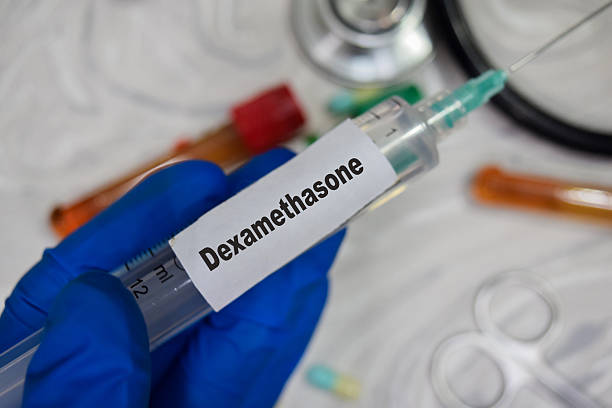
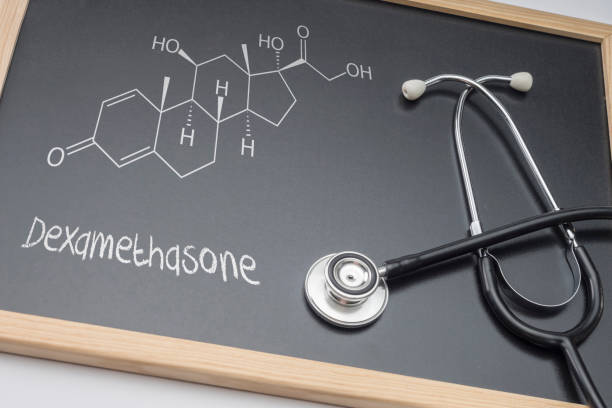
Dexamethasone is a synthetic corticosteroid belonging to the glucocorticoid group.
It is structurally related to cortisol, a natural hormone produced by the adrenal glands.
Compared with natural cortisol, dexamethasone has:
- Much greater anti-inflammatory potency.
- A longer duration of action.
- Very low mineralocorticoid activity.
This means that dexamethasone causes less sodium and water retention than corticosteroids with stronger mineralocorticoid activity, while producing more potent anti-inflammatory and immunosuppressive effects.
Dexamethasone is generally classified as a long-acting glucocorticoid.
The actual duration and intensity of its effects depend on:
- Animal species.
- Dose.
- Route of administration.
- Formulation.
- Health status.
- Treatment objective.
Its long duration of action can be useful in certain circumstances, but it may also make rapid adjustment more difficult if adverse effects occur.
1.2. Common formulations
In veterinary medicine, dexamethasone may be available in several formulations.
Injectable solutions
Depending on the product, permitted routes may include:
- Intramuscular injection.
- Intravenous injection.
- Subcutaneous injection.
Routes of administration should not be changed unless the product label permits this.
Eye or ear preparations
Certain products may be used in small-animal veterinary medicine to control local inflammation.
Use should be based on an appropriate diagnosis because topical corticosteroids may worsen certain infections or corneal lesions when used incorrectly.
Ointments and other topical formulations
These may be used for certain localised inflammatory or allergic skin conditions.
Combination products
Some products combine dexamethasone with antibiotics or other active ingredients.
The presence of a corticosteroid in a combination product does not mean that the product is appropriate for every inflammatory condition. The approved indication should always be followed.
1.3. Dexamethasone compared with other corticosteroids
| Medicine | Relative anti-inflammatory potency | Duration of action | Mineralocorticoid activity | Potential for HPA-axis suppression with prolonged use |
| Dexamethasone | Very high | Long | Very low | High |
| Betamethasone | Very high | Long | Very low | High |
| Prednisolone | Moderate | Intermediate | Low | Moderate |
| Prednisone | Moderate | Intermediate | Low | Moderate |
| Methylprednisolone | Moderate | Intermediate | Very low | Moderate |
| Hydrocortisone | Lower | Short | Moderate | Lower |
This table provides a relative comparison only. Potency and duration of action may vary according to species, formulation, and intended use.
Potential advantages of dexamethasone include:
- Potent anti-inflammatory activity.
- Long duration of action.
- Very low mineralocorticoid activity.
- Availability in several formulations.
- Potential usefulness in certain conditions requiring strong control of inflammation.
Important limitations include:
- Potent immunosuppressive effects.
- Long duration of action, which may make rapid adjustment more difficult.
- Potential metabolic and reproductive effects.
- Suppression of the HPA axis with prolonged use.
- Residue considerations in food-producing animals.
- Unsuitability for unsupervised repeated or prolonged use.
2. Mechanism of action and effects of dexamethasone on the body
2.1. Anti-inflammatory and anti-allergic mechanisms
Dexamethasone crosses the cell membrane and binds to glucocorticoid receptors in the cytoplasm.
The drug–receptor complex then enters the cell nucleus and alters the expression of multiple genes involved in the inflammatory response.
These effects reduce the production or activity of inflammatory mediators, including:
- Pro-inflammatory cytokines.
- Prostaglandins.
- Leukotrienes.
- Other mediators involved in inflammation.
Dexamethasone may also:
- Reduce vascular permeability.
- Reduce oedema.
- Limit the accumulation of inflammatory cells.
- Suppress the activity of certain immune cells.
As a result, dexamethasone may reduce swelling, inflammation, and allergic responses relatively quickly in appropriate clinical conditions.
However, improvement in clinical signs does not mean that the underlying cause has been controlled.
2.2. Effects on the immune system and HPA axis
Dexamethasone can suppress immune responses.
The risk increases with:
- Higher doses.
- Prolonged treatment.
- Repeated use.
- Existing infectious disease.
- Pre-existing immune compromise.
Possible consequences include:
- Reduced leukocyte activity.
- Reduced immune responses.
- Increased risk of opportunistic infections.
- Masking of clinical signs of infection.
- Reduced vaccine response in some circumstances.
Dexamethasone may also suppress the:
Hypothalamic–pituitary–adrenal (HPA) axis.
With prolonged glucocorticoid use, endogenous cortisol production may decrease.
For this reason, some animals treated for prolonged periods may require gradual dose reduction rather than abrupt discontinuation.
Not every short course requires tapering. Whether tapering is needed depends on the dose, duration of treatment, disease, and veterinary assessment.
2.3. Effects on metabolism, muscle, and bone
Dexamethasone can increase glucose production and reduce glucose utilisation in certain tissues.
Possible consequences include:
- Hyperglycaemia.
- More difficult diabetes control.
- Changes in energy metabolism.
Prolonged glucocorticoid exposure may also increase protein catabolism, potentially leading to:
- Muscle wasting.
- Loss of muscle mass.
- Reduced body condition.
- Slower tissue recovery.
In the skeletal system, prolonged corticosteroid use may affect calcium metabolism and bone formation, potentially increasing the risk of reduced bone density in certain species or clinical conditions.
3. When may dexamethasone be used?
3.1. Inflammation, allergic reactions, and certain acute conditions
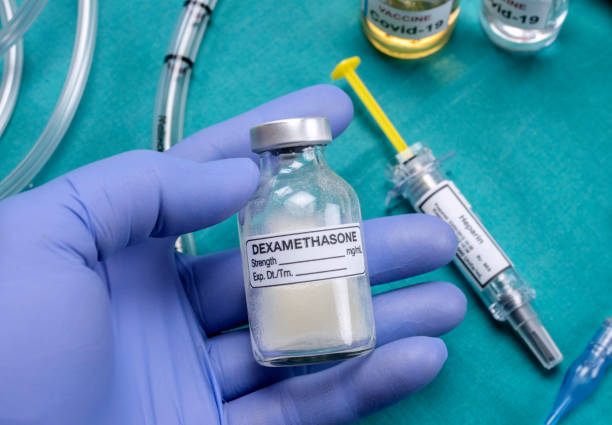
A veterinarian may consider dexamethasone in certain situations such as:
- Severe allergic reactions.
- Oedema associated with inflammatory responses.
- Certain inflammatory conditions involving joints, tendons, or soft tissue.
- Certain neurological inflammatory conditions.
- Certain inflammatory airway diseases where control of inflammation is required.
This list should not be interpreted to mean that every condition described as “inflammation” requires a corticosteroid.
Where inflammation is associated with:
- Bacterial infection.
- Viral infection.
- Fungal infection.
- Parasitic disease.
the underlying cause should be identified and managed appropriately.
3.2. Anaphylactic shock
In anaphylactic shock, dexamethasone is not the primary emergency treatment.
Epinephrine, together with airway management, respiratory and circulatory support, and other necessary resuscitation measures, forms the basis of emergency care.
Corticosteroids may have a supportive role in certain cases, such as helping manage prolonged inflammatory responses or where veterinary assessment supports their use.
Epinephrine should not be delayed while waiting for dexamethasone to take effect.
3.3. Respiratory disease
Dexamethasone may be used in certain respiratory conditions involving significant inflammation or oedema.
However:
- It does not kill bacteria.
- It does not treat viruses.
- It may reduce clinical signs while the infectious agent remains present.
Dexamethasone should therefore not be used as a general treatment for every case of coughing, respiratory difficulty, or pneumonia.
3.4. Ketosis in dairy cattle
Glucocorticoids may be used as part of certain supportive treatment approaches for cows with ketosis.
However, the role of corticosteroids in ketosis and related metabolic disorders in dairy cattle should be evaluated carefully.
Dexamethasone should not be considered the foundation of treatment for every case of ketosis.
Management should take into account:
- Energy status.
- Degree of reduced feed intake.
- Ketone concentrations.
- Blood glucose.
- Liver status.
- Concurrent postpartum diseases.
- Veterinary assessment.
3.5. Obstetric use
Dexamethasone may be used in certain professionally managed protocols to induce parturition in cattle at an appropriate stage of pregnancy.
This is not a procedure that should be undertaken independently on farm.
Corticosteroid-induced parturition may be associated with risks such as:
- Retained placenta.
- Effects on calf health.
- Postpartum complications.
- Effects on maternal health.
It should therefore only be performed for a clear clinical purpose and under veterinary supervision.
3.6. Species-specific considerations
Cattle
Some dexamethasone products may be authorised for inflammatory or allergic conditions and other specific indications.
In dairy cattle, particular attention should be paid to:
- Pregnancy status.
- Metabolic disease.
- Product indication.
- Milk and meat withdrawal times.
Pigs
Dexamethasone may be considered for certain inflammatory or allergic conditions, but it should not be used routinely as supportive medication for every disease episode.
The risk of immunosuppression requires particular caution in herds affected by infectious disease.
Poultry
Dexamethasone is not a medicine that should be used routinely in commercial poultry production.
Where exceptional use is considered, the product, indication, and food-safety requirements should be checked carefully.
Dogs and cats
Dexamethasone is used for a range of inflammatory, allergic, immune-mediated, and neurological conditions.
However, treatment protocols in dogs and cats differ substantially from those used in livestock, so doses or treatment durations should not be transferred between species.
4. When may dexamethasone be appropriate, and when should another medicine be considered?
Dexamethasone may be considered when treatment requires:
- Potent glucocorticoid activity.
- Control of a significant inflammatory response.
- Low mineralocorticoid activity.
- A prolonged effect that is appropriate for the treatment objective.
However, treatment decisions should not follow the logic:
NSAID does not work → immediately switch to dexamethasone.
NSAIDs and corticosteroids differ in:
- Mechanism of action.
- Indications.
- Adverse-effect profiles.
For conditions requiring longer-term treatment, an intermediate-acting corticosteroid may sometimes allow easier dose adjustment than dexamethasone.
Possible alternatives may include prednisolone or methylprednisolone, depending on:
- Species.
- Disease.
- Route of administration.
- Need for dose adjustment.
- Risk of adverse effects.
Corticosteroids should not be switched independently because relative potency and duration of action differ considerably between products.
5. Principles of dosing and monitoring during treatment

5.1. Dose depends on the treatment objective
Dexamethasone dosing varies considerably depending on its intended use, for example:
- Anti-inflammatory treatment.
- Immunosuppression.
- Endocrine diagnostic testing.
- Obstetric indications.
- Other specialised clinical uses.
For this reason, a single mg/kg dosing table should not be applied to every situation.
| Species | General principle |
| Cattle | Follow the specific product, indication, and veterinary guidance |
| Pigs | Follow the specific product and approved indication |
| Dogs and cats | Dose may vary considerably according to the therapeutic or diagnostic purpose |
| Poultry | No universal dose should be applied; use only where an appropriate product and indication exist |
General principles include:
- Use the lowest effective dose appropriate for the indication.
- Use the medicine only for as long as necessary.
- Do not independently increase the dose when the response is lower than expected.
- Do not independently prolong treatment.
- Do not apply a dose intended for one species to another.
5.2. Monitoring treatment response
Depending on the condition, monitoring may include:
- Degree of inflammation and oedema.
- Pain.
- Respiratory rate.
- Body temperature.
- Feed and water intake.
- General condition.
- Signs of infection.
- Blood glucose in animals at risk.
- Milk production and metabolic status in dairy cattle where relevant.
There is no universal 48–72-hour assessment point that applies to every dexamethasone indication.
If the animal does not achieve the expected response for the condition and treatment regimen being used, or develops:
- Recurrent fever.
- Infection.
- Metabolic disturbances.
- Adverse effects.
the treatment plan should be reassessed rather than simply increasing the dose or extending therapy.
5.3. Discontinuation after prolonged treatment
After prolonged treatment or use at immunosuppressive doses, dexamethasone should not be stopped abruptly without appropriate assessment.
In some cases, a veterinarian may recommend gradual dose reduction to allow the HPA axis to recover.
Tapering should not be applied automatically to every short treatment course.
6. Adverse effects and risks associated with prolonged use
Adverse effects depend on:
- Species.
- Dose.
- Duration of treatment.
- Route of administration.
- Underlying disease.
Some effects may appear relatively early, including:
- Hyperglycaemia.
- Increased thirst.
- Increased urination.
- Changes in appetite.
- Delayed wound healing.
- Increased risk of infection.
The degree of these effects varies between species.
With prolonged use, potential risks may include:
Immunosuppression
- Increased risk of opportunistic infection.
- Reactivation of existing disease.
- Masking of clinical signs of infection.
- Reduced immune response.
Reproductive effects
Glucocorticoids may affect:
- Pregnancy.
- Timing of parturition.
- Certain reproductive functions.
Risk varies considerably with species, stage of pregnancy, and product.
Muscle wasting and changes in body condition
Prolonged treatment may increase protein catabolism and reduce muscle mass.
HPA-axis suppression
Endogenous cortisol production may decrease after prolonged glucocorticoid treatment.
Iatrogenic Cushing’s syndrome
Particularly in dogs, prolonged glucocorticoid use may result in signs of iatrogenic hyperadrenocorticism, including:
- Increased thirst and urination.
- Increased appetite.
- Muscle weakness.
- Thin skin.
- Changes in fat distribution.
- Increased susceptibility to infection.
7. Common mistakes, contraindications, and drug interactions
7.1. Common mistakes
Using dexamethasone only to reduce fever
Dexamethasone may suppress inflammation and make an animal appear to improve quickly.
However, if the underlying cause is an infection, the pathogen may continue to progress while clinical signs are masked.
Using it in pregnant animals without checking pregnancy status
In certain species and stages of pregnancy, dexamethasone may affect the foetus or induce parturition.
Using high doses or repeatedly administering the medicine
This may increase:
- Immunosuppression.
- Metabolic disturbances.
- HPA-axis suppression.
- Risk of adverse effects.
Abruptly stopping prolonged treatment
This may increase the risk of adrenal insufficiency.
7.2. Situations requiring particular caution
Careful veterinary assessment is important when an animal:
- Has an uncontrolled systemic infection.
- Is pregnant.
- Has diabetes.
- Has a disorder of glucose metabolism.
- Has severe liver or kidney disease.
- Has a history of gastrointestinal ulceration or bleeding.
- Is receiving an NSAID.
- Is receiving immunosuppressive treatment.
- Is undergoing a vaccination programme and may require immunosuppressive doses of glucocorticoids.
Young age should not automatically be treated as an absolute contraindication for every product. The decision should depend on species, disease, and specific product guidance.
7.3. Interactions with NSAIDs and other medicines
Dexamethasone should not be combined independently with NSAIDs such as:
- Flunixin.
- Meloxicam.
- Aspirin.
- Other NSAIDs.
Combining a corticosteroid with an NSAID can substantially increase the risk of:
- Gastrointestinal ulceration.
- Gastrointestinal bleeding.
- Serious gastrointestinal complications.
Other considerations include:
Vaccines
Immunosuppressive glucocorticoid doses may reduce vaccine responses. Vaccination timing should be assessed by a veterinarian.
Diuretics
Certain combinations may increase the risk of electrolyte abnormalities such as hypokalaemia.
Insulin
Dexamethasone can increase blood glucose, potentially making diabetes more difficult to control.
Anti-infective treatment
If dexamethasone is used in the presence of infection, the infectious cause should be appropriately evaluated and managed.
8. Pregnancy, lactation, residues, and withdrawal time
8.1. Pregnant animals
Dexamethasone may affect pregnancy and can induce parturition in certain species.
It should therefore only be used when:
- There is a clear indication.
- Pregnancy status is known.
- Stage of pregnancy has been assessed.
- The benefit–risk balance has been considered.
- Veterinary supervision is available.
Dexamethasone should not be administered independently to pregnant cattle simply to “bring on calving.”
8.2. Lactating animals
Where the product is authorised for lactating animals, users should follow:
- Dose and route of administration.
- Approved indication.
- Milk withdrawal time.
- Product instructions.
If the label states that the product must not be used in animals producing milk for human consumption, an alternative milk withdrawal period should not be independently assumed to justify off-label use.
8.3. Dexamethasone residues in animal-derived foods
In food-producing animals, dexamethasone use requires consideration of residue risks in food products relevant to the species and authorised product.
It should not be assumed that the active ingredient is broadly authorised for meat, milk, or eggs across all species.
Permitted use and MRL requirements should be checked against the applicable regulations and the specific veterinary product.
In Vietnam, veterinary medicine MRLs in food should be checked against Circular No. 24/2013/TT-BYT together with relevant current technical regulations and other applicable legal documents.
8.4. Withdrawal time
A withdrawal time is the minimum period between the final administration of a medicine and the point at which food derived from the treated animal may enter the food chain.
Withdrawal time depends on:
- Species.
- Formulation.
- Route of administration.
- Treatment regimen.
- Specific commercial product.
- Type of food product.
The withdrawal period of one dexamethasone product should not be applied to another.
If the label does not authorise use in a particular food-producing group, an alternative withdrawal period should not be independently calculated to justify off-label use.
9. Checklist for safer dexamethasone use

Before use
- Clearly identify why a corticosteroid is needed.
- Confirm the correct product and authorised species.
- Check whether the animal is pregnant.
- Assess the possibility of an underlying infection.
- Check for diabetes or metabolic disease where relevant.
- Review any history of gastrointestinal ulceration.
- Review concurrent medicines, especially NSAIDs.
- Check withdrawal time in food-producing animals.
During treatment
- Record the product name.
- Record the date of administration.
- Record the route of administration.
- Record the prescribed dose.
- Monitor treatment response.
- Monitor for signs of infection.
- Monitor changes in appetite, drinking, and metabolism.
- Do not independently increase the dose.
- Do not independently add an NSAID.
- Do not prolong treatment without reassessment.
After treatment
- Record the date of the final dose.
- Taper the dose where specifically advised by a veterinarian after prolonged treatment.
- Monitor for recurrence of disease or deterioration in body condition.
- Check the withdrawal time for the exact product used.
- Do not slaughter animals or collect food products before the permitted time.
- Retain treatment records for traceability.
10. Frequently asked questions about veterinary dexamethasone
Can dexamethasone reduce an animal’s resistance to infection?
Yes, particularly under certain conditions.
Dexamethasone can suppress immune function, especially when used:
- At high doses.
- Repeatedly.
- For prolonged periods.
This may increase the risk of infection or allow latent disease to become more clinically apparent.
Should dexamethasone be used in pregnant animals?
It should not be used independently without veterinary assessment.
Dexamethasone can affect pregnancy and may induce parturition in certain species.
Use should follow veterinary assessment of:
- Stage of pregnancy.
- Treatment objective.
- Risks to the dam and foetus.
Can dexamethasone be used in lactating animals?
It depends on the product.
It should only be used when the product is authorised for that production group and the specified milk withdrawal period is followed.
If the label does not permit use in animals producing milk for human consumption, a withdrawal period should not be independently assumed to justify its use.
Is dexamethasone the primary emergency medicine for anaphylactic shock?
No.
In anaphylactic shock, epinephrine and appropriate emergency resuscitation measures form the basis of treatment.
Dexamethasone may only have a supportive role in certain situations following veterinary assessment.
Can dexamethasone replace an NSAID when anti-inflammatory treatment does not work?
It should not be switched independently.
NSAIDs and corticosteroids have different mechanisms, indications, and risk profiles.
In particular, they should not be combined without professional guidance because the risk of gastrointestinal injury and bleeding may increase.
What are the major risks of dexamethasone misuse?
Important risks may include:
- Immunosuppression.
- Masking or worsening infection.
- Hyperglycaemia.
- Muscle wasting.
- Effects on pregnancy.
- HPA-axis suppression.
- Iatrogenic Cushing’s syndrome.
- Increased risk of gastrointestinal ulceration when combined with NSAIDs.
- Residue risks in food-producing animals.
Towards Safer Corticosteroid Use at VIETSTOCK 2026
Dexamethasone has potent anti-inflammatory effects, but it is not appropriate for every inflammatory condition or case of fever in livestock. The risks of immunosuppression, masking infection, interaction with NSAIDs, effects on pregnancy, and residues in food-producing animals mean that its use should be linked to diagnosis, health monitoring, and appropriate professional guidance.
At VIETSTOCK 2026 – Vietnam’s Premier International Feed, Livestock & Meat Industry Show, farmers, veterinarians, and businesses can explore products, technologies, and solutions that support animal health and more effective livestock production. The event is expected to bring together more than 300 brands, over 10,000 sqm of exhibition area, and 13,000 trade visitors from more than 40 countries and territories.
For farms and veterinarians interested in safer use of anti-inflammatory medicines, participants can explore:
- Veterinary medicines and supportive treatment products: exploring solutions for controlling inflammation, allergic reactions, and animal-health conditions according to practical clinical needs.
- Health monitoring during treatment: learning about technologies that support recording of disease progression, treatment response, and abnormalities requiring reassessment.
- Safer medicine combinations: exploring information and management solutions that support medicine-use history and help reduce combinations associated with greater adverse-effect risks.
- Care during reproductive stages: exploring solutions for monitoring the health of pregnant animals, postpartum animals, and other stages in which medicine use requires additional caution.
- Residue control and traceability: learning about solutions for treatment recording, withdrawal-time monitoring, and controlling animal-derived products before they enter the food chain.
From a broader animal-health perspective, the One Health Forum on 22 October 2026 is also a relevant programme at VIETSTOCK 2026. The programme addresses connections between animal, human, and environmental health, together with biosecurity, disease control, and more sustainable livestock-production systems. This provides an opportunity for farmers and veterinarians to consider medicine use within the wider context of herd and flock health, disease prevention, and safety across the production chain.
Date: 21–23 October 2026
Venue: Saigon Exhibition and Convention Center (SECC), 799 Nguyen Van Linh Street, Tan My Ward, Ho Chi Minh City, Vietnam
Event website: https://www.vietstock.org/en/
Register to visit now: https://ers-vn.informa-info.com/vs26
👉 VIETSTOCK 2026 Visitor Registration Information
👉 Learn more about the One Health Forum
Contact information:
Exhibiting: Ms. Sophie Nguyen – [email protected]
Visitor Support: Ms. Phuong – [email protected]
Marcom Support: Ms. Anita Pham – [email protected]