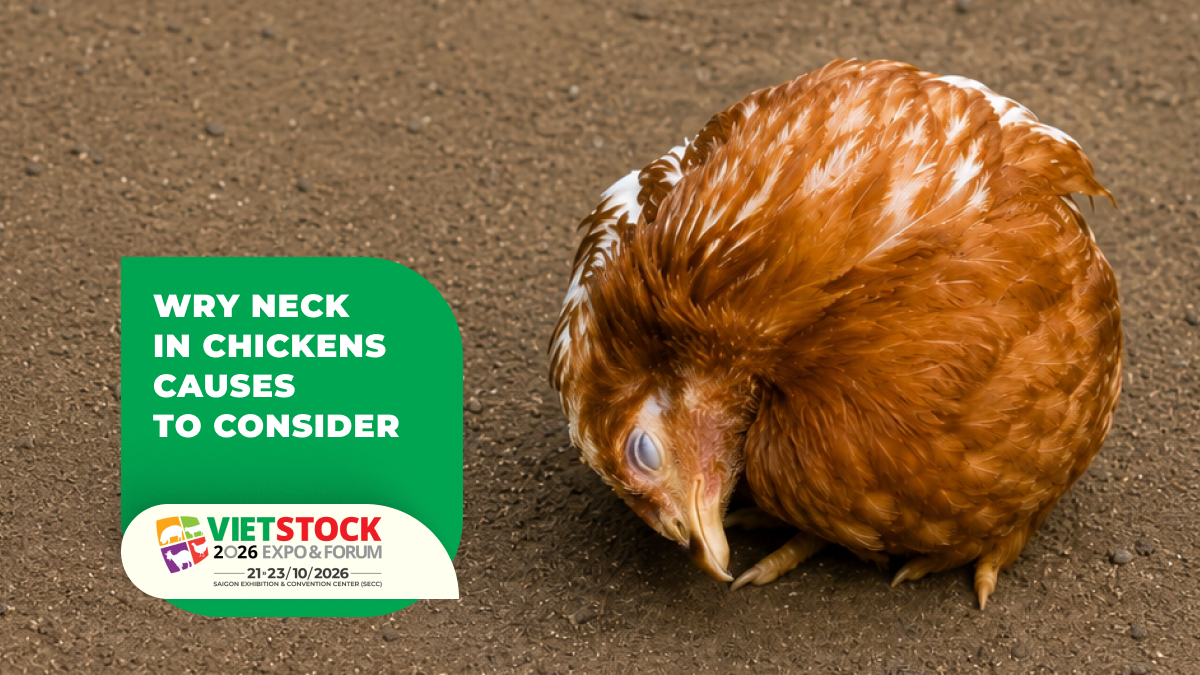
How to Check Animal Disease Outbreak Areas in Vietnam: Official Sources and How to Read the Data
Learn how to check animal disease outbreak areas in Vietnam using official sources such as VAHIS, understand outbreak status and geographical data, and apply the information to livestock risk management.
To check animal disease outbreak areas accurately, farmers and businesses should prioritise official sources such as the VAHIS system, information channels of the Department of Animal Health and Production, and local livestock and veterinary authorities, rather than relying solely on information circulating on social media or other unverified sources.
Once the data has been obtained, it is equally important to interpret key information correctly, including outbreak status, the date of detection or official declaration, disease type, geographical coverage, and the number of outbreaks. Understanding these details helps farm owners, slaughterhouses, and businesses make better-informed risk assessments before introducing or moving livestock, transporting animals, or adjusting disease prevention measures.
Key takeaways
- “Disease outbreak area” is a commonly used general term. Under Vietnam’s Law on Animal Health, the legal term used is “epidemic zone.” It is important to distinguish between an animal epidemic focus, epidemic zone, epidemic-threatened zone, buffer zone, and animal epidemic-free zone.
- Priority information sources include the VAHIS system, official channels of the Department of Animal Health and Production, and local livestock and veterinary authorities.
- A basic search process includes choosing the right source, identifying the location, selecting the disease or animal group, checking the reporting period, and carefully reviewing the current outbreak status.
- When interpreting data, pay particular attention to the latest update, geographical coverage, current disease status, and the area’s disease history.
- Online information should be cross-checked with the relevant local veterinary authority before it is used for important decisions such as livestock introduction, animal transport, or herd management.
1. What is an animal disease outbreak area, and why should it be checked regularly?
1.1. Understanding animal epidemic foci, epidemic zones, epidemic-threatened zones, buffer zones, and animal epidemic-free zones
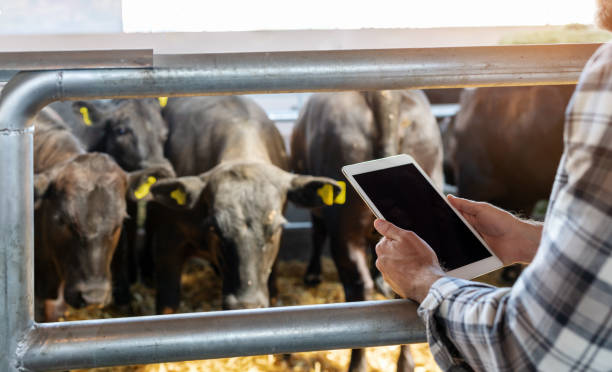
In practice, many farmers use the general term “disease outbreak area” to describe locations where an animal disease is occurring. However, in a legal context, Vietnam’s Law on Animal Health uses the term “epidemic zone.” Understanding the differences between these related concepts can help avoid incorrect assessments of disease status and farm risk.
An animal epidemic focus is a place where an infectious animal disease included in the list of diseases subject to epidemic announcement is present.
An epidemic zone is a zone where an animal epidemic focus exists or where a new infectious pathogen has been identified by the competent animal health management agency.
An epidemic-threatened zone is a zone surrounding an epidemic zone or adjacent to an epidemic zone of a neighbouring country, as identified by the competent animal health management agency. Such areas require monitoring and appropriate disease prevention and control measures in accordance with guidance from the relevant authorities.
A buffer zone is a zone surrounding an epidemic-threatened zone that has been identified by the competent animal health management agency.
An animal epidemic-free zone is an area that meets applicable requirements for disease prevention, disease surveillance, veterinary control, and other relevant conditions, and has been officially recognised by the competent authority.
It is important to note that an animal epidemic-free zone is not simply an area where no outbreak is currently being reported. An area is considered epidemic-free only when it meets the required conditions and has been officially recognised under current regulations.
1.2. Why checking disease outbreak areas matters in practice
Checking disease information is not only about staying updated. It can also support risk assessment before important decisions in livestock production and trading activities.
For farm owners, local disease information can help:
- Assess potential risks before sourcing breeding stock from a particular area, together with quarantine documents, herd health status, and other relevant information.
- Determine when biosecurity measures and herd or flock health monitoring may need to be strengthened.
- Proactively check current requirements before selling or transporting animals.
For slaughterhouses and livestock buyers, disease information provides additional epidemiological context about the animals’ area of origin. Verification of animal origin, quarantine documentation, and other required records still needs to be conducted separately in accordance with applicable regulations.
Farmers should not wait until they hear reports of an outbreak before checking official information. Disease conditions can change over time, so the latest data should be reviewed before important activities such as introducing new animals, moving animals off the farm, or transporting livestock between locations.
2. Official sources for checking animal disease outbreak areas in Vietnam
2.1. VAHIS
VAHIS, the Viet Nam Animal Health Information System, is used for reporting, compiling, and managing information on animal diseases in Vietnam.
Depending on the information made publicly available at a given time, users may be able to review data such as:
- Disease situation and number of outbreaks.
- Disease type.
- Affected animal groups.
- Date of detection or reporting.
- Location of outbreaks.
- Publicly available disease statistics.
VAHIS also includes professional reporting and management functions for competent authorities. These features may require a user account, and not all operational data is necessarily available to the general public.
When using VAHIS, users should check the reporting period, latest update, disease type, and geographical area displayed. Filters and publicly accessible functions may change as the system is updated, so users should not assume that the interface and available functions will always remain the same.
2.2. Official information from the Department of Animal Health and Production
Official information channels of the Department of Animal Health and Production are important sources for monitoring livestock management, veterinary activities, and animal disease prevention and control in Vietnam.
Available information may include:
- Updates and reports on animal disease situations.
- Official directives on disease prevention and control.
- Information related to epidemic announcements or declarations that an outbreak has ended.
- Technical guidance on disease surveillance and control.
- Regulations related to quarantine, disease prevention, and animal epidemic-free zones.
These official channels should be prioritised when verifying formal information or cross-checking reports shared by the media or on social networks.
2.3. Local livestock and veterinary information channels
In addition to national-level information, farmers should monitor updates from livestock and veterinary authorities in the province or city where their farm operates or where livestock will be sourced from or transported to.
Local information may provide more detailed updates on:
- Locations where disease outbreaks are being reported.
- Disease control measures currently being implemented.
- Local vaccination programmes.
- Transport or quarantine requirements applicable at a particular time.
- Notifications of newly detected outbreaks.
For decisions that require confirmation of the actual situation in a specific location, information from local veterinary authorities is an important source to cross-check alongside national data systems.
2.4. Distinguishing official sources from media and social media reports
Information about animal disease outbreaks often spreads quickly through news outlets and social media. However, these sources may not always reflect the complete legal status or the latest developments in the affected area.
For example, a news article may report an outbreak when it is first detected but may not be updated later when the control area changes or when the competent authority officially declares the outbreak over.
For this reason, information from news outlets and social media should be treated as a signal for further verification, rather than the sole basis for decisions on livestock introduction, animal movements, transportation, or changes to disease prevention measures.
For important decisions, farmers and businesses should cross-check official sources and contact the competent local veterinary authority when confirmation is required.
3. How to check animal disease outbreak areas by location and disease type
3.1. Identify the information you need
Before accessing an information system, clearly identify three factors:
Location to be checked
Identify the province, district, commune, or other relevant area where the farm is located, where breeding stock will be sourced, or where animals are expected to be moved to or from.
Disease or animal group
For example:
- African swine fever (ASF) in pigs.
- Avian influenza in chickens, ducks, and other relevant poultry species.
- Lumpy skin disease in cattle and buffaloes.
Time period
Determine whether you need to check the current disease situation or review outbreak history over a particular period.
The appropriate period depends on the disease, its epidemiological characteristics, and the purpose of the assessment. A single fixed time frame should not be assumed to be appropriate for every animal disease.
Defining these factors in advance makes the search more focused and reduces the risk of interpreting irrelevant information.
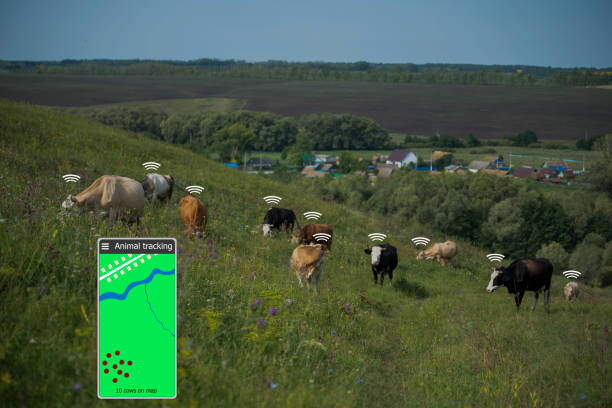
3.2. Steps for checking an official system or epidemiological map
Step 1: Access an official information source
Prioritise VAHIS, official information channels of the Department of Animal Health and Production, or information published by local livestock and veterinary authorities.
Avoid using links from unknown sources circulated on social media, as they may lead to unofficial pages, outdated data, or content that has subsequently changed.
Step 2: Select the location
If the system provides geographical filters, select the relevant province, district, commune, or area.
Always check the geographical scope represented by the data. An outbreak reported in one commune or district does not automatically represent the disease status of an entire province.
Step 3: Filter by disease or animal group
If filtering is available, select the disease or livestock group you need to review.
This is important because several different diseases may be reported in the same area and may affect different livestock populations.
Step 4: Review the results and save the information if necessary
Once relevant data has been identified, check the disease status, latest update, disease type, geographical coverage, and reporting period displayed.
If the interface allows data to be exported or downloaded, the results may be retained for internal monitoring. If this function is unavailable, record the date of the search and the information source for future reference.
3.3. Reviewing disease history for long-term risk assessment
A status indicating that “no outbreak is currently reported” does not mean that an area is free from epidemiological risk.
When assessing breeding stock sources, planning livestock introduction, or expanding a farm, it is useful to review the area’s disease history rather than relying solely on its status at the time of the search.
When reviewing disease history, consider:
- Frequency of outbreaks.
- Diseases previously reported.
- Time intervals between outbreaks.
- Geographical extent of previous outbreaks.
- Progression and duration of previous control efforts.
The review period should be selected according to the disease, the purpose of the assessment, and guidance from competent authorities. For major decisions such as introducing large numbers of animals or investing in farm expansion, historical data should be considered together with quarantine information, current local conditions, and appropriate professional advice.
4. How to interpret information on disease maps and data tables
4.1. Important data fields
When reviewing search results, several types of information deserve particular attention.
Disease status
The status displayed may vary depending on the data source and classification system. Examples may include:
- Active outbreak or outbreak currently being reported.
- Disease control measures currently being applied.
- Outbreak officially declared over by the competent authority.
Do not assume that an outbreak has ended simply because no new cases have been reported for several days. The legal status of the area and the conditions for lifting disease control measures should be determined based on information from the competent authority.
Date of detection and date an outbreak is declared over
The date of detection helps users understand which period the information relates to and assess how current the data is.
Where information on an official declaration ending the outbreak is available, this is an important milestone for assessing the legal status of the area. However, when planning animal transport or trade, current requirements should still be confirmed with the relevant local veterinary authority.
Disease and affected animal species
Identify exactly which disease is being reported and which animal group is affected in order to determine its relevance to the farm’s operations.
Number of outbreaks and scale of impact
The number of outbreaks and the number of animals affected, dead, or culled — where such information is publicly available — can provide context about the scale of an outbreak.
However, disease risk should not be assessed solely by the number of reported outbreaks. The characteristics of the pathogen, geographical coverage, livestock density, and disease control measures in place should also be considered.
4.2. How to interpret colours and symbols on disease maps
Epidemiological maps may use colours, icons, or other symbols to distinguish between data categories, geographical areas, or disease status.
Some maps may use different colours to represent different types of information. However, users should not automatically assume that red always means an active outbreak, yellow means a warning, and green means safe.
Colour conventions may vary between systems and between different versions of the same map. Before interpreting the data, check the legend on the specific map being used to understand the meaning of each colour and symbol.
If the system allows users to change the reporting period, also check which time frame is currently displayed to avoid confusing historical data with the current situation.
4.3. Disease alert levels and their practical implications
Users should not assume that every animal disease information system in Vietnam applies a single standardised “disease alert level” scale.
In practice, the measures applied depend on the disease, geographical extent of the outbreak, epidemiological situation, and decisions of the competent authority at the relevant time.
Depending on the situation, disease prevention and control measures may include:
- Enhanced disease surveillance.
- Implementation or strengthening of quarantine measures in accordance with applicable regulations.
- Controls on the transport of animals and animal products.
- Hygiene, disinfection, biosecurity, or other disease prevention and control measures recommended by competent authorities.
Local disease conditions may affect quarantine requirements, animal movements, and sales plans. Before transporting animals, both the area of origin and destination should therefore be checked, and current requirements should be confirmed with the competent authority when necessary.
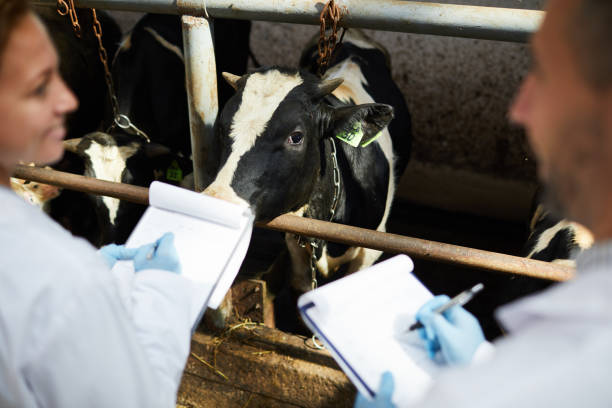
4.4. Checklist for applying disease information to livestock operations
Before introducing new animals
- Is the area of origin of the animals currently reporting an outbreak or subject to disease control measures?
- Does the area have a history of diseases relevant to the animals being introduced?
- Are all required quarantine records and documents available?
Before selling or transporting animals
- Is the farm’s location currently subject to any disease control measures?
- Does the destination have quarantine requirements or movement restrictions related to the disease?
- Have transport requirements been checked or confirmed with the competent veterinary authority where necessary?
Vaccination and disease prevention
- Are diseases relevant to the farm’s livestock currently being reported in surrounding areas?
- Is the existing vaccination programme appropriate for the livestock species, local epidemiological conditions, and professional guidance?
- Should a veterinarian or competent authority be consulted to assess or adjust the disease prevention programme?
Vaccination schedules, vaccine selection, or herd management measures should not be changed solely on the basis of information displayed on a disease map. Professional decisions should follow veterinary guidance, vaccine manufacturer recommendations, and current regulations.
5. Common mistakes when checking disease outbreak areas and how to avoid them
5.1. Selecting the wrong location, disease, or time period
One common mistake is reviewing data only at the provincial level when the relevant information applies to a specific district or commune.
This can lead to an incorrect assessment of the geographical extent of an outbreak.
Likewise, selecting the wrong disease or animal group can produce results that are not relevant to the risk being assessed.
Users should also check the reporting period displayed. Some systems may default to a particular time range. Without reviewing this carefully, users may confuse historical data with the current situation or overlook previous outbreaks.
5.2. Ignoring disease history and the latest update
Relying only on a current status showing “no outbreak reported” is not sufficient to assess the full disease risk of an area.
For large-scale livestock introduction or long-term investment plans, reviewing historical disease information can help determine whether relevant diseases have previously occurred or re-emerged in the area.
The latest data update is also important. During a rapidly evolving outbreak, information that has not yet been updated may not fully reflect current conditions.
Each time information is checked, review:
- The latest update date.
- The reporting period displayed.
- The time frame covered.
- The disease or outbreak status shown.
5.3. What to do when online information differs from the local situation
In some situations, farmers may receive information about suspected disease signs or a newly detected outbreak from local veterinary officers or other local sources before the online system has been updated.
This may result from the time required for verification, reporting, and data consolidation.
In such cases, contact the local veterinary authority directly for confirmation. If animals show unusual signs or local authorities have issued a warning, appropriate biosecurity measures should be strengthened and guidance from the veterinary authority should be followed rather than waiting solely for the online system to be updated.
Conversely, if an online system still shows an outbreak while farmers have been told that the situation is under control, the official status should be confirmed before transporting animals, introducing new livestock, or conducting trade.
6. Frequently asked questions about animal disease outbreak information
6.1. What is the difference between an epidemic zone, an animal epidemic focus, and an animal epidemic-free zone?
In general usage, a “disease outbreak area” often refers to a location where an outbreak is occurring. However, Vietnam’s Law on Animal Health uses the legal term “epidemic zone.”
An animal epidemic focus is a place where an infectious animal disease included in the list of diseases subject to epidemic announcement is present.
An epidemic zone is a zone where an animal epidemic focus exists or where a new infectious pathogen has been identified by the competent animal health management agency.
An animal epidemic-free zone is an area that meets applicable regulatory requirements and has been officially recognised by the competent authority.
Therefore, an area where no disease is currently reported is not automatically an officially recognised animal epidemic-free zone.
6.2. Which sources should be prioritised when checking disease outbreak areas?
Farmers should prioritise VAHIS, official information channels of the Department of Animal Health and Production, and information from local livestock and veterinary authorities.
For conditions in a specific commune, district, or production area, information from local veterinary authorities is particularly important.
If an immediate decision is required regarding livestock introduction, transport, or herd management, the relevant local veterinary authority should be contacted directly for confirmation rather than relying solely on online information.
6.3. How often is animal disease outbreak information updated?
Update frequency depends on the system, type of data, and reporting procedures used by the relevant authority.
During rapidly evolving disease situations, information may change frequently. Users should therefore not assume that every system follows a fixed update schedule. Instead, check the latest update date or reporting period shown by the source at the time of the search.
6.4. What should farmers do if their farm area is officially declared an epidemic zone?
First, contact the local veterinary authority to determine the geographical scope of the declaration and the disease prevention and control measures currently in force.
While awaiting specific guidance, or while disease control measures are being applied, farmers may:
- Limit unnecessary livestock movements and check current requirements before transporting animals.
- Strengthen controls over people, vehicles, tools, and supplies entering and leaving the farm.
- Apply appropriate cleaning, disinfection, and biosecurity measures.
- Closely monitor herd or flock health.
- Notify the veterinary authority if animals show unusual signs or are suspected of having an infectious disease.
Decisions involving vaccination, treatment, animal handling, or culling should be made in accordance with guidance from competent authorities, veterinarians, and applicable regulations.
6.5. Who should be contacted if online information differs from the actual local situation?
Contact the competent local livestock and veterinary authority or the responsible veterinary contact for the area where the farm operates.
These authorities can help confirm the current situation, geographical extent of the outbreak, and control measures being applied.
If additional national-level information is required, users can also refer to the official information channels of the Department of Animal Health and Production.
Connecting Epidemiological Data with Risk Management at VIETSTOCK 2026
Checking epidemic zones helps farmers and businesses make more informed decisions about livestock introduction and movement, animal transport, breeding stock sourcing, and the strengthening of biosecurity measures. However, disease data is only useful when it is interpreted correctly in relation to location, disease type, reporting date, and outbreak status, and when necessary, cross-checked with the competent veterinary authority.
At VIETSTOCK 2026 – Vietnam’s Premier International Feed, Livestock & Meat Industry Show, participants can go beyond simply identifying “where an outbreak is occurring” and explore how epidemiological information can support herd and farm risk management. The event is expected to bring together more than 300 brands, over 10,000 sqm of exhibition area, and 13,000 trade visitors from more than 40 countries and territories.
At VIETSTOCK 2026, farmers, veterinarians, and businesses can explore solutions that support disease surveillance and risk management, including:
- Herd and flock health data management: tracking disease history, incidence rates, affected locations, and unusual changes within livestock populations.
- Disease diagnosis and surveillance: exploring solutions that support earlier pathogen detection and provide better data for disease prevention decisions.
- Farm biosecurity: exploring solutions for controlling the movement of people, vehicles, equipment, quarantine areas, and cleaning and disinfection procedures.
- Breeding stock and transport management: learning about approaches that support traceability, input control, and risk reduction when animals are introduced or moved.
- Vaccination and proactive disease prevention: exploring solutions appropriate for different livestock groups and farm epidemiological conditions.
In addition to the exhibition area, the One Health Forum at VIETSTOCK 2026 is also highly relevant to this topic. The One Health approach considers animal health in connection with human health, the environment, and sustainable disease management.
Date: 21–23 October 2026
Venue: Saigon Exhibition and Convention Center (SECC), 799 Nguyen Van Linh Street, Tan My Ward, Ho Chi Minh City, Vietnam
Event website: https://www.vietstock.org/en/
👉 VIETSTOCK 2026 Visitor Registration Information
👉 Learn more about the One Health Forum
Contact information:
Exhibiting: Ms. Sophie Nguyen – [email protected]
Visitor Support: Ms. Phuong – [email protected]
Marcom Support: Ms. Anita Pham – [email protected]