Goods Subject to Animal Quarantine in 2026: Product Groups to Check Before Transport
A practical guide to identifying animals and animal products that may require quarantine in 2026, including key product groups, exemptions and pre-transport checks.
Not every animal or product of animal origin is subject to the same quarantine requirement.
Whether quarantine applies depends on several factors, including:
- The animal species or product type;
- Whether the item is live, fresh, frozen, processed, or fully treated;
- The intended use;
- The place of origin and destination;
- Whether the movement is within a province, outside a province, or across a national border;
- The current animal-disease situation;
- The quarantine and exemption lists in force at the time of transport.
A product should not be classified only by its commercial name or external packaging. For example, two products both described as “processed meat” may follow different requirements if one remains raw and chilled while the other has undergone a treatment recognized under an applicable exemption.
This article provides a practical framework for identifying product groups that commonly require quarantine checks before transport. It does not replace official legal appendices or shipment-specific guidance from the competent veterinary authority.
Key Takeaways
- Live animals are among the first groups to check when planning inter-provincial or cross-border transport.
- Fresh, chilled, frozen, raw, or incompletely treated animal products may require quarantine depending on the applicable list.
- Hatching eggs, embryos, semen, and other reproductive materials require separate attention because of their breeding and disease-transmission risks.
- Commercial packaging, freezing, cooking, or labelling does not automatically make a product exempt.
- A product may be exempt from quarantine but still require invoices, origin records, food-safety documents, customs documents, or other specialized records.
- Quarantine obligations should be checked before loading, not after the vehicle has already departed.
- Terrestrial animals and products should not be classified using aquatic-animal lists or procedures.
- When a product cannot be clearly classified, the consignment owner should confirm the applicable requirement with the competent authority.
1. Use a Five-Step Product Classification Check
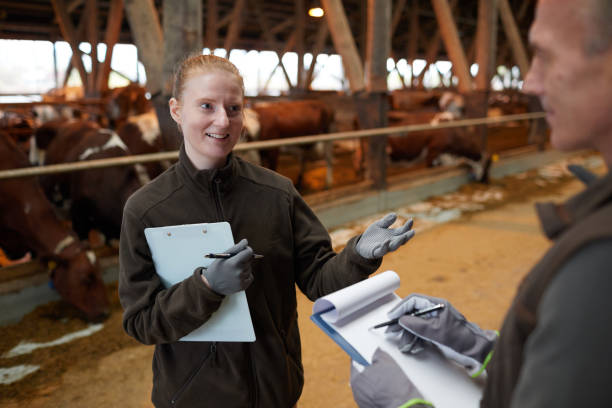
Before preparing documents, the consignment owner should answer five questions.
Question 1: Is the item a live animal or an animal product?
The first distinction is between:
- Live animals;
- Animal products;
- Reproductive materials;
- Biological materials;
- Other goods of animal origin.
Live animals are usually assessed differently from meat, milk, eggs, hides, animal by-products, or deeply processed food products.
Question 2: Is the item terrestrial or aquatic?
This article focuses mainly on terrestrial animals and terrestrial animal products.
Aquatic animals and aquatic products are governed by separate lists and procedures. Do not use a terrestrial-animal classification to determine the quarantine status of fish, shrimp, mollusks, or other aquatic consignments.
Question 3: What is the processing status?
Identify whether the item is:
- Live;
- Raw;
- Fresh;
- Chilled;
- Frozen;
- Salted;
- Dried;
- Fermented;
- Cooked;
- Heat-treated;
- Sterilized;
- Canned;
- Commercially packaged;
- Used as an industrial raw material.
Processing level can affect the quarantine obligation, but the product should only be treated as exempt when it meets the exact conditions stated in the applicable exemption list.
Question 4: What is the movement?
Determine whether the item is:
- Transported within the same province;
- Transported outside the province of origin;
- Exported;
- Imported;
- Transited;
- Temporarily imported for re-export;
- Carried by a passenger across a border gate;
- Transported for slaughter, breeding, research, processing, or trade.
A product that does not require an inter-provincial procedure may still be subject to import, export, customs, disease-control, or local veterinary requirements.
Question 5: Does the item appear in the current quarantine or exemption list?
The final conclusion should be based on:
- The exact product description;
- Relevant legal appendix;
- Intended use;
- Processing status;
- Origin;
- Disease situation;
- Conditions attached to the exemption.
Do not rely only on an old shipment, informal advice, or the product’s commercial description.
2. Product Classification Matrix
| Product characteristic | Questions to ask | Why it matters |
| Biological form | Is it a live animal, raw product, processed food, reproductive material, or by-product? | Different groups may follow different lists and procedures |
| Species | What animal species does the product come from? | Requirements may vary by species |
| Processing | Is it fresh, frozen, cooked, sterilized, canned, or otherwise treated? | Treatment may affect quarantine or exemption status |
| Intended use | Is it for slaughter, breeding, farming, processing, research, or consumption? | The same product may be controlled differently depending on use |
| Movement | Within a province, inter-provincial, export, import, or transit? | Each movement type may follow a different procedure |
| Origin | Farm, slaughterhouse, processor, outbreak area, or another source? | Origin may affect risk assessment and required documents |
| Destination | Farm, slaughterhouse, processor, warehouse, consumer market, or foreign country? | Destination affects the applicable control framework |
| Disease situation | Is the origin or destination under special controls? | Temporary disease measures may override routine practices |
3. Live Terrestrial Animals
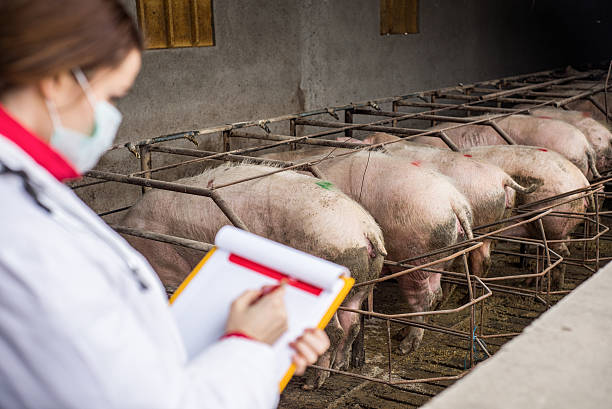
Live animals commonly require close review before transport because they may carry pathogens between farms, localities, or countries.
3.1 Livestock
Groups that commonly need to be checked include:
- Pigs;
- Buffaloes;
- Cattle;
- Goats;
- Sheep;
- Horses;
- Rabbits;
- Other farmed terrestrial animals included in the applicable list.
Quarantine requirements may depend on whether the animals are transported for:
- Slaughter;
- Breeding;
- Commercial farming;
- Trade;
- Exhibition;
- Research;
- Another regulated purpose.
A small number of animals should not automatically be considered exempt. Quantity is only one element of the shipment and may not determine the quarantine obligation.
3.2 Poultry
Poultry groups that may need to be checked include:
- Chickens;
- Ducks;
- Muscovy ducks;
- Geese;
- Quails;
- Ostriches;
- Other poultry species listed under the applicable regulations.
The consignment owner should identify:
- Commercial or breeding purpose;
- Age and production stage;
- Place of origin;
- Destination;
- Disease status;
- Current movement restrictions;
- Required health or vaccination information.
3.3 Breeding animals
Breeding animals often require more detailed health and traceability records than animals transported for immediate slaughter.
Potential requirements may relate to:
- Individual or flock identification;
- Origin facility;
- Vaccination;
- Disease testing;
- Health monitoring;
- Breeding records;
- Isolation;
- Destination-farm information.
The requirements should be confirmed for the exact species and movement.
4. Special Animal Groups
Some animals do not fall neatly into standard commercial livestock categories and may be subject to multiple forms of specialized management.
4.1 Dogs, cats, and companion animals
Requirements may differ depending on whether the animal is:
- Transported domestically;
- Transported by air;
- Exported or imported;
- Carried through a border gate;
- Moved for sale, breeding, or personal purposes.
Pet owners should check:
- Veterinary documentation;
- Vaccination requirements;
- Transport-operator rules;
- Importing-country requirements;
- Border-gate procedures.
Airline requirements do not replace veterinary or border-control requirements.
4.2 Laboratory and research animals
Laboratory animals may require review of:
- Legal origin;
- Health status;
- Research purpose;
- Receiving institution;
- Transport conditions;
- Specialized permits or records.
The applicant should coordinate with the research institution and competent authority before movement.
4.3 Captive wild animals
Legally captive wild animals may involve:
- Veterinary quarantine;
- Proof of legal origin;
- Wildlife-management documents;
- CITES documentation where applicable;
- Transport permits;
- Species-specific requirements.
A quarantine certificate does not replace wildlife-origin or conservation documentation.
4.4 Bees and silkworms
Bees, silkworms, and related biological materials may require separate review according to the applicable list, intended use, and movement conditions.
They should not be classified using only the general livestock categories.
5. Meat, Offal, and Slaughter By-Products
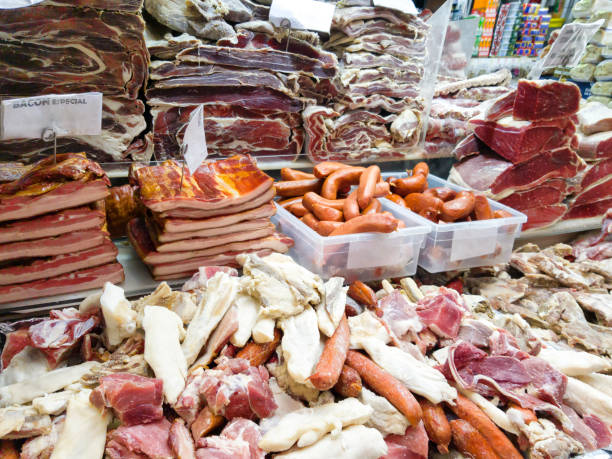
Animal products may follow different quarantine requirements according to their treatment, storage, packaging, and intended use.
5.1 Fresh meat
Fresh meat commonly requires careful quarantine review when transported outside a province or across a border.
The consignment owner should confirm:
- Species of origin;
- Slaughterhouse;
- Veterinary or slaughter-control information;
- Storage temperature;
- Packaging;
- Production date;
- Destination;
- Intended use.
5.2 Chilled and frozen meat
Freezing does not automatically eliminate the quarantine obligation.
Frozen products may still require checking because:
- Freezing is not the same as full pathogen elimination;
- The product remains of animal origin;
- Cold-chain conditions may be regulated;
- The shipment may fall within a listed product group;
- Export or import conditions may apply.
5.3 Offal
Products requiring review may include:
- Liver;
- Kidney;
- Heart;
- Lung;
- Stomach;
- Intestines;
- Other edible or non-edible organs.
The classification may depend on:
- Fresh or frozen condition;
- Level of cleaning or treatment;
- Intended use;
- Packaging;
- Applicable product list.
5.4 Slaughter by-products
By-products may include:
- Blood;
- Bones;
- Fat;
- Animal tissues;
- Unprocessed slaughter materials;
- Materials used for feed, fertilizer, industrial processing, or other purposes.
A product used as an industrial input may still require quarantine or another specialized control.
6. Processed Meat Products
“Processed” is not a sufficient classification by itself.
The consignment owner should identify the exact treatment.
Products that may still need quarantine checks
Examples may include:
- Marinated raw meat;
- Partially cooked products;
- Chilled meat preparations;
- Frozen processed products;
- Products requiring continued cold storage;
- Products intended for further processing;
- Products not fully treated.
Products that may qualify for exemption
Some products may be exempt when they are:
- Fully heat-treated;
- Sterilized;
- Hermetically sealed;
- Canned;
- Shelf-stable;
- Included in the applicable exemption list;
- Produced under conditions specified by the regulations.
The exemption must be confirmed using the exact product and treatment conditions.
7. Milk and Dairy Products
Dairy products should be classified according to their processing status.
7.1 Raw milk
Raw milk usually requires careful review because it is:
- Minimally treated;
- Temperature-sensitive;
- Linked to animal-health conditions;
- Traceable to a farm or herd;
- Used as a raw material for further processing.
Relevant information may include:
- Farm of origin;
- Collection date;
- Storage temperature;
- Transport tank;
- Processing destination;
- Disease and quality-control records.
7.2 Pasteurized or processed dairy products
Processed dairy products may follow different requirements depending on:
- Type of heat treatment;
- Packaging;
- Shelf stability;
- Cold-storage needs;
- Product purpose;
- Applicable exemption list.
Pasteurization, commercial branding, or sealed packaging should not be treated as automatic proof of quarantine exemption.
7.3 Milk powder and shelf-stable products
Some industrially processed products may qualify for exemption if they meet the relevant conditions.
Before transport, check:
- Product composition;
- Processing method;
- Packaging;
- Intended use;
- Origin;
- Legal exemption description.
8. Eggs and Egg Products
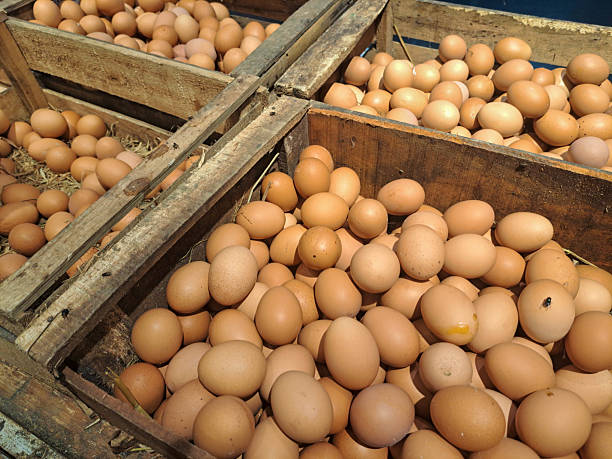
Egg products should be separated into distinct categories.
8.1 Hatching eggs
Hatching eggs are closely related to breeding and disease transmission.
They may require information such as:
- Breeding flock;
- Hatchery;
- Flock health;
- Vaccination;
- Disease testing;
- Production date;
- Identification;
- Destination facility.
8.2 Table eggs
Commercial eggs may follow different requirements depending on:
- Fresh or processed status;
- Packaging;
- Intended use;
- Origin;
- Movement;
- Applicable quarantine list.
8.3 Processed egg products
Examples include:
- Liquid egg;
- Dried egg powder;
- Pasteurized egg products;
- Cooked egg products;
- Industrial egg ingredients.
The processing method and applicable exemption conditions should be verified before classification.
9. Semen, Embryos, and Reproductive Materials
Reproductive materials are not ordinary packaged goods.
Groups requiring specific review may include:
- Animal semen;
- Embryos;
- Oocytes;
- Other reproductive materials;
- Biological products used in breeding.
Potential requirements may involve:
- Donor animals;
- Collection center;
- Disease status;
- Laboratory results;
- Batch identification;
- Storage temperature;
- Transport container;
- Destination breeding facility.
These products should not be self-classified as exempt because of their small volume or sealed packaging.
10. Hides, Skins, Hair, Horns, Hooves, and Similar Materials
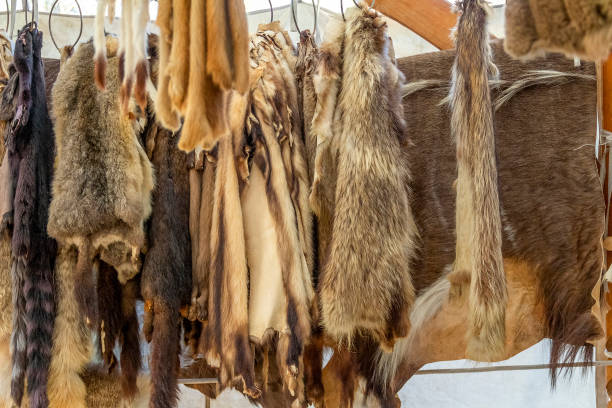
Animal-origin materials may be controlled differently depending on their treatment.
Raw or minimally treated materials
Examples include:
- Fresh hides;
- Salted hides;
- Untreated skins;
- Hair;
- Wool;
- Horns;
- Hooves;
- Feathers;
- Other raw animal materials.
These products may carry biological contamination and should be checked against the applicable list.
Treated materials
Treatment may include:
- Tanning;
- Drying;
- Chemical processing;
- Sterilization;
- Industrial transformation.
A processed material may qualify for different treatment only if the processing conditions meet the relevant exemption description.
11. Goods That May Be Exempt from Quarantine

Some animal-origin products may not require quarantine when they meet specific conditions.
Possible exemption factors include:
- Deep processing;
- Recognized heat treatment;
- Sterilization;
- Hermetic sealing;
- Shelf stability;
- Commercial packaging;
- Product classification in the official exemption list.
However, exemption should not be based only on descriptions such as:
- Cooked;
- Frozen;
- Packed;
- Branded;
- Ready to eat;
- Processed;
- Imported;
- Industrial.
The consignment owner should confirm:
- Exact product category;
- Treatment method;
- Packaging;
- Storage condition;
- Intended use;
- Applicable exemption entry.
12. “Exempt from Quarantine” Does Not Mean “No Documents Required”
Even when quarantine is not required, the consignment may still need:
- Invoice;
- Contract;
- Warehouse release note;
- Transport document;
- Proof of origin;
- Food-safety documents;
- Product-quality records;
- Customs declaration;
- Certificate of origin;
- Market-specific documents;
- Wildlife or specialized permits.
Quarantine status is only one part of the shipment’s legal and commercial documentation.
13. Quick Product Comparison
| Product group | Items that commonly require quarantine checks | Items that may qualify for exemption |
| Live animals | Livestock, poultry, breeding animals and other listed species | No general exemption should be assumed |
| Meat | Fresh, chilled, frozen or incompletely treated meat | Fully treated or canned products where the exemption conditions are met |
| Offal | Fresh or frozen organs and slaughter materials | Deeply processed products if listed as exempt |
| Milk | Raw milk and minimally treated products | Some shelf-stable, fully processed products |
| Eggs | Hatching eggs, fresh eggs or certain egg products | Some fully processed egg products |
| Reproductive materials | Semen, embryos and related breeding materials | Should be checked separately |
| Hides and skins | Raw, fresh, salted or minimally treated materials | Fully treated industrial products where conditions are met |
| Processed food | Products requiring cold storage or further processing | Sterilized, canned or shelf-stable products included in the exemption list |
This table is a screening tool, not an official legal classification.
14. Commonly Confused Product Scenarios
Scenario 1: Frozen meat in sealed bags
The product is frozen and commercially packaged.
Incorrect conclusion: Frozen and sealed means exempt.
Correct approach: Check whether the product group remains subject to quarantine, the level of processing, origin, storage conditions, and applicable exemption list.
Scenario 2: Cooked meat product
The product has undergone cooking.
Incorrect conclusion: All cooked products are exempt.
Correct approach: Confirm the treatment method, internal processing standard, packaging, shelf stability, intended use, and official exemption description.
Scenario 3: Raw milk and milk powder
Both products originate from milk but have very different processing statuses.
Raw milk may require closer veterinary and cold-chain review, while some industrially produced milk powder may qualify for different treatment depending on the applicable list.
Scenario 4: Hatching eggs and table eggs
Hatching eggs relate directly to breeding and disease transmission. Table eggs are commercial food products.
They should not be classified under one general category without checking the applicable product descriptions.
Scenario 5: Processed animal material used as an industrial input
A product may have undergone some processing but is still imported or transported for further production.
Its intended use and treatment level may affect whether quarantine or another specialized procedure applies.
Scenario 6: Small hand-carried animal product
A traveler carries a small amount of animal-origin food.
Incorrect conclusion: Small quantity means no quarantine or declaration.
Correct approach: Check border-gate, customs, quarantine, and permitted hand-carried goods requirements before travel.
15. Classification by Intended Use
| Intended use | Key classification questions |
| Slaughter | Is the live animal subject to inter-provincial quarantine? Is the destination slaughterhouse correctly identified? |
| Breeding | Are health, vaccination, testing, and identification records required? |
| Commercial farming | Does the movement introduce animals into another farm or locality? |
| Human consumption | What is the processing status and food-safety requirement? |
| Further processing | Is the product still considered raw or incompletely treated? |
| Feed production | Does the animal-origin material require quarantine or another specialized control? |
| Research | Are laboratory, biological-material, or specialized permits required? |
| Export | What does the importing market require? |
| Import | Is registration, risk analysis, inspection, or storage pending results required? |
| Personal use | Do border-gate or transport-operator restrictions apply? |
16. Transport Conditions Depend on the Product Group
Correct classification also determines how the shipment should be transported.
16.1 Live animals
Transport planning may need to address:
- Animal identification;
- Vehicle cleaning;
- Ventilation;
- Stocking density;
- Separation of species or groups;
- Waste control;
- Watering and feeding where applicable;
- Prevention of cross-contamination;
- Welfare during the journey.
16.2 Fresh and chilled products
Requirements may include:
- Leak-proof packaging;
- Temperature control;
- Clean storage areas;
- Separation from incompatible goods;
- Cold-chain records;
- Prevention of cross-contamination.
16.3 Frozen products
Check:
- Required product temperature;
- Refrigerated vehicle condition;
- Temperature-monitoring device;
- Door-opening control;
- Packaging integrity;
- Contingency plan for cooling failure.
16.4 Raw materials and by-products
These products may need:
- Closed containers;
- Leak prevention;
- Odour and waste control;
- Vehicle disinfection;
- Separation from food products;
- Destination-facility confirmation.
16.5 Sealed and shelf-stable products
Even where quarantine does not apply, the shipment may still need suitable:
- Packaging;
- Labelling;
- Storage;
- Product-origin documentation;
- Commercial records.
17. Documents to Carry During Transport
Depending on the consignment and procedure, the shipment file may include:
- Animal Quarantine Certificate;
- Invoice;
- Contract;
- Warehouse release note;
- Origin or traceability records;
- Vaccination information;
- Test results;
- Health-monitoring records;
- Transport documents;
- Customs documents;
- Food-safety documents;
- Specialized permits.
The quarantine certificate should not be considered the only document needed during transport.
18. Before-Loading Classification Workflow

Step 1: Record the exact product description
Include:
- Species;
- Product name;
- Product form;
- Processing status;
- Packaging;
- Intended use;
- Quantity;
- Origin;
- Destination.
Step 2: Identify the movement type
Confirm whether the shipment is:
- Within a province;
- Inter-provincial;
- Export;
- Import;
- Transit;
- Border-gate hand-carried goods;
- Another regulated movement.
Step 3: Check the current list
Compare the exact product against:
- Quarantine list;
- Exemption list;
- Relevant terrestrial or aquatic regulations;
- Temporary disease-control measures.
Step 4: Confirm the receiving authority
Identify the authority responsible for:
- Place of origin;
- Inspection location;
- Border gate;
- Storage or isolation site;
- Procedure type.
Step 5: Prepare supporting records
Collect only the documents relevant to the consignment, such as:
- Origin;
- Health;
- Vaccination;
- Testing;
- Processing;
- Facility;
- Vehicle;
- Commercial records.
Step 6: Prepare the shipment and vehicle
Ensure that the actual goods match the declared information.
Step 7: Obtain the certificate where required
Review all information before departure.
Step 8: Carry the complete shipment file
The transporter should know which documents apply to the consignment and when they need to be presented.
19. Pre-Transport Checklist
Product classification
- Exact animal or product type has been identified;
- Terrestrial or aquatic status is clear;
- Processing status has been confirmed;
- Intended use is recorded;
- The current quarantine list has been checked;
- The exemption list has been checked;
- Exemption has not been assumed from packaging alone.
Movement
- Origin and destination are correct;
- Inter-provincial or cross-border status is clear;
- Disease situation has been checked;
- Temporary local controls have been reviewed;
- Correct procedure has been selected.
Documents
- Correct authority has been confirmed;
- Quarantine certificate is available where required;
- Origin records are available;
- Commercial documents are complete;
- Health or test records are available where applicable;
- Document information matches the actual shipment.
Vehicle and packaging
- Vehicle is suitable for the goods;
- Vehicle has been cleaned;
- Packaging is intact;
- Leakage is controlled;
- Required temperature is maintained;
- Temperature-monitoring equipment is working;
- Animals are properly arranged;
- Seal information is recorded where applicable.
During transport
- Documents accompany the consignment;
- Destination is not changed without guidance;
- Vehicle is not replaced without confirmation where the certificate records a specific vehicle;
- Cold-chain or animal-welfare conditions are maintained;
- Incidents are documented;
- The authority is contacted if a major change occurs.
20. Common Classification Mistakes
Classifying by commercial name only
A label such as “processed chicken product” does not show whether the product is raw, partially cooked, sterilized, or shelf-stable.
Better approach: Check composition, treatment, intended use, and storage conditions.
Assuming all frozen products are exempt
Freezing may preserve the product but does not necessarily remove the quarantine obligation.
Better approach: Check the applicable product list.
Assuming all cooked products are exempt
Cooking conditions vary.
Better approach: Confirm the exact treatment and exemption criteria.
Treating packaging as proof of exemption
Vacuum packaging, retail packaging, or branded boxes do not determine quarantine status.
Better approach: Classify the product itself.
Ignoring intended use
A finished consumer product and an animal-origin raw material may follow different controls.
Better approach: Record whether the product is for direct consumption, processing, feed, research, or breeding.
Using an old classification
A product may have been exempt in an earlier shipment, but the legal list, disease situation, origin, or intended use may have changed.
Better approach: Recheck every new shipment.
21. Frequently Asked Questions

Do small consignments require quarantine?
Quantity alone does not determine the requirement. The product type, movement, intended use, origin, and current list must be checked.
Are packaged meat products exempt?
Not automatically. Packaging does not replace the need to assess processing status and legal classification.
Are all frozen animal products subject to quarantine?
Not necessarily, but freezing alone does not establish exemption. Check the exact product and applicable list.
Are all canned products exempt?
Some sterilized or canned products may qualify for exemption if the conditions in the current list are met. This should be confirmed for the specific product.
Does transport within a province require an inter-provincial quarantine certificate?
It is generally not handled under the inter-provincial procedure. However, disease-control, origin, slaughter-control, veterinary-hygiene, and temporary local requirements may still apply.
Are hatching eggs and table eggs treated the same?
No. Hatching eggs are linked to breeding and may require different health and traceability controls.
Does a quarantine exemption mean the shipment can travel without an invoice?
No. Commercial, origin, food-safety, customs, or other documents may still be required.
Where should the latest product list be checked?
The consignment owner should consult current legal documents, official veterinary guidance, and the competent local or border-gate authority.
What should be done if the product does not clearly match a listed category?
Do not load the goods based on an assumption. Prepare the product description, treatment information, intended use, origin, and destination, then request guidance from the competent authority.
Professional and Legal Note
This article is intended as a product-classification guide. It does not replace official quarantine lists, exemption appendices, administrative procedures, or shipment-specific instructions from the competent veterinary authority.
The applicable requirement may vary according to:
- Animal species;
- Product type;
- Processing level;
- Intended use;
- Origin;
- Destination;
- Disease situation;
- Movement type;
- Market requirements;
- Current legal amendments.
Classification should be completed before loading, export, import, or border-gate movement.
Connect with Product Classification, Storage, and Transport Solutions at VIETSTOCK 2026
Correctly classifying animals and animal products is an important first step before preparing quarantine documents and arranging transport. Businesses also need to maintain accurate origin records, identify processing status, protect packaging integrity, control storage temperature, and ensure that the actual consignment matches the declared information.
At VIETSTOCK 2026, livestock producers, processors, distributors, transport operators, cold-storage businesses, logistics providers, and technology companies can explore solutions supporting the circulation of animals and animal products.
Visitors can:
- Explore technologies for classifying and tracing goods by origin, processing status, production batch, and transport consignment.
- Discover packaging, cold-storage, temperature-monitoring, and cold-chain transport solutions.
- Connect with providers of livestock vehicles, refrigerated equipment, cleaning and disinfection systems, warehouse technologies, and logistics software.
- Review identification and data-management tools that support consistency between products, documents, and transport records.
- Exchange practical insights with processors, distributors, transport operators, and logistics partners on handling different animal-product groups.
Expected to feature more than 300 brands, over 10,000 sqm of exhibition space, and 13,000 trade visitors from more than 40 countries and territories, VIETSTOCK 2026 creates opportunities to connect stakeholders across the livestock, processing, storage, and logistics value chain.
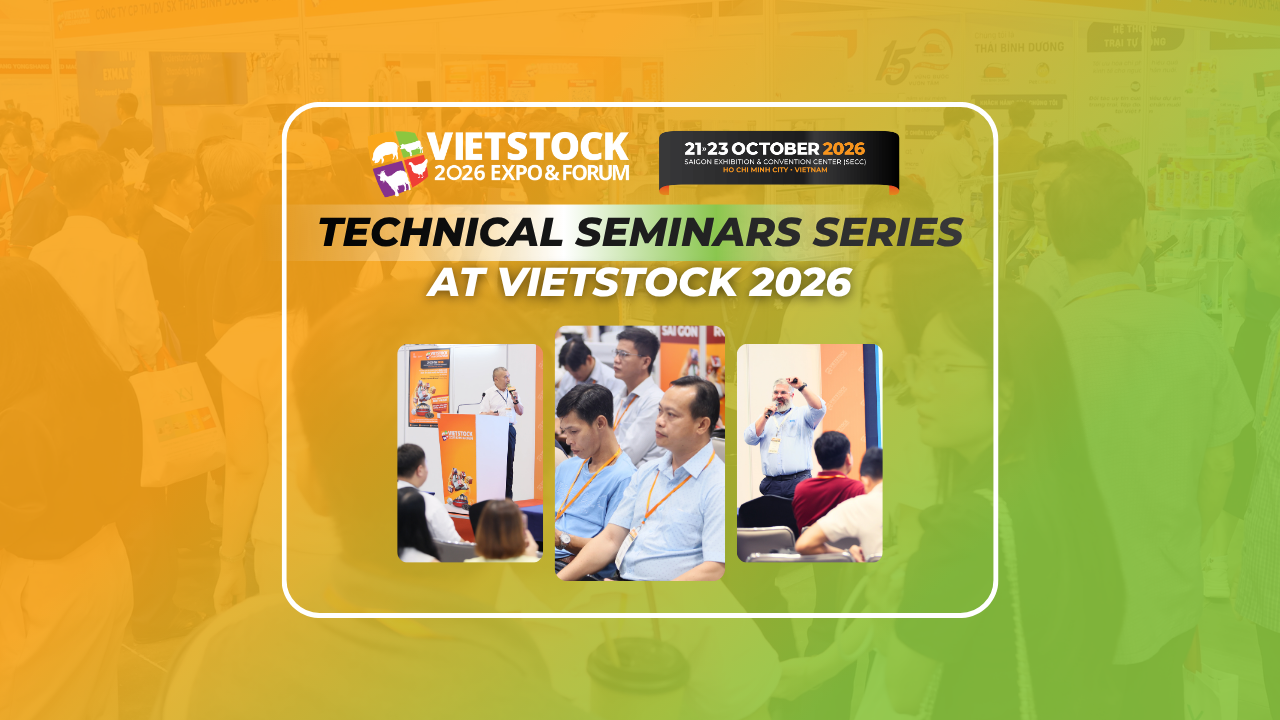
Alongside the exhibition and business-networking activities, VIETSTOCK 2026 will also organize an On-Farm Seminar Series, bringing practical knowledge on herd and flock management, disease prevention, biosecurity, and livestock-production efficiency to key livestock regions.
Date: 21–23 October 2026
Venue: Saigon Exhibition and Convention Center – SECC, 799 Nguyen Van Linh Street, Tan My Ward, Ho Chi Minh City, Vietnam
Event website: https://www.vietstock.org/en/
👉 Register to visit VIETSTOCK 2026 and explore solutions for product classification, traceability, storage, and transport:
https://www.vietstock.org/en/online-registration-2/
👉 Learn more about the VIETSTOCK 2026 On-Farm Seminar Series:
https://www.vietstock.org/en/event-features/vietstock-2026-livestock-roadshows-bringing-industry-knowledge-to-key-livestock-regions/
CONTACT INFORMATION:
Exhibiting: Ms. Sophie Nguyen – [email protected]
Visitor Support: Ms. Phuong – [email protected]
Marcom Support: Ms. Anita Pham – [email protected]