Magnesium Sulfate in Veterinary Medicine: Uses, Applications, and Safety Considerations
Magnesium sulfate is a magnesium-containing compound used in certain veterinary medicines and mineral supplements. Depending on the formulation and intended use, a veterinarian may prescribe it to help correct magnesium deficiency or manage certain physiological disorders in animals.
In livestock production, particularly dairy farming and grazing systems, magnesium plays an important role in nerve and muscle function and energy metabolism. When blood magnesium levels become severely low, animals may develop muscle tremors, loss of coordination, seizures, and other dangerous signs.
However, medicinal magnesium sulfate is not the same as an ordinary mineral supplement. Using the wrong dose, concentration, or route of administration can cause hypermagnesemia, neuromuscular depression, and serious effects on respiratory and cardiovascular function.
Farmers therefore need to understand the role of magnesium, recognize signs of deficiency, and distinguish between situations that require dietary adjustments and those requiring emergency veterinary care.
When Should Magnesium Deficiency Be Suspected in Livestock?
Hypomagnesemia is a condition in which blood magnesium levels fall below those needed to maintain normal physiological functions.
In livestock, this condition is of particular concern in lactating dairy cows and herds grazing on pastures where environmental and nutritional conditions may reduce magnesium absorption.
Signs to watch for include:
| Signs observed in animals | Possible concerns | Appropriate action |
| Muscle tremors, particularly around the shoulders and thighs | May be associated with increased neuromuscular excitability due to low magnesium levels | Assess severity and contact a veterinarian |
| Unsteady walking or loss of coordination | May occur with hypomagnesemia or other neurological and metabolic disorders | Arrange a veterinary examination promptly |
| Increased excitability or exaggerated reactions to noise | May indicate a neuromuscular disorder | Maintain a quiet environment and minimize stimulation |
| Seizures, collapse, or inability to stand | May indicate a life-threatening condition | Seek emergency veterinary assistance |
| Sudden reduction in feed intake or milk production | May be associated with various diseases, including metabolic disorders | Assess the animal’s health and diet |
| Difficulty breathing, collapse, or unresponsiveness | May indicate a serious threat to vital functions | Seek immediate veterinary care |
Not all muscle tremors or seizures are caused by magnesium deficiency. Similar signs may occur in animals with hypocalcemia, poisoning, or neurological diseases.
If an animal is having seizures, cannot stand, or is becoming weak rapidly, farmers should not attempt to inject magnesium sulfate or force medication into the animal’s mouth. A veterinarian should be contacted immediately for appropriate assessment and treatment.
1. What Is Magnesium Sulfate in Veterinary Medicine?

Magnesium sulfate is an inorganic magnesium salt with the chemical formula MgSO₄.
In veterinary medicine, this compound may be found in different products, including injectable solutions, powders, and oral preparations.
Depending on the intended use and approved product information, magnesium sulfate may be used to:
- Help correct magnesium deficiency when clinically indicated.
- Support the management of certain neuromuscular disorders associated with magnesium imbalance.
- Act as an osmotic laxative in certain appropriate cases.
- Provide magnesium through specific supplementation products used according to their instructions.
However, not all magnesium sulfate products have the same uses or routes of administration.
What Is the Difference Between Medicinal Magnesium Sulfate and Mineral Supplements?
In livestock farming, magnesium can be supplied through the regular diet using suitable mineral supplements.
Examples include:
- Mineral premixes mixed into feed.
- Mineral feed supplements.
- Mineral lick blocks.
- Magnesium supplements formulated for specific animal species.
These products are mainly used to meet nutritional requirements or help prevent deficiencies as part of a dietary management program.
In contrast, medicinal magnesium sulfate, particularly injectable solutions, may be used in clinical situations requiring magnesium correction under professional supervision.
| Criteria | Mineral supplements | Medicinal magnesium sulfate |
| Main purpose | Meet dietary mineral requirements | Treat or help manage specifically indicated conditions |
| Formulations | Premixes, feed supplements, mineral lick blocks, or other forms | Injectable solutions, powders, or oral preparations |
| How they are used | According to nutritional guidance and product labeling | According to appropriate indications, dosages, and routes of administration |
| Level of supervision required | Dietary intake and supplementation must be monitored | Close supervision is particularly important for injectable products |
| Can they replace each other? | Cannot replace emergency medical treatment | Should not replace routine dietary mineral supplementation |
An important distinction is that mineral supplements cannot replace emergency treatment for acute hypomagnesemia.
Likewise, injectable magnesium sulfate intended for medical treatment should not be used routinely to provide mineral supplementation for the herd.
Are Elemental Magnesium and Magnesium Sulfate the Same?
Not exactly.
Magnesium sulfate is a compound containing magnesium, while elemental magnesium refers to the actual amount of magnesium present in that compound.
This distinction is important when reading product labels.
Two products may list different amounts of magnesium sulfate, but the amount of elemental magnesium supplied cannot be determined simply by comparing the compound names.
The chemical form and formulation also affect how the magnesium content is calculated and how the product should be used.
Farmers should therefore not independently convert doses between magnesium-containing products without appropriate professional guidance.
2. What Role Does Magnesium Play in Animal Health?
Magnesium is an essential mineral involved in many physiological processes.
In livestock production, its role extends beyond bone health to include enzyme activity, energy metabolism, and nerve and muscle function.
Supporting Energy Metabolism
Magnesium is necessary for the activity of many enzymes in the body.
It is particularly important in reactions involved in how cells use energy.
When magnesium balance is disrupted, normal physiological functions may be affected, especially in animals with high nutritional requirements or underlying health conditions.
Maintaining Nerve and Muscle Function
Magnesium helps regulate nerve signaling and muscle contraction.
When blood magnesium levels become severely low, the neuromuscular system may become excessively excitable.
Affected animals may show:
- Muscle tremors.
- Increased reflex responses.
- Unusual sensitivity to stimulation.
- Loss of coordination.
- Seizures in severe cases.
These signs explain why acute hypomagnesemia is considered a dangerous condition requiring prompt veterinary treatment.
Helping Maintain Electrolyte Balance
Magnesium is closely related to the function of other minerals and electrolytes in the body.
In some conditions, hypomagnesemia may occur alongside or complicate disorders involving calcium and potassium.
Therefore, focusing only on supplementing one mineral may not resolve the problem when an animal develops signs of a metabolic disorder.
A veterinarian may need to assess magnesium, calcium, and other relevant indicators together before selecting an appropriate treatment approach.
3. Why Are Dairy Cows and Grazing Livestock at Greater Risk of Hypomagnesemia?
The risk of magnesium deficiency differs between animal species and production groups.
In large livestock production, lactating cows and herds grazing on pastures with conditions that interfere with magnesium absorption require particular attention.
Dairy Cows During Early Lactation
After calving, dairy cows enter a period of high nutritional demand to support milk production.
Magnesium is one of the minerals that must be supplied in sufficient amounts during this stage.
Unlike certain other minerals, the body’s ability to mobilize magnesium from its reserves is relatively limited. Therefore, cows depend considerably on magnesium intake and absorption from their diet.
If the amount absorbed does not meet their requirements, blood magnesium levels may decline.
The risk is particularly important when cows experience factors such as:
- Reduced feed intake.
- Insufficient dietary magnesium.
- Pasture conditions that reduce magnesium absorption.
- Health disorders affecting feeding or nutrient absorption.
Nutritional management during early lactation therefore plays an important role in preventing metabolic disorders.
Young Pasture Grass and the Effects of Potassium
Livestock grazing on young, rapidly growing pasture grass may face a greater risk of hypomagnesemia under certain conditions.
One important factor is the high potassium content of grass, which can reduce magnesium absorption in the digestive tract of ruminants.
This means an animal may experience magnesium deficiency even when its diet is not completely lacking in magnesium.
The risk depends on pasture composition, feed intake, and other farming conditions.
Therefore, the color or maturity of grass alone should not be used to conclude that a pasture presents a high risk.
For herds with a history of magnesium deficiency, analyzing the mineral composition of feed and pasture can help provide a more accurate risk assessment.
Insufficient Dietary Magnesium or Mineral Imbalance
A diet that does not meet the animals’ nutritional requirements may also contribute to deficiency.
Important factors to assess include:
- Magnesium content of the feed.
- Actual feed consumption.
- Mineral premix composition and concentration.
- Potassium content of the diet.
- Factors affecting mineral absorption.
- Animal health and physiological stage.
Simply increasing magnesium supplementation without assessing factors that interfere with absorption may not address the underlying cause.
Stress and Conditions That Reduce Feed Intake
Unfavorable weather, changes in housing or management, and illness may cause livestock to eat less.
When feed intake decreases, the actual amount of magnesium consumed may also decline.
Certain digestive disorders or conditions affecting nutrient absorption should also be considered.
However, stress or weather conditions should not be considered the sole direct cause of hypomagnesemia without assessing the diet and the animal’s overall health.
4. How Dangerous Is Hypomagnesemia in Livestock?
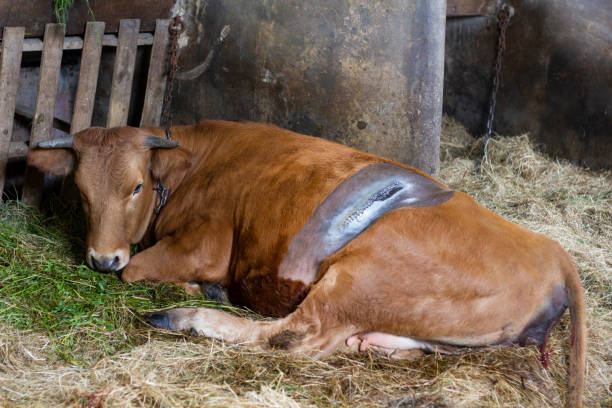
Hypomagnesemia can affect neuromuscular function and cause severe clinical signs when blood magnesium levels fall significantly.
One condition of particular concern in veterinary medicine is symptomatic hypomagnesemia in cattle, sometimes discussed in connection with grass tetany.
This condition can progress rapidly and become life-threatening if not treated promptly.
Early Signs That May Be Overlooked
In some cases, livestock may initially show changes such as:
- Reduced feed intake.
- Decreased milk production.
- Restlessness.
- Stronger reactions to sounds or physical contact.
- Muscle tremors.
- Unsteady walking.
However, these signs are not specific to hypomagnesemia.
Farmers should also consider the animal’s physiological stage, grazing conditions, diet, and accompanying clinical signs.
Warning Signs of Severe Hypomagnesemia
As the condition progresses, animals may develop:
- Noticeable muscle tremors.
- Increased nervous system excitability.
- Loss of coordination.
- Collapse.
- Seizures.
- Inability to stand.
- Severe weakness or a life-threatening condition.
Seizures or an inability to stand are warning signs requiring emergency veterinary assistance.
While awaiting the veterinarian, minimize noise and other stimulation that may further excite the animal. The safety of animal handlers must also be protected.
Do not attempt to physically restrain an animal having seizures or perform treatment procedures without appropriate professional expertise.
Why Should Farmers Avoid Diagnosing Magnesium Deficiency Themselves?
The signs of hypomagnesemia can resemble those of several other diseases.
Examples include:
- Hypocalcemia.
- Certain types of poisoning.
- Neurological diseases.
- Encephalitis or other disorders affecting the nervous system.
- Other metabolic disorders.
If farmers assume that a cow has magnesium deficiency simply because it develops muscle tremors or seizures, they may overlook the actual cause.
Furthermore, using magnesium sulfate without an appropriate indication can make the condition worse.
How Is Hypomagnesemia Diagnosed?
A veterinarian may assess:
- Clinical signs.
- Physiological stage and lactation status.
- Current diet.
- Pasture conditions.
- Herd disease history.
- Blood magnesium test results.
- Other relevant electrolyte or biochemical indicators.
Blood magnesium testing can help confirm a deficiency, but the results must be interpreted alongside the animal’s clinical condition.
In severe cases, a veterinarian may need to begin emergency treatment before all laboratory results become available.
5. When Is Magnesium Sulfate Used in Veterinary Medicine?
In veterinary medicine, magnesium sulfate may be used for different purposes depending on the formulation and professional indication.
There is no single method of administration suitable for every case of magnesium deficiency, seizures, or digestive disorders.
Managing Acute Hypomagnesemia
This is one of the important clinical applications of magnesium-containing preparations.
When livestock develop severe hypomagnesemia, a veterinarian may prescribe magnesium-containing medication to correct the deficiency.
In some cases, treatment may need to include calcium or other electrolytes, depending on the assessment results.
However, the choice of product, concentration, dosage, and administration method must be determined by a veterinarian.
Farmers should not independently administer injectable magnesium sulfate to a cow that is having seizures or cannot stand.
Controlling Increased Neuromuscular Excitability When Indicated
Magnesium affects nerve and muscle activity.
In certain clinical situations, a veterinarian may consider magnesium-containing preparations to help manage increased neuromuscular excitability.
However, this does not mean magnesium sulfate is a medication that can be independently administered for every case of muscle tremors or seizures.
Seizures can have many causes, and treatment must address the actual underlying condition.
Use as an Osmotic Laxative
Oral magnesium sulfate may be used as an osmotic laxative under certain appropriate indications.
Its mechanism involves increasing the amount of water in the intestinal lumen, thereby affecting the movement of intestinal contents.
However, not every magnesium sulfate formulation is approved for oral administration.
Inappropriate use may cause diarrhea, dehydration, or electrolyte imbalances.
Farmers should therefore not independently use magnesium sulfate to treat every case of constipation or digestive disturbance.
Can Magnesium Sulfate Be Used in All Animal Species?
No.
Its use depends on:
- Animal species.
- Health condition.
- Kidney function.
- Formulation.
- Concentration.
- Route of administration.
- Treatment purpose.
- Authorized conditions of use.
In particular, a dosage intended for cattle must not be independently applied to pigs, goats, dogs, cats, or other species.
Each animal and treatment indication requires an appropriate assessment.
6. What Is the Difference Between Injectable and Oral Magnesium Sulfate?
Although different products may contain the same compound, magnesium sulfate, they can differ considerably in concentration, formulation, and route of administration.
These differences must be clearly understood before selecting a product.
Injectable Magnesium Sulfate
Some magnesium sulfate solutions are formulated for injection in specific clinical situations.
These products require particular caution because an incorrect dose, concentration, or rate of administration may cause serious adverse effects.
When administered intravenously, the rate at which the medication enters the body is an important factor that must be carefully controlled.
Administering intravenous magnesium sulfate too rapidly or inappropriately may cause hypotension, cardiovascular disturbances, and respiratory depression.
Intravenous injection or infusion must therefore be performed by trained professionals according to appropriate veterinary instructions and procedures.
Oral Magnesium Sulfate
Some magnesium sulfate products are formulated for oral administration.
Depending on the specific product, they may be used for certain gastrointestinal indications or other professional purposes.
However, excessive use may cause diarrhea and disrupt fluid and electrolyte balance.
Farmers should not use oral magnesium sulfate as a routine substitute for dietary mineral supplements.
In particular, injectable products must not be administered orally, or vice versa, unless the product label specifically permits the intended route.
Comparing Magnesium Sulfate Formulations
| Product type | Possible indications | Important considerations |
| Injectable solution | Clinical conditions requiring magnesium supplementation or correction of electrolyte imbalances | Serious risks if the dose, injection route, or administration rate is incorrect |
| Oral preparation | Certain gastrointestinal indications or other specific purposes | Inappropriate use may cause diarrhea and electrolyte imbalances |
| Mineral supplement | Maintaining adequate dietary magnesium intake | Cannot replace emergency treatment for symptomatic hypomagnesemia |
Product selection should begin with the intended purpose and the animal’s condition, not simply the name of the active ingredient.
7. Risks of Using Magnesium Sulfate Incorrectly
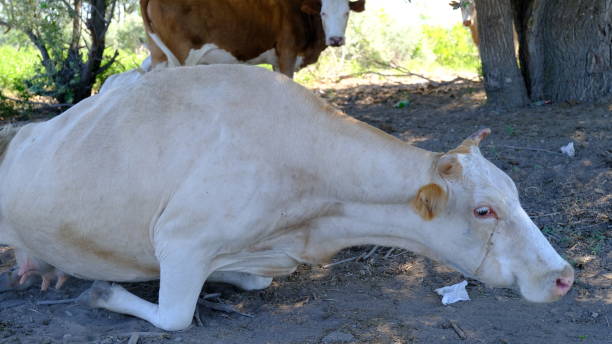
Magnesium is an essential mineral, but excessive magnesium intake or improper administration can still cause toxicity.
Injectable magnesium sulfate products require particularly careful control because of their potential effects on the neuromuscular, cardiovascular, and respiratory systems.
Risk of Hypermagnesemia
Hypermagnesemia is a condition in which blood magnesium levels become abnormally high.
It may occur when the body receives more magnesium than it can effectively process and eliminate, particularly under certain conditions involving inappropriate medication use.
Possible effects include:
- Muscle weakness.
- Reduced reflexes.
- Decreased neuromuscular activity.
- Low blood pressure.
- Abnormal heart rhythm or impaired cardiac function.
- Slow breathing or respiratory depression.
- Collapse in severe cases.
The severity depends on magnesium concentration, how rapidly levels change, the animal species, and overall health.
Risks of Administering Intravenous Magnesium Sulfate Without Professional Guidance
Intravenous magnesium sulfate administration requires professional skills and the ability to monitor the animal’s condition.
Administering the medication too rapidly or using an incorrect concentration or dose may cause serious complications.
Farmers should not attempt this procedure without the necessary expertise and appropriate veterinary instructions.
In particular, when a cow is having seizures or cannot stand, attempting to inject medication without professional assistance can endanger both the animal and its handler.
Precautions for Animals with Kidney Disease
Magnesium is eliminated primarily through the kidneys.
When kidney function is impaired, the body’s ability to remove magnesium may be reduced.
This increases the risk of magnesium accumulation and hypermagnesemia.
Animals with kidney disease or suspected kidney dysfunction should therefore be assessed by a veterinarian before receiving magnesium sulfate preparations.
Farmers should not independently adjust the dose in animals with underlying health conditions.
Possible Interactions with Other Medications
Magnesium can affect neuromuscular activity, so combining it with certain medications requires careful assessment.
Drug groups that may need particular attention include:
- Anesthetic agents.
- Muscle relaxants.
- Certain medications affecting neuromuscular transmission.
- Medications that affect kidney function.
The severity of an interaction depends on the active ingredient, animal species, and clinical condition.
Before magnesium sulfate is administered, farmers should inform the veterinarian about any medications the animal is currently receiving or has recently received.
Magnesium sulfate should not be independently combined with other medications simply because an animal has multiple symptoms.
When Should an Adverse Reaction Be Suspected?
Watch for signs such as:
- Unusual muscle weakness.
- Inability to stand after treatment.
- Slow, shallow, or difficult breathing.
- Abnormal heart rhythm.
- Pale or bluish mucous membranes.
- Collapse.
- Reduced or absent responses to stimulation.
If these signs occur, contact a veterinarian immediately.
In certain cases of magnesium toxicity, a veterinarian may administer calcium preparations to counteract the effects of hypermagnesemia.
However, this is a professional treatment procedure and must not be attempted independently on the farm.
8. How Can Farms Prevent Magnesium Deficiency in Livestock?
For herds at risk of hypomagnesemia, prevention should focus on nutritional management, pasture quality, and animal health monitoring.
Preventive management is generally different from the emergency treatment required for acute magnesium deficiency.
Develop Diets That Meet Mineral Requirements
Farms need to assess the amount of magnesium supplied through feed and supplements.
Important factors include:
- Dietary magnesium content.
- Actual feed consumption.
- Mineral premix composition.
- Physiological stage.
- Lactation status.
- Factors affecting magnesium absorption.
For dairy cows in particular, nutritional programs should be appropriate for each production stage to help reduce the risk of mineral deficiencies.
Assess Pasture Quality
In grazing systems, farms should assess pasture characteristics that may affect magnesium absorption.
Important factors include:
- Grass species and growth stage.
- Nutritional composition.
- Potassium content.
- Pasture conditions.
- Actual feed intake.
- History of hypomagnesemia in the herd.
If magnesium deficiency has previously occurred on the farm, mineral analysis of feed and forage can help develop a more appropriate prevention program.
Monitor Dairy Cows During Early Lactation
Dairy cows require close monitoring after calving because their nutritional requirements change significantly.
Farmers should record:
- Feed intake.
- Milk production.
- Mobility.
- Signs of muscle tremors or unusual excitability.
- Changes in body condition.
- Health problems occurring after calving.
If severe clinical signs develop, a veterinarian should be contacted immediately rather than attempting to treat the animal with magnesium-containing medication.
Distinguish Prevention from Emergency Treatment
This is a particularly important principle.
Dietary mineral supplementation is primarily intended to meet nutritional requirements and prevent deficiencies.
Emergency treatment of acute hypomagnesemia may require injectable medication and urgent veterinary intervention.
Mineral lick blocks or premixes should not be used as substitutes for emergency treatment when a cow is having seizures.
Conversely, injectable magnesium sulfate should not be used routinely as a substitute for a proper nutritional management program.
9. What Should Be Checked Before Using a Magnesium Sulfate Product?
Before using a magnesium sulfate preparation, farmers should carefully review all relevant product label information.
Important points include:
- Product origin: Use only products of appropriate quality and intended purpose. Industrial-grade magnesium sulfate must not be used to treat animals.
- Product name and ingredients: Confirm that the product contains magnesium sulfate and identify any additional ingredients.
- Concentration: Check the active ingredient content and distinguish the amount of magnesium sulfate from elemental magnesium.
- Target animals: Confirm whether the product is suitable for the animal species requiring treatment.
- Indications: Use the product only for the diseases or conditions covered by its permitted indications.
- Formulation: Distinguish between injectable solutions, oral preparations, and supplements.
- Route of administration: Do not independently change the intended administration route.
- Contraindications: Pay particular attention to animals with impaired kidney function.
- Expiry date and storage: Do not use expired products or those showing signs of deterioration.
- Withdrawal period: Check the applicable requirements for food-producing animals.
Does Magnesium Sulfate Have a Withdrawal Period?
For livestock producing meat, milk, or other food products, farmers must comply with the conditions of use and withdrawal periods applicable to the specific product.
It should not be assumed that all magnesium sulfate preparations have the same withdrawal period.
Use must take into account:
- The specific product and formulation.
- Animal species.
- Dosage and route of administration.
- Intended purpose.
- Product registration conditions and current regulations.
If the legal status or safety requirements of a product have not been established, farmers should not independently estimate a withdrawal period before selling the animal or collecting milk for human consumption.
10. What Should Farmers Do When Livestock Show Signs of Possible Magnesium Deficiency?
If a cow or another livestock animal develops muscle tremors, unusual excitability, or loss of coordination, farmers should prioritize safety and seek veterinary assistance.
Step 1: Observe Clinical Signs and Assess Severity
Important factors to observe include:
- Whether the animal is alert and responsive.
- Whether muscle tremors or exaggerated reactions to stimulation are present.
- Ability to stand and move.
- Whether the animal has collapsed or is having seizures.
- Breathing pattern.
- Feed and water intake.
- Changes in milk production, if applicable.
If the animal is having seizures, cannot stand, or has difficulty breathing, contact a veterinarian immediately.
Step 2: Minimize Unnecessary Stimulation
For animals showing signs of neuromuscular excitability, minimize noise, movement, and unnecessary handling that may cause additional stress.
Maintain a safe distance because affected livestock may react unpredictably or collapse suddenly.
Do not force oral medication into an animal that is having seizures or has a reduced level of consciousness.
Step 3: Provide Relevant Information to the Veterinarian
Useful information includes:
- Animal species and age.
- Pregnancy or lactation status.
- When the clinical signs first appeared.
- Current diet.
- Pasture conditions.
- Recent feed intake.
- History of medication and mineral supplement use.
- Whether other animals show similar signs.
The veterinarian can use this information to assess the likelihood of hypomagnesemia and consider other possible causes.
Step 4: Do Not Independently Administer Injectable Magnesium Sulfate
Injecting magnesium sulfate without professional guidance can be dangerous if:
- The diagnosis is incorrect.
- The wrong concentration is used.
- The amount administered is miscalculated.
- The wrong injection route is used.
- The medication is administered too rapidly.
- The animal has kidney disease or another electrolyte imbalance.
The veterinarian must determine the appropriate treatment based on the animal’s actual condition.
Step 5: Assess Risks to Other Animals in the Herd
If one animal is suspected of having hypomagnesemia, the farm should assess whether other animals are exposed to the same risk factors.
Important areas to review include:
- Feed sources.
- Pasture quality.
- Magnesium content and supplementation sources.
- Lactation stages within the herd.
- Weather conditions and feed intake.
- Recent changes in nutritional management.
A herd-wide risk assessment can help improve prevention programs and reduce the likelihood of similar cases occurring.
Frequently Asked Questions About Magnesium Sulfate in Veterinary Medicine
Can Magnesium Sulfate Be Used to Treat Magnesium Deficiency?
Magnesium sulfate may be used to help manage hypomagnesemia when clinically indicated.
However, not every magnesium sulfate product is intended for the same purpose.
The choice of product must be based on the animal’s condition, the formulation, and veterinary guidance.
Can Farmers Administer Magnesium Sulfate When a Cow Has Tremors or Seizures?
No. Farmers should not administer it independently.
Muscle tremors and seizures can result from many conditions, not only magnesium deficiency.
Using magnesium sulfate without identifying the cause, particularly by injection, can be dangerous.
If a cow is having seizures or cannot stand, seek emergency veterinary assistance.
Why Are Dairy Cows More Susceptible to Hypomagnesemia?
Dairy cows, particularly during early lactation, have high mineral requirements.
If the amount of magnesium absorbed does not meet these requirements, the risk of hypomagnesemia may increase.
Other factors, such as reduced feed intake or dietary conditions that interfere with magnesium absorption, should also be considered.
Can Young Pasture Grass Cause Magnesium Deficiency in Cattle?
It may increase the risk under certain conditions.
Young, rapidly growing pasture grass can contain high potassium levels, which may interfere with magnesium absorption in ruminants.
However, actual pasture composition should be assessed rather than assuming that all young grass causes magnesium deficiency.
Can Magnesium Sulfate Be Used in the Same Way for Buffaloes, Cattle, Pigs, Dogs, and Cats?
No.
Dosages, concentrations, routes of administration, and safety requirements differ between animal species.
Kidney function and overall health also affect how an animal tolerates the medication.
Instructions intended for one species must not be independently applied to another.
Can Injectable Magnesium Sulfate Replace a Mineral Premix?
No.
Mineral premixes are mainly used to supply nutrients according to dietary requirements.
Injectable magnesium sulfate, in contrast, is used in specific clinical situations when indicated.
These products cannot be used interchangeably without appropriate assessment.
Can Magnesium Sulfate Be Used to Treat Constipation in Animals?
Certain oral magnesium sulfate products may be used as osmotic laxatives under specific indications.
However, not every case of constipation or digestive disturbance is suitable for this treatment.
The underlying cause should be identified, and an appropriate product should be used according to veterinary guidance.
Is Magnesium Sulfate Overdose Dangerous?
Yes.
Overdosing may cause hypermagnesemia, muscle weakness, reduced reflexes, hypotension, and impaired cardiac and respiratory function.
The risk is particularly important when injectable products are used incorrectly or in animals with impaired kidney function.
Can Animals with Kidney Disease Receive Magnesium Sulfate?
Careful veterinary assessment is necessary.
Because magnesium is eliminated primarily through the kidneys, impaired kidney function can increase the risk of magnesium accumulating in the body.
Farmers should not independently administer magnesium sulfate or adjust the dosage.
Which Signs Require Emergency Veterinary Care?
Contact a veterinarian immediately if an animal develops:
- Seizures.
- Inability to stand.
- Severe loss of coordination.
- Difficulty breathing.
- Rapid collapse.
- Serious unusual reactions after receiving magnesium sulfate.
In particular, do not independently increase the dose or administer another injection if the animal does not improve.
Improve Mineral Nutrition Management and Livestock Health with VIETSTOCK
Hypomagnesemia in livestock, particularly lactating dairy cows and animals grazing on high-risk pastures, highlights the importance of managing mineral nutrition according to different production stages. Alongside treating acute cases under veterinary supervision, farmers need to focus on dietary quality, mineral absorption, and monitoring changes in herd health.
To proactively prevent metabolic disorders and improve livestock care, farms can explore the following solution areas:
- Mineral supplements and nutritional premixes: Explore products containing magnesium, calcium, and other essential minerals suited to the needs of different animal groups and physiological stages.
- Feed analysis and pasture quality assessment: Discover technologies for analyzing nutritional composition, evaluating mineral content, and identifying factors that may affect magnesium absorption.
- Diagnosis of metabolic disorders: Explore biochemical testing equipment, electrolyte analysis technologies, and diagnostic methods that support the assessment of mineral deficiencies and imbalances in livestock.
- Dairy herd health management: Learn about solutions for monitoring feed intake, milk production, body condition, and abnormal changes during early lactation.
- Veterinary medicines and treatment safety: Stay informed about formulations, indications, and safe-use principles for products used to correct electrolyte imbalances, while clearly distinguishing therapeutic medications from dietary mineral supplements.
Preventing magnesium deficiency involves more than selecting an appropriate supplement. It also requires pasture management, balanced diets, and regular herd health monitoring. Cooperation among animal nutrition specialists, veterinarians, and technology providers therefore plays an important role in developing livestock care practices suited to actual farming conditions.
In this context, VIETSTOCK 2026, held from October 21–23, 2026, at the Saigon Exhibition and Convention Center (SECC), Ho Chi Minh City, provided a platform for knowledge exchange and professional networking within the livestock industry. With more than 89 knowledge-sharing sessions, conferences, and technical seminars, the event enabled businesses, experts, and livestock producers to stay updated on advances in animal nutrition, animal health, and production management.
Notably, specialized activities related to ruminant and large livestock production helped promote the exchange of practical experience, the application of scientific and technological advances, and improvements in production efficiency. These areas are particularly relevant to farms seeking to improve mineral nutrition management, prevent metabolic disorders, and enhance overall herd health.
Building on these achievements, VIETSTOCK 2027 will take place from October 20–22, 2027, at SECC, Ho Chi Minh City, creating further opportunities for animal nutrition companies, veterinary equipment suppliers, experts, and livestock producers to explore solutions, share experience, and develop partnerships.
Event website: VIETSTOCK
👉 Explore the Results and Industry Networking Value of VIETSTOCK 2026
Contact information:
- Exhibiting: Ms. Sophie Nguyen – [email protected]
- Group Delegation Support: Ms. Phuong – [email protected]
- Marcom Support: Ms. Anita Pham – [email protected]