Livestock Destruction Record for Disease Outbreaks: Required Information and Documentation Guidelines
When livestock are affected by a dangerous infectious disease and must be destroyed, farmers need to do more than cooperate with the authorities in controlling the outbreak. They must also ensure that the inspection, counting, and destruction process is properly documented. A livestock destruction record is an important document that confirms the number of animals destroyed, the destruction method used, and the responsibilities of the parties involved.
Under Decree No. 116/2025/ND-CP, for cases covered by the policy on financial support for losses caused by animal diseases, the commune-level People’s Committee where the production establishment is located is responsible for preparing Form No. 1a – Record of Destruction of Terrestrial Animals/Animal Products.
However, the destruction record and the application for financial support are two different documents. Livestock owners need to understand the purpose of each form, the information that must be confirmed, and the relevant submission deadlines to avoid mistakes.
This article explains how to find the official destruction record form, what information to check before signing, and the procedures for preparing documents related to the destruction of livestock due to disease outbreaks.
Latest Livestock Destruction Record Form for Disease Outbreaks
For cases falling within the scope of Decree No. 116/2025/ND-CP, the applicable form for livestock is Form No. 1a – Record of Destruction of Terrestrial Animals/Animal Products, issued together with the Decree.
The Decree was issued by the Government of Vietnam on June 5, 2025, and took effect on July 25, 2025.
Farmers can find the form directly in the appendix to the official legal document.
Form No. 1a appears on pages 2–3 of the forms appendix, corresponding to pages 14–15 of the PDF file.
To avoid confusion, it is important to distinguish between the following forms:
| Form | Document title | Purpose |
| Form No. 1a | Record of Destruction of Terrestrial Animals/Animal Products | Records the destruction of livestock, poultry, or terrestrial animal products |
| Form No. 1b | Record of Destruction of Aquatic Animals | Records the destruction of aquatic animals |
| Form No. 2a | Application for Financial Support for Losses Caused by Terrestrial Animal Diseases | Requests consideration for financial support when eligibility requirements are met |
| Form No. 2b | Application for Financial Support for Losses Caused by Aquatic Animal Diseases | Intended for eligible aquaculture production establishments |
For pigs, buffaloes, cattle, goats, sheep, and other terrestrial animals, farmers should refer to Form No. 1a, not Form No. 1b.
If the destruction falls outside the scope of Decree No. 116/2025/ND-CP, the livestock establishment should contact the commune-level People’s Committee or the competent veterinary authority to confirm the applicable forms and procedures.
1. What Is a Livestock Destruction Record for Disease Outbreaks?
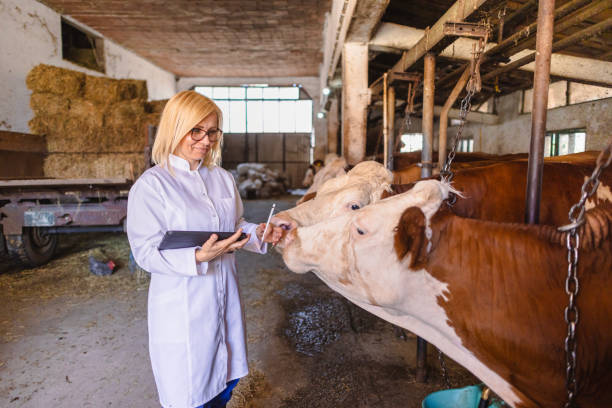
A livestock destruction record is an official document recording the counting and destruction of animals in accordance with the applicable form, procedures, and legal authority.
The record helps confirm important information, including:
- The animals or animal products subject to destruction.
- The number and total weight of animals or products destroyed.
- The name of the animal disease.
- The date, time, and location of destruction.
- The destruction method.
- Disease outbreak control measures carried out.
- The participants and persons responsible for confirmation.
- The results of the destruction process.
This information is important for disease management, verification of losses, and financial support procedures when the production establishment meets the relevant eligibility requirements.
What Is the Legal Significance of a Livestock Destruction Record?
A destruction record prepared using the correct form, by the authorized body, and properly confirmed in accordance with regulations serves as an official record of the destruction carried out.
Under Decree No. 116/2025/ND-CP, the commune-level People’s Committee prepares Form No. 1a when destroying terrestrial animals or animal products in cases covered by the Decree.
The document helps the competent authorities verify the animals or products involved, the number destroyed, and the recorded losses when considering financial support.
However, having a livestock destruction record does not automatically entitle a farm to financial support.
Eligibility also depends on the disease, the animals or products involved, the supporting documentation, and the assessment procedures required by law.
Who Is Responsible for Preparing the Destruction Record?
Under Point a, Clause 1, Article 9 of Decree No. 116/2025/ND-CP, when animals or animal products are destroyed in cases covered by the Decree, the commune-level People’s Committee where the production establishment is located prepares the destruction record using the relevant form.
The livestock owner or representative of the production establishment is responsible for cooperating, providing information, and confirming the record as required.
Therefore, farmers should not prepare their own destruction record and assume that it can replace the official record prepared by the commune-level People’s Committee for this procedure.
2. What Information Must a Livestock Destruction Record Contain?
Form No. 1a records information about when the record is prepared, the participants, the counting results, the destruction process, and the required signatures.
To prepare complete information, farmers should review the following sections.
Information About the Issuing Authority and Time of Preparation
The beginning of Form No. 1a includes:
- Name of the commune-level People’s Committee.
- Record number.
- Official national heading and motto.
- Title of the record.
- Hour, minute, day, month, and year when the record is prepared.
- Location where the record is prepared.
The recorded date and time must reflect the actual circumstances.
In particular, the time when documentation begins and the time when destruction is completed are two separate pieces of information on the form.
They should not be combined into a single timestamp if the activities took place at different times.
Participants in the Destruction Process
Form No. 1a identifies several groups of participants.
Representatives of the Commune-Level People’s Committee
Record the full names and positions of the participating representatives as required by the form.
Representative of the Production Establishment
Record the full name and address of the representative of the establishment whose animals or animal products must be destroyed.
Other Participants
Record the information of other participants according to the actual situation and the assignments made by the competent authority.
Names, positions, and roles should be checked carefully to avoid missing or inaccurate information when the record is signed.
Animals, Number, and Weight to Be Destroyed
This is one of the most important sections of the destruction record.
Form No. 1a includes fields for identifying each category of animals or products destroyed, the number of animals, and their weight in kilograms.
For example, the following table may be used to help check the inventory information:
| Animals to be destroyed | Number of animals | Weight |
| Market pigs | … head | … kg |
| Sows | … head | … kg |
| Cattle | … head | … kg |
| Goats | … head | … kg |
This is an example inventory table for cross-checking information. It does not replace the official layout of Form No. 1a.
When several livestock groups are destroyed, the establishment should work with the authority preparing the record to compile the information and provide detailed supporting documents when requested.
The number and weight recorded must reflect the actual counting and verification results.
Farmers should not use the herd inventory recorded before the outbreak as the number of animals destroyed unless the figures have been checked and confirmed.
Any discrepancies should be clarified before the record is signed.
Disease Name and Outbreak Control Measures
Form No. 1a includes fields for recording the disease name and the measures taken to handle the outbreak and control the animal disease.
The information must be consistent with the confirmed diagnosis and relevant veterinary records.
If the pathogen or disease has not yet been officially confirmed, farmers should not record a suspected disease as though it were a confirmed diagnosis.
They should cooperate with veterinary personnel and the authority preparing the record to ensure that the information is supported by appropriate professional evidence.
In addition, outbreak control measures must be recorded truthfully. Activities that have not actually taken place should not be added.
Destruction Location and Method
The record must clearly state where the destruction took place.
Depending on the instructions issued by the competent authority, the location may need to be identified by an address, area name, or other suitable location information.
The destruction method must also accurately reflect the procedure actually carried out.
The method selected must comply with professional guidance, disease prevention requirements, and environmental protection regulations.
Farmers should not independently decide to bury, incinerate, or otherwise dispose of affected animals without appropriate guidance.
Materials, Personnel, and Implementation Process
An important feature of Form No. 1a is that it includes information about how the destruction was organized, including:
- Materials and supplies used.
- Personnel involved.
- Steps carried out during the process.
This section explains how the destruction activities were organized.
The information should be clear and accurate, particularly when several parties participated in the operation.
Completion Time and Responsibility for Securing the Destruction Site
Form No. 1a includes fields for recording when the destruction was completed and assigning responsibility for ensuring the safety of the disposal pit, identifying problems, and reporting any issues arising after destruction.
This information is important because the record should not focus only on the number of animals destroyed while overlooking responsibility for managing the site afterward.
The completion time and specific responsibilities must be recorded according to the form, the destruction plan, and instructions from the competent authority.
Required Signatures
Under Form No. 1a, the final section includes confirmation and signature fields for:
- Representative of the production establishment.
- Representative of the commune-level People’s Committee.
- Representatives of other participating parties.
The record is prepared in two copies with identical content and equal legal validity. The representative of the commune-level People’s Committee and the representative of the production establishment each retain one copy.
Before signing, all parties should carefully review the counting results, implementation details, and destruction outcomes.
3. How to Prepare Information for a Livestock Destruction Record
For livestock owners and farm representatives, preparing complete and accurate information can help make the counting and documentation process more efficient.
Prepare Livestock Establishment Information
Farmers should be ready to provide:
- Full name of the livestock owner or establishment representative.
- Address of the livestock production site.
- Contact information.
- Establishment identification information, if available.
- Relevant farming records when requested.
The address must correspond to the actual location where the animals subject to destruction are kept.
If the establishment operates several livestock housing areas, it should clearly identify the location associated with the specific destruction operation.
Prepare Herd Information and Inventory Results
The establishment should provide available information about:
- Livestock species.
- Number of animals in each group.
- Weight recorded during counting.
- Animals showing signs of disease.
- Animals that died before the destruction process, if any.
- Date when the disease was first detected.
- Disease control measures previously carried out.
However, farmers must distinguish between information recorded internally by the farm and the official counting results verified by the competent authority.
If the figures differ, the parties should compare the records and clarify the reasons for the discrepancies.
Prepare Documents Related to the Disease Outbreak
Depending on the case, documents that may help support verification include:
- Laboratory test results.
- Disease outbreak notifications or related documents.
- Instructions or official documents ordering disease control or destruction, if available.
- Inspection records from the veterinary authority.
- Disease monitoring and herd health records.
Not all these documents are mandatory components of Form No. 1a.
The documents required must be determined according to the applicable procedure and instructions from the competent authority.
4. Procedures for Managing Diseased Livestock and Preparing a Destruction Record
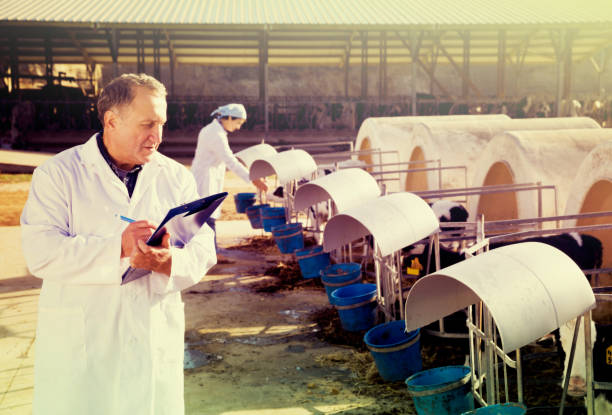
When livestock are suspected of having a dangerous infectious disease, the farm should prioritize reporting the situation, cooperating with the relevant authorities, and limiting the risk of transmission.
Step 1: Report the Suspected Disease Outbreak
When livestock show signs of a suspected dangerous disease or die unexpectedly, farmers should promptly notify the veterinary authority or commune-level People’s Committee to receive instructions.
The initial information provided should include:
- Livestock species.
- Number of animals suspected of being infected.
- Clinical signs observed.
- Time when the signs were detected.
- Number of deaths, if any.
- Farm location.
- Relevant epidemiological factors.
Do not transport, sell, or dispose of animals suspected of infection in ways that violate disease prevention and control requirements.
Step 2: Identify Animals Subject to Mandatory Destruction
The competent authority will assess the disease situation and determine the appropriate measures in accordance with regulations.
Not every animal diagnosed with a disease must be destroyed.
The decision depends on the disease involved, the outbreak situation, and relevant veterinary regulations.
Livestock owners should cooperate with veterinary authorities during inspection, verification, and implementation of the prescribed measures.
Step 3: Count the Number and Weight of Animals
Once there is a basis for carrying out destruction, the relevant parties conduct the counting and verification process according to the applicable procedures.
The information to be recorded includes:
- Each category of animal or product subject to destruction.
- Number of animals.
- Weight in kilograms.
- Additional information needed for verification.
The recorded figures must be checked against the actual results and remain consistent across related documents.
This is an important step because the number and weight of animals destroyed may be used when assessing financial support for losses under the applicable policy.
Step 4: Carry Out Destruction According to the Approved Instructions
Destruction must follow procedures appropriate for the disease involved and the instructions issued by the competent authority.
During the operation, particular attention should be paid to:
- Ensuring the safety of participants.
- Limiting the spread of pathogens.
- Controlling vehicles, tools, and equipment involved.
- Following the instructed destruction method.
- Protecting the environment and surrounding areas.
Farmers should not independently choose a destruction method based only on previous experience without first determining the relevant technical and legal requirements.
Step 5: Complete the Record and Obtain the Required Signatures
The record must be completed at the appropriate stages of the procedure and accurately reflect the counting results and destruction activities.
Before signing, the parties should verify:
- Establishment name and address.
- Each animal or product category subject to destruction.
- Number and weight.
- Disease name.
- Destruction location and method.
- Completion time.
- Participants and related responsibilities.
The record must be confirmed by the responsible persons identified in the applicable form.
If errors are found, they should be clarified and addressed according to the instructions of the authority preparing the record.
Step 6: Clean, Disinfect, and Monitor the Area After Destruction
Disease control activities must continue after the animals have been destroyed.
Depending on the outbreak situation, the following activities may be required:
- Cleaning and disinfecting livestock housing.
- Handling or treating related tools and vehicles.
- Controlling movement and transportation.
- Monitoring the remaining animals.
- Monitoring the destruction site.
- Reporting any problems that arise after destruction.
These measures must be carried out according to instructions from the competent veterinary authority.
5. What Is the Difference Between a Destruction Record and an Application for Financial Support?
This is an important distinction for livestock owners.
A destruction record documents the destruction of animals or animal products in accordance with the applicable procedures.
An application for financial support, on the other hand, is submitted by a production establishment to request that the competent authority consider providing financial support under the relevant policy.
Under Article 9 of Decree No. 116/2025/ND-CP, for procedures concerning financial support to production establishments affected by terrestrial animal diseases:
- The commune-level People’s Committee prepares the destruction record using Form No. 1a.
- The production establishment submits an application for financial support using Form No. 2a.
- Financial support is considered according to the eligibility requirements and procedures established by law.
Therefore, farmers should not assume that they can prepare their own destruction record, submit it, and automatically receive financial support.
Deadline for Submitting an Application for Financial Support
Under Point b, Clause 1, Article 9 of Decree No. 116/2025/ND-CP, within 30 days from the date on which the destruction of animals or animal products at the outbreak site is completed, the production establishment must submit one application dossier for financial support to the commune-level People’s Committee.
The permitted submission methods include:
- In-person submission.
- Online submission.
- Submission through postal services.
For applications submitted in person or by post, original documents must be provided as required by the regulations.
Farmers should contact the commune-level People’s Committee to confirm the accepted submission methods, applicable forms, and local implementation instructions.
What Documents Are Required for the Financial Support Application?
For the procedure specified in Clause 1, Article 9 of Decree No. 116/2025/ND-CP, the document submitted by the production establishment is the Application for Financial Support using Form No. 2a for terrestrial animals.
The destruction record under Form No. 1a is prepared by the commune-level People’s Committee during the destruction process. It is not a document that farmers independently prepare to replace the required application procedure.
The establishment should retain its copy of the destruction record and other relevant documents for reference and clarification when necessary.
Does Having a Destruction Record Guarantee Financial Support?
No.
Under Decree No. 116/2025/ND-CP, financial support is available to production establishments that meet the specified eligibility requirements.
These conditions relate to animals or animal products subject to mandatory destruction because of diseases covered by the policy, as well as the applicable outbreak circumstances and the evidence used to determine the disease.
Therefore, not every case of livestock death or destruction automatically qualifies for financial support.
The competent authority will assess eligibility and carry out the required appraisal and approval procedures.
Financial Support Rates for Destroyed Livestock
Under Clause 1, Article 6 of Decree No. 116/2025/ND-CP, the financial support rates for certain terrestrial animals are specified as follows:
| Livestock species | Prescribed financial support rate |
| Buffaloes, cattle, horses, and goats | VND 50,000/kg of live weight |
| Sheep and spotted deer | VND 55,000/kg of live weight |
| Pigs | VND 40,000/kg of live weight |
These are the financial support rates specified in the Decree, not compensation for the full amount of the livestock owner’s actual losses.
Whether an establishment receives financial support and the final amount approved depend on eligibility, verified weight, and the decision of the competent authority.
6. Common Mistakes When Preparing a Livestock Destruction Record
Errors in a destruction record can make it more difficult to verify information, assess losses, and complete related administrative procedures.
Farmers should pay attention to the following common mistakes.
Incorrect or Inconsistent Animal Numbers and Weights
This problem may occur when many animals are destroyed or when the operation involves several animal groups.
For example, the number of animals in the inventory table may differ from the official destruction record, or the recorded weight may be inconsistent across documents.
Before signing, check:
- Number of animals in each group.
- Units of measurement.
- Verified weight.
- Information in the inventory documents.
- Figures used in the financial support application.
Any discrepancies should be clarified with the authority preparing the record.
Recording a Disease Name Without Proper Evidence
In some cases, animals may show signs of a suspected disease before an official diagnosis has been confirmed.
Recording a suspected disease as though it were already confirmed may result in inaccurate documentation.
The disease name must be supported by relevant veterinary findings and instructions from the competent authority.
Missing Information About the Destruction Location or Method
Form No. 1a requires information about both the location and method of destruction.
If these details are recorded too generally, without clearly identifying where or how the destruction took place, later verification may become difficult.
The information should be completed according to the official form and the procedures actually carried out.
Missing Participant Information or Signatures
If a destruction record does not contain the signatures required by the form, it may need to be supplemented or corrected according to instructions.
Before the record is finalized, the parties should check that the list of participants is consistent with the persons responsible for signing and confirming the document.
Erasing or Changing a Signed Destruction Record Without Authorization
If an error is discovered after the record has been signed, the livestock owner should not independently erase information or change the figures.
Instead, the authority that prepared the record should be contacted for guidance on the appropriate correction procedure.
Unauthorized changes to animal numbers, weights, or other important information may make verification more difficult and create problems when processing the related documents.
Confusing Form No. 1a with Form No. 2a
Form No. 1a is the Record of Destruction of Terrestrial Animals/Animal Products.
Form No. 2a is the Application for Financial Support for Losses Caused by Terrestrial Animal Diseases.
The two forms have different purposes, are used at different stages, and involve different responsible parties.
Farmers should determine whether they are documenting the destruction process or applying for financial support before selecting the appropriate form.
7. Checklist for Reviewing the Destruction Record and Related Documents
Before signing and completing the relevant procedures, farmers can review the following checklist:
- The correct form has been used for the destruction case.
- Information about the commune-level People’s Committee and the record number is complete.
- The date, time, and location where the record was prepared are accurate.
- Information about the livestock establishment representative is correct.
- All participants have been properly recorded.
- The animals or products subject to destruction have been clearly identified.
- The animal numbers and weights have been counted, checked, and confirmed.
- The disease name has been recorded based on appropriate evidence.
- Outbreak control measures have been documented.
- The destruction location and method have been clearly stated.
- Information about materials, personnel, and implementation activities is complete.
- The time when destruction was completed has been confirmed.
- Responsibility for monitoring and securing the destruction site has been recorded as required by the form.
- All required parties have signed the record.
- The livestock establishment has received and retained its copy.
- If applying for financial support, the establishment has checked Form No. 2a and the relevant submission deadline.
This checklist helps farmers verify information before completing the required documentation and reduces the likelihood of having to provide additional explanations or correct avoidable errors.
Frequently Asked Questions About Livestock Destruction Records for Disease Outbreaks
Which Livestock Destruction Record Form Is Currently Applicable?
For cases covered by Decree No. 116/2025/ND-CP, the applicable form is Form No. 1a – Record of Destruction of Terrestrial Animals/Animal Products.
Farmers can find the form in the appendix to the Decree published on the Government of Vietnam’s official information portal.
Who Prepares the Livestock Destruction Record?
Under Clause 1, Article 9 of Decree No. 116/2025/ND-CP, the commune-level People’s Committee where the production establishment is located prepares the destruction record using Form No. 1a for cases covered by the Decree.
The livestock establishment owner cooperates in providing information and signs the record as required.
Can Farmers Prepare Their Own Destruction Record to Apply for Financial Support?
Farmers should not prepare a separate document to replace the official record that the commune-level People’s Committee is responsible for preparing under the prescribed procedure.
They must cooperate with the competent authority during the counting and destruction process.
If eligible to request financial support, the establishment must complete the procedure using Form No. 2a.
Should the Destruction Record Be Prepared Before or After the Animals Are Destroyed?
Form No. 1a records the counting process, the organization of destruction, and the time when destruction is completed.
Therefore, the record must be prepared according to the sequence required by the form and applicable procedures, accurately reflecting the activities carried out.
The parties should not sign to confirm destruction results before the relevant activities have taken place.
Who Must Sign the Destruction Record?
Under Form No. 1a, the confirmation section includes signatures from the representative of the production establishment, the representative of the commune-level People’s Committee, and other participating parties.
The specific signatories must comply with the form and instructions issued by the competent authority.
How Many Copies of the Livestock Destruction Record Are Required?
Under Form No. 1a, the record is prepared in two copies with identical content and equal legal validity.
The representative of the commune-level People’s Committee and the representative of the production establishment each retain one copy.
Can Several Types of Livestock Be Included in One Destruction Record?
Form No. 1a includes fields for recording different categories of animals or products subject to destruction.
However, when large numbers of animals, multiple groups, or several destruction operations are involved, the record must be prepared according to instructions from the competent authority.
If necessary, the establishment can help prepare a detailed inventory list for verification.
What If Livestock Are Destroyed in Several Separate Operations?
Different destruction operations may take place at different times or locations and involve different numbers of animals.
Farmers should consult the commune-level People’s Committee to determine how each operation should be documented under the applicable procedures.
Figures from separate destruction operations should not be combined without confirmation from the authority responsible for preparing the records.
Does Having a Destruction Record Mean the Farm Will Receive Financial Support?
Not necessarily.
The establishment must meet the eligibility requirements under Decree No. 116/2025/ND-CP, and the competent authority must review and assess the application.
The destruction record documents the destruction process. It is not a decision approving financial support.
How Long After Livestock Destruction Must the Financial Support Application Be Submitted?
Under Point b, Clause 1, Article 9 of Decree No. 116/2025/ND-CP, for cases covered by the procedure, the production establishment must submit its application within 30 days from the date on which the destruction of animals or animal products at the outbreak site is completed.
The application must be submitted to the commune-level People’s Committee through one of the permitted methods.
Can Farmers Correct Errors in a Signed Destruction Record Themselves?
Farmers should not independently erase or change information in a signed destruction record.
If an error is identified, they should contact the authority that prepared the document for instructions on making corrections or taking other appropriate action in accordance with regulations.
Where Should the Application for Financial Support Be Submitted?
For the financial support procedure under Clause 1, Article 9 of Decree No. 116/2025/ND-CP, the production establishment submits the application to the commune-level People’s Committee where it is located.
Submission may be made in person, online, or through postal services as permitted by regulations.
Before submitting, farmers should contact the commune-level People’s Committee to confirm the accepted methods and current local instructions.
Strengthen Disease Management and Biosecurity with VIETSTOCK
Preparing livestock destruction records in accordance with regulations not only helps document how diseased animals are handled but also supports verification, record keeping, and related administrative procedures. However, to reduce losses caused by disease outbreaks, livestock establishments need proactive management procedures covering herd health monitoring, early detection of abnormal signs, outbreak response, and environmental hygiene after destruction.
Alongside staying updated on current regulations and cooperating with the competent veterinary authorities, farmers and businesses can explore solutions that support animal disease management, including:
- Disease surveillance and early warning systems: Explore technologies for monitoring herd and flock health, recording symptoms, and managing epidemiological information to support the early detection of abnormal signs.
- Digital veterinary records and farm management: Use software to store laboratory test results, disease control records, herd inventory information, and other relevant documents, making information easier to retrieve and verify.
- Infectious disease diagnostic technologies: Discover testing equipment, sampling supplies, and diagnostic methods that help identify pathogens and support disease assessment and control according to professional guidance.
- Cleaning, disinfection, and biosecurity: Explore equipment, approved disinfectants, and contamination control solutions that support cleaning livestock housing and surrounding areas after an outbreak has been addressed.
- Training and standardized outbreak response procedures: Improve knowledge of disease reporting, cooperation with authorities, livestock counting, documentation, and implementation of disease prevention and control measures in accordance with regulations.
Effective disease management requires cooperation among farmers, veterinarians, regulatory authorities, and technical solution providers. These connections not only strengthen disease prevention capabilities but also contribute to more transparent, safer livestock production that is better prepared for epidemiological risks.
In this context, VIETSTOCK 2026, held from October 21–23, 2026, at the Saigon Exhibition and Convention Center (SECC), Ho Chi Minh City, helped strengthen connections across the livestock value chain. With 248 participating brands and 13,414 trade visitors from 52 countries, the exhibition offered opportunities to exchange knowledge, explore technologies, and promote cooperation among businesses, experts, industry associations, and regulatory authorities.
For disease control, the value of these connections lies in sharing practical experience, exploring animal health monitoring solutions, and raising awareness of biosecurity. These are important long-term factors in preventing disease outbreaks and minimizing losses in livestock production.
Building on the professional activities of 2026, VIETSTOCK 2027 will take place from October 20–22, 2027, at the Saigon Exhibition and Convention Center (SECC), Ho Chi Minh City, continuing to provide opportunities for the livestock and veterinary communities to stay updated on industry knowledge, explore technologies, and expand professional partnerships.
Event website: VIETSTOCK
👉 Explore How VIETSTOCK 2026 Connected Businesses, Experts, and Regulatory Authorities
Contact information:
- Exhibiting: Ms. Sophie Nguyen – [email protected]
- Group Delegation Support: Ms. Phuong – [email protected]
- Marcom Support: Ms. Anita Pham – [email protected]