Bromhexine in Veterinary Medicine: Respiratory Support and Key Considerations for Use
Bromhexine is a mucolytic and mucus-regulating agent used in veterinary medicine to support respiratory secretion clearance. Learn when it may be useful, how it is used across animal species, routes of administration, drug-combination considerations, and withdrawal-time management.
Bromhexine is a mucolytic and mucus-regulating agent used in veterinary medicine to reduce the viscosity of respiratory secretions and support the movement of mucus out of the airways.
However, not every animal that coughs, wheezes, or develops respiratory disease necessarily requires bromhexine. Its role is more relevant when thick mucus, excessive secretions, or poor mucus clearance are interfering with airway clearance and making it difficult for the animal to expel respiratory secretions.
Bromhexine is also not a treatment for the underlying cause of disease. It does not have antibacterial or antiviral activity and does not eliminate Mycoplasma. In respiratory diseases associated with bacteria, viruses, or Mycoplasma, bromhexine therefore plays a supportive role alongside diagnosis and management of the underlying cause.
Its practical effectiveness also depends on several factors, including:
- Animal species.
- Product formulation.
- Route of administration.
- Amount and characteristics of respiratory secretions.
- Ability to cough and clear mucus.
- Actual water or feed intake.
- Ventilation and air quality in the housing environment.
- Whether the underlying cause of disease is being addressed.
The more appropriate question is therefore not simply:
“Should bromhexine be used when chickens cough or pigs wheeze?”
but rather:
Is mucus actually a major factor contributing to the animal’s respiratory difficulty?
At a glance: when may bromhexine be useful?
| Situation | Appropriate interpretation |
| Thick mucus, increased secretions, or poor mucus clearance | Bromhexine may be considered as supportive treatment when the product and species are appropriate |
| Dry cough with little respiratory secretion | A mucolytic should not automatically be assumed necessary |
| Bacterial respiratory disease | Bromhexine does not replace antibiotics where antimicrobial treatment is genuinely indicated |
| Viral disease or Mycoplasma infection | Bromhexine does not act directly against the causative organism |
| Administration through drinking water or feed | Actual intake must be monitored because sick animals may receive less medicine than expected |
| No improvement after treatment | The underlying cause, environment, and treatment plan should be reassessed rather than simply extending bromhexine use |
| Meat-, milk-, or egg-producing animals | Withdrawal time and authorised scope of use must be checked for the exact product |
1. Does every coughing animal need bromhexine?
No.
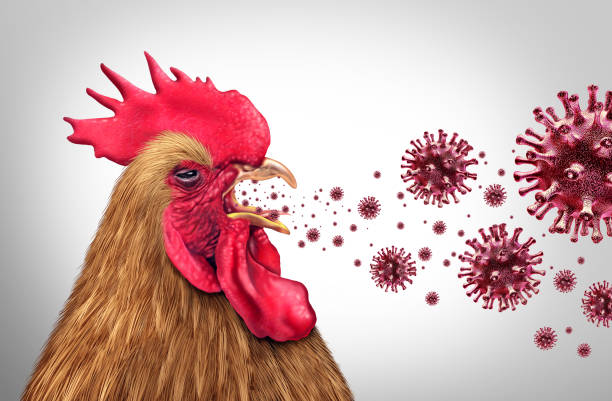
Coughing is a protective respiratory reflex and may occur for many different reasons.
Animals may cough because of:
- Respiratory secretions.
- Airway inflammation.
- Dust.
- Ammonia.
- Viruses.
- Bacteria.
- Mycoplasma.
- Foreign material.
- Mechanical irritation.
- Temperature changes.
- Multiple interacting causes.
Bromhexine is more relevant when mucus is a significant part of the problem.
Signs that may lead a veterinarian to consider supportive mucus-regulating treatment include:
- Thick nasal discharge.
- Increased respiratory secretions.
- Wheezing associated with substantial secretions.
- Mucus accumulation in the trachea or bronchi.
- Difficulty clearing respiratory secretions.
- Coughing associated with mucus rather than a purely dry cough.
In contrast, when an animal mainly has a dry cough without clear evidence of increased or retained mucus, the need for bromhexine should be reassessed.
Bromhexine should not be selected solely from the disease name
Terms such as:
- “Pneumonia”.
- “CRD”.
- “PRDC”.
- “Bronchitis”.
do not automatically constitute an indication for bromhexine.
For example, PRDC – Porcine Respiratory Disease Complex is a multifactorial syndrome in pigs that may involve:
- Viruses.
- Bacteria.
- Mycoplasma.
- Stress.
- Stocking density.
- Ventilation.
- Housing conditions.
Bromhexine only supports secretion management when mucus is genuinely contributing to the respiratory problem.
It does not address the entire PRDC complex.
2. What does bromhexine actually do to respiratory secretions?
Bromhexine is a synthetic compound developed from vasicine, an alkaloid found in Adhatoda vasica.
In veterinary medicines, the active ingredient commonly appears as bromhexine hydrochloride.
Depending on the product, bromhexine may differ in:
- Strength.
- Target species.
- Indication.
- Route of administration.
- Dosage form.
- Withdrawal time.
Reducing mucus viscosity
Bromhexine is described as a mucolytic and mucoregulating agent, meaning that it modifies the characteristics of mucus.
When respiratory secretions become less viscous and less sticky:
- Mucus may move more easily through the airways.
- Clearance of secretions may improve.
- Mucus retention may decrease.
- Airway patency may improve.
Supporting mucociliary clearance
The respiratory tract has a natural defence mechanism known as mucociliary clearance.
This system helps to:
- Trap dust and particles.
- Retain some pathogens within the mucus layer.
- Move secretions along the respiratory tract.
- Support removal of mucus from the airways.
Bromhexine may support this process by making respiratory secretions easier to transport.
However, effectiveness also depends on the animal’s ability to cough and on overall airway function.
Is bromhexine an expectorant or a mucolytic?
The two terms are related but are not identical.
Mucolytic
Primarily refers to reducing mucus viscosity or altering mucus characteristics.
Expectorant
Refers more broadly to helping respiratory secretions move out of the airways.
Bromhexine has mucoregulating and mucolytic properties and can support the clearance of respiratory secretions.
A more appropriate description is therefore:
A mucus-regulating agent that supports mucus thinning and clearance from the respiratory tract.
It should not be regarded simply as a “cough suppressant.”
3. When does bromhexine provide support without treating the underlying cause?

This distinction is essential when using bromhexine.
The medicine does not directly eliminate:
- Bacteria.
- Viruses.
- Mycoplasma.
Bromhexine therefore does not replace treatment of the underlying disease.
When bacterial infection is involved
If a veterinarian determines, or has reasonable grounds to suspect, that a respiratory disease involves susceptible bacteria, antibiotics should only be used when:
- There is an appropriate indication.
- The pathogen is expected to remain susceptible.
- The product is authorised for the relevant species.
- The route of administration is appropriate.
Bromhexine may be used as supportive treatment when thick or excessive mucus is contributing to respiratory difficulty.
However, bromhexine does not replace antimicrobial treatment where a bacterial infection genuinely requires it.
Conversely, adding bromhexine is also not a reason to automatically add an antibiotic when there is no appropriate antimicrobial indication.
When viral disease is involved
In viral respiratory diseases, bromhexine has no direct antiviral effect.
Its possible role is limited to:
- Modifying respiratory secretions.
- Supporting mucus clearance.
- Helping maintain airway patency.
Overall treatment still depends on the specific disease and appropriate supportive care.
When Mycoplasma is involved
Bromhexine does not eliminate Mycoplasma.
For example, if a poultry respiratory problem is associated with Mycoplasma gallisepticum, bromhexine may only support secretion management.
Disease control may also require attention to:
- Biosecurity.
- Breeding stock sources.
- Vaccination where appropriate.
- Flock management.
- Disease surveillance.
- Environmental conditions.
Bromhexine is not an anti-inflammatory medicine
It does not directly replace:
- NSAIDs.
- Corticosteroids.
- Other measures used to manage inflammation.
In some respiratory diseases, a veterinarian may consider anti-inflammatory treatment for:
- Fever.
- Pain.
- Oedema.
- Inflammatory responses.
Whether an NSAID, corticosteroid, or no anti-inflammatory medicine is appropriate should be determined separately according to the clinical condition.
4. Pigs, poultry, and cattle: when may mucus-clearance support be useful?
The suitability of bromhexine depends on the specific product, not merely the active ingredient.
In pigs
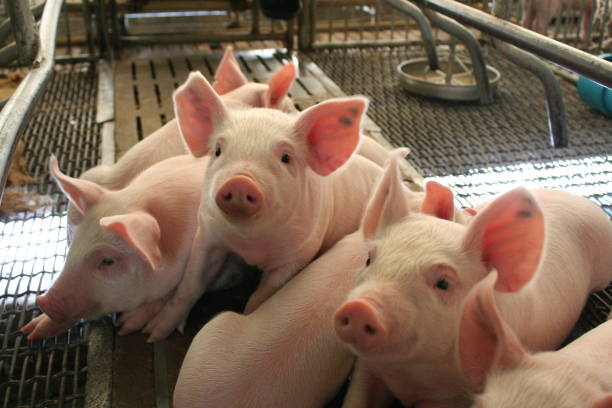
Certain bromhexine products may be authorised as supportive treatment for respiratory conditions involving increased mucus production.
Bromhexine may be considered when pigs show:
- Thick nasal discharge.
- Coughing with substantial secretions.
- Mucus accumulation.
- Wheezing.
- Respiratory mucosal congestion.
However, other factors should also be considered, including:
- Cause of disease.
- Degree of inflammation.
- Stocking density.
- Ventilation.
- Temperature.
- Stress.
- Co-infections.
Where pigs are affected by PRDC, bromhexine addresses only the secretion-related component of the problem.
In poultry
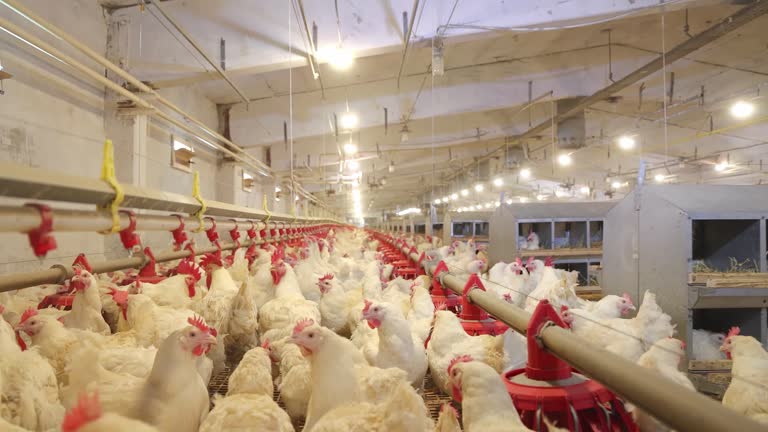
Certain bromhexine products may be used as supportive treatment in chickens, ducks, or other poultry groups where the product is appropriately authorised.
Possible situations may include:
- Wheezing.
- Nasal discharge.
- Respiratory mucus.
- Increased secretions.
- Difficulty clearing mucus.
However, the housing environment should be assessed at the same time.
Particular attention should be paid to:
- Ammonia.
- Dust.
- Stocking density.
- Ventilation.
- Temperature.
- Humidity.
If ammonia levels are high, dust is excessive, or ventilation is poor, mucolytic treatment alone will not resolve the continuing airway irritation.
In cattle and buffalo
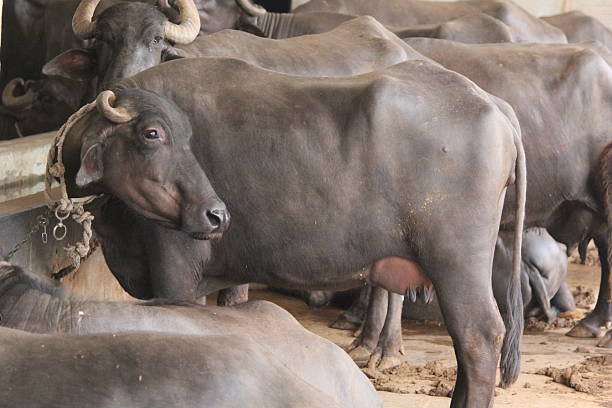
Certain bromhexine products may be authorised for cattle and used as supportive treatment where respiratory secretions contribute to disease severity.
Before use, check:
- Beef or dairy production status.
- Species or production group listed on the label.
- Route of administration.
- Indication.
- Withdrawal time.
- Restrictions relating to milk for human consumption.
A product authorised for cattle should not automatically be assumed appropriate for:
- Goats.
- Sheep.
- Other ruminants.
In dogs, cats, or other species
Certain products may be authorised for dogs or cats.
Dose, formulation, and treatment duration intended for livestock or poultry should not be transferred to companion animals.
5. Drinking water, feed, or injection: the route of administration affects actual medicine intake
Bromhexine may be available in several formulations depending on the product.
There is no single “best” route that applies to every case.
Administration through drinking water
This may be a practical option for pig or poultry groups where the product is authorised for this route.
Potential advantages include:
- Convenient administration to large groups.
- No need to handle every animal individually.
- Compatibility with medicated-water systems when properly managed.
However, there is one important limitation:
Preparing the correct concentration does not mean that every animal receives the intended amount of medicine.
Sick animals may:
- Drink less.
- Consume water unevenly.
- Have reduced access to drinkers.
It is therefore important to monitor:
- Actual water consumption.
- Function of the water system.
- Disease severity.
- Drinking ability of severely affected animals.
The concentration should not be increased independently to “compensate” for reduced water intake.
Product instructions regarding the following should also be followed:
- Mixing concentration.
- Solubility.
- Water quality.
- How long the prepared solution may be used.
Administration through feed
Certain products may be authorised for in-feed use.
Ensure that:
- The medicine is mixed uniformly.
- Animals continue to consume adequate feed.
- The product is authorised for this route.
If sick animals substantially reduce feed intake, actual medicine intake may fall below expectations.
The route of administration should then be reassessed rather than simply continuing to add medicine to feed.
Injectable formulations
Certain bromhexine products may be available as injectable formulations for specific species and indications.
It should not be assumed that:
“If the disease becomes more severe, switch to injectable bromhexine.”
The route of administration should depend on:
- Product.
- Species.
- Indication.
- Clinical condition.
- Professional assessment.
For injectable products, follow the product instructions regarding:
- Route of injection.
- Injection site.
- Volume.
- Aseptic technique.
- Withdrawal time.
There is no single dose or treatment duration for bromhexine
Dose varies according to:
- Species.
- Body weight.
- Product strength.
- Dosage form.
- Route of administration.
- Indication.
A single dose should not be applied across all products.
Similarly, there is no universal 3–5-day or 3–7-day treatment duration that applies to every bromhexine product.
Treatment duration should be based on:
- Product label.
- Species.
- Indication.
- Animal response.
- Professional guidance.
6. If bromhexine is used but respiratory disease does not improve, what should be checked?
When bromhexine has been used according to directions but the respiratory condition does not improve, treatment should not simply be extended.
At least five groups of possible causes should be reassessed.
Mucus may not be the main problem
If animals:
- Have a dry cough.
- Produce little respiratory secretion.
- Show no clear evidence of mucus accumulation.
a mucolytic may provide limited benefit.
Other causes of coughing or respiratory difficulty should then be investigated.
The underlying cause may not be controlled
For example:
- A bacterial infection has not been appropriately treated.
- Viral disease continues to progress.
- Mycoplasma remains uncontrolled.
- Co-infection is present.
Bromhexine cannot replace treatment of the causative disease.
Animals may not be receiving enough medicine
This is particularly relevant when the product is administered through drinking water or feed.
Severely affected animals are often also those that:
- Eat less.
- Drink less.
The animals most in need of supportive care may therefore receive less medicine than expected.
The environment may continue to irritate the respiratory tract
If housing conditions still involve:
- High ammonia levels.
- Dust.
- Poor ventilation.
- Inappropriate temperature.
- High humidity.
- Excessive stocking density.
the respiratory tract may continue to be irritated despite medication.
The disease may be becoming more severe
If there is:
- Rapidly worsening respiratory difficulty.
- Increasing morbidity.
- Increasing mortality.
- Marked reduction in feed intake.
- Progressive weakness.
- Abnormally increased secretions.
the overall clinical condition should be reassessed rather than simply continuing supportive medication.
7. Drug combinations that need to be understood correctly when using bromhexine

Bromhexine and antibiotics
Some data suggest that bromhexine may increase the concentration of certain antibiotics in respiratory secretions or tissues.
However, this should not be interpreted to mean that bromhexine:
- Improves the effectiveness of every antibiotic.
- Overcomes antimicrobial resistance.
- Allows antibiotic doses to be reduced.
- Replaces antimicrobial susceptibility testing.
- Guarantees treatment success.
Any such effect may depend on:
- Specific antibiotic.
- Animal species.
- Formulation.
- Treatment regimen.
- Clinical condition.
Antibiotic doses should therefore not be reduced independently simply because bromhexine is being used.
Bromhexine and cough suppressants
Particular caution is needed when combining a medicine that reduces mucus viscosity with a medicine that strongly suppresses the cough reflex.
The reason is that:
- Bromhexine makes mucus easier to mobilise.
- Coughing helps remove secretions from the airways.
- If the cough reflex is excessively suppressed, mobilised mucus may not be cleared effectively.
This may allow secretions to continue accumulating.
The two groups should therefore not be combined independently without professional guidance.
Bromhexine and anti-inflammatory medicines
Bromhexine is not an anti-inflammatory medicine.
Whether an animal requires:
- An NSAID.
- A corticosteroid.
- No anti-inflammatory treatment.
should be determined separately according to the disease.
Bromhexine and anti-inflammatory medicines should not be treated as components that must always be used together.
8. From supportive medication to respiratory-environment management on farms
For herd or flock respiratory disease, bromhexine is only one small part of overall management.
A more practical sequence may be:
Assess secretions → identify the cause → select the appropriate product → monitor actual medicine intake → assess response → control the environment → manage withdrawal time.
Step 1: Assess respiratory secretions
Before using the medicine, determine:
- Whether secretion production is increased.
- Whether mucus is thick.
- Whether secretions are obstructing the airways.
- Whether the animal can cough and clear mucus effectively.
Step 2: Assess the underlying cause
Consider:
- Viruses.
- Bacteria.
- Mycoplasma.
- Environmental factors.
- Co-infections.
Supportive medication should not delay investigation of the underlying cause.
Step 3: Select the correct product
Check:
- Species.
- Age group.
- Indication.
- Strength.
- Route of administration.
- Contraindications.
- Withdrawal time.
Step 4: Monitor actual medicine intake
If administered through drinking water:
- Monitor water intake.
If administered through feed:
- Monitor feed intake.
If many animals are not receiving an adequate amount, the administration method should be reassessed.
Step 5: Assess treatment response
Monitor:
- Respiratory secretions.
- Coughing.
- Wheezing.
- Respiratory rate.
- Feed intake.
- Morbidity.
- Mortality.
If the condition worsens, the underlying cause should be reassessed.
Step 6: Control the environment
Particular attention should be paid to:
- Ventilation.
- Dust.
- Ammonia.
- Temperature.
- Humidity.
- Stocking density.
- Stress.
Medication should not be used to compensate for an unsuitable housing environment.
Step 7: Manage withdrawal time
Farm records should include:
- Trade name.
- Active ingredient.
- Treatment start date.
- Date of final administration.
- Species or treated group.
- Route of administration.
- Withdrawal time.
- Earliest permitted sale date.
Withdrawal time should not be taken from:
- Another product.
- Another species.
- Another route of administration.
Milk and eggs must be checked separately
Not every bromhexine product is authorised for:
- Dairy animals producing milk for human consumption.
- Poultry producing eggs for human consumption.
If the label does not authorise use in these production groups, a milk or egg withdrawal period should not be independently created to justify off-label use.
Some contraindications must be checked directly on the product
Safety information and contraindications may differ between formulations.
For example, some bromhexine products may state that they should not be used in animals with pulmonary oedema.
A universal contraindication list should therefore not be created for every bromhexine product.
If an animal:
- Develops rapidly worsening respiratory difficulty.
- Cannot effectively clear secretions.
- Is suspected of having severe airway obstruction.
- Has an undiagnosed respiratory condition.
professional assessment is appropriate rather than simply continuing mucolytic treatment.
9. How does bromhexine differ from acetylcysteine, ambroxol, and guaifenesin?
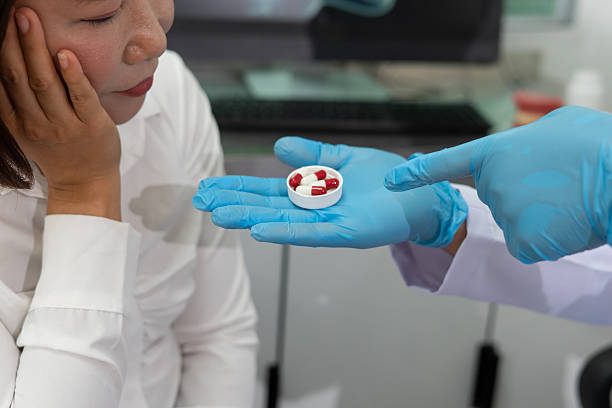
Respiratory-support medicines should not be treated as interchangeable simply because they are all related to mucus or airway clearance.
| Active ingredient/group | Primary role | Key consideration |
| Bromhexine | Mucus regulation/mucolysis and support for secretion clearance | Veterinary products are available for certain species; follow the product label |
| Acetylcysteine | Direct mucolytic action through effects on mucin structure | Uses and routes of administration depend on species and product |
| Ambroxol | A metabolite of bromhexine with mucolytic and secretion-supporting properties | Use only where an appropriate product and indication exist |
| Guaifenesin | Has expectorant properties in human medicine; veterinary use varies by species | In equine veterinary medicine, it is also well known as a muscle relaxant used in anaesthesia and should not be treated as a direct substitute for bromhexine |
Selection should be based on:
- Characteristics of the respiratory secretions.
- Species.
- Ability to clear mucus.
- Underlying disease.
- Route of administration.
- Authorised product.
Potential practical advantages of bromhexine
These may include:
- Availability of veterinary formulations in some markets.
- Certain products can be administered through drinking water, which may be practical for large groups.
- Support where mucus is thick or excessive.
- Potential inclusion in a broader treatment plan where appropriate.
Important limitations
Bromhexine:
- Does not kill bacteria.
- Does not have antiviral activity.
- Does not eliminate Mycoplasma.
- Is not an anti-inflammatory medicine.
- Is not appropriate for every type of cough.
- Does not replace biosecurity.
- Does not replace environmental management.
- Cannot compensate for poor ventilation or high ammonia levels.
10. Frequently asked questions about veterinary bromhexine

Does bromhexine treat pneumonia?
Not directly.
Bromhexine may help:
- Reduce mucus viscosity.
- Improve secretion clearance.
- Support airway patency.
However, the cause of pneumonia still needs to be identified and managed appropriately.
Can bromhexine be used in young animals?
Potentially, if the specific product is authorised for the relevant species and age group.
Body weight alone should not be used to assume that a product is appropriate for a young animal.
In very young or debilitated animals, particular attention should be paid to:
- Ability to cough.
- Ability to clear secretions.
- Severity of respiratory distress.
How long should bromhexine be used?
There is no single treatment duration for all products.
Duration depends on:
- Product.
- Species.
- Route of administration.
- Indication.
If clinical signs do not improve within the expected period, the condition should be reassessed instead of extending bromhexine independently.
Is a withdrawal period required before animals are sold?
If the product specifies a withdrawal time, it must be followed.
The withdrawal period of:
- Another product.
- Another species.
- Another route of administration.
should not be applied.
If the label does not authorise use in animals producing milk or eggs for human consumption, a withdrawal period should not be independently created to justify off-label use.
Broadening the Approach to Respiratory Health at VIETSTOCK 2026
Bromhexine may help reduce mucus viscosity and support the clearance of respiratory secretions, but it does not replace diagnosis or treatment of the underlying cause. At farm level, respiratory-disease control also depends heavily on ventilation, air quality, stocking density, biosecurity, and appropriate preventive measures.
At VIETSTOCK 2026 – Vietnam’s Premier International Feed, Livestock & Meat Industry Show, farmers, veterinarians, and businesses can explore new developments, exchange practical experience, and connect with organisations across the livestock and animal health value chain. The event is expected to bring together more than 300 brands, over 10,000 sqm of exhibition area, and more than 13,000 trade visitors from 40+ countries and territories.
For farms dealing with respiratory-health challenges, participants can explore solutions from several complementary areas, including:
- Veterinary medicine and animal health: exploring products and solutions for disease prevention, supportive treatment, and herd or flock health management.
- Ventilation and climate control: accessing technologies that can improve housing conditions and reduce adverse effects associated with temperature, humidity, and air quality.
- Biosecurity and hygiene: exploring solutions for disease control, farm hygiene, and reducing pathogen transmission.
- Nutrition and feed additives: learning about approaches that support body condition, animal health, and resilience.
- Farm technology: exploring equipment and systems that can improve monitoring, farm operations, and animal care.
Beyond the solutions available across the exhibition area, the One Health Forum is also relevant to the broader perspective of this article. The programme addresses topics related to biosecurity, disease control, animal health, and sustainable livestock development, helping participants consider respiratory disease not only in terms of symptomatic support but also through disease prevention and improvement of the overall production environment.
Date: 21–23 October 2026
Venue: Saigon Exhibition and Convention Center (SECC), 799 Nguyen Van Linh Street, Tan My Ward, Ho Chi Minh City, Vietnam
Event website: https://www.vietstock.org/en/
Register to visit now: https://ers-vn.informa-info.com/vs26
👉 VIETSTOCK 2026 Visitor Registration Information
👉 Learn more about the One Health Forum
Contact information:
Exhibiting: Ms. Sophie Nguyen – [email protected]
Visitor Support: Ms. Phuong – [email protected]
Marcom Support: Ms. Anita Pham – [email protected]