Coccidiosis in Chickens: Signs, Causes, and Prevention Methods
Coccidiosis in chickens is an intestinal parasitic disease caused by Eimeria species. Learn how to recognize common signs, understand transmission and housing risk factors, and improve prevention through litter, moisture, water, hygiene, vaccination and veterinary-guided control programs.
Coccidiosis in chickens is a common parasitic disease in poultry production, especially in chicks, pullets, and flocks raised under damp housing conditions, high stocking density, or poor litter management. The disease is caused by protozoan parasites of the genus Eimeria, which attack the intestinal lining and may cause diarrhea, poor growth, stunting, reduced nutrient absorption, and higher mortality in severe cases.
Understanding the signs, causes, transmission routes, and prevention measures helps farmers detect risks early, reduce pathogen pressure in poultry housing, and work with veterinary professionals to build an appropriate control program.
Professional note: The content below is for general reference only. It does not replace diagnosis, treatment protocols, or guidance on medicine or vaccine use from a veterinarian, product labels, or current regulations. If a flock shows severe diarrhea, bloody droppings, rapid mortality, or signs suggesting another infectious disease, farmers should contact a veterinarian or veterinary officer for examination and handling guidance.
Key Takeaways
- Coccidiosis in chickens is caused by several Eimeria species and is mainly transmitted through the digestive route when chickens ingest sporulated oocysts from feces, litter, drinking water, feed, or contaminated tools.
- Chicks, pullets, and flocks raised in damp housing, high stocking density, or poor hygiene conditions are usually at higher risk.
- Common signs include diarrhea, droppings with blood or mucus, depression, ruffled feathers, reduced feed intake, slow growth, and poor flock uniformity.
- Cecal coccidiosis and intestinal coccidiosis may differ in lesion location, dropping appearance, and impact on weight gain.
- Prevention requires a combination of housing hygiene, litter management, moisture control, stocking-density management, drinking-water and feed hygiene, and an anticoccidial or vaccine program under veterinary guidance.
What Is Coccidiosis in Chickens and Why Should It Be Detected Early?
How Does Eimeria Damage the Intestines?
Coccidiosis in chickens is caused by protozoan parasites of the genus Eimeria. In chickens, several Eimeria species can cause disease. Commonly mentioned species include E. tenella, E. necatrix, E. acervulina, and E. maxima. However, accurate identification of the Eimeria species requires assessment of clinical signs, lesion location, fecal testing, or more specialized techniques when needed.
After chickens ingest sporulated oocysts from the environment, the parasites invade intestinal epithelial cells and multiply in the intestinal tract. This process may damage the intestinal lining, cause bleeding, and reduce the ability to absorb nutrients and water. As a result, chickens may become dehydrated, weakened, show reduced weight gain, and become more vulnerable to other intestinal problems.
Damage to the intestinal lining may also increase the risk of digestive disorders or secondary bacterial infections under certain conditions, such as necrotic enteritis, if the flock has suitable risk factors.
The severity of damage depends on:
- the number of oocysts ingested;
- the Eimeria species involved;
- the age and immune status of the flock;
- housing conditions;
- gut health and nutrition;
- the presence of other disease-causing agents.
Chickens that have not developed immunity to a specific Eimeria species are usually more vulnerable than chickens that have been exposed and developed immunity. Immunity to coccidiosis is often species-specific, meaning that a flock exposed to one Eimeria species may still be susceptible to another.
Prevalence and High-Risk Chicken Groups
Coccidiosis can occur in many poultry production models, from backyard systems to commercial production, especially when hygiene, moisture, and stocking density are not well controlled.
Groups that require close monitoring include:
- chicks and pullets in the first weeks of life;
- chickens after the brooding stage and at the early growing stage;
- chickens raised on damp litter;
- flocks with high stocking density;
- flocks recently moved to a new house or exposed to stress;
- farms with a history of recurrent coccidiosis across multiple production cycles.
Adult chickens may have developed a certain level of immunity after exposure, but they may still carry and shed oocysts, especially when housing conditions favor pathogen survival. Therefore, coccidiosis control should not focus only on visibly sick birds but also on managing the housing environment.
Causes and Transmission Routes of Coccidiosis in Chickens
The Eimeria Life Cycle and Conditions for Infective Oocyst Formation
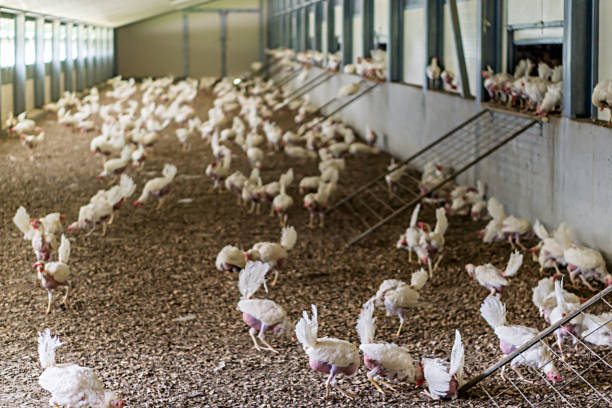
The Eimeria life cycle involves both the chicken’s body and the housing environment. Infected chickens shed unsporulated oocysts in their feces. Under favorable conditions of temperature, moisture, and oxygen, these oocysts may sporulate within a short period and become infective.
Sporulated oocysts are highly resistant in the environment, especially in damp litter. This is why coccidiosis can easily recur across multiple production cycles if housing is not properly cleaned, dried, and managed between flocks.
The key point is that oocysts do not exist only in sick birds. They also accumulate in the housing environment. When oocyst pressure in the house increases, the risk of chickens ingesting oocysts also rises, especially in damp, dirty areas or places where feces accumulate.
Environmental Factors That Trigger Outbreaks: Moisture, Density, and Flooring
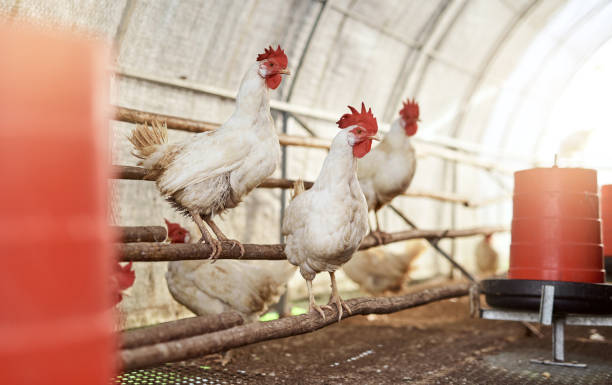
High moisture in poultry housing is an important factor that supports oocyst survival and development. Wet litter caused by leaking drinkers, poor ventilation, or excessive stocking density can create favorable conditions for disease outbreaks.
Common risk factors for coccidiosis include:
- damp, caked, or poorly managed litter;
- leaking drinkers that keep litter wet for long periods;
- poor ventilation and moisture buildup inside the house;
- high stocking density, causing feces and litter to become contaminated quickly;
- unstable temperature and humidity in brooding areas;
- poor cleaning between production cycles;
- uncontrolled movement of tools, footwear, or vehicles between poultry areas.
Managing ventilation, controlling drinker leaks, keeping litter dry, and cleaning houses between flocks are direct measures that help reduce oocyst pressure in poultry housing.
Main Transmission Route: Fecal–Oral Transmission Through Environmental Oocysts
Coccidiosis is mainly transmitted through the digestive route when chickens ingest sporulated oocysts from the environment. Oocysts may be present in feces, litter, drinking water, spilled feed, or contaminated poultry tools.
Common infection sources include:
- feces from infected chickens on floors, litter, feeders, or drinkers;
- drinking water contaminated with feces;
- feed spilled onto the litter and contaminated with feces;
- poultry equipment, transport carts, footwear, and clothing carrying oocysts from one area to another;
- wild birds, rodents, and insects that may mechanically carry oocysts between locations.
Because the main source of infection is the poultry housing environment, separating sick chickens is only one part of initial handling. Farmers still need to manage litter, feeders and drinkers, floors, and other areas where oocysts may accumulate.
Signs and Clinical Forms of Coccidiosis in Chickens
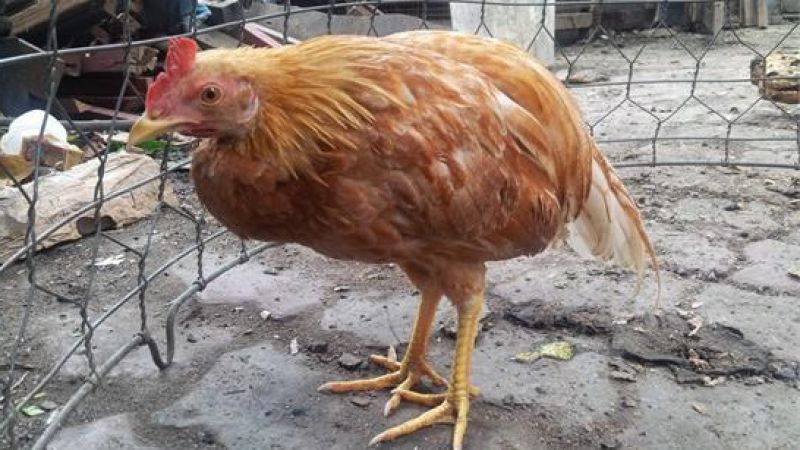
Common Signs That Can Be Observed in the House
Farmers may identify early coccidiosis risk through several visible signs in the poultry house:
- chickens appear depressed, cluster together, and move less;
- ruffled feathers, drooping wings, closed eyes, or dull appearance;
- reduced or no feed intake;
- increased water intake in some cases;
- watery droppings, reddish-brown droppings, droppings with mucus, or bloody droppings;
- weight loss, slow growth, and poor flock uniformity;
- pale combs and wattles in severe cases.
These signs may appear sporadically or in clusters within the flock and may then spread if the housing environment is heavily contaminated. However, diarrhea, bloody droppings, or depressed birds are not specific only to coccidiosis. Farmers should consider bird age, dropping appearance, speed of spread, housing conditions, and consult veterinary professionals when coccidiosis is suspected.
Acute Form: Rapid Progression, Abnormal Droppings, and High Loss Risk
The acute form may be associated with Eimeria species that cause severe lesions, such as E. tenella in the ceca or E. necatrix in the intestine. However, accurate identification of the Eimeria species requires clinical signs, necropsy, lesion location, and testing when needed.
Affected chickens may pass bright red droppings, bloody droppings, or mucus-containing droppings in severe cases. Some birds may quickly become depressed, reduce feed intake, become dehydrated, develop pale combs, and become exhausted. However, bloody droppings are not always caused only by coccidiosis; other intestinal diseases may cause similar signs.
Mortality may increase in young flocks, flocks without stable immunity, or severe cases that are not handled promptly under veterinary guidance. Beyond mortality, coccidiosis may also reduce weight gain, increase feed consumption per unit of gain, and prolong recovery after the disease episode.
Chronic and Subclinical Forms: Stunting, Slow Growth, Reduced Laying Performance, and Persistent Spread
The chronic form often occurs when the flock is exposed to a moderate level of oocysts over time or when the disease does not cause a severe outbreak but still damages the intestinal tract.
In this form, chickens may not die quickly but often show:
- stunting;
- poor weight gain;
- poor flock uniformity;
- rough feathers;
- increased feed consumption;
- unstable droppings;
- reduced nutrient absorption.
In laying hens, chronic coccidiosis or prolonged intestinal disturbance may affect body condition, productivity, and recovery time. Chickens without obvious symptoms may still shed oocysts into the environment, maintaining pathogen pressure in the house and creating risk for later flocks.
Coccidiosis in Chicks and Brooding Chickens: A Stage That Requires Close Monitoring
Why Are Chicks and Pullets More Vulnerable?
Chicks and pullets require close monitoring because their immune systems are not yet stable, while oocysts may gradually accumulate in the housing environment. Outbreak risk often increases when the brooding house is damp, litter is wet, drinkers leak, stocking density is high, or cleaning between flocks is poor.
In many production models, the post-brooding period and the first weeks of growth require special attention because birds have more contact with the environment, while natural immunity is not yet stable enough to reduce the impact of Eimeria.
In brooding chickens, coccidiosis may appear as yellowish-brown watery droppings, droppings with mucus, or bloody droppings in severe cases. Birds often cluster together, move less, show ruffled feathers, eat less, and grow slowly. Unstable brooding temperature or high humidity in the brooding house can make the condition worse.
Birds that survive an episode may show slower weight gain, poorer flock uniformity, and greater vulnerability to secondary diseases if housing conditions are not improved.
Long-Term Effects on Weight Gain, Immunity, and Production Efficiency
Coccidiosis does not only cause damage during the acute disease phase. Even after a flock passes the outbreak, intestinal damage may continue to affect nutrient absorption and feed conversion efficiency.
Common impacts include:
- slower growth for several weeks;
- poor flock uniformity;
- increased feed conversion ratio, or FCR;
- higher feed cost per kilogram of weight gain;
- longer recovery time;
- increased risk of other intestinal diseases if housing conditions are not improved.
For this reason, prevention from the beginning is usually more effective than responding only after disease has clearly broken out in the flock.
Distinguishing Cecal Coccidiosis and Intestinal Coccidiosis in Chickens
| Feature | Cecal coccidiosis | Intestinal coccidiosis |
| Commonly associated agent | Often associated with E. tenella | May be associated with E. acervulina, E. maxima, E. necatrix, or other species depending on lesion location |
| Groups to monitor | Young chickens or flocks without stable immunity | Growing chickens, pullets, or flocks showing reduced weight gain |
| Common dropping appearance | May include bright red droppings, bloody droppings, or mucus in severe cases | Watery, yellowish-brown droppings with mucus; sometimes no obvious blood |
| Lesion location | Mainly in the ceca | Mainly in sections of the small intestine, depending on the Eimeria species |
| Impact level | May progress severely and increase mortality in susceptible flocks | Often has a clear impact on nutrient absorption, weight gain, FCR, and flock uniformity |
| Diagnostic note | Do not rely only on dropping color | Combine clinical signs, necropsy, and testing when needed |
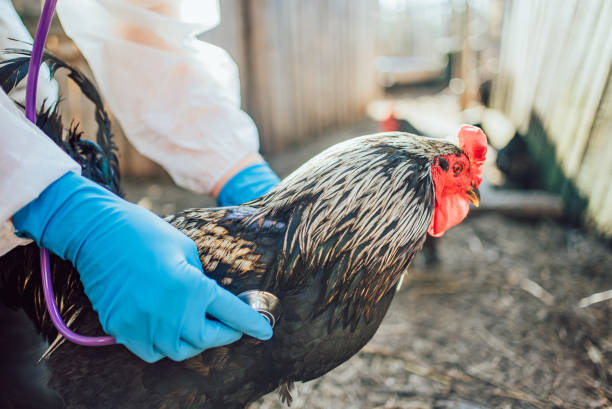
Cecal coccidiosis is often easier to notice when bloody droppings are obvious. Intestinal coccidiosis may be more subtle and easily confused with diarrhea from other causes, but its impact on weight gain and feed efficiency may be prolonged.
In broilers and grower chickens, intestinal coccidiosis may increase FCR and extend the production period, affecting the economic performance of the flock. In laying hens, prolonged coccidiosis may affect body condition, laying rate, and recovery time after the disease episode.
Diarrhea in chickens can have many causes, such as bacterial infection, necrotic enteritis, feed poisoning, sudden diet changes, or other intestinal diseases. Fresh blood or reddish-brown droppings combined with flock-level depression and occurrence in a sensitive age group may suggest coccidiosis, but diagnosis should still be based on clinical signs, necropsy, fecal testing, and veterinary consultation.
Practical Prevention Measures for Coccidiosis in Chickens
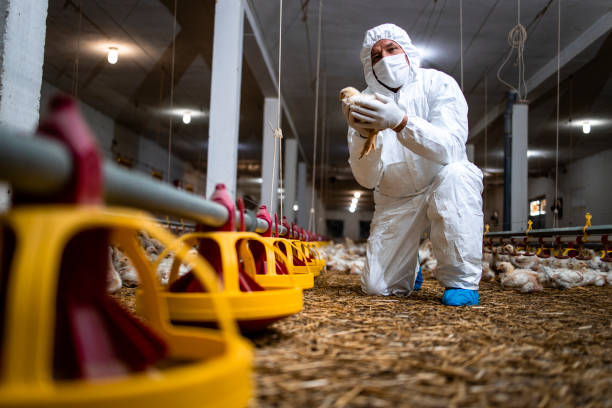
Housing Hygiene, Litter Management, and Reduction of Oocyst Pressure
Cleaning between production cycles is a foundational measure in coccidiosis prevention. A basic procedure includes:
- remove old litter after each flock and avoid reusing used litter;
- clean floors, walls, feeders, and drinkers;
- dry the house as much as possible before introducing the next flock;
- use suitable disinfection products or procedures according to manufacturer recommendations and veterinary guidance;
- keep the house empty and dry for an appropriate period depending on housing conditions, pathogen pressure, and flock placement plan;
- add new, clean, and dry litter before placing chickens.
Eimeria oocysts are highly resistant in the environment, so farms should not rely only on routine chemical disinfection. Mechanical cleaning, drying the floor, moisture control, and litter management throughout the production cycle all need to be combined.
Feeders and drinkers should be cleaned regularly, especially drinkers, because leaking or spilled water is an important cause of damp litter.
Control Moisture, Ventilation, Stocking Density, Drinking-Water Quality, and Feed Quality
Keeping litter dry is one of the most important principles for limiting coccidiosis. When the floor remains damp for long periods, oocysts have better conditions for survival and development.
Practical measures include:
- check and repair leaking drinkers regularly;
- ensure the ventilation system works at sufficient capacity to remove moisture, especially during the rainy season;
- avoid stocking birds above the recommended density for each housing type and chicken breed;
- turn and loosen litter periodically to remove moisture and reduce wet fecal buildup;
- provide clean drinking water from a hygienic source;
- prevent chickens from drinking standing water on the floor;
- store feed in dry conditions and prevent mold;
- limit feed spillage onto damp litter.
Farmers should also observe damp-prone points in the house, such as areas around drinkers, corners, poorly ventilated areas, or places where birds commonly gather. These are often higher-risk locations for oocyst accumulation.
Anticoccidial Drugs and Vaccines: Use Only Under Professional Guidance
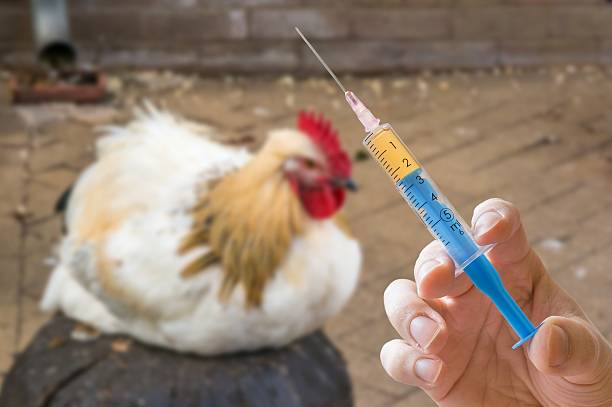
Two approaches are commonly considered in coccidiosis prevention programs: anticoccidial drugs and vaccines. The choice depends on the production model, farm disease history, chicken type, production duration, cost, market requirements, and advice from a veterinarian or veterinary officer.
Anticoccidial Drugs
Anticoccidial drugs may be used in prevention programs according to the product label, manufacturer instructions, and the indication of a veterinarian or veterinary officer. Administration through feed or drinking water depends on each product that is approved for use.
Use should follow:
- the correct product;
- the correct target animals;
- the correct dosage;
- the correct treatment or administration period;
- the correct withdrawal period before slaughter, if required by the product;
- current veterinary medicine regulations.
Repeated use of the same active ingredient across many production cycles may increase the risk of reduced effectiveness or drug resistance. Rotation of active ingredients or adjustment of the prevention program should be developed under professional guidance and should not be done arbitrarily.
Coccidiosis Vaccines for Chickens
Some coccidiosis vaccines use Eimeria oocysts according to the design of each product to stimulate flock immunity. Vaccines may be suitable for certain models, such as breeder chickens, laying hens, or longer-cycle birds, depending on disease prevention objectives, cost, farm disease history, and professional recommendations.
Vaccine schedule, dosage, route of administration, storage conditions, and application method must follow manufacturer instructions and guidance from the veterinarian responsible for the flock.
Anticoccidial drugs and vaccines should not be combined arbitrarily without professional guidance, because some drug programs may affect immunity development after vaccination.
Quick Response Procedure When Coccidiosis Is Suspected in a Flock
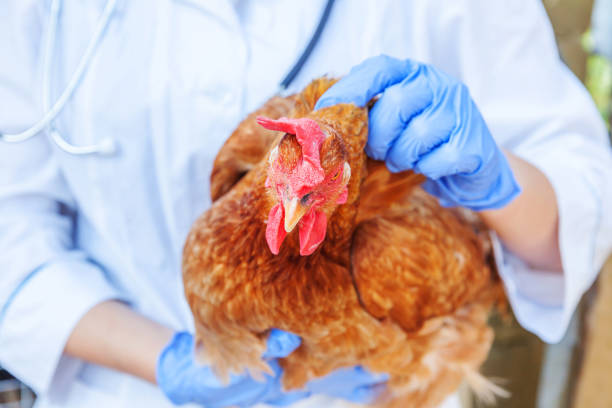
When signs suggesting coccidiosis are detected, farmers should follow these steps:
1. Observe the Entire Flock
Assess the proportion of birds showing signs, dropping appearance, age group, affected housing area, and speed of spread. Record the first time signs appeared, the proportion of depressed birds, the proportion of abnormal droppings, and any recent changes in feed, water, or housing environment.
2. Separate Severely Affected Birds for Monitoring
Severely affected birds should be separated for monitoring and care. At the same time, the housing environment, litter, feeders, and drinkers should be managed because the main infection source is oocysts in the environment.
Separation does not replace housing management measures. If the environment is heavily contaminated, the flock may continue to be exposed to oocysts.
3. Collect Fecal or Suitable Samples for Testing
Fresh fecal samples may be collected from multiple locations in the house and sent for testing to support diagnosis and rule out other causes. Samples should be labeled, stored, and sent according to laboratory instructions.
In some cases, a veterinarian may recommend necropsy or lesion examination to assess lesion location and the level of suspicion for coccidiosis.
4. Contact a Veterinarian or Veterinary Officer
Farmers should report the flock condition, age, number of sick birds, mortality, history of medicine use, vaccination, feed, litter, and recent changes in farm management.
A veterinarian or veterinary officer can support:
- assessing coccidiosis risk;
- ruling out other intestinal diseases;
- guiding sample collection;
- recommending an appropriate handling approach;
- checking medicine or vaccine use according to regulations.
5. Check and Improve the Housing Environment
Environmental factors that may worsen the disease should be checked immediately:
- Is the litter damp, caked, or mixed heavily with feces?
- Are drinkers leaking?
- Is ventilation sufficient?
- Is stocking density too high?
- Are drinking water and feed contaminated?
- Which areas in the house have wet feces or abnormal bird clustering?
Farmers should not arbitrarily use treatment products, combine medicines, or use antibiotics without diagnosis and veterinary guidance, because treating the wrong cause may delay disease control and increase the risk of antimicrobial resistance.
Frequently Asked Questions About Coccidiosis in Chickens
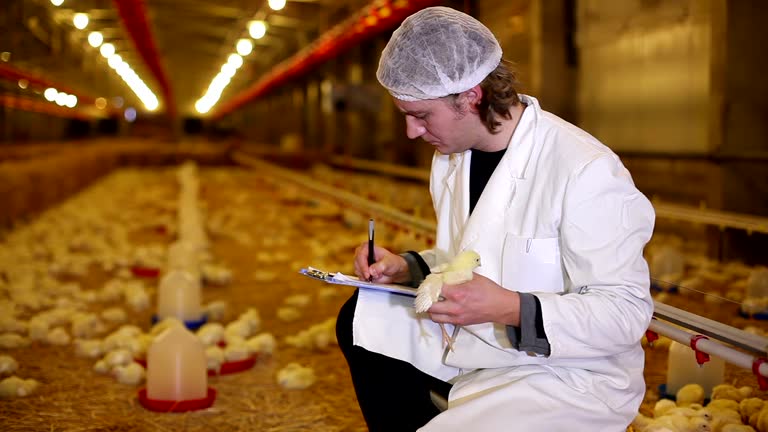
Can chickens with coccidiosis recover completely?
Chickens with mild to moderate coccidiosis may improve if the condition is detected early and handled correctly under veterinary guidance. However, if the intestine has been severely damaged, birds may recover slowly, show poor weight gain, and need time for gut health to stabilize.
Prevention from the beginning remains more effective than waiting for an outbreak before responding.
Do bloody droppings always mean coccidiosis?
Not always. Bloody droppings in chickens may suggest coccidiosis, especially cecal coccidiosis, but they may also be related to necrotic enteritis, severe bacterial infection, intestinal injury, or other causes.
Farmers need to consider flock age, dropping appearance, the proportion of affected birds, housing conditions, necropsy findings, or fecal testing before reaching a diagnosis.
When should coccidiosis prevention start for chicks?
The timing of a prevention program depends on the production model, farm disease history, brooding-house conditions, chicken type, product used, and recommendations from a veterinarian or veterinary officer.
For anticoccidial drugs, farmers need to follow the product label, target animals, dosage, administration duration, and withdrawal period if applicable. For coccidiosis vaccines, schedule, route of administration, and storage method must follow manufacturer instructions.
Farmers should not apply a medicine or vaccine schedule on their own without checking the specific product and the farm’s real conditions.
How can farms prevent coccidiosis from recurring across multiple flocks?
Coccidiosis can easily recur across multiple flocks if oocysts remain in the house, especially in damp litter, dirty flooring, leaking drinker areas, or insufficiently cleaned zones.
Important measures include:
- remove old litter after each flock;
- mechanically clean floors, feeders, drinkers, and tools;
- dry the house before placing a new flock;
- control moisture throughout the production cycle;
- prevent feed and drinking water from being contaminated with feces;
- monitor the flock during high-risk stages;
- build a medicine or vaccine program under professional guidance.
Combining hygiene, environmental management, and an appropriate prevention program helps reduce oocyst pressure, limit recurrence, and reduce the risk of reduced drug effectiveness across production cycles.
Strengthen Poultry Gut Health and Coccidiosis Prevention at VIETSTOCK 2026
Coccidiosis control requires coordinated management of litter, moisture, drinking-water systems, ventilation, stocking density, nutrition, vaccination, anticoccidial programs, and flock-performance records. Effective prevention begins before chick placement and continues throughout the entire production cycle.
At VIETSTOCK 2026, poultry producers, farm managers, veterinarians, feed businesses, and equipment suppliers can explore solutions supporting gut health and poultry-house disease control.
Visitors can:
- Explore vaccines, veterinary products, diagnostic solutions, and flock-health monitoring technologies.
- Discover probiotics, enzymes, organic acids, feed additives, and nutritional solutions that support poultry gut health.
- Compare drinking-water systems, litter-management equipment, ventilation technologies, and environmental-monitoring solutions.
- Connect with poultry veterinarians, animal-health businesses, feed manufacturers, and housing-equipment providers.
- Review diagnostic and data-management tools for monitoring flock performance, disease signs, and production efficiency.
- Discuss practical approaches to integrating housing management, nutrition, vaccination, and coccidiosis prevention.
With more than 300 brands, over 10,000 sqm of exhibition space, and 13,000 trade visitors from more than 40 countries and territories, VIETSTOCK 2026 creates opportunities for poultry-industry stakeholders to compare technologies and strengthen professional connections across the animal-health and production value chain.
Alongside the exhibition and business networking activities, VIETSTOCK 2026 will also organize an On-Farm Seminar Series, bringing practical knowledge on herd and flock management, disease prevention, biosecurity, and livestock production efficiency to key farming provinces.
Date: 21–23 October 2026
Venue: Saigon Exhibition and Convention Center – SECC, 799 Nguyen Van Linh Street, Tan My Ward, Ho Chi Minh City, Vietnam
Event website: https://www.vietstock.org/en/
👉 Register to visit VIETSTOCK 2026 and explore poultry gut-health, litter-management, drinking-water, environmental-control, and disease-prevention solutions:
https://www.vietstock.org/en/online-registration-2/
👉 Learn more about the VIETSTOCK 2026 On-Farm Seminar Series:
https://www.vietstock.org/en/event-features/vietstock-2026-livestock-roadshows-bringing-industry-knowledge-to-key-livestock-regions/
CONTACT INFORMATION:
Exhibiting: Ms. Sophie Nguyen – [email protected]
Visitor Support: Ms. Phuong – [email protected]
Marcom Support: Ms. Anita Pham – [email protected]