What Is Vitamin ADE in Veterinary Medicine? Benefits, Deficiency Signs, and Safe Supplementation
Vitamin ADE in veterinary medicine is a general term for products that combine three fat-soluble vitamins: vitamin A, vitamin D, and vitamin E. These nutrients are involved in many important physiological processes, including growth, bone development, immune function, cellular protection, and reproductive health in animals.
In pig, cattle, goat, sheep, and poultry farming, vitamin ADE can be provided through feed, drinking water, or specialized products when indicated. However, not every animal needs additional vitamin ADE, especially when its existing diet already meets its nutritional requirements.
Vitamin deficiencies can affect animal health and productivity, but excessive supplementation, particularly with vitamins A and D, can also cause toxicity. Farmers therefore need to understand the benefits of each vitamin, the signs of deficiency, and the principles of safe supplementation before choosing a product.
Quick Summary
- Vitamin ADE contains vitamins A, D, and E, which play important roles in vision, epithelial tissues, bone health, immune function, and reproduction.
- Vitamin A deficiency may cause vision problems, epithelial damage, poor growth, and reproductive disorders.
- Vitamin D deficiency can disrupt calcium and phosphorus metabolism, potentially leading to rickets, leg weakness, and poor eggshell quality.
- Vitamin E deficiency may be associated with muscle damage, neurological disorders in certain poultry species, and impaired physiological function.
- Supplementation methods: Vitamins may be provided through feed, drinking water, or injectable products, depending on the formulation and professional assessment.
- Important consideration: Total vitamin intake from the diet must be checked to avoid overlapping supplementation, particularly for vitamins A and D.
1. What Is Vitamin ADE in Veterinary Medicine?
Vitamin ADE is a commonly used term for products containing vitamins A, D, and E together. These are three fat-soluble vitamins that are essential for animal health and normal physiological functions.
Vitamin A is necessary for vision and the development and maintenance of epithelial tissues. Vitamin D helps regulate calcium and phosphorus metabolism, while vitamin E protects cell membranes from oxidative damage.
These vitamins may be supplied through feed ingredients, vitamin–mineral premixes, complete compound feeds, or separate supplements.
1.1. What Does Vitamin ADE Contain?
Vitamin A
Vitamin A refers to a group of biologically active compounds related to retinol. Certain plant-based feed ingredients contain provitamin A carotenoids, such as beta-carotene, which animals can convert into vitamin A with varying efficiency depending on the species.
In supplements, vitamin A may be present in stabilized forms suitable for animal feed production or veterinary pharmaceutical applications.
Vitamin D
Vitamin D includes several forms, of which vitamin D3 (cholecalciferol) is widely used in animal nutrition.
Vitamin D3 plays an important role in calcium and phosphorus metabolism, particularly in growing animals and laying poultry.
Vitamin E
Vitamin E refers to a group of compounds with antioxidant activity, among which alpha-tocopherol has an important biological role.
In commercial products, vitamin E is commonly used in forms suitable for maintaining product stability and meeting storage requirements.
1.2. Why Are Vitamins A, D, and E Often Combined?
These three vitamins perform different functions, but all are essential for animal health and productivity.
Combining them in one product can make nutritional supplementation programs more convenient, particularly when a diet may be deficient in several vitamins at the same time.
However, combining these vitamins in one product does not mean that animals always need additional amounts of all three vitamins in the same proportions.
Vitamin A, D, and E requirements depend on animal species, age, growth stage, reproductive status, housing conditions, and dietary composition.
If an animal is deficient in only one vitamin, using an unsuitable ADE supplement may result in excessive intake of the other vitamins.
1.3. Is Vitamin ADE Considered a Veterinary Medicine?
Vitamin ADE can be found in several product categories, including:
- Vitamin–mineral premixes used in animal feed production.
- Vitamin feed supplements.
- Products formulated for mixing into drinking water or feed.
- Vitamin-containing veterinary medicines used when indicated.
The legal classification depends on the specific product, its declaration or registration documents, and its permitted uses.
Farmers should therefore check the label to determine whether the product is classified as a feed supplement or veterinary medicine rather than assuming all vitamin ADE products belong to the same category.
2. The Roles of Vitamins A, D, and E in Animal Health
Each vitamin performs specific biological functions. Deficiencies may produce different signs, but many symptoms can overlap with those of infectious diseases or other nutritional disorders.
2.1. Vitamin A: Supporting Vision, Epithelial Health, Growth, and Reproduction
Vitamin A helps maintain the function of epithelial tissues, including the skin and the mucous membranes of the respiratory, digestive, and reproductive tracts.
Healthy epithelial tissues act as protective barriers, helping reduce the effects of harmful environmental factors.
Vitamin A is also essential for retinal function, particularly vision under low-light conditions.
In livestock production, the important roles of vitamin A include:
- Maintaining normal vision.
- Supporting normal tissue development.
- Helping maintain the protective barriers of the skin and mucous membranes.
- Contributing to normal immune function.
- Supporting reproduction and fetal development.
- Supporting growth in young animals.
In breeding poultry, vitamin A status may also affect breeding flock health, embryo quality, and hatchability.
However, supplying more vitamin A than an animal needs does not necessarily improve growth or disease resistance.
2.2. Vitamin D: Regulating Calcium and Phosphorus Metabolism and Bone Development
Vitamin D plays an important role in the body’s absorption and use of calcium and phosphorus.
These two minerals are essential for the formation and maintenance of healthy bones.
In young animals, vitamin D deficiency can disrupt bone mineralization, potentially causing rickets or bone deformities.
In laying poultry, vitamin D3 is particularly important because eggshell formation requires an adequate supply and proper metabolism of calcium.
The main functions of vitamin D include:
- Regulating calcium and phosphorus absorption.
- Supporting bone mineralization and development.
- Helping maintain normal muscle function.
- Contributing to mineral balance in the body.
- Supporting eggshell formation in laying poultry.
However, bone health and eggshell quality do not depend on vitamin D alone.
Diets deficient in calcium or phosphorus, or containing an unsuitable mineral balance, can cause similar problems even when vitamin D intake is adequate.
2.3. Vitamin E: Antioxidant Protection and Cellular Health
Vitamin E is a fat-soluble antioxidant that helps protect cell membranes against oxidative damage.
During metabolism, animals continuously produce substances capable of causing oxidation. The body’s antioxidant systems help maintain balance and limit cellular damage.
Vitamin E contributes to:
- Protecting cell membranes.
- Maintaining muscle function.
- Supporting normal immune responses.
- Maintaining reproductive function.
- Supporting the body’s ability to adapt to adverse environmental conditions.
The role of vitamin E is closely related to selenium status. Both are involved in systems that protect cells against oxidative damage.
Deficiency in vitamin E, selenium, or both may be associated with nutritional muscular disease in certain animal species.
However, standard vitamin ADE products do not necessarily contain selenium. Therefore, vitamin ADE cannot replace proper assessment and management of selenium deficiency.
2.4. Comparing the Roles of Vitamins A, D, and E
| Vitamin | Main biological functions | Animal groups requiring particular attention |
| Vitamin A | Vision, epithelial health, growth, reproduction, and immunity | Young animals, breeding stock, and poultry |
| Vitamin D3 | Calcium and phosphorus metabolism, bone development, and eggshell formation | Laying poultry, growing animals, and animals at risk of mineral imbalance |
| Vitamin E | Antioxidant protection, muscle function, and immune health | Young animals, breeding stock, and animals at risk of vitamin E deficiency |
These groups require appropriate monitoring of their nutritional needs. This does not mean that every animal in these groups needs additional vitamin ADE beyond its regular diet.
3. Signs of Vitamin ADE Deficiency in Livestock and Poultry
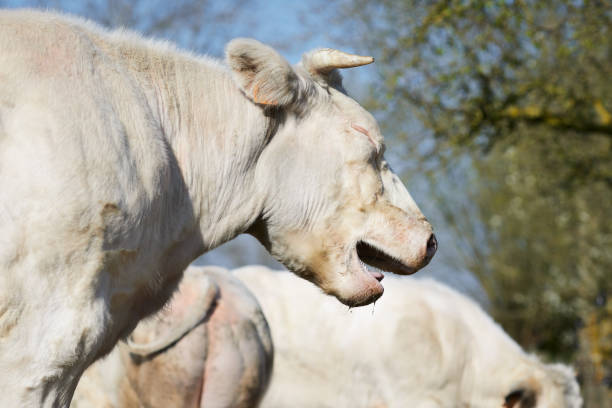
Vitamin deficiencies can negatively affect animal health and productivity.
However, signs such as slow growth, weak legs, reduced egg production, or poor body condition are not specific to vitamin ADE deficiency.
Identifying the cause requires an assessment of the diet, farming conditions, disease history, and diagnostic testing when indicated.
3.1. Signs of Vitamin A Deficiency
Vitamin A deficiency can affect vision, the skin, mucous membranes, and reproductive function.
Possible signs include:
- Reduced vision in low-light conditions.
- Dry eyes or eye lesions.
- Poor skin and coat condition.
- Slow growth.
- Reduced feed intake and weakness.
- Reproductive disorders in cases of significant deficiency.
- Increased risk of mucosal damage and secondary infections.
In poultry, prolonged vitamin A deficiency may cause changes to the mucous membranes of the mouth, esophagus, and respiratory tract.
Severe cases may involve eye lesions, reduced egg production, and impaired hatchability.
However, rough feathers or reduced growth alone should not be used to diagnose vitamin A deficiency.
3.2. Signs of Vitamin D Deficiency
Vitamin D deficiency can disrupt calcium and phosphorus metabolism, affecting bone health.
In young animals, possible signs include:
- Weak legs.
- Difficulty walking.
- Bone deformities.
- Slow growth.
- Impaired bone mineralization or rickets.
In laying poultry, vitamin D3 deficiency may lead to:
- Thin eggshells.
- Eggs that break easily.
- A higher proportion of eggs with abnormal shells.
- Reduced egg production in cases of significant deficiency.
- Bone health problems when the deficiency continues.
However, rickets and thin eggshells are not definitive evidence of vitamin D deficiency.
Diets lacking calcium or phosphorus, or containing an unsuitable mineral balance, may cause similar signs.
In laying hens, flock age, breed, management conditions, and diseases affecting egg production should also be considered.
3.3. Signs of Vitamin E Deficiency
Vitamin E deficiency may affect muscle function, the nervous system, and the body’s ability to protect cells.
In some animal species, vitamin E and/or selenium deficiency may be associated with nutritional muscular disease.
Possible signs include:
- Muscle weakness.
- Difficulty walking.
- Reduced mobility.
- General weakness.
- Serious muscle damage in certain cases.
In poultry, vitamin E deficiency may be associated with disorders such as nutritional encephalomalacia, muscular dystrophy, and exudative diathesis under specific nutritional deficiency conditions.
Neurological signs may include loss of balance, abnormal walking, or reduced mobility.
However, these signs can also be associated with infectious diseases, poisoning, or other disorders.
3.4. Recognizing Possible Vitamin Deficiency Signs by Animal Group
| Animal group | Signs that may be associated with vitamin deficiency | Other possible causes to consider |
| Piglets and growing pigs | Slow growth, weak legs, poor body condition | Mineral deficiencies, infectious diseases, unbalanced diets |
| Sows and breeding boars | Reproductive disorders, declining breeding stock health | Reproductive management, disease, overall nutrition |
| Calves, buffalo calves, young goats, and lambs | Slow growth, muscle weakness, rickets | Calcium, phosphorus, or selenium deficiencies; other diseases |
| Adult livestock | Poor body condition, reproductive problems, or mobility issues | Metabolic diseases, chronic illness, undernutrition |
| Meat-producing poultry | Slow growth, weak legs, movement disorders | Mineral imbalance, neurological diseases, bone and joint problems |
| Laying poultry | Thin eggshells, reduced egg production, poor hatchability | Calcium or phosphorus deficiency, reproductive diseases, flock age |
This table is intended to support initial risk identification and does not replace veterinary diagnosis.
4. What Causes Vitamin ADE Deficiency in Animals?
Vitamin ADE deficiency may result from diets that do not meet nutritional requirements, reduced vitamin quality, or conditions that affect nutrient absorption and metabolism.
4.1. Diets That Do Not Meet Nutritional Requirements
One common cause is a diet that has not been formulated appropriately for the animal species and production stage.
For example, a farm-mixed diet without a suitable vitamin–mineral premix may fail to meet all nutritional requirements.
This is particularly important for rapidly growing animals or breeding stock, whose nutritional requirements change during production.
However, if a farm uses complete compound feed formulated for the target animal group, the diet may already supply the necessary vitamins.
Therefore, additional ADE supplementation should not be introduced before checking the nutritional composition of the existing feed.
4.2. Vitamin Degradation During Storage
Some vitamins may lose activity when exposed to high temperatures, light, moisture, oxygen, or other ingredients in premixes.
The extent of degradation depends on the vitamin, formulation, and storage conditions.
According to animal nutrition materials from Kansas State University, vitamin stability is an important consideration in the manufacture and storage of livestock feed premixes.
To reduce the risk of vitamin degradation, farms should:
- Store products under the conditions recommended by the manufacturer.
- Limit direct exposure to light, heat, and high humidity.
- Seal packaging properly after use.
- Avoid using expired products.
- Manage storage duration.
- Check feed mixing and processing conditions.
If feed ingredients or feed become moldy, farms should assess the safety risks associated with mold and mycotoxins rather than considering vitamin content alone.
4.3. Changing Nutritional Requirements During Growth and Production
Vitamin requirements may change during the following stages or conditions:
- Rapid growth in young animals.
- Pregnancy or lactation.
- Egg production in poultry.
- Breeding periods.
- Recovery after illness.
- Major changes in housing or management conditions.
At each stage, the diet should be assessed to ensure an appropriate vitamin supply.
However, increased nutritional requirements do not necessarily mean that a separate supplement is needed if the existing diet already provides sufficient vitamins.
4.4. Malabsorption and Underlying Diseases
Because vitamins A, D, and E are fat-soluble, their absorption through the digestive tract is related to fat digestion and absorption.
Certain gastrointestinal diseases or malabsorption disorders may reduce the amount of vitamins available to the body.
Liver disease or certain metabolic disorders may also affect the storage and metabolism of some vitamins.
In these cases, simply increasing the vitamin content of the feed may not address the underlying cause.
The animal’s health condition should be assessed before selecting an appropriate intervention.
5. When Should Animals Receive Vitamin ADE Supplements?
Vitamin ADE supplementation should be based on the actual nutritional needs of the herd or flock, dietary composition, and professional assessment.
Supplementation may be considered when the diet does not supply enough vitamins or when a risk of deficiency has been identified.
5.1. When the Diet Is Deficient in Vitamins
This is one of the clearest reasons to consider supplementation.
If the diet does not meet the requirements for vitamin A, D, or E, the feed formula should be adjusted or an appropriate supplement considered.
Farms mixing their own feed should review:
- Feed ingredients.
- Vitamin content of premixes.
- Actual feed consumption.
- Storage conditions.
- Nutritional requirements at each production stage.
Adjustments should be based on the needs of each animal species rather than using one general supplementation formula.
5.2. When Animals Show Signs of Possible Vitamin Deficiency
If a herd or flock develops signs such as leg weakness, poor growth, reduced egg production, or reproductive disorders, farmers should review the diet and consult a qualified professional.
In some cases, a veterinarian may recommend testing or assessment of relevant nutritional indicators.
Targeted supplementation should only be considered after other possible causes have been evaluated.
Vitamin ADE should not be used as a general treatment for every case of poor growth or weakness.
5.3. During Stress or Recovery from Illness
Transportation, heat stress, environmental changes, and illness may affect feed intake and nutritional status.
During these periods, farms should monitor feeding behavior and ensure that the diet continues to meet the animals’ requirements.
Supplements may be considered when there is a risk of deficiency or when a veterinarian or animal nutrition specialist determines that supplementation is appropriate.
However, vitamin ADE is not an anti-stress medication or an immune booster guaranteed to work under all conditions.
If animals already receive adequate vitamins, increasing the dose will not necessarily improve health or productivity.
5.4. When Laying Poultry Have Eggshell Quality Problems
For laying hens, farms should assess calcium, phosphorus, and vitamin D3 intake together with other factors affecting eggshell formation.
When eggshells become thin or break easily, important information to review includes:
- Flock age and production stage.
- Feed intake.
- Calcium and phosphorus content.
- Vitamin D3 levels in the diet.
- Feed ingredient quality.
- Flock health.
- Temperature and environmental conditions.
Vitamin D3 supplementation provides clear benefits only when it addresses the underlying cause of the problem.
If calcium deficiency or a disease affecting eggshell quality is responsible, adding vitamin ADE alone may not resolve the issue.
6. Different Forms of Vitamin ADE Supplementation in Livestock Farming
Vitamin ADE may be provided through feed, drinking water, or injectable products.
Each method has its own characteristics, and they cannot be used interchangeably without appropriate guidance.
6.1. Vitamin ADE Mixed into Feed
This is a commonly used approach in routine animal nutrition programs.
Products may be supplied as premixes or supplemental powders, which are mixed into feed at an appropriate inclusion rate.
Advantages:
- Convenient for managing animal diets.
- Suitable for feed production systems.
- Easy to integrate into routine nutrition programs.
- Reduces the need to handle individual animals.
Important considerations:
- Ensure uniform mixing.
- Check the vitamin content of the complete feed.
- Follow the product’s recommended inclusion rate.
- Avoid processing and storage conditions that reduce vitamin activity.
- Monitor actual feed consumption.
For animals receiving complete compound feed, additional vitamin ADE supplementation should be carefully assessed to avoid overlapping with vitamins already present in the diet.
6.2. Vitamin ADE Added to Drinking Water
Some products are formulated for administration through drinking water.
This approach may be convenient in livestock systems using drinking troughs or centralized water supply systems.
However, not every vitamin ADE product dissolves or disperses stably in water.
In particular, oil-based formulations should not be mixed directly into drinking water unless the product has appropriate instructions for this use.
When administering vitamins through drinking water, consider:
- Product solubility or dispersibility.
- Water quality.
- Stability after mixing.
- Actual water consumption.
- Hygiene of the water supply system.
- Whether the supplement is distributed evenly among animals.
Sick animals may drink less water, potentially receiving a lower vitamin intake than expected.
Therefore, supplementation through drinking water does not guarantee that every animal in the herd or flock receives the same amount of vitamins.
6.3. Injectable Vitamin ADE
Some vitamin ADE veterinary medicines are formulated for injection.
Veterinarians may consider injectable products in specific circumstances, depending on the animal’s nutritional status and nutrient absorption.
However, use must follow the indications of the specific product.
Injectable vitamin ADE should not be selected simply because it is assumed to work faster or better than oral supplementation.
Injectable products may differ in:
- Vitamin content.
- Formulation.
- Approved injection route.
- Target animal species.
- Contraindications.
- Risk of injection-site reactions.
- Safety requirements and withdrawal periods, where applicable.
Injections should be administered by qualified personnel or according to appropriate veterinary instructions.
Products intended for oral administration must not be injected, and injectable products must not be administered orally without appropriate authorization.
6.4. Comparing Vitamin ADE Supplementation Methods
| Method | Suitable use | Advantages | Important considerations |
| Mixed into feed | Routine dietary supplementation | Convenient for herd or flock nutrition management | Ensure uniform mixing and avoid excessive vitamin intake from multiple sources |
| Added to drinking water | When the product is specifically designed for this route | Easy to administer through water supply systems | Intake depends on actual water consumption |
| Injection | Specific cases with professional indications | Does not depend on gastrointestinal absorption | Risk of overdose, adverse reactions, and incorrect administration route |
The supplementation method should be selected according to actual nutritional needs, the specific product, and professional guidance.
7. Risks of Excessive Vitamin ADE Supplementation
Vitamins A, D, and E are fat-soluble vitamins. The body can store these vitamins to varying degrees.
In particular, excessive intake of vitamin A or D may cause toxicity.
7.1. Risks of Excess Vitamin A
Vitamin A is stored in significant amounts in the liver.
When supplied in excessive quantities, especially over long periods, it may accumulate and adversely affect animal health.
Depending on the species and level of excess intake, vitamin A toxicity may be associated with:
- Growth disorders.
- Abnormal bone changes.
- Poor body condition.
- Signs of impaired organ function.
High doses of vitamin A in pregnant animals also require particular caution because of the potential risk to fetal development under certain conditions.
High-concentration vitamin A products should not be used without establishing the animal’s actual requirements.
7.2. Risks of Excess Vitamin D
Excessive vitamin D intake is a particular concern because it can disrupt calcium and phosphorus balance.
When vitamin D levels become too high, hypercalcemia may develop, potentially causing abnormal mineral deposits in soft tissues.
Affected organs may include:
- Kidneys.
- Heart and blood vessels.
- Lungs.
- Other tissues and organs.
In severe cases, vitamin D toxicity can cause kidney damage and become life-threatening.
According to the Merck Veterinary Manual, vitamin D toxicity has been documented in pigs following excessive supplementation.
Farmers should therefore not increase vitamin D3 doses simply to strengthen bones or improve eggshell quality without first identifying the cause of the problem.
7.3. Is Excess Vitamin E Dangerous?
Vitamin E generally has a wider margin of safety than vitamins A and D, but this does not mean it can be supplemented without limits.
Excessive vitamin E supplementation usually provides no additional benefit when the diet already meets nutritional requirements.
Under certain conditions, very high vitamin E intake may affect nutritional balance or interact with other physiological processes.
Therefore, supplementation should follow actual requirements and product instructions rather than relying on prolonged high-dose use.
7.4. Risks of Overlapping Vitamin Sources
One common problem in nutrition management is using multiple products that contain the same vitamins.
For example, a farm may simultaneously use:
- Complete compound feed already fortified with vitamins.
- A vitamin–mineral premix.
- A vitamin ADE product added to drinking water.
- A separate vitamin A or D3 supplement.
Without calculating the total vitamin intake from these sources, animals may receive more vitamins than they need.
This risk is particularly important when using products containing high concentrations of vitamin A or D3.
Before supplementing, farmers should review the total vitamin content of the diet and determine the herd or flock’s actual nutritional requirements.
8. How to Read Vitamin ADE Product Labels
Reading the product label is an important step in choosing an appropriate supplement and avoiding mistakes during use.
8.1. Check the Amount of Each Vitamin
Vitamin content may be declared on product labels using different units, including:
- IU (International Units).
- mg.
- µg.
- IU/mL.
- IU/kg of product.
Not all vitamins or chemical forms use the same conversion factors.
Farmers should therefore not compare numerical values on labels without first checking the units and forms of the active ingredients.
For combined ADE products, the amounts of vitamins A, D3, and E should be checked separately.
8.2. Check the Approved Target Animals
Each product may be formulated for specific animal species.
A product intended for poultry is not automatically suitable for pigs, cattle, or goats.
Other factors to consider include:
- Age.
- Pregnancy stage.
- Lactation stage.
- Egg-laying stage.
- Body condition and underlying diseases.
- Purpose of supplementation.
Dosage instructions intended for one species must not be applied independently to another.
8.3. Check the Formulation and Route of Administration
Before use, determine whether the product is designed for:
- Mixing into feed.
- Mixing into drinking water.
- Direct oral administration.
- Injection through the indicated route.
Do not independently switch between administration routes.
In particular, water-soluble products must be distinguished from oil-based formulations.
8.4. Check Product Authorization and Conditions of Use
Farmers should choose products with a traceable origin that comply with the legal requirements applicable to their product category.
For veterinary medicines, registration information, approved indications, contraindications, and requirements relating to food-producing animals should be verified.
Withdrawal periods, where applicable, must follow the approved label and legally permitted conditions of use.
Farmers should neither assume that every vitamin ADE product has a zero-day withdrawal period nor that the same withdrawal period applies to every product.
9. How to Assess Vitamin ADE Supplementation Needs on a Farm
Effective vitamin supplementation should begin with an assessment of the diet and overall herd or flock health.
Step 1: Identify Animal Groups and Production Stages
Animals should be divided into appropriate groups, such as:
- Piglets, growing pigs, and sows.
- Calves, buffalo calves, and adult livestock.
- Meat-producing poultry.
- Laying poultry.
- Breeding stock.
- Animals recovering from illness.
Each group has different nutritional requirements.
Grouping animals helps improve the accuracy of nutritional assessments and reduces the risk of applying the same supplementation program to every animal.
Step 2: Review the Current Diet
Determine whether the animals receive complete compound feed or farm-mixed feed.
Important information to check includes:
- Feed ingredients.
- Vitamin content of the feed.
- Premixes currently being used.
- Other supplements.
- Actual feed intake.
- Feed storage conditions.
If the existing diet already provides sufficient vitamins, additional ADE supplementation may not be necessary.
Step 3: Assess Animal Health Signs
Monitor changes in:
- Growth rate.
- Mobility.
- Bone health.
- Skin and coat quality.
- Reproductive performance.
- Egg production.
- Eggshell quality.
- Overall health.
Abnormal signs should be assessed alongside nutritional information and the disease situation within the herd or flock.
Step 4: Identify the Cause and Choose Appropriate Measures
If vitamin deficiency is suspected, farmers should work with a veterinarian or animal nutrition specialist to assess the situation.
Depending on the case, it may be necessary to adjust the feed formula, supplement a specific vitamin, or use an appropriate ADE product.
Products should not be selected solely based on advertising claims about faster weight gain, improved immunity, or reproductive performance.
Step 5: Monitor Results After Dietary Adjustments
After adjusting the diet, changes in herd or flock health and performance should be monitored over time.
Useful indicators include:
- Feed consumption.
- Weight gain.
- Mobility.
- Egg production.
- Proportion of eggs with abnormal shells.
- Reproductive performance.
- Accompanying signs of disease.
If signs do not improve or become more severe, the underlying cause should be reassessed instead of continuing to increase vitamin supplementation.
10. When Should Farmers Contact a Veterinarian?
Signs that appear to suggest vitamin deficiency may also be associated with many other diseases.
Farmers should contact a veterinarian when:
- Animals develop severe leg weakness or cannot stand.
- Neurological signs, such as seizures or loss of balance, occur.
- Several animals in the herd or flock develop similar signs.
- Laying poultry show a prolonged decline in egg production or produce many eggs with abnormal shells.
- Animals experience a rapid decline in body condition.
- Vitamin ADE overdose is suspected.
- Abnormal reactions occur after supplementation.
- Injectable vitamin ADE products are being considered.
- The cause of a suspected deficiency or the animal’s nutritional status cannot be determined.
If vitamin toxicity is suspected, stop administering additional supplements independently and contact a veterinarian for assessment.
When seeking advice, provide the product name, vitamin content, amount administered, route of administration, and time of use.
Do not independently administer other vitamin products to treat abnormal symptoms.
11. Frequently Asked Questions About Vitamin ADE in Veterinary Medicine
What Are the Benefits of Vitamin ADE for Animals?
Vitamin ADE provides three essential vitamins: A, D, and E. Vitamin A supports vision, epithelial health, and reproduction; vitamin D regulates calcium and phosphorus metabolism; and vitamin E provides antioxidant protection and helps protect cells. Supplementation is beneficial when it meets the animal’s nutritional needs.
Does Vitamin ADE Help Animals Grow Faster?
Vitamin ADE helps the body maintain physiological functions necessary for normal growth. If animals are deficient in vitamins, adjusting the diet may help improve health and growth. However, when the diet already meets nutritional requirements, additional supplementation does not guarantee faster growth.
Should Vitamin ADE Be Supplemented Continuously?
Additional supplementation beyond the regular diet is not recommended unless there is an identified need. Vitamins A and D can accumulate in the body and cause toxicity when consumed in excessive amounts. For animals receiving complete compound feed, the existing vitamin content should be checked before introducing another supplement.
Can Vitamin ADE Be Given to Piglets, Calves, Goats, and Chickens?
Vitamins A, D, and E are essential nutrients for all these animal species. However, not every ADE product is suitable for every animal. The product must be appropriate for the species, age, route of administration, and recommended dosage.
Can Vitamin ADE Help Laying Hens Produce Stronger Eggshells?
Vitamin D3 helps maintain the calcium and phosphorus metabolism necessary for eggshell formation. If a flock is deficient in vitamin D3, appropriate supplementation may help address problems associated with that deficiency. However, thin eggshells can also result from inadequate calcium intake, phosphorus imbalance, flock age, or disease.
Can Vitamin ADE Deficiency Cause Leg Weakness in Animals?
Yes, particularly when vitamin D or vitamin E is deficient under certain conditions. However, leg weakness may also be related to mineral deficiencies, bone and joint diseases, muscle damage, neurological disorders, or other causes. The underlying cause should be identified before supplementation.
Can Vitamin ADE Treat White Muscle Disease?
White muscle disease may be associated with selenium and/or vitamin E deficiency. However, ADE products do not necessarily contain selenium, and not every case of muscle weakness is caused by vitamin deficiency. Treatment must be based on veterinary diagnosis and an appropriate nutritional assessment.
Can Vitamin ADE Replace Medication Used to Treat Diseases?
No. Vitamin ADE is not a treatment for diseases caused by viruses, bacteria, or parasites. Vitamin supplementation may provide nutritional support when animals are deficient, but it does not replace diagnosis and treatment of the underlying disease.
Should Vitamin ADE Be Added to Feed or Drinking Water?
This depends on the product and farming conditions. Feed-mixed products are generally suitable for routine nutrition management. Water-administered products may be convenient when specifically formulated for this route. Actual feed and water consumption must be considered, and different formulations should not be used interchangeably without appropriate guidance.
When Should Injectable Vitamin ADE Be Used?
Injectable products should only be considered when an appropriately indicated product is available and a veterinarian determines that injection is necessary. Injectable formulations should not be chosen simply because they are assumed to act faster. Incorrect dosing or administration routes may cause adverse reactions.
Is Excessive Vitamin ADE Supplementation Dangerous?
Yes. Vitamins A and D can cause toxicity when administered in excessive amounts, particularly at high doses or over prolonged periods. Excess vitamin D may disrupt calcium and phosphorus balance and damage soft tissues. Total vitamin intake from feed, premixes, and other supplements should be reviewed before use.
How Can Farmers Determine Whether Their Animals Receive Enough Vitamin ADE?
Farmers should check the nutritional composition of the feed, the vitamin content of premixes, and actual feed consumption. For farm-mixed diets or herds showing abnormal signs, an animal nutrition specialist or veterinarian should be consulted for an appropriate assessment.
Optimize Animal Nutrition and Improve Livestock Production Quality with VIETSTOCK
Providing vitamin ADE according to actual nutritional requirements is part of effective animal nutrition management. In addition to selecting appropriate products, farmers need to consider feed quality, vitamin and mineral balance, nutrient stability during storage, and changing nutritional requirements throughout different production stages.
To develop effective diets and reduce the risk of vitamin deficiencies or excessive supplementation, farms and businesses can explore the following solution areas:
- Vitamin–mineral premixes and feed additives: Explore products with clearly stated ingredients, nutrient concentrations, and instructions for use that meet the nutritional requirements of different animal groups.
- Feed production and storage technologies: Discover solutions that help maintain ingredient quality and reduce vitamin degradation during processing, storage, and use.
- Animal feed quality analysis: Explore testing services and nutritional analysis technologies that support dietary assessment, quality control, and ingredient selection.
- Nutrition management by production stage: Stay updated on solutions for formulating diets for growing animals, breeding stock, and laying poultry, with particular attention to the balance of vitamins, minerals, and other essential nutrients.
- Technology applications in farm management: Explore tools for monitoring feed intake, weight gain, reproductive performance, and herd or flock health to support nutritional adjustments.
These solutions also reflect the growing integration of nutritional science, feed production technology, and modern livestock management. These areas are important for improving productivity, product quality, and resource efficiency across the livestock industry.
Held from October 21–23, 2026, at the Saigon Exhibition and Convention Center (SECC), Ho Chi Minh City, VIETSTOCK 2026 provided a meeting point for animal feed businesses, ingredient suppliers, nutrition experts, and livestock producers. Through technology showcases, professional exchanges, and business networking activities, the exhibition created opportunities for industry stakeholders to explore solutions and expand cooperation across the livestock value chain.
Building on these activities, VIETSTOCK 2027 will take place from October 20–22, 2027, at SECC, Ho Chi Minh City, continuing to serve as a meeting point for the industry community to stay updated on animal nutrition trends, feed technologies, and solutions for more efficient and sustainable livestock production.
Event website: VIETSTOCK
Contact information:
- Exhibiting: Ms. Sophie Nguyen – [email protected]
- Group Delegation Support: Ms. Phuong – [email protected]
- Marcom Support: Ms. Anita Pham – [email protected]
This content provides general information about animal nutrition and does not replace veterinary diagnosis or treatment. Vitamin ADE products must be selected and used according to product labeling, the animals’ nutritional requirements, and appropriate professional guidance.