Arthritis in Cattle: Signs, Causes, and When Veterinary Intervention Is Needed
Lameness in cattle is a clinical sign, not a diagnosis.
Although arthritis can cause swelling, pain, and restricted movement, many cases of lameness encountered in cattle production are actually associated with lesions affecting the hoof, foot, tendons, ligaments, or other soft tissues.
Therefore, when abnormal gait is detected, the first step should not be to look for an “arthritis medicine.” Instead, it is important to determine where the lesion is located and which possible causes should be prioritised for investigation.
Septic arthritis deserves particular attention in calves and young cattle. Bacteria may reach a joint through the bloodstream, from a navel infection, systemic infection, or another focus of infection. If treatment is delayed, joint damage may have long-term effects on mobility.
This article focuses on how to approach lameness in cattle, when septic arthritis should be suspected, and when veterinary assessment is needed.
Lameness in cattle: a 3-step check
Step 1 – Identify the site of pain
Examine the hoof, interdigital space, foot, tendon and ligament regions, and joints. Lameness does not automatically mean arthritis.
Step 2 – Look for warning signs
A swollen, hot, painful joint; inability or unwillingness to bear weight; a penetrating wound near a joint; reduced suckling in calves; or involvement of multiple joints are signs that warrant early assessment.
Step 3 – Decide whether short-term observation is appropriate or veterinary assessment is needed
A mild injury with a clear cause, no joint heat or swelling, and an animal that can still stand and walk may be monitored briefly. In contrast, suspected septic arthritis, inability to stand, or systemic illness should not be left untreated simply to complete a fixed 24–48-hour observation period.
1. A lame cow does not necessarily have arthritis
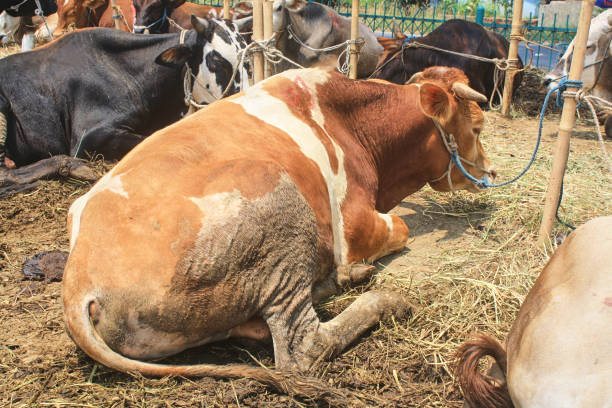
Arthritis is inflammation affecting one or more joints.
Depending on the cause, the joint may become:
- Swollen.
- Warm.
- Painful.
- Restricted in movement.
- Filled with excess fluid.
- Affected by cartilage or other internal structural damage.
However, lameness in cattle can have many other causes.
Common possibilities include:
- Digital dermatitis.
- Foot rot.
- Sole ulcer.
- White line disease.
- Hoof lesions.
- Foreign material in the foot.
- Sprains.
- Tendon injuries.
- Ligament injuries.
- Bone fractures or cracks.
- Soft-tissue trauma.
- Certain systemic diseases.
Because many cases of cattle lameness originate in the hoof or foot, foot and hoof examination should be among the first steps.
An abnormal gait alone should not be used to conclude that the animal has “arthritis.”
2. Quick assessment: is the pain coming from the hoof, soft tissue, or joint?
Signs suggesting joint involvement
If a joint is:
- Clearly swollen.
- Warmer than the corresponding joint on the opposite limb.
- Painful on palpation.
- Restricted in movement.
- Associated with reluctance to bear weight.
then disease or injury within or around the joint should be assessed carefully.
Comparing both limbs can help identify asymmetry.
Signs suggesting foot or hoof disease
Foot disorders may cause severe pain even when the lesion is located below the joint.
Areas to examine include:
- Interdigital space.
- Heel.
- Sole.
- Hoof wall.
- Areas of ulceration or cracking.
- Foreign material.
- Abnormal odour or discharge.
The following table is intended only as a guide:
| Feature | Joint lesion | Foot or hoof disease |
| Location of pain | Around or within the joint | Hoof, interdigital space, heel, or sole |
| Swelling | May be localised around the joint | May be concentrated in the foot or extend proximally |
| Joint movement | May be painful and restricted | May remain relatively normal if the lesion is confined to the hoof |
| Findings when the foot is lifted | Surface lesions may not be obvious | Hoof or interdigital lesions may be visible |
Some deep hoof lesions can produce swelling that extends higher up the limb and may therefore be mistaken for joint disease.
Musculoskeletal trauma
Traumatic injury may affect:
- Muscle.
- Tendons.
- Ligaments.
- Bone.
- Soft tissues.
- Joints.
Possible causes include:
- Slipping.
- Falling.
- Impact injuries.
- Trauma from another animal.
- Transport-related injuries.
If swelling develops after trauma, it should not automatically be labelled “arthritis” unless the lesion has actually been localised to the joint.
When other infectious diseases should be considered
If several cattle simultaneously develop:
- Lameness.
- Vesicular or ulcerative lesions around the feet.
- Oral lesions.
- Excessive salivation.
appropriate isolation measures should be taken and a veterinarian or the relevant animal-health authority should be contacted promptly rather than managing the problem as routine arthritis.
3. Signs that make septic arthritis a priority
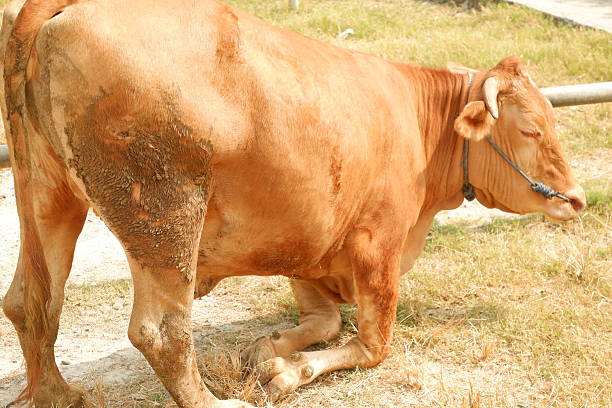
Septic arthritis occurs when bacteria enter the joint space.
Bacteria may reach the joint through:
- The bloodstream.
- A penetrating wound near the joint.
- Navel infection.
- Systemic bacterial infection.
- Another focus of infection elsewhere in the body.
Local joint signs
The joint may be:
- Swollen.
- Warm.
- Clearly painful.
- Distended with fluid.
- Restricted in movement.
The animal may:
- Refuse to bear weight on the limb.
- Walk with marked difficulty.
- Spend more time lying down.
- Be reluctant to rise.
Systemic signs
Where infection has broader effects, signs may include:
- Reduced feed intake.
- Complete loss of appetite.
- Depression.
- Abnormally elevated body temperature.
- Reduced milk production.
- Weakness.
Assessment should not depend on one temperature threshold alone.
Other factors should be considered, including:
- Age.
- Feed intake.
- Stress.
- Disease progression.
- Degree of pain.
- Ability to stand and move.
Why is early detection important?
Delayed management of septic arthritis can damage:
- Articular cartilage.
- Joint capsule.
- Periarticular tissues.
- Weight-bearing structures.
Once substantial joint damage has developed, the likelihood of full functional recovery may decrease considerably.
4. Swollen joints in calves require earlier attention
Septic arthritis is an important cause of swelling in one or more joints in calves.
Navel infection
After birth, bacteria may enter through the navel and spread through the bloodstream.
From there, infection may reach:
- Joints.
- Bones.
- Lungs.
- Other organs.
The navel should be examined when a calf has:
- Swollen joints.
- Reduced suckling.
- Weakness.
- Difficulty standing.
Abnormal navel findings may include:
- Swelling.
- Persistent moisture.
- Pain.
- Discharge.
Septicaemia
Calves with septicaemia may show:
- Depression.
- Reduced suckling.
- Weakness.
- Swelling of multiple joints.
- Difficulty standing.
When several joints are affected at the same time, haematogenous spread of infection should be considered.
Mycoplasma bovis
Mycoplasma bovis should be included in the differential diagnosis in calves and young cattle.
Some affected animals may develop a combination of:
- Persistent pneumonia.
- Polyarthritis.
- Lameness.
- Reduced weight gain.
- Otitis media.
Where a calf has both respiratory disease and multiple swollen joints, an M. bovis-associated syndrome should be considered.
When should calves receive early veterinary assessment?
A veterinarian should be contacted promptly if:
- One or more joints are clearly swollen.
- A joint is warm and painful.
- The calf is suckling less.
- The calf spends excessive time lying down.
- Standing becomes difficult.
- Navel infection is present.
- Signs of pneumonia are present.
- The condition deteriorates rapidly.
A fixed waiting period should not be completed before reassessment when warning signs are already present.
5. When can short-term monitoring be reasonable, and when should a veterinarian be called immediately?
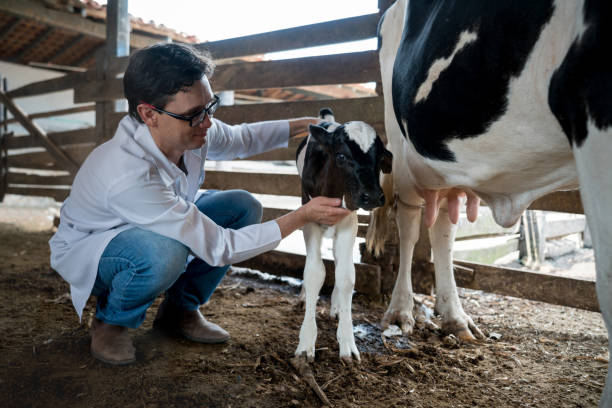
Not every case of lameness is an emergency.
However, certain signs should not be left to observation alone.
Seek veterinary assessment promptly when
- A joint is clearly swollen, warm, and painful.
- The animal refuses to bear weight.
- The animal cannot stand without assistance.
- A penetrating wound is present near a joint.
- Abnormal discharge is coming from the joint region.
- Several joints are swollen.
- A calf has reduced suckling or weakness.
- Signs of systemic infection are present.
- Lameness is progressing rapidly.
- Several animals in the herd develop similar signs.
Short-term observation may be reasonable when
A mild traumatic injury may be monitored briefly if:
- The cause of injury is reasonably clear.
- There is no joint heat or swelling.
- There is no penetrating wound.
- The animal continues to eat and drink.
- The animal can still stand and move.
- The condition is not worsening.
The important point is:
A blanket “wait 24–48 hours” rule should not be applied to every case of lameness.
Where septic arthritis or significant injury is already suspected, delay may reduce the likelihood of recovery.
6. What does a veterinarian need to determine before treatment?
Treatment is most effective when the origin of lameness has been correctly identified.
Foot and hoof examination
This is often one of the first steps for ruling out common causes.
Assessment may include:
- Hoof.
- Interdigital space.
- Heel.
- Sole.
- Foreign material.
- Ulcers.
- Cracks.
Joint examination
The veterinarian may assess:
- Location of pain.
- Degree of swelling.
- Local temperature.
- Range of motion.
- Weight-bearing ability.
Diagnostic imaging
Depending on the case, diagnostic imaging may include:
- Radiography.
- Ultrasound.
These techniques may help identify:
- Joint fluid.
- Bone lesions.
- Soft-tissue injuries.
- Chronic changes.
Joint-fluid aspiration
Where septic arthritis is suspected, the veterinarian may perform arthrocentesis to obtain synovial fluid.
The fluid may be assessed for:
- Colour.
- Turbidity.
- Viscosity.
- Inflammatory cells.
Where appropriate, samples may also be submitted for:
- Bacterial culture.
- Pathogen identification.
- Help guide antimicrobial selection.
Synovial-fluid analysis can be an important diagnostic tool in suspected septic arthritis.
7. Treatment depends on the cause — there is no single “arthritis medicine”
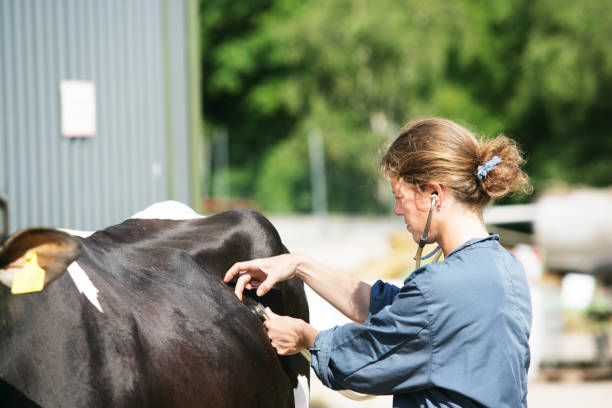
Arthritis in cattle may be infectious, degenerative, or trauma-related.
Each category requires a different approach.
Septic arthritis
Management should not consist solely of administering an antibiotic and waiting.
Depending on disease severity, treatment may involve a combination of:
- Appropriate antimicrobial therapy.
- Pain management.
- Control of inflammation.
- Treatment of the original infection source.
- Joint lavage.
- Local joint procedures where required.
- Supportive care.
Delaying appropriate management may increase cartilage damage.
NSAIDs
Non-steroidal anti-inflammatory drugs may be used to:
- Reduce pain.
- Reduce inflammation.
- Improve mobility.
However, dose and treatment duration depend on:
- Specific product.
- The animal’s condition.
- Diagnosis.
They should not be used independently based only on previous experience.
Corticosteroids
Corticosteroids should not be used independently before infection has been appropriately excluded.
They may:
- Suppress immune responses.
- Mask clinical signs.
- Complicate an existing infection.
Even where joint disease is non-infectious, their use should be determined by a veterinarian.
Trauma or degenerative joint disease
Management may focus on:
- Pain control.
- Reducing load on the affected limb.
- Improving bedding.
- Adjusting activity.
- Managing body condition.
There is no universal recovery period for every case.
8. What should the farm do while waiting for the veterinarian?
Several simple supportive measures may help reduce further injury.
Separate the affected animal
The objectives are to:
- Reduce contact and the risk of being bumped by other animals.
- Make observation easier.
- Reduce unnecessary walking distance.
Provide a soft, dry, non-slip surface
Suitable materials may include:
- Straw.
- Sand.
- Rubber matting.
- Other appropriate bedding materials.
A suitable surface can make standing easier and reduce pressure on painful structures.
Keep feed and water nearby
A painful animal should not be required to walk long distances to:
- Eat.
- Drink.
- Access feeding or watering points.
Record disease progression
Useful information includes:
- Time the problem was first detected.
- Affected limb.
- Which joint appears swollen.
- Ability to stand.
- Feed and water intake.
- Body temperature if measured.
- Presence of wounds.
- Medicines already administered.
This information can help the veterinarian assess progression more accurately.
Procedures that should not be attempted independently
Do not independently:
- Aspirate a joint.
- Incise a swollen area.
- Inject medication into a joint.
- Increase medication doses.
- Combine multiple medicines.
Incorrect procedures may worsen the condition or interfere with subsequent diagnosis.
9. Preventing recurrent lameness at herd level
Prevention should not focus only on the joint.
Management should also address:
- Flooring.
- Hoof health.
- Trauma.
- Body condition.
- Hygiene.
- Calf management.
Flooring management
Floors should:
- Not be excessively slippery.
- Drain effectively.
- Be free from sharp edges.
- Be repaired when damaged.
Slippery floors increase the risk of:
- Slipping.
- Falling.
- Limb twisting.
- Soft-tissue injury.
Lying surfaces
Overly hard resting surfaces may increase:
- Hock lesions.
- Knee lesions.
- Skin injuries.
- Pressure on weight-bearing points.
Some of these lesions may be mistaken for joint disease.
Hoof management
Farms should:
- Monitor locomotion.
- Inspect hooves regularly.
- Address hoof lesions early.
- Reduce prolonged exposure to wet flooring.
- Maintain an appropriate hoof-care programme.
Body-condition management
An excessively high body condition score (BCS) may increase mechanical loading on the limbs.
An excessively low BCS may indicate:
- Inadequate nutrition.
- Chronic disease.
- Reduced recovery capacity.
Body condition should be appropriate for:
- Age.
- Production stage.
- Productivity.
Nutrition
A balanced ration is important for the musculoskeletal system.
Long-term imbalances involving:
- Calcium.
- Phosphorus.
- Vitamin D.
may contribute to metabolic bone disorders such as:
- Rickets.
- Osteomalacia.
- Bone deformities.
- Lameness.
However, mineral deficiency should not be treated as a common direct cause of septic arthritis.
High-dose mineral or vitamin supplementation should not be started without assessing the overall ration.
Preventing arthritis in calves
Particular attention should be paid to:
- Hygiene in the calving area.
- Navel management after birth.
- Ensuring appropriate colostrum intake as early as possible.
- Monitoring the navel.
- Early detection of respiratory disease.
- Monitoring for swollen joints.
- Reducing the risk of septicaemia.
10. Medicines and withdrawal time: check before cattle return to the food chain
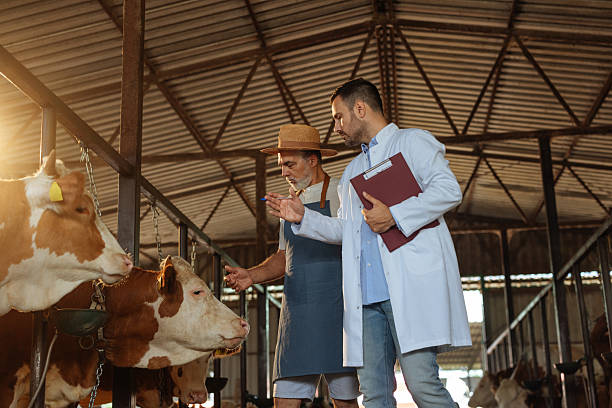
When treating beef or dairy cattle, the withdrawal time for the exact product being used must be checked.
Withdrawal periods may vary according to:
- Active ingredient.
- Formulation.
- Route of administration.
- Indication.
- Production group.
A withdrawal time from another product should not be transferred to the product currently being used.
If the label states that the product must not be used in cattle producing milk for human consumption, an alternative milk withdrawal period should not be independently assumed to justify off-label use.
Do not use antibiotics independently
Antibiotics are appropriate only where a bacterial infection requiring antimicrobial treatment is present.
Unnecessary or inappropriate use may:
- Mask clinical signs.
- Target the wrong pathogen.
- Increase antimicrobial-resistance risk.
- Create residue problems.
Do not alter the treatment regimen independently
Do not independently:
- Increase the dose.
- Reduce the dose.
- Shorten treatment.
- Extend treatment.
Any adjustment should be based on:
- Product label.
- Diagnosis.
- Treatment response.
- Veterinary guidance.
Do not use human medicines or products outside their authorised indication simply because they contain the “same active ingredient”
Veterinary products also have specific requirements relating to:
- Dose.
- Route of administration.
- Residues.
- Withdrawal time.
Frequently asked questions about arthritis in cattle
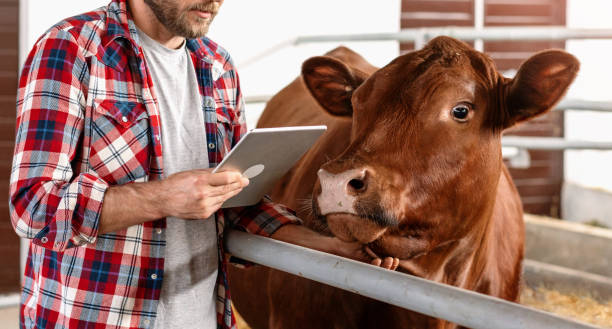
Does lameness always mean that a cow has arthritis?
No.
Lameness may originate from:
- Hoof.
- Foot.
- Joint.
- Tendon.
- Ligament.
- Muscle.
- Bone.
- Nervous system.
The lesion should therefore be localised before treatment decisions are made.
Is arthritis in cattle contagious?
There is no single answer for every case.
Arthritis caused by:
- Trauma.
- Degenerative joint disease.
is not itself an infectious disease.
In contrast, septic arthritis involves microbial infection.
Certain pathogens such as Mycoplasma bovis can affect multiple animals where a common source or transmission pathway is present.
Should farmers buy arthritis medicine for cattle themselves?
This is not recommended.
If the actual cause is:
- Hoof disease.
- Bone fracture.
- Septic arthritis.
- Mycoplasma infection.
- Another infectious disease.
empirical treatment may delay appropriate diagnosis and management.
How long does arthritis take to recover?
There is no universal recovery time.
Prognosis depends on:
- Cause.
- Severity of damage.
- Whether infection is present.
- Degree of cartilage damage.
- Timing of detection.
- Treatment.
- Body condition.
Septic arthritis detected late may result in long-term impairment.
When should culling be considered?
Culling may be considered where there is:
- Failure to respond to treatment.
- Persistent pain.
- Inability to stand or walk normally.
- Irreversible joint damage.
- Recurrent disease.
- Poor prognosis.
The decision should also consider:
- Animal welfare.
- Degree of pain.
- Ability to access feed and water.
- Mobility.
- Production value.
- Veterinary prognosis.
From Lameness to Herd Musculoskeletal Health at VIETSTOCK 2026
Lameness in cattle may originate from the hoof, joints, tendons, ligaments, or traumatic injury, making localisation of the lesion an important step before treatment. In calves in particular, swollen, hot, painful joints, navel infection, or involvement of multiple joints may indicate septic arthritis and should be assessed early to reduce the risk of long-term damage.
At VIETSTOCK 2026 – Vietnam’s Premier International Feed, Livestock & Meat Industry Show, practical animal-health challenges are addressed within the wider context of modern livestock production, from disease prevention and nutrition to housing conditions and herd-monitoring technology. The event is expected to bring together 300 brands, 10,000 sqm of exhibition area, and 13,000 trade visitors from 40 countries, providing opportunities for cattle producers and veterinary teams to connect directly with organisations across the industry.
For cattle farms and veterinary teams seeking to support foot, limb, and joint health, participants can explore solutions from several perspectives, including:
- Animal health and veterinary diagnostics: exploring solutions that support identification of the causes of lameness and assessment of herd health.
- Veterinary equipment and technology: learning about technologies that support examination, monitoring, and assessment of lesions where required.
- Housing conditions: exploring solutions that can improve walking surfaces, resting areas, and livestock-care conditions.
- Animal nutrition: learning about approaches that support body condition, skeletal health, and recovery across different stages of production.
- Biosecurity and hygiene: exploring approaches to infection-source control, particularly in calf care and situations involving risk of septic arthritis.
Participants who want to move from management of individual lameness cases towards farm-level risk prevention can also follow the One Health Forum on 22 October 2026. The forum highlights practical approaches to farm management, biosecurity, and hygiene, as well as the integration of One Health into commercial livestock-production systems. This broader perspective helps connect foot and joint health with housing conditions, infection-source control, and overall herd health.
Date: 21–23 October 2026
Venue: Saigon Exhibition and Convention Center (SECC), 799 Nguyen Van Linh Street, Tan My Ward, Ho Chi Minh City, Vietnam
Event website: https://www.vietstock.org/en/
Register to visit now: https://ers-vn.informa-info.com/vs26
👉 VIETSTOCK 2026 Visitor Registration Information
👉 Learn more about the One Health Forum
Contact information:
Exhibiting: Ms. Sophie Nguyen – [email protected]
Visitor Support: Ms. Phuong – [email protected]
Marcom Support: Ms. Anita Pham – [email protected]